
CZBANK(02016)

Search documents
浙商银行股份有限公司关于召开2026年第一次临时股东大会的通知
Shang Hai Zheng Quan Bao· 2026-01-06 17:56
证券代码:601916 证券简称:浙商银行 公告编号:2026-001 浙商银行股份有限公司 关于召开2026年第一次临时股东大会的通知 本公司董事会及全体董事保证本公告内容不存在任何虚假记载、误导性陈述或者重大遗漏,并对其内容 的真实性、准确性和完整性承担法律责任。 重要内容提示: 一、召开会议的基本情况 (一)股东大会类型和届次 2026年第一次临时股东大会 (二)股东大会召集人:董事会 (三)投票方式:本次股东大会所采用的表决方式是现场投票和网络投票相结合的方式 (四)现场会议召开的日期、时间和地点 召开的日期时间:2026年1月26日 15点00分 召开地点:中国浙江省杭州市上城区民心路1号浙商银行总行大楼 (五)网络投票的系统、起止日期和投票时间 网络投票系统:上海证券交易所股东大会网络投票系统 网络投票起止时间:自2026年1月26日 涉及融资融券、转融通业务、约定购回业务相关账户以及沪股通投资者的投票,应按照《上海证券交易 所上市公司自律监管指引第1号一规范运作》等有关规定执行。 (七)涉及公开征集股东投票权 不涉及 ● 股东大会召开日期:2026年1月26日 (星期一) ● 股权登记日:202 ...
金融活水精准滴灌:浙商银行“人才银行”与普惠下沉双轨服务实体经济
华尔街见闻· 2026-01-06 11:49
Core Viewpoint - The article emphasizes the role of Zhejiang Commercial Bank in promoting financial services that support both technological innovation and rural development, showcasing its commitment to "finance for the people" and aligning with national strategies [1][2]. Group 1: Technological Finance - Zhejiang Commercial Bank has significantly contributed to the growth of small and micro enterprises, serving over 500,000 clients and increasing loan issuance by 133% during the 14th Five-Year Plan period [2]. - The bank has developed a unique credit evaluation system tailored to the characteristics of technology companies, moving away from traditional collateral-based assessments [3][6]. - The case of Wuhan Heyuan Biotechnology Co., Ltd. illustrates the bank's innovative approach, providing critical funding of 5 million yuan to support its research and development efforts [5][6]. - The bank's "Talent Bank" initiative focuses on evaluating companies based on their human resources and technology rather than physical assets, enabling timely financial support [6][8]. Group 2: Inclusive Finance - Zhejiang Commercial Bank has extended its financial services to rural areas, exemplified by the transformation of Taohou Village from poverty to a model of shared prosperity [9][13]. - The bank implemented the "3386 model" to tailor financial services to local resources and industry characteristics, facilitating access to loans without collateral [11][13]. - The successful case of a couple starting a guesthouse in Taohou Village highlights the bank's role in providing 500,000 yuan in loans, which helped them overcome initial financial challenges [11][13]. - The bank has served 800,000 small micro enterprises and issued over 3 trillion yuan in loans, demonstrating its commitment to inclusive finance and rural revitalization [13][15].


浙商银行(02016) - 2026年第一次临时股东大会之代表委任表格
2026-01-06 11:01
2026年第一次臨時股東大會之代表委任表格 本人╱吾等 (附註1) 地址為 (附註2) 持有浙商銀行股份有限公司(「本行」) (附註3) 股H股, CHINA ZHESHANG BANK CO., LTD. 浙商銀行股份有限公司 (於中華人民共和國註冊成立的股份有限公司) (股份代號:2016) 為本行的股東,現委任 (附註4) 臨時股東大會主席或 (其地址為 ) 為本人╱吾等之代理人,代表本人╱吾等出席2026年1月26日(星期一)下午3時在中華人民共和國(「中國」)浙江省 杭州市上城區民心路1號浙商銀行總行大樓舉行的2026年第一次臨時股東大會(「臨時股東大會」),並於該會代表本 人╱吾等依照下列指示就臨時股東大會通告所列的決議案投票;如無作出指示,則本人╱吾等之代理人可酌情投 票。除文義另有所指外,本表格所用詞彙與本行日期為2026年1月6日的通函所界定者具有相同涵義。 | | (附註5) 普通決議案 | (附註6) 贊成 | (附註6) 反對 | 棄權 | (附註6) | | --- | --- | --- | --- | --- | --- | | 1. | 關於選舉呂臨華先生為浙商銀行股份有限公司 ...
浙商银行(02016) - 2026年第一次临时股东大会通告
2026-01-06 10:57
(股份代號:2016) 2026年第一次臨時股東大會通告 茲通告浙商銀行股份有限公司(「本行」)謹訂於2026年1月26日(星期一)下午3時 於中國浙江省杭州市上城區民心路1號浙商銀行總行大樓舉行2026年第一次臨時股東大 會(「臨時股東大會」),以審議並酌情通過以下決議案。除文義另有所指外,本通告所 用詞彙與本行日期為2026年1月6日的通函所界定者具有相同涵義。 普通決議案 香港交易及結算所有限公司及香港聯合交易所有限公司對本通告的內容概不負責,對其準確性或完整性亦 不發表任何聲明,並明確表示概不就因本通告全部或任何部分內容而產生或因倚賴該等內容而引致的任何 損失承擔任何責任。 CHINA ZHESHANG BANK CO., LTD. 浙商銀行股份有限公司 (於中華人民共和國註冊成立的股份有限公司) 關於選舉呂臨華先生為浙商銀行股份有限公司第七屆董事會董事的議案 承董事會命 浙商銀行股份有限公司 陳海強 執行董事 中國,杭州 2026年1月6日 – 1 – 附註: – 2 – 1. 個人股東親自出席會議的,應出示本人身份證或其他能夠表明其身份的有效證件或證明;委任代表 出席會議的,受委託代表應出示其本人 ...
浙商银行(02016) - 选举第七届董事会董事及2026年第一次临时股东大会通告
2026-01-06 10:53
此乃要件 請即處理 閣下對本通函或應採取的行動如有疑問,應諮詢 閣下的股票經紀或其他註冊證券交易商、銀行經理、律 師、專業會計師或其他專業顧問。 閣下如已售出或轉讓名下浙商銀行股份有限公司的全部股份,應立即將本通函及隨附的代表委任表格交予 買主或承讓人,或送交經手買賣或轉讓的銀行、股票經紀或其他代理商,以便轉交買主或承讓人。 香港交易及結算所有限公司及香港聯合交易所有限公司對本通函的內容概不負責,對其準確性或完整性亦 不發表任何聲明,並明確表示概不就因本通函全部或任何部份內容而產生或因依賴有關內容而引致的任何 損失承擔任何責任。 CHINA ZHESHANG BANK CO., LTD. 浙商銀行股份有限公司 (於中華人民共和國註冊成立的股份有限公司) (股份代號:2016) 選舉第七屆董事會董事 及 2026年第一次臨時股東大會通告 本行謹訂於2026年1月26日(星期一)下午3時於中國浙江杭州上城區民心路1號浙商銀行總行大樓舉行臨 時股東大會。臨時股東大會通告載於本通函第7頁至第8頁。 不論 閣下能否出席臨時股東大會,務請細閱臨時股東大會通告,並盡早按隨附的代表委任表格上印列 的指示填妥及交回該表格。H股 ...
年内举牌超30次 让险资为之“疯狂”的机构都有哪些特点
Mei Ri Jing Ji Xin Wen· 2026-01-06 10:36
Core Viewpoint - Insurance capital's involvement in listed companies is increasing, with a record number of shareholding actions in 2025, particularly favoring the financial sector, especially H-shares [1][2][4]. Group 1: Shareholding Activities - By the end of 2025, insurance capital had conducted over 30 shareholding actions, marking a significant increase compared to previous years [1]. - A total of 14 insurance institutions participated in 35 shareholding actions in 2025, with Ping An Life being the most active, conducting 12 actions [2]. - The month of August saw the highest activity, with 7 shareholding actions, including Ping An Life's investments in major banks [2]. Group 2: Investment Preferences - Financial stocks, particularly H-shares of banks, are the primary targets for insurance capital, with 15 actions in the financial sector [4]. - Insurance companies prefer low-valuation, high-dividend stocks with stable performance, which aligns with the new accounting standards that favor high-dividend stocks [4][5]. - The valuation of H-shares is generally lower than A-shares, providing greater appreciation potential, along with tax benefits through the Hong Kong Stock Connect [4][5]. Group 3: Market Impact and Trends - The shareholding actions by insurance capital have positively influenced stock prices, with notable increases following such actions [7]. - Major insurance companies have shown strong stock performance, with significant annual increases in share prices, outperforming the broader market indices [9]. - The trend of insurance capital's involvement in the equity market is expected to continue, driven by considerations of dividend yield and return on equity (ROE) [10].

浙商银行(601916) - 浙商银行股份有限公司关于召开2026年第一次临时股东大会的通知
2026-01-06 10:30
证券代码:601916 证券简称:浙商银行 公告编号:2026-001 浙商银行股份有限公司 关于召开2026年第一次临时股东大会的通知 (一) 股东大会类型和届次 2026年第一次临时股东大会 (二) 股东大会召集人:董事会 (三) 投票方式:本次股东大会所采用的表决方式是现场投票和网络投票相 结合的方式 本公司董事会及全体董事保证本公告内容不存在任何虚假记载、误导性陈述 或者重大遗漏,并对其内容的真实性、准确性和完整性承担法律责任。 重要内容提示: 股东大会召开日期:2026年1月26日 (星期一) 股权登记日:2026年1月20日(星期二) 本次股东大会采用的网络投票系统:上海证券交易所股东大会网络投票 系统 会议方式:现场会议、现场投票和网络投票,其中网络投票仅适用于A 股股东 一、 召开会议的基本情况 (四) 现场会议召开的日期、时间和地点 召开的日期时间:2026 年 1 月 26 日 15 点 00 分 召开地点:中国浙江省杭州市上城区民心路 1 号浙商银行总行大楼 (五) 网络投票的系统、起止日期和投票时间 网络投票系统:上海证券交易所股东大会网络投票系统 网络投票起止时间:自2026 年 1 ...
浙商银行(601916) - 浙商银行股份有限公司2026年第一次临时股东大会会议资料
2026-01-06 10:30
会议召开时间:2026年1月26日(星期一)15点00分 浙商銀行股份有限公司 2026年第一次臨時股東大會 會議資料 二〇二六年一月二十六日 | 1、会议议程 2 | | --- | | 2、会议须知 3 | | 3、浙商银行股份有限公司 2026 年第一次临时股东大会议案材料 5 | | (1)关于选举吕临华先生为浙商银行股份有限公司第七届董事会董事的议案 5 | | 4、浙商银行股份有限公司 2026 年第一次临时股东大会报告材料 7 | | (1)浙商银行关于主要股东(大股东)评估的报告 7 | 会议议程 会议召开地点:中国浙江省杭州市上城区民心路1号浙商银行总行大楼 召集人:浙商银行股份有限公司董事会 会议议程: (一)关于选举吕临华先生为浙商银行股份有限公司第七届董事会董事的议 案 2 一、宣布会议开始 二、宣读会议注意事项 三、推选计票人、监票人 四、审议各项议案 五、统计出席会议股东的人数、代表股份数 六、对议案投票表决并统计表决结果 七、听取各项报告 (一)《浙商银行关于主要股东(大股东)评估的报告》 八、宣布议案表决结果 九、股东发言 十、宣布会议结束 会议须知 为了维护全体股东的合法权益 ...
年内举牌超30次 让险资为之“疯狂”的机构都有哪些特点⋯⋯
Mei Ri Jing Ji Xin Wen· 2026-01-06 10:17
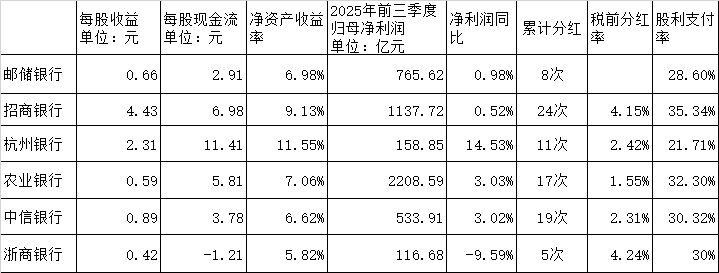
Core Viewpoint - Insurance capital's stake in listed companies has significantly increased, with over 30 instances of stake acquisitions in 2025, marking a new high in recent years [1][10]. Group 1: Stake Acquisition Trends - In 2025, insurance companies made 35 stake acquisitions, up from 20 in 2024, indicating a growing trend in equity market participation [2][11]. - The financial sector is the primary focus for insurance capital, with 15 stake acquisitions involving 6 banks and 2 insurance companies [1][4]. - The H-share market is the main venue for these acquisitions, as it offers better valuation opportunities compared to A-shares [1][4]. Group 2: Active Participants - A total of 14 insurance institutions participated in stake acquisitions in 2025, with Ping An Life leading with 12 acquisitions [2][11]. - Other notable participants include Great Wall Life and China Post Life, each with 4 acquisitions, and several others with fewer [2][11]. - August 2025 was particularly active, with 7 acquisitions, including Ping An Life's significant stake in Postal Savings Bank [2][11]. Group 3: Investment Characteristics - Insurance capital favors low-valuation, high-dividend stocks with stable performance, particularly in the banking sector [4][13]. - The new accounting standards encourage insurance companies to increase stake acquisitions to stabilize profit and loss fluctuations [3][12]. - Financial stocks, especially H-shares, are preferred due to their higher dividend yields compared to long-term bond yields [4][13]. Group 4: Financial Performance of Target Companies - Six banks targeted by insurance capital showed a range of return on equity (ROE) from approximately 6% to 11.55% [5][14]. - The banks reported stable dividend distributions, with China Merchants Bank having the highest number of cumulative dividends at 24 [5][14]. - In the first three quarters of 2025, five banks reported year-on-year profit increases, with Postal Savings Bank achieving a net profit of 765.62 billion yuan, up 0.98% [5][14]. Group 5: Market Reactions and Future Outlook - Stake acquisitions by insurance capital have positively influenced stock prices, often leading to short-term price surges [6][16]. - Insurance stocks have outperformed other sectors, with significant annual increases in stock prices for major insurance companies [8][18]. - The trend of insurance capital acquisitions is expected to continue into 2026, driven by considerations of dividend yield and return on equity [9][19].



疯狂的银行企微考核:“一天要加十几个,完不成会通报”
Mei Ri Jing Ji Xin Wen· 2026-01-05 13:51
Core Viewpoint - The banking industry is increasingly focusing on the use of corporate WeChat (企微) as a tool for customer relationship management, driven by performance metrics that require employees to add a specific number of clients to their corporate WeChat accounts. This shift reflects the industry's struggle with retail business performance and the need for innovative customer engagement strategies [1][12]. Group 1: Performance Metrics and Employee Pressure - Many banks have implemented strict KPIs for corporate WeChat additions, with requirements such as adding 50 clients per month, leading to financial penalties for underperformance [2][5]. - Employees are sharing their corporate WeChat QR codes on social media to meet these targets, often incentivized by rewards like cash bonuses for high performance [1][2]. - The pressure to meet these metrics has led to a culture of "mutual assistance" among bank employees, where they help each other add clients to fulfill their quotas [1][2]. Group 2: Challenges and Limitations - There are significant challenges in achieving these targets, including restrictions on the types of clients that can be added and the requirement for clients to complete real-name authentication [3][4]. - Some employees have resorted to purchasing client contacts from online platforms, indicating a potential loophole in the system [3][4]. - The effectiveness of corporate WeChat in enhancing customer engagement is questioned, as many employees focus on merely completing tasks rather than fostering genuine client relationships [10][11]. Group 3: Strategic Importance of Corporate WeChat - The push for corporate WeChat is partly to prevent "client privatization," ensuring that customer relationships remain with the bank rather than individual employees [5][6]. - Corporate WeChat is seen as a vital tool for managing customer interactions and data, allowing banks to analyze client behavior and preferences more effectively [5][6]. - The banking sector views corporate WeChat as essential for addressing the challenges of declining retail business performance, with the potential to enhance customer insights and operational efficiency [12][14]. Group 4: Success Stories and Outcomes - Some banks have reported positive outcomes from their corporate WeChat initiatives, such as increased customer engagement and higher transaction volumes [15]. - For instance, a bank in Dongying achieved over 234,900 corporate WeChat friend additions, with a significant portion completing authentication, leading to improved customer activity [15]. - Another bank has successfully provided financial services to nearly a million clients through corporate WeChat, demonstrating its potential as a customer engagement platform [15].

