JW THERAP(02126)

Search documents
药明巨诺瑞基奥仑赛纳入国家医保局商保创新药目录(第一版),加速细胞治疗惠及更多中国患者
Xin Lang Cai Jing· 2025-12-07 08:00
Group 1 - The National Healthcare Security Administration (NHSA) has officially released the "Commercial Health Insurance Innovative Drug Directory," marking a significant step in the accessibility reform of innovative drugs in China [1][6] - The inclusion of Beiduo Da® (Regiokine injection) as the first CAR-T product developed in China is a milestone for the cell therapy industry, with less than 20% of the high-value innovative drugs successfully included in the directory [2][7] - As of June 2025, Beiduo Da® has been included in over 100 city health insurance programs and nearly 100 commercial insurance directories, significantly reducing the financial burden on patients [2][7] Group 2 - Beiduo Da® has benefited approximately 600 patients since its launch in September 2021, showing significant efficacy in treating relapsed or refractory large B-cell lymphoma, follicular lymphoma, and mantle cell lymphoma [2][7] - The drug has received priority review qualifications and breakthrough therapy designation, with a new application for a fourth indication submitted in May 2025 [2][7] Group 3 - WuXi AppTec has established three CAR-T production modules approved by the National Medical Products Administration, ensuring product accessibility and safety [3][8] - A new application for using domestically produced viral vectors was accepted in October 2025, which is expected to significantly reduce material costs [3][8] - The production capacity has increased from approximately 100 doses to 1,500 doses per batch, enhancing efficiency and supply capabilities [3][8] Group 4 - WuXi AppTec has developed a diverse pipeline of cell immunotherapy products targeting hematological malignancies, autoimmune diseases, and solid tumors [4][9] - The company is actively expanding its market presence in Asia, with Beiduo Da® undergoing commercialization efforts, including a "Named Patient Program" in Hong Kong and receiving approval in Macau [4][10] - The inclusion of Beiduo Da® in the innovative drug directory provides a reference for the construction of a multi-layered payment guarantee system for high-value innovative drugs in China [5][10]
五款CAR-T产品纳入2025年商保创新药目录
Bei Jing Shang Bao· 2025-12-07 05:24
(文章来源:北京商报) 具体来看,包括复星凯瑞的阿基仑赛注射液、药明巨诺的瑞基奥仑赛注射液、驯鹿生物的伊基奥仑赛注 射液、合源生物的纳基奥仑赛注射液、以及恺兴生命科技的泽沃基奥仑赛注射液。 北京商报讯12月7日,《商业健康保险创新药品目录(2025年)》正式发布,18家创新药企业的19款药 品成功纳入,其中包括五款CAR-T产品。 ...
CAR-T药进入商保创新药目录,五款百万级别产品成大赢家
Di Yi Cai Jing· 2025-12-07 05:19
Core Insights - The introduction of five CAR-T cell therapies into the Commercial Health Insurance Innovative Drug Directory marks a significant breakthrough for these high-cost treatments, which previously struggled to gain access to national insurance negotiations [1][3][4] Group 1: Benefits of Inclusion - The five CAR-T therapies included are aimed at treating various blood cancers, providing hope for potential cures in conditions like large B-cell lymphoma, multiple myeloma, and acute lymphoblastic leukemia [3] - The inclusion of these therapies in the directory is seen as a milestone for improving patient accessibility to innovative drugs in China [4][5] - The pricing of these therapies varies, with the lowest being 999,000 yuan (approximately 99.9 million) for the product from 合源生物, while the highest is 1,290,000 yuan (approximately 129 million) for the product from 药明巨诺 [1] Group 2: Market Dynamics and Cost Considerations - The high production costs of CAR-T therapies, particularly due to the expensive lentiviral vectors sourced from foreign suppliers, have historically limited their pricing and accessibility [3] - Some companies have reported that their CAR-T products will see price reductions of at least 15% upon inclusion in the directory, which is expected to be more favorable than local health insurance programs [5] Group 3: Implementation Challenges - The successful inclusion of CAR-T therapies in the directory raises questions about the practical implementation and accessibility in hospitals, as the directory's effectiveness relies on its adoption at the hospital level [6][7] - Policies such as the "three exclusions" from basic medical insurance and centralized procurement monitoring are designed to alleviate concerns from hospitals and physicians regarding cost assessments, potentially facilitating the entry of these drugs into hospitals [6][7] - There are ongoing discussions about further coordination between the National Medical Insurance Administration and health authorities to ensure that the performance assessments of hospitals do not hinder the adoption of these innovative therapies [7]


利好创新药 中国药品价格登记系统上线
2 1 Shi Ji Jing Ji Bao Dao· 2025-12-03 23:05
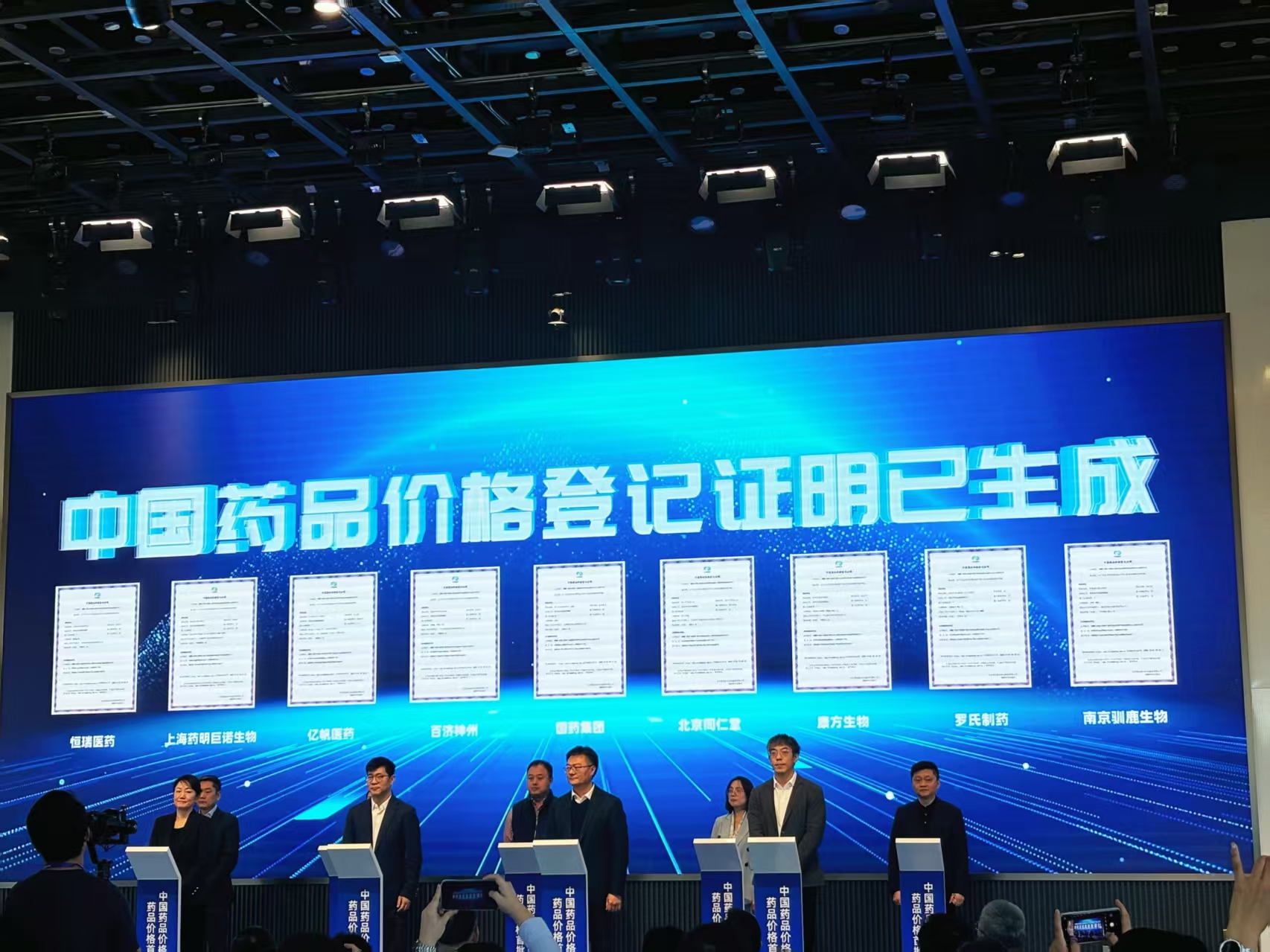
Core Viewpoint - The launch of the China Drug Price Registration System marks a significant step towards a globalized pricing framework for innovative drugs, enhancing market-oriented pricing capabilities for pharmaceutical companies and supporting the development of a new pricing ecosystem that aligns drug prices with innovation value and market demand [1][2][6]. Group 1: Drug Price Registration System - The new system allows domestic and international pharmaceutical companies to independently register drug prices, ensuring accountability for price authenticity [1][3]. - The system operates under the principle of "one location acceptance, nationwide sharing, global openness," and is managed by a state-owned enterprise in Beijing [1][3]. - The first batch of companies to register prices includes major players such as China National Pharmaceutical Group, Beijing Tongrentang, and Roche, indicating strong industry participation [3]. Group 2: Impact on Pharmaceutical Industry - The system is expected to enhance the pricing strategies of pharmaceutical companies, allowing them to adjust prices based on clinical value, supply-demand dynamics, and competitive landscape [3][4]. - The dual mechanism of registration and query will promote transparency in drug pricing, moving away from previous opaque practices [4]. - The establishment of this system is anticipated to create a comprehensive pricing structure that encompasses innovative drugs, insurance payment prices, and generic drug prices, benefiting the innovative drug sector [5]. Group 3: Global Market Development - The China Drug Price Registration System is designed to facilitate the international expansion of Chinese innovative drugs and attract high-quality foreign drugs into the Chinese market [2][5]. - Data indicates that the total amount of overseas licensing transactions by Chinese pharmaceutical companies exceeded $92 billion in the first three quarters of 2025, highlighting the growing global presence of Chinese innovative drugs [2]. - The system aims to address significant price discrepancies between domestic and international markets, influenced by factors such as currency exchange rates and pricing mechanisms [5]. Group 4: Long-term Industry Implications - The implementation of the drug price registration system is expected to enhance the global competitiveness of China's biopharmaceutical industry and drive high-quality innovation within the sector [6].



鼓励创新药出海,中国药品价格登记系统上线:我国药企授权出海交易超920亿美元
Mei Ri Jing Ji Xin Wen· 2025-12-03 13:24
Core Insights - The launch of the Chinese Drug Price Registration System on December 2 is seen as a significant positive development for the innovative drug sector, facilitating the international expansion of domestic innovative drugs [1][4]. Group 1: Drug Price Registration System - The Chinese Drug Price Registration System was launched on December 2, with nine pharmaceutical companies participating in the initial registration, including both multinational and traditional Chinese medicine firms [2]. - The system currently includes limited information, with only 10 drug entries available, indicating a nascent stage of development [2]. - The system allows for independent pricing by companies outside of the National Medical Insurance (NMI) framework, which is a notable shift in policy [1][5]. Group 2: Innovative Drugs Highlighted - Four drugs showcased on the system are recognized as either the first of their kind in China or globally, including innovative treatments like Toripalimab and Icaritin [3]. - For instance, Toripalimab is the first Chinese PD-1 monoclonal antibody approved in both Europe and the U.S., while Icaritin is the first CAR-T therapy targeting BCMA approved in China [3]. Group 3: Market Implications - The establishment of the registration system is expected to enhance the global pricing framework for Chinese innovative drugs and attract high-quality foreign drugs to the Chinese market [4][5]. - Data indicates that in the first three quarters of 2025, Chinese pharmaceutical companies completed 103 license-out transactions totaling $92.03 billion, highlighting the growing importance of the Chinese market in the global pharmaceutical industry [4]. - The NMI's non-interference in pricing for the non-NMI market is seen as a positive step towards respecting market dynamics and enhancing the pricing power of domestic companies in international markets [5].

我国药企授权出海交易超920亿美元
Mei Ri Jing Ji Xin Wen· 2025-12-03 12:49
Core Insights - The launch of the Chinese Drug Price Registration System on December 2 is seen as a significant positive development for the innovative drug sector, facilitating the international expansion of domestic innovative drugs [1][4] - The system allows for independent pricing by companies outside of the National Medical Insurance (NMI) market, which is expected to foster a more competitive environment [1][5] Group 1: Drug Price Registration System - The Chinese Drug Price Registration System was launched on December 2, with nine pharmaceutical companies participating in the initial registration, including both multinational and domestic firms [2] - The system currently includes limited data, with only 10 drug entries available, indicating a nascent stage of development [2] - The system is designed to respect the pricing autonomy of companies in the non-NMI market, which is a shift from previous perceptions that equated the NMI market with the entire Chinese pharmaceutical market [5] Group 2: Innovative Drugs Highlighted - Four drugs showcased on the system's homepage hold either domestic or global "first" status, including innovative treatments like the first Chinese PD-1 monoclonal antibody approved in Europe and the U.S. [3] - Specific pricing examples illustrate the disparity between NMI reimbursement prices and companies' self-reported prices, such as the self-reported price of 10,688 yuan for a PD-1 monoclonal antibody compared to the NMI price of 1,253.53 yuan [3] Group 3: Market Implications - The establishment of the drug price registration system is expected to enhance the global pricing framework for Chinese innovative drugs and attract high-quality foreign drugs to the Chinese market [4] - Data indicates that Chinese pharmaceutical companies completed 103 license-out transactions worth 9.203 billion USD in the first three quarters of 2025, highlighting the growing importance of the Chinese market in the global pharmaceutical industry [4] - The NMI's non-interference in pricing for the non-NMI market is viewed as a positive step towards empowering companies to set prices that reflect market conditions, potentially increasing their influence in international markets [5]
药明巨诺(02126) - 截至二零二五年十一月三十日止月份之股份发行人的证券变动月报表
2025-12-03 09:54
FF301 致:香港交易及結算所有限公司 公司名稱: JW (Cayman) Therapeutics Co. Ltd 藥明巨諾(開曼)有限公司* 呈交日期: 2025年12月3日 I. 法定/註冊股本變動 | 1. 股份分類 | 普通股 | 股份類別 | 不適用 | | 於香港聯交所上市 (註1) | | | 是 | | | --- | --- | --- | --- | --- | --- | --- | --- | --- | --- | | 證券代號 (如上市) | 02126 | 說明 | | | | | | | | | | | 法定/註冊股份數目 | | | 面值 | | | 法定/註冊股本 | | | 上月底結存 | | | 5,000,000,000 | USD | | 0.00001 | USD | | 50,000 | | 增加 / 減少 (-) | | | | | | | USD | | | | 本月底結存 | | | 5,000,000,000 | USD | | 0.00001 | USD | | 50,000 | 股份發行人及根據《上市規則》第十九B章上市的香港預託證券發行人的證券 ...
港股医药股震荡下探
Jin Rong Jie· 2025-12-03 02:26
Core Viewpoint - The Hong Kong pharmaceutical stocks experienced a significant downturn, with notable declines in several companies' stock prices [1] Group 1: Company Performance - Gilead Sciences (歌礼制药-B) saw a drop of over 8% in its stock price [1] - Sanofi (圣诺医药-B) experienced a decline of more than 6% [1] - Deciphera Pharmaceuticals (德琪医药-B) fell by over 4% [1] - Other companies such as Innovent Biologics (复宏汉霖) and Antengene Corporation (药捷安康-B) also followed the downward trend [1]
中国药品价格登记系统上线!创新药出海传来利好
Guo Ji Jin Rong Bao· 2025-12-02 13:41
Core Viewpoint - The launch of the drug price registration system in China is a significant step towards establishing a global pricing framework for innovative drugs, enhancing the international competitiveness of Chinese pharmaceutical companies [1][3][6]. Group 1: Drug Price Registration System - The drug price registration system, initiated by the National Healthcare Security Administration, allows domestic and foreign pharmaceutical companies to independently declare drug prices, creating a comprehensive pricing archive [1][3]. - The system operates independently from provincial procurement platforms and follows principles of "one location acceptance, nationwide sharing, and global openness," which aids in building a globalized drug pricing system [1][3]. - The registration of prices does not alter the medication costs for insured and uninsured individuals [1]. Group 2: Support for Chinese Pharmaceutical Companies - The new system addresses the shortcomings in the pricing mechanism for innovative drugs, facilitating their entry into international markets and allowing for pricing that aligns with local payment systems [3][4]. - Companies like Yifan Pharmaceutical highlight that the system will provide substantial support for overseas expansion, allowing for a more accurate reflection of the true value of innovative drugs [4]. - The system enables companies to register prices according to international practices, providing verifiable pricing information to regulatory bodies and partners [4]. Group 3: Attracting Foreign Innovative Drugs - The establishment of the drug price registration system is expected to attract more high-quality foreign innovative drugs into the Chinese market, as multinational companies will be encouraged to participate in national healthcare negotiations [6][7]. - The system allows multinational companies to register prices independently in China, creating a clear distinction between market supply prices and negotiated healthcare prices, which enhances the certainty of market entry for innovative drugs [7].

企业自主登记真实药价,非医保价!中国药品价格登记系统上线
Di Yi Cai Jing· 2025-12-02 11:35
Core Points - The launch of the China Drug Price Registration System aims to facilitate the globalization of Chinese innovative drugs and attract high-quality foreign drugs to the Chinese market, benefiting patients in China [1][4] - The system operates under a "one location acceptance, nationwide sharing, global openness" service mechanism, allowing pharmaceutical companies to independently declare and register drug prices [1][4] - The establishment of this system fills a gap in the national-level drug pricing disclosure framework in China, enhancing the credibility of registered prices compared to provincial systems [5] Group 1: System Overview - The China Drug Price Registration System (China Drug Registration) was officially launched on December 2, providing a platform for drug price registration and inquiry [1] - The system is a collaboration between the National Healthcare Security Administration and the Beijing Municipal Government, operated by a state-owned enterprise under a socialized operation model [1][4] - The registration process allows drug market authorization holders to voluntarily declare prices and is open for public inquiry, ensuring transparency [5] Group 2: Industry Impact - The system is expected to significantly impact the high-quality development of the pharmaceutical industry in China, aligning with the country's goal of building a healthy China and supporting the development of innovative drugs and medical devices [3][4] - By providing a platform for global price registration, the system helps Chinese pharmaceutical companies establish a comprehensive global pricing framework, enhancing the modernization of drug price governance [4][5] - The system's independent operation from provincial procurement platforms allows for a clearer distinction between market prices and negotiated prices under healthcare insurance [4][5]