
CSICPCL(600482)

Search documents
未来五年接续奋斗,发展自身造福世界,“十五五”将为世界注入“中国动力”
Huan Qiu Shi Bao· 2025-10-24 23:12
Core Points - Chinese President Xi Jinping will attend the APEC informal leaders' meeting in South Korea from October 30 to November 1, marking his first visit and participation in a multilateral summit after the Fourth Plenary Session of the 20th Central Committee of the Communist Party of China [1][2] - The "15th Five-Year Plan" is expected to inject "Chinese power" into the sluggish global economy and provide valuable insights for developing countries on achieving autonomous development through strategic planning [1][3] - The focus of the "15th Five-Year Plan" includes building a modern industrial system and strengthening the foundation of the real economy, which is crucial for job creation and social stability [4][8] Economic and Technological Development - The "15th Five-Year Plan" aims to foster emerging pillar industries and accelerate the development of strategic emerging industry clusters, potentially creating several trillion-level markets [7] - The plan emphasizes technological modernization as a support for China's modernization, with a focus on breakthroughs in key technologies such as integrated circuits and high-end instruments [7][8] - High-quality development is highlighted as a key theme, moving away from mere quantitative growth to a focus on quality, efficiency, and coordinated development [8] Global Economic Impact - China's new five-year plan is seen as a stabilizing force for global development amid rising uncertainties, providing clear direction and predictability [9] - The plan is expected to enhance China's role as a major trade partner for over 150 countries and regions, with significant contributions to local industrialization and modernization [8][9] - The emphasis on open economic policies is viewed as beneficial for both China and the global community, promoting mutual development [8]


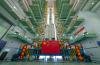
工信部相关负责人:“十四五”中国动力电池产业取得积极成效
Zhong Guo Xin Wen Wang· 2025-10-24 07:25
Core Insights - The rapid development of the new energy vehicle industry in China has significantly advanced the country's power battery industry, making it a key player in promoting green and sustainable transformation in the automotive sector [1][3] Industry Overview - Since the start of the 14th Five-Year Plan, China's power battery production has increased from 83.4 GWh in 2020 to over 1000 GWh by 2024, with a notable rise in market concentration and global competitiveness [1] - Chinese companies hold six out of the top ten global power battery manufacturers, collectively accounting for over 60% of the market share [1] - In the first three quarters of this year, the cumulative installed capacity reached 493.9 GWh, representing a year-on-year growth of 42.5% [1] Technological Advancements - Significant breakthroughs have been achieved in key material research, cell design, and system integration, with mass-produced battery energy density exceeding 300 Wh/kg [3] - The development and industrialization of solid-state batteries and other cutting-edge technologies are accelerating [3] Supply Chain and Export - China has established a complete power battery industry chain, supplying approximately 70% of battery materials and over 60% of power batteries globally [3] - In the first three quarters of this year, power battery exports reached about 130 GWh, marking a year-on-year increase of 32.7% [3] - The industry is actively expanding into overseas markets such as Europe, Southeast Asia, and Africa through investments in factories and R&D centers, integrating deeply into the global supply chain [3] Application Expansion - Beyond the automotive sector, power batteries are increasingly applied in various fields, including eVTOLs, inland vessels, heavy machinery, and smart agricultural machinery, facilitating the transition of power batteries from transportation energy products to supporting clean energy across multiple sectors [3]
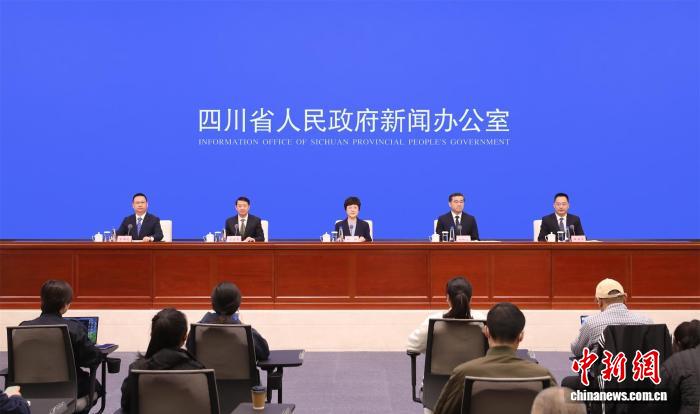
产量5年增长10倍多,中国动力电池全球份额已超6成
Di Yi Cai Jing· 2025-10-24 06:37
Core Insights - The power battery industry has become a significant advantage for China's new energy vehicle sector, contributing to the green and low-carbon transformation of the automotive industry [1] - China has established a complete power battery industry chain, supplying approximately 70% of battery materials and over 60% of power batteries globally [1][2] - The production capacity of power batteries is expected to exceed 1000 GWh by 2024, growing more than tenfold from 83.4 GWh in 2020 [1] Industry Growth - In the first three quarters of this year, the cumulative installed capacity reached 493.9 GWh, representing a year-on-year increase of 42.5% [1] - The export volume of power batteries reached approximately 130 GWh, with a year-on-year growth of 32.7% [2] - Sichuan province has emerged as a major production base, with a power battery output of 168.1 GWh in the first nine months of this year, a 49.2% increase year-on-year [3] Technological Advancements - Breakthroughs have been made in key material research, cell design, and system integration, with mass-produced battery energy density exceeding 300 Wh/kg [2] - The development and industrialization of all-solid-state batteries are accelerating [2] Regional Development - Yibin city has attracted over 120 projects related to power batteries and their supply chain, with a planned production capacity of 300 GWh [3] - Yibin's power battery output is projected to account for over 16% of the national total and 10% of the global total by 2024 [3] - The economic contribution of Yibin's power battery industry is expected to exceed 100 billion yuan in both 2023 and 2024, becoming the second trillion-level industry after liquor [4] Industry Events - The 2025 World Power Battery Conference will be held in Yibin, Sichuan province, on November 12-13, 2025, following three successful previous editions [4]
邦普循环副总裁余海军:中国动力电池回收的竞争 正在从“技术赛”转向“规则战”
Zhong Guo Jing Ying Bao· 2025-10-22 06:08
Core Insights - The rapid development of China's new energy vehicle industry is leading to a concentrated wave of battery retirements, making the establishment of a scientific and complete battery recycling system crucial for industry chain safety, resource recycling, and green development [1] - As of now, China has released 22 national standards for battery recycling, covering various aspects such as general requirements, management norms, disassembly standards, residual energy testing, recycling, and waste recovery [1] - The company Bangpu Recycling plays a key role in the formulation of these standards, leading or participating in over 80% of the relevant standards in the lithium battery recycling sector [1] Industry Standards and Development - The primary task of standardization in battery recycling is to establish unified classification and process definitions due to the complexity and diversity of recycling objects [2] - China's current recycling rates are internationally leading, with a comprehensive recovery rate of nickel, cobalt, and manganese reaching 99.6%, and lithium recovery at 96.5% [2] - The improvement of standards is driving technological advancements in the industry, pushing it from extensive to high-quality development [2] International Competitiveness - The focus of international competition in battery recycling is shifting from technological competition to rule-making, highlighting the importance of establishing a systematic methodology and regulatory framework [3] - The establishment of a specialized battery recycling standardization organization is seen as a breakthrough for China to effectively represent its standards internationally [4] - The fragmented nature of current standards across multiple committees hinders China's ability to engage in systematic international dialogue [4] Integration and Lifecycle Management - The recycling industry faces challenges due to its long and fragmented supply chain, necessitating a shift towards integrated lifecycle management [5] - Bangpu Recycling collaborates with CATL to create a closed-loop ecosystem, providing feedback for "green design" to enhance recyclability and resource efficiency [6] - The future focus will be on accelerating the establishment of resource attribute recognition standards for strategic resources and key mineral salts, as well as developing a carbon footprint accounting system for battery recycling [6]
2025年1-8月中国民用钢质船舶产量为3345.1万载重吨 累计增长14.3%
Chan Ye Xin Xi Wang· 2025-10-21 03:33
Core Insights - The article discusses the growth of China's civil steel shipbuilding industry, highlighting significant production increases and future market potential [1] Industry Overview - According to the National Bureau of Statistics, the production of civil steel ships in China reached 4.71 million deadweight tons in August 2025, representing a year-on-year increase of 39.8% [1] - From January to August 2025, the cumulative production of civil steel ships was 33.45 million deadweight tons, showing a cumulative growth of 14.3% [1] Companies Mentioned - Listed companies in the civil shipbuilding sector include China Shipbuilding (600150), China Heavy Industry (601989), and others [1] - The report by Zhiyan Consulting provides insights into the market status and demand analysis for the civil steel shipbuilding industry from 2025 to 2031 [1]




中船系指数盘中走强,成分股多数上涨
Mei Ri Jing Ji Xin Wen· 2025-10-21 02:04
Group 1 - The core viewpoint of the news is that the China Shipbuilding Index experienced a significant increase, with a daily rise of 2.04% and most constituent stocks showing upward trends [1] - Jiuzhiyang led the gains with an increase of 6.86%, while other stocks such as China Shipbuilding, China Ship Defense, Kunshan Intelligent, and China Power also saw increases [1]

交通运输行业周报(2025年10月13日-2025年10月19日):9月快递价格持续上涨,中美港费落地或将影响海运效率-20251020
Hua Yuan Zheng Quan· 2025-10-20 11:51
Investment Rating - The investment rating for the transportation industry is "Positive" (maintained) [3] Core Views - The express logistics sector is experiencing resilient demand, with a "de-involution" trend driving up express prices, enhancing corporate profitability. The long-term outlook for e-commerce express logistics is positive due to healthy competition [3][13] - The shipping sector is expected to benefit from the OPEC+ production increase and the Federal Reserve's interest rate cuts, with a notable improvement in VLCC freight rates anticipated in Q4 2025 [13] - The aviation industry is seeing stable demand growth, with supply chain issues leading to increased costs for airlines. The overall passenger demand is projected to grow by 10.4% in 2024, outpacing capacity growth [9][14] Summary by Sections Express Logistics - In September 2025, major express companies reported improved performance, with YTO, Shentong, and Yunda achieving business volumes of 2.627 billion, 2.187 billion, and 2.110 billion pieces, respectively, representing year-on-year growth of 13.64%, 9.46%, and 3.63% [3][27] - The average revenue per piece for these companies also saw increases, indicating a trend of rising prices in the express delivery sector [3][27] Shipping and Ports - The implementation of new port fees between China and the US is expected to create a dual market structure, granting strategic pricing power to compliant shipping capacities [5] - China has secured pricing power for iron ore, marking a significant shift in global commodity trade dynamics [6] - The Shanghai Container Freight Index (SCFI) rose by 12.9% week-on-week, indicating a positive trend in shipping rates [7] Aviation - The International Air Transport Association (IATA) reported that supply chain bottlenecks are delaying aircraft production, leading to increased costs for airlines, estimated to exceed $11 billion in 2025 [9] - Chinese airlines collectively oppose the US Department of Transportation's proposed flight restrictions, highlighting concerns over operational impacts [10] Road and Rail - National logistics operations were reported to be running smoothly, with significant increases in highway freight traffic [12] - The National Development and Reform Commission plans to enhance electric vehicle charging infrastructure along highways by 2027 [12] Overall Market Performance - From October 13 to October 17, 2025, the transportation sector index increased by 0.73%, outperforming the Shanghai Composite Index, which fell by 1.47% [18]


2025年1-4月中国民用钢质船舶产量为1592.3万载重吨 累计增长9.1%
Chan Ye Xin Xi Wang· 2025-10-18 02:33
Core Viewpoint - The report highlights the growth in China's civil steel shipbuilding industry, with significant increases in production and demand projected for the coming years [1]. Industry Summary - According to the National Bureau of Statistics, the production of civil steel ships in China reached 4.79 million deadweight tons in April 2025, marking a year-on-year increase of 21.8% [1]. - From January to April 2025, the cumulative production of civil steel ships was 15.923 million deadweight tons, reflecting a cumulative growth of 9.1% [1]. - The report provides insights into the market status and industry demand analysis for the civil steel shipbuilding sector from 2025 to 2031 [1]. Company Summary - Listed companies in the civil steel shipbuilding sector include China Shipbuilding (600150), China Heavy Industry (601989), and others, indicating a diverse range of players in the market [1]. - The report by Zhiyan Consulting emphasizes the importance of industry research and tailored consulting services for investment decisions in this sector [1].

中国动力电池的演进:从续航里程、安全性到充电速度
Di Yi Cai Jing· 2025-10-15 05:13
Core Insights - In 2023, China surpassed Japan to become the world's largest automobile exporter, with BYD overtaking Tesla as the largest pure electric vehicle manufacturer in the same year [1] - China's power battery industry has a global market share of 63.2%, with six out of the top ten global battery companies being Chinese, and CATL maintaining its position as the world's largest battery manufacturer for nine consecutive years [1] - The transition of China's power battery industry from labor-intensive to technology-intensive is highlighted as a successful model of industrial upgrade [1] Industry Development - The development of electric vehicles (EVs) has focused on addressing consumer pain points such as range and safety, with advancements in fast charging and performance in various climate conditions [2][3] - The initial focus was on electric buses and low-speed vehicles, which allowed for larger battery installations without energy density concerns, before moving to passenger vehicles where energy density became critical [3][4] - The introduction of subsidy policies linked to energy density has driven the shift from lithium iron phosphate (LFP) batteries to nickel-cobalt-manganese (NCM) batteries, which offer higher energy density [5][6] Safety Concerns - As NCM batteries gained market share, safety issues emerged, with incidents of fires and explosions reported, particularly in high-nickel variants [6][7] - Regulatory measures have been introduced to enhance battery safety, including mandatory standards for thermal runaway prevention [7] - The resurgence of LFP batteries is attributed to their superior thermal stability and safety, with innovations like BYD's blade battery achieving competitive energy density [8][9] Technological Innovations - The competition has shifted from a focus on battery chemistry to innovations in battery pack technology and safety systems [10] - New battery designs, such as GAC Aion's cartridge battery and CATL's Kirin battery, aim to enhance safety while maintaining energy density [10][11] - The industry is addressing new challenges related to performance in extreme weather conditions and charging speed, with ongoing research into thermal management systems and fast-charging solutions [12][13] Market Trends - The market is witnessing a significant shift in battery technology preferences, with LFP batteries regaining ground due to their cost-effectiveness and resource availability [9][10] - The demand for fast charging and battery swapping solutions is increasing, with companies exploring innovative business models to enhance consumer convenience [12][13] - The rapid growth of battery testing and R&D facilities reflects the industry's commitment to improving battery performance and safety [13][14]


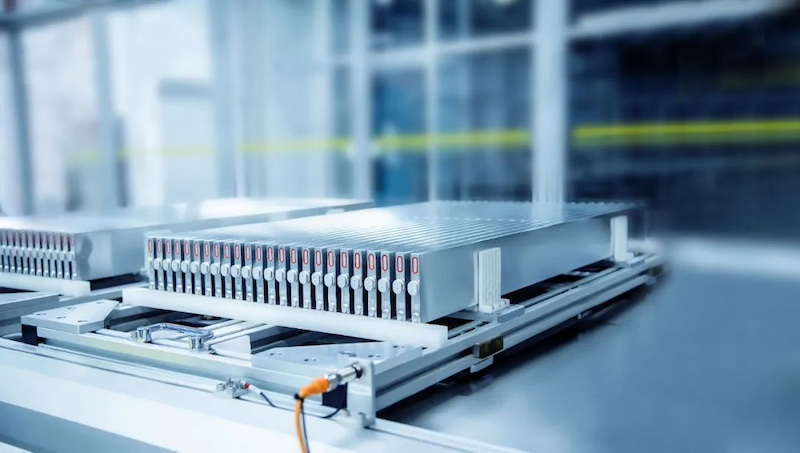
中国动力(600482) - 中国动力2025年第二次临时股东会材料
2025-10-14 10:45
会 议 材 料 2025 年 10 月 30 日 中国船舶重工集团动力股份有限公司 2025 年第二次临时股东会 1、为保证股东会的严肃性和正常秩序,切实维护股东的合法权益,务请出 席本次股东会的相关人员准时签到参会,参会资格未得到确认的人员不得进入会 场。 中国船舶重工集团动力股份有限公司 2025 年第二次临时股东会现场会议须知 为维护投资者的合法权益,确保股东会的正常秩序和议事效率,根据《公司 法》《中国船舶重工集团动力股份有限公司章程》的有关规定,特制定本次股东 会现场会议须知: 4、公司召开股东会按如下程序进行:首先由报告人向大会做各项议案的报 告,之后股东对各项报告进行审议讨论,股东在审议过程中提出的建议、意见或 问题,由大会主持人或其指定的有关人员予以回答,最后股东对各项议案进行表 决。 5、与本次股东会议题无关或将泄露公司商业秘密或有损公司、股东利益的 质询,大会主持人或相关负责人有权拒绝回答。 6、本次股东会采取记名投票方式逐项进行表决,必须填写股东姓名或委托 股东姓名,特请各位股东、股东代表或其委托代理人准确填写表决票: (1)对于非累积投票议案,股东按其持有本公司的每一份股份享有一份表 ...