
Fulai New Material(605488)

Search documents
福莱新材推“三维力”电子皮肤 年初股价涨幅曾超300%
2 1 Shi Ji Jing Ji Bao Dao· 2025-06-08 01:04
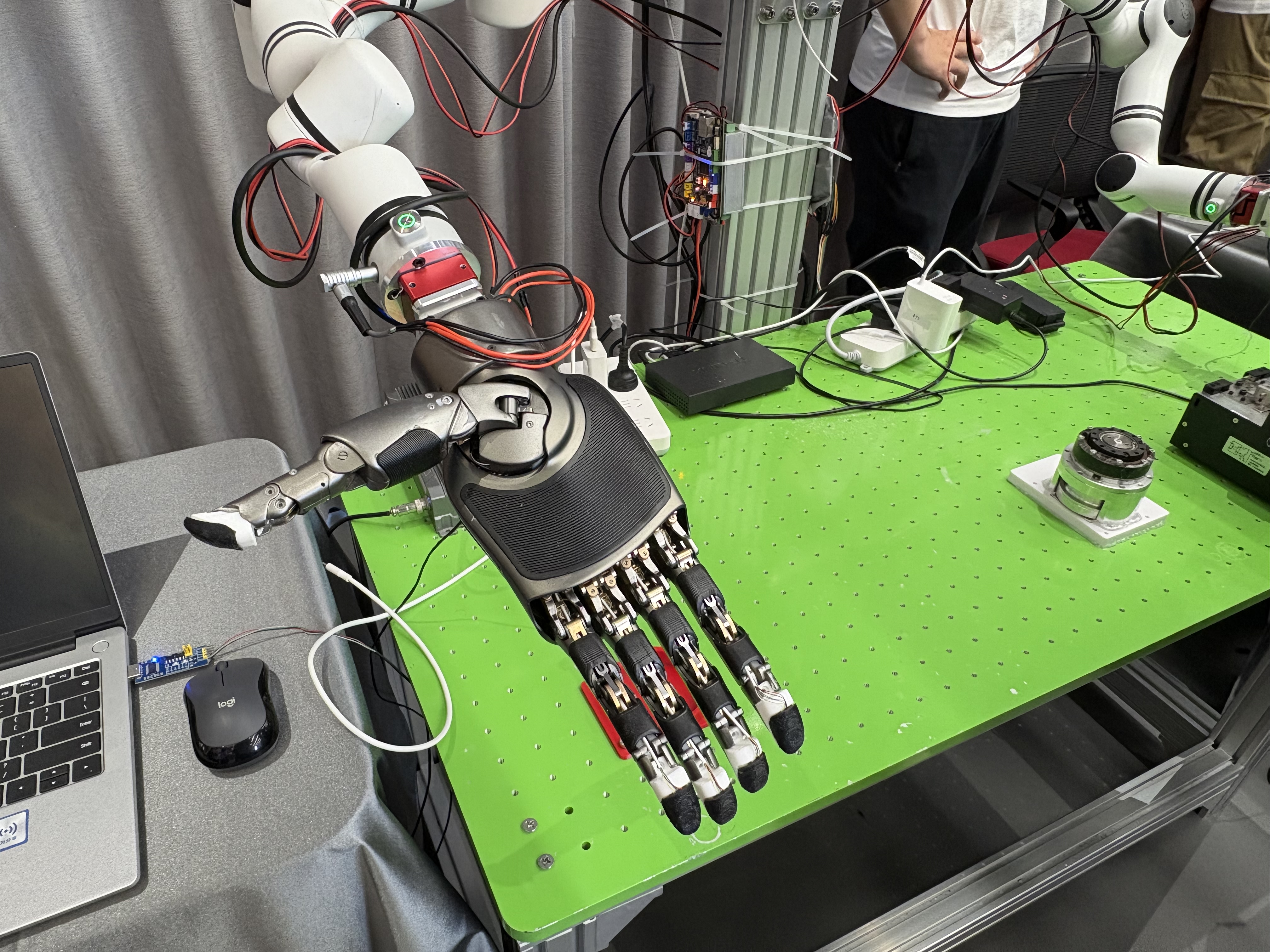
从未来终局角度思考,柔性多模态电子皮肤无疑是通用型人形机器人的标准配置。皮肤是人类最大的器 官,触觉则涵盖了对三维压力、温度、纹理、痛觉等多种模态的感知,是人类理解和适应外部环境的基 础。同样的,机器人电子皮肤也必须具备多模态感知能力,才能支撑抓握、控制、避障、环境识别等操 作型功能。这些人类日常行为,恰恰是目前机器人最难突破的能力瓶颈。 公开资料显示,2017年,福莱新材开始在柔性传感器领域布局,并开启前瞻性研究,今年2月,公司发 布第一代触觉传感器。 福莱新材也因切入机器人行业得到市场竞相追捧,成为机器人概念明星企业。2024年底至2025年年初, 福莱新材股价涨幅一度超过300%。 福莱新材董事会秘书毕立林指出,过去市场较为关注人形机器人的运动能力,敏捷性,耐用性等,对机 器人聚焦围绕运动控制算法,关节与减速器,电池,散热等等。但在实际使用过程中,通用机器人难点 与卡点更多在于操作能力上,市场对这一领域的关注不足。 6月5日,曾因切入机器人电子皮肤领域大受市场关注的A股上市公司福莱新材(605488)(605488.SH), 发布了第二代电子皮肤产品。 福莱新材方面表示,与此前发布的一代产品相比,新产品 ...

人形机器人大规模商业化的关键是什么?福莱新材首席科学家陈书厅认为是这两种能力
Mei Ri Jing Ji Xin Wen· 2025-06-06 10:28
Core Insights - The year 2025 is defined as the "mass production year" for humanoid robots, with expectations for accelerated commercialization due to close collaboration among upstream and downstream enterprises in the industry chain [1] - Enhancing the perception and interaction capabilities of humanoid robots is crucial for their large-scale commercialization, as emphasized by industry leaders [1][5] - The development of flexible tactile sensors, referred to as the "electronic skin" of humanoid robots, is vital for achieving natural human-robot interaction and complex operations [1] Industry Trends - The humanoid robot market is rapidly evolving, with an increase in consumer orders despite some professionals holding a conservative view on commercialization [5] - There is ongoing debate within the industry regarding the technical direction and application scenarios for humanoid robots, with a suggestion to prioritize vertical products for large enterprises to ensure quicker deployment [5][6] - The demand for flexible tactile sensors in the humanoid robot sector is projected to reach 1.525 million square meters by 2030, with a market size of 27.4 billion yuan [7] Technological Challenges - The core bottleneck for humanoid robots lies in algorithms, which are essential for solving underlying application scenarios [6][7] - The current performance of domestic flexible tactile sensors lags behind international standards in key areas such as sensitivity and durability, presenting significant challenges [7] - The second-generation flexible tactile sensors developed by the company can detect force vectors in three dimensions, enhancing the robot's ability to perform complex operations and self-adjust based on rich force information [7][8]

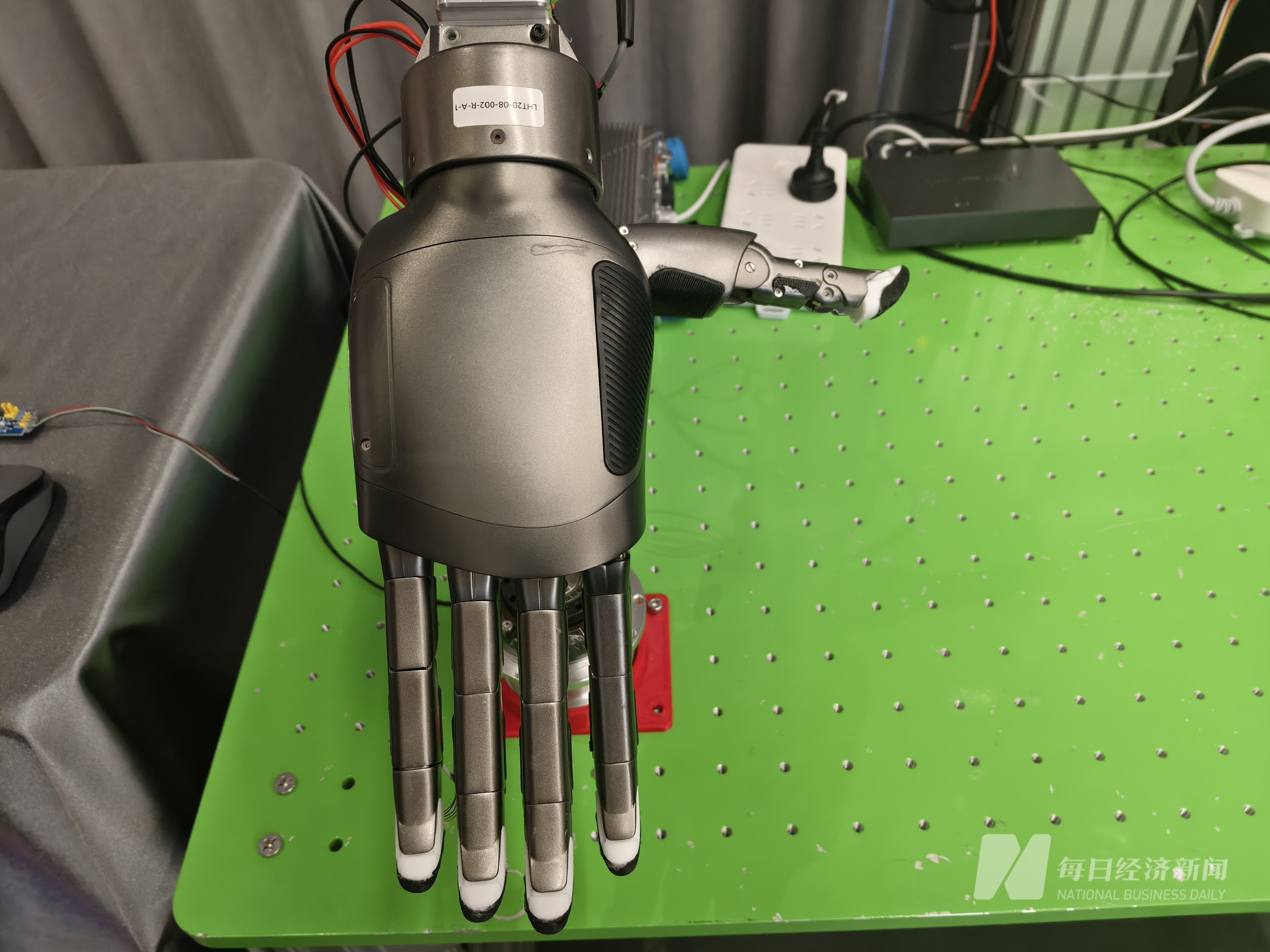
福莱新材第二代机器人触觉新品发布 解锁机器人三维感知新境界
Zheng Quan Ri Bao· 2025-06-06 03:07
Core Viewpoint - The launch of the second-generation flexible tactile sensor by Zhejiang Fulai New Materials Co., Ltd. represents a significant upgrade over the first generation, enhancing multi-modal and shear force perception capabilities for more complex interactions in robotic applications [2][3]. Group 1: Product Features - The second-generation tactile sensor features "true flexibility," utilizing highly flexible materials that conform to various complex surfaces, improving reliability and accuracy in practical applications [3]. - It achieves "full surface" coverage, allowing deployment on critical areas of robotic hands, thus expanding the effective perception range and environmental adaptability of robots [3]. - The sensor possesses "three-dimensional force" vector sensing capabilities, enabling precise detection of vertical and shear forces, which is crucial for delicate and dexterous operations in complex interaction scenarios [3]. Group 2: Core Technologies - The core technology supporting these features includes molecular-level optimized composite sensing materials that enhance sensitivity and reliability, along with biomimetic silicone surfaces that simulate human skin structure to improve contact stability [3]. - Advanced algorithms employing deep learning for tactile recognition and multi-modal data fusion significantly enhance perception accuracy by enabling real-time extraction of high-dimensional features and intelligent integration of heterogeneous signals [3]. Group 3: Product Range and Future Prospects - The second-generation tactile sensor product line includes multiple models such as FOS-P300 (flat version), FOS-P300T (single curved version), FOS-P300S (full curved version), and FOS-W500 (whole hand tactile version) to meet diverse application needs [4]. - The new tactile sensing technology is expected to provide robots with comprehensive perception capabilities akin to "electronic skin," paving the way for more natural human-robot interactions, particularly in the emotional robotics sector [4].
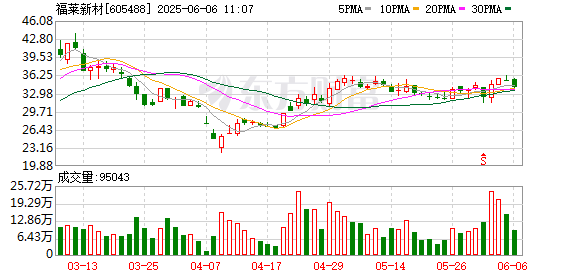
机器人有电子皮肤了!能变得更加聪明吗?
第一财经· 2025-06-06 01:39
Core Viewpoint - The article discusses the advancements in flexible tactile sensors, referred to as "electronic skin," developed by Fulei New Materials (福莱新材) and their potential impact on robotics, emphasizing the importance of cost, integration, and algorithm development for practical applications [1][4]. Group 1: Product Development and Technology - Fulei New Materials has introduced a second-generation flexible tactile sensor that mimics human skin, enhancing robots' ability to perceive force and temperature [1]. - The new sensor technology allows for multi-dimensional signal input, which could lead to smarter decision-making and operations in robots [1][4]. - The development of the sensor involved a flexible film preparation process, ensuring it can conform to various complex surfaces, which is crucial for effective application [3]. Group 2: Market Demand and Future Projections - According to GGII, the global demand for flexible tactile sensors in humanoid robots is projected to reach 1.525 million square meters by 2030, with a market size of 27.4 billion yuan [4]. Group 3: Cost and Industry Challenges - The high cost of tactile sensors is a significant barrier to widespread adoption, with some sensors priced around 100,000 yuan per unit, making bulk procurement challenging for developers [6]. - The industry emphasizes the need for affordable solutions to facilitate further research and development in embodied intelligence hardware [6]. - Fulei New Materials has chosen a resistive technology for their sensors, which balances manufacturing difficulty, cost, and scalability, providing a competitive edge [7].
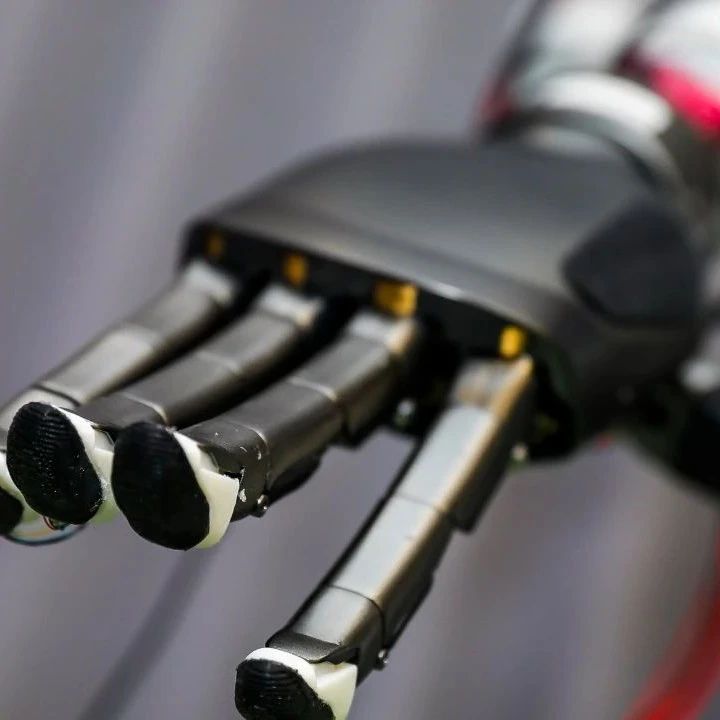
能实现全曲面触觉感知 福莱新材第二代触觉传感器面世
Zheng Quan Shi Bao Wang· 2025-06-06 00:56
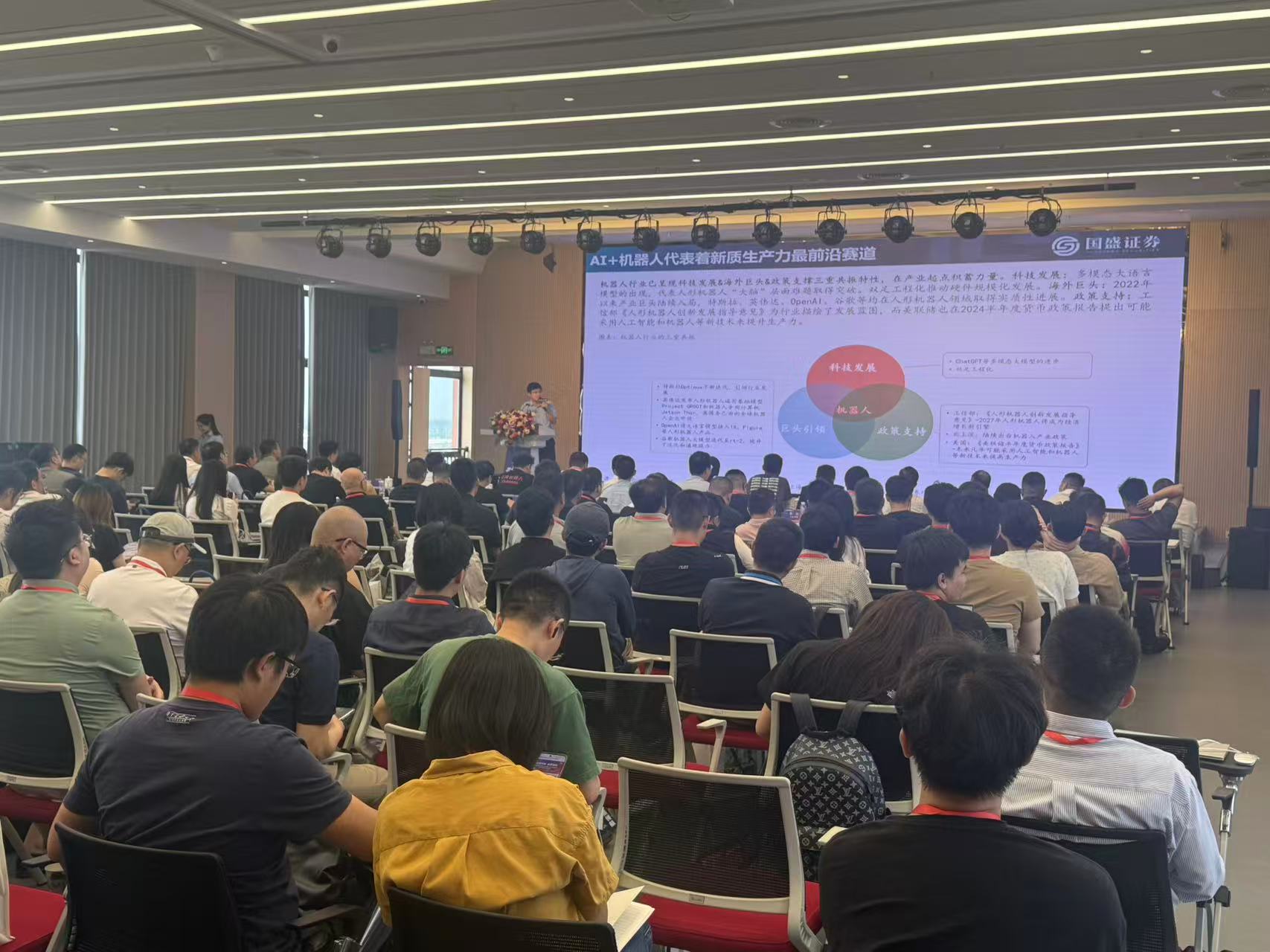
Core Insights - The core focus of the article is on the launch of the second-generation flexible tactile sensor by Fulei New Materials, highlighting its significance in the robotics industry and the company's strategic direction towards flexible sensing technology [3][5]. Company Developments - Fulei New Materials held a product launch event for its second-generation flexible tactile sensor, attended by over a hundred guests from various sectors including robotics components, brokerage firms, and investment companies [1]. - The chairman of Fulei New Materials emphasized that the flexible tactile sensor project will be a key area for future expansion, expressing excitement about the potential applications of electronic skin technology [3]. - The company has been dedicated to technological innovation in the new materials field for nearly 20 years and began focusing on flexible sensors in 2017, leading to the release of its first-generation tactile sensor in February of this year [5]. Product Features - The second-generation tactile sensor features significant upgrades over the first generation, transitioning from semi-flexible to fully flexible, enabling comprehensive curved surface tactile perception [5]. - The new sensor utilizes an innovative flexible film preparation process and unique structural designs, allowing it to conform to complex three-dimensional shapes, ensuring reliability and accuracy in practical applications [5]. - The sensor achieves full coverage of tactile perception, integrating seamlessly with various surfaces of robotic hands, providing a human-like tactile experience without dead angles [5]. Industry Context - According to GGII, the demand for flexible tactile sensors in the humanoid robotics sector is projected to reach 1.525 million square meters by 2030, with a market size of 27.4 billion yuan [3]. - The development of flexible tactile sensors is still in its early stages, with domestic manufacturers facing challenges in performance compared to international counterparts, particularly in sensitivity, durability, and multi-modal integration [3]. - Traditional tactile sensors have limitations in measuring multi-directional forces, which are crucial for complex robotic operations, highlighting the need for advancements in three-dimensional force sensing capabilities [6][7].
电力设备行业专题研究:人形机器人系列专题之电子皮肤:触觉感知系统,扩展应用领域
东方财富· 2025-06-06 00:50
Investment Rating - The report maintains an "Outperform" rating for the humanoid robot industry [4] Core Insights - Electronic skin is a key technology for humanoid robots, enabling tactile perception and interaction with the environment. The technology is expected to expand from hands to other body parts, enhancing the robot's capabilities [7][12] - The global market for electronic skin is projected to reach 9.2 billion yuan by 2030, with specific segments for hand applications estimated at 4.4 billion yuan and other body parts at 4.8 billion yuan [65][69] Summary by Sections 1. Electronic Skin as a Core Component - Electronic skin mimics natural skin functions, allowing robots to sense pressure and temperature, crucial for interaction with their surroundings [12][13] - The technology is primarily based on flexible sensors that can be integrated into various parts of humanoid robots, enhancing their dexterity and adaptability [12][14] 2. Technology Pathways - The report identifies multiple pathways for electronic skin technology, with resistive and capacitive sensors being the most common. Resistive sensors are favored for their simplicity and cost-effectiveness [16][20] - Various types of sensors, including piezoelectric and optical sensors, are discussed, each with unique advantages and limitations [24][27] 3. Market Potential - The electronic skin market is in its early growth stage, with significant opportunities for domestic manufacturers to accelerate development through self-research and industry collaboration [7][66] - The report highlights key players in the market, including Hanwei Technology and Fule New Materials, which are well-positioned to benefit from the growing demand for electronic skin in humanoid robots [7][66] 4. Application in Humanoid Robots - Major companies like Tesla, Zhiyuan, and Xiaopeng are integrating electronic skin into their humanoid robots, enhancing their tactile feedback and interaction capabilities [56][62] - The report outlines the potential for electronic skin applications to extend beyond hands to arms, legs, torso, and even facial areas, significantly improving robot functionality [63][65] 5. Future Projections - The report forecasts that by 2030, the production of humanoid robots will reach 1 million units for Tesla and 500,000 units for other manufacturers, driving demand for electronic skin [66][69] - The anticipated growth in the humanoid robot market is expected to create substantial opportunities for electronic skin technology, with a projected market size of 9.2 billion yuan by 2030 [65][69]



【私募调研记录】博海汇金调研亚太股份、福莱新材
Zheng Quan Zhi Xing· 2025-06-06 00:10
Group 1: Company Overview - Asia Pacific Shares - Asia Pacific Shares has been focused on the automotive brake system industry since its establishment in 1979, serving well-known automotive clients such as Geely, Changan, and Great Wall [1] - The company has three main production bases in Xiaoshan, Anhui Guangde, and Huzhou Anji, with additional production bases in Liuzhou, Guangzhou, and Changchun, and is advancing a production base project in Morocco [1] - The increase in gross profit margin is attributed to the growth in domestic automobile sales, the ramp-up of new international projects, product structure optimization, and internal cost reduction and efficiency improvements [1] - The company maintains a high capacity utilization rate and plans to increase production lines and expand capacity based on market sales of designated projects [1] - The proportion of products supporting new energy vehicles is increasing annually, with offerings including basic brake systems, automotive electronics, brake-by-wire, and hub motors [1] Group 2: Company Overview - Fulei New Materials - Fulei New Materials introduced its second-generation flexible tactile sensors, which feature true flexibility, full-surface tactile perception coverage, and three-dimensional force sensing, applicable in precision manufacturing, medical rehabilitation, service robots, and industrial automation [2] - The three-dimensional force technology enables robots to perform complex operations and judgments, giving Fulei a competitive edge over domestic peers in achieving full tactile coverage and three-dimensional force perception [2] - The team has rapidly expanded to include 8 PhDs and 30 technical personnel, along with the recruitment of algorithm experts and business development leaders [2] - The company is open to both internal and external merger and acquisition opportunities, focusing on flexible sensors, consumer electronics, and water-based environmentally friendly packaging [2] Group 3: Institutional Overview - The institution is a new generation investment bank and global asset management organization, established by well-known entrepreneurs and experienced financial professionals in China [3] - The management team possesses extensive experience in financial product development and professional asset allocation capabilities [3] - The company has established and manages multiple private investment funds and has a global asset management research center [3] - The capital market research team has nearly ten years of securities investment experience, maintaining a proactive management style through various market cycles [3]

机器人有电子皮肤了!触觉或为具身智能“最后一块拼图”
Di Yi Cai Jing· 2025-06-06 00:06
Core Insights - The article discusses the advancements in flexible tactile sensors, referred to as "electronic skin," developed by Fulei New Materials (605488.SH), which enhance the sensory capabilities of robots, allowing them to perceive force and temperature [1][4][5] - The integration of these sensors is seen as a crucial step towards achieving "embodied intelligence" in robotics, although other factors such as algorithms, computing power, system integration, and cost control are also essential for successful implementation [1][4] Group 1: Technological Advancements - Fulei New Materials has launched a second-generation flexible tactile sensor that can be integrated with robotic hardware, enabling robots to make smarter decisions through enhanced sensory input [1][4] - The new sensor utilizes a flexible film manufacturing process, allowing it to conform to various complex surfaces, which is critical for effective tactile sensing [4][7] - The second-generation product can detect force vectors in three dimensions (X, Y, Z), providing a more comprehensive sensory experience for robots [4][5] Group 2: Market Potential - According to GGII, the global demand for flexible tactile sensors in humanoid robots is projected to reach 1.525 million square meters by 2030, with a market size of 27.4 billion yuan [5] - The affordability of these sensors is highlighted as a key factor for widespread adoption and further development in the industry [6] Group 3: Industry Challenges - Current market offerings of tactile sensors have limitations in terms of fit, responsiveness, and price, leading some manufacturers to delay integration until better solutions are available [4][6] - The coupling of hardware and software remains a challenge, necessitating collaboration among developers and entrepreneurs to drive continuous iteration and improvement [6]

浙江福莱新材料股份有限公司关于为控股子公司提供担保的进展公告
Shang Hai Zheng Quan Bao· 2025-06-04 21:13
证券代码:605488 证券简称:福莱新材 公告编号:临2025-074 债券代码:111012 债券简称:福新转债 浙江福莱新材料股份有限公司关于为控股子公司提供担保的进展公告 本公司董事会及全体董事保证本公告内容不存在任何虚假记载、误导性陈述或者重大遗漏,并对其内容 的真实性、准确性和完整性承担法律责任。 重要内容提示: ● 被担保人名称:烟台富利新材料科技有限公司(以下简称"烟台富利")系浙江福莱新材料股份有限公 司(以下简称"公司")控股子公司,不属于公司关联人。 ● 本次担保余额及已实际为其提供的担保余额: 公司本次为烟台富利向中国光大银行股份有限公司烟台分行(以下简称"光大银行烟台分行")申请的人 民币4,000万元的授信额度及对应利息、罚息、违约金等提供连带责任保证担保。 截至2025年5月31日,公司已实际为烟台富利提供的担保余额为人民币76,043.60万元。 ● 本次担保是否有反担保:有。 ● 对外担保逾期的累积数量:无。 ● 特别风险提示:截至2025年5月31日,公司本年累计新增对外担保金额为人民币13,480万元(含本 次),占上市公司最近一期经审计归属母公司股东的净资产的9.46% ...
福莱新材(605488) - 福莱新材关于为控股子公司提供担保的进展公告
2025-06-04 08:15
| 证券代码:605488 | 证券简称:福莱新材 | 公告编号:临 2025-074 | | --- | --- | --- | | 债券代码:111012 | 债券简称:福新转债 | | 浙江福莱新材料股份有限公司 关于为控股子公司提供担保的进展公告 本公司董事会及全体董事保证本公告内容不存在任何虚假记载、误导性陈 述或者重大遗漏,并对其内容的真实性、准确性和完整性承担法律责任。 重要内容提示: 公司本次为烟台富利向中国光大银行股份有限公司烟台分行(以下简称 "光大银行烟台分行")申请的人民币 4,000 万元的授信额度及对应利息、罚 息、违约金等提供连带责任保证担保。 截至 2025 年 5 月 31 日,公司已实际为烟台富利提供的担保余额为人民 币 76,043.60 万元。 特别风险提示:截至 2025 年 5 月 31 日,公司本年累计新增对外担保金 额为人民币 13,480 万元(含本次),占上市公司最近一期经审计归属母公司股东 的净资产的 9.46%。 截至 2025 年 5 月 31 日,公司累计提供担保余额为人民币 85,926.94 万元, 其中:公司为客户提供的担保余额为人民币 1,5 ...