
TYN(000591)

Search documents
2025电力设备及新能源行业报告:核聚变太阳能量的地球复刻,产业化进程有
Sou Hu Cai Jing· 2025-10-13 04:08
Core Insights - The report discusses the acceleration of nuclear fusion technology, which is seen as a potential ultimate solution to the global energy crisis, with significant advancements expected by 2025 [1][2]. Group 1: Nuclear Fusion Overview - Controlled nuclear fusion aims to replicate the sun's energy production on Earth by fusing isotopes of hydrogen, deuterium, and tritium, releasing substantial energy [1][2]. - The process requires three critical conditions: temperatures exceeding 100 million degrees Celsius, sufficient plasma density, and a stable energy confinement time, collectively known as the "fusion triple product" [1][20]. Group 2: Advantages of Nuclear Fusion - Nuclear fusion offers significant advantages over traditional energy sources, including zero greenhouse gas emissions and minimal long-lived radioactive waste, making it an environmentally friendly option [2][29]. - The energy density of nuclear fusion is extremely high; for instance, one liter of seawater contains enough deuterium to produce energy equivalent to 300 liters of gasoline, indicating that fusion could provide energy for over 10 billion years [2][29]. Group 3: Technological Developments - The global nuclear fusion research landscape is divided into two main technological routes: magnetic confinement and inertial confinement, with notable advancements in both areas [2][3]. - The ITER project, a collaborative international effort, aims to achieve a fusion energy gain greater than 10 by 2034, while the SPARC project in the U.S. plans to produce plasma by 2026 and achieve net energy gain by 2027 [3][4]. Group 4: China's Nuclear Fusion Initiatives - China has established a diverse development framework in nuclear fusion, involving state research institutes, universities, and private enterprises, with significant projects like the BEST project and the "Spark" project underway [4][5]. - The BEST project, set to begin assembly in May 2025, aims to achieve net energy gain by 2027, while the "Spark" project targets 100 megawatts of power by 2030 [4][5]. Group 5: Future Prospects - The transition from experimental to demonstration and commercial fusion reactors is underway, with clear plans from major players like China, the U.S., and the EU [5]. - If technological breakthroughs continue, nuclear fusion could become a primary energy source in the latter half of the 21st century, supporting global carbon neutrality goals [5].



北美替代能源:核能、太阳能与人工智能-North America Alternative Energy _Nuclear, Solar & AI_ Windham
2025-10-13 01:00
Summary of Key Points from the Conference Call Industry Overview - The conference call discusses the North American alternative energy sector, focusing on nuclear, solar, and AI technologies, emphasizing the urgent need for clean electricity generation in the U.S. market [2][3][70]. Core Insights and Arguments 1. **Clean Electricity Demand**: The U.S. market is significantly short of clean electricity generation, with fossil fuels and aging nuclear accounting for approximately 80% of current electricity generation. A multi-decade build cycle is necessary to meet the demand for clean electricity, which includes solar, wind, storage, nuclear, and natural gas [2][4][70]. 2. **Nuclear and Solar Relationship**: The increased interest in nuclear energy is not detrimental to solar energy; rather, it highlights the need for a diverse energy mix to meet future electricity demands. The nuclear build timelines extend into the 2030s and 2040s, necessitating a long-term view on energy generation [2][3][101]. 3. **Solar and Storage Growth**: In the second quarter of 2025, U.S. electricity generation grew by 2.3% year-over-year, with solar contributing 78% of the incremental demand. Solar and storage accounted for about two-thirds of the approved capacity additions in the U.S. [4][41]. 4. **Investor Sentiment**: Following the resolution of U.S. solar policy uncertainties in mid-2025, investor interest in solar stocks is expected to increase, particularly for companies like First Solar (FSLR) and Nextracker (NXT) [5][7][11]. 5. **Corporate Renewable Demand**: Corporate Power Purchase Agreements (C-PPA) signed in 2024 grew by 60% year-over-year, with solar comprising 78% of total capacity. Major technology companies dominate this market, accounting for 80% of total capacity signed in 2025 year-to-date [41][55]. Additional Important Insights 1. **Tax Credits and Manufacturing**: The 45X advanced manufacturing tax credits are expected to benefit incumbent U.S. manufacturers like FSLR and NXT significantly, as they are positioned to capture a large share of the domestic manufacturing market [35][37][36]. 2. **Long-term Energy Transition**: The U.S. electricity generation carbon emissions have declined by approximately 35% since 2007, indicating ongoing progress in the energy transition. However, the transition is expected to continue for decades, with a need for diverse generation technologies [74][92]. 3. **Future Projections**: By 2050, the U.S. may require substantial new nuclear capacity to meet electricity demand, with projections suggesting a need for around 100GW of new nuclear capacity, alongside significant solar and wind installations [96][100]. 4. **Technological Disruption**: The potential for nuclear fusion to disrupt the energy generation landscape is acknowledged, with partnerships being formed to develop fusion power plants [117][120]. Conclusion The conference call highlights the critical need for a diversified energy strategy in the U.S. to meet future electricity demands, emphasizing the roles of solar, nuclear, and emerging technologies. The resolution of policy uncertainties and the growing corporate demand for renewable energy are expected to drive investment and growth in the sector.


太阳能发电成本暴跌90%反超煤电!煤炭天然气都慌了,成全球最便宜电力
Sou Hu Cai Jing· 2025-10-12 09:22
Core Insights - Solar energy has transformed from being perceived as expensive and reliant on subsidies to becoming the cheapest source of electricity globally, surpassing coal, natural gas, and even wind energy [1][3][4] Cost Reduction and Production - Over the past decade, the cost of solar power has plummeted by nearly 90%, while wind energy costs have decreased by 70%, primarily driven by Chinese companies through large-scale production and technological advancements [4][6] - Global production of photovoltaic (PV) modules is projected to increase from 50 GW in 2015 to 400 GW by 2024, with China dominating over 80% of the global solar PV panel production [6][4] - The unit costs of supporting components like inverters and brackets have also dropped by over 30% due to scale effects, making solar energy viable even in high-latitude countries like the UK [8] Energy Supply and Demand Challenges - The influx of cheap solar power has led to significant oversupply issues, with California experiencing a 30% surplus during peak sunlight hours in summer 2023, resulting in an 8.2% curtailment rate [10] - Similar issues were observed in Qinghai, China, where a 5.1% curtailment rate equated to 12 billion kWh of clean electricity wasted in Q2 2023 [10] Strategic Responses from Western Countries - In response to China's manufacturing dominance, the U.S. and EU have introduced substantial subsidies through the Inflation Reduction Act and the Net Zero Industry Act, respectively, aiming to rebuild domestic clean energy supply chains [13][15] - However, the cost of domestically produced solar components in the EU is 60% higher than imported ones, yet the EU remains committed to achieving 40% self-sufficiency in clean energy technology by 2030 [15] Grid Modernization and Energy Storage - The existing electrical grid, designed for centralized power generation, faces challenges due to the rise of distributed solar generation, necessitating smart grid solutions [17] - Companies like Grid4C in the U.S. are developing AI systems to predict solar generation and grid load, achieving a 92% accuracy in dispatching [17] - Integrated projects in China and Germany have successfully improved solar energy consumption rates through real-time adjustments and regional power sharing [19] Energy Storage Developments - The significant drop in lithium-ion battery prices since 2010 has made energy storage more feasible, with large-scale projects emerging globally [21] - Notable projects include Australia's Hornsdale and China's Ningxia, which can store substantial amounts of green electricity, addressing solar energy's intermittency and stabilizing the grid [23] Economic Viability of Energy Storage - Despite a 110% increase in new energy storage capacity in China in the first half of the year, the average profitability of the sector remains below 8%, posing challenges for sustainable business models [25] China's Dual Role in Energy Transition - China plays a pivotal role in the global energy revolution, contributing one-third of global clean energy investments while also facing challenges in its energy structure, where coal still accounts for 53.2% of primary energy consumption [29][27] - The country is pursuing a unique transition strategy called "incremental replacement," prioritizing renewable energy for new demand while using coal plants to balance renewable energy fluctuations [31] Future Outlook - According to the International Energy Agency, China's wind and solar capacity is expected to reach 3.6 TW by 2030, requiring an annual addition of 250 million kW, a challenging target [33] - The future energy transition will test global capabilities in grid modernization, energy storage commercialization, and supply chain cooperation and competition [33]
印度对华太阳能电池作出反倾销终裁
Ge Long Hui· 2025-10-11 08:36
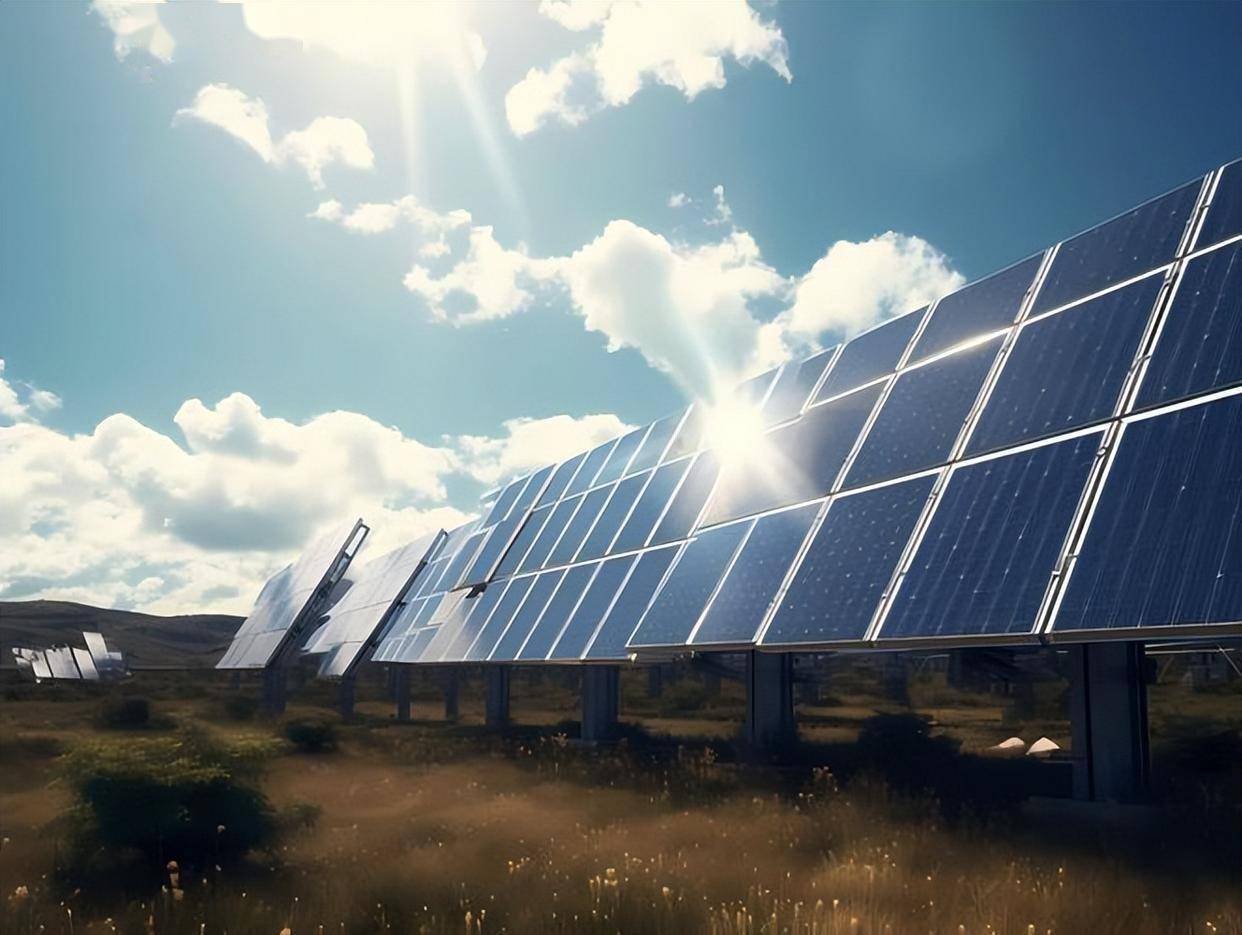
Core Viewpoint - The Indian Ministry of Commerce has announced a definitive anti-dumping ruling against solar cells originating from or imported from China, suggesting a three-year anti-dumping duty based on CIF prices [1] Group 1: Anti-Dumping Duty Details - The anti-dumping duty applies to solar cells regardless of whether they are assembled into modules or made into panels [1] - The tax rates for involved manufacturers are as follows: Jinko Group and Trina Group have a tax rate of 0, while Aiko Group and non-sampled cooperating manufacturers face a tax rate of 23%, and other Chinese manufacturers are subject to a tax rate of 30% [1] Group 2: Product Specifications - The affected products include solar components or panels made from crystalline silicon (c-Si) or thin-film technology, including solar cells that are either "monocrystalline" or "polycrystalline" [1]


美国马里兰州打造垃圾填埋场太阳能项目
Huan Qiu Wang· 2025-10-11 08:14
Core Insights - The article discusses the inauguration of Maryland's first large-scale ground-mounted solar power plant in Baltimore County, which transforms a previously unused landfill site into a green energy asset, contributing to regional energy transition and ecological governance [1][2] Group 1: Project Overview - The solar power plant occupies 213 acres and has a total installed capacity of approximately 7 megawatts, consisting of four large ground-mounted photovoltaic arrays with around 15,000 solar panels [1] - The plant is expected to generate about 8.2 million kilowatt-hours of electricity annually, sufficient to meet the annual electricity needs of 1,150 households in Baltimore County [1] Group 2: Operational Model - The solar power plant is financed and operated by TotalEnergies, a French energy company, while the Baltimore County government secures electricity supply through a long-term Power Purchase Agreement (PPA) [2] - The PPA has a duration of 25 years, with the possibility of extending it to 33 years, ensuring stable access to clean energy at relatively low prices and providing dual protection for the project's long-term operational stability against future electricity market price fluctuations [2]

美国马里兰州打造垃圾填埋场太阳能项目,年发电量满足 1150 户家庭全年需求
Huan Qiu Wang· 2025-10-11 04:12
巴尔的摩县地处巴尔的摩市以北,是马里兰州人口密度较高的行政区之一。此次新建的太阳能发电场占 地 213 英亩,总装机容量约 7 兆瓦,由四组大型地面光伏阵列构成,共铺设约 1.5 万块光伏面板。据官 方测算,该电站预计每年可稳定发电约 820 万千瓦时,这些电量能够满足巴尔的摩县 1150 户家庭一整 年的用电需求,在保障居民用电稳定的同时,大幅减少传统能源发电带来的碳排放,为当地生态环境改 善注入动力。 从项目运营模式来看,该太阳能发电场由法国能源企业道达尔能源(TotalEnergies)投资建设并负责日 常运营,巴尔的摩县政府则通过签订长期购电协议(PPA)保障电力供应。这份协议期限为 25 年,且 预留延长至 33 年的空间,既能确保当地长期以相对稳定的低电价获取清洁能源,有效抵御未来电力市 场价格波动带来的风险,也为项目长期稳定运营提供了政策与市场双重保障。(纯钧) 来源:环球网 【环球网科技综合报道】10月11日消息,据WBOC报道,美国马里兰州巴尔的摩县近日正式启用当地首 个大型地面式太阳能发电场。该项目巧妙利用闲置的 Parkton 垃圾填埋场用地,将曾经的 "环境负担" 转 化为清洁发电的 ...
特朗普政府内华达州大型太阳能项目
Xin Lang Cai Jing· 2025-10-10 19:51
Core Viewpoint - The cancellation of a large solar project in Nevada reflects the Trump administration's ongoing efforts to limit the development of renewable energy in the United States [1] Group 1: Project Details - The Esmeralda Seven Solar Project has been officially listed as "canceled" on the Bureau of Land Management's website [1] - The project was proposed by developers including NextEra Energy Inc. and Invenergy, consisting of seven solar power plants covering an area of 118,000 acres [1] - It was intended to become one of the largest photovoltaic power plants in the world [1] Group 2: Government Response - The U.S. Department of the Interior stated that developers can now choose to submit individual project proposals to the Bureau of Land Management for more effective analysis of potential impacts [1]
太阳能发电成本暴跌80%!煤炭天然气都慌了,全球能源格局要变天
Sou Hu Cai Jing· 2025-10-10 10:58
Core Insights - Solar power has transformed from an expensive option to the cheapest source of electricity globally, with costs dropping significantly over the past decade [3][5][17] Cost Reduction - In sunny regions, the cost of solar power has reached as low as £0.02 per unit, making it cheaper than coal, natural gas, and even wind energy [3] - Over the last ten years, solar power costs have decreased by more than 80%, showcasing an unprecedented price drop [3][5] Capacity Growth - Global solar installed capacity is projected to exceed 1.5 terawatts (TW) by 2024, doubling since 2020 [5] - The decline in costs is attributed to advancements in manufacturing processes, material science breakthroughs, and optimization of the supply chain [5] Energy Storage Advancements - The price of lithium-ion batteries has plummeted by 89% since 2010, allowing solar plus storage systems to compete directly with traditional gas power plants [5][10] - The integration of storage systems enables solar energy to be utilized even during non-sunny hours, effectively addressing the intermittency issue [5][10] Grid Challenges - The rapid growth of solar energy has led to challenges in energy management, particularly in regions like California and parts of China, where excess solar generation has resulted in energy waste [8] - Traditional power grids struggle with the bidirectional flow of electricity from numerous residential solar installations [8][10] Smart Grid Solutions - The development of smart grids, utilizing AI for forecasting and real-time management, is essential for optimizing solar energy distribution [10] - Large-scale energy storage systems enhance grid reliability by storing excess energy for later use [10] Future Innovations - Next-generation perovskite solar cells are expected to improve efficiency by 50%, representing a significant technological leap [10] - Floating solar power plants and building-integrated photovoltaics are emerging trends that maximize land use and efficiency [10][12] Government Investments - Governments worldwide are heavily investing in solar energy, with the U.S. planning to allocate over $300 billion through the Inflation Reduction Act and the EU aiming for 1.32 TW of solar capacity by 2030 [13] - Countries are competing to enhance their solar capabilities, recognizing the strategic importance of solar energy for future energy security [13] Market Outlook - The International Energy Agency predicts that solar energy will become the dominant power source in many countries by 2030, prompting traditional fossil fuel industries to adapt [15] - The synergy between solar energy and electric vehicles creates a mutually beneficial relationship, enhancing energy efficiency and sustainability [15] Conclusion - Solar energy has evolved from a luxury to a mainstream energy source, driven by technological advancements and competitive pricing [17] - The ongoing developments in solar technology and infrastructure are set to reshape the energy landscape, making solar power a cornerstone of future energy strategies [17]
研究表明:太阳能已成全球最经济能源
Ke Ji Ri Bao· 2025-10-10 08:36
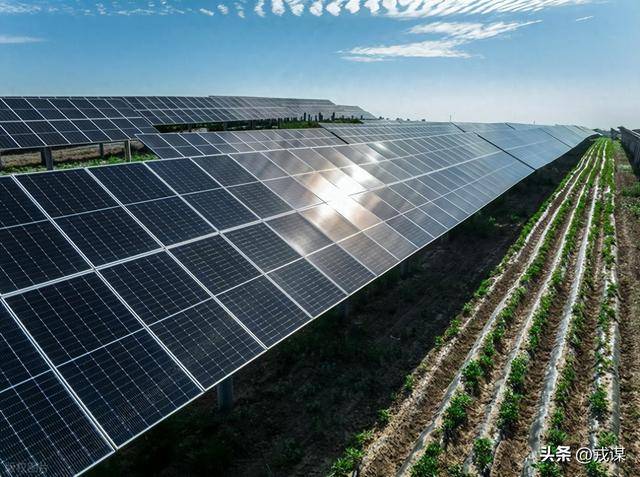
Core Insights - A recent study from the University of Surrey indicates that the cost of solar power has reached a historic low, with prices as low as £0.02 per kilowatt-hour in sunny countries, making it more economical than coal, natural gas, and even wind energy [1] - The research highlights that solar photovoltaic technology is becoming a key driver in the global transition to clean energy, with solar power emerging as the most cost-effective option for large-scale electricity generation even in countries like the UK [1] - The global installed solar capacity is projected to exceed 1.5 terawatts in 2024, doubling from 2020 levels, which is sufficient to meet the electricity needs of millions of households [1] Cost Competitiveness - Since 2010, the price of lithium-ion batteries has decreased by 89%, enhancing the cost competitiveness of "solar + storage" systems, which are now comparable to natural gas power generation [1] - The combination of photovoltaic panels and batteries has become a standard configuration in many regions, allowing for the storage of excess energy and its release on demand, thus transforming solar energy into a stable and controllable power source [1] Challenges and Innovations - Integrating the growing solar power into existing grids is currently the biggest challenge, with smart grids, AI forecasting, and regional grid interconnections being crucial for maintaining system stability [2] - The deep integration of storage technology with smart grids is enabling solar energy to achieve reliable, economical, and clean large-scale supply [2] - Innovations in materials, such as perovskite solar cells, are expected to enhance generation efficiency by 50% without requiring additional land [2] Policy Support - The sustainable development of the solar sector relies on long-term policy support, with clear policy directions effectively stimulating investment and innovation [2] - Accelerating the global energy system's green transition requires ongoing investment and international cooperation [2]
太阳能已成全球最经济能源
Ke Ji Ri Bao· 2025-10-09 23:37
Core Insights - Solar power generation costs have reached a historic low, with prices as low as £0.02 per kilowatt-hour in sunny countries, making it more economical than coal, natural gas, and even wind energy [1] - The research indicates that solar photovoltaic technology is becoming a key driver in the global transition to clean energy, with solar power now the most cost-effective option for large-scale electricity generation even in countries like the UK [1] - The global installed solar capacity is expected to exceed 1.5 terawatts in 2024, doubling since 2020, which is sufficient to meet the electricity needs of millions of households [1] Group 1 - The significant drop in lithium-ion battery prices by 89% since 2010 has made "solar + storage" systems competitively priced compared to natural gas generation [1] - Hybrid systems combining solar panels with batteries are now standard configurations in many regions, allowing for energy storage and controlled release, thus aiding grid stability [1] Group 2 - The integration of increasing solar power into existing grids poses a major challenge, with smart grids, AI forecasting, and regional grid interconnections being crucial for maintaining system stability [2] - The deep integration of storage technology with smart grids is enabling solar energy to achieve reliable, economical, and clean large-scale supply [2] - Innovations in materials, such as perovskite solar cells, have the potential to increase generation efficiency by 50% without requiring additional land [2] - Long-term policy support is essential for sustainable development in the solar sector, as clear policy direction can effectively stimulate investment and innovation [2]