CHINA POWER(CPWIY)

Search documents
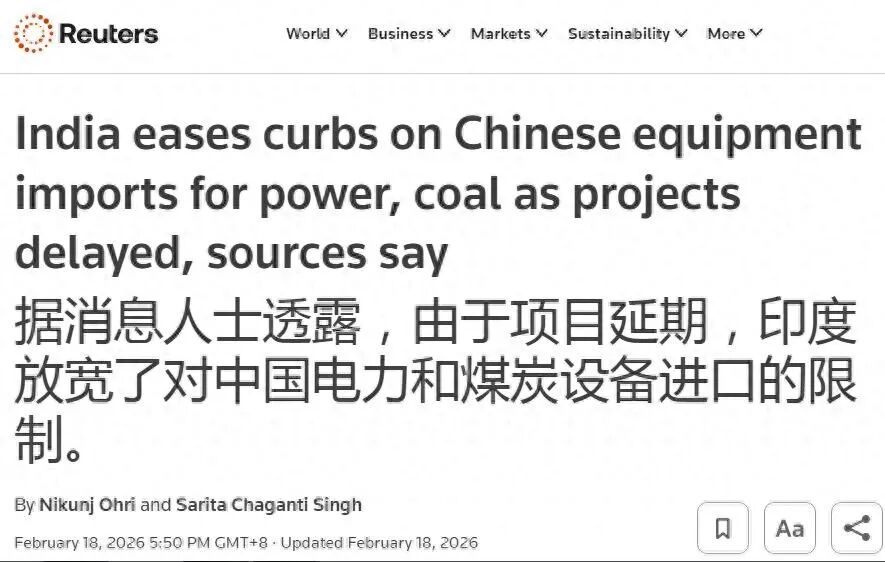
吞下封锁的恶果,由于项目延期,印度放宽了对中国电力限制
3 6 Ke· 2026-02-27 01:09
Core Viewpoint - India has relaxed its five-year restriction on importing power transmission equipment from China, allowing state-owned enterprises to procure without government approval, as it aims to bolster its AI ambitions and address power infrastructure shortages [1][10][20]. Group 1: India's AI Ambitions - India aspires to become a major player in AI, recognizing the need for robust power infrastructure to support this goal [3][10]. - The recent AI summit hosted by India aimed to attract global talent and investment, although it faced criticism for lacking prominent participants [4][8]. - India's ambition in AI is hindered by the absence of a strong domestic AI industry, necessitating the attraction of foreign capital and expertise [8][24]. Group 2: Power Infrastructure Challenges - India's power infrastructure is critically lacking, with officials admitting a 40% shortfall in transformers and reactors for upcoming transmission projects [13][20]. - The ban on Chinese equipment has led to significant delays in power projects, with local manufacturers unable to meet demand or quality standards [17][20]. - The reliance on Chinese technology is evident, as India has struggled to find alternative suppliers for essential components like transformers and silicon steel [18][20]. Group 3: Historical Context of Restrictions - The restrictions on Chinese equipment originated from geopolitical tensions, with concerns over potential security risks associated with Chinese technology [16][20]. - The ban has resulted in severe consequences for India's power sector, including project delays and increased operational costs for local manufacturers [17][20]. - The initial intent to promote "Make in India" has not materialized effectively, leading to a realization that without Chinese imports, India's power needs cannot be met [20][22]. Group 4: Future Outlook - To compete in the global AI landscape, India must urgently address its power infrastructure deficiencies by lifting restrictions on Chinese equipment imports [20][24]. - The current state of India's power supply and infrastructure is insufficient to support its industrial and AI aspirations, highlighting the need for immediate action [22][24]. - India's ambition to become a significant player in AI is contingent upon establishing a reliable and robust power supply, which is currently lacking [24].


21评论丨加强AI时代的中国电力竞争优势
2 1 Shi Ji Jing Ji Bao Dao· 2026-02-25 23:05
对于中国来说,满足AI的能源需求并非问题,问题在于如何低碳满足,兼顾AI发展和应对气候变化。 中国的"十五五"规划建议提出要建设能源强国。这是一项面向绿色转型的重大战略,因为中国已经是能 源强国,拥有世界上规模最大、效率最高的能源系统,其能源生产在几乎所有领域都处于全球领先地 位,且在价格竞争力方面具有显著优势。中国2025年全社会用电量同比增长5%,说明能源和电力需求 仍在快速增长。由于水电和核电周期长,绿色低碳转型需要大幅增加风电光伏。中国新能源设备全球领 先,但基础设施滞后,能源转型的关键堵点是电网稳定性。因此,"十五五"规划建议中能源工作的重点 应是建设新能源基础设施,这是新型能源体系的重要组成部分。 具体到电力与算力耦合,需要坚持绿色电力支撑算力的总体思路。由于算力需求与绿电供应在时空上存 在不匹配的特征,需要通过综合考虑这些因素来优化算力设施与绿电设施的耦合与布局。在空间布局 上,各地区资源禀赋、产业基础和发展需求不同,要依据这些特点优化算力设施与清洁能源基地的分 布。西部地区可再生能源丰富,而东部地区算力需求旺盛,可以通过"东数西算"等重大工程,从而实现 资源的优化配置,推动区域协调、梯次发展。 ...
加强AI时代的中国电力竞争优势
2 1 Shi Ji Jing Ji Bao Dao· 2026-02-25 22:31
当前,人工智能领域的角力核心在于中美:美国具备芯片及算力算法优势,而中国则拥有全球最强大的 电力系统与制造能力。2025年,中国全社会用电量首次突破10万亿千瓦时,较2015年实现翻倍增长,这 一规模不仅远超欧盟、俄罗斯、印度、日本四大经济体的年用电量总和,亦达美国电力消费的2.5倍左 右。 据摩根士丹利最新报告预测,2025至2028年,美国数据中心的电力缺口将高达47GW。电力供应滞后于 数据中心扩张,正成为掣肘美国AI战略的关键瓶颈,并可能诱发其AI债务泡沫。受制于燃气轮机产能 不足及变压器高度依赖进口,美国电力增量受限。鉴于中国在风电光伏、稀土加工等产业链中游环节已 具备全球主导地位,面对AI的爆发式增长,中国应充分发挥现有资源禀赋,在加强优势产业管控、保 护领先技术的同时,针对尖端领域短板实现精准突破。此外,应前瞻性调整能源战略,在与美国的"人 工智能能源底座"博弈中夺取战略主动权。 美国AI数据中心的激增正驱动用电需求呈爆发式增长,电力供需矛盾日益尖锐。自2014年以来,美国 年均用电量约4000TWh,其2014-2024年复合增速为2%。据保守估计,若2030年算力规模累计达 153GW,相关 ...
吞下封锁的恶果,为抗衡中美AI,印度放宽了对中国电力限制
Sou Hu Cai Jing· 2026-02-25 08:34
路透社近期披露,印度终于打破了限制五年的中国电力设备采购禁令。印度已决定允许国有企业在无需政府审批的情况下,从中国采购电力传输设备,煤炭 行业的类似豁免也正在酝酿中。此举显然是印度在电力设备采购上的一大转折,表面看是为了缓解电力短缺,实则暗藏更深的战略意图。 那么,印度为何在此时放宽对中国电力设备的限制?或许有一个意想不到的原因——印度不仅仅想要成为制造业强国,更渴望在全球AI竞争中占有一席之 地。近期,印度举办了大规模的AI峰会,虽然并未有太多引人注目的科技企业参加,但这场峰会正好凸显了印度希望抢占AI产业的野心。在中美两国几乎 完成对AI市场的瓜分后,印度深知若不赶紧提高自己的AI影响力,便将永远沦为旁观者。因此,印度趁着中国春节这一特殊时机,举行了这场AI峰会。然 而,这场峰会并没有受到太多好评,美国政客网甚至对其进行了冷嘲热讽,称其缺乏重量级嘉宾,现场混乱、日程安排与全球政治事件相冲突,甚至一场演 示都变成了网络笑料。 尽管如此,印度在AI领域的野心不容小觑。印度显然意识到,要想真正成为AI领域的重要一员,就必须吸引全球AI领域的人才和资本。通过AI峰会,印度 实际上是在为自己搭建一个招商引资的舞台, ...
当“章鱼”入海:中国电力深水区,谁更懂潮汐?
Sou Hu Cai Jing· 2026-02-25 08:34
Core Viewpoint - The establishment of a joint venture between Octopus Energy and Bicheng Energy marks a significant entry into China's virtual power plant and market trading sector, raising questions about the adaptability of international platforms in the unique Chinese electricity market [1][3]. Industry Context - The transition to a unified national electricity market in China has led to increased volatility, with challenges such as breaking down inter-provincial trading barriers and accommodating large-scale renewable energy integration [3][4]. - The Chinese electricity market is characterized by a complex ecosystem that differs significantly from the more stable and standardized rules of mature markets in Europe and North America [4][6]. Challenges for International Players - Success in the Chinese market requires a deep understanding of local electricity system operations and the ability to adapt to the unique regulatory and cultural environment [4][6]. - The operational logic of the Chinese electricity market is still evolving, with regional variations in market rules and practices that complicate the application of foreign algorithms and platforms [4][6]. Local Competitors - Domestic companies like GoodWe Huidian Technology have developed their platforms through practical experience in the Chinese market, adapting to regulatory changes and market dynamics over time [7][10]. - The WE platform by GoodWe has successfully integrated various renewable energy devices and automated billing processes, demonstrating a strong understanding of local market needs [9][10]. Future Outlook - The entry of Octopus Energy introduces new perspectives to the Chinese electricity market, but local players with deep-rooted experience in navigating complex policies and real transactions are equally important [11]. - The future of the Chinese electricity market will require a combination of international expertise and local wisdom, emphasizing the need for collaboration between global and domestic players [11].
国家电网4万亿投资只是开局!中国电力"超级发展周期"汹涌来袭
Sou Hu Cai Jing· 2026-02-24 08:47
Core Insights - The State Grid announced a massive investment of 4 trillion yuan during the 14th Five-Year Plan, marking a 40% increase compared to the previous plan, which will significantly reshape the global energy landscape [1][4][38] - This investment is part of a broader "super development cycle" in the electricity sector, indicating a shift towards high-intensity investment in China's power infrastructure [2][38] Investment Trajectory - The investment trajectory shows a clear acceleration: 2.4 trillion yuan during the 13th Five-Year Plan, 2.8 trillion yuan during the 14th, and now 4 trillion yuan projected for the 15th Five-Year Plan [4] - The annual investment is expected to exceed 800 billion yuan, with the 2025 annual investment projected to surpass 6.5 trillion yuan [4] Key Drivers for Investment - The pressure to meet carbon peak and carbon neutrality goals is a primary driver, with an expected annual addition of 200 million kilowatts of renewable energy capacity [6] - The need to build a new power system to address issues like "curtailment" of wind and solar energy is another critical factor [6] - The investment is also seen as a stabilizing force for economic growth, with a multiplier effect where 1 yuan of grid investment can generate approximately 3 yuan in social investment [7] Investment Focus Areas - The investment will focus on five key areas: 1. Construction of ultra-high voltage direct current transmission channels [8] 2. Large-scale development of new energy storage [9] 3. Smart distribution network construction [10] 4. Digital infrastructure [11] 5. Charging facility construction to support 35 million electric vehicles [12] Impact on Various Industries - The electric vehicle industry will benefit from the rapid expansion of charging infrastructure, alleviating charging anxiety and promoting smoother adoption of electric vehicles [14] - The manufacturing sector will gain access to cleaner and cheaper electricity, enhancing competitiveness and supporting the transition to zero-carbon factories [15] - High-end manufacturing, particularly in sectors like semiconductors and renewable energy, will see growth supported by stable electricity supply [17] - The data center and computing industry will experience increased demand for electricity, driven by advancements in AI and 5G technologies [18] - The construction industry will undergo a green revolution, with a focus on zero-carbon buildings and smart energy management systems [19][20] Global Energy Transition - China's electricity consumption is projected to nearly double from 5.5 trillion kilowatt-hours in 2015 to over 10 trillion by 2025, leading the global energy transition [22] - China is positioned as a leader in renewable energy investment, with a projected 7.2 trillion yuan in clean energy investments, significantly outpacing fossil fuel investments [22] - The country's advancements in power transmission and smart grid technologies are setting global standards and influencing energy policies worldwide [23][25] Market Dynamics - The supply-demand dynamics during the 15th Five-Year Plan are expected to show a "wide electricity supply, tight power" scenario, leading to increased price volatility [29] - The acceleration of electricity market reforms will expand the scope of market transactions, enhancing competition and operational efficiency for power companies [30] - The transition to an energy internet era will facilitate a shift from one-way electricity transmission to a more interactive model, enhancing user engagement in energy consumption [31] Renewable Energy as a Main Power Source - By 2025, renewable energy generation is expected to exceed 50% of total power generation, with a long-term goal of reaching 90% by 2060 [32] - The 4 trillion yuan investment is foundational for this historic transition towards a renewable energy-dominated power system [32]
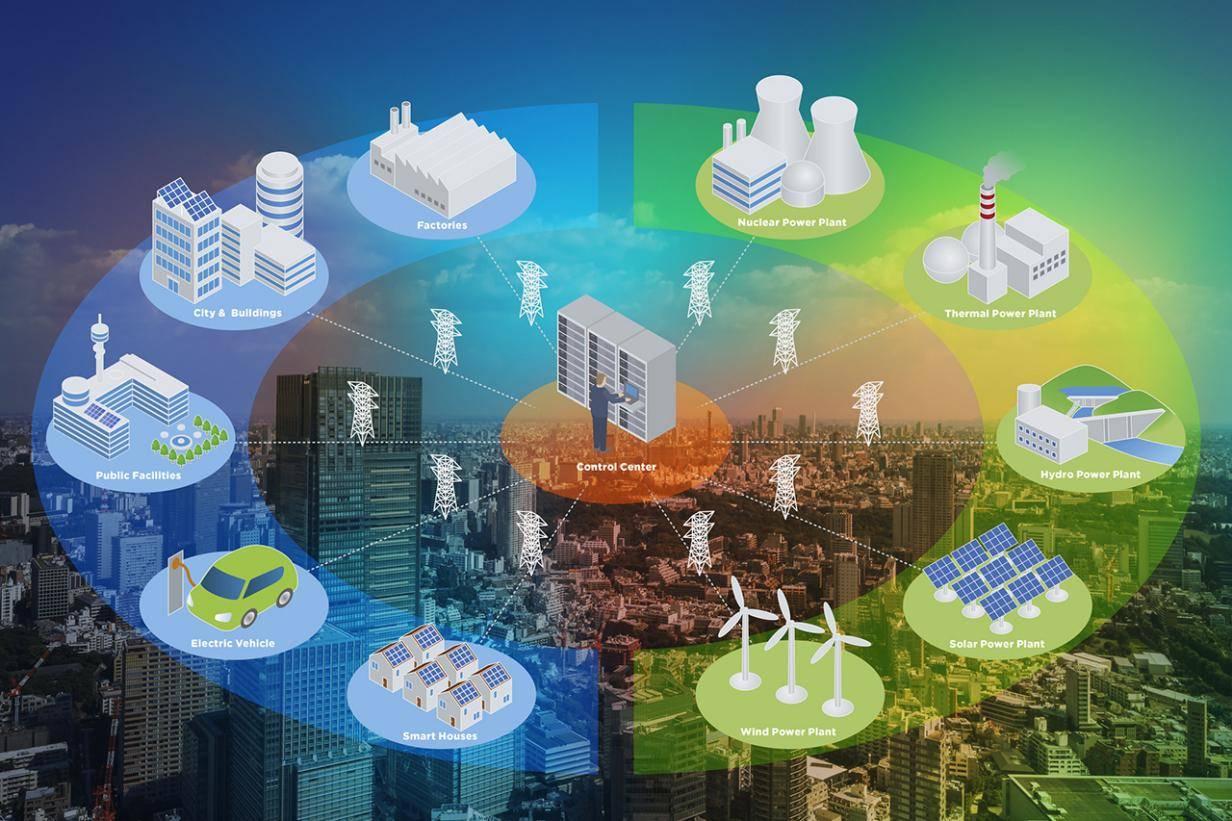
电力行业大洗牌:中国电力招标网实锤,中小玩家出局,龙头霸主地位已不可动摇!
Sou Hu Cai Jing· 2026-02-24 08:26
从中国电力招标网的 GIS 招标地图可以看出,龙头企业的投资布局极具战略眼光。它们不仅深耕传统的能源富集区域,还积极拓展新兴的分布式能源市 场。在东部沿海地区,多个海上风电大项目均由龙头企业主导招标。这种跨区域、多元化的布局方式,使得龙头企业能够充分利用各地资源,降低市场风 险。同时,龙头企业的大规模投入也带动了区域产业链的发展,进一步挤压了中小玩家的生存空间。 技术变革加速行业分化 随着电力行业向数字化、智能化方向发展,龙头企业在技术创新上的投入也远超中小玩家。中国电力招标网的数据显示,在智能电网、储能技术等领域的招 标中,龙头企业的参与度高达 80%以上。它们通过不断引入先进技术,提高生产效率和能源利用效率,从而在市场竞争中占据更有利的位置。而中小玩家 由于资金和技术限制,难以跟上行业变革的步伐,逐渐被市场边缘化。 综上所述,在中国电力行业的这场大洗牌中,中小玩家面临着巨大的生存压力,而龙头企业的霸主地位已不可动摇。中国电力招标网将持续发挥其数据优 势,为行业各方提供准确、及时的市场信息,助力电力行业的健康发展。 电电力招标网 www.dlzb.com 电力能源专业分类平台、 打造创新型智能云平台 在能源 ...
中国电力第一大省:去年发电量达到8517亿度,领先广东、江苏
Sou Hu Cai Jing· 2026-02-22 08:53
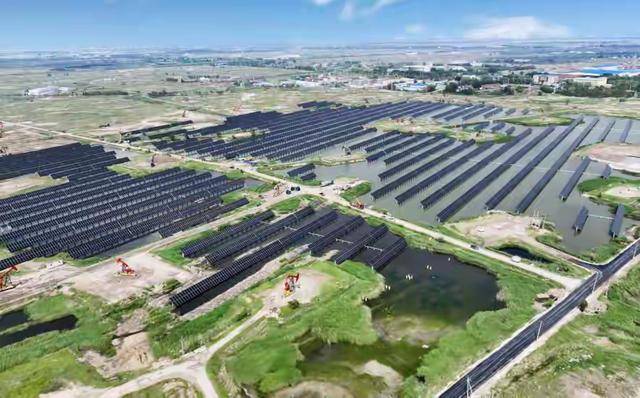
Core Insights - Inner Mongolia is projected to generate 851.7 billion kWh of electricity in 2025, accounting for approximately 8.8% of the national total, significantly surpassing Guangdong and Jiangsu by over 140 billion kWh and 200 billion kWh respectively [1][3][12]. Resource Advantage - Inner Mongolia is a major energy province in China, with coal reserves and production consistently ranking first nationally. In 2024, the province's raw coal output is expected to reach 1.29 billion tons, making up 27.3% of the national total [3][5]. - The province's abundant coal resources allow for stable and low-cost supply, enabling consistent operation of thermal power plants, which form the backbone of its electricity generation [5][9]. Energy Mix - In 2025, thermal power is expected to contribute 5,920.4 billion kWh, representing 69.5% of the total electricity generation, while wind power is projected to generate 2,033.4 billion kWh, accounting for 23.9% and showing a year-on-year growth of 22.6% [5][9]. - Inner Mongolia has also made significant strides in renewable energy, with total installed capacity for new energy sources exceeding 147 million kW, surpassing that of thermal power [7][25]. Infrastructure Development - The province has established a robust electricity transmission network, including eight ultra-high voltage transmission lines, facilitating efficient electricity delivery to various regions across China [10][23]. - Since the launch of the first ultra-high voltage line in 2016, Inner Mongolia has cumulatively transmitted 838 billion kWh of electricity, supporting the energy needs of approximately 285 million households annually [11][23]. Economic Impact - Inner Mongolia's electricity generation supports the economic activities of densely populated and industrially developed regions such as Beijing, Tianjin, and Jiangsu, especially during peak demand periods in summer and winter [16][17]. - The availability of stable electricity has also fostered local industrial growth, particularly in coal chemical and renewable energy equipment manufacturing, reducing production costs and enhancing competitiveness [19][30]. Social Benefits - The expansion of the electricity grid has improved living standards in rural areas, providing reliable power for heating, cooling, and household appliances, thereby enhancing the quality of life for residents [21][30]. - Inner Mongolia's role as a key energy supplier helps balance the regional disparities in electricity supply and demand across the country, ensuring that economic development and public welfare are supported [23][32].
硕远咨询_2025年中国电力输配行业研究报告
Sou Hu Cai Jing· 2026-02-22 08:12
Core Insights - The report provides a comprehensive analysis of the Chinese power transmission and distribution industry, covering the entire industry chain, market environment, technological trends, competitive landscape, and future directions [1][2]. Industry Overview - The power transmission and distribution industry is a crucial segment of the power system, encompassing the entire process of electricity transmission from power plants to end-users, including high-voltage transmission, substations, and distribution networks [7][8]. - The industry has evolved from a planned economy to a market-oriented model, with policies and technology driving its development, particularly through the application of ultra-high voltage and smart grid technologies [1][2]. Market Environment and Policy Analysis - The continuous growth of GDP, industrial restructuring, and urbanization are driving the demand for electricity, with emerging industries becoming new growth drivers [2][27]. - The policy framework emphasizes clean and low-carbon energy, energy security, and technological innovation, promoting the industry's green transformation [2][38]. Technological Development Trends - Innovations in transmission technology, such as High Voltage Direct Current (HVDC) and Ultra High Voltage (UHV) technologies, are enhancing the capacity and efficiency of electricity transmission [41][43]. - Smart monitoring technologies are being integrated into transmission lines for real-time management and fault detection, improving operational safety and efficiency [47]. Current Industry Status - As of 2024, the market size of the Chinese power transmission and distribution industry has surpassed several trillion yuan, with state-owned enterprises like State Grid and China Southern Power Grid dominating the market [23][24]. - The industry structure shows significant regional disparities, with eastern regions exhibiting higher levels of smart grid development and western regions focusing on ultra-high voltage projects [26]. Competitive Landscape - Major players in the industry include State Grid Corporation and China Southern Power Grid, which lead in asset scale, service coverage, and technological capabilities [24][25]. - The competition is characterized by high concentration, with state-owned enterprises leveraging their advantages while private and local companies focus on niche areas like smart grids and energy storage [2][24]. Future Directions - The industry is expected to continue its transition towards smart and green technologies, with further upgrades in high-voltage transmission technology and deep integration of smart grids with renewable energy and storage systems [2][16].

法国专家:中国电力已经让世界畏惧!为何中国人自己却浑然不知?
Sou Hu Cai Jing· 2026-02-17 21:51
Core Viewpoint - China's electricity consumption has become a crucial indicator of its economic strength, surpassing 10.4 trillion kilowatt-hours by 2025, which is more than double that of the United States and greater than the combined total of the EU, India, Russia, and Japan [1][3][28]. Group 1: Electricity Consumption Growth - China's electricity consumption has dramatically increased from a state of power shortages 20 years ago to becoming the world's largest electricity consumer [3][28]. - The rapid growth in electricity demand is closely linked to China's extensive industrial system, which consumes significant amounts of electricity across all production stages [5][9]. - The transition from power shortages to sufficient electricity supply has been driven by substantial upgrades in China's energy system, including the development of coal, hydro, wind, and solar power [9][29]. Group 2: Structural Changes in Electricity Use - The structure of electricity consumption is evolving, with the secondary industry (manufacturing) historically dominating but now experiencing slower growth as the economy shifts towards high-quality development [11][26]. - The tertiary industry (services) and residential electricity consumption are growing more prominently, particularly in emerging sectors and the digital economy, with electric vehicle charging infrastructure expanding rapidly [13][15]. - The rise of smart home devices and electric vehicles is driving increased residential electricity demand, indicating a shift from industrial to diversified electricity consumption [18][29]. Group 3: Global Influence and Technological Leadership - China is not only a major electricity consumer but is also becoming a significant electricity exporter, with 16 countries connected to its cross-border power network, transmitting approximately 20 billion kilowatt-hours annually [20][24]. - The establishment of electricity supply relationships fosters deep cooperation and strategic ties, with China's power technology gaining importance in the global market [22][24]. - China's advancements in electricity production, equipment manufacturing, and transmission technology position it as a preferred partner for developing countries seeking sustainable energy solutions [22][24][29]. Group 4: Future Outlook - The strategic importance of electricity will continue to grow with advancements in renewable energy, digital economy, and smart devices, making it a key variable in global competition [26][29]. - China's rise in electricity consumption reflects not just economic growth but also a transformation in industrial structure and international competitiveness, marking a significant shift from past power shortages to a leading role in global electricity output [28][29].