Workflow
Alphabet(GOOGL)
icon
Search documents
告别智障!苹果花 10 亿让 Siri 与 Gemini “联姻”。结果马斯克不乐意了
程序员的那些事· 2026-01-13 03:48
Core Insights - Apple and Google have announced a multi-year partnership where Apple will pay Google approximately $1 billion annually for a customized version of the Gemini 3 Pro model, which has parameters of 1.2 trillion, eight times that of Apple's current cloud model, enhancing Siri's capabilities significantly [1] - The new Siri, powered by Gemini, is expected to launch in Spring 2026 with iOS 26.4, providing Apple with a 2-3 year breathing space while its own large model is still in development [2] - This collaboration allows Google to integrate its AI into over 2 billion Apple devices, further solidifying its presence in both major mobile operating systems globally, contributing to a market valuation exceeding $4 trillion [2] Summary by Sections - **Partnership Details**: Apple will utilize Google's Gemini model to enhance Siri, with a significant financial commitment of $1 billion per year for a customized version [1] - **Strategic Implications**: The partnership provides Apple with a temporary solution while it develops its own AI capabilities, and it allows Google to expand its AI reach across major platforms [2] - **Market Reactions**: Elon Musk criticized the partnership as a concentration of power, while OpenAI, a former collaborator, has become a background player in this scenario [2]
硅谷超级富豪们正在仓皇逃离加州
创业邦· 2026-01-13 03:44
Core Viewpoint - The article discusses the potential implementation of a one-time 5% wealth tax on billionaires in California, driven by the state's ongoing budget deficit and the increasing wealth of its billionaires. This proposal has sparked significant debate among political figures and the wealthy, many of whom are already relocating out of California to avoid potential taxation [5][10][14]. Group 1: California's Economic Situation - California, the wealthiest and most populous state in the U.S., is facing a projected budget deficit of nearly $18 billion for the 2026-27 fiscal year, marking the fourth consecutive year of fiscal shortfall [7][8]. - The state's structural deficit could rise to $35 billion by the 2027-28 fiscal year, exacerbated by rising public spending, particularly in healthcare programs like MediCal [8][10]. Group 2: Wealth Tax Proposal - The proposed "2026 Billionaire Tax Act" aims to impose a one-time 5% tax on approximately 200-250 billionaires residing in California, with the tax base set as of January 1, 2026 [10][11]. - Supporters argue that California billionaires' collective wealth has surged from $300 billion in 2011 to over $2.2 trillion by 2025, with their average wealth growth rate significantly outpacing that of ordinary citizens [10][35]. - The tax would cover various assets, including stocks, bonds, and intellectual property, while excluding real estate and retirement accounts [10]. Group 3: Political Divisions - The proposal has led to notable divisions within the California Democratic Party, with Governor Gavin Newsom opposing the tax, citing concerns over innovation and economic outflow [14][15]. - Some local leaders, like San Jose Mayor Matt Mahan, also express opposition, fearing that the tax could drive billionaires and their companies out of California, ultimately burdening the middle class [15]. Group 4: Wealthy Individuals' Reactions - High-profile billionaires, including Google co-founders Larry Page and Sergey Brin, have begun relocating their businesses and residences out of California, signaling a preemptive response to the proposed tax [19][21]. - Elon Musk has already moved to Texas, citing both dissatisfaction with California's regulations and the financial benefits of avoiding high state taxes [25][26]. Group 5: Challenges of Implementation - The wealth tax faces significant challenges, particularly in assessing and taxing wealth primarily held in stock, which is not easily liquidated [29]. - Critics argue that the tax could lead to capital flight, as evidenced by historical failures of wealth taxes in other countries, which often resulted in reduced tax revenues and economic vitality [15][37]. Group 6: Broader Political Implications - The debate over the wealth tax reflects a broader shift in American politics towards addressing income inequality, with increasing support for progressive taxation among younger voters [36][37]. - The outcome of this proposal could set a precedent for similar measures in other states, influencing the future of wealth distribution and taxation in the U.S. [37].
苹果重磅官宣谷歌Gemini 将支持 Siri,OpenAI 被边缘化?马斯克比奥特曼还急:这不合理!
AI前线· 2026-01-13 03:42
Core Viewpoint - The partnership between Apple and Google marks a significant shift in the competitive landscape of generative AI, as Apple will utilize Google's Gemini model for its next-generation Apple Foundation Models, enhancing Siri's capabilities and maintaining its privacy standards [2][3]. Group 1: Partnership Details - Apple and Google have announced a multi-year collaboration where the next-generation Apple Foundation Models will be built on Google's Gemini model and cloud technology, aimed at enhancing Siri's personalization features [3]. - Apple has been collaborating with OpenAI to integrate ChatGPT into Siri for complex queries, but the impact of the new partnership with Google on this integration remains unclear [3][19]. - Apple is expected to pay approximately $1 billion annually to Google for the use of its AI technology, indicating a strong trust in Google's AI strategy [12][18]. Group 2: Industry Reactions - Elon Musk publicly criticized the partnership, expressing concerns about the concentration of power given Google's control over Android and Chrome, alongside its role in providing core AI capabilities for Siri [4][5]. - The collaboration has sparked discussions about platform monopolies and the underlying infrastructure competition in the AI space [5][8]. Group 3: Implications for Siri and AI Landscape - The integration of Google's Gemini into Siri represents a significant technological shift, as Gemini will not just be an auxiliary tool but will fundamentally support Siri's intelligence restructuring [33]. - This partnership is seen as a strategic move for Apple to redefine Siri in the AI era, acknowledging that relying solely on internal models is insufficient to keep pace with advancements in generative AI [34]. - The collaboration could potentially enhance Siri's capabilities, allowing it to perform complex reasoning and multi-step planning, thus transforming user interactions with Apple devices [35].
穆迪:未来五年数据中心投资或达到3万亿美元
Huan Qiu Wang· 2026-01-13 02:53
Group 1 - Moody's report indicates that over the next five years, at least $3 trillion will flow into data center-related investments, supported by strong financing capabilities across various credit market sectors [1][3] - The report highlights that major tech companies will be the primary source of funding for data centers, driven by increasing demand for computing power and electricity [3] - Six major U.S. cloud service providers, including Microsoft, Amazon, Alphabet, Oracle, Meta Platforms, and CoreWeave, are expected to invest a total of $500 billion in data centers this year [3] Group 2 - Moody's anticipates that U.S. data centers will increasingly turn to asset-backed securities (ABS), commercial mortgage-backed securities (CMBS), and private credit markets for debt refinancing [3][4] - The ABS market in the U.S. is projected to reach approximately $15 billion in issuance by 2025, with significant growth expected this year due to increased loans for data center construction [3] - Despite concerns regarding the substantial debt required to support the AI revolution, there are no signs of a slowdown in data center construction demand, indicating that the capacity race is still in its early stages [4]
Siri迎来“Gemini AI底座”! 苹果牵手谷歌革新端侧AI Alphabet市值突破4万亿美元大关
智通财经网· 2026-01-13 02:42
Core Insights - Google has confirmed a multi-year agreement with Apple to provide core AI model support for Apple's edge AI technology, including an upgraded Siri voice assistant [1][5] - This partnership is a significant benefit for both companies, with Alphabet's market capitalization surpassing $4 trillion for the first time, making it the second-largest company after Nvidia [1][7] - Apple recognizes Google's AI technology as the most capable foundation for its Apple Foundation Models, which will unlock innovative AI experiences for users [1][4] Company Developments - Following the announcement of the partnership, Alphabet's stock rose by 1%, while Apple's stock saw a less than 1% increase [3] - Apple will continue to run its Apple Intelligence AI services on consumer devices and through a secure private cloud computing system, maintaining its privacy standards [3][5] - The collaboration will leverage Google's exclusive Gemini AI model technology to support the anticipated launch of a new version of Siri [3][5] AI Technology and Market Impact - The partnership signifies a major upgrade for Apple's AI capabilities, with Google's Gemini model enhancing Siri's functionality and other Apple Intelligence features [4][12] - The integration of edge AI with cloud resources is expected to create a more personalized AI assistant experience for users, potentially transforming Siri into a more capable personal AI companion [12][13] - Market research predicts that shipments of AI smartphones with generative AI capabilities will reach 912 million units by 2028, indicating a compound annual growth rate of 78.4% from 2024 to 2028 [13] Financial Performance and Market Position - Alphabet's market capitalization reached approximately $4.02 trillion, with significant stock price increases observed since mid-October, rising over 35% [7][8] - The Gemini AI ecosystem has seen explosive growth, with active users exceeding 650 million and token processing volume increasing more than 20 times within a year [8][11] - Major investment firms are optimistic about Alphabet's stock performance and the overall Google AI ecosystem, anticipating continued historical highs [7][11]
美国互联网:2026 年关键趋势-US Internet Narratives that matter in 2026
2026-01-13 02:11
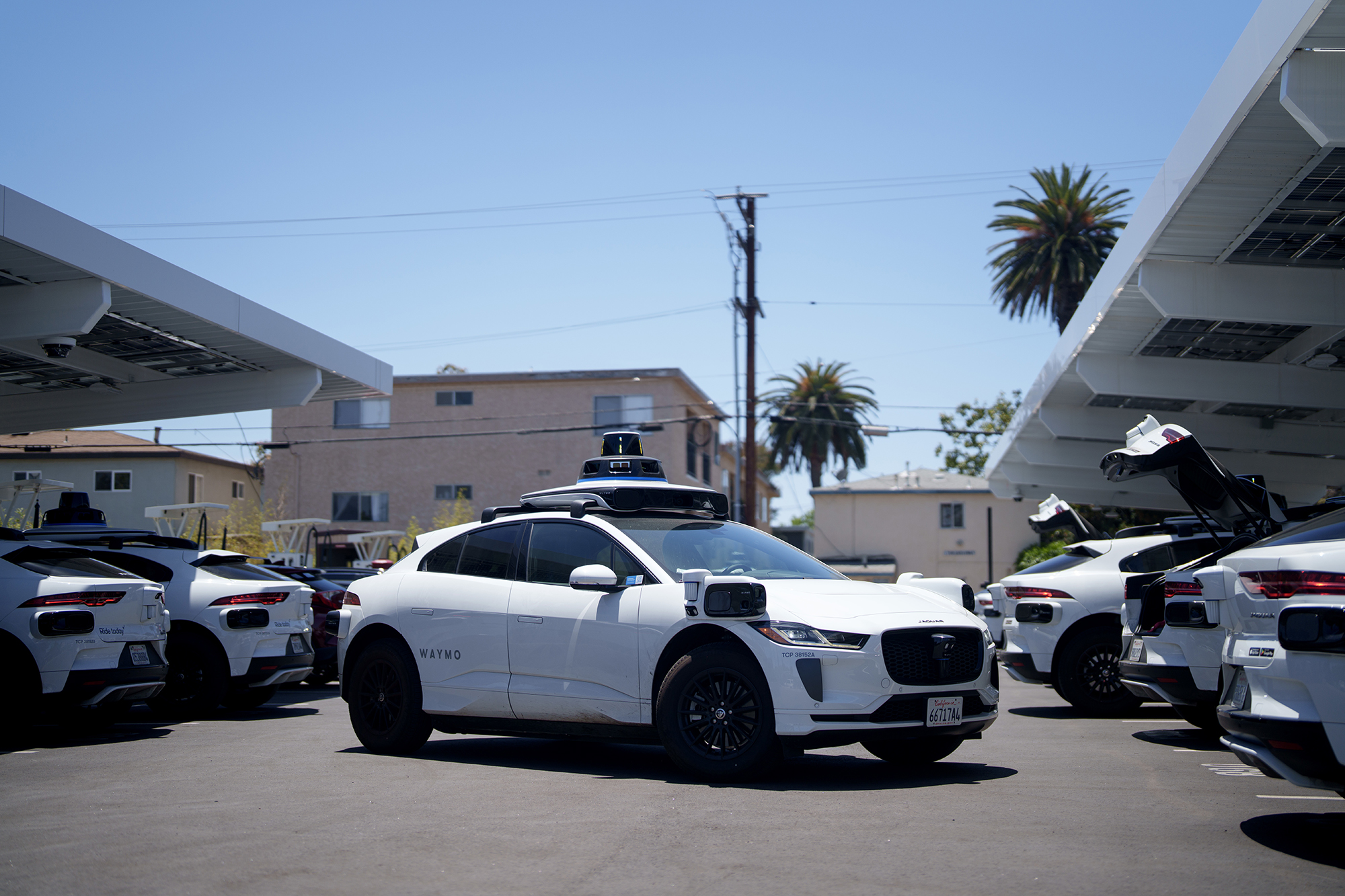
Summary of Key Points from the US Internet Conference Call Industry Overview - The focus is on the US Internet sector, particularly the dynamics surrounding major players like Amazon, Meta, Google, and others as they navigate through evolving market conditions and technological advancements in AI and automation. Core Themes and Insights Theme 1: AI Transition from Model Performance to Product Usage and Revenue Generation - The narrative is shifting from evaluating AI model performance to assessing product usage and financial returns, emphasizing the importance of user engagement metrics and monetization strategies [6][23][39] - Companies are expected to focus on user KPIs, with a particular emphasis on daily active users (DAU) and monthly active users (MAU) as indicators of engagement [8][27] - OpenAI and Google are leading in user engagement, with OpenAI having approximately 900 million weekly active users (WAU) and Google around 650 million MAU [28][29] Theme 2: AI's Real-World Applications - The physical application of AI, particularly in autonomous vehicles (AVs) and robotics, is anticipated to drive efficiency gains in 2026 [7][53] - Companies like Waymo and Tesla are expected to expand their AV fleets significantly, with Waymo planning to double its fleet size and enter more markets [54][55] - Amazon is leveraging robotics to enhance operational efficiencies, with over 1 million robots now in use, significantly improving logistics and supply chain processes [57] Theme 3: Market Dynamics of Growing Pies and Shrinking Slices - The competitive landscape is characterized by expanding total addressable markets (TAM) but shrinking market shares for incumbents as new entrants and technologies disrupt traditional business models [10][17] - Major players like Amazon and Google are encroaching on new markets, such as grocery and AVs, which could lead to increased competition and market share erosion for smaller platforms [11][15] Theme 4: Big Tech's Expanding Influence - Big Tech companies are leveraging their data and distribution advantages to enter new markets, often at the expense of smaller competitors [11][12] - The ability to outspend competitors on capital expenditures (CapEx) and product development is a significant advantage for these large firms [11][12] Investment Implications - Top investment picks include Amazon (AMZN), Meta (META), DoorDash (DASH), and Zillow (ZG), with a positive outlook on Uber (UBER), Pinterest (PINS), and Cart (CART) [4][14][19] - Amazon is expected to improve its position in AI and eCommerce, with anticipated revenue growth in AWS and retail margins benefiting from efficiency initiatives [15][19] - Meta is viewed as having high upside potential, although it faces risks related to its AI model performance and revenue growth [15][19] - Zillow's evolving revenue model and potential for mid-teens revenue growth are highlighted, despite recent stock declines [19] Financial Metrics and Projections - Key financial metrics for major companies include: - Alphabet (GOOGL): Adjusted EPS projected to grow from $8.00 in 2024 to $11.84 in 2026, with a target price of $305.00 [3] - Meta (META): Adjusted EPS expected to rise from $23.92 in 2024 to $31.05 in 2026, with a target price of $870.00 [3] - Amazon (AMZN): Adjusted EPS forecasted to increase from $5.52 in 2024 to $8.31 in 2026, with a target price of $300.00 [3] Additional Insights - The anticipated peak in capital intensity for major players in 2026 could lead to improved return on invested capital (ROIC) in subsequent years [46] - The integration of AI into existing platforms and the development of new commercial applications will be crucial for driving user engagement and revenue growth [34][39] - The competitive landscape will continue to evolve, with smaller players potentially benefiting from partnerships and innovative applications of AI [41][42] This summary encapsulates the key themes, insights, and financial projections discussed in the conference call, providing a comprehensive overview of the current state and future outlook of the US Internet sector.
人形机器人:参与者布局梳理-Humanoid Robotics Who plays where
2026-01-13 02:11
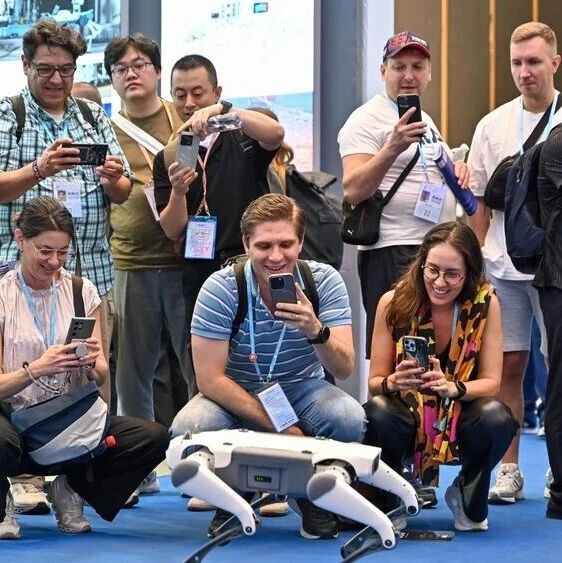
Summary of Humanoid Robotics Industry Analysis Industry Overview - The analysis covers the humanoid robotics sector, focusing on approximately 150 global players, including OEMs and parts suppliers [1][2][3]. Key Characteristics of the Humanoid Robotics Ecosystem 1. **Supply Chain Structure** - Humanoid robotics companies are categorized into OEMs and parts suppliers, with a supply chain structure similar to the automotive industry, featuring multiple actuator suppliers [1]. 2. **Key Know-Hows** - Hardware expertise centers on robotic design, while software involves distinct layers: "robotic models" (brain and locomotion algorithms) and "world models" (simulation environments) [1]. 3. **Vertical Integration** - Most OEMs design critical components in-house, with varying degrees of outsourcing for production. Unitree is noted for its unique approach, focusing on hardware with integrated locomotion algorithms [1]. 4. **Competition and Differentiation** - The industry has a high number of participants, indicating low entry barriers. However, differentiation is possible through quality, agility, and cost, particularly in robotic models and actuators [1]. 5. **China vs. the West** - China is emerging as a significant player in humanoid robotics, with more participants than the rest of the world combined. China leads in most areas of the value chain, except for AI chips and simulation environments [1]. Competitive Landscape - **Non-Chinese Humanoid Robot OEMs** - Key players include Tesla, Boston Dynamics, and Agility Robotics, with varying capabilities in hardware and software [2]. - **Non-Chinese Humanoid Parts Suppliers** - Major suppliers include NVIDIA, Google, and Intel, providing essential components like AI chips and actuators [3]. - **Chinese Humanoid Robot OEMs** - Notable companies include Unitree Robotics, UBTech, and XPeng, with a focus on various hardware and software capabilities [4]. - **Chinese Humanoid Parts Suppliers** - Key suppliers include Hesai and RoboSense, contributing to the hardware and software needs of the industry [6][9]. Investment Implications - Recommendations include: - **Outperform**: Shuanghuan, Hesai, Tuopu, Inovance, Harmonic Drive - **Market-Perform**: Sanhua - **Underperform**: Leader Drive [10]. Financial Metrics - Specific financial metrics and projections for key companies are provided, including EPS and P/E ratios for 2024-2026 [11]. Conclusion - The humanoid robotics industry is characterized by rapid growth, significant competition, and a clear divide between Chinese and Western players. Investment opportunities exist, particularly in companies that demonstrate strong differentiation and technological capabilities.
谷歌闯入4万亿俱乐部,苹果给了AI神助攻
Tai Mei Ti A P P· 2026-01-13 02:10
Core Insights - Alphabet, the parent company of Google, has officially reached a market capitalization of $4 trillion, becoming the fourth company in history to achieve this milestone, following Nvidia, Apple, and Microsoft [2] - A significant factor contributing to this valuation is a new multi-year partnership with Apple, where Google's Gemini model and cloud technology will support Apple's AI initiatives, including the upcoming version of Siri [2][4] Group 1: Alphabet's Market Position - Alphabet is now one of only two companies with a market cap of $4 trillion, second only to Nvidia [2] - The company's stock price has seen a year-to-date increase of 6.03%, with a current share price of $332.73 [6] Group 2: Partnership with Apple - Apple has selected Google's Gemini model as the foundational support for its AI services, committing to pay Google $1 billion annually for this collaboration [2][3] - The partnership is expected to enhance Apple's AI capabilities while maintaining user privacy, as Google has a history of complying with Apple's stringent privacy requirements [3][4] Group 3: AI Developments and Market Trends - Google's Gemini 3 model has shown strong performance, with a 28.4% month-over-month increase in traffic, outperforming competitors like ChatGPT [5] - The collaboration with Apple is seen as a validation of Google's AI capabilities and is anticipated to accelerate Apple's AI strategy [4] Group 4: Future Prospects and Investments - Google is expected to significantly increase its capital expenditures, projected to exceed $140 billion by 2026, marking a growth rate of over 60% [6] - The company is also planning to launch new AI products, including a partnership with Samsung for AI smart glasses, indicating a strong focus on innovation in the AI space [6]
苹果谷歌“世纪联姻”:达成AI合作!马斯克痛批“权力集中”
Di Yi Cai Jing Zi Xun· 2026-01-13 02:01
当地时间1月12日,苹果与谷歌宣布达成一项多年期战略合作协议。根据双方披露的信息,谷歌的 Gemini核心模型架构将被用于支持下一代Apple Foundation Models,并成为Siri新一轮升级的底层技术基 础。 在一份声明中,苹果将与谷歌的这次合作描述为Apple Foundation Models提供了"强大的基础"。 谷歌方面则表示,"苹果与谷歌已进入多年合作阶段,下一代苹果基础模型将基于谷歌的Gemini模型和 云技术。这些模型将助力未来Apple Intelligence功能的实现,包括预计今年内推出的、更具个性化的 Siri。" 双方的合作细节并未公开。但有消息称,苹果预计每年将向谷歌支付约10亿美元的技术许可费用。 这意味着,长期坚持自研路线的苹果,在生成式人工智能的"核心引擎"层面,首次正式引入来自最大竞 争对手之一的基础模型技术。 消息公布数小时后,特斯拉与xAI创始人埃隆·马斯克在X平台连续发文,对这一合作表达强烈不满,称 其将进一步加剧科技行业的"权力集中"。 这一表态并非孤立。马斯克旗下的xAI过去一年里已多次公开批评当前的AI产业结构,并曾对苹果和 OpenAI提起诉讼,指 ...
5 Unstoppable Stocks to Buy With $5,000 for 2026
The Motley Fool· 2026-01-13 02:00
Core Insights - The article identifies five companies as strong investment opportunities for 2026, emphasizing their dominant market positions and competitive advantages that make them difficult to dethrone [1][2]. Company Summaries Nvidia - Nvidia is the world's largest company by market capitalization, primarily due to its leading position in graphics processing units (GPUs) essential for artificial intelligence (AI) workloads [3][4]. - The company has reported being "sold out" of production capacity, highlighting its competitive edge over rivals [3]. - Nvidia's market cap stands at $4.5 trillion, with projected global data center capital expenditures reaching $3 trillion to $4 trillion annually by 2030, indicating strong future growth potential [5]. Taiwan Semiconductor Manufacturing - Taiwan Semiconductor Manufacturing is the largest chip manufacturer globally, known for its excellent execution and cutting-edge technology [6]. - The introduction of its 2-nanometer chip node in 2026 is expected to drive significant revenue growth due to improved energy efficiency [7]. - Continued demand for computing chips positions Taiwan Semiconductor as a strong investment opportunity [7]. Amazon - Amazon dominates the e-commerce market and has a thriving advertising business, alongside operating the largest cloud computing service [8][10]. - Despite a challenging 2025, Amazon is expected to rebound in 2026 if it maintains financial momentum [10]. - The company's market cap is $2.6 trillion, with a gross margin of 50.05% [10]. MercadoLibre - MercadoLibre is often referred to as the "Amazon of Latin America," but it also has a robust fintech ecosystem that enhances its market position [11]. - The stock is currently down approximately 16% from its all-time high, presenting a low valuation opportunity for investors [12]. - The company is viewed as a strong bet on the continued growth of Latin America [14]. Alphabet - Alphabet has demonstrated resilience, particularly with its generative AI model, Gemini, which has helped regain market share for its Google Search engine [15][16]. - The stock rallied throughout 2025, positioning Alphabet well for 2026, despite expectations of a less impressive year compared to 2025 [16]. - The company is expected to benefit from the ongoing AI infrastructure build-out [16].