
Pony Ai(PONY)

Search documents
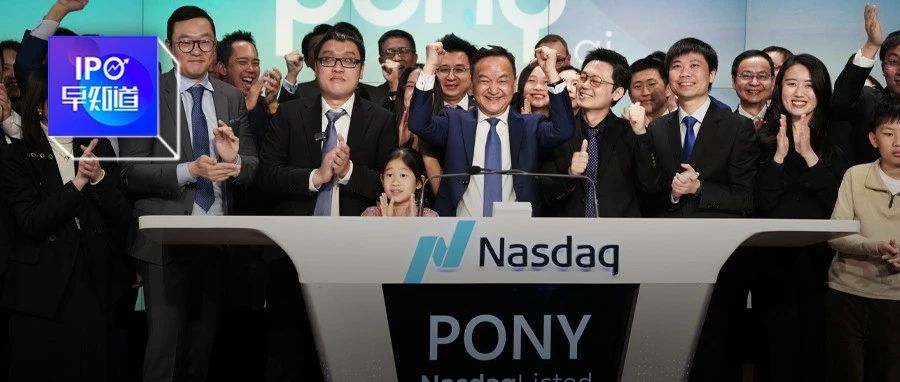
小马智行解禁期到来 Pre-IPO投资人主动持仓管理
Zheng Quan Shi Bao Wang· 2025-05-25 11:44
Core Viewpoint - The core shareholders of Pony.ai, including strategic investors like Toyota and various international funds, have expressed no immediate plans to reduce their holdings after the lock-up period ends on May 26, indicating confidence in the company's long-term value and growth potential in the autonomous driving sector [1][2]. Group 1: Shareholder Actions and Market Sentiment - Pony.ai's founders voluntarily extended the lock-up period, marking a significant commitment to the company's long-term value and signaling strong alignment between management and shareholder interests [2]. - Over 70% of Pony.ai's shareholders have confirmed they will not reduce their holdings, which is seen as a positive signal for the market regarding the scarcity of quality investment opportunities [1][2]. Group 2: Business Performance and Growth Potential - Pony.ai's Robotaxi service has shown strong operational performance in major cities, with a 200% year-on-year revenue growth in the Robotaxi segment, contributing significantly to the overall revenue increase [3]. - The company is transitioning from R&D to scaling operations, with its seventh-generation Robotaxi system achieving a 70% cost reduction compared to previous models, positioning it well for commercial success [1][3]. Group 3: Market Position and Future Outlook - Pony.ai is recognized as a pioneer in the global autonomous driving market, having launched China's first Robotaxi service and obtained operational licenses in major cities [2]. - The company raised $299 million in its IPO, setting a record for the largest IPO in the U.S. autonomous driving sector in 2024, with total fundraising reaching approximately $452 million [3].
尾盘突然飙涨!发生了什么?
Shang Hai Zheng Quan Bao· 2025-05-24 00:44
特朗普关税威胁之下,避险情绪重回上风,欧美股市集体收跌,其中道指跌0.61%,标普500指数跌 0.67%,纳指跌1%。本周,道指跌2.47%,标普500指数跌2.61%,纳指跌2.47%。 欧洲三大股指收盘全线下跌,德国DAX指数跌1.54%报23629.58点,法国CAC40指数跌1.65%报7734.4 点,英国富时100指数跌0.24%报8717.97点。本周,德国DAX指数跌0.58%,法国CAC40指数跌2.16%, 英国富时100指数涨0.38%。 美国钢铁尾盘大涨 美国钢铁尾盘异动,大幅拉升25%,最终收涨21.24%,报52.010美元/股,股价创下十余年来新高。 美国钢铁尾盘异动,大幅拉升25%,最终收涨21.24%,报52.010美元/股,股价创下十余年来新高。消息 面上,美国总统特朗普宣布美国钢铁公司与日本制铁公司将建立合作伙伴关系,被认为已批准日本制铁 收购美国钢铁公司。 此外,据新华社报道,美国总统特朗普23日在白宫说,韩国三星电子公司和其他生产手机的企业也将面 临关税。当天早些时候,他曾在社交媒体上称,凡是在国外制造并在美国销售的苹果手机,应该面临至 少25%的关税。 欧美股市全 ...


纳斯达克金龙中国指数初步大致收平,本周累计下跌约2.6%。热门中概股B站初步收涨2.9%,理想、腾讯、网易、百胜中国至多涨0.7%,拼多多、阿里巴巴、新东方至多跌0.9%,小米和蔚来跌超1.4%,小鹏跌2.5%,文远知行跌9.5%,小马智行跌17.1%。
news flash· 2025-05-23 20:03
Group 1 - The Nasdaq Golden Dragon China Index remained roughly flat, with a cumulative decline of approximately 2.6% for the week [1] - Popular Chinese concept stocks such as Bilibili saw an initial increase of 2.9%, while companies like Li Auto, Tencent, NetEase, and Yum China experienced gains of up to 0.7% [1] - Pinduoduo, Alibaba, and New Oriental recorded declines of up to 0.9%, with Xiaomi and NIO dropping over 1.4%, Xiaopeng down 2.5%, WeRide down 9.5%, and Pony.ai down 17.1% [1]

小马智行多位核心股东给予「不急于减持」表态:获多家国际投行上调目标价
IPO早知道· 2025-05-23 09:33
Core Viewpoint - The proactive management of holdings by leading investors signals the scarcity of quality targets in the secondary market [2] Group 1: Shareholder Actions - Pre-IPO investors of Pony.ai will have their shares unlocked on May 26, with key shareholders, including Toyota and several international funds, indicating they are not in a hurry to sell [3] - Founders of Pony.ai have voluntarily extended their share lock-up period by 540 days, covering approximately 22.9% of the total issued shares, which reflects their confidence in the company's long-term value [5][6] - The combined holdings of shareholders who have expressed no plans to sell, including the founders, exceed 70% of the company's total equity, creating a significant confidence-boosting effect [5] Group 2: Investor Confidence - Early investor Wuyuan Capital reaffirmed its commitment to Pony.ai, citing confidence in the company's strategic capabilities and operational efficiency [7] - Kaiming Capital highlighted Pony.ai's unique advantages in converting policy opportunities into commercial value, with significant operational achievements in major cities [7] - Investors believe that the current phase is critical for autonomous driving companies transitioning from R&D to scale profitability, with Pony.ai's seventh-generation Robotaxi system showing a 70% cost reduction compared to previous generations [7] Group 3: Financial Performance - Pony.ai reported Q1 total revenue of 102 million yuan (approximately 13.98 million USD), a 12% year-on-year increase, with Robotaxi revenue growing over 200% [9] - The rapid expansion of commercial operations in major cities has led to an 800% increase in passenger fare revenue, with a 20% increase in registered users of the Pony.ai app [9] Group 4: Technological Advancements - Pony.ai launched its seventh-generation autonomous driving system, designed for L4 level production, featuring a significant cost reduction of 70% for production materials [12] - The seventh-generation system will also be utilized in Pony.ai's autonomous trucks, with plans to scale the Robotaxi fleet to 1,000 units by the end of the year [12] Group 5: Market Outlook - Following the Q1 earnings report, several leading international investment banks raised their target prices for Pony.ai, reflecting optimism about the company's future business prospects [12]

美股光伏板块暴跌!发生了什么
Zheng Quan Shi Bao· 2025-05-23 00:16
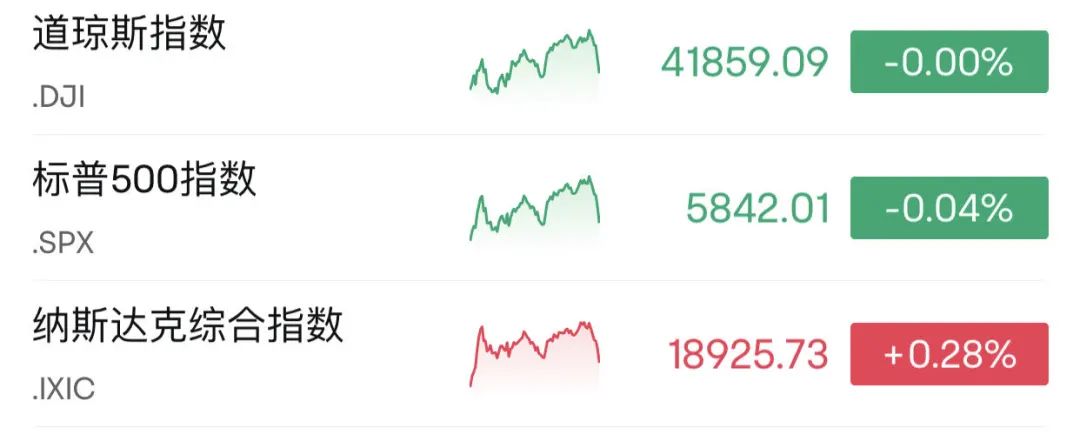
Group 1: Market Overview - The U.S. stock market attempted to rebound on May 22, but ended with mixed results, with the Dow Jones Industrial Average closing nearly flat, the S&P 500 down 0.04%, and the Nasdaq up 0.28% [1][2] - European markets also experienced declines, with Germany's DAX down 0.51%, France's CAC40 down 0.58%, and the UK's FTSE 100 down 0.54% [2] Group 2: Solar Industry Impact - The solar sector in the U.S. saw significant declines, with Sunrun dropping over 37% following the passage of the "Beautiful Act" by the House, which cuts green energy subsidies [3][4] - Other solar companies also faced losses, including SolarEdge Technologies down 24.67%, Enphase Energy down 19.63%, Maxeon Solar Technologies down 9.42%, and NextEra Energy down approximately 6% [3] Group 3: Legislative Changes - The House passed a major tax and spending bill with a narrow margin of 215 votes in favor and 214 against, which includes extensions of tax cuts from Trump's first term and cuts to green energy incentives [5][6] - The bill aims to increase defense spending and provide more funding for immigration enforcement while raising the eligibility thresholds for healthcare and food assistance programs [6] Group 4: Manufacturing Sector - The U.S. manufacturing PMI rebounded to 52.3 in May, exceeding market expectations and indicating a return to expansion after two months of contraction [7] - The increase in PMI was driven by a rise in new orders and significant inventory accumulation, attributed to businesses preparing for potential tariff issues [7] Group 5: Company Performance - Xiaoma Zhixing (Pony.ai) reported a 12% year-over-year increase in total revenue for Q1 2025, with Robotaxi business revenue soaring by 200% [8][9] - The growth in Robotaxi revenue was primarily due to a significant increase in passenger fare income, which rose by 800% as the company expanded its paid Robotaxi services in major cities [9]

美股光伏板块暴跌!发生了什么?
证券时报· 2025-05-23 00:07
Market Overview - On May 22, US stock markets attempted to rebound but ended with mixed results, with the Dow Jones Industrial Average closing nearly flat, the S&P 500 down by 0.04%, and the Nasdaq Composite up by 0.28% [1][2]. Solar Industry Impact - The solar sector experienced significant declines, particularly after the US House of Representatives passed a bill that cuts green energy subsidies. Sunrun saw a drop of over 37%, while SolarEdge Technologies fell by 24.67%, and Enphase Energy decreased by 19.63% [3][4]. - The bill, passed with a narrow margin of 215 votes in favor and 214 against, extends tax cuts from Trump's first term and increases defense spending while cutting several green energy incentives [5]. Manufacturing Sector - The US manufacturing PMI rebounded to 52.3 in May, exceeding market expectations and indicating a return to expansion after two months of contraction. This is the most significant improvement in manufacturing activity since June 2022 [8]. - The increase in PMI was driven by a rise in new orders and a record growth in inventory levels, attributed to companies stockpiling in anticipation of potential tariff issues [8]. Chinese Stocks Performance - The Nasdaq Golden Dragon China Index fell by 1.18%, with notable declines in several Chinese stocks, including XPeng down over 7% and Century Internet down over 6%. However, Xiaoma Zhixing saw a significant increase of nearly 19% [9][10]. - Xiaoma Zhixing reported a 12% year-over-year increase in total revenue for Q1 2025, with its Robotaxi business revenue soaring by 200%, primarily due to expanded paid services in major cities [10][11]. Commodity Prices - International oil prices weakened, with WTI crude oil down by 1.23% to $60.81 per barrel and Brent crude down by 1.29% to $64.07 per barrel. Gold and silver futures also saw declines [12][13].

纳斯达克金龙中国指数初步收跌1.1%。热门中概股小鹏初步收跌7.3%,阿里、蔚来、理想、百度、新东方、腾讯、网易跌超1%,拼多多则涨2.9%,小马智行涨19.6%。
news flash· 2025-05-22 20:02
Core Viewpoint - The Nasdaq Golden Dragon China Index experienced a preliminary decline of 1.1% [1] Group 1: Stock Performance - Popular Chinese concept stocks such as Xpeng saw a preliminary drop of 7.3% [1] - Alibaba, NIO, Li Auto, Baidu, New Oriental, Tencent, and NetEase all fell by over 1% [1] - Pinduoduo recorded a gain of 2.9% [1] - Pony.ai experienced a significant increase of 19.6% [1]


Why Pony.ai Stock Galloped From $4 to Nearly $20 in a Month
ZACKS· 2025-05-22 18:50
Group 1: Company Overview - Pony.ai is a leader in the autonomous driving technology industry, focusing on robotaxis for ride-hailing, robotrucks for deliveries, and systems for personal vehicles [1] - The company has seen significant stock price growth, rising from $4.11 on April 22 to nearly $20 [2] Group 2: Strategic Partnerships - Pony.ai has formed partnerships with Uber and Toyota, enhancing its scale and distribution capabilities [4] - The partnership with Uber allows users to access Pony.ai's robotaxi service through Uber's platform [4] - The deal with Toyota aims to initiate mass production of Pony.ai's seventh-generation robotaxi lineup [4] Group 3: Management Confidence - Pony.ai's management has announced a voluntary lock-up period of 540 days starting May 25, indicating strong confidence in the company's future [6] - This voluntary lock-up period is rare and suggests that the upper management believes in the long-term potential of the company [6] Group 4: Market Positioning - Pony.ai's stock is currently forming an "IPO U-Turn Base," a pattern that has historically led to significant price increases [7] - The company is insulated from tariff uncertainties due to its locally sourced supply chain [10] Group 5: Conclusion - The combination of strong stock momentum, strategic partnerships, and management's unusual voluntary lock-up period positions Pony.ai for potential growth [11]

Jim Cramer: Rivian Better Than This Automaker, Pan American Silver Is The 'Best Silver Mine'
Benzinga· 2025-05-22 12:18
Group 1: Company Performance and Comparisons - Rivian Automotive, Inc. (RIVN) is viewed more favorably than Lucid Group, Inc. (LCID), with Lucid reporting first-quarter revenue of $235.05 million, missing analyst estimates of $250 million [1] - Marvell Technology, Inc. (MRVL) is considered a good buy, especially after announcing a collaboration with Nvidia Corp (NVDA) to offer NVLink Fusion technology [2] - Pony AI Inc. (PONY) reported first-quarter sales growth of 11.6% year-over-year to $13.98 million, exceeding analyst consensus estimates of 90.11 million Chinese yuan [2] Group 2: Mergers and Acquisitions - Pan American Silver Corp. (PAAS) is recognized as the best silver mine, and it has announced a definitive deal to acquire MAG Silver Corp. (MAG) shares [3] Group 3: Earnings Guidance and Market Sentiment - Doximity, Inc. (DOCS) provided a fiscal first-quarter revenue guidance of $139 million to $140 million, below estimates of $143.34 million, leading to a negative outlook [3] - Micron Technology, Inc. (MU) is perceived as having a "toppy" market position, with analysts expecting quarterly earnings of $1.59 per share on revenue of $8.83 billion [4] Group 4: Stock Price Movements - Lucid shares fell 6.4% to $2.77, Marvell shares declined 2.1% to $60.11, Pony.ai shares dropped 3.3% to $17.29, Doximity shares decreased 4.3% to $50.75, and Micron shares slipped 2.3% to $95.84 [7] - Pan American Silver shares rose 1.3% to $24.10 [7]



小马智行(PONY.US)2025Q1电话会:Robotaxi收入同比增长200% 车队规模年底将达1000辆
智通财经网· 2025-05-22 10:11
Core Viewpoint - Pony.ai reported a strong performance in Q1 2025, with total revenue of 102 million yuan, a 12% year-over-year increase, driven by a significant growth in Robotaxi services, which saw a revenue increase of 200% to 12.3 million yuan [1][2][3] Revenue and Growth - The company achieved a remarkable milestone with Robotaxi service revenue doubling year-over-year, and billing revenue increasing approximately eightfold [2] - The "Pony.ai" app registered user numbers grew by over 20% quarter-over-quarter, indicating strong market acceptance [4] Operational Expansion - The company plans to expand its Robotaxi fleet to 1,000 vehicles by the end of the year, supported by strategic partnerships with Tencent and Uber to reach a billion users [1][2] - The operational area for commercial Robotaxi services has exceeded 2,000 square kilometers, significantly larger than the area of San Francisco [3] Technological Advancements - The introduction of the seventh-generation Robotaxi system has reduced the bill of materials (BOM) cost by 70% compared to the previous generation, showcasing significant technological progress [2] - The company is the first in the L4 industry to fully adopt automotive-grade system-on-chip (SoC) technology, leading to a substantial reduction in hardware costs and power consumption [6][14] Regulatory and Testing Progress - Pony.ai has obtained a full commercial Robotaxi service license in Shenzhen and an L4 Robotaxi testing permit from the Luxembourg Ministry of Transport, allowing for road testing in Seoul, South Korea [1][4] Future Outlook - The company is focused on scaling production and expanding its fleet, with plans to begin mass production of the Gen 7 Robotaxi in Q2 2025 [8] - The strategy includes collaboration with OEM partners like Toyota and GAC to ensure high-quality standards and supply chain stability [8][19]