TRIP.COM(TCOM)

Search documents
INVESTOR DEADLINE: Trip.com Group Limited Investors with Substantial Losses Have Opportunity to Lead Class Action Lawsuit
Globenewswire· 2026-03-23 14:00
Core Viewpoint - The Trip.com Group Limited is facing a class action lawsuit for alleged violations of the Securities Exchange Act of 1934, with claims of misleading statements and failure to disclose regulatory risks associated with its monopolistic practices [1][4]. Company Overview - Trip.com operates as a travel service provider, offering services such as accommodation reservations, transportation ticketing, packaged tours, in-destination services, and corporate travel management [3]. Allegations - The lawsuit alleges that during the class period, Trip.com and its executives made false or misleading statements and failed to disclose significant regulatory risks due to monopolistic business activities [4]. - A Bloomberg article published on January 14, 2026, reported that China is investigating Trip.com for alleged antitrust conduct, which led to a 19% drop in the price of Trip.com American Depositary Shares over two trading sessions [5]. Legal Process - Investors who purchased Trip.com securities during the class period can seek appointment as lead plaintiff in the class action lawsuit, representing the interests of all class members [6].



12家平台企业被约谈
中国能源报· 2026-03-23 12:50
Core Viewpoint - The article discusses the regulatory actions taken by Beijing's market supervision authorities against various online platforms for engaging in "involutionary" competition practices, highlighting the need for compliance and rectification to protect merchants' rights and consumer interests [1][3]. Group 1: Issues Identified - Platforms have infringed on merchants' autonomy by unilaterally enrolling them in promotional activities and enforcing minimum pricing without consent, leading to financial losses for merchants [4][5]. - Specific examples include Taobao Flash Sale modifying prices and activities without merchant agreement, resulting in significant revenue drops for merchants [6]. - Ctrip has been reported to automatically adjust hotel prices, pressuring hotels to comply with lowest price requirements, thus undermining their pricing authority [7]. Group 2: Unreasonable Rules - Some platforms have established unreasonable rules that impose additional burdens on merchants through penalties and restrictions, increasing operational challenges [9][10]. - Ctrip's "cutting customer" penalties have been criticized for being overly broad, penalizing hotels for legitimate customer interactions outside the platform [10]. Group 3: False Advertising - Platforms have engaged in misleading advertising practices that violate consumer rights, such as promoting paid services that falsely claim to enhance ticket purchasing success [12]. - Ctrip's misleading "thumbs up" symbol has been flagged for misrepresenting service quality, prompting regulatory guidance for its removal [13]. - Other platforms, like Gaode, have been noted for failing to update promotional indicators, misleading consumers about ongoing discounts [14]. Group 4: Compliance Management Shortcomings - Several platforms lack effective compliance management systems, leading to inadequate oversight and risk management [15][16]. - QuNar's compliance mechanisms have been criticized for being ineffective, lacking a dedicated management structure [16]. - JD's compliance management has been deemed insufficient, with unclear responsibilities and a need for improved operational effectiveness [17]. Group 5: Regulatory Actions and Future Directions - Regulatory authorities have issued administrative warnings to platforms, mandating strict adherence to responsibilities and timely rectification of identified issues [17]. - The authorities plan to continue monitoring and publicly reporting violations, focusing on platforms that fail to comply with rectification requirements [17].




北京三部门联合约谈12家平台企业 通报“内卷式”竞争第一批问题
YOUNG财经 漾财经· 2026-03-23 11:40
Core Viewpoint - Beijing's regulatory authorities have initiated a comprehensive rectification of "involutionary" competition among platform enterprises, focusing on issues such as infringement of merchants' rights, unreasonable rules, false advertising, and shortcomings in compliance management [1][3][8]. Group 1: Issues Identified - The first batch of issues identified includes the infringement of merchants' autonomy, where platforms modify merchant settings without consent and impose minimum pricing, leading to economic losses for merchants [3][4]. - Unreasonable rules have been set by some platforms, leveraging their dominant position to impose penalties and restrictions that increase the operational burden on merchants [4][5]. - False advertising practices have been reported, where platforms mislead consumers through deceptive promotional tactics, violating consumer rights [6][7]. Group 2: Compliance Management Shortcomings - Several platforms have been found to have ineffective compliance management systems, with unclear responsibilities and lack of actual implementation of compliance mechanisms [7][8]. - Specific examples include Qunar's lack of a functional compliance management organization and JD's outdated compliance structure, indicating a need for improvement in compliance practices [7][8]. Group 3: Regulatory Actions and Future Steps - Regulatory authorities have issued administrative warnings to platforms, mandating them to rectify identified issues and protect the rights of both merchants and consumers [8]. - The next steps involve ongoing monitoring and public reporting of violations, with a focus on creating a long-term prevention mechanism through multi-party consultations [8].

北京三部门约谈12家平台企业
证券时报· 2026-03-23 10:36
Core Viewpoint - The article discusses the regulatory actions taken by Beijing's market supervision authorities against various online platforms for engaging in "involutionary" competition practices that harm merchants' rights and consumer interests [1][16]. Group 1: Issues Identified - The main issues highlighted include infringement on merchants' autonomy, unreasonable rules set by platforms, false advertising practices, and shortcomings in compliance management systems [3][6][8][12]. Group 2: Specific Examples - Example 1: Taobao Flash Sale unilaterally listed promotional activities and modified product prices without merchant consent, leading to significant financial losses for merchants [4]. - Example 2: Ctrip used technical means to enforce minimum pricing on hotels, pressuring them to comply or face consequences [5]. - Example 3: Ctrip's unreasonable "cutting customer" rules penalized hotels for directing customers to book outside the platform, even in legitimate scenarios [7]. - Example 4: Third-party train ticket platforms misled consumers with false advertising about paid services that falsely claimed to enhance ticket purchasing success [9]. - Example 5: Ctrip's misleading "thumbs up" symbol associated with certain hotels did not reflect actual service quality, misleading consumers [10]. - Example 6: Gaode failed to update promotional indicators after the end of a subsidy campaign, potentially misleading consumers [11]. Group 3: Compliance Management Issues - Example 7: Qu Nar's compliance management system was found to be ineffective, lacking a proper organizational structure and risk assessment mechanisms [13]. - Example 8: JD's compliance management was criticized for not being updated dynamically, with unclear responsibilities in key positions [14]. Group 4: Regulatory Actions and Future Steps - The market supervision authorities issued administrative warnings to the platforms, mandating them to rectify identified issues and protect the rights of merchants and consumers [16]. - Future actions will include ongoing monitoring of compliance, public reporting of violations, and establishing a multi-party consultation mechanism to promote healthy platform economic development [16].
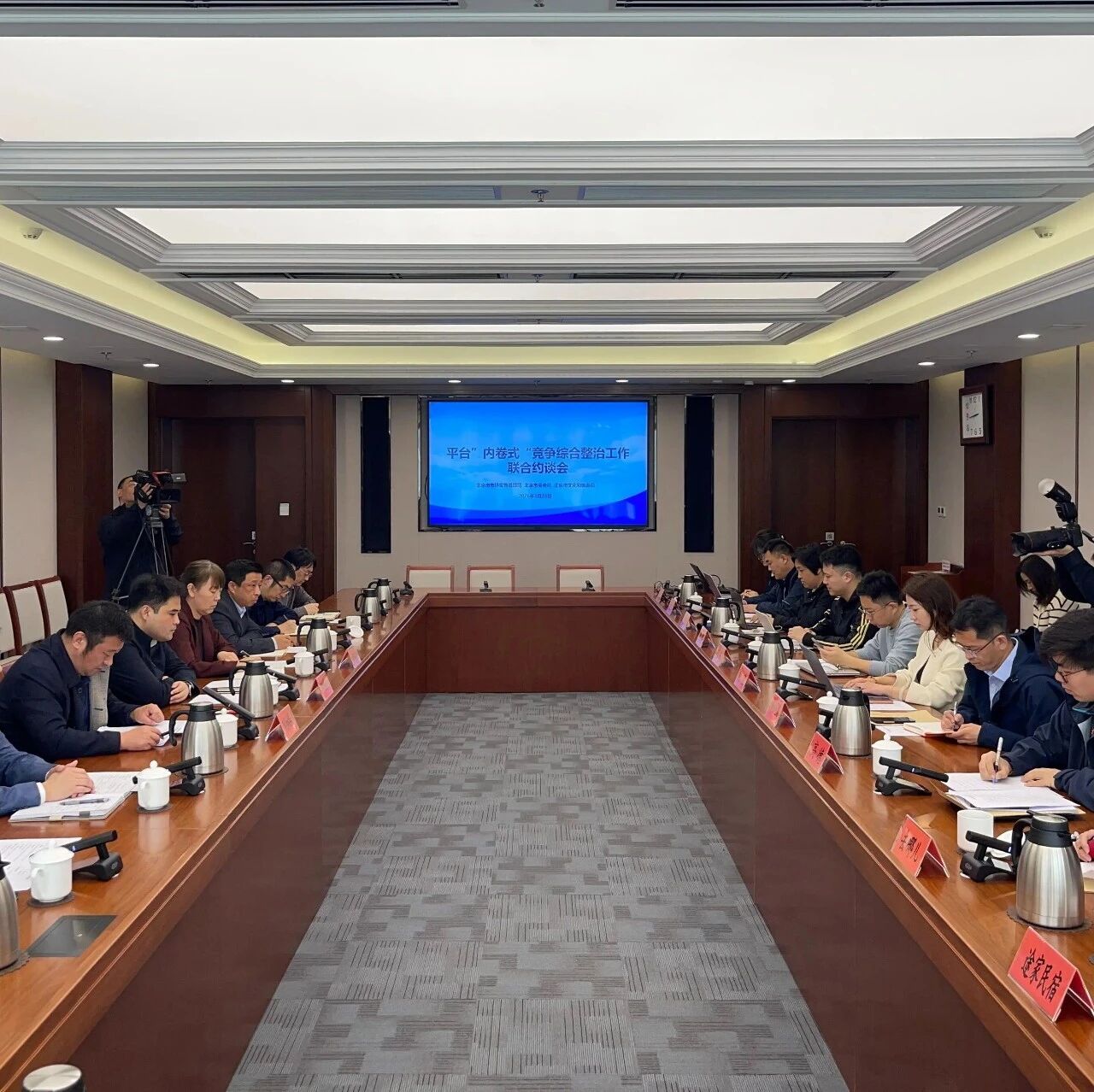
携程、去哪儿网、高德、京东、淘宝闪购、美团、飞猪旅行、同程旅行、途家民宿、小猪民宿、抖音、快手被约谈
新华网财经· 2026-03-23 10:20
Core Viewpoint - The article discusses the regulatory actions taken by Beijing's market supervision authorities against various online platforms for engaging in "involutionary" competition practices that harm merchants and consumers [1]. Group 1: Issues Identified - The main issues reported focus on four areas: infringement of merchants' autonomy, unreasonable rules, false advertising, and shortcomings in compliance management [3][7][9][13]. Group 2: Infringement of Merchant Autonomy - Some platforms have modified merchant settings without consent, forcing them into promotional activities and dictating pricing, which leads to financial losses for merchants and potential quality risks in goods and services [3]. - Example 1: Taobao Flash Sale unilaterally listed merchants' products in promotional events and altered prices without consent, resulting in significant revenue losses for merchants [4]. - Example 2: Ctrip used technical means to enforce minimum pricing on hotels, pressuring them to comply or face consequences such as reduced visibility on the platform [5][6]. Group 3: Unreasonable Rules - Certain platforms have established unfair rules that increase the operational burden on merchants through penalties and restrictions [7]. - Example 3: Ctrip's "cutting customer" rule penalizes hotels for directing customers away from the platform, even in legitimate scenarios, leading to unfair commission demands [8]. Group 4: False Advertising - Platforms have engaged in misleading advertising practices that violate consumer rights [9]. - Example 4: Third-party train ticket platforms misrepresented paid services as exclusive benefits, misleading consumers about their effectiveness [10]. - Example 5: Ctrip's misleading "thumbs up" symbol associated with certain hotels did not reflect actual service quality, prompting regulatory intervention [11]. - Example 6: Gaode failed to update promotional indicators post-campaign, misleading consumers about ongoing discounts [12]. Group 5: Compliance Management Shortcomings - Several platforms lack effective compliance management systems, leading to inadequate risk assessment and oversight [13]. - Example 7: Qu Nar's compliance mechanisms were found to be ineffective, lacking a structured approach to managing compliance risks [14]. - Example 8: JD's compliance management was criticized for not being updated dynamically, with unclear responsibilities [15]. Group 6: Regulatory Actions and Future Steps - Regulatory authorities have issued administrative warnings and mandated platforms to rectify identified issues, emphasizing the protection of merchants' and consumers' rights [15]. - The authorities plan to continue monitoring and addressing "involutionary" competition practices, ensuring platforms engage in fair competition and adhere to regulations [15].
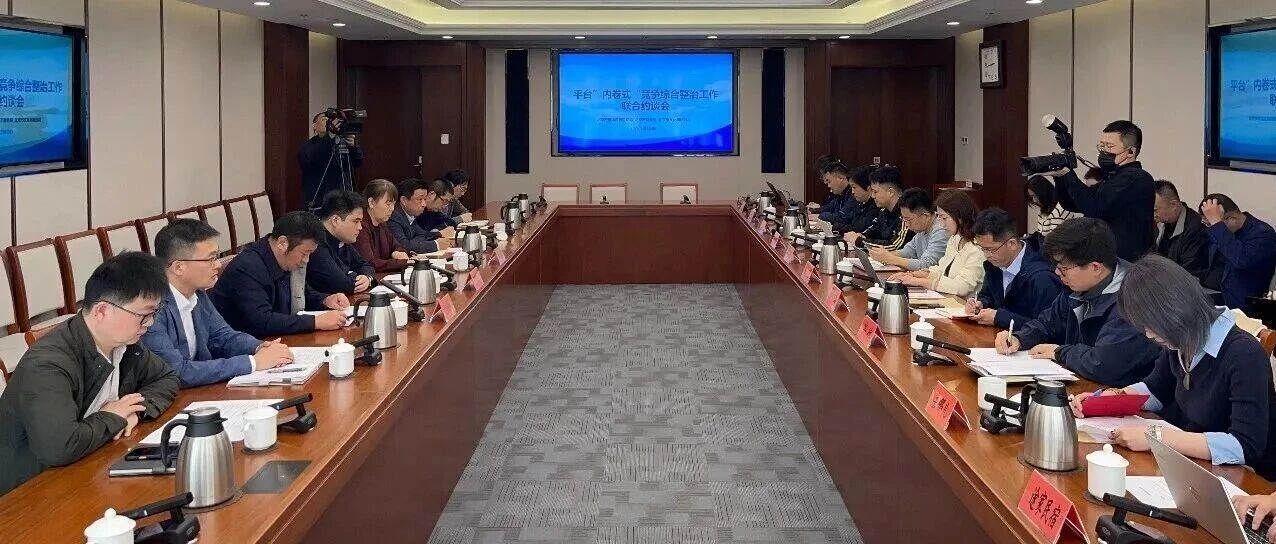
北京三部门约谈12家平台企业
券商中国· 2026-03-23 09:16
Core Viewpoint - The article discusses the regulatory actions taken by Beijing's market supervision authorities against various online platforms for engaging in "involutionary" competition practices that harm merchants and consumers, highlighting the need for compliance and fair competition in the market [1][14]. Group 1: Issues Identified - The main issues reported focus on four areas: infringement of merchants' autonomy, unreasonable rules set by platforms, false advertising practices, and shortcomings in compliance management systems [3][6][8][11]. Group 2: Infringement of Merchant Autonomy - Platforms have been found to modify merchant settings without consent, forcing them into promotional activities and dictating pricing, which leads to significant financial losses for merchants [3][4]. - A specific case involves Taobao Flash Sale, where merchants reported unauthorized price changes and promotional listings that resulted in them receiving only a fraction of their original prices, making it impossible to cover costs [4]. Group 3: Unreasonable Rules - Platforms like Ctrip have been criticized for imposing unreasonable rules that increase the operational burden on merchants, such as penalizing hotels for directing customers away from their platform [6][7]. - Ctrip's "cutting customer" rule was deemed unfair, as it penalized hotels for legitimate customer interactions outside the platform, prompting regulatory guidance for rule optimization [7]. Group 4: False Advertising - Instances of misleading advertising were noted, such as third-party train ticket platforms promoting paid services with exaggerated claims of success rates, misleading consumers about the benefits of their offerings [8][9]. - Ctrip's use of misleading "thumbs up" symbols to indicate hotel quality was also flagged, leading to regulatory intervention to eliminate such practices [10]. Group 5: Compliance Management Shortcomings - Several platforms, including Qunar and JD.com, were found to have ineffective compliance management systems, lacking clear responsibilities and failing to implement necessary compliance mechanisms [11][12]. - Regulatory authorities emphasized the need for these platforms to enhance their compliance frameworks to prevent future violations [12]. Group 6: Regulatory Actions and Future Steps - The market supervision authorities issued administrative warnings and mandated platforms to rectify identified issues, emphasizing the protection of merchants' and consumers' rights [14]. - Future actions will include ongoing monitoring of compliance, public reporting of violations, and the establishment of a collaborative mechanism for rule-making to ensure fair competition in the platform economy [14].
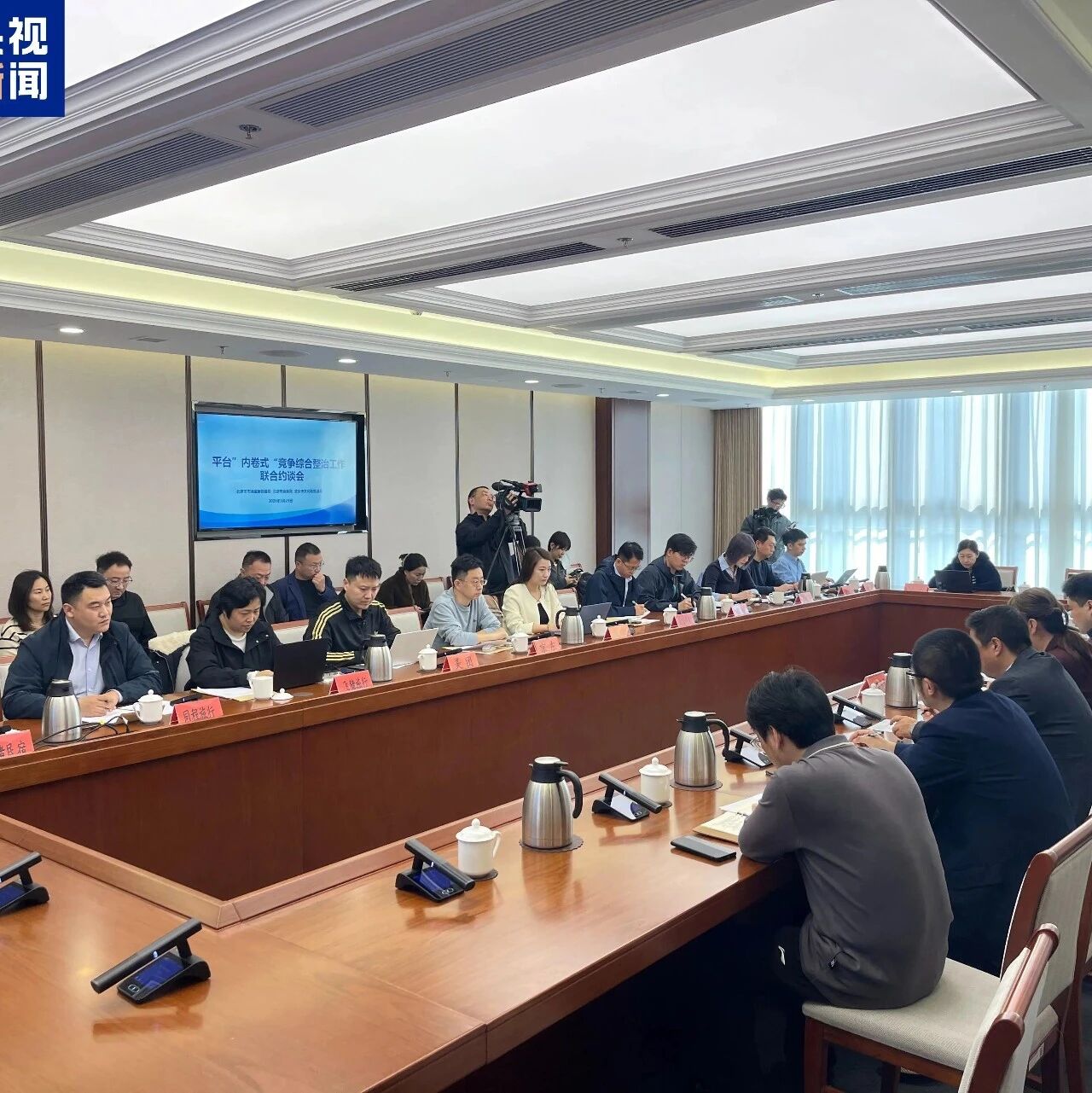
携程、去哪儿网、高德、京东、淘宝闪购、美团、飞猪旅行、同程旅行、途家民宿、小猪民宿、抖音、快手被约谈
21世纪经济报道· 2026-03-23 08:32
Core Viewpoint - The article discusses the regulatory actions taken by Beijing's market supervision authorities against various online platforms for engaging in "involutionary" competition practices that harm merchants and consumers [1][16]. Group 1: Issues Identified - The main issues reported focus on four areas: infringement of merchants' autonomy, unreasonable rules imposed by platforms, false advertising practices, and shortcomings in compliance management systems [3][6][11]. Group 2: Infringement of Merchant Autonomy - Platforms have been found to modify merchant settings without consent, forcing them into promotional activities and dictating pricing, which leads to significant financial losses for merchants [3][4]. - For instance, Taobao Flash Sale unilaterally listed products for promotional events, resulting in merchants receiving drastically reduced prices that do not cover their costs [4]. Group 3: Unreasonable Rules - Platforms like Ctrip have been reported to use technical means to enforce minimum pricing, pressuring hotels to comply or face penalties such as reduced visibility on the platform [5][7]. - Ctrip's "cutting customer" rules have been criticized for unfairly penalizing hotels for customer transactions that occur outside the platform, leading to additional financial burdens [7]. Group 4: False Advertising Practices - Third-party ticket sales platforms have been found to engage in misleading advertising, promoting services that falsely claim to enhance ticket purchasing success [8]. - Ctrip's misleading "thumbs up" symbols associated with certain hotels have been flagged for potentially deceiving consumers regarding service quality [9]. Group 5: Compliance Management Shortcomings - Several platforms, including Qunar and JD.com, have been noted for lacking effective compliance management systems, which has resulted in inadequate risk assessment and oversight of promotional activities [12][13][14]. - Regulatory authorities have emphasized the need for platforms to establish robust compliance mechanisms to prevent future violations [16]. Group 6: Regulatory Actions and Future Steps - The market supervision department has issued administrative warnings and mandated platforms to rectify identified issues within a specified timeframe [16]. - Ongoing efforts will focus on deepening the comprehensive rectification of "involutionary" competition, with a commitment to publicize violations and monitor compliance closely [16].

携程、去哪儿网、高德、京东、淘宝闪购、美团、飞猪旅行、同程旅行、途家民宿、小猪民宿、抖音、快手被约谈
财联社· 2026-03-23 08:20
Core Viewpoint - The article discusses the regulatory actions taken by Beijing's market supervision authorities against various online platforms for engaging in "involutionary" competition practices that harm merchants and consumers [1][16]. Group 1: Issues Identified - The main issues reported focus on four areas: infringement of merchants' autonomy, unreasonable rules set by platforms, false advertising practices, and shortcomings in compliance management systems [3][7][9][13]. Group 2: Infringement of Merchant Autonomy - Platforms have been found to modify merchant settings without consent, forcing them into promotional activities and dictating pricing, which leads to financial losses for merchants [3][4]. - For instance, Taobao Flash Sale unilaterally listed merchants' products in promotional events, resulting in significant revenue losses for merchants, with one merchant receiving only 2.58 yuan for a product originally priced at 19.8 yuan [4][5]. Group 3: Unreasonable Rules - Platforms like Ctrip have imposed unreasonable rules that increase the operational burden on merchants, such as penalizing hotels for directing customers away from the platform [7][8]. - Ctrip's "cutting customer" rule was criticized for misclassifying legitimate customer behavior, leading to unfair penalties for hotels [8]. Group 4: False Advertising - Platforms have been accused of misleading consumers through false advertising, such as promoting paid services that falsely claim to enhance ticket purchasing success [9][10]. - Ctrip's misleading "thumbs up" symbol was identified as a tactic to mislead consumers regarding service quality [11]. Group 5: Compliance Management Shortcomings - Several platforms, including Qunar and JD, were found to have ineffective compliance management systems, lacking clear responsibilities and mechanisms to address compliance issues [13][14][15]. - Regulatory authorities have mandated these platforms to enhance their compliance frameworks and rectify identified issues [15][16]. Group 6: Regulatory Actions and Future Steps - The market supervision departments have issued administrative warnings and set deadlines for platforms to rectify their practices, emphasizing the protection of merchants' and consumers' rights [16]. - Future actions will include ongoing monitoring of compliance and the establishment of a multi-party consultation mechanism to ensure fair practices in platform operations [16].
Trip.com Group Limited Sued for Securities Law Violations - Contact the DJS Law Group to Discuss Your Rights - TCOM
Prnewswire· 2026-03-23 05:38
Core Viewpoint - Trip.com Group Limited is facing a class action lawsuit for alleged violations of securities laws, specifically for making false and misleading statements regarding regulatory risks associated with its monopolistic practices [1][2]. Group 1: Lawsuit Details - The class period for the lawsuit is from April 30, 2024, to January 13, 2026, with a deadline for participation set for May 11, 2026 [2]. - The complaint alleges that Trip.com misled investors about the risks of regulatory actions, resulting in materially misleading public statements throughout the class period [2]. Group 2: Investor Participation - Shareholders who purchased shares during the class period are encouraged to contact the DJS Law Group for potential lead plaintiff appointments, although such an appointment is not necessary to recover losses [2][3].

Trip.com Group Limited (TCOM) Class Action Lawsuit: Investors Face May 11, 2026, Deadline
Prnewswire· 2026-03-22 19:52
Core Viewpoint - A securities fraud class action lawsuit has been filed against Trip.com Group Limited (TCOM) for allegedly making materially false and misleading statements regarding its business operations and regulatory risks, particularly concerning monopolistic practices [3][4]. Company Overview - Trip.com Group Limited (NASDAQ: TCOM) is facing legal action due to claims of securities fraud during the class period from April 30, 2024, to January 13, 2026 [6]. - The lawsuit is filed in the United States District Court for the Eastern District of New York, under the case name De Wilde v. Trip.com Group Limited, et al [1]. Allegations - The complaint alleges that Trip.com failed to disclose significant regulatory risks associated with its monopolistic business activities, leading to misleading positive statements about the company's prospects [3]. - Specific allegations include the company's underestimation of regulatory risks and the misleading nature of its public statements regarding business operations [3]. Stock Performance - Following a January 14, 2026, article by Bloomberg revealing an investigation into Trip.com for alleged antitrust conduct, the company's stock price dropped by $12.90, or approximately 17.05%, closing at $62.78 per share [4]. Investor Actions - Investors who purchased Trip.com securities and suffered losses are encouraged to contact Kessler Topaz Meltzer & Check, LLP for potential recovery options [2][6]. - The deadline for investors to file for lead plaintiff status in the class action lawsuit is May 11, 2026 [1][6].