Yum!(YUM)

Search documents
北京肯德基第600家门店启幕 肯德基食物驿站实现北京十六区全覆盖
Bei Jing Wan Bao· 2025-12-05 08:07
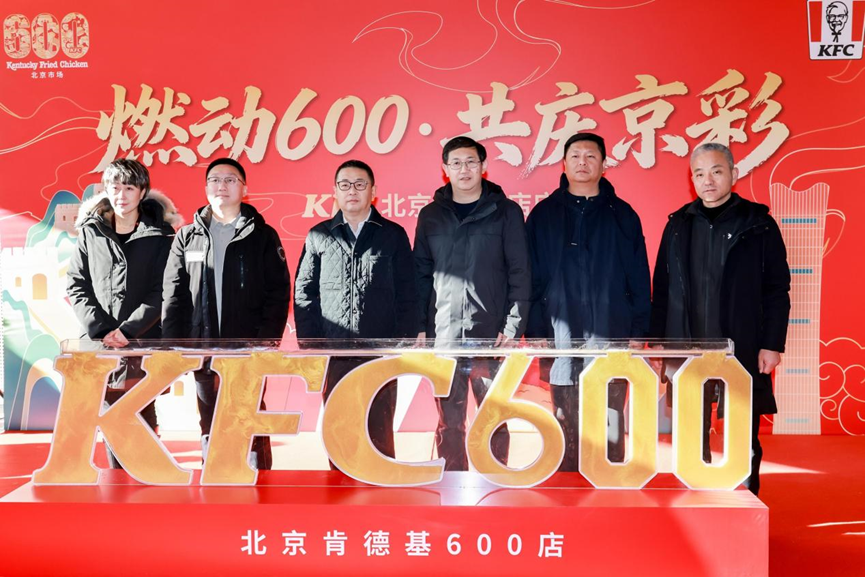
Core Insights - KFC has opened its 600th store in Beijing, marking a significant milestone in its expansion and the complete coverage of its food station initiative across all 16 districts of the city [1][10] - The brand has been deeply rooted in Beijing for over 30 years, focusing on local culture and quality, which has contributed to its growth alongside the city [3][12] - KFC's food station program has seen a tenfold increase in three years, reflecting its commitment to reducing food waste and supporting local communities [8][10] Expansion and Growth - KFC's first store in Beijing opened in 1987, and since then, the brand has integrated itself into the local culture and consumer experience [3] - The rapid expansion includes the opening of the 500th restaurant in Haidian in January 2025, featuring a unique cultural and tourism theme [3][5] - The company has adopted a multi-brand strategy with the introduction of K COFFEE and KPRO, enhancing its offerings and consumer experience [5][7] Community Engagement and Social Responsibility - The food station initiative, launched in 2020, aims to reduce food waste by distributing surplus food to those in need, showcasing KFC's commitment to social sustainability [8][10] - The program has expanded to over 1,000 locations across 180 cities in China, demonstrating its effectiveness and reach [8] - The recent opening of the 60th food station in Beijing highlights the brand's ongoing efforts to support outdoor workers and promote community welfare [10][12]


Is Yum! Brands Stock Underperforming the Nasdaq?
Yahoo Finance· 2025-12-04 12:16
Company Overview - Yum! Brands, Inc. is based in Louisville, Kentucky, and operates quick service restaurants with a market cap of $41 billion, offering a diverse menu of food items [1] - The company has a significant global presence with over 62,000 restaurants in more than 155 countries, featuring well-known brands such as KFC, Pizza Hut, and Taco Bell [2] Stock Performance - Yum! Brands' stock has experienced a decline of 9.1% from its 52-week high of $163.30, reached on March 7, while gaining 2.8% over the past three months, underperforming the Nasdaq Composite's 9.1% gains [3] - Over a six-month period, Yum! shares rose by 3.2% and by 7.8% over the past 52 weeks, which is lower than the Nasdaq's gains of 20.9% and 20.4% respectively [4] Challenges and Strategic Review - The underperformance of Yum! Brands is largely attributed to challenges faced by Pizza Hut due to competition from Domino's aggressive delivery strategy, prompting a strategic review aimed at streamlining operations [5] Financial Results - On November 4, Yum! Brands reported Q3 results with an adjusted EPS of $1.58, surpassing Wall Street's expectation of $1.47, and revenue of $1.98 billion, exceeding the forecast of $1.96 billion [6] Analyst Ratings - Wall Street analysts maintain a reasonably bullish outlook on Yum! Brands, with a consensus "Moderate Buy" rating from 28 analysts and a mean price target of $164.88, indicating a potential upside of 11% from current levels [7]
Pizza Hut Doubles Down on Helping Fans Holiday Harder with New Limited-Edition Tipsy Elves Triple Treat Box Onesie
Prnewswire· 2025-12-03 11:00
Core Viewpoint - Pizza Hut is reintroducing the popular Triple Treat Box for the holiday season, accompanied by a limited-edition onesie designed in collaboration with Tipsy Elves, aimed at enhancing the festive experience for customers [1] Product Offering - The Triple Treat Box includes two medium one-topping pizzas, five breadsticks, and a choice of dessert, all presented in festive holiday packaging [1] - The limited-edition onesie, inspired by the Triple Treat Box design, is priced at $89.95 and available in men's and women's sizes (small-2XL) [1] Marketing Strategy - Pizza Hut emphasizes its commitment to creating enjoyable holiday experiences, with the Triple Treat Box designed to cater to festive gatherings and celebrations [1] - The company aims to engage customers through social media and its loyalty program, Hut Rewards, which offers points for every dollar spent [1] Company Background - Pizza Hut, a subsidiary of Yum! Brands, operates nearly 20,000 restaurants globally and is recognized for its innovative pizza offerings [1] - The brand has a strong digital presence, with over half of its transactions coming from digital orders [1] Collaboration - The partnership with Tipsy Elves, known for its quirky apparel, aims to enhance the holiday spirit and provide customers with fun, themed clothing options [1]


北京市延庆区首家消防主题餐厅亮相万达广场
Xin Jing Bao· 2025-12-02 11:01
Core Viewpoint - The first "firefighting-themed restaurant" in Beijing's Yanqing District has opened, serving as a new venue for citizens to learn about fire safety and experience firefighting culture, combining education with daily dining [1] Group 1: Restaurant Features - The restaurant is a collaborative public welfare project between the Yanqing District Fire Rescue Bureau and KFC (Yanqing Wanda Store) [1] - It incorporates three core functions: scene creation, interactive experience, and knowledge popularization, integrating fire safety education into the dining experience [1] - The interior features a prominent firefighting theme with cartoon firefighter images, educational displays on fire prevention, escape self-rescue, and the use of firefighting equipment [1] Group 2: Community Impact - The opening of the firefighting-themed restaurant provides a public space that is both educational and entertaining, pioneering a new model of "business + public welfare" for fire safety education [1] - It serves as a "micro-hub" for the dissemination of urban fire safety culture, embedding fire safety awareness into the daily lives of citizens [1]
German Doner Kebab set to enter India next year, eyes $1.3 billion in global sales
The Economic Times· 2025-11-28 04:22
Core Viewpoint - India is seen as a crucial market for growth, with a rising middle class and increasing protein consumption making it "ripe" for products like those offered by GDK [1][6]. Company Overview - German Doner Kebab (GDK), a UK-based fast-food chain, plans to open its first restaurant in India in early 2026 as part of a nationwide expansion strategy [5][6]. - GDK aims to achieve global sales of 1 billion pounds ($1.32 billion) within five years, focusing on hitting this sales milestone rather than pursuing a stock market listing at this time [5][6]. Market Dynamics - The Indian market is attracting various global brands, including Little Caesars and Papa John's International, despite slower sales for established brands like KFC and Pizza Hut due to consumer cutbacks [2][6]. - The emergence of newer, more disruptive brands is anticipated in the Indian fast-food sector [2]. Sales Projections - GDK expects its sales to increase from 161 million pounds in 2024 to over 183 million pounds in the current year [6].

5年内再造一个必胜客”,“披萨专家”推进“中国加速度
Xin Jing Bao· 2025-11-25 03:25
Core Insights - The opening of the 4000th Pizza Hut store in Sanya marks a significant milestone, showcasing the brand's innovative approach combining nature, culture, and technology in the Chinese market [1] - Pizza Hut plans to add over 600 new stores annually for the next three years, aiming to exceed 6000 stores by 2028, reflecting a robust expansion strategy [1][10] Technological Advancements - The new Sanya store features an AI-driven kitchen system called "Q-Rui," which enhances operational efficiency through voice commands and automated processes, transforming the kitchen into a "food technology laboratory" [2][3] - The "Q-Rui" system addresses various operational challenges, including real-time monitoring of meal progress and proactive customer service, shifting from reactive to proactive management [3] Expansion Strategy - Pizza Hut has transitioned from a period of careful cultivation to rapid expansion, achieving remarkable growth from 3000 to 4000 stores in just two years, demonstrating a "China acceleration" [4] - The company is leveraging its mature supply chain and digital management capabilities to drive this expansion, with a focus on adapting to changing consumer trends and enhancing product value [4][9] Brand Evolution - Pizza Hut is rebranding itself from a "Western casual dining" establishment to a "pizza expert," utilizing strategic collaborations with popular IPs to engage younger consumers and enhance brand relevance [5][6] - The introduction of high-end brand PIZZERIA and the budget-friendly WOW store model illustrates Pizza Hut's dual strategy of targeting both premium and lower-tier markets [7][8] Future Goals - The company aims to achieve a total of 20,000 stores by next year and over 25,000 by 2028, with a long-term goal of surpassing 30,000 stores by 2030 [9][10] - A significant target is to double operating profits by 2029 compared to 2024, supported by a flexible store model and a focus on digitalization for efficient expansion [10]
How This 'Hidden Gold Mine' Has Beaten The Market For 30 Years
Benzinga· 2025-11-24 18:19
Core Insights - Corporate spin-offs have consistently outperformed the market for 30 years, creating significant investment opportunities [1][32][35] Historical Performance - Research from 1964 to 1990 indicated that spin-offs delivered average excess returns of 3.0% on ex-dates and outperformed the overall market by 10% in their first three years [2][3] - An updated study covering 2007 to 2017 confirmed that spin-offs maintained similar abnormal returns, indicating a persistent market inefficiency [3] Mechanisms of Outperformance - Indiscriminate selling by shareholders who receive spin-off shares often depresses prices below intrinsic value, creating opportunities for investors [29] - Spin-off management teams can make operational improvements without corporate bureaucracy, leading to better capital allocation and focused strategies [30] - The separation of complex conglomerates reveals hidden value, allowing for clearer valuation of individual businesses [31] Notable Spin-off Examples - Yum Brands, spun off from PepsiCo, achieved a total shareholder return of over 1,600% since its spin-off in 1997, compared to the S&P 500's 280% return [9][10] - Chipotle, spun off from McDonald's, saw its stock rise from $22 to $1,592.25, a gain of over 7,100% since its IPO [12] - Abbott Laboratories and AbbVie both performed well post-separation, with AbbVie returning about 20.1% per year since its debut [14][15] - Ferrari's stock rose tenfold after its spin-off from Fiat Chrysler, highlighting the value unlocked through separation [18] - Phillips 66 doubled in size within two years of its spin-off from ConocoPhillips, demonstrating the benefits of operational focus [19][20] Current Market Trends - The average market value of spin-offs has increased from around $1 billion before 2008 to $2.5 billion today, indicating a trend towards larger and more impactful separations [24][25] - Activist investors are increasingly advocating for spin-offs, as seen in campaigns targeting companies like Honeywell and General Electric [26][27] Future Opportunities - Spin-offs remain a fertile ground for outsized returns, but require thorough analysis and patience from investors [34][35] - Recent spin-offs like Solstice Advanced Materials and Qnity Electronics are positioned to benefit from strong market trends, including demand for cooling systems and semiconductor materials [37][42]



重新养自己,这七种“幼稚经济”俘获年轻人
Xin Lang Cai Jing· 2025-11-24 05:37
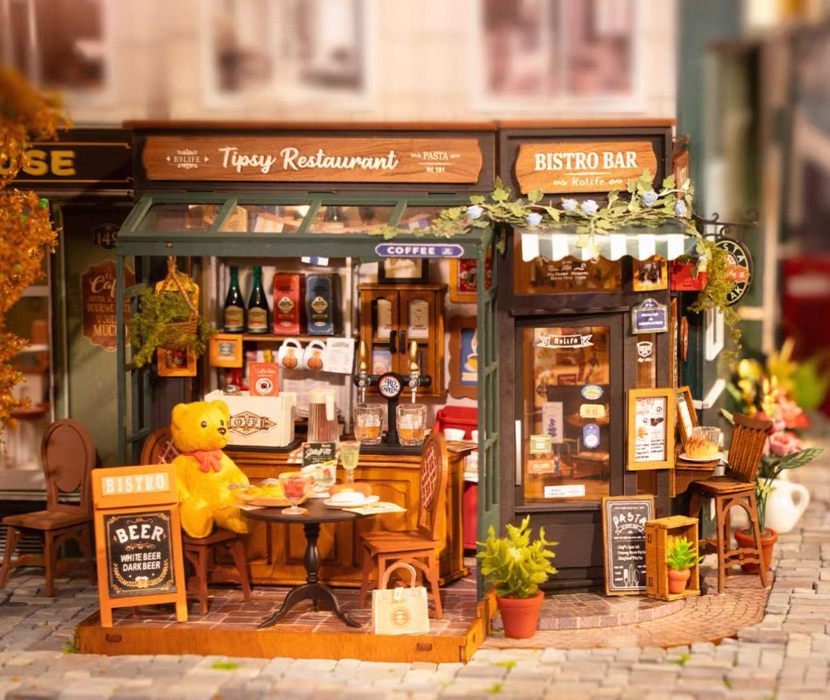
Core Insights - The "childish economy" is emerging as a significant market trend, appealing to adults seeking emotional comfort and nostalgia through products traditionally aimed at children [1][21][30] - This trend reflects a broader shift in consumer behavior, where emotional value and self-compensation are prioritized over mere functionality [6][10][27] Group 1: Miniature Models - Miniature models have gained popularity among adults as a form of emotional expression and stress relief, providing a sense of control and accomplishment [2][5] - The market for miniature models is diverse, with products ranging from affordable to high-end, catering to both beginners and experienced hobbyists [3][5] Group 2: Companion Dolls - Companion dolls have become a central emotional outlet for adults, with over 80% of surveyed individuals owning small toys, indicating a strong demand for emotional value [6][8] - Brands like Jellycat have successfully tapped into this market, achieving significant revenue growth and creating a "companion economy" [6][8] Group 3: Adult Pacifiers - Adult pacifiers are designed to address anxiety and stress, with a growing market presence as consumers seek emotional tools to cope with modern pressures [10][12] - The product's design has evolved to appeal to adults, transforming it into a fashionable accessory rather than a mere child’s item [10][12] Group 4: Retro Gaming Consoles - Retro gaming consoles are experiencing a resurgence, providing adults with a nostalgic escape from the complexities of modern gaming [14][15] - These consoles offer a straightforward gaming experience, allowing players to enjoy simple yet engaging gameplay without distractions [14][15] Group 5: Children's Meal Toys - Children's meal toys have transcended their original market, becoming popular among adults who seek to relive childhood experiences [16][21] - Collaborations between fast-food brands and popular characters have led to significant sales and a vibrant secondary market for these toys [18][21] Group 6: Doll Clothing Economy - The "doll clothing economy" is emerging as a new market, driven by young consumers who seek to express themselves through doll fashion [22][25] - This trend reflects a shift towards emotional consumption, where the act of dressing dolls serves as a form of self-expression and relaxation [26][27] Group 7: "Baby Products" for Adults - The rise of "baby products" for adults indicates a growing trend where consumers prioritize safety and emotional value in their purchases [27][28] - Brands are adapting to this trend by modifying products to appeal to adult consumers, blurring the lines between traditional age-based marketing [27][28] Group 8: Future of the "Childish Economy" - The sustainability of the "childish economy" will depend on brands' ability to understand consumer psychology and create products that balance emotional value with practicality [31][32] - The challenge lies in ensuring that the pursuit of emotional comfort does not lead to further anxiety, emphasizing the need for a thoughtful approach to product development [30][31]

Yum! Brands, Inc. Declares Quarterly Dividend of $0.71 Per Share
Businesswire· 2025-11-20 21:30
Core Viewpoint - Yum! Brands, Inc. has declared a quarterly dividend of $0.71 per share, reflecting the company's commitment to returning value to its shareholders [1] Group 1 - The declared dividend of $0.71 per share indicates a consistent approach to shareholder returns [1] - This dividend reflects the company's financial health and operational performance in the current market environment [1]

Yum! Brands, Pizza Hut And The Billion-Dollar Slice: A Sale Could Unlock Value (NYSE:YUM)
Seeking Alpha· 2025-11-20 17:58
Group 1 - The article discusses the expertise of a research firm focused on the U.S. restaurant industry, covering various segments from quick-service to fine dining [1] - The firm employs advanced financial modeling and sector-specific KPIs to identify hidden value in public equities, particularly in micro and small-cap companies [1] - The research has been featured on multiple financial platforms, indicating a broad recognition of the firm's insights and analysis [1] Group 2 - The analyst has a strong academic background with an MBA in Controllership and Accounting Forensics, and a Bachelor's in Business Administration, enhancing the credibility of the research [1] - Specialized training in valuation, financial modeling, and restaurant operations contributes to the depth of analysis provided by the firm [1]