
东方集团

Search documents
摸底银行不良贷款率:大银行普遍稳,城商行两极化
Xin Lang Cai Jing· 2025-06-16 01:26
Summary of Key Points Core Viewpoint The article discusses the recent trends in non-performing loan (NPL) rates among Chinese commercial banks, highlighting the impact of stricter regulations and the varying performance across different types of banks. Group 1: Overall NPL Trends - As of Q1 2025, the total NPL balance of commercial banks reached 3.43 trillion yuan, an increase of 157.4 billion yuan from the end of 2024, with an NPL ratio of 1.51%, a slight increase of 0.01 percentage points [1][3]. - In Q4 2024, the NPL balance was 3.27 trillion yuan, showing a decrease of 977 billion yuan from the previous quarter, with an NPL ratio of 1.50%, down by 0.05 percentage points [1][3]. - Despite the growth in NPL balance, the overall NPL ratio has been declining due to faster growth in total loan balances [1]. Group 2: Performance by Bank Type - Large commercial banks showed a positive trend, with an NPL ratio of 1.22% in Q1 2025, continuing a three-quarter decline, down by 0.03 percentage points year-on-year and quarter-on-quarter [4]. - City commercial banks (CCBs) need to be cautious, as their NPL ratio was 1.79% in Q1 2025, increasing by 0.03 percentage points quarter-on-quarter and 0.01 percentage points year-on-year [5]. - Rural commercial banks (RCBs) had a mixed performance, with an NPL ratio of 2.86% in Q1 2025, up by 0.06 percentage points quarter-on-quarter but down by 0.48 percentage points year-on-year [6]. Group 3: Specific Bank Performance - Among the 18 national banks, the best performers were Postal Savings Bank and China Merchants Bank, with NPL ratios of 0.91% and 0.94%, respectively [10]. - Huaxia Bank had a relatively high NPL ratio of 1.61%, remaining elevated compared to peers, and faced multiple large fines for regulatory violations [10][16]. - The article notes that the NPL rates of CCBs vary significantly, with some in the Jiangsu-Zhejiang region performing well, while those in Northeast China, like Longjiang Bank, struggle with NPL rates exceeding 3% [20][25]. Group 4: Regulatory Environment and Penalties - In Q1 2025, CCBs received a total of 109 penalties, with Shanghai Bank receiving the highest number of fines, totaling over 5 million yuan [24]. - RCBs also faced significant regulatory scrutiny, with 478 penalties issued, and some banks like Beijing RCB and Foshan RCB facing fines exceeding 900 million yuan [30][29].



扎堆伊拉克,中小油气生产商有望化蛹成蝶?这家宝藏公司近水楼台!
市值风云· 2025-06-04 10:02
Core Viewpoint - The article discusses the impact of Trump's energy policies on the oil and gas industry, highlighting the shift in capital expenditure strategies among U.S. shale oil companies and the recent bidding rounds in Iraq that attracted significant international interest, particularly from Chinese firms [3][8][43]. Group 1: U.S. Oil and Gas Industry - Trump's administration has focused on traditional energy sources, advocating for reduced regulations on oil and gas extraction, with a target price of $50 per barrel set by advisor Peter Navarro [5][3]. - U.S. shale oil producers have learned from past price crashes and are now prioritizing cash flow and shareholder returns over aggressive capital spending, leading to a reduction in capital expenditures for 2025 and 2026 [8][10]. - Major companies like Chevron have announced significant layoffs, with plans to cut 9,000 jobs by the end of 2026, reflecting a broader trend of cost control in the industry [11]. Group 2: Global Oil Market Dynamics - Brent crude oil prices have fallen by 17% since the beginning of the year, currently around $60 per barrel, influenced by concerns over a potential global economic recession and OPEC+ production challenges [12]. - The Middle East remains a key player in the oil market, with the lowest extraction costs found in countries like Kuwait, Saudi Arabia, and Iraq, making them attractive for international investment [17][19]. Group 3: Iraq's Oil and Gas Bidding Rounds - Iraq is set to launch its fifth and sixth rounds of oil and gas block tenders, attracting participation from major global oil companies, with a focus on exploration and production contracts [21]. - Chinese companies have emerged as significant players in the bidding process, winning the majority of contracts, including those for high-potential exploration blocks [22][27]. - The article highlights the controversial background of some winning bidders, such as the United Energy Group, which has faced scrutiny for past financial misconduct [28][30].


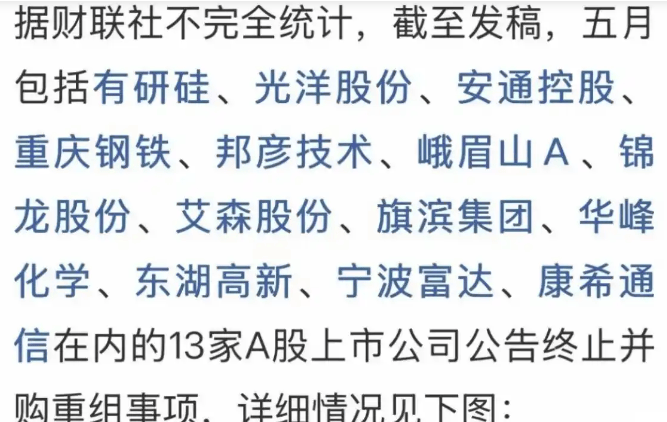
盈信量化(首源投资)并购重组遇阻!A股5月已有13家公司终止,周末新增2例
Sou Hu Cai Jing· 2025-06-03 02:56
Group 1 - The core viewpoint of the article highlights the complexities and uncertainties surrounding mergers and acquisitions (M&A) in the A-share market, where many companies have restructuring potential but few succeed due to negotiation difficulties and changing market conditions [1][2] - Companies may issue restructuring announcements to boost stock prices without genuine intentions to restructure, leading to speculative trading and increased market volatility [1][2] - Successful restructurings often result in significant stock price increases, but these gains may lack fundamental support, leading to rapid declines if the restructuring fails [1][2] Group 2 - The case of Shuangcheng Pharmaceutical illustrates the risks, as its stock price surged from 4 yuan to 40.98 yuan following a restructuring announcement, only to plummet back to around 8 yuan after the deal failed [2] - Another example involves a ST company that saw its stock rise from 1.5 yuan to 9.6 yuan due to bankruptcy restructuring news, but the lack of progress in the restructuring process led to a significant drop in stock price [2] - Statistics show that 13 companies terminated their M&A processes in May alone, indicating a trend of failed restructurings that negatively impact stock prices [3]


财务造假代价惨痛!张宏伟被迫让出联合能源董事局主席
Hua Xia Shi Bao· 2025-05-19 07:58
Core Viewpoint - The resignation of Zhang Hongwei from the position of chairman and executive director of United Energy Group is a significant event following the regulatory penalties imposed on him for financial misconduct related to the "Oriental System" [3][4][6]. Group 1: Zhang Hongwei's Resignation and Its Implications - Zhang Hongwei will resign from his roles at United Energy Group by the end of June, following a penalty of 10 million yuan and a lifetime ban from the securities market due to violations of securities laws [3][6]. - The resignation may raise concerns about the stability of the management team at United Energy Group, potentially leading to stock price volatility and affecting the synergy among companies within the "Oriental System" [4][8]. - Zhang's departure from multiple listed companies, including Minsheng Bank and United Energy Group, indicates a significant shift in the leadership structure of the "Oriental System" [7][8]. Group 2: Financial Misconduct and Consequences - The Oriental Group was found to have inflated its revenue by 16.13 billion yuan and costs by 16.073 billion yuan from 2020 to 2023, leading to severe public backlash and regulatory scrutiny [6]. - The China Securities Regulatory Commission (CSRC) has stated that financial fraud severely harms investor interests and will enforce strict penalties for such misconduct, including potential delisting for companies involved in major violations [5][6]. - The Oriental Group is currently undergoing restructuring due to various debt issues and has already been delisted, indicating a broader impact on the financial health of the "Oriental System" [8]. Group 3: United Energy Group's Business Performance - United Energy Group operates in oil and clean energy sectors, with significant projects in regions such as the Middle East and North Africa, and is the largest foreign oil and gas producer in Pakistan [10]. - The company reported a net loss of 1.707 billion HKD in 2023, but projected a revenue of 17.523 billion HKD in 2024, reflecting a year-on-year growth of 28.9% [10]. - The stock price of United Energy Group experienced a dramatic decline, dropping from approximately 0.6 HKD to 0.26 HKD in June 2024, representing a 55.83% decrease and a market value loss of nearly 8.8 billion HKD [10].
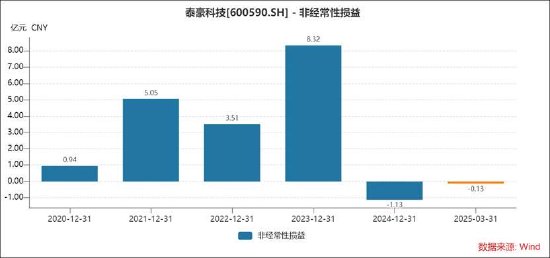
泰豪科技不仅是会计差错?费用跨期确认 警惕财报埋雷
Xin Lang Zheng Quan· 2025-05-16 09:32
登录新浪财经APP 搜索【信披】查看更多考评等级 出品:新浪财经上市公司研究院 文/夏虫工作室 随着年报季收关,不少上市公司却出现会计差错。据wind数据统计,2025年已经会计差错更正公司数量 超40家。 对于出现会计差错的公司我们该如何看待?所谓会计差错更正,根据相关定义,即指由于没有运用或错 误运用以下两种信息,而对前期财务报表造成遗漏或误报。需要指出的是,同样是财务列报错误,相比 会计舞弊,会计差错则属于非故意过失。 然而,近年部分财务造假公司却滥用会计差错,以会计差错更正之名掩盖财务造假舞弊之实。如众所熟 知的康美药业,300亿现金会计差错最终被证实财务黑洞;东方集团滥用总额法巨额财务造假,暴雷前 夕以会计差错之名进行调整等等。 基于上述背景,我们将对会计差错公司进行系列复盘,看看其背后隐藏何种风险。 泰豪科技会计差错不仅是信披违规? 在去年财报中,公司也出现会计差错调整,其主要由于投资公司失控导致差错调整。 2024年12月17日晚间,公司发布公告,因信息披露不规范、财务核算不及时等问题,公司近日收到江西 证监局出具的行政监管措施决定书,对泰豪科技采取责令改正的监管措施,对杨剑等四人采取出具警示 ...

深度丨从帮凶到漏网之鱼:如何追责财务造假“第三方”合谋者?
证券时报· 2025-05-15 08:48
Core Viewpoint - The article highlights the increasing complexity and prevalence of financial fraud in listed companies, particularly focusing on the role of third parties in facilitating these fraudulent activities [2][4][18]. Group 1: Overview of Financial Fraud - The annual "5.15 National Investor Protection Day" serves as a reminder of the severe consequences of financial fraud, exemplified by the Zijing Storage case, which affected 17,000 investors and involved compensation of 1.086 billion yuan from four intermediary institutions [2]. - Since 2020, over 60% of administrative penalties by the China Securities Regulatory Commission (CSRC) for income fraud have involved transaction fraud, with more than 600 third-party entities implicated in 58 cases of transaction fraud [4][6]. Group 2: Evolution of Fraud Techniques - Financial fraud has evolved from simple accounting manipulations to systemic fraud that encompasses entire business processes, as seen in cases like Gome Communications and Oriental Group [5][10]. - Transaction fraud is characterized by the fabrication of non-existent transactions and manipulation of transaction processes, posing a more direct threat to market trust compared to traditional accounting manipulations [6][10]. Group 3: Role of Third Parties - Third parties, including customers, suppliers, and shell companies, play a crucial role in orchestrating financial fraud, with an average of over 10 third parties involved in each fraudulent case [11][12]. - The involvement of third parties often includes hidden relationships and the creation of complex transaction structures to obscure fraudulent activities, as demonstrated in various cases [12][13][14]. Group 4: Legal and Regulatory Challenges - Despite the high-pressure stance of the CSRC against financial fraud, third parties often escape significant legal repercussions, leading to a lack of accountability in the broader fraud ecosystem [18][19]. - The current legal framework does not adequately address the roles of third parties in financial fraud, resulting in a cycle of low risk and high reward for those involved in fraudulent activities [23]. Group 5: Recommendations for Improvement - There is an urgent need to enhance legal regulations and establish a comprehensive accountability mechanism for all parties involved in financial fraud, including third parties [23].


从帮凶到漏网之鱼:如何追责财务造假“第三方”合谋者?
Zheng Quan Shi Bao· 2025-05-14 18:29
Core Viewpoint - The article highlights the systemic issue of financial fraud in listed companies, particularly focusing on the role of third-party entities in facilitating such fraud, which has become increasingly complex and hidden from regulatory scrutiny [1][11]. Summary by Sections Financial Fraud Cases - The article discusses notable financial fraud cases, such as the Zijing Storage case, which affected 17,000 investors and involved compensation of 1.086 billion yuan from four intermediary institutions [1]. - Since 2020, nearly 70% of the cases punished by the China Securities Regulatory Commission (CSRC) for revenue fraud involved transaction manipulation [2]. Types of Fraud - Transaction fraud has evolved into a primary method of revenue manipulation, accounting for approximately 70% of total fraud cases [3]. - The article categorizes fraud into two main types: transaction fraud, which involves fabricating non-existent transactions, and accounting manipulation, which distorts existing transactions [2][3]. Role of Third Parties - The involvement of third parties in financial fraud is significant, with an average of over 10 third-party entities participating in each fraudulent case, totaling 686 third parties across 58 cases [4][5]. - Third parties include related parties, real customers, and shell companies, often collaborating to create a façade of legitimate business transactions [6][7]. Legal Accountability - Despite the critical role of third parties in facilitating fraud, they often escape severe legal consequences, with only a small fraction facing penalties [9][10]. - The article emphasizes the need for a comprehensive legal framework to hold third parties accountable, as current penalties are insufficient to deter fraudulent behavior [11]. Market Implications - The prevalence of third-party involvement in fraud reflects deeper issues within market governance, including low legal risks and high incentives for fraudulent activities [8][10]. - The article calls for urgent reforms to enhance investor protection and ensure that all parties involved in financial fraud are held accountable [11].
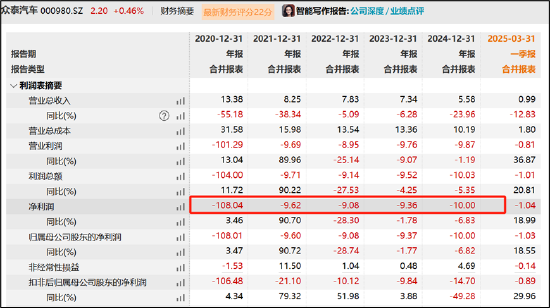
众泰汽车整车生产疑似陷入停滞 成功摘帽背后有无猫腻?|透视会计差错
Xin Lang Zheng Quan· 2025-05-14 10:08
出品:新浪财经上市公司研究院 文/夏虫工作室 核心观点:众泰汽车众泰汽车自重整以来业绩并未好转,整车0产量疑似又陷入生产停滞。至此,我们 疑惑的是,公司经营可持续性有无实质性改善,公司成功摘帽背后是否有猫腻?为何公司摘帽后为何对 相关应收款大幅计提坏账,而非重整期处理?公司重整前后负债率为何反差较大背后又是否藏财技?值 得注意的是,公司出现少计提负债等情形。 随着年报季收关,不少上市公司却出现会计差错。据wind数据统计,2025年已经会计差错更正公司数量 超40家。 对于出现会计差错的公司我们该如何看待?所谓会计差错更正,根据相关定义,即指由于没有运用或错 误运用以下两种信息,而对前期财务报表造成遗漏或误报。需要指出的是,同样是财务列报错误,相比 会计舞弊,会计差错则属于非故意过失。 然而,近年部分财务造假公司却滥用会计差错,以会计差错更正之名掩盖财务造假舞弊之实。如众所熟 知的康美药业,300亿现金会计差错最终被证实财务黑洞;东方集团滥用总额法巨额财务造假,暴雷前 夕以会计差错之名进行调整等等。 基于上述背景,我们将对会计差错公司进行系列复盘,看看其背后隐藏何种风险。 陷入持续亏损 整车生产疑似陷入停滞 ...

厦门银行对188人次执行绩效追索扣回 贷款纠纷起诉东方集团及其关联方
Xi Niu Cai Jing· 2025-05-14 09:02
Group 1 - Xiamen Bank disclosed its 2024 annual report, revealing the execution status of performance clawbacks for the first time, with a total deferred salary balance of approximately 0.62 million yuan [2] - The bank has determined performance clawbacks for 188 individuals, totaling 3.7012 million yuan, while deferring the payment of 6.022 million yuan in risk deferred compensation for 2024 due to unresolved risk events [2] - The China Securities Regulatory Commission (CSRC) announced that Dongfang Group's financial information from 2020 to 2023 was severely misleading, involving a cumulative inflated revenue of 16.129 billion yuan and inflated operating costs of 16.074 billion yuan over four years [2] Group 2 - Xiamen Bank initiated legal proceedings to recover loans from Xiamen Yinxiang Oil Co., Ltd. (Yinxiang Oil), which has defaulted due to overdue payments and significant economic disputes [3] - The bank's lawsuit includes five requests, such as repayment of principal and interest, exercising priority rights over collateral, and holding Xiamen Yinxiang Group and Dongfang Group jointly liable for repayment [3] - Yinxiang Oil was previously a key client for Xiamen Bank's manufacturing loans, ranking first among the bank's top ten manufacturing loan clients at the end of 2017, 2019, and mid-2020 [3]
虚假贸易规模大周期长 多方合力“拆弹”
Zheng Quan Shi Bao· 2025-05-11 18:56
Core Viewpoint - The increasing regulatory penalties and disclosures from listed companies are exposing the significant issue of false trading as a method of financial fraud, revealing a growing trend in the scale and duration of such activities [1][2]. Group 1: Characteristics of False Trading - False trading is characterized by the creation of a financial maze through circular transactions or fund lending, leading to financial fraud that reflects a combination of uncontrolled capital operations, ineffective internal controls, and audit failures [1][2]. - Recent cases show that the scale of transactions has increased, and the duration of concealment has lengthened, indicating new trends in false trading practices [1][3]. - The case of *ST Jinguang highlights that the company has been involved in false trading since at least 2018, with fraudulent activities persisting for over seven years [3][4]. Group 2: Regulatory Response - Regulatory bodies, including judicial, state-owned assets, and securities authorities, are intensifying their crackdown on false trading, with many A-share companies now prioritizing compliance in this area [1][10]. - The state-owned enterprise system has issued strict guidelines prohibiting various forms of false trading, emphasizing a zero-tolerance approach to violations [10][12]. - Companies are increasingly incorporating self-checks and financial audits focused on false trading into their compliance frameworks, as seen in the practices of companies like China Zhongche and Datang Telecom [10][11]. Group 3: Financial Implications - False trading practices have been linked to significant financial misreporting, with companies like Dongfang Group inflating revenues by over 16.1 billion yuan from 2020 to 2023 [3][9]. - The phenomenon of financing-type false trading has emerged, where companies use trade as a facade for lending funds, often leading to legal disputes and financial losses for involved parties [8][9]. - The pressure to meet performance metrics, especially in state-owned enterprises, drives the motivation for engaging in false trading, as it can artificially enhance revenue and improve financial statements [9][12]. Group 4: Audit and Compliance Challenges - Auditors are increasingly scrutinizing transactions for signs of false trading, focusing on the commercial substance of trades and the legitimacy of revenue recognition [11][12]. - The involvement of financial companies as "reservoirs" for funds has raised concerns about the potential for misuse in false trading schemes, prompting companies to enhance their disclosure practices regarding financial flows [5][6]. - The need for improved regulatory frameworks and investor protection mechanisms is emphasized to prevent the recurrence of financial fraud in the future [12].