
浦发银行

Search documents
银行周报(2025/11/17-2025/11/21):多家银行股东及管理层踊跃增持-20251123



GUOTAI HAITONG SECURITIES· 2025-11-23 12:42
Investment Rating - The report assigns an "Accumulate" rating for the banking sector [5]. Core Insights - Since the beginning of the year, many banks' shareholders and executives have actively increased their holdings, ranking first among 31 industries in terms of the amount of increase. Notable banks with significant increases include Nanjing Bank, Suzhou Bank, Everbright Bank, Shanghai Pudong Development Bank, and Chengdu Bank [2][5]. - The net amount of shareholding changes in the banking sector is approximately 9.03 billion, with an increase of about 12.63 billion, ranking second only to the transportation industry. The decrease amounts to about 3.60 billion [5]. - More than half of the banks have disclosed plans for major shareholders or executives to increase their holdings, with the top three banks in terms of increased amounts being Nanjing Bank (7.38 billion), Suzhou Bank (1.74 billion), and Everbright Bank (1.24 billion) [5]. Summary by Sections Related Reports - The report references several related reports on banking, including topics such as mid-term dividend acceleration and credit issuance tracking [4]. Industry and Company Dynamics Tracking Major News - The People's Bank of China announced the LPR rates for one year and five years remain unchanged at 3.0% and 3.5%, respectively [11]. - Recent surveys indicate that operating loan rates have dropped significantly, with some banks offering rates below 2.5% [11]. Major Announcements - Wuxi Bank plans to implement a mid-term dividend of 0.11 yuan per share, totaling 241 million [12]. - Nanjing Bank's major shareholder, France's BNP Paribas, increased its holdings by 128 million shares, representing 1.04% of the total share capital [12]. Weekly Data Tracking - During the period from November 17 to November 21, the banking sector experienced a decline of 0.87%, outperforming the CSI 300 index by 2.90 percentage points [5][14]. - The average interest rate for the six-month national large banks and joint-stock banks increased by 7 basis points to 0.68% [5].
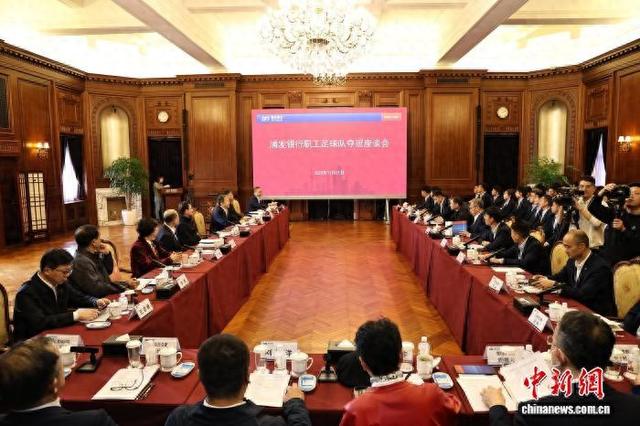
上海市总工会举办座谈会共话上海职工足球未来
Zhong Guo Xin Wen Wang· 2025-11-21 13:26
Core Viewpoint - The Shanghai Pudong Development Bank employee football team won the national championship in the 2025 China Employee Football Super League, highlighting the importance of sports in enhancing employee morale and teamwork [2]. Group 1: Championship Achievement - The Pudong Development Bank employee football team achieved the national championship after a series of successful matches, showcasing their dedication and teamwork [2]. - A meeting was held by the Shanghai Federation of Trade Unions to celebrate the victory, reflecting on the journey and sharing experiences to foster a supportive environment for employee sports [2]. Group 2: Employee Engagement and Team Spirit - Team members shared their experiences of balancing work and high-intensity training, emphasizing the importance of teamwork and collaboration in both sports and the financial industry [2]. - The concept of "unity is strength" was highlighted as a key takeaway from the championship experience, reinforcing the connection between sports and professional values [2]. Group 3: Future Development of Employee Sports - The Shanghai Federation of Trade Unions plans to strengthen the foundation of employee football, enhance sports levels, and promote a spirit of perseverance and teamwork among employees [3]. - The integration of employee sports with corporate culture is seen as essential for fostering innovation and dedication in the workplace, contributing to Shanghai's high-quality development [3].


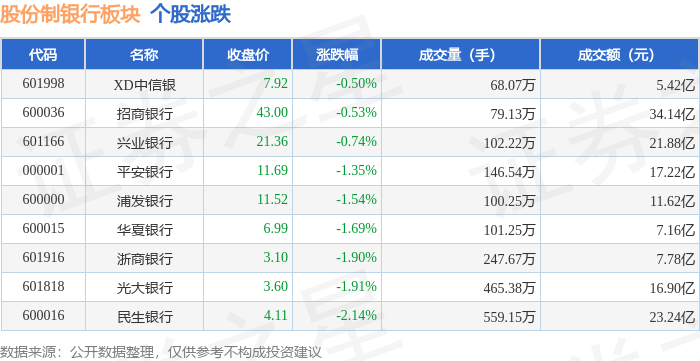
股份制银行板块11月21日跌1.29%,民生银行领跌,主力资金净流出5.23亿元
Zheng Xing Xing Ye Ri Bao· 2025-11-21 09:33
Core Points - The banking sector experienced a decline of 1.29% on November 21, with Minsheng Bank leading the drop [1] - The Shanghai Composite Index closed at 3834.89, down 2.45%, while the Shenzhen Component Index closed at 12538.07, down 3.41% [1] Banking Sector Performance - CITIC Bank (601998) closed at 7.92, down 0.50% with a trading volume of 680,700 shares and a transaction value of 542 million yuan [1] - China Merchants Bank (600036) closed at 43.00, down 0.53% with a trading volume of 791,300 shares and a transaction value of 3.414 billion yuan [1] - Industrial Bank (601166) closed at 21.36, down 0.74% with a trading volume of 1,022,200 shares and a transaction value of 2.188 billion yuan [1] - Ping An Bank (000001) closed at 11.69, down 1.35% with a trading volume of 1,465,400 shares and a transaction value of 1.722 billion yuan [1] - Shanghai Pudong Development Bank (600000) closed at 11.52, down 1.54% with a trading volume of 1,002,500 shares and a transaction value of 1.162 billion yuan [1] - Huaxia Bank (600015) closed at 6.99, down 1.69% with a trading volume of 1,012,500 shares and a transaction value of 716 million yuan [1] - Zhejiang Commercial Bank (601916) closed at 3.10, down 1.90% with a trading volume of 2,476,700 shares and a transaction value of 778 million yuan [1] - China Everbright Bank (601818) closed at 3.60, down 1.91% with a trading volume of 4,653,800 shares and a transaction value of 1.690 billion yuan [1] - Minsheng Bank (600016) closed at 4.11, down 2.14% with a trading volume of 5,591,500 shares and a transaction value of 2.324 billion yuan [1] Capital Flow Analysis - The banking sector saw a net outflow of 523 million yuan from main funds, while speculative funds had a net inflow of 224 million yuan and retail investors had a net inflow of 299 million yuan [1]


凉山回响:浦发银行成都分行如何唤醒乡村生机
Xin Lang Cai Jing· 2025-11-21 08:55
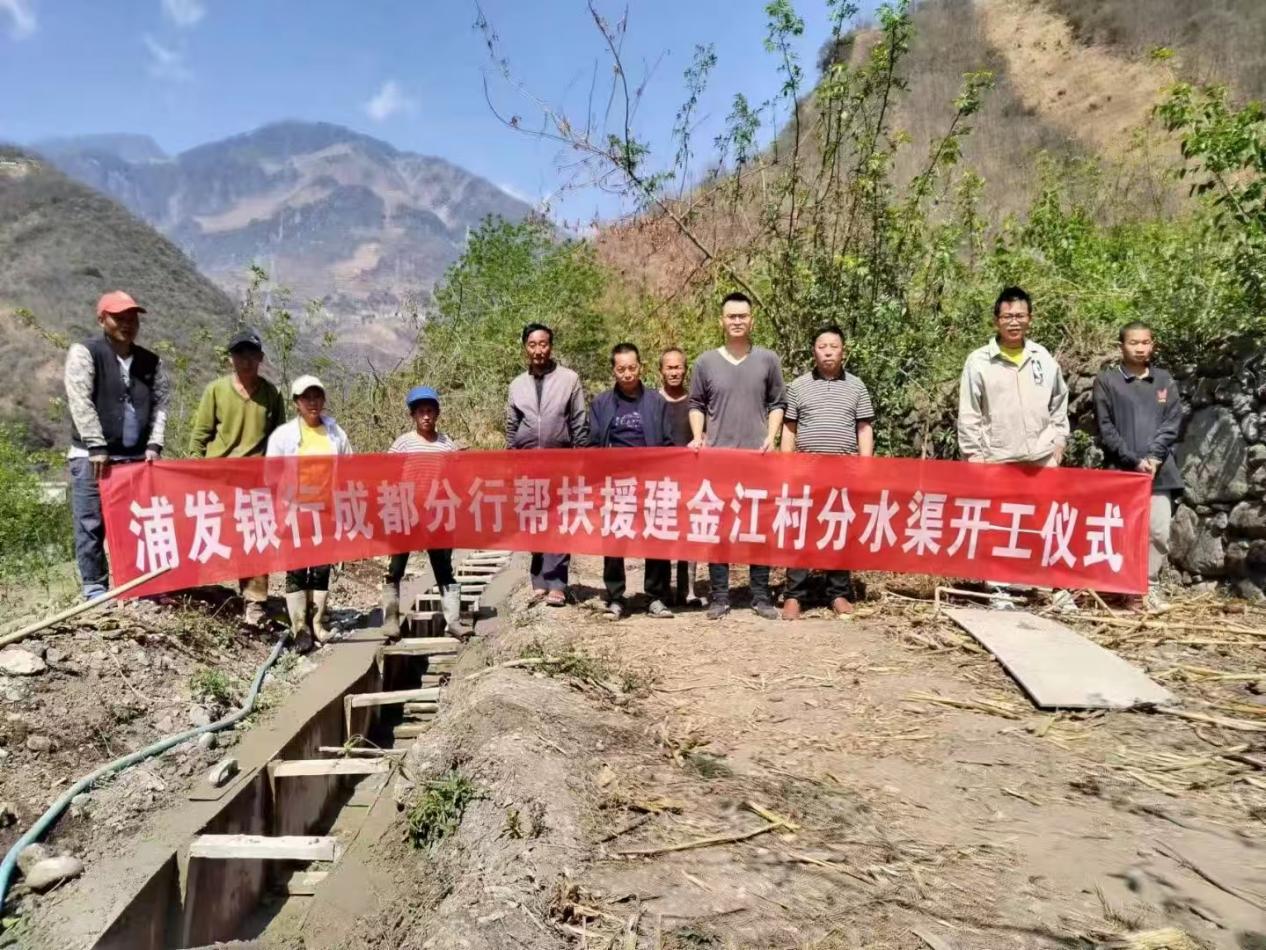
Core Viewpoint - The article highlights the efforts of Yang Yuanhao, a representative from SPD Bank Chengdu Branch, in promoting rural revitalization in Jinjiang Village, located in the Daliang Mountains, through targeted financial support and community engagement [1][9]. Group 1: Community Engagement and Support - Yang Yuanhao conducted thorough visits to 96 poverty-stricken households and established records for 330 general households, laying the groundwork for future assistance [1]. - The focus of the initiatives is on addressing the immediate concerns of the villagers, ensuring that the projects align with their most pressing needs [1][2]. Group 2: Infrastructure and Livelihood Improvements - SPD Bank Chengdu Branch invested in various infrastructure projects, including the construction of a dining facility for a local kindergarten, waste management systems, and the installation of streetlights, significantly improving the village's living conditions [2][4]. - The bank also facilitated the construction of a water channel to resolve irrigation issues and supported the installation of a mobile signal tower to enhance communication [2]. Group 3: Economic Development Initiatives - Yang Yuanhao explored e-commerce opportunities for local agricultural products, leading to a successful live-streaming sales event that attracted approximately 460,000 viewers and generated over 3,000 yuan in sales [4]. - SPD Bank Chengdu Branch has purchased over 3,000 pounds of local pepper to stabilize market demand and directly increase farmers' income [4]. Group 4: Education and Long-term Development - The bank allocated nearly 150,000 yuan for the renovation of the Jinjiang Village kindergarten, improving educational facilities and resources for children [6]. - SPD Bank Chengdu Branch has donated over 2.38 million yuan to various educational initiatives in the region, supporting students from Jinjiang Village [7]. Group 5: Financial Support for Local Industries - SPD Bank Chengdu Branch provided approximately 148 million yuan in credit support to the Longtan Hydropower Development Company, facilitating the construction of small hydropower stations that create local employment opportunities [11]. - The bank's agricultural loan balance reached 12.91 billion yuan, reflecting an 18.78% increase, indicating a strong commitment to channeling financial resources into rural industries and infrastructure [13]. Group 6: Inclusive Financial Services - SPD Bank has established a bilingual service counter to assist the local Yi ethnic community, enhancing accessibility to financial services [15]. - The bank's prompt response to the financial needs of local businesses, such as the Qinghai Plateau Ai Wang Biotechnology Company, demonstrates its commitment to supporting local economies [15]. Group 7: Overall Impact and Vision - SPD Bank Chengdu Branch's comprehensive approach combines community engagement, infrastructure development, and financial support, aiming to create a sustainable model for rural revitalization [16].
不良贷款 加速“促销”转让!
Zheng Quan Shi Bao· 2025-11-21 08:53
Core Viewpoint - The recent data from the National Financial Regulatory Administration indicates a slight increase in both the non-performing loan (NPL) balance and the NPL ratio of commercial banks, while the market for transferring non-performing loans has seen significant growth this year [1] Group 1: Non-Performing Loan Market Trends - The scale of non-performing loan transfers has surged, with over 26 billion yuan in asset packages listed since November, and the total for the first half of 2025 expected to exceed 167 billion yuan, doubling from the same period in 2024 [1][2] - The issuance of asset-backed securities (ABS) for non-performing loans has surpassed 67.857 billion yuan this year, reflecting an increase of over 80% compared to the previous year [1] Group 2: Retail Loan Risks - There is a consensus in the industry that retail loan risks are becoming more apparent, with no signs of reaching a peak yet [1][6] - Major banks are increasingly transferring personal non-performing loans to improve asset quality and release capital [1][3] Group 3: Asset Transfer Dynamics - Banks are actively listing large amounts of non-performing assets, particularly in personal loans and credit card overdrafts, with significant amounts being transferred [2] - The trend of "discount promotions" for non-performing assets is growing, with some assets being sold for as little as 10% of their original value [4] Group 4: Retail Loan Quality Indicators - The non-performing loan ratio for retail loans is on the rise, with specific banks reporting increases in their personal loan NPL ratios [6][7] - The characteristics of retail loan risks include a higher default rate in consumer loans and credit card loans, while mortgage loans remain the most stable [6][7]

不良贷款,加速“促销”转让!
证券时报· 2025-11-21 08:48
Core Viewpoint - The article highlights a significant increase in non-performing loans (NPLs) and the market for transferring these loans, indicating rising risks in retail lending and the banking sector's response to manage asset quality [1][2][6]. Group 1: Non-Performing Loans Data - Recent data from the National Financial Regulatory Administration shows a slight increase in both the balance and rate of non-performing loans in commercial banks [1]. - The market for transferring non-performing loans has surged, with over 26 billion yuan in asset packages listed since November, and a projected 167 billion yuan in transfers for the first half of 2025, doubling from the same period in 2024 [1][2]. - The issuance of asset-backed securities (ABS) related to non-performing loans has exceeded 67.857 billion yuan this year, representing an over 80% increase compared to the previous year [1]. Group 2: Retail Loan Risks - There is a consensus in the industry that retail loan risks are increasing, with no signs of reaching a peak yet [1][6][7]. - Major banks are experiencing rising non-performing loan rates in their retail segments, with specific examples showing increases in personal loan delinquency rates [6][7]. - The characteristics of retail loan risks include higher delinquency rates in consumer loans and credit cards, while mortgage loans remain the most stable [6][7]. Group 3: Asset Transfer Strategies - Banks are increasingly using loan transfers as a strategy to manage non-performing assets, which is seen as advantageous for resolving retail asset risks [3]. - The transfer of non-performing loans allows for better debt restructuring and risk mitigation, helping to prevent large-scale defaults [3]. Group 4: Discounted Asset Sales - Financial institutions are resorting to significant discounts to expedite the sale of non-performing loans, with some assets being sold for as little as 10% of their original value [4]. - Examples include credit card loans sold at steep discounts, indicating a challenging recovery environment for these assets [4]. Group 5: Market Trends - A report from Dongfang Asset indicates a downward trend in the acquisition prices of non-performing asset packages, particularly in regions with mature markets [5]. - The overall activity in the primary market for non-performing assets has increased, with a notable rise in transaction volumes compared to previous years [5].

2025上市公司董事会“最佳实践案例”揭晓
Sou Hu Cai Jing· 2025-11-21 05:09
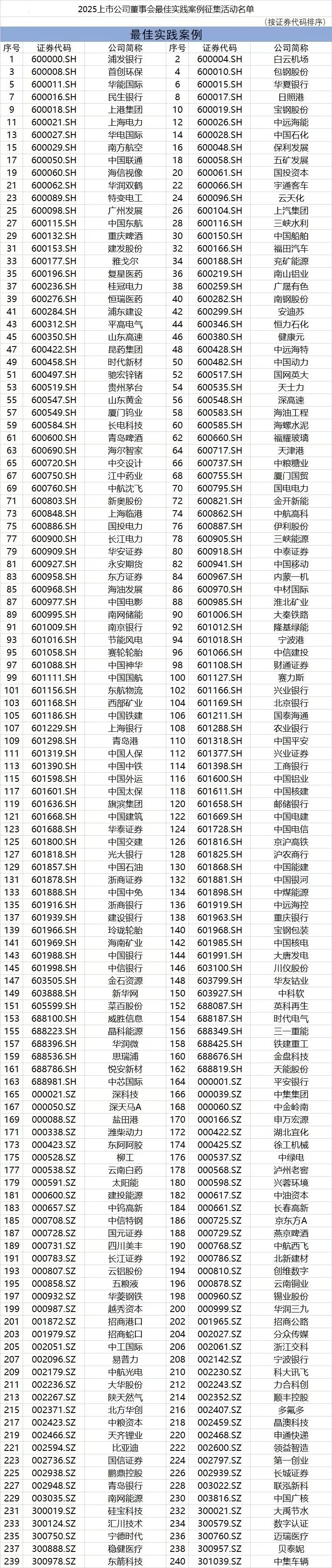
Core Insights - The China Securities Regulatory Commission (CSRC) has emphasized the importance of corporate governance and board effectiveness in listed companies, leading to the launch of the "2025 Best Practices for Corporate Boards" initiative, which has recognized 240 best practice cases, 190 excellent cases, and 156 typical cases [1][2]. Group 1: Corporate Governance and Board Effectiveness - The initiative aims to enhance the legal and compliant operation of corporate boards, improving governance effectiveness in response to higher demands from the new "National Nine Articles" and the "1+N" policy framework [1]. - The core role of corporate boards is to drive strategic decision-making, align with national macro policies, and integrate company growth into the modernization of the industrial system [1][2]. - Companies are encouraged to establish robust internal control systems and risk supervision capabilities to support high-quality development in the capital market [1][2]. Group 2: Value Management and Shareholder Returns - Corporate boards are elevating value management to a strategic level, focusing on enhancing intrinsic value, optimizing investor communication, and standardizing information disclosure [2]. - Emphasis on sustainable dividends has become a key aspect of governance, with companies responding to policies for multiple dividends per year and ensuring the continuity and stability of shareholder return policies [2]. - The boards are actively working to improve investor satisfaction and confidence through optimized dividend strategies [2]. Group 3: ESG Integration - Corporate boards are advancing the establishment and practice of Environmental, Social, and Governance (ESG) frameworks, embedding sustainability into strategic planning and performance evaluation [3]. - The ESG strategy focuses on innovation, employee growth, environmental friendliness, and corporate governance, aiming for a sustainable development governance model unique to China [3]. Group 4: Best Practice Case Listings - A comprehensive list of recognized companies for best practices in corporate governance has been compiled, showcasing a diverse range of sectors and industries [4][5][6][7][8][9][10].





不良贷款,加速“促销”转让!
券商中国· 2025-11-21 04:02
Core Viewpoint - The article highlights a significant increase in non-performing loans (NPLs) and the market for transferring these loans, indicating rising risks in retail loans despite overall asset quality remaining stable among listed banks [1][6]. Group 1: Non-Performing Loans Data - The balance of non-performing loans and the non-performing loan ratio for commercial banks have both slightly increased [1]. - The market for transferring non-performing loans has seen a surge, with over 26 billion yuan in asset packages listed since November, and the total for the first half of 2025 exceeding 167 billion yuan, doubling from the same period in 2024 [1][2]. - The issuance of asset-backed securities (ABS) for non-performing loans has surpassed 67.857 billion yuan this year, reflecting an over 80% increase compared to the previous year [1]. Group 2: Retail Loan Risks - There is a consensus in the industry that retail loan risks are becoming more apparent, with no signs of reaching a peak yet [1][7]. - Major banks are increasingly transferring personal non-performing loans to improve asset quality and release capital [1][3]. - The rise in retail loan risks is characterized by a significant increase in non-performing rates for personal loans, credit card overdrafts, and personal business loans [6][7]. Group 3: Transfer Market Dynamics - The demand for transferring non-performing loans has intensified as banks approach year-end, with many institutions listing large asset packages, particularly in retail loans [2]. - The average discount rates for transferring personal loans are influenced by asset type and overdue duration, with some transactions seeing recovery prices as low as 10% of the original amount [4][5]. - The trend of "discount promotions" for non-performing assets is becoming more common as financial institutions seek to expedite transactions [4][5]. Group 4: Specific Bank Data - As of September, the non-performing loan ratio for China’s major banks has shown an upward trend, with specific figures indicating increases for banks like China Communications Bank and China Merchants Bank [6][7]. - For instance, China Communications Bank's personal loan non-performing ratio rose from 1.08% at the end of last year to 1.42% by September [6].

最低0息起 银行密集推购车金融方案
Bei Jing Shang Bao· 2025-11-20 23:40
Core Viewpoint - The automotive consumer finance business of banks is entering a "sprint period" as the year-end car purchasing season approaches, with various banks launching attractive loan schemes to stimulate demand and enhance customer experience [1][2]. Group 1: Marketing Strategies - Multiple banks, including Postal Savings Bank and Ping An Bank, are intensifying marketing efforts for auto loans, offering incentives such as 0% interest rates and financial subsidies [2][3]. - Postal Savings Bank has introduced a special offer for the newly launched BJ40 model, providing up to 4,500 yuan in financial subsidies, with annual interest rates ranging from 0% to 6% [2]. - Ping An Bank's auto loan program features a minimum interest rate of 0% and allows loans from 10,000 yuan up to 1 million yuan, with personalized service for loan approval [2]. Group 2: Market Trends - The automotive consumer finance sector is becoming a focal point for banks amid slowing retail credit growth and increasing scarcity of quality assets [3]. - As of September, Ping An Bank's auto consumer finance loan balance reached 300.3 billion yuan, a 2.2% increase from the previous year, with new energy vehicle loans growing by 23.1% [3]. - Shanghai Bank reported an auto consumer loan balance of 50.33 billion yuan, up 16.95% year-on-year, with new energy vehicle loans increasing by 63.08% [3]. Group 3: Policy Adjustments - Some banks, like Guangfa Bank, are relaxing early repayment rules for auto loans to enhance customer experience and service levels [4][5]. - Guangfa Bank has removed the previous restriction that prevented borrowers from applying for early repayment before the sixth payment, allowing applications from the first payment onward [5]. - The adjustment aims to balance risk and customer satisfaction, with expectations for further relaxation of early repayment rules in the future [5]. Group 4: Regulatory Environment - The automotive finance sector is transitioning from a "high interest, high return" model to a focus on service excellence due to regulatory pressures [6][7]. - Regulatory bodies have mandated the cessation of high-interest, high-return practices, promoting a healthier automotive finance market [6]. - Banks are encouraged to innovate and provide personalized services while ensuring consumer rights are protected [7][8].
不良个贷转让加速11月以来挂牌超260亿元
Zheng Quan Shi Bao· 2025-11-20 18:33
Core Insights - The recent data from the National Financial Supervision Administration indicates a slight increase in both the balance and rate of non-performing loans (NPLs) in commercial banks [1] - The transfer of non-performing individual loans has accelerated, with over 26 billion yuan in related asset packages listed since November [1] - The issuance scale of non-performing loan asset-backed securities (ABS) has exceeded 67 billion yuan this year, representing an approximately 80% year-on-year increase [1] Group 1: Non-Performing Loan Trends - The demand for non-performing loan transfers has increased as year-end approaches, with various commercial banks and consumer finance companies listing large amounts of non-performing asset packages, particularly in retail loans [2] - As of November 20, 68 personal non-performing loan asset packages have been announced, totaling 26.4 billion yuan, mainly involving personal consumption loans and credit card overdrafts [2] - Major banks have been actively listing non-performing loans, with Ping An Bank listing 13 projects totaling approximately 1.547 billion yuan since November [2] Group 2: Asset Transfer and Pricing - The trend of transferring non-performing loans is seen as a more effective method for resolving retail asset risks, as asset management companies have advantages in debt restructuring and negotiation [3] - Financial institutions are increasingly resorting to "discount promotions" to expedite transactions, with some personal loan asset packages being sold for as low as 10% of their original value [4] - For instance, a credit card non-performing loan package originally valued at 2.053 billion yuan was sold for only 157 million yuan, reflecting a recovery rate of just 7.6% [4] Group 3: Retail Loan Risk Assessment - Despite a general stability in asset quality among listed banks, there is a noticeable increase in retail loan risks, with some banks reporting rising non-performing loan rates [6] - As of September, the non-performing loan rate for personal loans at Bank of Communications rose to 1.42%, up from 1.08% at the end of the previous year [6] - The characteristics of retail loan risks include higher default rates in consumer loans and credit card loans, while mortgage loans remain the most stable segment [6][7]