OPPO

Search documents
曝库克将让位CEO,苹果硬件工程高级副总裁有望接任;蔚来回应智驾多位核心高管离职:主动调整组织架构;阿里组建机器人和具身智能团队
雷峰网· 2025-10-10 00:26
Group 1 - The most profitable business for Yingshi Juifeng is e-commerce, with a single T-shirt selling 200,000 units this year, shifting focus from traditional video production and content creation [3][5] - The revenue share from TVC advertising has decreased to around 10% from being the most profitable segment previously [3] - Tim Pan Tianhong, the founder, emphasizes the significant scale effect in e-commerce, where user-driven product promotion leads to high sales [3] Group 2 - Xiaopeng Motors has appointed Liu Xianming, head of the world base model, as the new leader of its autonomous driving center, replacing Li Liyun [8] - OPPO has made personnel adjustments, with Liu Zuohua overseeing overseas markets and Duan Yaohui managing the headquarters marketing team [9] - Alibaba has entered the embodied intelligence sector, forming a team led by the head of its Qwen large language model technology [10] Group 3 - The U.S. Walmart has listed the Yushu G1 humanoid robot at a price of $21,600, reflecting a 55% premium compared to its price in China [10][13] - The G1 robot is becoming a preferred experimental platform for AI and robotics developers due to its competitive pricing and performance [13] - Yushu Technology is preparing for a potential IPO, aiming to expand its sales channels and developer ecosystem [13] Group 4 - Li Auto's MEGA model delivered 3,271 units in September, accounting for nearly 10% of the brand's total deliveries for the month [21][22] - The overall delivery of Li Auto vehicles reached 33,951 units in September, with a total of 143,102 units delivered historically [21][22] Group 5 - Xiaopeng Motors plans to announce significant breakthroughs in physical AI at its upcoming AI Technology Day, focusing on advancements in its world base model [23] - The company has been developing its physical AI base model for over a year, aiming to enhance its capabilities in autonomous driving [23] Group 6 - Apple CEO Tim Cook is reportedly stepping down, with John Ternus, the senior vice president of hardware engineering, being the leading candidate for succession [26][27] - Volkswagen is restructuring its software department, with the Cariad team nearly disbanded, aiming to enhance its competitiveness against Tesla and Chinese EV makers [27] Group 7 - Google has tightened its remote work policy, limiting employees to a maximum of four weeks of remote work per year, with any remote work day counting as a full week [28] - Microsoft is migrating GitHub's infrastructure to its Azure cloud platform over the next two years, aiming to address capacity challenges and support AI growth [29]





许家印家族信托“防火墙”被击穿,50亿美元海外资产被冻结;蜜雪冰城回应在买单小票上连载小说;胖东来国庆8天卖了8.2亿元丨邦早报
创业邦· 2025-10-10 00:09
Group 1 - The court ruling on Xu Jiayin's family trust indicates that the legal system can penetrate trust structures used to evade debt responsibilities, potentially freezing up to $5 billion in overseas assets [3] - The 2025 Nobel Prize in Literature was awarded to Hungarian author László Krasznahorkai for his compelling and visionary works [4] Group 2 - The sales performance of Pang Donglai during the National Day holiday reached 820 million yuan over eight days, with supermarkets being the main contributor [7][8] - Gree Electric's new air conditioning brand "Xiao Liang Shen" targets the market segment below 2100 yuan, reflecting a shift in market structure [12] - NIO announced organizational adjustments in its smart driving department and plans to launch the World Model 2.0 version, enhancing its AI capabilities [12] Group 3 - TSMC reported a 31.4% year-on-year increase in revenue for September 2025, with total revenue for the first nine months of 2025 up 36.4% compared to the previous year [12] - Douyin's e-commerce platform has reduced shipping insurance costs for merchants by 5%-30%, saving over 1 billion yuan in operational costs [17][18] - Jiangling Motors completed a share buyback, acquiring 8,632,078 shares, representing 1% of its total share capital [20] Group 4 - ABB announced the sale of its robotics business to SoftBank, expecting a non-operating pre-tax gain of approximately $2.4 billion from the transaction [21] - Tianbing Technology completed nearly 2.5 billion yuan in Pre-D and D round financing to advance its rocket and engine production [21] - Natural堂 Group secured a 300 million yuan investment from Jiahua Capital, with participation from L'Oréal [21]

8点1氪:大疆回应部分产品降价千元争议;腾讯视频回应VIP账号设备超限被封;智利公司错发123万工资员工被判不退款
36氪· 2025-10-10 00:01
Group 1 - DJI's customer service stated that different products have varying conditions for return [4][6] - Recent price drops exceeding 1,000 yuan for some DJI products have led to consumer backlash and discussions about returns [4][6] - DJI offers a 7-day price protection service, allowing customers to request a price difference refund if the product price drops within 7 days of delivery [6] Group 2 - The National Bureau of Statistics reported that domestic travel during the recent holiday period reached 8.88 billion person-times, an increase of 1.23 billion compared to the previous year [7] - Total spending on domestic travel during the holiday was 809 billion yuan, up 1.08 billion yuan from the previous year [7] Group 3 - The NBA announced a strategic partnership with Amazon Web Services to enhance basketball experiences through AI [8] - The partnership aims to develop the "NBA Deep Court" smart platform, utilizing AI to process large amounts of data for improved game statistics [8] Group 4 - OPPO announced a personnel adjustment to strengthen its focus on overseas markets [12] - The company aims to enhance its investment and attention in international markets through this restructuring [12] Group 5 - Intel introduced its groundbreaking 18A PC chip, aimed at demonstrating its transformation in chip manufacturing [18] - This new chip is part of Intel's strategy to regain its leading position in the semiconductor industry [18] Group 6 - Seven & I Holdings, the parent company of 7-11, reported a net profit increase of over 100% in its second fiscal quarter [23] - The profit rose from 30.85 billion yen to 72.79 billion yen, driven by improved profitability in convenience store operations [23] Group 7 - Delta Air Lines reported a revenue of 16.7 billion USD for Q3 2025, an increase from 15.677 billion USD in the same period last year [23] - The earnings per share were reported at 2.17 USD, with an operating cash flow of 1.8 billion USD [23] Group 8 - TSMC reported a consolidated revenue of approximately 330.98 billion New Taiwan dollars for September 2025, a year-on-year increase of 31.4% [23] - The revenue decreased by 1.4% compared to the previous month [23] Group 9 - Ant Group released a flagship model Ling-1T with one trillion parameters, marking a significant advancement in AI capabilities [21] - The model achieved state-of-the-art performance in various complex reasoning benchmarks [21] Group 10 - Alibaba has formed an internal robotics AI team to compete in the global race for AI-driven physical products [22] - The team is focused on developing embodied AI technologies and is part of the larger initiative to enhance AI capabilities within the company [22]




产品千元降价后,大疆往何处去
Mei Ri Jing Ji Xin Wen· 2025-10-09 22:57
Core Viewpoint - DJI's recent price cuts on several key products, including the Pocket 3 and Action 4, indicate underlying growth anxiety despite its dominant market position in the consumer drone sector, where it holds over 70% market share globally [1][2]. Industry Analysis - The growth rate of the Chinese civil drone market is projected to decline from 32% in 2023 to 20% by 2025, highlighting a slowdown in industry expansion [2]. - Increased competition is evident as new entrants, such as Yingshi Innovation and OPPO, are targeting DJI's market share, with DJI's share in the handheld imaging device sector dropping from 19.1% in 2023 to 13.2% in 2024 [2]. Company Challenges - DJI faces criticism for its slow innovation pace, with recent products showing minimal advancements compared to predecessors, raising concerns about its ability to maintain competitive advantages [2][3]. - The company is attempting to diversify its product offerings, such as entering the sweeping robot market, but initial results have not met expectations, indicating challenges in establishing competitiveness in new sectors [3]. Strategic Response - DJI's price reduction strategy aims to attract hesitant new users and expand its market share, but it risks damaging profitability and could trigger a price war within the industry, potentially leading to reduced margins for all players [3][4]. - The company must transition from being a hardware-centric "conqueror" to a user-value-focused "ecosystem builder," emphasizing deeper customer relationships rather than just market coverage [4]. Future Outlook - To sustain growth, DJI needs to pursue disruptive innovations that address existing pain points in the drone market, such as payload capacity and battery life, while also exploring new technologies that could enhance its product offerings [5]. - The long-term success of DJI will depend on its ability to innovate technologically, build lasting customer trust, and maintain brand value, which are essential for establishing a competitive moat in the evolving market landscape [5].
背刺打工人 大疆也无奈?
Bei Jing Shang Bao· 2025-10-09 16:14
Core Insights - DJI is facing backlash from consumers due to price cuts on popular products like the Pocket 3 and Action 4 during the "Double Eleven" promotional period, leading to feelings of being "betrayed" by recent buyers [1][3] - The price reduction of the Pocket 3 by 700 yuan, while relatively low, highlights its sustained popularity two years post-launch, indicating strong market demand [1][4] - The competitive landscape is intensifying, with rivals like Insta360 and smartphone manufacturers encroaching on DJI's market share, prompting DJI to adopt a defensive pricing strategy [6][7] Company Strategy - DJI's recent price cuts are seen as a necessary move to clear inventory in anticipation of the upcoming Pocket 4 release, which is rumored to launch by the end of the year [5][6] - The company has not adjusted its promotional strategy despite consumer dissatisfaction, suggesting a focus on maintaining sales momentum for its successful product lines [5][11] - DJI's sales performance has exceeded initial expectations, with total sales of the Pocket 3 surpassing 10 million units and revenue approaching 20 billion yuan [5] Industry Dynamics - The handheld smart imaging device market is projected to grow significantly, with a market size of 364.7 billion yuan in 2023 and an expected compound annual growth rate of 12.9% from 2023 to 2027 [9][10] - The competitive landscape is characterized by high concentration, with the top three companies holding 78.9% of the market share, and DJI's market share declining from 19.1% to 13.2% [10] - The entry of cross-industry players like OPPO and vivo poses a significant threat to DJI, as these companies leverage their existing ecosystems to introduce competitive imaging products [7][10]

每经热评丨产品千元降价后 大疆往何处去
Mei Ri Jing Ji Xin Wen· 2025-10-09 16:00
Core Viewpoint - DJI's recent price cuts on several key products, including the Pocket 3 and Action 4, indicate underlying growth anxiety despite its dominant market position in the consumer drone sector, where it holds over 70% market share globally [1][2]. Industry Analysis - The growth rate of the Chinese civil drone market is projected to decline from 32% in 2023 to 20% by 2025, highlighting a slowdown in industry expansion [2]. - Increased competition is evident as new entrants like Yingshi Innovation and GoPro are targeting DJI's market share, with DJI's share in the handheld imaging device sector dropping from 19.1% in 2023 to 13.2% in 2024 [2]. - DJI's innovation has been criticized for being incremental, with recent products showing little differentiation from previous models, raising concerns about its ability to maintain competitive advantages [2][3]. Company Strategy - DJI is attempting to diversify its growth avenues by launching new products such as the Osmo 360 and the DJI ROMO robot vacuum, although these efforts have not yet yielded significant market impact [3]. - The company's recent price cuts are seen as a desperate measure to attract hesitant new users, potentially leading to a price war that could harm overall industry profitability [3][4]. - To sustain growth, DJI must transition from being a hardware-centric company to one focused on user value and ecosystem development, emphasizing deeper customer relationships rather than just market coverage [4][5]. Future Outlook - There are still opportunities for innovation in the drone sector, particularly in areas like payload capacity and battery life, which could enhance DJI's competitive edge if successfully developed [5]. - The long-term success of DJI will depend on its ability to innovate and build lasting trust with users, establishing a robust brand value that transcends current market challenges [5].
“背刺”打工人 大疆也“无奈”?
Bei Jing Shang Bao· 2025-10-09 14:54
Core Viewpoint - DJI is facing backlash from consumers due to significant price reductions on its products shortly after purchase, leading to discussions about consumer rights and company practices [2][5][10]. Group 1: Price Reductions and Consumer Reactions - During the National Day holiday, DJI announced price cuts for several products, including the Pocket 3, which saw a reduction of 700 yuan for the standard version and 900 yuan for the all-in-one kit [2]. - Consumers who purchased products shortly before the price drop expressed feelings of being "betrayed," leading to discussions on social media about returning products and seeking compensation [2][5]. - The Pocket 3, despite its price cut, remains popular, indicating strong demand even after two years since its release, with sales reaching over 10 million units and revenue nearing 20 billion yuan [5][11]. Group 2: Competitive Landscape - DJI is under pressure from competitors, particularly from companies like Insta360, which has a dominant market share in the panoramic camera segment and is now entering the drone market [8][9]. - Other smartphone manufacturers, such as OPPO and vivo, are also developing products that compete directly with DJI's offerings, potentially impacting DJI's market share [9]. - The competitive dynamics are shifting, with traditional brands facing challenges from new entrants that leverage their supply chain advantages [9][12]. Group 3: Market Growth and Concentration - The handheld smart imaging device market is projected to grow at a compound annual growth rate of 12.9%, reaching a market size of 59.2 billion yuan by 2027 [11]. - The market is highly concentrated, with the top three companies expected to hold 78.9% of the market share by 2024, indicating intense competition among leading players [12]. - DJI's market share has declined from 19.1% to 13.2%, highlighting the increasing pressure from competitors and the need for strategic pricing and promotional activities [12][13].
“背刺”打工人,大疆也“无奈”?
Bei Jing Shang Bao· 2025-10-09 14:37
Core Viewpoint - DJI's recent price cuts on its products, particularly the OSMO Pocket 3, have led to significant consumer backlash, with many users feeling "betrayed" after purchasing at full price shortly before the discounts were announced [2][6]. Group 1: Price Cuts and Consumer Reaction - DJI announced substantial price reductions for several products ahead of the "Double 11" shopping festival, including a 700 yuan cut for the Pocket 3 and up to 1478 yuan for the Mini 4 PRO drone [1][2]. - Consumers who purchased products shortly before the price cuts have expressed dissatisfaction, leading to discussions about potential returns and consumer rights [2][5]. - The price cuts are seen as a necessary strategy for DJI to remain competitive in a rapidly changing market, despite the risk of alienating existing customers [2][10]. Group 2: Market Dynamics and Competition - The handheld smart imaging device market is projected to grow significantly, with a market size of 364.7 billion yuan in 2023 and an expected annual growth rate of 12.9% through 2027 [11][12]. - DJI faces increasing competition from both traditional rivals like Insta360, which has a dominant market share in the panoramic camera segment, and new entrants from smartphone manufacturers like OPPO and Xiaomi [7][9]. - The competitive landscape is shifting, with DJI's market share declining from 19.1% to 13.2% as competitors gain ground, highlighting the need for strategic pricing and promotional activities [12][13]. Group 3: Strategic Implications - DJI's price cuts may be a tactical response to both consumer demand and competitive pressures, as the company prepares for the potential launch of new products like the Pocket 4 [6][10]. - The company must balance short-term sales strategies with long-term brand loyalty and market positioning, as the industry undergoes significant changes in technology and consumer preferences [12][13]. - Effective communication and compensation strategies for consumers who feel "betrayed" by the price cuts are essential to mitigate negative sentiment and maintain brand reputation [5][6].
大疆罕见降价引热议:新品将至还是竞争加剧?
Mei Ri Jing Ji Xin Wen· 2025-10-09 13:57
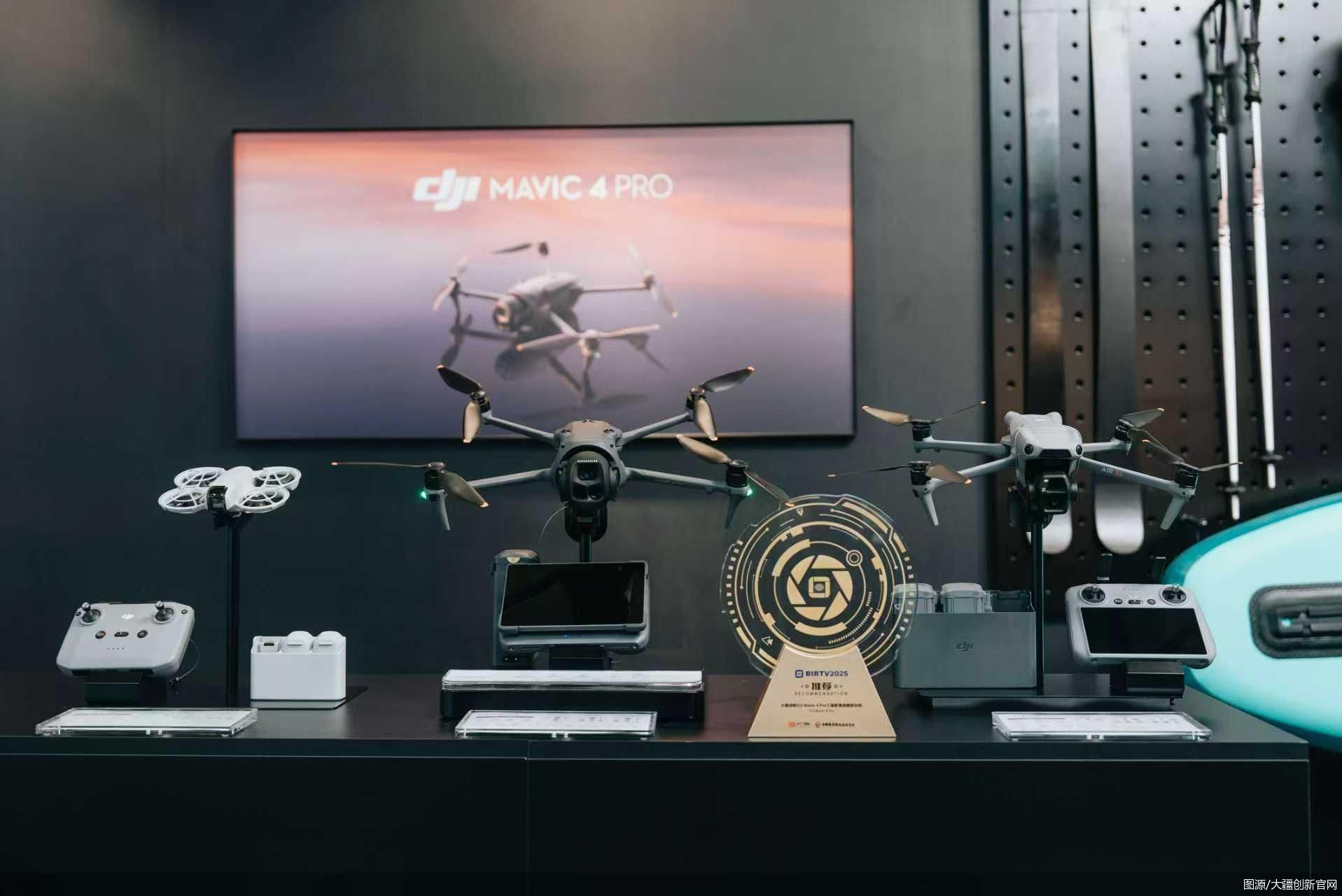
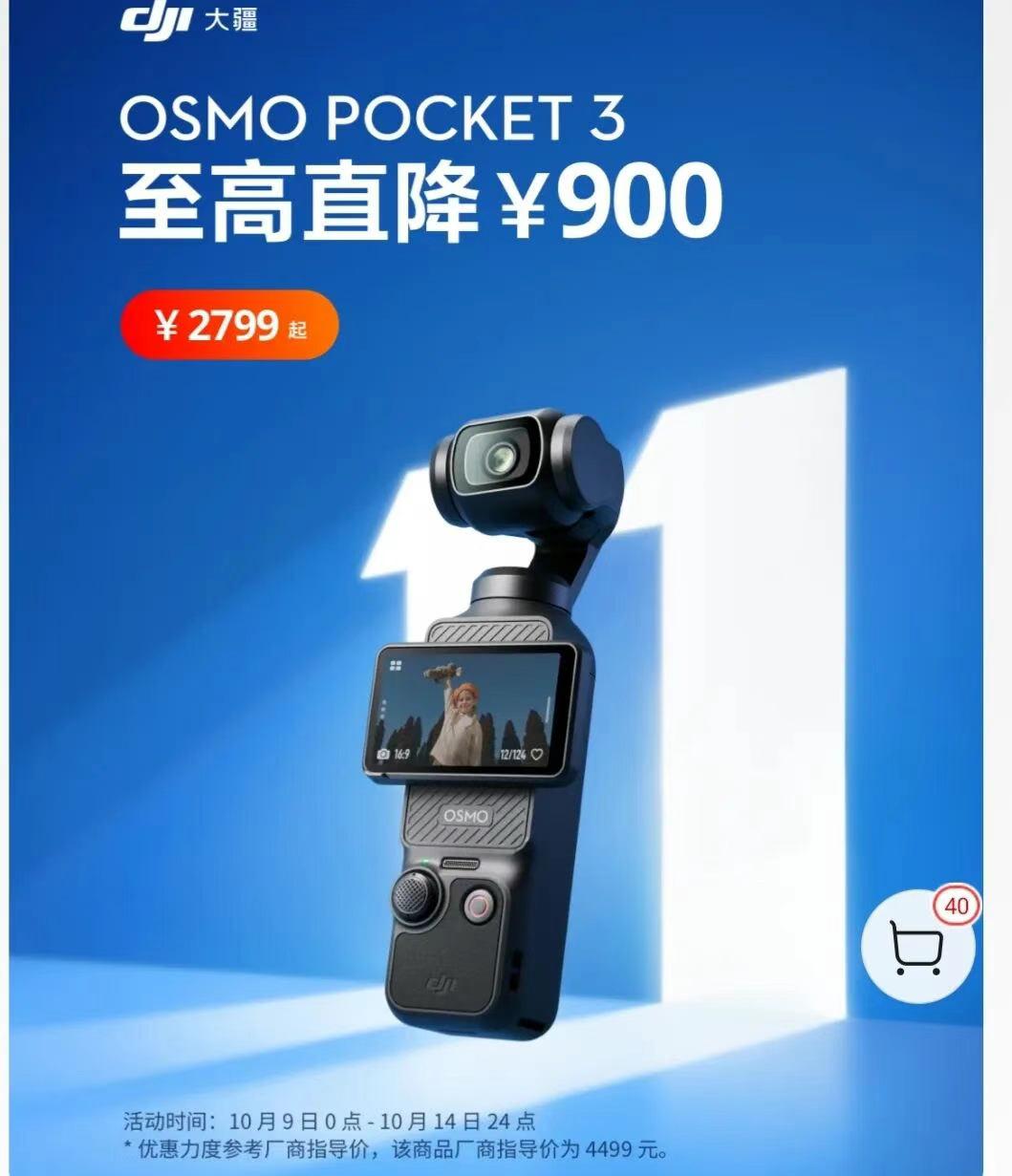
Core Insights - DJI, known for its price stability, has unexpectedly reduced prices on several popular products, notably the Osmo Pocket 3, with the standard kit dropping from 3499 yuan to 2799 yuan, a reduction of 700 yuan, and the all-around kit from 4499 yuan to 3599 yuan, a reduction of 900 yuan [1][3] Pricing Strategy - The price adjustments are part of a promotional strategy for the upcoming "Double 11" shopping festival, as stated by DJI officials, who have communicated this through various channels [3][6] - The Osmo Pocket 3 has seen significant sales, with over 10 million units sold since its release in October 2023, indicating its popularity in the market [5] Consumer Reactions - The sudden price drop has led to mixed reactions from consumers, particularly those who purchased the product shortly before the discount, with some seeking price protection or refunds [3][5] - There is a noted discrepancy in price protection policies between online and offline channels, which has caused confusion among consumers [5] Market Dynamics - The price reduction may be influenced by the impending release of the Osmo Pocket 4, which is expected to feature enhancements such as improved zoom capabilities and support for 6K/8K video recording [7] - Competition from smartphone manufacturers entering the handheld imaging device market is also a significant factor, as companies like OPPO are developing similar products, posing a threat to DJI's market share [6][7] Competitive Landscape - The handheld imaging device market remains concentrated, with DJI's Pocket series and Insta360's action cameras being the most recognized products, each targeting different consumer needs [8] - The entry of smartphone manufacturers into this space could disrupt DJI's established position, as these companies leverage existing resources and customer bases to expand their product offerings [7][9] Technical Challenges - DJI faces the challenge of balancing portability and image quality in its Pocket series, requiring advanced technical solutions to optimize both aspects [9] - The company has a strong foundation in stabilization technology, which is critical for maintaining image quality in handheld devices, stemming from its experience in the drone industry [9]
OPPO高层调整
21世纪经济报道· 2025-10-09 13:21
Core Insights - The Chinese smartphone market is entering a bottleneck phase, prompting manufacturers to focus on overseas markets [1][2] - OPPO is increasing its investment in overseas markets, with key personnel adjustments to strengthen this focus [1] Group 1: Company Strategy - OPPO's Chief Product Officer, Liu Zuohua, will oversee overseas markets, while Senior Vice President Duan Yaohui will manage the headquarters marketing team [1] - Liu Zuohua has a history of success in the overseas high-end market with OnePlus, indicating a strategic shift for OPPO towards high-end segments [5] - OPPO's overseas revenue now accounts for over 60%, highlighting the importance of international markets in the current competitive landscape [1] Group 2: Market Conditions - The Chinese smartphone market has seen a decline in sales, with a 2% drop in the first eight weeks of the third quarter, while the mid-range market remains strong [4] - Counterpoint's statistics show that OPPO faced demand slowdowns in China but stable demand in Southeast Asia and the Middle East [4] - The global high-end smartphone market is projected to reach historical highs by mid-2025, making it a critical area for competition [4]