强脑科技

Search documents
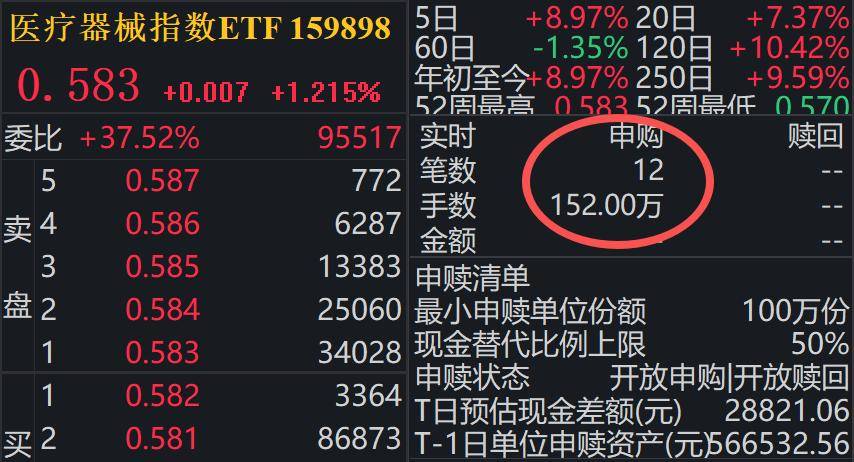
国内首张非侵入式脑机接口证出炉!医疗器械指数ETF(159898)午后拉升、标的指数“含脑量”约24%
Sou Hu Cai Jing· 2026-01-09 06:21
Group 1 - The medical device sector is experiencing a significant rally, with the Medical Device Index ETF (159898) seeing a net inflow of over 88 million yuan during intraday trading on January 8, following a previous inflow of over 116 million yuan [1] - Key stocks such as Di'an Diagnostics and Kingmed Diagnostics reached their daily limit, while others like Anbiping and Xiangsheng Medical saw gains exceeding 10% and 9% respectively [1] - The Medical Device Index ETF (159898) has a current scale of 659 million yuan, with approximately 24% of its holdings related to the brain-computer interface (BCI) concept [2][3] Group 2 - The brain-computer interface industry is highlighted as a key development area in the new five-year plan, with supportive policies for clinical trials, registration, and pricing [1] - Strong Brain Technology, a leading BCI company, recently completed a financing round of about 2 billion yuan, marking it as the second-largest financing in the BCI field globally, after Neuralink [2] - The Medical Device Index ETF (159898) includes several companies with substantial involvement in the BCI sector, making it a convenient and efficient tool for investment in this emerging field [3]

战略投资强脑科技,蓝思科技大涨超18%
Sou Hu Cai Jing· 2026-01-09 03:59
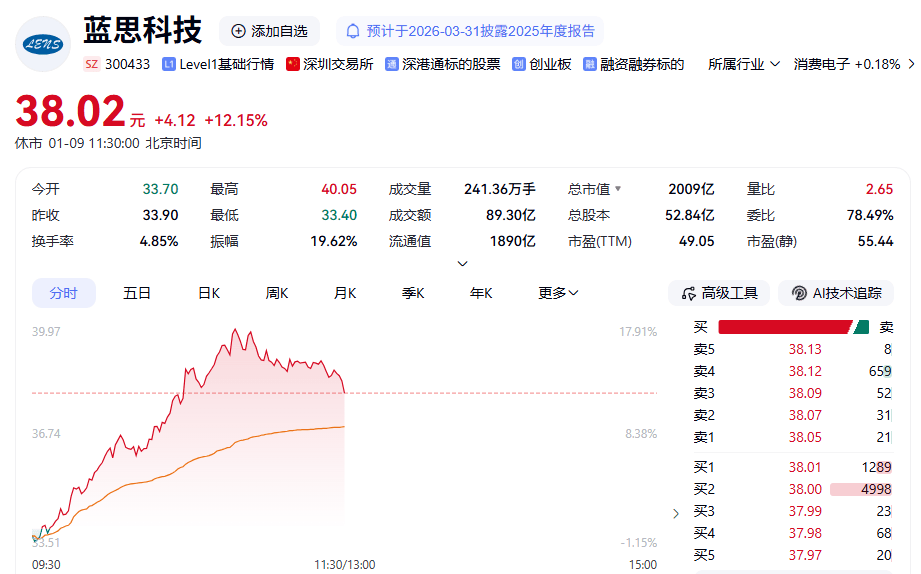
Group 1 - Bluefin Technology's stock surged over 18% on January 9, closing at 38.02 CNY per share, with a trading volume of 8.93 billion CNY and a turnover rate of 4.85% [1] - Strong Brain Technology, a leading player in the brain-computer interface (BCI) sector, completed approximately 2 billion CNY in financing, marking it as the second-largest financing in the global BCI field after Neuralink [4] - Bluefin Technology is a strategic investor in Strong Brain Technology and has exclusively undertaken the mass production of its core hardware modules [4] Group 2 - The brain-computer interface industry is experiencing a high growth phase driven by technological breakthroughs, policy support, and expectations of robotic ecosystem collaboration, with a projected market size of approximately 12.4 billion USD by 2034 and a CAGR of 17% from 2025 to 2034 [5] - The recent expectations for mass production and technological breakthroughs from Neuralink are likely to benefit A-share companies related to the brain-computer interface sector [5]

杭州AI的秘密,藏在小镇里
3 6 Ke· 2026-01-09 03:49
Core Insights - The article highlights the emergence of Hangzhou as a new hub for AI innovation, driven by the "Six Little Dragons" and the influence of Alibaba, marking a shift from an e-commerce narrative to an AI narrative by 2025 [3][4]. Group 1: The Rise of Hangzhou's AI Ecosystem - Hangzhou's "Six Little Dragons" represent six high-growth companies focusing on cutting-edge technologies such as robotics, AI, and game development, which have attracted talent from other regions [3][4]. - The city has become a magnet for entrepreneurs due to its favorable environment, including lower living costs and a supportive atmosphere for startups, allowing for a more focused entrepreneurial spirit [4][5]. - The local government has provided significant support to tech startups, including direct investments and resources for talent acquisition, which has fostered a nurturing environment for innovation [5][6]. Group 2: The Role of Local Culture and Community - The entrepreneurial culture in Hangzhou is characterized by a blend of idealism and realism, allowing for a unique ecosystem where startups can thrive despite high uncertainty [6][7]. - The "small town mechanism" in Hangzhou facilitates rapid information flow and community interaction, which is essential for innovation, contrasting with larger cities where resources are more dispersed [9][13]. - Hangzhou's small towns, such as the AI Town and Cloud Town, serve as incubators for startups, providing a compact environment that encourages collaboration and reduces operational costs [9][10]. Group 3: The Influence of Alibaba - Alibaba has played a crucial role in establishing the digital economy in Hangzhou, providing a foundation for talent and technological support that has enabled the rise of the "Six Little Dragons" [14][15]. - The presence of Alibaba has created a talent pool and a culture of innovation that attracts new startups, further enhancing Hangzhou's reputation as a tech hub [14][16]. - The city's ambition to become a "Silicon Valley" of China is reflected in its ongoing development of innovation clusters like "China Cloud Valley," which aims to drive the AI industry forward [15][17]. Group 4: Future Prospects and Challenges - Hangzhou's strategy of integrating small towns and larger innovation valleys aims to create a seamless flow of resources and ideas, positioning the city for future growth in the tech sector [18]. - Despite its rapid development, Hangzhou still faces challenges in original innovation capabilities and global influence compared to other major cities like Beijing and Shanghai [18]. - The city's vibrant ecosystem continues to evolve, with the potential to produce groundbreaking innovations that could reshape industries [18].



脑机接口量产临界,医疗器械指数ETF(159898)连续4日获资金净流入、规模站上新高
Sou Hu Cai Jing· 2026-01-09 03:24
Group 1 - The core viewpoint of the article highlights the increasing market and funding attention towards brain-computer interfaces (BCIs), which are seen as a cutting-edge technology with significant future industry potential [2] - The medical device index ETF (159898) has seen a net inflow of over 170 million yuan in the last four trading days, with a single-day inflow exceeding 116 million yuan on January 8, marking a new high in its scale [2] - The medical device index ETF (159898) includes approximately 24% of companies with substantial involvement in the BCI sector, making it a convenient and efficient tool for investment in this emerging field [2][3] Group 2 - BCIs are interdisciplinary technologies that integrate neuroscience, computer science, and medicine, enabling direct communication between the brain and external devices [4] - Current applications of BCI technology are primarily in medical rehabilitation, particularly for patients recovering from strokes and spinal cord injuries, with potential future applications in education, entertainment, and industry [4] - The BCI sector is expected to experience strong growth driven by simultaneous advancements in policy, industry, and technology, with significant milestones anticipated by 2026 [7] Group 3 - The domestic BCI "unicorn" company, Qiangnao Technology, recently completed approximately 2 billion yuan in financing, becoming the second-largest financing in the BCI field globally, following Neuralink [7] - The Chinese government is actively supporting the BCI industry through various policies, emphasizing its importance as a key development area in the new five-year plan [7] - Recent breakthroughs in domestic BCI technology include successful clinical trials of fully implanted, wireless BCI products, indicating rapid advancements in the field [9] Group 4 - China's BCI market size grew from approximately 1 billion yuan in 2020 to about 1.73 billion yuan in 2023, representing a 12.5% share of the global BCI market [10] - Different institutions have varying growth forecasts for the BCI industry, with estimates suggesting the global market could reach 7.63 billion USD by 2029 [11] - The global BCI market is projected to grow to approximately 12.4 billion USD by 2034, with a compound annual growth rate (CAGR) of 17% from 2025 to 2034 [14] Group 5 - BCIs are considered a potential key catalyst for driving upward trends in the medical device sector, supported by innovation and policy backing [15] - The medical device index ETF (159898) tracks the entire A-share medical device sector, with a pure representation of the industry and a 24% inclusion of BCI concepts, making it suitable for capturing opportunities in this emerging market [15]
脑机接口虚火?但再不下手就晚了
3 6 Ke· 2026-01-09 02:14
Core Insights - The brain-computer interface (BCI) sector is experiencing a surge in investment and interest, particularly following the announcement from Neuralink about plans for large-scale production by 2026 [1][2] - Strong Brain Technology has successfully raised 2 billion yuan to accelerate the development of core technologies and product scaling in the BCI field [1] - The Chinese government has recognized BCIs as a key future industry, with significant funding allocated to support research and development [1] Investment Trends - Major venture capital firms such as Sequoia China, IDG, and Baidu Ventures are investing in various BCI companies, indicating a potential boom in financing for the sector in 2026 [2] - The investment landscape is shifting from primarily medical-focused investors to include those from technology and consumer sectors, highlighting the broader applications of BCIs [2] Non-Invasive BCI Developments - Non-invasive BCIs, led by Strong Brain Technology, are gaining traction with applications in various fields including healthcare and entertainment [2][4] - Despite previous challenges in the non-invasive BCI market, advancements in technology are leading to improved signal quality and broader applications [4][5] - The current focus is on developing smart prosthetics and other applications rather than pure brain control, utilizing muscle signals and AI algorithms for better accuracy [4] Invasive BCI Innovations - Invasive BCIs are facing stringent regulatory and safety challenges but are still attracting investment due to their high technical barriers and clinical value [6][7] - Companies like Borycon and Ladder Medical are making significant strides in clinical trials and product development, with Borycon's system showing promising results in patient rehabilitation [9][10][12] - The competitive landscape includes several players in Beijing and Shanghai, with a focus on developing comprehensive systems that integrate electrodes, algorithms, and neural chips [7][15] Future Outlook - 2026 is anticipated to be a pivotal year for the BCI industry, with advancements in technology and regulatory support paving the way for broader adoption [17][18] - The establishment of independent billing for BCI services by the National Medical Insurance Administration reflects a commitment to supporting the industry's growth [17]
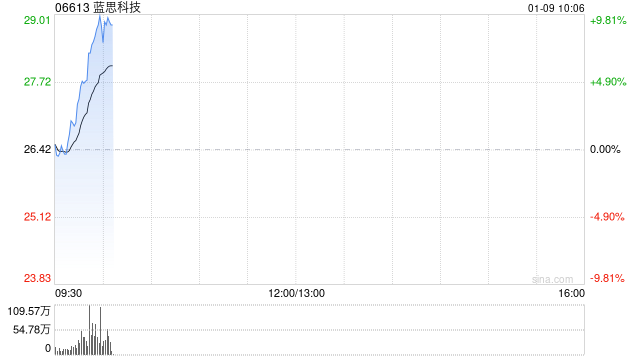
蓝思科技早盘飙升逾9% 强脑科技确认完成约20亿元融资
Xin Lang Cai Jing· 2026-01-09 02:06
Core Viewpoint - Lens Technology (06613) experienced a 9.24% increase in stock price, reaching HKD 28.86, with a trading volume of HKD 323 million [6]. Group 1: Financing and Investment - Qiang Brain Technology, one of the "Six Little Dragons" of Hangzhou, has completed approximately RMB 2 billion (around HKD 2.6 billion) in financing, marking the second-largest financing record globally in the brain-computer interface sector, following Neuralink [6]. - The funds raised by Qiang Brain Technology will be used to accelerate the research and development of core technologies in brain-computer interfaces, achieve breakthroughs in extreme engineering, and scale up product production [6]. Group 2: Strategic Partnerships - Lens Technology is a strategic investor in Qiang Brain Technology and is exclusively responsible for the mass production of Qiang Brain's core hardware modules [6]. - In November 2025, Lens Technology plans to donate a large number of intelligent bionic limbs to the Hunan Provincial Disabled Persons' Federation, with all core modules sourced from Lens Technology's production line [6]. - The company has over 10 years of deep cooperation with major North American clients and serves as a primary core supplier [6].
蓝思科技飙升逾7% 强脑科技确认完成约20亿元融资 公司独家承接其核心硬件模组量产
Zhi Tong Cai Jing· 2026-01-09 01:58
Core Viewpoint - Lens Technology (300433) (06613) has seen its stock price increase by over 5%, currently trading at 28.08 HKD with a transaction volume of 1.58 billion HKD, following news of a significant financing round by Qiangnao Technology in the brain-computer interface sector [1] Group 1: Financing and Investment - Qiangnao Technology, part of the "Six Little Dragons of Hangzhou," has completed approximately 2 billion RMB in financing, marking the second-largest funding round globally in the brain-computer interface field, after Neuralink [1] - The funds raised by Qiangnao Technology will be used to accelerate core technology research and development, engineering breakthroughs, product scaling, and mass production [1] Group 2: Strategic Partnerships - Lens Technology has stated on its investor interaction platform that it is a strategic investor in Qiangnao Technology and is the exclusive manufacturer for Qiangnao's core hardware modules [1] - In November 2025, Lens Technology and Qiangnao Technology plan to donate a large number of intelligent bionic limbs to the Hunan Provincial Disabled Persons' Federation, with all core modules sourced from Lens Technology's production line [1] - The company has over 10 years of deep cooperation with major North American clients and is a primary core supplier for them, leveraging its mass production experience and precision manufacturing capabilities to actively seek further collaborations [1]
港股异动 | 蓝思科技(06613)飙升逾7% 强脑科技确认完成约20亿元融资 公司独家承接其核心硬件模组量产
智通财经网· 2026-01-09 01:57
Core Viewpoint - Lens Technology (06613) has seen a stock increase of over 5%, currently up 6.28% at HKD 28.08, with a trading volume of HKD 158 million [1] Group 1: Financing and Investment - Qiangnao Technology, one of the "Six Little Dragons" in Hangzhou, has completed approximately RMB 2 billion in financing, marking the second-largest financing record globally in the brain-computer interface sector, following Neuralink [1] - The funds raised by Qiangnao Technology will be used to accelerate core technology research and development, extreme engineering breakthroughs, product scaling, and mass production [1] Group 2: Strategic Partnerships - Lens Technology has stated on its investor interaction platform that it is a strategic investor in Qiangnao Technology and is the exclusive provider for the mass production of Qiangnao's core hardware modules [1] - In November 2025, Lens Technology and Qiangnao Technology plan to donate a large number of intelligent bionic limbs to the Hunan Provincial Disabled Persons' Federation, with all core modules sourced from Lens Technology's production line [1] - The company has over 10 years of deep cooperation with major North American clients and is a primary core supplier for them, leveraging mass production experience and strong precision manufacturing capabilities to actively seek further collaborations [1]
一言千金!马斯克引爆脑机接口
Shen Zhen Shang Bao· 2026-01-08 18:02
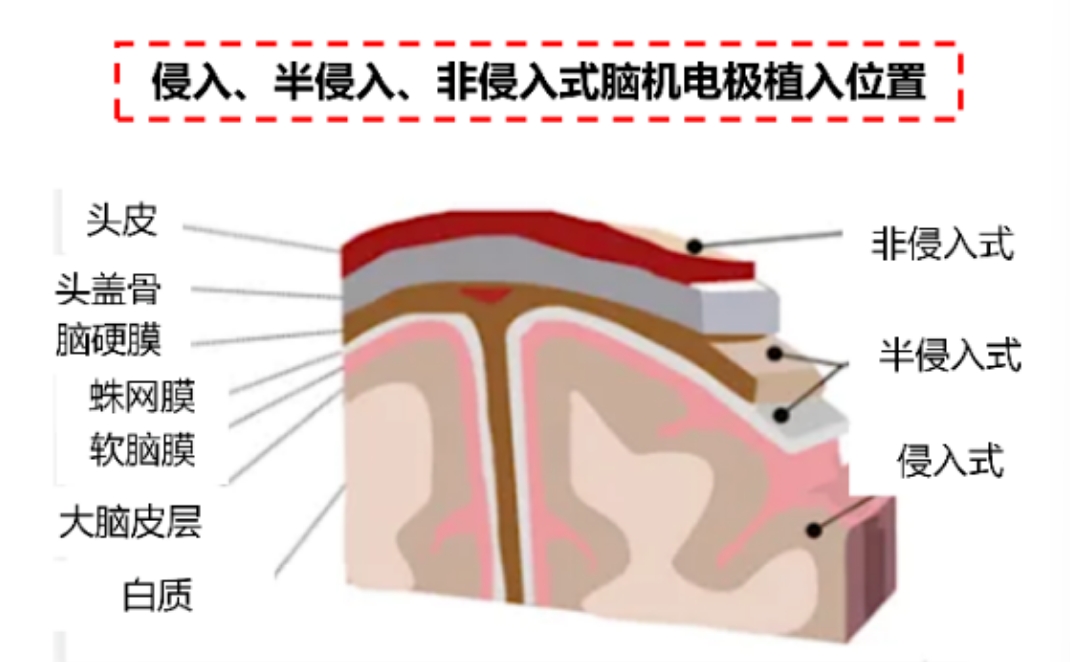
Core Viewpoint - The announcement by Elon Musk regarding Neuralink's plans for large-scale production of brain-machine interface (BMI) devices by 2026 has ignited significant interest in the capital markets, indicating a shift from experimental to industrial-scale applications of this technology [3][5]. Industry Developments - Brain-machine interfaces (BMIs) are categorized into three types: invasive, semi-invasive, and non-invasive, each with varying levels of signal quality and risk [4]. - Neuralink has achieved rapid advancements, including a 1.5-second implantation process and successful trials on both animals and humans, with seven patients receiving implants as of mid-2025 [4][5]. - The Chinese government has shown support for the BMI industry, with policies and plans aimed at fostering innovation and development in this field [8][10]. Market Reaction - Following Musk's announcement, the A-share market saw a surge in BMI-related stocks, with significant gains observed in various companies within this sector [6]. - Strong Brain Technology, a company focused on non-invasive BMI technology, secured approximately 2 billion yuan in funding, highlighting investor confidence in the BMI market [6]. Future Outlook - Experts predict that 2026 could be a pivotal year for BMIs, marking the transition of this technology from laboratory settings to commercial viability [7][10]. - The advancements in BMI technology are expected to lead to a broader range of applications in the medical field, moving from experimental tools to widely available products [10].
20亿!强脑科技完成全球第二大单笔融资,锚定机器人的终极交互
机器人大讲堂· 2026-01-08 14:53
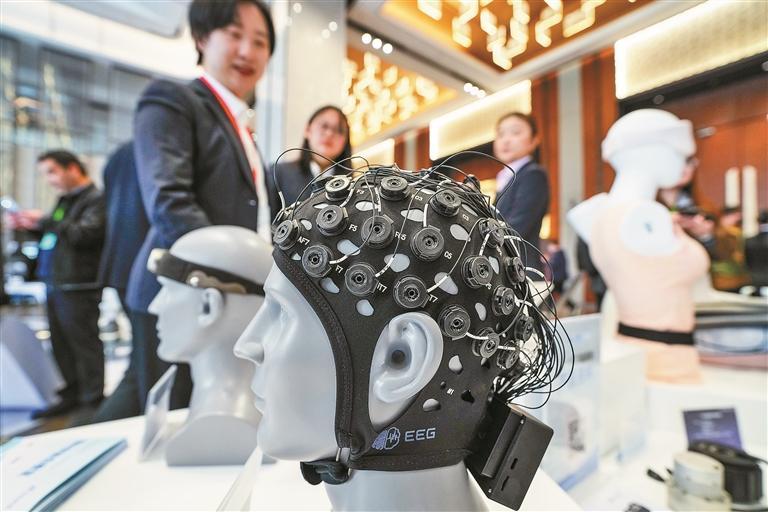
Core Viewpoint - The article highlights the advancements in brain-computer interface technology through the example of Qiangnao Technology, which has developed a smart bionic hand that enables users to perform complex tasks, showcasing the potential for human-robot coexistence in the future [1][3]. Group 1: Company Overview - Qiangnao Technology, founded in 2015, is the first unicorn in the brain-computer interface sector in China, focusing on non-invasive brain-computer interface technology for nearly a decade [5]. - The company recently completed a financing round of approximately 2 billion yuan, making it the second-largest in the global brain-computer interface field after Neuralink [3]. Group 2: Product Development - Qiangnao Technology has launched several products, including smart bionic hands and legs, as well as brain-machine intelligent sleep devices, creating a product matrix that spans medical rehabilitation, consumer health, and advanced robotics [8]. - The smart bionic hand has been successfully used in major events such as the Beijing Winter Paralympics and the Hangzhou Asian Para Games, indicating its practical application and recognition [10]. Group 3: Technological Advancements - The company has developed a solid gel electrode that allows for convenient brain signal acquisition without the need for conductive paste, overcoming a significant barrier in non-invasive technology [7]. - Qiangnao's Revo 2 bionic hand, weighing only 383 grams, can exert a grip force of 50N and carry weights of up to 20kg, showcasing its advanced multi-modal tactile sensing capabilities [12]. Group 4: Competitive Advantage - Qiangnao Technology has established a unique technological and commercial moat through large-scale production and cost control, managing to reduce the cost of its smart bionic hand to one-fifth to one-seventh of similar products in Europe and the U.S. [15]. - The company has achieved mass production of 100,000 units of high-precision brain-computer interface products, demonstrating its capability for industrial-scale production [15]. Group 5: Future Vision - With the recent funding, Qiangnao Technology aims to accelerate technological iterations, expand into global markets, and deepen its product offerings in rehabilitation, health, and human-machine interaction [16]. - The company's strategic direction is evolving from addressing rigid medical needs to broader applications in health, targeting to assist 1 million individuals with physical disabilities and 10 million patients with Alzheimer's, autism, and sleep disorders within the next 5 to 10 years [18].