
OPPO

Search documents
天马发布高端OLED技术品牌:天工屏
WitsView睿智显示· 2025-09-19 10:17
Core Viewpoint - Tianma Microelectronics officially launched its high-end OLED technology brand "Tiangong Screen" on September 19 in Xiamen, highlighting its advancements in eye protection, display quality, and high refresh rates [2][5]. Group 1: Technology Highlights - The Tiangong Screen features a "super eye protection" core with four main characteristics: flicker-free, low blue light (4.7% harmful blue light), 1nit eye protection, and adaptive ambient light [5]. - In terms of display quality, the Tiangong Screen achieves a global peak brightness of 2500 nits and a maximum peak brightness of 8000 nits, with a color gamut covering 95% of BT.2020, providing realistic color reproduction [5]. - The screen utilizes a self-developed "Windmill" pixel structure to enhance detail display precision, resulting in sharper text edges and clearer dynamic images [5]. Group 2: Refresh Rate and Collaboration - The mass production capability of the Tiangong Screen supports a refresh rate of 165Hz, with research and development capabilities extending to 240Hz; it also features LTPO 3.0 technology for adaptive refresh rates to optimize smoothness and reduce power consumption [6]. - OPPO's Vice President Liu Chang announced that the OPPO Find X9 smartphone will be the first to feature the Tiangong Screen, following a deep collaboration between OPPO and Tianma to create a dedicated high-spec screen production line [6]. - Tianma and OPPO have established a joint laboratory to collaborate on health display technology research and industry standard formulation [6].


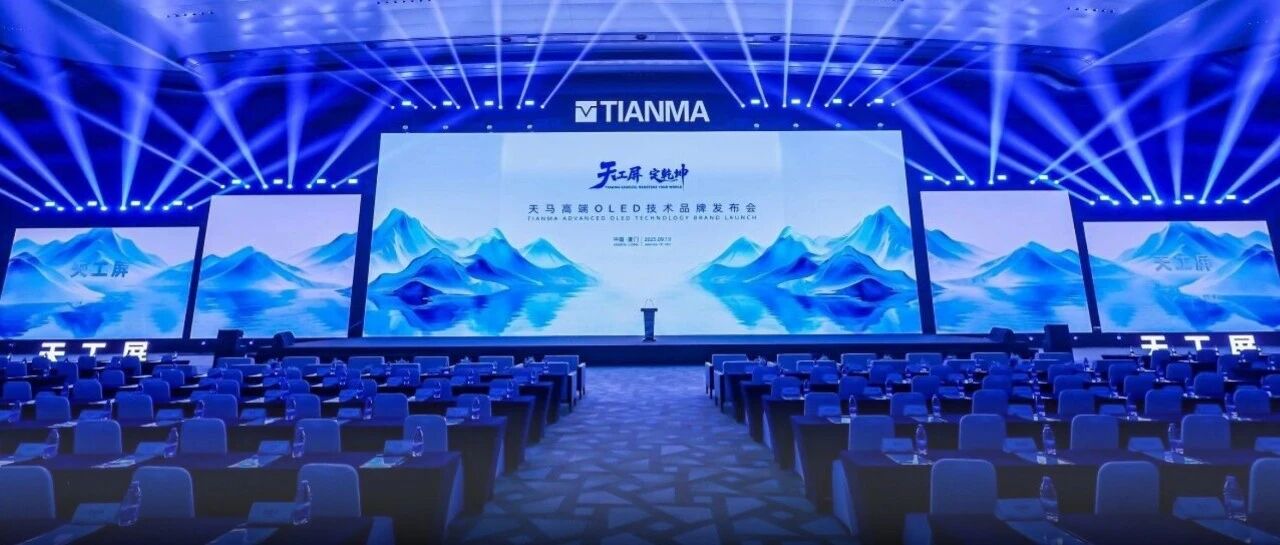
天马发布高端OLED技术品牌“天工屏”,OPPO Find X9系列将首发搭载
Feng Huang Wang· 2025-09-19 08:09
Core Viewpoint - Tianma Microelectronics launched its high-end OLED technology brand "Tiangong Screen," aiming to redefine high-end display standards with a focus on "super eye protection, extreme transparency, and smooth high refresh rates" [1] Group 1: Product Features - "Tiangong Screen" incorporates multiple eye protection technologies, including flicker-free, 1 nit eye protection, low blue light, and adaptive ambient light [1] - The display features a peak brightness of 8000 nits and 95% BT.2020 wide color gamut coverage, utilizing a self-developed "windmill pixel" structure to enhance detail performance [1] - It supports a maximum refresh rate of 165Hz for mass production and 240Hz in research and development, with LTPO 3.0 for dynamic adjustment to reduce power consumption [1] Group 2: Industry Impact - The launch signifies an important step for Chinese display companies into the high-end market, supported by a complete independent OLED intellectual property system and innovation platform established by Tianma [1] - The partnership with OPPO, which will feature the "Tiangong Screen" in its next flagship Find X9 series, highlights the collaboration in advancing health display technology research and standard formulation [1] - The "Tiangong Screen" received a "Visual Health Friendliness" certification from the China Quality Certification Center, recognizing its innovations in eye protection technology [2]
数据机构:荣耀份额下滑近一成,苹果销量降 6%,vivo 重回中国手机市场销冠
Yang Zi Wan Bao Wang· 2025-09-19 07:06
Core Insights - The report from Counterpoint indicates that vivo has captured the top position in the Chinese smartphone market with a 19% market share, leading by 3 percentage points over the second place [1] - The market is characterized by a "one leader and three strong competitors" dynamic, with notable performances from OPPO and Xiaomi, while Huawei shows growth and Honor experiences a decline of nearly 10% in market share [1][2] - The overall smartphone market in China saw a 2% year-on-year decline in total sales during the first eight weeks of Q3 [3] Company Performance - Vivo's success is attributed to the strong performance of its S30 and X200s series, which together contributed over 60% of its sales during the reporting period, aligning with consumer preferences for mid-to-high-end products [1] - OPPO recorded the highest growth among manufacturers, with a 4% year-on-year increase in sales, driven by a well-rounded product lineup, particularly the Reno 14 series, which has become one of the best-selling flagship phones in China [2] - Huawei achieved a 2% year-on-year growth, supported by supply chain optimization and strong sales of the Nova 14 series, alongside continued demand for older flagship models like the Mate 70 series [2] Competitive Landscape - Apple's sales declined by 6% year-on-year, with a 1 percentage point drop in market share, attributed to increased competition from domestic brands like vivo, Huawei, Xiaomi, and Honor, which launched competitive models during the summer [2] - Honor's market share decline is a significant factor in the overall market downturn, prompting the company to initiate a retail channel reform in 10 provinces to improve efficiency and address its market challenges [3] - Counterpoint forecasts a 3%-5% quarter-on-quarter decline in the smartphone market due to weak consumer demand and a lull in new product releases, although the overall annual performance is expected to remain flat compared to last year [3]

深度解析:机器人、AR 眼镜、折叠屏、服务器,四大科技板块为何值得长期重仓?
3 6 Ke· 2025-09-19 06:52
Group 1: Robotics - The robotics market is experiencing rapid growth, with 4.2816 million operational robots globally in 2023, highlighting significant penetration in industrial sectors [8] - China is the largest market for industrial robots, with a projected sales volume of 302,000 units in 2024, maintaining its position as the world's largest industrial robot market for 12 consecutive years [8][9] - The production capacity of industrial robots in China increased from 33,000 units in 2015 to 556,000 units in 2024, with service robots showing a 34.3% year-on-year growth [8][9] Group 2: Augmented Reality (AR) Glasses - The AR glasses market is growing rapidly, with projected sales of 286,000 units in China for 2024, driven by technological advancements and increased brand competition [17] - Major players in the global AR glasses market include tech giants like Microsoft and Meta, while Chinese brands like Xreal and Rokid dominate the consumer segment [18] - The integration of AI with AR technology is enhancing functionality, enabling features like real-time translation and scene recognition [19] Group 3: Foldable Screens - The foldable screen market is witnessing explosive growth, with an expected global shipment of approximately 19.83 million foldable smartphones by 2025, reflecting a 6% year-on-year increase [24] - China has become the largest market for foldable smartphones, with a market share expected to remain above 40% over the next five years [24] - Innovations in materials, such as ultra-thin flexible glass, are improving durability and user experience, with penetration rates projected to rise from 65% in 2024 to 85% in 2025 [25] Group 4: Servers - The global server market is experiencing significant growth, with a record revenue of $77.3 billion in Q4 2024, representing a 91% year-on-year increase [30] - China's server market is also expanding, with a projected shipment of approximately 4.55 million units in 2024, reflecting a 22% year-on-year growth [30] - The rise of cloud computing is reshaping server applications, leading to increased demand for server clusters and customized solutions [31]


知识产权护航民营企业“出海”(人民网)
Ren Min Wang· 2025-09-19 03:23
Group 1 - Intellectual property (IP) is a core competitive advantage and important asset for private enterprises, directly impacting their internationalization and sustainable development [1] - Approximately one-third of global patents are related to digital technology, with China applying for nearly 70% of patents in the generative artificial intelligence sector [1] - In the first half of this year, domestic applicants submitted PCT international patent applications and Hague design applications, increasing by 12.7% and 23.2% year-on-year, respectively [1] Group 2 - Companies face inevitable IP risks when expanding internationally, necessitating a strategic approach that integrates standards and regulations [2] - There is a shift from passive compliance to proactive IP management, enabling companies to establish technological advantages and transition from following to leading in their sectors [2] - Effective IP management is essential for innovation and differentiation, which are critical for breaking away from cost competition in manufacturing [3] Group 3 - Patent strategies should be aligned with business strategies, considering legal, technical, commercial, and international perspectives [3] - Companies like CATL are focusing on competitive IP layouts, differentiated risk management, and talent development in IP to enhance their global resource allocation [3]

苹果(AAPL.US)iPhone 史上最大设计变革周五引爆市场!Pro机型需求火爆 中国成关键战场
智通财经网· 2025-09-19 01:55
Core Viewpoint - Apple is launching new iPhone models, including iPhone 17 Pro, iPhone 17 Pro Max, and iPhone Air, marking the first major redesign since 2020, amidst strong consumer demand and a critical purchasing window [1][2]. Group 1: Product Launch and Features - The new iPhone models feature a return to aluminum casing and a redesigned back, with iPhone Air emphasizing a lightweight design as its main selling point [1]. - iPhone 17 Pro series is expected to be the most popular due to upgrades in battery life, camera technology, and durability, starting at $1,099, which is only $100 more than the previous model [2]. - iPhone Air, priced at $999, focuses on a slim design but has shortcomings in battery life and camera capabilities, potentially limiting its sales growth [4]. Group 2: Market Context and Competition - Apple faces challenges in the Chinese market, with a 6% year-over-year decline in sales and only a 12% market share, trailing behind local brands like OPPO, Huawei, and Xiaomi [2]. - Competitors like Samsung have recently launched upgraded flagship devices, including a foldable phone, while Apple is not expected to release a foldable phone until late next year [2][6]. - The overall market sentiment is cautious, with analysts noting that while price increases are occurring, they may not significantly catalyze stock price movements [2].
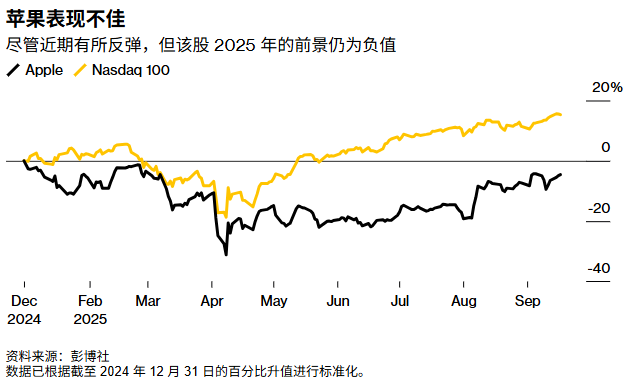
华为Mate X6、Pura 80系列、Mate 70系列官宣降价,最高2000元!
Xin Lang Cai Jing· 2025-09-19 00:03
Core Viewpoint - Huawei has initiated price reductions on several smartphone models, including the Mate X6, Pura 80 series, and Mate 70 series, likely influenced by the recent launch of Apple's iPhone 17 series and the upcoming release of the Mate 80 series [1][3]. Group 1: Price Reductions - The Mate X6 has seen a maximum price drop of 2000 yuan, the Pura 80 series by 1500 yuan, and the Mate 70 series by 1000 yuan, with the Mate 70 series now priced at 5799 yuan [1]. - The price cuts are interpreted as a strategic move to make way for the anticipated Mate 80 series, expected to launch in November with significant upgrades [3]. Group 2: Market Position and Competition - In the second quarter, Huawei led the market with a shipment of 12.5 million units, followed by Vivo with 11.9 million and OPPO with 10.7 million [3][4]. - The overall smartphone market in China is becoming increasingly competitive, with a focus on capturing existing users as the primary goal [3]. Group 3: Financial Performance and Strategy - Huawei's half-year report for 2025 indicates a 210% increase in net cash flow, while R&D expenses as a percentage of revenue decreased from 16.7% to 14.3% [6]. - The company has improved its cost structure and significantly enhanced the yield of its Kirin 9020 chip, leading to a substantial reduction in per-unit costs, positioning Huawei well to handle price competition [6].
晚报 | 9月19日主题前瞻
Xuan Gu Bao· 2025-09-18 14:59
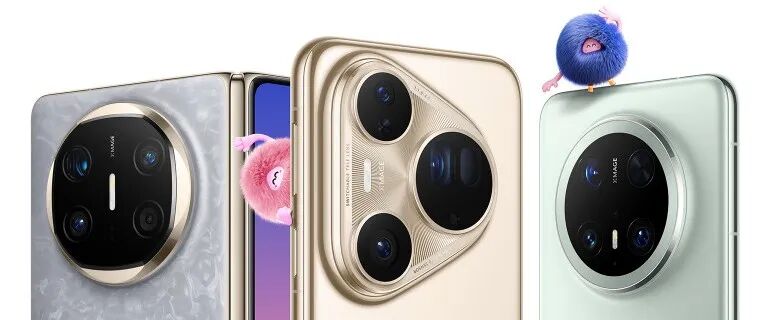
Group 1: Computing Power - Huawei has launched the world's strongest computing power supernode and cluster, introducing the TaiShan 950 SuperPoD, which can replace various large and small machines as well as Exadata database integrated machines [1] - The supernode technology is seen as a core innovation direction for AI computing infrastructure, breaking through traditional cluster performance and efficiency bottlenecks [1] - The technology supports trillion-parameter model training and inference with higher energy efficiency and lower latency, pushing AI from the kilowatt to the megawatt era [1] Group 2: Hydrogen Energy - The Chinese Academy of Sciences has developed the world's first hydrogen negative ion prototype battery, marking a significant breakthrough in solid-state ion battery materials [2] - This new battery technology demonstrates the feasibility of hydrogen negative ions as energy carriers and opens new possibilities for hydrogen energy applications in energy storage [2] - The hydrogen energy market is expected to reach a scale of 4 trillion yuan by 2030, driven by technological breakthroughs and policy incentives [2] Group 3: Short Video Market - The overseas short video app market saw approximately 120.1 million downloads in August, with estimated in-app revenue reaching $196.4 million, marking a significant increase from July [3] - The total revenue for the overseas short video market has surpassed $1.088 billion in the first half of the year, with projections for annual revenue to reach $2.473 billion [3] - By 2027, the overseas short video market is expected to grow to $18.7 billion, potentially surpassing the domestic market [3] Group 4: Macro and Industry News - The China Charging Alliance reported an 88.5% year-on-year increase in electric vehicle charging infrastructure, with 4.53 million new installations from January to August 2025 [4] - China has built approximately 4.6 million 5G base stations, maintaining its position as the global leader in new energy vehicle production and sales for ten consecutive years [5] - The Ministry of Culture and Tourism has launched a three-year action plan to boost cultural and tourism consumption, with over 330 million yuan in subsidies planned [5]
AI安全迎重磅倡议,60余家机构共同发起
Sou Hu Cai Jing· 2025-09-18 12:53
Core Points - The "Artificial Intelligence Security Industry Self-Discipline Initiative" was jointly released by the China Cybersecurity Association and over 60 enterprises and research institutions, marking a significant industry consensus in the AI field and a shift from "regulation" to "self-discipline" [1] - The initiative emphasizes that security is the "lifeline" of AI development and calls for a collaborative effort to build a "controllable, trustworthy, and reliable" AI ecosystem, covering seven key areas including shared responsibility, integration of technology and management, data compliance, ethical standards, and innovative cooperation [1] - Major tech companies such as Alibaba, Baidu, Huawei, and others participated in the initiative, which stresses the importance of implementing security responsibilities throughout the entire lifecycle of AI development, particularly in avoiding algorithmic bias, preventing data misuse, and ensuring user privacy [1] - The initiative serves as both an industry commitment and a practical action guide, proposing the establishment of comprehensive lifecycle technology security standards and promoting transparency in content labeling and enhanced detection and evaluation [1] Industry Context - The rapid integration of AI technology into daily life highlights the critical need for industry self-discipline mechanisms, as AI applications span from smart voice assistants to autonomous driving and medical diagnostics, raising increasing concerns about safety and ethics [2] - The release of this initiative is a proactive response from the industry to public concerns and aims to safeguard the healthy development of AI in the future [2]

中国智能手机市场进入调整期 第三季度开局销量同比下滑2%
Zheng Quan Ri Bao Wang· 2025-09-18 12:42
Core Insights - The Chinese smartphone market is experiencing a 2% year-on-year decline in sales for the first eight weeks of Q3 2025, indicating a period of adjustment with new challenges and opportunities for manufacturers [1] - The market is shifting from a focus on quantity to quality, with an increasing proportion of mid-to-high-end products, which may pressure short-term sales but enhance long-term profitability and innovation [1] Market Dynamics - The decline in smartphone sales is attributed to intensified competition in the mid-to-high-end market, consumer preference for higher-end products, and a weakened motivation for device upgrades, with the average upgrade cycle extending to 30 months [1][2] - Major brands like Huawei are maintaining growth through a diverse product lineup, while second and third-tier brands face significant survival pressures and are accelerating innovation to break into higher-end markets [2] Pricing and Segmentation - The high-end market (models priced above 6000 yuan) shows resilience, driven by brand loyalty and strong purchasing power among high-end users, becoming a core profit source for manufacturers [2] - The mid-range market (2000 to 4000 yuan) is highly competitive, with brands competing on value, imaging, and performance, while the entry-level market continues to shrink [2] Supply Chain Adjustments - Smartphone supply chain companies are adopting "small batch, multiple batches" inventory strategies to mitigate risks, reducing inventory cycles from eight weeks to four to six weeks [3] - Manufacturers are increasing investment in differentiation, focusing on imaging technology, battery life, and AI features, with brands like vivo and OPPO accelerating the development of innovative products like foldable phones [3] Future Outlook - Despite short-term challenges, the Chinese smartphone market is expected to have long-term growth potential, driven by the commercialization of 5G-A technology and further integration of AI features, which will stimulate new upgrade demands [4] - Analysts predict a moderate recovery in the smartphone market by 2026, with product innovation and differentiated competition being the main themes for future development [5]