
北京文化

Search documents
北京文化论坛沙龙上,中轴线成了高频词
Bei Jing Ri Bao Ke Hu Duan· 2025-09-24 10:43
Core Insights - The forum titled "'Deep Alley Good Wine' How to 'Fragrance Thousands of Miles' - Excavation and Inheritance of Regional Cultural Resources" was successfully held, focusing on the significance of regional culture and its global influence [1][7] - The Beijing Central Axis was highlighted as a key cultural symbol, representing both historical heritage and contemporary creative expression [1][3] Group 1: Cultural Significance - Zhang Yiwu emphasized that the protection and revitalization of the Central Axis exemplify the creative transformation of traditional culture, aiming to contribute new insights to human civilization [3] - The Central Axis serves as a living heritage that enhances urban quality of life and fosters cultural vitality, as noted by Professor Lv Zhou [5] Group 2: Community Engagement and Innovation - The protection efforts have improved citizens' living conditions and created popular public spaces, promoting community participation and educational transmission [5] - Innovative models like "digital night watchmen" have established a broad protection network, stimulating cultural creativity and international exchanges [5] Group 3: Future Directions - The forum concluded with discussions on the sustainable development of regional cultural resources, with a commitment to continue exploring cultural excavation and inheritance [7] - The promotion of the "Millennium Yongding" series highlights the importance of the Yongding River in Beijing's cultural and ecological development, aligning with the city's green growth initiatives [9]


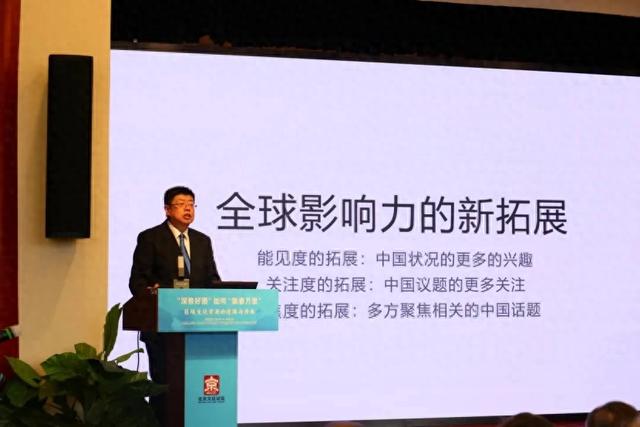
北京市文史研究馆馆员张颐武:北京的活力、魅力正在凸显出来
Xin Jing Bao· 2025-09-24 10:09
Core Viewpoint - The forum highlights Beijing's cultural significance as a representation of Chinese identity and its historical depth, emphasizing the city's unique charm and vitality in contemporary society [1]. Group 1: Cultural Significance - Beijing is portrayed as a concentrated symbol of Chinese culture, with a rich history spanning 3,000 years, showcasing its unique cultural allure [1]. - The traditional lifestyle in Beijing, including its hutong culture and local customs, is noted for its strong appeal and representation of Chinese civilization [1]. - The discussion emphasizes the importance of Beijing as a historical and cultural node in understanding Chinese culture and its global perception [1]. Group 2: Modern Relevance - The forum underscores Beijing's role as a hub for cultural creation and dissemination, bridging ancient and modern elements [1]. - The significance of engaging with Beijing's cultural heritage is highlighted, suggesting that visitors should seek a deeper understanding of the city's vibrancy rather than merely being tourists [1]. - The reference to Lu Xun's thoughts on Chinese culture reflects the ongoing relevance of Beijing in inspiring cultural renewal and vitality today [1].
北京人艺演员杨立新:宣南文化要赶紧挖掘,否则容易流失
Xin Jing Bao· 2025-09-24 09:58
Core Viewpoint - The discussion emphasizes the importance of preserving and promoting the unique cultural heritage of the Xuanwu District in Beijing, particularly the Xuan Nan culture, which is at risk of fading away due to urban development and lack of engagement [1][2][3] Group 1: Cultural Heritage and Preservation - Xuan Nan culture is described as a rich cultural system that has developed over centuries, particularly since the Qing Dynasty, and is a significant part of Beijing's cultural identity [1] - The decline of traditional performance venues in areas like the southern part of Zhu Shikou has led to a gradual fading of local cultural practices, highlighting the need for dedicated spaces and successors to maintain these art forms [2] Group 2: Recommendations for Cultural Development - The Beijing Tianqiao Art Center is identified as a key cultural hub, featuring various performance spaces, but there is a suggestion that smaller, more intimate venues are needed for traditional arts like quyi (narrative arts) to thrive [2] - The proposal includes transforming underperforming restaurants in the Tianqiao area into small quyi theaters to create a vibrant cultural district that reflects the characteristics of Xuan Nan culture [2]
2025北京文化论坛专业沙龙聚焦“区域文化资源的挖掘与传承”
Bei Jing Ri Bao Ke Hu Duan· 2025-09-24 09:51
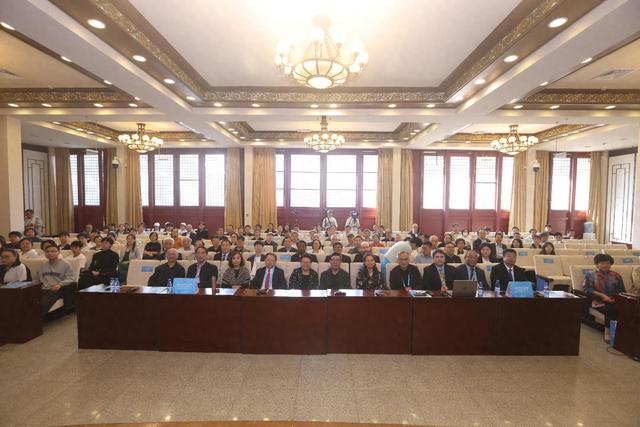
转自:北京日报客户端 9月24日上午,由市政府参事室(市文史馆)、孔庙和国子监博物馆共同主办的"'深巷好酒'如何'飘香万 里'——区域文化资源的挖掘与传承"2025北京文化论坛专业沙龙在京举办。 和凝聚力,树立现代城市形象具有重要的意义。北京师范大学珠海校区人文和社会科学高等研究院特聘 研究员大卫·巴拓识(David Bartosch)从中外比较视野阐释区域文化,认为区域文化资源是人类社会以 可持续方式融入区域与地球环境的源泉,更是创造力的根基,同时强调了区域文化间平等发展、相互交 流、统一协作的重要意义。清华大学建筑学院教授吕舟从北京中轴线申遗工作出发,提出城市独有的历 史文化能够使生活在城市中的人产生归属感和自豪感,进而形成社会的凝聚力,推动城市的不断发展和 繁荣,就如何写好北京中轴线申遗的"后半篇文章"提供了具体的实践路径。 郭涛 主题推介阶段,《北京日报》长安街知事主任郭涛结合北京"两园一河"协同联动发展方案实施,聚焦北 京的母亲河永定河,阐述了赓续传承永定河文化的重要意义,以及北京市近年来对永定河沿线生态修复 和综合治理的显著成效,描绘了新时代"山水京西、活力永定"的壮丽图景。 沙龙分主旨演讲、主题 ...
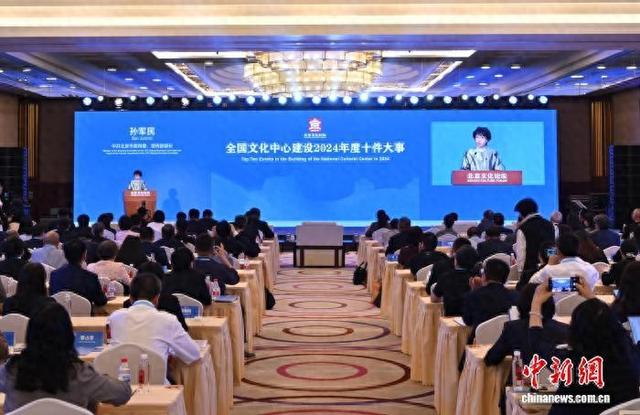
2025北京文化论坛首次创新举办重要成果发布专场活动
Zhong Guo Xin Wen Wang· 2025-09-24 08:48
Core Insights - The 2025 Beijing Cultural Forum highlighted significant cultural and technological integration achievements, emphasizing innovation and collaboration in cultural exchange [1][3][4] Group 1: Key Characteristics of Released Achievements - The achievements showcased at the forum are characterized by notable innovation, including projects like the "Chinese Ancient Books Intelligent Service Platform" and "Digital Atlas of Ancient Chinese Cities," which utilize digital technology to enhance the preservation and dissemination of historical culture [3] - Breakthroughs were evident in projects such as the "Ethical Norm Consensus for AI Services to Minors" and collaborations between the Central Radio and Television Station and mainstream media from 12 countries, addressing industry challenges through innovative mechanisms and models [3] - The forum presented leading projects like the Fourth AI Application Innovation Competition in Broadcasting and Network Audiovisual, and the "Scientist Spirit and Scientific Culture Theme Library," which exemplify new paths for cultural and technological integration [3] Group 2: Forum Overview - The 2025 Beijing Cultural Forum, co-hosted by the Central Propaganda Department and the Beijing Municipal Government, focused on the themes of "Inheritance, Innovation, and Mutual Learning," and "Cultural and Technological Integration Development" [4] - The forum included a main forum, six parallel forums, over 20 professional salons, and various accompanying activities aimed at fostering cultural dialogue and cooperation [4]
泡泡玛特副总裁谈潮流IP的全球化运营
Zhong Guo Jing Ji Wang· 2025-09-24 07:59
Core Insights - The core focus of the articles is on Pop Mart's strategy for globalizing its IP operations and enhancing cultural integration through diverse product offerings and experiences [1][2][4]. Group 1: IP Operations and Global Strategy - Pop Mart emphasizes that IP is the core driving force behind its operations, serving as an emotional connection with global consumers [1]. - The company has expanded its product categories from collectible toys to include building blocks, jewelry, desserts, and theme parks, showcasing a multidimensional approach to IP [1]. - As of June 2025, Pop Mart plans to have over 550 direct stores and 2,500 robot stores globally, with e-commerce networks covering over 30 countries, achieving over 100% growth in regions like the Americas, Asia-Pacific, Europe, and Greater China [2]. Group 2: Cultural Integration and Localized Marketing - Pop Mart actively integrates cultural elements into its products, launching region-specific items such as the UK punk-style SKULLPANDA and the Thai-dressed LABUBU, which reflect local cultural expressions [2]. - The company employs a "cultural adaptation + scene co-creation" strategy to penetrate different markets, participating in events like the 50th anniversary of China-Thailand diplomatic relations [3]. - Pop Mart's online and offline channels are continuously being enhanced to provide diverse consumer experiences, with its official online channels covering 37 countries and supporting multiple languages and currencies [3]. Group 3: Future Aspirations - The company aims to leverage IP as a core element to bring joy to global consumers through trendy toys and engaging experiences, with a vision to become a leading global cultural entertainment company [4].

北京文化论坛:中外学者共议科技赋能文化遗产保护
Xin Jing Bao· 2025-09-24 07:20
Core Points - The event "Technology Empowering Cultural Heritage Protection and Inheritance" was held on September 24 at the Palace Museum [1] - This salon is part of the 2025 Beijing Cultural Forum focusing on "Digital Empowerment of Cultural Heritage" [1] - The professional exchange activity is divided into two main sections: preventive protection of cultural heritage and digital monitoring [1]
一古一今双IP出圈!江苏两项成果亮相2025北京文化论坛
Xin Hua Ri Bao· 2025-09-24 06:44
Group 1 - The 2025 Beijing Cultural Forum was co-hosted by the Central Propaganda Department and the Beijing Municipal Government, focusing on the integration of culture and technology [3] - The "Su Chao" Jiangsu Provincial Urban Football League has attracted over 167 million viewers, setting a record for attendance at amateur football events in China, with more than 65% of participants being amateur players [1] - The "Su Chao" event has generated over 38 billion yuan in revenue through various cultural and tourism activities, showcasing the commercial value of grassroots sports [1] Group 2 - Nanjing University's "Digital Atlas Integration of Ancient Cities" project aims to digitally restore and protect nearly 3,000 ancient Chinese cities, utilizing a multidisciplinary team for data collection and analysis [2] - The project has produced over 1,300 historical satellite images and maps of ancient cities, contributing to the preservation of cultural heritage [2] - The 2025 Beijing Cultural Forum will feature around 800 domestic and international guests discussing topics such as digital empowerment of cultural heritage and the integration of technology in cultural innovation [3]
南大发布“中华古城数字图谱集成” 数智科技破解老城保护难题
Zhong Guo Jing Ji Wang· 2025-09-24 05:28
Core Insights - The article discusses the importance of protecting and utilizing ancient cities in China, highlighting the challenges in preserving their traditional features and historical context [1][2] - A significant initiative, the "Digital Atlas Integration of Chinese Ancient Cities," was launched by Nanjing University to leverage interdisciplinary digital technologies for the protection of ancient cities [1][2] Group 1: Project Overview - The project aims to create a digital platform for nearly 3,000 ancient cities, providing a historical geographic information system that illustrates the spatial changes of cities over the past century [1] - It includes a historical image compilation for about 500 ancient cities across four provinces, identifying the outlines of historical urban areas and analyzing urban features such as ancient streets and waterways [2] Group 2: Technological Integration - The initiative employs satellite imagery, GIS, image enhancement, and AI methods to address traditional preservation challenges systematically [2] - A digital restoration platform is being developed to reconstruct the appearance of typical ancient cities using drones, laser radar, and AI technology, generating multidimensional cultural maps [2] Group 3: Community Engagement - The project has launched the "Guardians of Ancient Cities" initiative to encourage public participation in cultural heritage preservation through mobile applications and QR code promotions [2] - The goal is to explore a "Chinese paradigm" for cultural transmission, contributing to the global heritage protection efforts with Eastern wisdom [2]
科技赋能文化遗产保护传承专业沙龙举办 共探文明守护新路径
Xin Jing Bao· 2025-09-24 05:10
Core Viewpoint - The 2025 Beijing Cultural Forum emphasizes the integration of technology in the protection and inheritance of cultural heritage, showcasing a collaborative effort to enhance preventive measures and digital monitoring in heritage conservation [1]. Group 1: Preventive Protection and Theoretical Framework - The forum aims to shift from "rescue repair" to "preventive protection," addressing long-term risks to cultural heritage through various expert analyses and solutions [2]. - A systematic framework for the digitalization of Chinese architectural heritage over the past 30 years was presented, highlighting a transition from crisis response to proactive protection and dynamic interaction [2]. - The collaborative protection model combining community participation, international cooperation, and technological innovation was emphasized, showcasing successful case studies from around the world [3]. Group 2: Engineering and Monitoring Innovations - Structural stability risks for cultural heritage buildings were discussed, with innovative models developed to assess and enhance stability while minimizing intervention [4]. - Advanced non-destructive testing techniques for wooden ancient buildings were introduced, focusing on the challenges of setting threshold values due to diverse structural systems [5]. - A comprehensive monitoring system for the Potala Palace was established, integrating various indicators to track structural health and ensure ongoing preservation [5]. Group 3: Digital Technology and Smart Solutions - The second half of the forum focused on the role of digital technology in cultural heritage protection, highlighting the importance of interdisciplinary collaboration [7]. - Innovative applications of multi-modal remote sensing technologies for precise monitoring of heritage sites were showcased, establishing a comprehensive risk management framework [8]. - The integration of real-time three-dimensional modeling technology aims to enhance the management and utilization of cultural heritage, promoting a shift towards intelligent digital solutions [9].