
数智融合

Search documents
聚链成势 • 智启未来:2026智能终端产业链创新峰会圆满举办,共探产业破局新路径
CINNO Research· 2026-03-17 12:09
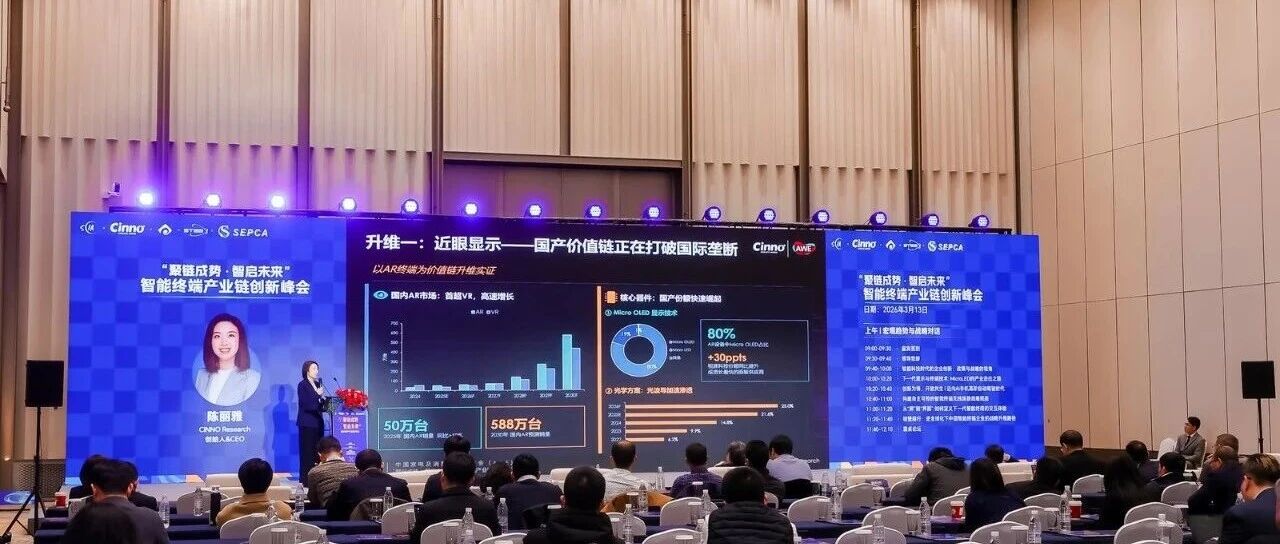
Core Viewpoint - The summit focused on the future of the smart terminal industry, emphasizing innovation, collaboration, and the integration of advanced technologies to navigate the challenges posed by global uncertainties and to enhance the industry's competitiveness [4][36]. Group 1: Summit Overview - The "2026 Smart Terminal Industry Chain Innovation Summit" was held in Shanghai, gathering key leaders and industry experts to discuss the future of the smart terminal sector [2][3]. - The event was supported by various industry associations and companies, highlighting a collaborative effort to address industry challenges and opportunities [3]. Group 2: Keynote Speeches - Pan Yan, Deputy Director of the Shanghai Municipal Economic and Information Commission, outlined Shanghai's strategic blueprint for high-quality development in the smart terminal industry, emphasizing the need for a globally competitive ecosystem [4]. - Professor Yu Jiang from the Chinese Academy of Sciences discussed the necessity of digital transformation in supply chains, stating that it has become a "must" for companies to integrate data and intelligent decision-making to meet national strategic needs [5]. - Dr. Yan Qun, an expert in next-generation display technologies, presented insights on MicroLED technology, highlighting its advantages and the need for industry collaboration to achieve mass production [7]. Group 3: Industry Challenges and Strategies - CINNO Research's CEO Chen Liya discussed the strategic elevation paths for Chinese smart terminal companies amid geopolitical tensions and technological barriers, predicting a significant rise in costs due to AI computing demands and geopolitical risks [15]. - The report indicated that the average price of DRAM is expected to rise by over 105% by 2026, leading to a 25% increase in smartphone costs [15]. - The Chinese display panel industry is projected to capture 70% of global production capacity, with a notable increase in domestic market share for OLED technology [15]. Group 4: Roundtable Discussions - A roundtable discussion highlighted the integration of display and semiconductor technologies, with experts emphasizing the importance of collaboration in developing standards and enhancing supply chain security [18]. - The discussion also addressed the need for companies to adapt their compliance strategies for international markets, particularly in light of potential legal challenges [18]. Group 5: Industry Innovations and Applications - The afternoon sessions focused on practical applications of technology, with presentations on exoskeleton robots and humanoid robots, showcasing their potential in various sectors [21][22]. - Innovations in acoustic technology were discussed, emphasizing the shift towards interactive sound interfaces in smart devices, which are becoming essential for user interaction [24]. - The advancements in display technologies were highlighted, with a focus on how AI and energy efficiency are driving the evolution of display interfaces [27][28]. Group 6: Future Outlook - The summit concluded with a call for the smart terminal industry to embrace innovation and collaboration to navigate the complexities of the global market, aiming for a transition from cost competition to value chain competition [36]. - CINNO Research aims to continue providing insights and support for the high-quality development of the smart terminal industry [36].

全国政协委员南存辉:制造业转型升级离不开技术创新与数智融合
中国能源报· 2026-03-07 12:11
Group 1 - The core viewpoint emphasizes the importance of digitalization and intelligent integration for the transformation and upgrading of the manufacturing industry, as highlighted by the chairman of Chint Group, Nan Cunhui [2] - Chint Group's transformer exports increased by 71.4% year-on-year, with factory orders already booked until 2027, indicating a significant market demand driven by continuous innovation [2] - Chint has achieved breakthroughs in key technologies for natural ester oil transformers, reducing carbon emissions by 98% and achieving a 100% biodegradability rate, positioning itself as a leader in green development within the transformer industry [2] Group 2 - Over its 40-year innovation journey, Chint has transformed from a traditional electrical equipment manufacturer to a provider of renewable energy solutions and comprehensive energy services, relying on technological innovation and digital integration for sustainable development [3] - Chint has made advancements in solid-state transformers, cascade energy storage, and virtual power plants, while enhancing smart manufacturing, green manufacturing, and service-oriented manufacturing levels [3] - The company has utilized "AI + cloud platform" technology to create industry models that promote digital transformation among suppliers, fostering growth for small and medium-sized enterprises [3]


工业互联网+智能装备 | 华元诚德书写制造升级新篇章
Sou Hu Cai Jing· 2026-02-28 01:14
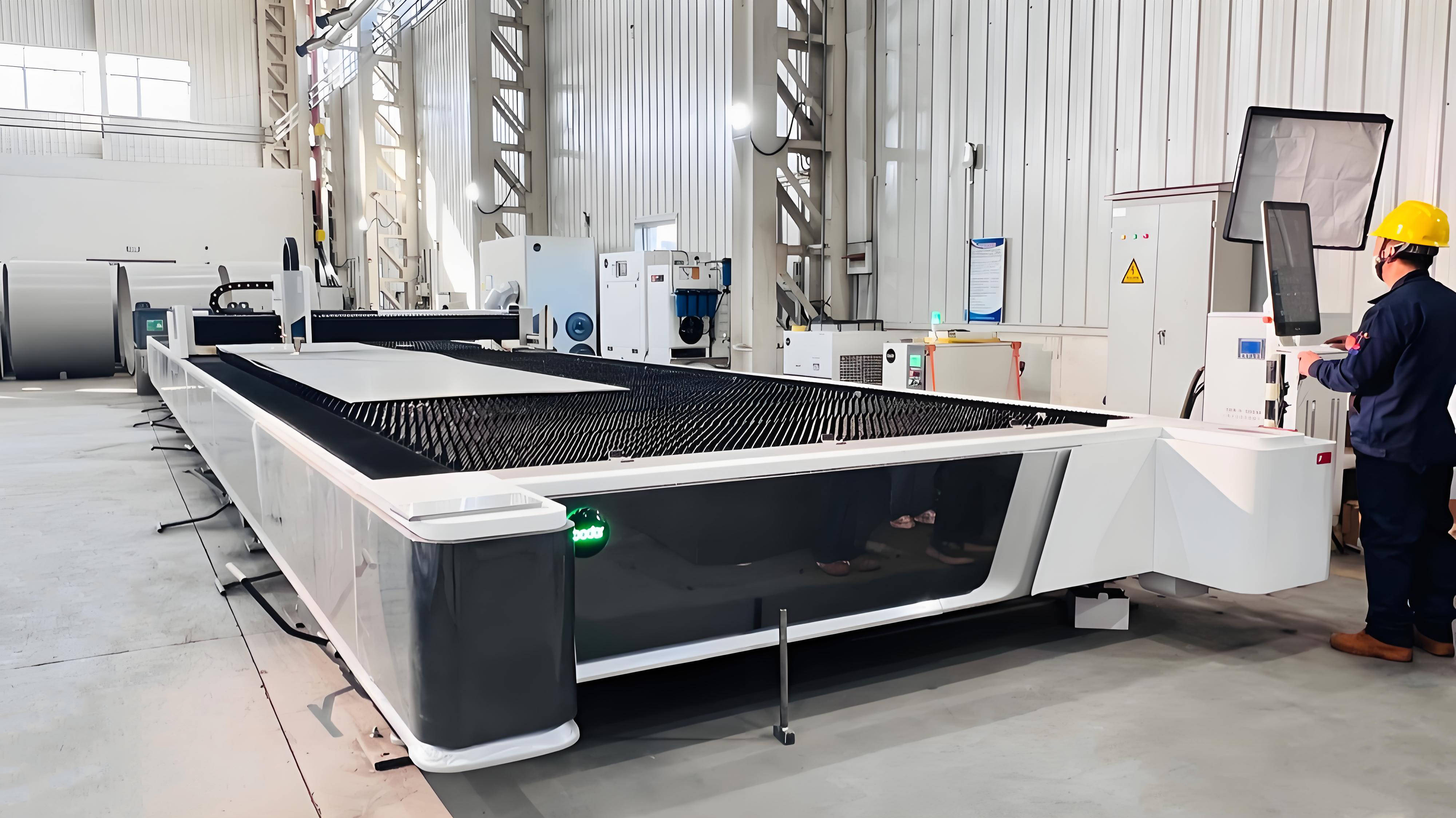
Core Insights - The article discusses the integration of industrial internet and smart equipment, highlighting the transformative potential for the manufacturing sector through the implementation of the "Action Plan for Promoting High-Quality Development of Industrial Internet Platforms (2026-2028)" issued by the Ministry of Industry and Information Technology [1] Group 1: Breaking Down Data Silos - The core premise of integrating industrial internet with smart equipment is data connectivity, which the company addresses by establishing a unified data management platform to enhance cross-departmental collaboration and optimize business processes [2] - The initiative has significantly improved operational efficiency and reduced costs, facilitating the large-scale application and efficient collaboration of smart equipment [2] Group 2: Empowering Production - The company has embedded smart equipment into two core scenarios, utilizing a comprehensive production control network to enhance quality, efficiency, and cost reduction [5] - By deploying industrial sensors and integrating production data through an industrial internet platform, the company has improved product quality stability and production efficiency [5] Group 3: Operational Services - The company has developed the "Chengde Tong" software to connect sensors with low-temperature pressure vessel equipment, enabling real-time monitoring of critical parameters [7] - This platform allows for predictive maintenance, significantly enhancing equipment availability and safety, thus creating new service value [7] Group 4: Strategic Implementation and Future Outlook - The company is actively implementing the national strategy for high-quality development of industrial internet through practical actions, focusing on a dual-driven transformation path of "intelligent equipment + talent adaptation" [8] - Future plans include deeper applications of artificial intelligence in process optimization and quality inspection, as well as productizing successful smart solutions to empower upstream and downstream enterprises [8]
中国联通:2025年前三季度联通云收入529亿元
Zheng Quan Ri Bao· 2026-02-24 10:15
Core Viewpoint - China Unicom's computing power business is expected to achieve significant scale by the third quarter of 2025, with cloud revenue reaching 52.9 billion yuan [1] Group 1: Financial Performance - The revenue from the data center has reached 21.4 billion yuan, showing a year-on-year increase of 8.9% [1] - The company reported a total cloud revenue of 52.9 billion yuan [1] Group 2: Business Strategy - China Unicom is focusing on deepening the integration of digital intelligence and real-world applications, promoting the combination of 5G, AI, and industrial internet to empower various industries [1] - The company has served over 20,000 customers with its 5G virtual private network [1] Group 3: Future Outlook - The company aims to maintain innovation while adhering to its core responsibilities, focusing on the key areas of "connectivity," "computing power," "services," and "security" to build differentiated advantages [1] - There is a commitment to further enhance operational efficiency and promote sustainable high-quality development [1]

奋进“十五五”,努力为全省发展大局多作宿迁贡献
Xin Hua Ri Bao· 2026-02-05 22:52
Core Viewpoint - The article outlines the strategic direction for the "15th Five-Year Plan" in Jiangsu Province, emphasizing high-quality development and the construction of a new, prosperous, and beautiful Suqian city, while integrating various development paths and focusing on key industries and reforms [1][2]. Group 1: Economic Development - The entity aims to enhance industrial strength by focusing on the real economy and implementing a new round of a trillion-yuan industrial action plan, targeting key sectors such as "a beam of light, a film, a seed, a silk, and a bottle of wine" for core technology breakthroughs [1]. - The construction of a "619" industrial system is prioritized, with an emphasis on brand enhancement, extending industrial chains, and fostering new productive forces tailored to local conditions [1]. Group 2: Digital Integration - The strategy includes the integration of digital intelligence as a key engine for growth, with initiatives like the "Artificial Intelligence+" action plan aimed at strengthening major industries such as big data and intelligent robotics [2]. - The goal is to transition Suqian from an "e-commerce city" to a "digital intelligence new city" through the implementation of the "Hundred Scenes Application" project in artificial intelligence [2]. Group 3: Reform and Opening Up - The entity plans to deepen the "Four Modernizations" integrated reform, focusing on state-owned enterprises and market-oriented resource allocation to unleash development potential [2]. - Key infrastructure projects, such as the Su-Lian waterway and Weishui-Suqian railway, are being advanced to enhance the logistics system for cross-border e-commerce, transforming transportation corridors into economic corridors [2]. Group 4: Safety and Governance - Safety development is emphasized as a baseline requirement, with a focus on improving governance capabilities and public service systems in education, healthcare, and child welfare [2]. - The article highlights the importance of risk assessment and management in areas such as high-rise buildings, urban gas, and road traffic to enhance overall safety levels and protect public well-being [2].
东阿阿胶以新质生产力擘画中医药高质量发展新蓝图
Xin Hua Wang· 2026-02-03 07:49
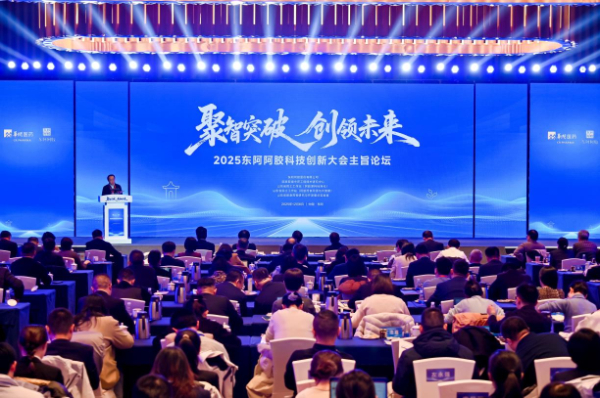
Core Viewpoint - The article emphasizes the importance of innovation and modernization in the traditional Chinese medicine industry, particularly through the example of Dong-E E-Jiao Co., Ltd, which is leveraging technology and research to drive high-quality development and transformation in the industry [1][15]. Group 1: Financial Performance - Dong-E E-Jiao's revenue increased from 3.849 billion yuan in 2021 to 5.921 billion yuan in 2024, reflecting a steady growth trajectory [1]. - The company achieved a net profit of 1.557 billion yuan in 2024, marking a year-on-year growth of 35.29%, the highest in five years [15]. Group 2: Technological Innovation - The core of developing new productive forces lies in technological innovation, with Dong-E E-Jiao placing significant emphasis on scientific research to enhance product efficacy [2][15]. - The company has made breakthroughs in the study of active substances in E-Jiao, earning awards such as the China Patent Excellence Award and the Shandong Provincial Science and Technology Progress Second Prize [2]. Group 3: Research and Development Framework - Dong-E E-Jiao has established a comprehensive R&D matrix, referred to as "one center, three highlands + N collaborations," focusing on various aspects of E-Jiao research [4]. - The company collaborates with over 40 universities and research institutions, forming a robust innovation network to enhance its research capabilities [4]. Group 4: Industry Challenges and Solutions - The company addresses common technological bottlenecks in the industry by focusing on the entire industrial chain of E-Jiao, integrating specialized equipment, production processes, and quality control [6]. - Significant foundational research has led to the identification of a new active peptide from E-Jiao, providing scientific evidence for its blood-enriching properties [6]. Group 5: Digital Transformation - Dong-E E-Jiao's digital transformation includes the implementation of an intelligent production line for traditional Chinese medicine, enhancing efficiency and precision through automation [9]. - The company has been recognized as a "Digital Leading Enterprise" and a "Top-Level Intelligent Factory," becoming the first in the pharmaceutical industry to achieve a four-star certification in digital transformation maturity [9]. Group 6: Cultural and Ecological Integration - The company is expanding its business model through cultural tourism and regional collaboration, creating a new ecosystem that integrates industrial manufacturing, cultural heritage, and health services [10][12]. - Dong-E E-Jiao is actively participating in regional development strategies, such as the "Royal Weichang 1619" brand strategy in Northeast China, and establishing ecological planting bases in Inner Mongolia [12]. Group 7: Strategic Vision - Since initiating the "1238" strategic transformation in 2022, Dong-E E-Jiao has focused on a dual-driven strategy centered on pharmaceuticals and health consumer products [14]. - The company aims to transition from cultural and brand narratives to a technology-driven narrative, aspiring to become a leader in the integration of health culture and technological innovation [15].

中国太保董事长傅帆 : 以“AI原生分公司”为突破口向“数智融合”跃升
Xin Hua Cai Jing· 2026-02-03 05:59
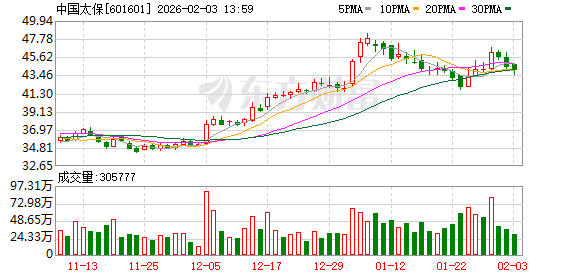
Core Viewpoint - The transformation towards digital intelligence is essential for the survival and development of enterprises, particularly in the insurance industry, which must evolve from being mere risk bearers to becoming partners in national risk governance and practitioners of patient capital [2] Group 1: Strategic Initiatives - China Pacific Insurance (CPIC) has launched the "AI+" strategy, aiming to deeply integrate artificial intelligence into the core value chain of insurance through three transformative levels [2] - The first level focuses on reshaping risk management to be more proactive and forward-looking, utilizing AI for effective risk reduction in areas such as technological innovation, green development, inclusive livelihood, and health care [2] - The second level aims to enhance service experience by leveraging AI for personalized protection based on customer needs and automating service processes for instant claims and support [3] Group 2: Organizational Transformation - The third level involves reshaping productivity and organizational collaboration, with CPIC initiating pilot "AI-native branches" to transition from human-driven processes to human-machine collaboration, advancing the group's digital transformation to a higher stage of "intelligent integration" [3] - The "2025 AI Application White Paper" released at the conference suggests that the evolution of AI towards general artificial intelligence will significantly alter customer behavior, business logic, and competitive dynamics [3] Group 3: Strategic Requirements - CPIC emphasizes that the implementation of the "AI+" strategy requires adherence to three key principles: commitment from top management, breaking down data silos, and avoiding superficial digitization by fundamentally reshaping core logic [4]

宿迁全面启动数智新城建设,实施人工智能“百景应用”
Yang Zi Wan Bao Wang· 2026-02-02 16:00
Core Insights - The city of Suqian is focusing on building a "Smart City" to leverage opportunities from digital integration and e-commerce, aiming for a transition by 2030 from an e-commerce city to a smart city [1][2] Group 1: Strategic Planning - Suqian has developed a five-year plan and a three-year action scheme to support the construction of the Smart City, emphasizing scenario construction and the OPC (One Person Company) model [1] - The "14th Five-Year" development plan for Suqian's Smart City includes five dimensions: new smart economic structure, new urban space, new social forms, new governance models, and new infrastructure support [1] Group 2: Action Plans and Goals - An action plan for the Smart City from 2026 to 2028 has been established, targeting a digital economy output of 200 billion yuan, with 15% of revenue from core digital economy enterprises [2] - The plan aims to add 600 new digital economy enterprises and achieve an artificial intelligence industry cluster output of 72 billion yuan by 2028 [2] Group 3: Artificial Intelligence Initiatives - Suqian is implementing a "Hundred Scenarios Application" project in artificial intelligence, focusing on 165 specific scenarios across nine sectors, including public services and healthcare [2] - The integration of AI technologies such as robots and drones into these scenarios is expected to create significant market opportunities for AI companies [2] Group 4: OPC Development - The city is promoting the OPC model to foster entrepreneurship, with a specific implementation plan and tailored support policies to encourage innovation [3] - The "OPC Ten Hundred Thousand" initiative aims to create a conducive environment for mass entrepreneurship and innovation [3] Group 5: Societal Impact - The development of the Smart City is projected to create 50,000 new jobs, particularly in data annotation and collection [3] - Smart community and street initiatives will enhance the quality of life for residents, introducing new consumption patterns such as smart transportation and digital tourism [3] Group 6: Government Services Enhancement - The integration of data and AI into government services will lead to streamlined processes, improving user experience with features like "no application required" and "instant access" [4]
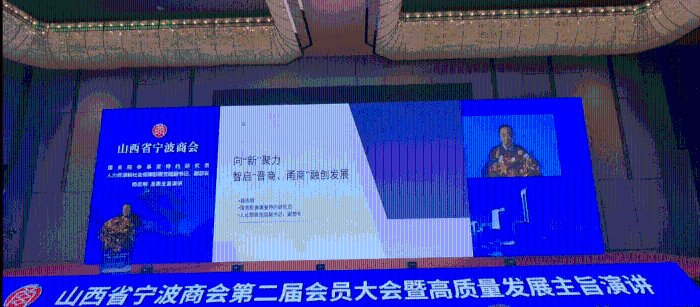
国务院参事室特约研究员杨志明:向“新”聚力 晋商甬商数智融合共创未来
Xin Lang Cai Jing· 2026-01-27 03:23
Core Viewpoint - The digital economy is recognized as a leading force in technological revolution and industrial transformation, presenting historical opportunities for the integration and development of Shanxi and Ningbo merchants [1] Group 1: Historical Context - Shanxi merchants historically excelled in land trade and financial services during the Ming and Qing dynasties, while Ningbo merchants were known for maritime trade and banking, embodying a spirit of innovation and entrepreneurship [1] - The complementary trade network between Shanxi and Ningbo merchants has deep historical roots, particularly in commodities like tea, silk, and cotton [1] Group 2: Current Trends in Human Resources - The digital economy is reshaping business ecosystems and industrial transformations, injecting strong momentum into trade cooperation and talent development between Shanxi and Ningbo [3] - There are three significant trends in human resource development: 1. The demand for skilled labor is shifting from quantity to quality, with a need for high-skilled talent to support economic transformation [3] 2. The supply of skilled labor is transitioning from unlimited to limited, with a decreasing number of new migrant workers, making talent cultivation crucial [3] 3. The new generation is actively engaging in modern service industries, with 70% of the 110 new occupations created by the digital economy related to digitalization and intelligence [3] Group 3: Innovation Directions - Five innovation directions are proposed to address the changing landscape of human resources: 1. Mechanism innovation to unleash the potential of data and activate intelligent labor [4] 2. Technological innovation to upgrade traditional industries towards transparency, digital factories, and intelligent mining [4] 3. Scenario innovation to integrate industrial internet, smart cities, and human resource services [4] 4. Talent innovation focusing on both high-tech and high-skilled talents, as well as returning overseas and local talents [4] 5. Environmental innovation to create a collaborative ecosystem between government and enterprises, integrating education and industry [4] Group 4: Future Outlook - Shanxi and Ningbo, both historically rich and vibrant regions, are encouraged to leverage digital technologies and traditional strengths to achieve mutual benefits through innovation and development [4] - The aim is to establish a deeply integrated development ecosystem encompassing innovation chains, industrial chains, supply chains, talent chains, and value chains, contributing to high-quality development [4] Group 5: Event Summary - The meeting held from January 24 to 25 in Taiyuan, Shanxi, resulted in the election of a new council for the Shanxi Ningbo Chamber of Commerce, with over 300 industry experts and representatives from both regions discussing new cooperation opportunities [5]
北京放大招!商业航天新政发布,打造天地一体、数智融合新高地
Jin Rong Jie· 2026-01-26 09:05
Core Insights - Beijing's Economic and Information Technology Bureau, along with three other departments, has issued measures to promote the development and utilization of commercial satellite remote sensing data resources from 2026 to 2030, aiming to create an innovative service hub for satellite applications that integrates terrestrial and space technologies [1] Group 1: Policy Measures - The measures focus on the full lifecycle development and utilization of remote sensing data resources, proposing 14 specific initiatives to establish a comprehensive policy support system [2] - Policies encourage the cultivation of market entities that integrate "satellite data + industry," support mergers and acquisitions to create globally competitive leading enterprises, and provide R&D tax incentives for companies in AI data processing and space-based computing [2] - The initiative aims to break down data barriers and technological bottlenecks, promoting the construction of multi-source integrated satellite big data platforms and accelerating the development of urban spatial digital foundations [2] Group 2: Industrial Development - Beijing E-Town has emerged as a core area for commercial aerospace, recently announcing nine major capacity projects with a total investment exceeding 15 billion yuan, which will rapidly form new production capacities across the entire industry chain [3] - The region has attracted a dense cluster of commercial aerospace companies, with 75% of commercial rocket enterprises and the highest concentration of commercial internet satellite companies in the country, establishing a comprehensive industrial ecosystem [3] Group 3: Infrastructure and Innovation - The first national common research and production base for commercial aerospace has been completed and is now operational, featuring technology platforms, R&D centers, and high-end manufacturing facilities to support the entire development chain of commercial aerospace [4] - As of now, 70% of China's commercial aerospace achievements originate from Beijing, with over 300 commercial aerospace companies in the city, and the industry scale has surpassed 100 billion yuan [4] Group 4: Future Outlook - Looking ahead to the 14th Five-Year Plan, Beijing aims to provide greater support for the commercial aerospace industry, emphasizing the importance of building a healthy and sustainable industrial ecosystem [5] - The integration of financial innovations, such as insurance products for commercial aerospace, aligns with the policy's goals of optimizing financial support and enhancing risk protection for enterprises [6] - The commercial aerospace industry is entering a golden development period driven by both supply and demand, with significant growth expected as policies continue to strengthen and regional clustering effects become more pronounced [6]