iRobot

Search documents
Tesla's iRobot Moment (Rating Downgrade)
Seeking Alpha· 2025-10-21 13:30
Core Insights - Tesla, Inc. achieved record deliveries in the third quarter, but this is likely an anomaly as the demand for electric vehicles (EVs) is expected to decline moving forward [1] Company Analysis - The primary focus of Tesla is shifting towards mass production of its Optimus robots, indicating a strategic pivot away from solely concentrating on EVs [1]




iRobot in 'really interesting' growth phase, says marketing chief; shares soar (IRBT:NASDAQ)
Seeking Alpha· 2025-10-15 16:18
Core Insights - iRobot's shares experienced a significant surge, rising as much as 55% to a seven-month high of $6.09 following positive remarks from the company's marketing chief, Athena Kasvikis [2] Company Performance - The stock price increase indicates strong market confidence in iRobot's current business situation and future prospects [2] Market Reaction - The sharp rise in share price reflects investor optimism and could suggest a potential turnaround for iRobot in the competitive home robotics market [2]
知名机器人专家喊话:投人形机器人初创公司的数十亿美元,正在打水漂
AI前线· 2025-10-10 04:17
Core Viewpoint - Rodney Brooks, a renowned roboticist and co-founder of iRobot, criticizes the approach of teaching robots through human task videos, labeling it as "pure fantasy" due to the complexity of human hand structure and the lack of tactile data technology [2][3]. Group 1: Robotics Technology and Challenges - Brooks highlights that human hands have approximately 17,000 specialized tactile receptors, a level that current robots cannot approach [2]. - He points out that while machine learning has transformed voice recognition and image processing, there is no similar technological accumulation in the field of tactile data [2]. - Full-sized humanoid robots require significant energy to remain upright, and if they fall, the harmful energy produced can be eight times greater if the robot's size is doubled [2]. Group 2: Predictions on Humanoid Robots - Brooks predicts that successful humanoid robots in 15 years will likely have wheels, multiple mechanical arms, and specialized sensors, abandoning the human form altogether [3]. - He believes that the billions of dollars currently invested are merely funding expensive training experiments that will never achieve scalable mass production [3]. Group 3: AI Tools and Efficiency - A study by the nonprofit organization METR found that developers took 19% longer to complete tasks when using AI tools, despite their belief that AI improved their efficiency by 20% [4]. - Brooks has consistently argued that AI is not the existential threat to humanity that some, including Elon Musk, claim it to be [4]. Group 4: Industry Dynamics and Funding - Humanoid robot manufacturer Apptronik has raised nearly $450 million, with Google as an investor, and has partnered with Google DeepMind to combine AI technology with advanced hardware [5]. - Figure, another robotics company, has received over $1 billion in funding and claims a valuation of $39 billion, despite parting ways with OpenAI [5].

美股机器人概念股走强,Richtech Robotics涨近14%
Mei Ri Jing Ji Xin Wen· 2025-10-03 15:57
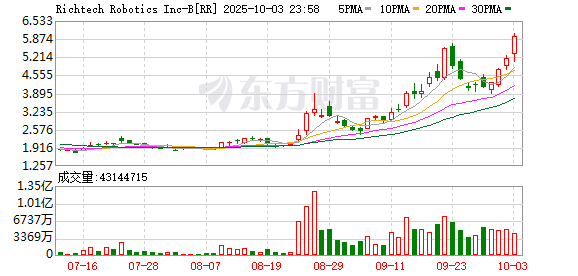
Core Viewpoint - The U.S. stock market saw a significant rise in robotics-related stocks on October 3, with notable increases in share prices for several companies in the sector [2] Company Summaries - Richtech Robotics experienced a nearly 14% increase in its stock price [2] - iRobot's stock rose by nearly 8% [2] - Serve Robotics saw its stock price increase by over 6% [2]

中国扫地机的越南“生意经”
经济观察报· 2025-10-01 04:30
Core Viewpoint - The competition landscape for Chinese cleaning appliance manufacturers has shifted from online traffic and technology iteration in the domestic market to channel coverage and service capabilities in overseas markets like Vietnam [1][14]. Group 1: Market Dynamics in Vietnam - In Vietnam, the sales strategy for cleaning appliances, particularly robotic vacuums, relies heavily on offline channels, with approximately 70% of sales coming from physical stores [6][10]. - The local market is characterized by a trust network built on specific locations and personal relationships, making face-to-face service crucial for consumer confidence [9][12]. - The penetration rate of robotic vacuums in Vietnam is currently below 10%, indicating significant growth potential as the market matures [16][18]. Group 2: Competitive Landscape - Chinese brands like Ecovacs, Roborock, and others have captured over 80% of the Southeast Asian robotic vacuum market, with Ecovacs holding a market share exceeding 40% in Vietnam [6][13]. - The competitive pressure from traditional brands like iRobot has diminished in the robotic vacuum segment, allowing Chinese companies to dominate [13][14]. Group 3: Sales and Distribution Strategy - Ecovacs employs a "single country single agent" model in Vietnam, partnering with a local distributor to manage marketing, sales, and after-sales service, which allows for a more localized approach [11][12]. - The company has established over 1,000 sales points in Vietnam, primarily through small family-run stores, enhancing community engagement and trust [10][12]. Group 4: Future Outlook - The cleaning appliance industry is expected to experience intense competition for the next three to five years, with opportunities for growth in overseas markets as domestic markets stabilize [16][17]. - The average income in Vietnam allows consumers to invest in cleaning appliances, with a willingness to spend on products that enhance their lifestyle [13][16].


中国扫地机的越南“生意经”
Jing Ji Guan Cha Wang· 2025-09-30 00:13
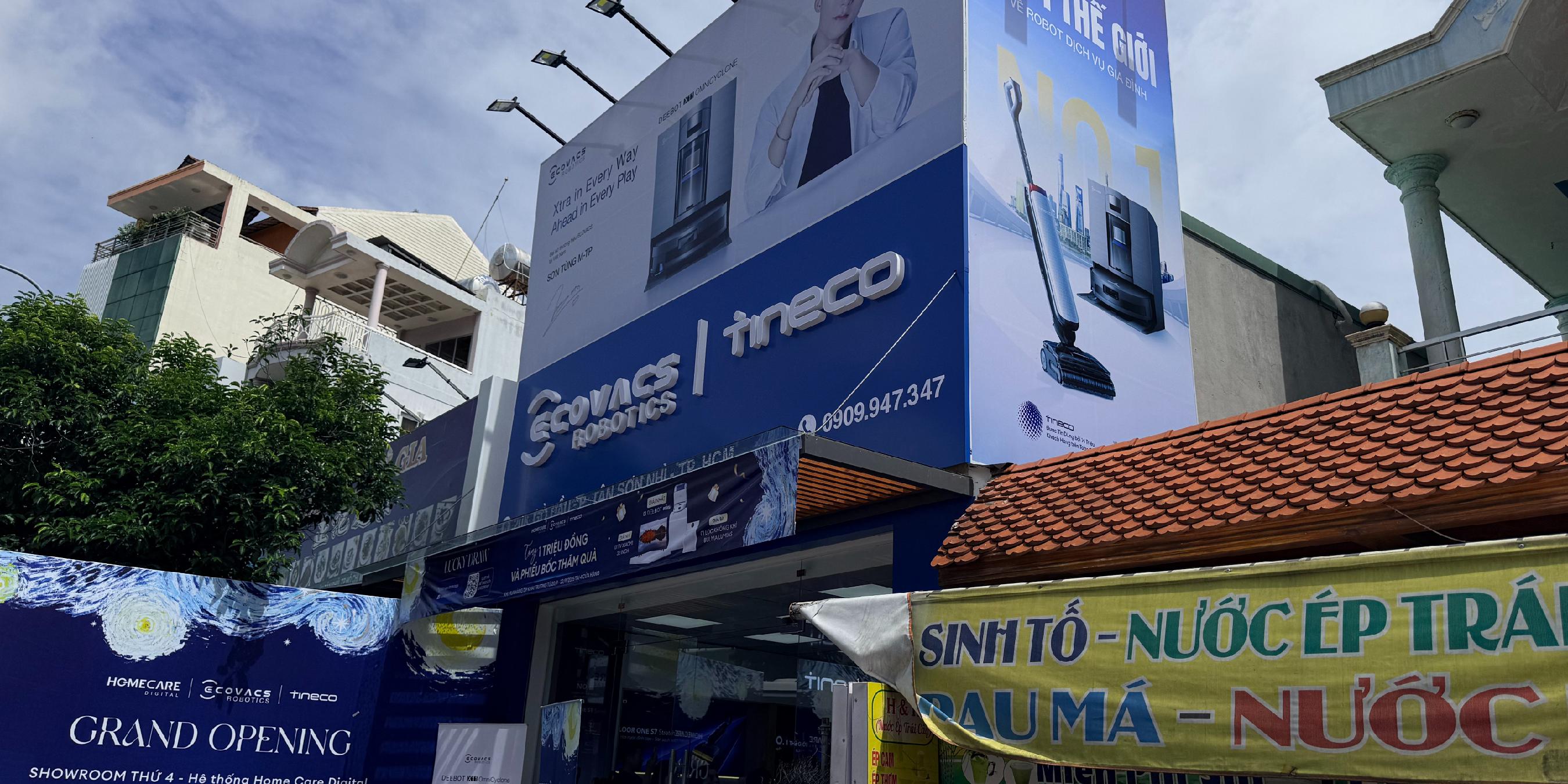
Core Insights - The article discusses the strategic shift of Chinese cleaning appliance manufacturers, particularly Ecovacs, in adapting their business model for the Vietnamese market, emphasizing the importance of offline sales and local trust networks over online sales strategies that dominate in China [3][4][5][10]. Group 1: Market Entry Strategy - Ecovacs has opened a new store in Ho Chi Minh City, showcasing its products alongside its sister brand, Tineco, with prices for popular models ranging from approximately 2,600 RMB to 6,000 RMB [2]. - The company has established over 1,000 sales points in Vietnam, primarily through a "single country single agent" model, allowing a local distributor to manage marketing, sales, and after-sales service [7][8]. - The Vietnamese market is characterized by a high reliance on offline sales, with about 70% of Ecovacs' sales coming from physical stores, contrasting with the online-heavy strategy used in China [3][4]. Group 2: Consumer Behavior and Market Dynamics - Vietnamese consumers exhibit a high acceptance of new technology, with a significant portion of their income allocated to consumption, making them willing to invest in cleaning appliances [10]. - The retail environment in Vietnam is shaped by a trust-based network, where consumers prefer to purchase from local stores where they can establish personal relationships with sellers [5][9]. - The market for robotic vacuum cleaners in Vietnam is expected to grow significantly, with retail sales projected to increase by over 70% year-on-year in the first half of 2025 [10]. Group 3: Competitive Landscape - Ecovacs currently holds over 40% market share in Vietnam, competing primarily with other Chinese brands like Roborock and Dreame, as well as the American brand iRobot [11][12]. - The competitive focus has shifted from online traffic and pricing in China to channel coverage and service capabilities in Vietnam [12][20]. - The overall market for cleaning appliances in Vietnam remains underpenetrated, with a current penetration rate of less than 10% for robotic vacuums, indicating substantial growth potential [17]. Group 4: Production and Product Strategy - Companies like Roborock have begun establishing local manufacturing facilities in Vietnam to meet demand and mitigate risks associated with supply chain disruptions [18]. - The trend is moving towards higher-value products, with manufacturers aiming to develop multifunctional devices that can command higher prices, moving away from price wars [19]. - Ecovacs and other companies are leveraging their experience in the Chinese market to replicate successful product strategies in Vietnam, focusing on high-value offerings [20].
X @TechCrunch
TechCrunch· 2025-09-27 06:49
Brooks, who co-founded iRobot and spent decades at MIT, is particularly skeptical of companies like Tesla and Figure trying to teach robots dexterity by showing them videos of humans doing tasks. In a new essay, he calls this approach "pure fantasy thin... https://t.co/lG4vOGuloO ...
渗透率不足10%,中国品牌已占比80%!越南成扫地机器人新战场
第一财经· 2025-09-25 09:12
Core Viewpoint - The Southeast Asian market, particularly Vietnam, is experiencing significant growth in the robotic vacuum cleaner sector, with Chinese brands dominating the market and increasing consumer acceptance of these products [4][8][14]. Market Growth - The overall sales scale of the robotic vacuum cleaner market in Vietnam is expected to grow by approximately 80% this year, reaching $10 million [5]. - Vietnam is the largest market for robotic vacuum cleaners in Southeast Asia, with a population of about 90 million and a young demographic that is open to new technology [6][14]. - The penetration rate of robotic vacuum cleaners in Vietnam is currently below 10%, indicating substantial market potential [7][14]. Competitive Landscape - Chinese brands, including Ecovacs, Roborock, and others, now account for about 80-90% of the market share in Vietnam, a significant increase from previous years [8][10]. - The competitive landscape has shifted from American brands like iRobot to predominantly Chinese brands, which are now the main competitors in the market [9][10]. - The average selling price of robotic vacuum cleaners in Southeast Asia has increased by over 40% year-on-year, driven by the demand for high-end, intelligent features [10]. Sales Channels - Ecovacs reports that approximately 15% of its sales revenue in Vietnam comes from online channels, while 85% is from offline sales, reflecting the importance of physical retail presence [12]. - The company has established around 1,000 sales outlets across Vietnam, including dedicated stores and counters in major appliance retailers [5][12]. Future Potential - The market for robotic vacuum cleaners in Southeast Asia is expected to continue growing, with increasing consumer income and a focus on product quality and brand reputation [14]. - The potential market size in urban areas like Ho Chi Minh City and Hanoi is significant, with estimates suggesting that a 15% penetration rate could lead to sales of 750,000 units [14]. - Other Southeast Asian countries, such as Malaysia and Thailand, are also experiencing rapid growth in the robotic vacuum cleaner market, indicating a broader regional opportunity [14]. Challenges - Chinese companies face challenges in maintaining healthy competition and educating the market about robotic vacuum cleaners [15]. - There is a need for product differentiation to cater to local consumer preferences, as seen in markets like Indonesia where consumer habits vary [17].
渗透率不足10%,中国品牌已占比80%!越南成扫地机器人新战场
Di Yi Cai Jing· 2025-09-25 07:30
Core Insights - The Southeast Asian market for robotic vacuum cleaners, particularly in Vietnam, is experiencing significant growth, with a projected sales increase of approximately 80% this year, reaching around $10 million [4][7] - Chinese brands dominate the market, holding about 80-90% of the market share, with major players including Ecovacs, Roborock, and others [8][10] - The market potential remains vast, with a low penetration rate of less than 10% for robotic vacuums in Vietnam, indicating room for expansion as consumer income levels rise [7][13] Market Dynamics - The Vietnamese robotic vacuum cleaner market has evolved significantly over the past eight years, with a shift from American brands like iRobot to a predominance of Chinese brands [8][10] - Ecovacs has established around 1,000 sales outlets across Vietnam, including dedicated stores and counters in major appliance retailers [5][11] - The average selling price of Ecovacs' products in Vietnam ranges from 2,600 to 7,000 RMB, making them accessible to a growing middle class [7][15] Competitive Landscape - The competition in the Southeast Asian robotic vacuum market is intensifying, with Chinese brands competing both online and offline [10][11] - The market is characterized by a focus on high-end, intelligent features such as full smart bases and advanced navigation systems, which are becoming standard for consumer purchases [10][11] - Ecovacs and other Chinese brands are leveraging local partnerships and marketing strategies to enhance brand visibility and consumer engagement [15][16] Future Outlook - The potential for growth in the Southeast Asian market is substantial, with estimates suggesting that if penetration reaches 15%, there could be a demand for approximately 750,000 units in major cities like Ho Chi Minh City and Hanoi [13] - As consumer preferences shift towards technology and quality, brands that offer unique product designs and experiences are likely to gain a competitive edge [13] - The overall global market for cleaning robots is expected to continue its stable growth, with increasing competition among brands [15]
iRobot Rockets 25% as Fed Rate Cut Lifts Market Leaders
PYMNTS.com· 2025-09-22 08:00
Market Performance - The CE 100 Index increased by 2.3% during the week when the Federal Reserve cut interest rates for the first time this year, outperforming general market gains [1] - Comparative performance over different time frames shows the CE 100 Index with a year-to-date increase of 19.48% and a one-year increase of 32.62%, significantly higher than the S&P 500's one-year increase of 9.86% [2] Company Highlights - The Work segment led the gains with an increase of 5.4%, driven by CrowdStrike Holdings, which surged by 15.2%, and Fiverr, which gained 11.8% [4] - CrowdStrike and Salesforce announced a partnership to enhance security for AI applications, integrating CrowdStrike Falcon Shield with Salesforce Security Center for improved protection and response [5][6] - iRobot shares soared by 25.2% after announcing an extension of its credit agreement waiver period with TCG Senior Funding and other lenders [7] Payment Sector Developments - The Pay and be Paid sector advanced by 2.3%, with Mastercard partnering with HyperPay to issue commercial cards in Saudi Arabia, UAE, and Qatar, targeting small to mid-sized businesses [8] - Visa introduced Visa Private for wealthier cardholders, launching in the UAE with plans for a wider rollout in the Gulf region, anticipating a net inflow of about 9,800 millionaires by 2025 [9] - Affirm announced partnerships to provide pay-over-time options for ServiceTitan and Vagaro, resulting in a 10.5% increase in its stock [10][11] Regulatory Challenges - LiveNation's shares fell by 5.7% following an FTC lawsuit in California regarding Ticketmaster's alleged monopolistic practices in the ticketing market [12] E-commerce Expansion - Amazon expanded its third-party logistics product to support merchants on Walmart, Shopify, and Shein, contributing to a 1.5% increase in its shares as the Enablers segment rose by 3% [13]