洗地机

Search documents
海尔智家去年营收首破3000亿元,家电行业在存量竞争中加速洗牌
Di Yi Cai Jing· 2026-03-26 14:54
Core Viewpoint - The home appliance industry is experiencing a divergence in performance among listed companies, with leading firms becoming stronger amid increasing uncertainties such as trade tariffs and rising costs [1] Company Performance - Haier Smart Home (600690.SH) reported its revenue for 2025 exceeded 300 billion yuan, reaching 302.347 billion yuan, a year-on-year increase of 5.715% [3] - The net profit attributable to shareholders was 19.553 billion yuan, reflecting a year-on-year growth of 4.39% [3] - The net cash flow from operating activities was 26.003 billion yuan, and the company proposed a dividend of 8.867 yuan per 10 shares, totaling 8.248 billion yuan [3] Market Trends - According to AVC, the retail sales of all home appliance categories (excluding 3C) in China for 2025 were 893.1 billion yuan, a year-on-year decline of 4.3%, with the second half of the year seeing a 16% drop [3] - The "silver economy" is creating new opportunities in the aging population segment for home appliances [3] - Euromonitor data indicates a stable global home appliance market with structural differentiation, where developed markets remain stable while emerging markets show strong growth [3] Product Performance - Haier's air conditioning and water appliance segments saw revenue growth of around 10%, while refrigerator, washing machine, and kitchen appliance segments experienced stable growth [3] - Domestic revenue for Haier was 146 billion yuan, up 3.05% year-on-year, while overseas revenue reached 154.5 billion yuan, growing 8.15% [3] Strategic Initiatives - Haier is developing three growth curves: traditional white goods, HVAC (heating, ventilation, and air conditioning), and the aging industry, while seizing opportunities in globalization and smart technology [4] - The company has established new production facilities for air conditioners in Thailand and water heaters in Russia, focusing on regional depth, multi-point layout, and self-control in its globalization strategy [5] - Haier is integrating home appliances with robotics, showcasing various robots at AWE, including companion, cleaning, and household robots, along with aging-friendly products [5] Competitive Landscape - In contrast to leading companies like Haier, smaller kitchen appliance firms faced performance challenges, with Joyoung Co., Ltd. (002242.SZ) reporting a revenue decline of 7.23% to 8.2 billion yuan and a net profit drop of 3.85% to 118 million yuan [5] - Joyoung is working to optimize its product structure amid intensified competition in the home appliance market, focusing on high-end products and expanding into new categories [5]


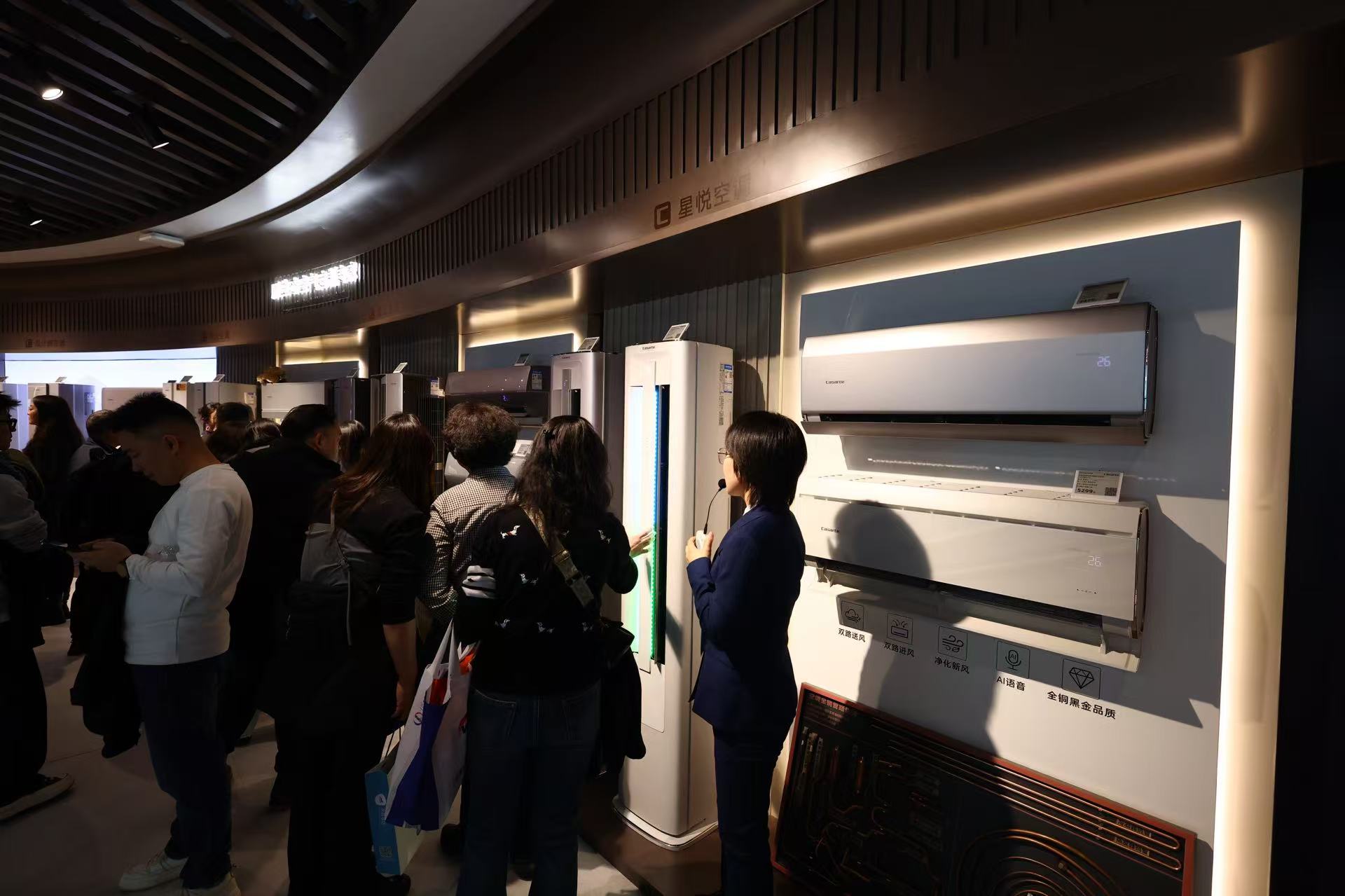
家用电器行业专题报告:重视红利与全球化
CAITONG SECURITIES· 2026-03-24 13:20
Investment Rating - The industry investment rating is "Positive" (maintained) [1] Core Viewpoints - The report emphasizes the importance of dividends and globalization in the home appliance sector [1] - Domestic sales of color TVs and washing machines have shown good performance in offline channels since 2026, while online sales of some small appliances have also performed well [6][10] - Export performance has been strong since 2026, with a notable increase in home appliance exports to emerging markets [19][24] - The report suggests that despite growth pressures due to high base effects from the previous year, leading brands are showing resilience and growth potential [38] Summary by Sections Domestic Sales - In January-February 2026, offline sales of color TVs and washing machines performed well, while online sales faced pressure. For color TVs, online sales were 1.973 million units with a revenue of 6.94 billion yuan, showing a year-on-year decline of 29.7% and 14.5% respectively. Offline sales were 534,000 units with a revenue of 3.45 billion yuan, showing a year-on-year increase of 25.1% and 27.8% [10] - For refrigerators, online sales were 2.019 million units with a revenue of 5.22 billion yuan, down 17.0% and 4.9% year-on-year, while offline sales were 523,000 units with a revenue of 3.10 billion yuan, up 8.8% and down 0.6% year-on-year [10] - Air conditioning sales faced overall pressure, with online sales of 1.254 million units and a revenue of 3.89 billion yuan, down 37.3% and 35.3% year-on-year [10] Export Performance - Since 2026, the export performance has been strong, with total domestic exports in January-February 2026 amounting to 4.6 trillion yuan, a year-on-year increase of 19%. In USD terms, the total export was 0.7 trillion USD, up 22% year-on-year [19] - Home appliance exports in January-February 2026 were 119.2 billion yuan, reflecting a year-on-year increase of 9% [19] Investment Recommendations - The report recommends focusing on companies such as TCL Electronics, Midea Group, Gree Electric, Haier Smart Home, Hisense Visual, Ecovacs, and Roborock, highlighting their strong dividend yields and defensive attributes in the current market environment [38]




整个社会都在喊没钱了,为什么这些公司反而年赚百亿?
创业家· 2026-03-23 10:15
Core Insights - The article emphasizes that despite the prevailing narrative of economic hardship, certain industries are thriving and generating substantial profits, particularly in Japan and China [3][4]. - It identifies eight key sectors that present significant business opportunities amid a low-desire society, highlighting shifts in consumer behavior and spending patterns [4][5]. Group 1: Key Industries - **Second-Hand Economy**: The second-hand luxury market in Japan, exemplified by "Daikokuya," has seen a surge in revenue, mirroring trends in China with platforms like "Hongbulin" and "Panghu" experiencing significant growth [6][7][8]. - **Pet Economy**: With declining birth rates, spending on pets has increased, as seen with brands like "Inaba" in Japan and "Guai Bao" in China, indicating a robust market for pet food and healthcare products [12][13][15]. - **Adult Care**: The adult diaper market in Japan has surpassed $10 billion, showcasing the economic potential of catering to an aging population [17][18][19]. - **Health Food and Beverages**: The rise in health consciousness has led to increased demand for sugar-free products and functional beverages, with brands like "Oriental Tree Leaf" and "East Peak" gaining traction in China [21][22]. Group 2: Emerging Trends - **Beauty Economy**: The demand for beauty products, including collagen supplements and at-home beauty devices, remains strong, indicating that consumers prioritize personal care even in economic downturns [23][24][26]. - **Outdoor Recreation**: Companies like "Snow Peak" in Japan are capitalizing on the outdoor gear market, reflecting a growing interest in leisure activities despite economic constraints [29][31]. - **Convenience Economy**: The trend towards convenience is evident in the growth of frozen food brands and smart home appliances, which cater to consumers' desire to save time [39][40][42]. - **Low-Desire Society**: The article posits that while some may view the current market as a downturn, it presents opportunities for those willing to invest in counter-cyclical sectors [43][44].

——《2026/03/09-2026/03/13》家电周报:追觅算力基站发射成功,开能子公司签署干细胞合作意向-20260322
Shenwan Hongyuan Securities· 2026-03-22 07:00
Investment Rating - The report maintains a positive outlook on the home appliance sector, highlighting the potential for growth and stability in leading companies [4][5]. Core Insights - The report identifies two main investment themes: the value proposition of leading white and black appliance companies, which are characterized by low valuations, high dividends, and stable growth, and the technological advancements in the sector, with companies exploring new fields such as robotics and data centers [5][6]. - The report emphasizes the ongoing demand in emerging markets, which is expected to drive long-term growth for major appliance manufacturers [5][6]. Sales Data Summary - In January 2026, the online sales volume of vacuum cleaners reached 319,300 units, a year-on-year increase of 48.83%, with sales revenue of 352 million yuan, up 71.84%. The average price increased by 61.14% to 1,538.21 yuan per unit [4][33]. - The online sales volume of washing machines was 213,800 units, a year-on-year increase of 38.84%, with sales revenue of 243 million yuan, up 6.28%. The average price decreased by 25.43% to 1,106.95 yuan per unit [4][33]. - In contrast, the online sales of hair dryers and electric shavers saw declines, with hair dryer sales down 13.79% to 955,100 units and sales revenue down 8.38% to 225 million yuan. The average price increased by 22.96% to 272.1 yuan per unit [5][40]. Market Dynamics - The home appliance sector underperformed compared to the Shanghai and Shenzhen 300 index, with the home appliance index dropping 3.3% while the index fell 2.2% [6][7]. - The report notes a slight decline in the white goods market demand in early 2026, with air conditioning production and sales both down approximately 3.5% year-on-year [6][14]. Industry Developments - The successful launch of the "Yaotai" computing base station by Chasing Computing on March 16, 2026, marks a significant step towards establishing a space supercomputing center [6][13]. - The report highlights the ongoing adjustments in the export market due to international trade fluctuations, impacting the overall demand for home appliances [6][14]. Raw Material Price Trends - As of March 20, 2026, copper prices increased by 17.35% year-on-year to 95,820 yuan per ton, while aluminum prices rose by 15.67% to 24,065 yuan per ton [15][19].


家电周报:追觅算力基站发射成功,开能子公司签署干细胞合作意向-20260322
Shenwan Hongyuan Securities· 2026-03-22 06:05
Investment Rating - The report maintains a positive outlook on the home appliance sector, recommending a focus on leading companies with low valuations, high dividends, and stable growth attributes [4][5]. Core Insights - The home appliance sector has shown mixed performance, with a notable increase in sales for cleaning appliances while personal care products have seen declines. The report highlights the resilience of leading companies in the face of market fluctuations and emphasizes the potential for growth in emerging markets [4][5][6]. - The report identifies two main investment themes: the value proposition of leading white and black appliance companies and the technological advancements in the sector, particularly in robotics and AI applications [4][5]. Sales Data Summary - **Cleaning Appliances**: In January 2026, online sales of vacuum cleaners reached 319,300 units, a year-on-year increase of 48.83%, with sales revenue of 352 million yuan, up 71.84%. The average price rose by 61.14% to 1,538.21 yuan per unit. For washing machines, sales were 213,800 units, up 38.84%, with revenue of 243 million yuan, a 6.28% increase, but the average price fell by 25.43% to 1,106.95 yuan [4][37]. - **Personal Care Products**: In January 2026, online sales of hair dryers decreased by 13.79% to 955,100 units, with revenue down 8.38% to 225 million yuan. The average price increased by 22.96% to 272.1 yuan per unit. Electric shavers saw a 14.00% drop in sales to 830,400 units, with revenue down 15.52% to 178 million yuan, and the average price decreased by 10.70% to 195.3 yuan [5][44]. Market Dynamics - The home appliance sector's performance has been impacted by a slight decline in demand for white goods in early 2026, with air conditioning production down 1.9% and sales down 3.5% year-on-year. The report notes that domestic market growth is under pressure due to high base effects from previous government subsidy policies [6][14]. - The report also highlights the successful launch of a computing base station by a key player, indicating advancements in technology and potential future growth areas in AI and robotics [6][13]. Component Data - In January 2026, the sales of rotary compressors increased by 3.2% to 27.51 million units, while sales of refrigerator compressors rose by 16.5% to 28.07 million units, indicating a positive trend in component demand [22][30].
从扫地机到“科学仪器”,追觅90枚仪器类商标背后的跨界猜想
仪器信息网· 2026-03-18 09:02
Core Viewpoint - The article discusses the strategic move of DREAME Technology in applying for nearly 90 trademarks in the scientific instruments category, indicating a potential expansion beyond its core business of smart cleaning appliances into the scientific instruments sector [3][4]. Group 1: Trademark Registration - DREAME Technology has applied for nearly 90 trademarks in the scientific instruments category, including names like "DREAME DESIGN" and "DREAME LIFE," with most applications currently in the "pending" status [4]. - The large number of trademark applications suggests a strategic intent to secure future business opportunities rather than a mere defensive measure against brand infringement [4][5]. Group 2: Industry Trends - DREAME is not alone in this trend; other major consumer electronics companies like Huawei and Xiaomi are also registering trademarks in the scientific instruments category, indicating a broader industry shift [5][6]. - The scientific instruments category is broad, covering various fields such as measurement, detection, and analysis, which aligns with the technological capabilities of these consumer electronics firms [6]. Group 3: Strategic Logic Behind the Move - The registration of scientific instruments trademarks reflects a natural extension of business boundaries for companies like DREAME, Huawei, and Xiaomi, as they explore new areas such as energy, smart vehicles, and IoT [7]. - There is a significant technological overlap between consumer electronics and scientific instruments, particularly in areas like sensor technology and AI algorithms, which are crucial for both sectors [9]. - The pursuit of scientific instruments trademarks also relates to the competition for standards and industry influence, as the integration of consumer electronics with professional measurement and control devices becomes increasingly important [10]. Group 4: DREAME's Technological Foundations - DREAME's recent collaborations, such as with Tsinghua University on sensor calibration, highlight its commitment to developing the necessary technologies for entering the scientific instruments market [11]. - The launch of the "Tianqiong" series chips by DREAME's subsidiary, which supports advanced sensing and AI capabilities, underscores its technological readiness for high-end scientific instruments [11]. Conclusion - The actions of DREAME and other consumer electronics companies signal a significant shift towards the scientific instruments sector, driven by technological advancements and strategic foresight [12]. - This trend presents both challenges and opportunities for the scientific instruments industry, as the entry of consumer electronics firms may introduce new technologies and competitive dynamics [12].

家电行业周报(26年第11周):1-2月家电出口额增长9%,内外销环比积极改善-20260316
Guoxin Securities· 2026-03-16 11:24
Investment Rating - The report maintains an "Outperform the Market" rating for the home appliance industry [5][6][70]. Core Views - The home appliance retail demand in China has shown signs of recovery in January and February, with a notable improvement in both domestic and export sales [2][18]. - The export value of home appliances in China increased by 9% year-on-year in the first two months, indicating a significant recovery in the export market [3][38]. - The U.S. home appliance retail sales continued to grow slightly in January, reflecting a steady recovery in consumer demand [4][44]. Summary by Sections 1. Investment Recommendations - Recommended companies include Midea Group, Haier Smart Home, TCL Smart Home, Gree Electric, and Hisense Home Appliances in the white goods sector; Hisense Visual and TCL Electronics in the black goods sector; and Roborock and Bear Electric in the small appliances sector [5][14][16]. 2. Market Performance and Trends - The home appliance sector achieved a relative return of +0.34% this week, outperforming the broader market [4][47]. - The retail sales of major home appliances showed a narrowing decline, with specific categories like air conditioners and refrigerators experiencing improved performance [2][19]. 3. Export Performance - In the first two months, the export volume of home appliances grew by 16%, with the export value reaching 119.2 billion yuan, reflecting a robust recovery [3][38]. - The average export price decreased by 4.4% to 21.1 USD per unit, indicating competitive pricing in the international market [3][38]. 4. U.S. Market Insights - U.S. retail sales for electronics and home appliances increased by 1.6% year-on-year in January, continuing a steady growth trend since the second half of 2025 [4][44]. - Inventory levels in U.S. home appliance stores have been recovering, which supports the demand for Chinese exports [4][44]. 5. Key Data Tracking - The report tracks raw material prices, noting increases in copper and aluminum prices, which may impact production costs [4][51][56]. - The shipping index for major routes has shown slight fluctuations, indicating ongoing adjustments in logistics costs [4][60].



2026 AWE落幕:AI热潮下,如何扩大家电消费?
第一财经· 2026-03-15 15:38
Core Viewpoint - The 2026 AWE showcased a significant shift in the home appliance industry towards AI and robotics, with traditional appliances losing attention as new AI-driven products emerged [3][4]. Group 1: Market Trends and Challenges - The Chinese home appliance market is under pressure, with a projected retail value of 8,931 billion yuan in 2025, reflecting a 4.3% year-on-year decline [6]. - The split-type air conditioner market saw a retail value of 2,357 billion yuan in the previous year, down 0.4%, with expectations of a further decline to 2,195 billion yuan this year, a decrease of 6.9% [6]. - Television sales in China dropped to 27.63 million units last year, indicating a challenging market environment [6]. Group 2: AI Integration and Innovations - AI and robotics are becoming integral to home appliances, with companies like Haier and Midea launching various AI-driven products, such as smart refrigerators and air conditioners that respond to environmental conditions [4][7]. - Haier's CEO revealed that over 9,000 product development suggestions were received via social media, leading to 17 new product initiatives [4]. - The penetration rates for smart air conditioners and refrigerators are increasing, with 26% and 57.35% respectively in the market [12]. Group 3: Strategic Moves by Companies - Gree announced a partnership with JD.com to sell 10 million AI air conditioners over the next three years, expanding its smart home appliance business [7]. - Panasonic is shifting its strategy to promote AI appliances developed in China to global markets, aiming for a 20% revenue share from the Asian market within three years [8]. - New entrants like MOVA are leveraging AI technology to create innovative products, such as AI mobile air conditioning robots, targeting high-cost markets first [13]. Group 4: Consumer-Centric Approach - The industry is increasingly user-driven, with companies focusing on addressing consumer pain points through practical innovations rather than gimmicks [6][12]. - The integration of AI in appliances is seen as a way to enhance user experience and meet evolving consumer demands, with a focus on energy efficiency and comfort [12].
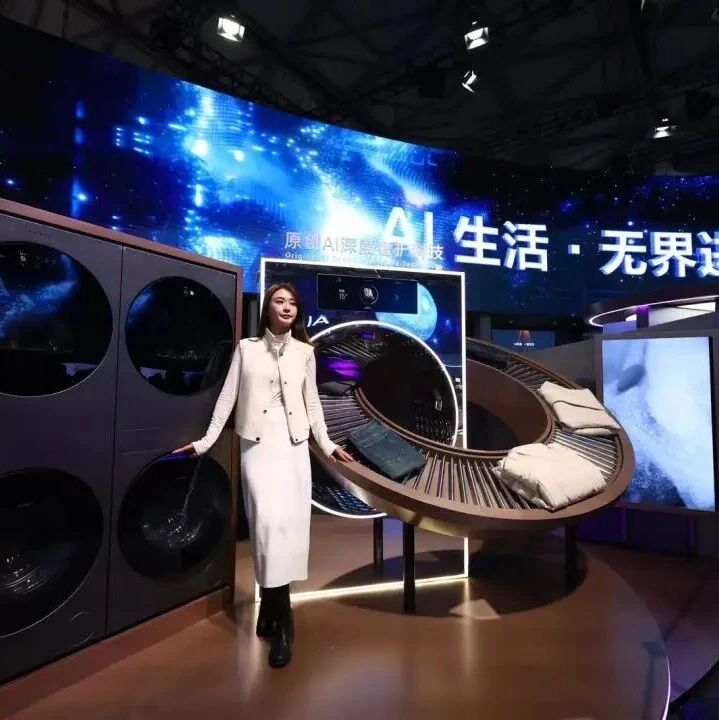
2026 AWE观察|没有企业能赶上追觅的扩张速度
经济观察报· 2026-03-15 09:41
Core Viewpoint - The article highlights the significant presence and impact of the company追觅 at the 2026 AWE, showcasing its ambition to expand beyond its traditional product offerings and establish itself as a major player in various high-tech sectors [2][3]. Group 1: Exhibition Presence - 追觅 occupies approximately 1/17 of the total exhibition area at AWE 2026, with over 1,200 other exhibitors sharing the remaining space [2]. - The company has set a new record for exhibition scale, surpassing traditional home appliance giants like Haier, which previously dominated the event [2][3]. Group 2: Strategic Goals - 追觅 aims to communicate its broader strategic vision, which includes a diverse range of products beyond vacuum cleaners, such as smartphones, electric vehicles, and advanced robotics [3][4]. - The founder, 俞浩, expresses high expectations for the event, viewing it as a new beginning for the company [2]. Group 3: Product Showcase - The company introduced its AURORA smartphone, with prices ranging from approximately $999 for the base model to $70,000-$80,000 for luxury versions [4]. - 追觅 also displayed a groundbreaking 3D printer with 12 nozzles, surpassing competitors' offerings [5]. Group 4: Technological Advancements - The company unveiled three self-developed chips for intelligent driving, utilizing a 2nm process, which significantly outperforms the average capabilities of mainstream competitors [7]. - The chips' AI computing power reaches 2000 TOPS, three times that of leading competitors [7]. Group 5: Marketing and Engagement - 追觅's exhibition strategy included high-profile celebrity endorsements and a significant budget for booth construction, with costs reaching 70 million yuan for the E7 pavilion alone [3]. - The event attracted large crowds, indicating strong consumer interest and engagement with the brand [3].

追觅:从春晚顶流到AWE“包馆”,书写“中国智造”新叙事
财联社· 2026-03-13 11:51
Core Viewpoint - The article discusses the transformative changes in China's technology sector, highlighting the shift from hardware output to brand globalization, with a focus on the case study of Chasing Technology as a representative example of this evolution [1][4]. Group 1: Brand Recognition and Market Penetration - Chasing Technology has gained significant recognition in the Chinese market, transitioning to a "national brand" after its appearance at the Spring Festival Gala, marking its entry into mainstream narratives and lifestyles [2]. - The brand's visibility has increased, with its products achieving record sales during the Spring Festival, including topping sales charts on major platforms like Tmall and JD [2][3]. - The launch of new product categories, such as smart rings, has also seen impressive sales performance, with significant growth in various segments during the Spring Festival [3]. Group 2: Technological Innovation and Exhibition - At the AWE 2026, Chasing Technology showcased over a hundred globally innovative core technologies, reinforcing its position as a leader in smart technology [4]. - The company’s exclusive takeover of an entire exhibition hall at AWE 2026 demonstrated its evolution from a hardware leader to a comprehensive technology giant capable of ecosystem integration [3][4]. Group 3: Global Market Expansion - Chasing Technology has established a presence in over 120 countries, with more than 6,500 physical stores worldwide, serving over 42 million households [6]. - The company has achieved a remarkable 100% compound annual growth rate over the past seven years, with nearly 80% of its revenue coming from overseas by 2025 [6]. - In the North American market, Chasing Technology reported a 189% year-on-year revenue increase in 2025, with significant market share growth in categories like vacuum and washing machines [7]. Group 4: Strategic Insights and Industry Trends - The trajectory of Chasing Technology reflects broader trends in Chinese manufacturing, emphasizing the importance of technological accumulation and market feedback in driving global competitiveness [8][9]. - The company’s approach of first penetrating high-end global markets and then leveraging that experience for domestic growth illustrates a successful model for internationalization [9]. - As the industry shifts from single product breakthroughs to systemic collaboration, Chasing Technology is positioned to lead in creating a comprehensive smart living ecosystem [10].