
罗氏

Search documents
Monte Rosa Therapeutic (NasdaqGS:GLUE) FY Conference Transcript
2025-12-02 19:32
Summary of Monte Rosa Therapeutics FY Conference Call Company Overview - **Company**: Monte Rosa Therapeutics (NasdaqGS:GLUE) - **Focus**: Development of proprietary QuEEN platform for designing molecular glue degraders (MGDs) targeting various cancers and inflammatory diseases [1][2] Key Points and Arguments Pipeline Updates - **MRT-2359**: Targeting GSPT1 for metastatic colorectal and breast cancers, with a focus on prostate cancer. Phase 1 data expected soon, with 20-30 patients enrolled in a combination study with enzalutamide [4][5][6] - **MRT-6160**: Targeting VAV1, partnered with Novartis. Phase 1 data shows safety and efficacy in inhibiting cytokine release, particularly interferon gamma, with plans for multiple indications in clinical development [10][11][14][16] - **MRT-8102**: Targeting NEK7 in the NLRP3 inflammasome, currently in Phase 1 studies. The program aims to address inflammation and cardiovascular risks, with promising preclinical data [20][21][23] Partnerships and Collaborations - **Novartis Partnership**: Strong collaboration with Novartis, which includes a second deal for two additional programs from Monte Rosa's preclinical INI portfolio. The partnership is characterized by close interaction and shared development plans [18][19][29] Financial Position - **Cash Position**: Monte Rosa has a healthy cash position of $390 million, expected to last through 2028, allowing for aggressive development of clinical assets and leveraging partnerships for further innovation [35][36] Future Directions - **Targeted Protein Degradation (TPD)**: The company sees significant potential in TPD, particularly in oncology and cardiovascular applications. The focus will be on developing super selective and safe molecules [36][38] Use of AI in Drug Development - **QuEEN Platform**: Monte Rosa utilizes AI to design selective molecular glue degraders, enhancing productivity and enabling the development of a diverse portfolio of compounds [30][33] Additional Important Insights - **Clinical Development Plans**: Multiple phase two trials are anticipated to launch in parallel for MRT-6160, targeting indications such as Sjögren's syndrome, arthritis, and inflammatory bowel disease [16][18] - **CNS Penetration**: The potential for CNS penetrant NEK7 molecules is being explored, particularly for neurodegenerative diseases, with IND expected by the end of next year [25][26] - **Oncology Targets**: Plans to file INDs for molecular glue degraders against CDK2 and Cyclin E1, with a focus on their roles in various cancers, including ovarian and breast cancer [27][29] This summary encapsulates the key discussions and insights from the Monte Rosa Therapeutics FY Conference Call, highlighting the company's strategic direction, pipeline developments, and financial health.

欧企加速“去中国”,“这能怪中国吗,得怪欧洲...”
Guan Cha Zhe Wang· 2025-12-02 07:12
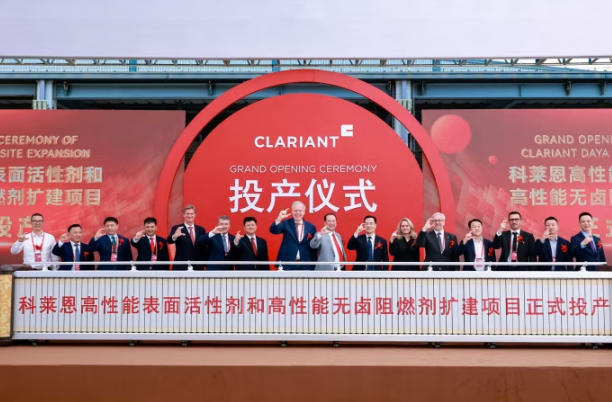
Core Viewpoint - European companies are increasing investments in China despite political concerns about dependency on Chinese manufacturing, highlighting a paradox where businesses seek to leverage China's competitive advantages while governments express worries about trade imbalances and reliance on China [1][2]. Group 1: Investment Trends - European manufacturers are ramping up investments in China, particularly in sectors like chemicals, automotive, machinery, and pharmaceuticals, often to establish China as an export base and R&D center [1][2]. - The European Union's direct investment in China has been on the rise, with a record €3.6 billion in greenfield investments in the second quarter of last year [5][6]. - Approximately 25% of surveyed European companies are shifting more production to China, with localization in pharmaceuticals (80%), machinery (46%), and medical devices (40%) [4]. Group 2: Competitive Landscape - Companies like Clariant are expanding operations in China, with Clariant investing CHF 180 million (approximately RMB 1.6 billion) to expand its facility in Huizhou [4]. - The competitive landscape is shifting as European firms face challenges in competing with local Chinese companies due to lower costs and efficient supply chains [2][4]. - The trend of relocating production to China is partly driven by rising costs in Europe, especially in energy, making China a more attractive production base [8]. Group 3: Employment and Economic Impact - European companies are facing layoffs, particularly in the automotive sector, while simultaneously investing heavily in China, indicating a shift in focus [9]. - For instance, ZF Friedrichshafen plans to cut 7,600 jobs in Europe while expanding operations in China [9]. - The shift towards China for production and R&D may lead to further job losses in Europe, raising concerns about the long-term impact on local employment and industrial competitiveness [9][12]. Group 4: Policy and Regulatory Environment - The European Union is tightening regulations on investments and procurement from non-EU countries, particularly targeting Chinese firms, which may create barriers to trade [13]. - There are calls for Europe to address its own competitiveness issues, such as reducing regulations and energy costs, to better compete with China [12]. - The EU is also considering requiring Chinese companies to invest locally in Europe to access the market, reflecting a growing tension in trade relations [12][13].

瑞郎政策博弈下区间震荡格局
Jin Tou Wang· 2025-12-02 03:00
Group 1 - The Swiss economy experienced a contraction in Q3 2023, with GDP declining by 0.5%, marking the first negative growth since mid-2023, primarily due to a 39% tariff imposed by the US on Swiss goods, leading to weakened exports [1] - The Swiss economy's heavy reliance on the pharmaceutical sector is under pressure as US policies promote domestic production, potentially weakening Switzerland's current account surplus and support for the Swiss franc [1] - The recent data release on Swiss GDP did not significantly impact the USD/CHF exchange rate, indicating that the Swiss franc's safe-haven attributes continue to provide some support [1] Group 2 - The Federal Reserve's November consensus statement abandoned the average inflation target, reverting to a traditional symmetric target with a clear long-term goal of 2% inflation, which has created a divergence in short-term employment stabilization efforts [2] - The USD/CHF exchange rate has shown a lack of clear direction, with recent trading around the 0.8000 level indicating a balance between bullish and bearish sentiments [2] - Market participants are advised to monitor the upcoming Swiss CPI data and the Federal Reserve's statements, as well as developments regarding US-Swiss tariffs, which could influence future exchange rate movements [2]
宝济药业-B今日起招股 引入安科生物香港等3家基石投资者认购2.006亿港元发售股份
Zhi Tong Cai Jing· 2025-12-01 23:18
Company Overview - Baoji Pharmaceutical is set to launch an IPO from December 2 to December 5, 2025, offering 37.9117 million shares, with 10% allocated for Hong Kong and 90% for international sales. The maximum public offering price is HKD 26.38 per share, with an entry fee of approximately HKD 2,664, and shares are expected to begin trading on December 10, 2025 [1] - The company has attracted significant investment, with a total funding exceeding CNY 1.5 billion from various investors, including local industry capital and market-oriented funds, resulting in a post-investment valuation of approximately CNY 4.87 billion, which is 23 times the initial post-investment valuation [1] Investment and Partnerships - The IPO has secured a strong cornerstone investor lineup, including well-known institutions such as Anke Bio, DC Alpha SPC, and Guotai Junan Securities, with a total subscription of HKD 200.6 million, accounting for about 21.77% of the total fundraising [2] - The presence of cornerstone investors highlights market recognition of the company's technological capabilities and commercial potential, providing a solid foundation for the smooth progress of the issuance [2] Product Pipeline and Technology - Baoji Pharmaceutical focuses on four key areas: antibody-mediated autoimmune diseases, large-volume subcutaneous injections, reproductive medicine drugs, and transformative products replacing traditional biochemical extraction methods. The company has developed a robust pipeline with seven clinical-stage candidates and seven preclinical candidates [2] - The core pipeline includes KJ017, a recombinant hyaluronidase for large-volume subcutaneous delivery, which is currently under review for market approval; KJ103, an IgG degrading enzyme in Phase III clinical trials for autoimmune diseases; and SJ02, the first long-acting follicle-stimulating hormone approved in China, which received approval in August [3] Commercialization and Market Position - The commercialization of the hyaluronidase technology has led to partnerships with several antibody drug companies, and an exclusive sales agency agreement with Anke Bio for SJ02 in Greater China has been established [3] - The focus on large-volume subcutaneous injection technology positions Baoji Pharmaceutical as a key player in the biopharmaceutical sector, offering advantages over traditional intravenous administration by reducing adverse events and significantly shortening administration time from 30-180 minutes to 2-5 minutes [3] Industry Landscape - Halozyme is identified as a leading company in the global hyaluronidase subcutaneous injection technology, with its technology applied to several major antibody drugs. The trend of developing subcutaneous versions of various drugs, including oncology treatments, is gaining momentum [4] - Baoji Pharmaceutical aims to become the "Halozyme of China," leveraging its expertise in hyaluronidase technology and core pipeline to empower its products and assist other domestic antibody drugs in achieving subcutaneous delivery upgrades, thereby capturing a significant market position in the biopharmaceutical innovation wave [4]

宝济药业-B(02659)今日起招股 引入安科生物香港等3家基石投资者认购2.006亿港元发售股份
智通财经网· 2025-12-01 23:15
Company Overview - Baoji Pharmaceutical-B (02659) plans to conduct an IPO from December 2 to December 5, 2025, offering 37.9117 million shares, with 10% allocated for Hong Kong and 90% for international sales. The maximum public offering price is set at HKD 26.38 per share, with an entry fee of approximately HKD 2,664 [1] - The company has attracted significant investment, with total funding exceeding CNY 1.5 billion from various investors, including local industry capital and market-oriented funds, resulting in a post-investment valuation of approximately CNY 4.87 billion, which is 23 times the initial post-investment valuation [1] Investment and Partnerships - The IPO has secured a strong cornerstone investor lineup, including notable institutions such as Anke Bio Hong Kong and Guotai Junan Securities, with a total subscription of HKD 200.6 million, accounting for about 21.77% of the total fundraising [2] - The company has established a comprehensive pipeline with 7 clinical-stage candidates and 7 preclinical candidates, focusing on areas such as antibody-mediated autoimmune diseases and large-volume subcutaneous injections [2] Product Pipeline - The core pipeline includes KJ017, a recombinant hyaluronidase for large-volume subcutaneous delivery, currently under review for market approval; KJ103, an IgG-degrading enzyme in Phase III clinical trials for autoimmune diseases; and SJ02, the first long-acting follicle-stimulating hormone approved in China, which received approval in August [3] - The commercialization of the hyaluronidase technology has led to agreements with several antibody drug companies, and a unique sales agency agreement with Anke Bio for SJ02 in Greater China [3] Industry Positioning - Baoji Pharmaceutical is positioned to become a Chinese counterpart to Halozyme, leveraging its hyaluronidase technology to enhance the commercialization of its pipeline products and assist other domestic antibody drugs in achieving subcutaneous delivery upgrades [4] - The industry is witnessing a shift towards subcutaneous administration, with major companies like Merck and Daiichi Sankyo developing subcutaneous versions of their drugs, indicating a growing trend in the biopharmaceutical sector [4]
Analyst Upgrade Boosts Shattuck On Confidence In Next-Gen Inflammatory Bowel Disease Therapy
Benzinga· 2025-12-01 21:33
Core Viewpoint - HC Wainwright upgraded Shattuck Labs Inc. from Neutral to Buy, forecasting a price of $6, driven by the potential of its lead product candidate SL-325 for inflammatory bowel disease (IBD) [1] Group 1: Product Development - Shattuck Labs has initiated dosing of the first healthy participants in the Phase 1 clinical trial for SL-325, with the single-ascending dose (SAD) portion expected to be completed by Q3 2025 [1] - Enrollment for both SAD and multiple-ascending dose (MAD) portions is anticipated to conclude in Q2 2026 [1] Group 2: Market Opportunity - Analyst Joseph Pantginis highlighted the opportunity for SL-325 to capture significant market share despite competition from later-stage programs that have established clinical proof-of-concept with the TL1A approach [2] - The TL1A/DR3 development landscape for IBD, including ulcerative colitis and Crohn's Disease, has attracted attention from major pharmaceutical companies, focusing primarily on the TL1A side [3] Group 3: Competitive Landscape - Leading late-stage TL1A programs include Merck & Co.'s tulisokibart and Roche Holdings' afimkibart, which have shown promising data, but concerns regarding durability of response and immunogenicity persist across the class [4] - Shattuck Labs aims to differentiate itself by targeting the DR3 receptor, which is expected to provide more durable inflammatory control compared to ligand-level inhibition [5][6] Group 4: Stock Performance - Following the upgrade, Shattuck Labs' stock (STTK) rose by 13.3%, reaching $2.38 [6]


Will Korlym Continue to Drive Corcept's Top Line in 2026?
ZACKS· 2025-12-01 17:05
Core Insights - Corcept Therapeutics (CORT) is making significant progress with its sole-marketed drug, Korlym (mifepristone), which is approved for treating Cushing's syndrome or endogenous hypercortisolism. The company's revenue is currently derived entirely from Korlym sales [1] Sales Performance - In the first nine months of 2025, Korlym generated sales of $559.3 million, reflecting a year-over-year increase of approximately 13.4%. The sales momentum is expected to continue, with a projected compound annual growth rate (CAGR) of around 26.4% over the next three years [2][10] - Despite earlier sales disruptions due to insufficient capacity from a specialty pharmacy vendor, sales have improved, and further enhancements are anticipated with new pharmacy vendors in 2026. For the full year of 2025, Corcept expects total revenues to be between $800 million and $850 million [3][10] Pipeline Development - Corcept is developing relacorilant, its lead pipeline candidate, for treating Cushing's syndrome and certain cancer indications. A new drug application (NDA) for relacorilant was submitted to the FDA in December 2024, with a target action date of December 30, 2025 [4][5] - Approval of relacorilant for Cushing's syndrome is expected to diversify Corcept's revenue streams and reduce reliance on Korlym. Management anticipates that all current Korlym patients will transition to relacorilant upon its approval [6] - The FDA accepted an NDA for relacorilant in combination with nab-paclitaxel for treating platinum-resistant ovarian cancer, with a decision expected on July 11, 2026. Additionally, a marketing authorization application (MAA) has been submitted to the European Medicines Agency for the same indication, with potential approval by the end of 2026 [7] - Corcept is also conducting studies evaluating relacorilant in combination with nab-paclitaxel and Avastin for platinum-resistant ovarian cancer, as well as with Xtandi for early-stage prostate cancer [8][9] Financial Performance and Valuation - Year-to-date, Corcept's shares have increased by 57.6%, outperforming the industry, which rose by 9.4%. The stock has also surpassed the performance of the sector and the S&P 500 [11] - From a valuation perspective, Corcept is trading at a premium, with a price-to-sales (P/S) ratio of 12.80, significantly higher than the industry average of 2.38 and above its five-year mean of 7.66 [12] - The Zacks Consensus Estimate for 2025 earnings per share (EPS) has decreased from $1.15 to $0.89 over the past 60 days, with 2026 EPS estimates also declining from $1.71 to $1.25 [13]


REGN Gains 21.5% in a Month: Time to Buy, Sell or Hold the Stock?
ZACKS· 2025-12-01 15:51
Core Insights - Regeneron Pharmaceuticals (REGN) shares have increased by 21.5% year to date, outperforming the industry growth of 10.2% and the S&P 500 Index [1][7] - The stock's rally is attributed to positive updates regarding its pipeline and regulatory approvals, reversing its earlier performance trend [1][7] Pipeline and Regulatory Updates - The FDA approved Eylea HD (aflibercept) Injection 8 mg for treating macular edema following retinal vein occlusion (RVO), allowing dosing every eight weeks after an initial monthly period [4][5] - A monthly dosing option for Eylea has also been approved for various indications, including wet age-related macular degeneration (wAMD) and diabetic macular edema (DME) [5] - Eylea HD sales in the U.S. rose by 10% in Q3 2025 due to increased demand [6] Competitive Landscape - Eylea faces competition from Roche's Vabysmo, which has seen significant uptake [8] - Regeneron is countering Eylea's sales decline with the introduction of Eylea HD, which has shown positive sales growth [6][7] Oncology Portfolio Developments - Regeneron's oncology franchise includes Libtayo (cemiplimab-rwlc), which generated $1.03 billion in sales in the first nine months of 2025, a 21% increase year over year [10] - Recent label expansions for Libtayo have been approved by both the European Commission and the FDA, enhancing its market potential [10][11] - The FDA granted accelerated approval for linvoseltamab-gcpt for relapsed or refractory multiple myeloma, further strengthening Regeneron's oncology portfolio [12] Dupixent Sales Performance - Dupixent continues to contribute significantly to Regeneron's revenue, with recent label expansions approved for additional indications [14][15] - The collaboration with Sanofi on Dupixent has been beneficial, as solid sales have bolstered both companies' top lines [14] Financial Valuation and Estimates - Regeneron's shares are currently trading at a price/earnings ratio of 23.27X forward earnings, above the industry average of 17.26X [17] - The bottom-line estimate for 2025 has increased by $3.23 to $43.29 over the past 60 days, indicating positive revisions in earnings expectations [17][18] Overall Assessment - Regeneron is viewed as a safe haven in the biotech sector, with ongoing progress in its oncology portfolio and consistent sales growth from Dupixent [19] - However, the decline in Eylea sales poses a challenge, and regulatory setbacks could impact future performance [19][20]


一针抵一套豪宅,每针1800万的天价救命药获批
36氪· 2025-12-01 14:12
Core Viewpoint - The approval of Itvisma by Novartis marks a significant advancement in gene therapy for spinal muscular atrophy (SMA), with a wholesale price of $2.59 million, highlighting the growing market for high-cost life-saving drugs and the potential for gene therapy to become a mainstream treatment option [4][5][10]. Gene Therapy Market Dynamics - The global gene therapy market is at a pivotal point, expected to grow at an annual rate of over 20% in the next 5-10 years, driven by technological advancements, clearer regulatory pathways, and innovative payment models [5][12]. - Itvisma is the first gene therapy approved for a broader patient demographic with SMA, emphasizing its rarity and the high barriers to entry in the market due to substantial R&D investments [5][8]. Pricing Strategy and Market Comparison - Novartis' pricing strategy for Itvisma is informed by the $9.4 billion total R&D investment for Zolgensma, which was previously priced at $2.1 million [7][8]. - The pricing of Itvisma and Zolgensma significantly exceeds estimates from industry observers, indicating a disconnect between market expectations and pharmaceutical pricing strategies [7][8]. Clinical Efficacy and Safety - Itvisma's approval is based on robust clinical trial data demonstrating significant improvements in motor function for SMA patients, with a favorable safety profile [9][10]. - The treatment offers a one-time administration approach, reducing the burden of ongoing therapies that are common with existing SMA treatments [9][10]. Competitive Landscape - Itvisma competes directly with Spinraza, the first approved SMA treatment, which has undergone significant price reductions in markets like China after being included in insurance coverage [10][11]. - The gene therapy market is witnessing increased competition as more companies invest in gene editing and delivery systems, necessitating continuous innovation and differentiation [5][12]. Future Growth and Investment Trends - The gene therapy market is projected to reach $64.64 billion by 2033, with a compound annual growth rate of 27.6% from 2024 to 2033, driven by technological breakthroughs and accelerated regulatory approvals [12][13]. - Major pharmaceutical companies are actively acquiring biotech firms to enhance their gene therapy portfolios, indicating strong investor interest and market potential [13][14]. Challenges Ahead - Despite the promising outlook, gene therapy faces challenges such as high production costs, short shelf life of viral vectors, and the need for a balance between innovation incentives and drug accessibility [16][17]. - The industry is also grappling with the complexities of developing therapies for common diseases, where competition is fierce and clinical efficacy must be convincingly demonstrated [14][16].


云顶新耀前高管空降GSK中国!
Xin Lang Cai Jing· 2025-12-01 10:24
Core Insights - The appointment of Sheng Feng as Vice President of Market Access and Commercial Operations at GSK China marks a significant leadership change within the pharmaceutical industry, indicating strategic planning behind the move [1][3] - GSK China has undergone multiple leadership adjustments in recent years, reflecting a shift towards localized and collaborative organizational restructuring [3] Leadership Changes - Sheng Feng will report directly to Yu Huiming, the General Manager of GSK China, and will be part of the China Leadership Team [1] - GSK China has seen a series of high-level appointments, including Yu Huiming's promotion to General Manager and the establishment of a Chief Operating Officer role [3] Performance Metrics - GSK reported total revenue of £8.547 billion (approximately $11.3 billion) for Q3 2025, with a year-on-year growth of 8% at constant exchange rates [4] - Specialty pharmaceuticals generated £3.4 billion in sales, marking a 16% increase, driven by oncology (+39%) and respiratory and immunology (+15%) segments [4] Strategic Direction - GSK China is transitioning from a product-driven approach to a system-driven model, aiming to enhance operational efficiency and market execution [3] - The company is focusing on integrating market access and commercial operations to streamline policy implementation and market execution [3] Company Evolution - Yunding New Drug has completed a significant governance transition, with founder Fu Wei stepping down as chairman, indicating a new phase in corporate governance [4][5] - The company is shifting its strategy from primarily "License-in" to a dual approach of "independent research and development + business development abroad," with several core pipelines entering late-stage clinical trials [5]
