一心堂

Search documents
一心堂:目前以提升存量门店经营质量为主
Zheng Quan Ri Bao Zhi Sheng· 2025-08-22 12:13
Core Viewpoint - YXTT is focusing on enhancing the operational quality of existing stores by transforming and upgrading them, while expanding the range of non-pharmaceutical products offered to consumers, aiming to increase foot traffic and sales revenue [1] Group 1 - The company is currently prioritizing the improvement of existing store operations [1] - YXTT is undergoing a transformation and upgrade of its current stores [1] - The company aims to provide a broader and more comprehensive range of health consumption products [1]

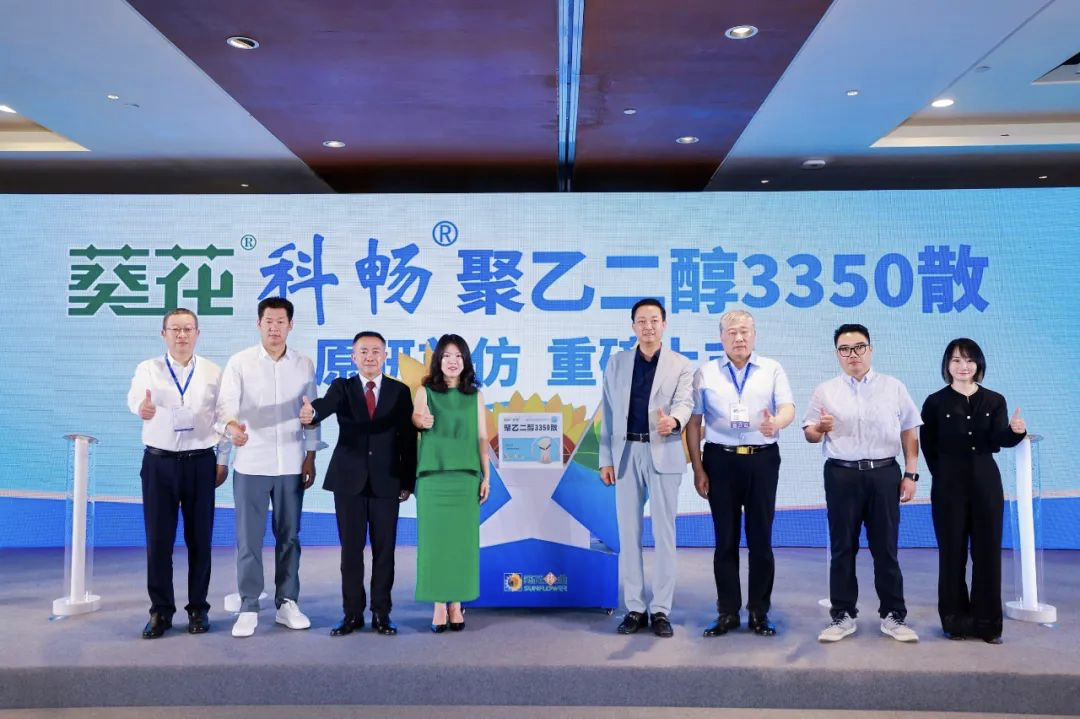
2025西普会,葵花药业正式发布“一老一小”双引擎驱动战略
Qi Lu Wan Bao· 2025-08-22 12:03
Core Insights - The 18th Health Industry Ecological Conference in Hainan Boao highlighted the theme "Rapid Transformation, Crossing New Cycles - Reconstructing Growth Drivers and Evolving Industry Ecology" [1] - Kew Flower Pharmaceutical has established a dual-engine growth strategy focusing on "Elderly and Children" as its core development direction [2] Group 1: Strategic Focus - Kew Flower Pharmaceutical's "Elderly and Children" strategy is based on in-depth analysis of China's demographic changes, policy benefits, and health demands [2] - The "Elderly" segment focuses on adult chronic disease management, while the "Children" segment continues to address children's health needs, creating a dual growth pattern [2] - The 2024 National Aging Development Report indicates that by the end of 2024, the elderly population (aged 60 and above) will reach 31.03 million, accounting for 22.0% of the total population, while the population aged 0-15 will be 23.99 million, making up 17.1% [2] Group 2: Market Opportunities - The "Elderly and Children" pharmaceutical market presents both explosive demand and market gaps, offering opportunities in the "silver economy" and children's health consumption upgrades [2] - The adult constipation medication market in China reached a sales figure of 8.401 billion yuan in 2024, with expectations for continued growth by 2029 [3] Group 3: Product Launch and Innovation - The launch of Kew Flower's Kecang® Polyethylene Glycol 3350 Powder is a key innovation under the "Elderly" strategy, filling a gap in the market for adult long-term constipation medications [5] - The product features a "four-dimensional targeted defecation mechanism" and is designed for ease of use, enhancing patient compliance [5] Group 4: Retail and E-commerce Strategy - The forum on "How to Activate New Growth Vitality in Pharmacies" emphasized the need for pharmacies to transition from merely selling drugs to becoming health service hubs [7] - Kew Flower Pharmaceutical advocates for a differentiated model combining "products + service packages" to enhance user engagement and address health management needs [7] - The integration of online platforms with brand partners to create health zones for "Elderly and Children" is seen as a way to achieve full-chain coverage [7][9]


医药商业板块8月22日涨0.05%,塞力医疗领涨,主力资金净流入3.63亿元
Zheng Xing Xing Ye Ri Bao· 2025-08-22 08:39
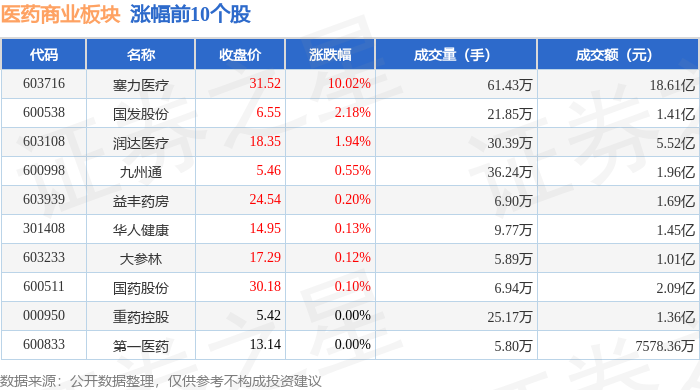
Core Insights - The pharmaceutical commercial sector experienced a slight increase of 0.05% on August 22, with Saily Medical leading the gains [1] - The Shanghai Composite Index closed at 3825.76, up 1.45%, while the Shenzhen Component Index closed at 12166.06, up 2.07% [1] Group 1: Stock Performance - Saily Medical (603716) saw a closing price of 31.52, with a significant increase of 10.02% and a trading volume of 614,300 shares, resulting in a transaction value of 1.861 billion yuan [1] - Guofang Co. (600538) closed at 6.55, up 2.18%, with a trading volume of 218,500 shares [1] - Runda Medical (603108) closed at 18.35, up 1.94%, with a trading volume of 303,900 shares [1] - Other notable stocks include Jiuzhoutong (600998) with a slight increase of 0.55% and Yifeng Pharmacy (603939) with a minimal increase of 0.20% [1] Group 2: Capital Flow - The pharmaceutical commercial sector saw a net inflow of 363 million yuan from main funds, while retail investors experienced a net outflow of 114 million yuan [2] - Speculative funds recorded a net outflow of 249 million yuan [2]




一年关店3.9万家,老板套现、股东跑路…又一个暴利行业开始崩塌
3 6 Ke· 2025-08-22 07:36
广东开出上万家店的连锁药业大参林,老板被刑拘了要卖股票还债,公司也被处罚,私募基金股东也偷偷减持。 更不用说,行业内7家连锁药店上市公司的财报显示,连续多年净利润增长齐刷刷在去年掉头,药店行业的数据也显示,去年合计关店3.9万家,而且四个 季度内,关店速度是递增的。 行业拐点来临,曾经狂赚钱的暴利生意,真的走到头了吗? 以前这药店,可是一条街就能开好几家的暴利生意,但是从去年开始这所谓的暴利也不太行了。即便是上市的连锁药店,也避免不了这个结局。行业拐点 来临,曾经狂赚钱的暴利生意,真的走到头了吗? 山东本地连锁药店龙头,被老板和高管们连续多次减持,一季度门店也关了119家。 连锁药店撑不住了?老板和高管们一通减持 连锁药店漱玉平民大药房,最近被老板和高管们一通减持: 虽然实控人李文杰是第一次减持漱玉平民的股,但在一年内,这已经是漱玉平民的第四轮股东减持潮。 2024年9月25日,漱玉平民公告称,股东阿里健康(持股比例8.47%)拟减持公司股份不超过12070642股,占公司总股本的3%,减持原因为自身资金需求。 阿里健康准备出货没两个月,漱玉平民马上又迎来第二轮减持。 2024年11月6日,漱玉平民公告,公司 ...

一心堂:以提升存量门店经营质量为主,现有门店进行转型升级,增加非药品类
Jin Rong Jie· 2025-08-22 03:45
Core Viewpoint - The company is focusing on improving the operational quality of existing stores and is undergoing a transformation to include non-pharmaceutical products, aiming to enhance customer traffic and sales growth [1] Group 1 - The company is currently prioritizing the enhancement of operational quality in existing stores [1] - The transformation includes the addition of non-pharmaceutical products to its offerings [1] - The company aims to provide a broader range of health-related consumer products while ensuring compliance in operations [1]
“踔厉奋发新征程 投教服务再出发” ——走进深交所上市公司一心堂
Quan Jing Wang· 2025-08-20 06:13
Core Viewpoint - The event "Striving for a New Journey, Investor Education Services Restart" successfully facilitated direct communication between investors and the listed company Yixin Tang, enhancing investor understanding of the company's operations and strategic development [1][4]. Group 1: Event Overview - The event was organized by Guotai Junan Securities with guidance from Shenzhen Stock Exchange, Yunnan Securities Regulatory Bureau, Yunnan Securities Industry Association, and Yunnan Listed Companies Association [1]. - Investors participated in immersive visits and face-to-face exchanges at Yixin Tang's headquarters, gaining insights into the operations of the leading pharmaceutical retail company [1]. Group 2: Company Insights - Investors toured the corporate culture honor room and logistics center, observing the efficient operation of the logistics sorting system, which highlighted the company's standardized supply chain management [2]. - Yixin Tang's Vice President and Board Secretary, Li Zhenghong, provided a comprehensive introduction to the company's listing history and core business segments, including retail, traditional Chinese medicine, healthcare, and e-commerce [3]. Group 3: Industry Analysis - The Chief Investment Advisor of Guotai Junan Securities Yunnan Branch discussed the pharmaceutical industry policies expected in the second half of 2025, analyzing industry trends and investment opportunities [3]. - During the Q&A session, investors raised questions about key annual report indicators, market expansion pace, and the progress of healthcare projects, to which Li Zhenghong responded in detail, emphasizing the company's commitment to transparency and investor relations [3]. Group 4: Future Directions - Guotai Junan Securities plans to continue organizing investor education activities, fostering communication between investors and listed companies, and promoting a healthy capital market ecosystem [4].

一纸文件征求意见 药店老板们睡不着觉了
Mei Ri Jing Ji Xin Wen· 2025-08-19 15:21
Core Viewpoint - The introduction of self-service medicine dispensing machines has raised concerns among traditional pharmacy owners about competition and safety, particularly regarding the dispensing of prescription medications [1][9][10]. Summary by Relevant Sections Self-Service Machines and Regulations - A draft regulation in City A allows self-service machines to dispense prescription and Class A non-prescription drugs, causing anxiety among pharmacy owners who fear they cannot compete with the lower operational costs of these machines [1][9]. - The self-service machines can operate with significantly lower costs, estimated at a few thousand yuan annually, compared to the nearly 20,000 yuan monthly labor costs for traditional pharmacies [1][12]. Industry Concerns - Pharmacy owners express worries that self-service machines could lead to unsafe medication practices, as they may bypass the necessary checks by licensed pharmacists [10][11]. - The lack of regulatory clarity on how prescription medications will be dispensed through these machines adds to the uncertainty and fear of potential misuse [9][10]. Cost and Competition - The operational cost disparity between traditional pharmacies and self-service machines is stark, with traditional pharmacies facing high labor and rental costs, while self-service machines require minimal investment [12][17]. - The ability to deploy multiple self-service machines quickly gives them a competitive edge over traditional pharmacies, which require significant investment and time to establish [18][20]. Market Dynamics - The self-service machine model could disrupt the traditional pharmacy market, as it allows e-commerce platforms to dominate both the distribution and sales of medications [22]. - Some pharmacy owners have attempted to implement self-service machines but found them unprofitable due to low sales volumes and high operational costs [21][23]. Future Implications - The potential widespread adoption of self-service machines could render traditional pharmacies less competitive, leading to significant changes in the retail pharmacy landscape [20][27]. - Industry experts suggest that while self-service machines can enhance convenience and efficiency, strict regulations and safety measures must be in place to protect consumers [11][27].
一心堂:关于使用部分暂时闲置自有资金进行现金管理的进展公告
Zheng Quan Ri Bao Zhi Sheng· 2025-08-19 14:09
Group 1 - The company announced the use of up to RMB 2.5 billion of idle self-owned funds for cash management [1] - The company signed an agreement with Huaxia Bank for a structured deposit product with an investment amount of RMB 50 million [1] - The structured deposit product, named "Jie Jie Gao," has a contract start date of August 15, 2025, and an expiration date of November 11, 2025, with an expected yield of 1.00% to 2.21% [1]
药店老板们睡不着觉了
Hu Xiu· 2025-08-19 12:24
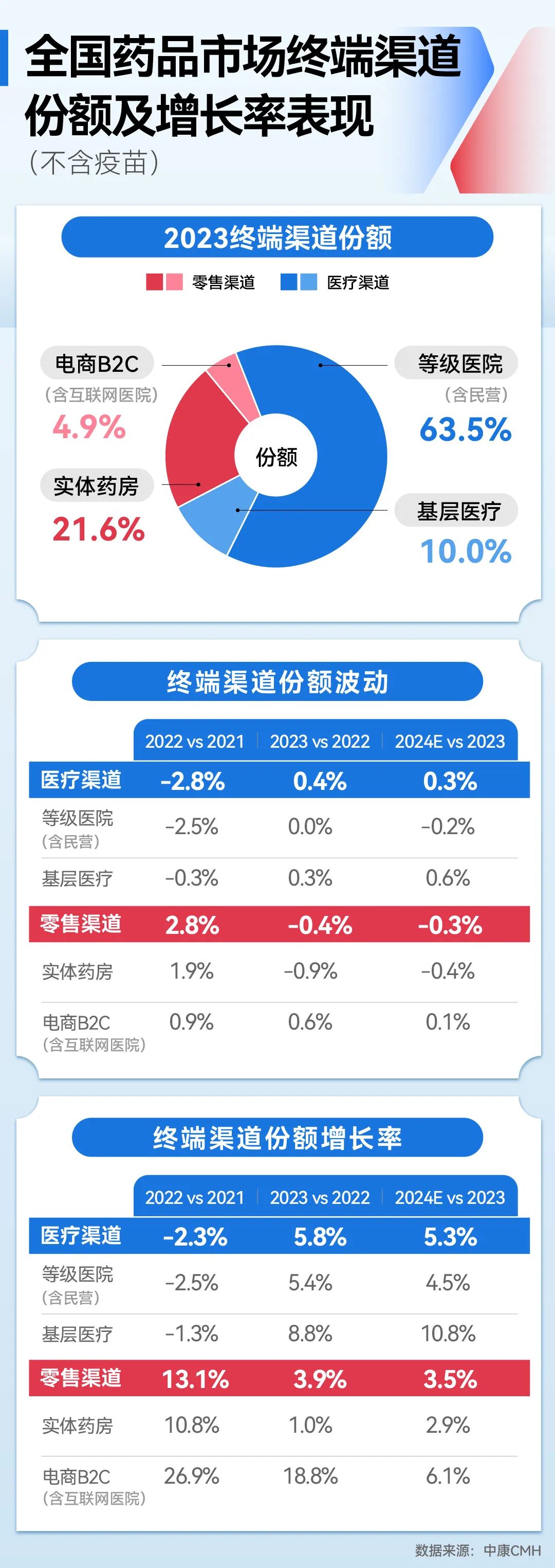
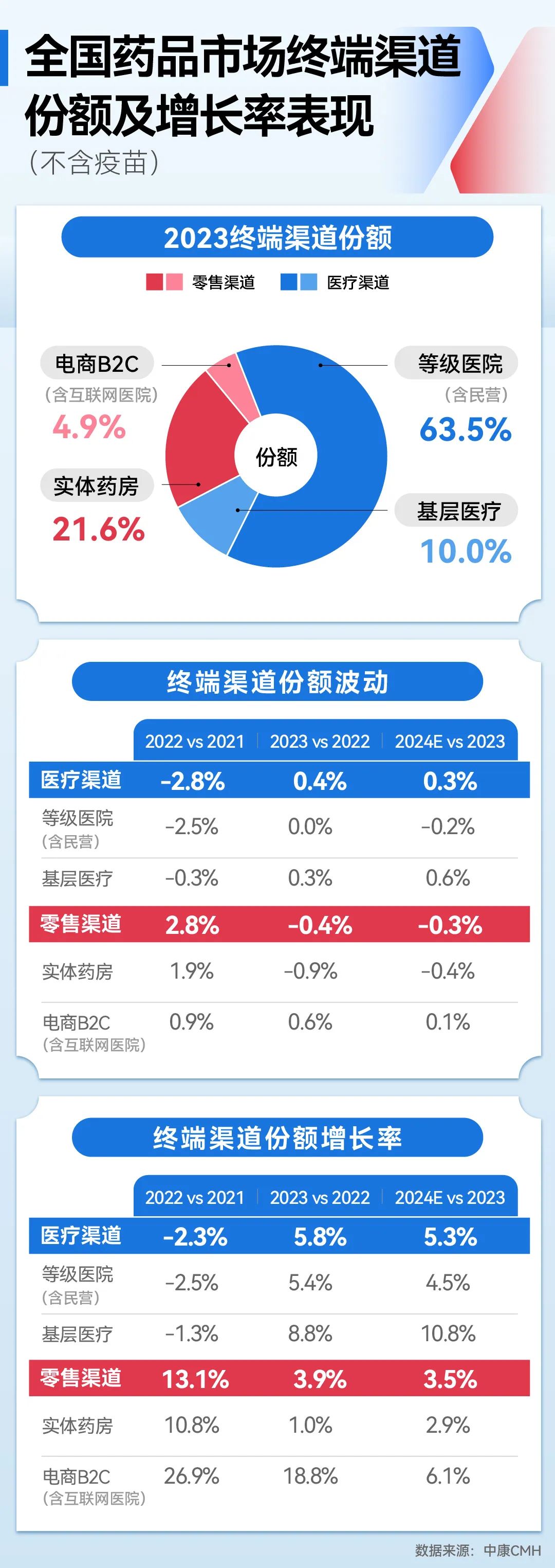
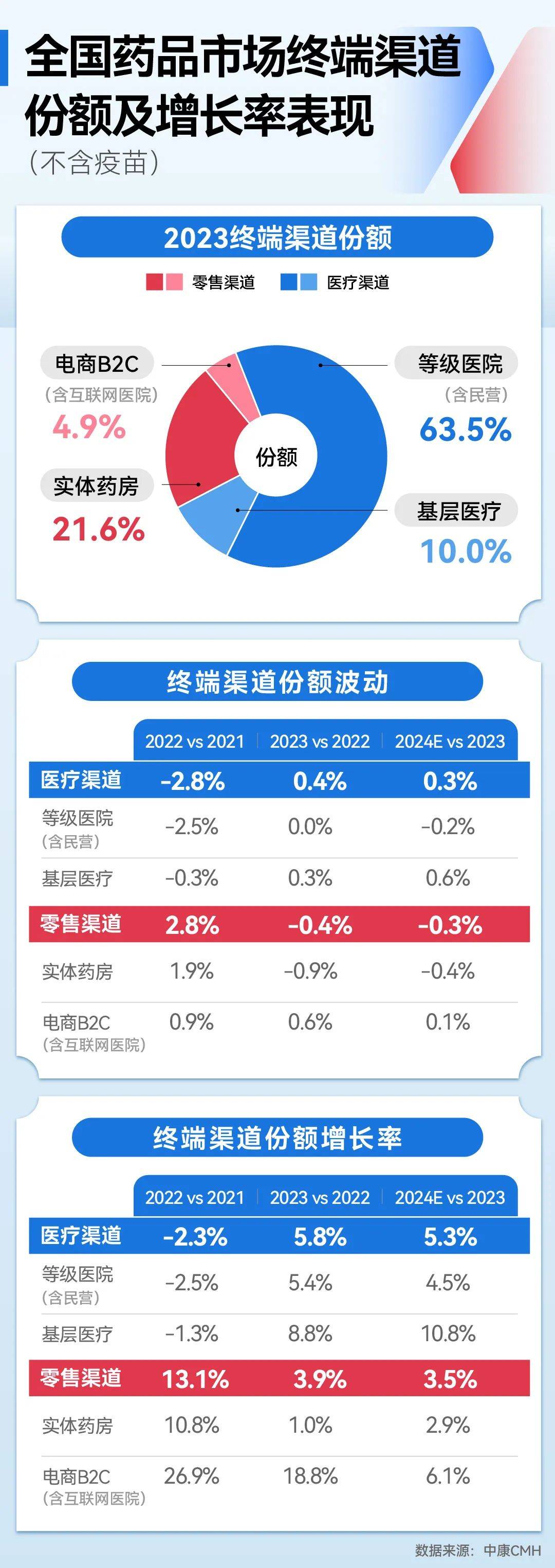
Core Viewpoint - The introduction of self-service medicine vending machines is raising concerns among traditional pharmacies about competition and regulatory compliance, particularly regarding the sale of prescription drugs [5][12][14]. Group 1: Market Trends and Data - The retail pharmacy sector is experiencing a decline in growth, with physical pharmacies projected to see a decrease of 0.4% from 2023 to 2024, following a drop of 0.9% from 2022 to 2023 [3]. - E-commerce B2C channels, including internet hospitals, are showing growth, with a 26.9% increase in 2022 compared to 2021, and an 18.8% increase in 2023 compared to 2022 [4]. - The self-service vending machines can hold over a thousand types of medications and are designed to meet the 24-hour medication needs of consumers, addressing the "last mile" issue in drug purchasing [5][7]. Group 2: Regulatory Environment - The Beijing regulations specify that self-service machines can only sell Class B non-prescription drugs (OTC), which has led to concerns about the potential for these machines to dispense prescription medications without proper oversight [9][10]. - The National Medical Products Administration has stated that self-service machines are not allowed to sell prescription drugs, emphasizing the need for regulatory compliance in the distribution of medications [13]. Group 3: Industry Concerns - Pharmacy operators are worried that self-service machines could operate without licensed pharmacists, leading to potential safety risks in medication dispensing [15][18]. - The operational costs for traditional pharmacies, including the need for licensed pharmacists, are significantly higher compared to the low overhead of self-service machines, which could create an uneven playing field [20][23]. - The rapid deployment of self-service machines could disrupt the traditional pharmacy model, as they can be set up quickly and at a lower cost compared to opening new physical locations [24][26]. Group 4: Economic Implications - The cost of maintaining a licensed pharmacist in a physical pharmacy can add approximately 20,000 yuan per month, while self-service machines do not incur such costs, leading to competitive disadvantages for traditional pharmacies [20][23]. - The profitability of self-service machines is questioned, as some operators report low revenue compared to the initial investment required for the machines [29][30]. - The potential for self-service machines to take over the market raises concerns about the sustainability of traditional pharmacies, especially in densely populated urban areas where competition is already fierce [34][35].
一纸文件征求意见,药店老板们睡不着觉了
3 6 Ke· 2025-08-19 11:53
Core Viewpoint - The introduction of self-service medicine dispensing machines is causing significant concern among traditional pharmacy owners, as these machines can potentially sell prescription drugs without the need for licensed pharmacists, leading to competitive disadvantages for brick-and-mortar stores [1][11][14]. Summary by Relevant Sections Self-Service Machines and Regulations - A draft regulation in A City allows self-service machines to dispense prescription and Class A non-prescription drugs, raising alarms among pharmacy owners about competition from e-commerce platforms [1][11]. - The self-service machines can operate at a fraction of the cost of traditional pharmacies, with estimates suggesting annual operating costs of only a few thousand yuan compared to nearly 20,000 yuan for a single pharmacy's labor costs [1][18]. Market Dynamics and Competition - The self-service machines are seen as a threat to traditional pharmacies, which are already struggling with high operational costs, including rent and staffing [22][25]. - The ability to set up multiple machines quickly and at low cost gives e-commerce platforms a significant advantage over traditional pharmacies, which require substantial investment to open new locations [23][26]. Safety and Regulatory Concerns - Experts express concerns about the safety of dispensing prescription drugs without the oversight of licensed pharmacists, as the machines could bypass necessary checks and balances [11][14][17]. - Current regulations in other cities, like Beijing, restrict self-service machines to non-prescription drugs, highlighting the need for careful consideration of safety and compliance [10][11]. Financial Viability of Self-Service Machines - Some pharmacy owners have attempted to implement self-service machines but found them unprofitable, with revenues failing to cover costs associated with the machines [26][27]. - The high initial investment and ongoing operational costs of self-service machines make them less appealing compared to traditional staffing solutions in densely populated areas [31]. Future Implications for the Industry - If the self-service machine model proves successful in A City, it could significantly disrupt the traditional retail pharmacy landscape, making it difficult for them to compete [24][25]. - The industry must find a balance between innovation and safety, ensuring that the introduction of self-service machines does not compromise patient care [25][31].