
赛诺菲

Search documents
Trump Secures Drug Price Cuts From 9 Major Pharma Firms Including Bristol Myers, Gilead, Merck In Medicaid Deal - AbbVie (NYSE:ABBV), Amgen (NASDAQ:AMGN)
Benzinga· 2025-12-20 06:38
Core Points - President Trump and nine major pharmaceutical companies have reached agreements to reduce medication costs for cash payers and the Medicaid program, aligning U.S. prices with those of other wealthy nations [1][2] - Drugmakers will implement most-favored-nation pricing for Medicaid drugs, ensuring prices match the lowest available globally [2][4] - A new government website, TrumpRx.gov, will facilitate the purchase of discounted prescription drugs directly from manufacturers [3] Agreement Details - Companies involved include Bristol Myers Squibb, Gilead Sciences, Merck, Genentech, Novartis, Amgen, Boehringer Ingelheim, Sanofi, and GSK [2] - Drugmakers will list their products on TrumpRx.gov, which offers significant discounts for cash payers and mandates that new drugs be priced no higher than in other wealthy countries [3] - In exchange for these commitments, companies will receive three-year tariff exemptions previously imposed on foreign-made drugs [4] Specific Drug Pricing - Merck will sell its diabetes drugs, Januvia and Janumet, at a 70% discount to consumers, while Bristol Myers Squibb will provide its blood thinner, Eliquis, free to Medicaid starting January 1, 2026, and offer selected medicines at approximately 80% off list prices for cash-paying patients [5] Investment Commitments - The pharmaceutical companies have pledged over $150 billion in U.S. research and development and manufacturing investments, with Merck committing more than $70 billion to enhance domestic production and innovation [6] - Five companies have already established agreements with the administration, with three more expected to announce deals soon [6] Program Evaluation - Mark Cuban, a billionaire entrepreneur, rated TrumpRx.gov with a "B" grade, indicating potential but suggesting it needs to compel pharmacy benefit managers to alter their practices for a higher rating [7]


2025 年末亚洲制药圈重磅:新药获批、试验暂停与大额合作频发
Xin Lang Cai Jing· 2025-12-20 03:05
Group 1: Drug Approvals and Clinical Trials - AstraZeneca and Daiichi Sankyo's drug combination Enhertu and Perjeta received FDA approval as a first-line treatment for HER2-positive metastatic breast cancer, marking the first new first-line therapy in over a decade, showing a 44% reduction in disease progression or death risk compared to traditional THP therapy [1] - Takeda's oral TYK2 inhibitor zasocitinib demonstrated strong performance in two Phase III trials for moderate to severe plaque psoriasis, with over 75% improvement in key metrics after 16 weeks, and plans to submit for FDA approval in 2026 [2] Group 2: Clinical Trial Setbacks - Daiichi Sankyo's ADC drug ifinatamab deruxtecan has paused patient recruitment in its global Phase III trial due to unexpected interstitial lung disease deaths, which affects its accelerated approval plans based on Phase II data [1] Group 3: Mergers and Acquisitions - Fosun Pharma plans to acquire a 53% stake in Green Valley Pharmaceutical for approximately $200 million to revive the controversial Alzheimer's drug GV-971, which did not receive regulatory renewal in China [4] - Harbour BioMed entered into a collaboration agreement with Bristol-Myers Squibb worth up to $1.1 billion, including an initial payment of $90 million, for a multispecific antibody [5] - Sanofi signed two biotechnology collaboration agreements, including a deal worth up to $1.04 billion for the Alzheimer's candidate ADEL-Y01, with an initial payment of $80 million [6] Group 4: Regulatory Changes - The U.S. Congress passed the revised Biosecure Act as part of the annual defense bill, which is expected to raise entry barriers for Chinese life sciences companies into the U.S. market [3]

?保费翻倍时刻迫近之际 特朗普施压健康险巨头们下调价格
Zhi Tong Cai Jing· 2025-12-20 02:02
Core Viewpoint - President Trump is pressuring major health insurance companies to lower costs for consumers facing premium increases after the expiration of Obamacare subsidies, aiming to gain support from middle and low-income voters ahead of the 2026 midterm elections [2][3]. Group 1: Industry Response - Major health insurance companies, including UnitedHealth Group, Cigna, and Humana, saw their stock prices decline after Trump's comments, despite a general rise in the stock market [3]. - The industry organization AHIP stated that premiums reflect the rising costs of medical care and that insurance companies are doing their best to protect Americans from these increasing costs [3]. Group 2: Legislative Context - Over 20 million Americans are projected to see their health insurance premiums double by 2026, which could significantly impact middle and low-income voters already struggling with living costs [4]. - Congress has limited time to address the premium issue before the open enrollment period ends on January 15, with Democrats focusing on the rising costs as a key voter concern [4]. Group 3: Cost Control Measures - Trump prefers a plan that provides direct subsidies for purchasing insurance but is exploring cost-reduction agreements with the industry to mitigate premium increases [3]. - The administration's public pressure on the insurance sector may create uncertainty regarding future profit margins and rate paths, negatively impacting short-term valuations for the sector [4]. Group 4: Pharmaceutical Agreements - Trump announced agreements with nine pharmaceutical companies to lower drug prices for low-income and disabled individuals, which includes selling discounted drugs directly to consumers and aligning U.S. drug prices with those in overseas markets [5][6]. - This initiative is touted as a significant victory in reducing patient costs in the healthcare industry, with expectations of rapid declines in drug prices [6].
保费翻倍时刻迫近之际 特朗普施压健康险巨头们下调价格
Zhi Tong Cai Jing· 2025-12-20 00:58
Group 1 - President Trump plans to convene major health insurance companies to pressure them into lowering healthcare costs for Americans facing premium increases after the expiration of Obamacare subsidies [1][2] - The meeting is expected to take place in the coming weeks, with Trump emphasizing the need for insurance companies to reduce their profits significantly [2][3] - The health insurance industry, represented by AHIP, stated that premiums reflect healthcare costs and that insurance companies are doing their best to protect Americans from rising medical expenses [2] Group 2 - Over 20 million Americans are projected to see their healthcare premiums double by 2026, which could strain middle and low-income voters already concerned about living costs [3] - Congressional lawmakers left Washington without extending subsidies, leaving little time to address the critical premium issue before the open enrollment period ends on January 15 [3] - Trump's public pressure on insurance companies may create uncertainty regarding future profit margins and rates, negatively impacting the sector's short-term valuations [3] Group 3 - Trump announced agreements with nine pharmaceutical companies to lower drug prices for low-income and disabled individuals, claiming it as a significant victory for patients [4] - The pharmaceutical companies involved have committed to providing discounted drugs directly to consumers and launching new drugs at prices comparable to those in overseas markets [4] - Trump expressed optimism that drug prices in the U.S. will soon become the lowest among developed countries [4]
保费翻倍时刻迫近之际 特朗普施压健康险巨头们下调价格
智通财经网· 2025-12-20 00:55
Group 1 - President Trump plans to convene major health insurance companies to pressure them into lowering healthcare costs for Americans facing premium increases after the expiration of ObamaCare subsidies [1][2] - The meeting is expected to take place in the coming weeks, with Trump emphasizing the need for insurance companies to reduce their profits significantly [2][3] - The health insurance industry, represented by AHIP, stated that premiums reflect healthcare costs and that insurance companies are doing their best to protect Americans from rising medical expenses [2][3] Group 2 - Over 20 million Americans are projected to see their healthcare premiums double by 2026, which could strain middle and low-income voters already concerned about living costs [3] - The Democratic Party is focusing on the rising premiums as a key issue for voters, especially in light of the upcoming midterm elections [3] - Trump's public pressure on insurance companies may create uncertainty regarding future profit margins and rates, negatively impacting the valuation of the health insurance sector in the short term [3] Group 3 - Trump announced agreements with nine pharmaceutical companies to lower drug prices for low-income and disabled individuals, claiming it as a significant victory for patients [4] - The agreements include commitments to sell discounted drugs directly to consumers and to launch new drugs in the U.S. at prices comparable to those in overseas markets [4] - Trump expressed optimism that these measures would lead to a rapid decrease in drug prices, potentially making them the lowest among developed countries [4]


美股AI概念股,集体大涨
财联社· 2025-12-20 00:35
Core Viewpoint - The article highlights the resurgence of AI-related stocks, driven by strong performances from Oracle and Nvidia, leading to a collective rise in major stock indices for two consecutive trading days [1][5]. Market Performance - The Dow Jones Industrial Average rose by 0.38% to close at 48,134.89 points, the S&P 500 increased by 0.88% to 6,834.50 points, and the Nasdaq Composite gained 1.31% to reach 23,307.62 points [3]. - For the week, the S&P 500 saw a slight increase of 0.1%, the Nasdaq rose by 0.5%, while the Dow Jones fell by 0.7% [5]. - Oracle's stock price surged by 6.6% following news of TikTok forming a new joint venture in the U.S. with Oracle, Silver Lake, and MGX [5]. - Other AI-related stocks, including Nvidia and Palantir, also experienced an approximate 4% increase [6]. - Micron Technology continued its upward trend with a 7% rise, following a previous 10% increase due to strong revenue guidance for the current quarter [7]. - Nike's stock plummeted over 10% after the company projected a decline in sales [8]. Notable Company News - Morgan Stanley is reportedly in a strong position to lead the underwriting for SpaceX's IPO, with a close relationship to CEO Elon Musk, although the final decision on the lead underwriter has yet to be made [10]. - Google is actively rehiring former employees to strengthen its AI team, with about 20% of the AI software engineers hired in 2025 being "boomerang employees," a significant increase compared to previous years [11][12]. - Nine pharmaceutical companies have reached agreements with President Trump to lower drug prices for certain groups in exchange for a three-year tariff grace period, with 14 out of 17 companies initially targeted agreeing to the terms [13][14].



Trump unveils major drug price deals with 9 Pharma giants, launches TrumpRx.gov to cut medicine costs in US
MINT· 2025-12-19 23:46
Core Insights - President Trump announced a set of drug-pricing agreements with nine major pharmaceutical companies, aiming to align U.S. medicine costs with those in Europe [1][2] - The initiative includes a new direct-to-consumer portal, TrumpRx.gov, allowing patients to purchase certain medicines directly from manufacturers [2][4] Group 1: Agreements and Participants - The agreements involve 14 out of 17 drugmakers that Trump previously urged to lower prices, including Amgen, GSK, and Merck [2][3] - Drug companies are motivated to negotiate to avoid potential regulatory measures that could impact their profits [3] Group 2: TrumpRx.gov Functionality - TrumpRx.gov will serve as a central directory for patients to access selected medicines directly from manufacturers' websites [4] - The portal is expected to be fully operational by January, following a promotional launch [4] Group 3: Pricing Details - Highlighted medicines include Amgen's Repatha at $239/month, GSK's Advair Diskus at $89/month, and Merck's Januvia at $100/month [6] - Gilead's Epclusa will be priced at $2,492/month, despite lower costs for insured patients [6] Group 4: Impact on Medicaid and Medicare - Companies committed to launching new medicines in the U.S. at prices comparable to those in other wealthy countries [8] - Medicaid programs are legally entitled to the lowest drug prices, with Bristol Myers Squibb offering Eliquis free to Medicaid [9] Group 5: Industry Response and Future Outlook - Health policy experts express skepticism about the agreements' impact on overall drug prices for most Americans [10] - The agreements do not impose mandatory price controls and leave many brand-name drug costs unchanged [15] - Ongoing discussions with additional manufacturers like AbbVie and Johnson & Johnson may lead to further agreements [14]


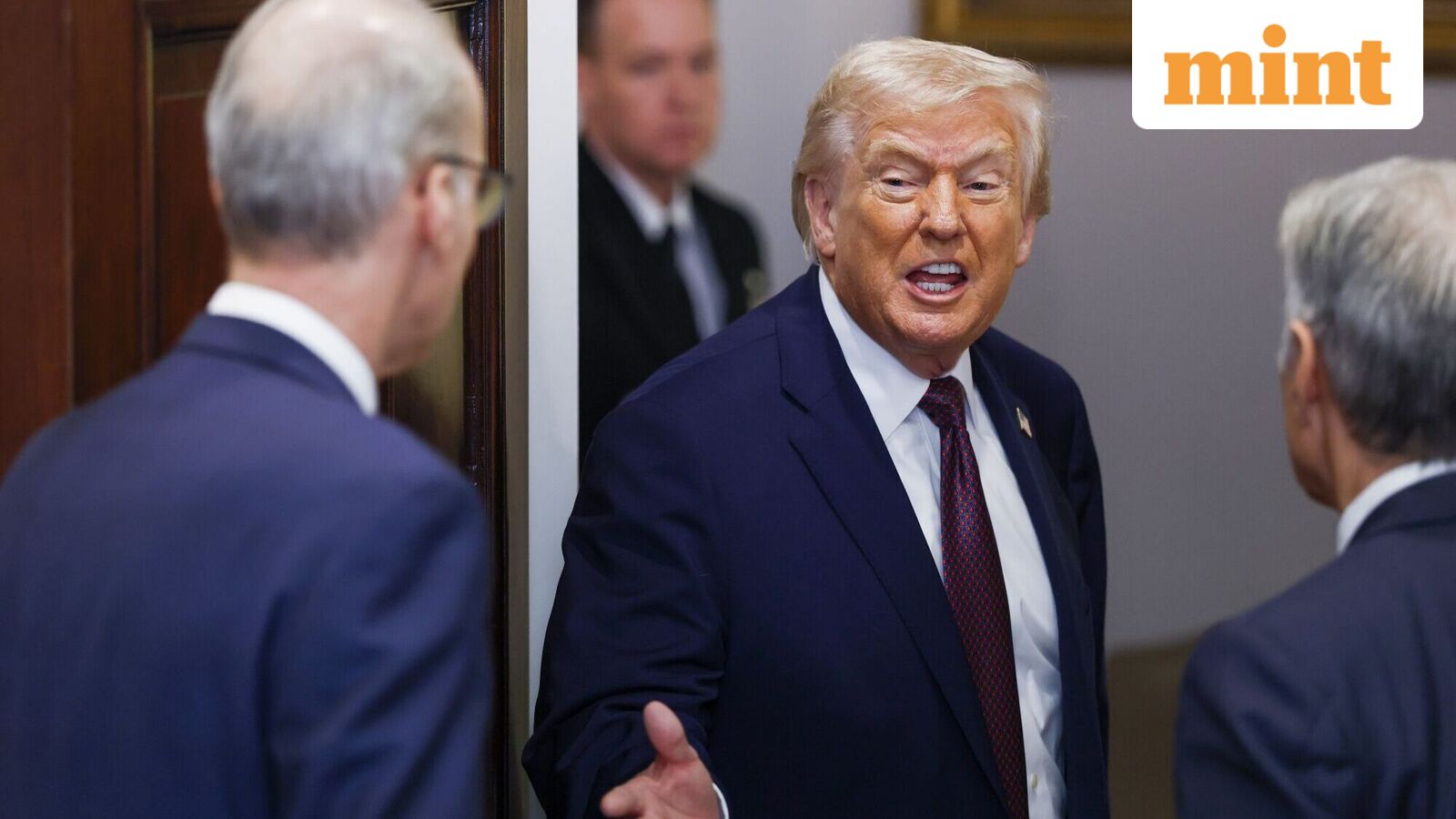
特朗普标榜“大胜”:九大药企达成降价协议换取三年关税豁免
Hua Er Jie Jian Wen· 2025-12-19 23:35
Core Insights - The U.S. government has reached a drug price reduction agreement with nine major pharmaceutical companies, marking a significant step in lowering drug costs for low-income and disabled individuals under the Medicaid program [1][3] - The agreement includes commitments from companies to sell drugs at prices comparable to those in international markets and to offer discounts directly to consumers [1][2] - The Trump administration plans to launch a direct sales website, TrumpRX, in the new year, where discounted drugs will be available for purchase [2][6] Agreement Details - The nine pharmaceutical companies involved have agreed to implement several measures to lower drug prices, including selling existing drugs to Medicaid patients at "most favored nation" prices and listing popular drugs on the TrumpRX website [3] - In exchange for these commitments, the companies will receive a three-year tariff exemption and other benefits, such as expedited approval for new drugs [3] - Some companies have also agreed to donate six months' worth of drug raw materials to the national strategic stockpile and commit to producing finished drugs in emergencies [3] Global Pricing Challenge - The Trump administration's "most favored nation" policy aims to address the high costs of drug development borne by the U.S. market by increasing drug prices outside the U.S. [4] - Pharmaceutical companies argue that high U.S. prices are necessary to fund research and development, and industry associations claim that the most favored nation pricing is not the best way to reduce U.S. drug costs [4] - The importance of the U.S. market is underscored by the fact that many European pharmaceutical companies derive a significant portion of their sales from the U.S. [4] Market Impact and Future Outlook - The agreements are expected to have a substantial impact on the U.S. healthcare market, with the potential for significant adjustments in drug pricing as more companies join the initiative [5][6] - However, the actual effects of these agreements remain to be seen, as the details are currently confidential, prompting calls from Democratic lawmakers for more transparency [6] - The anticipated launch of the TrumpRX website could further influence drug pricing dynamics in the U.S. [6]
特朗普与九家药企达成协议,大幅降低药价
Xin Lang Cai Jing· 2025-12-19 23:34
Core Viewpoint - The agreement between President Trump and nine major pharmaceutical companies aims to significantly reduce drug prices for government Medicaid programs and cash-paying patients [1] Group 1: Agreement Details - The pharmaceutical companies involved include Bristol-Myers Squibb, Gilead Sciences, Merck, and Genentech, a subsidiary of Roche [1] - Other companies that have joined the agreement are Novartis, Amgen, Boehringer Ingelheim, Sanofi, and GlaxoSmithKline [1] - The agreement stipulates that pharmaceutical companies will lower prices for most drugs sold to low-income individuals under Medicaid and commit to achieving "substantial savings" on widely used medications [1]
24小时闪电“派礼包”!特朗普年末卖力吸引选民
Hua Er Jie Jian Wen· 2025-12-19 23:22
Group 1: Economic Measures and Policies - President Trump announced a $1,776 "warrior bonus" for 1.45 million active-duty military personnel, funded by an additional $2.6 billion from tariffs, benefiting approximately 1.28 million active and 174,000 reserve service members [2] - Federal employees will receive an unprecedented two additional days off for Christmas, creating a five-day holiday period, with the government closing on December 24 and 26 [3] - Trump signed an executive order to relax marijuana regulations, moving it from Schedule I to Schedule III, which will facilitate more clinical research and FDA reviews [4][6] Group 2: Housing and Drug Pricing Initiatives - Trump promised to unveil a housing reform plan to address the housing affordability crisis, while claiming inflation has "stopped" [7] - Major pharmaceutical companies, including Merck and GSK, agreed to voluntarily lower drug prices in exchange for tariff exemptions and regulatory relief, with Novartis committing to invest $23 billion in the U.S. over five years [7] Group 3: Political Context and Challenges - Trump's policy announcements come amid declining approval ratings, with Ipsos polling showing his support at 39%, and challenges related to rising living costs and the upcoming 2026 midterm elections [1][9] - The unemployment rate rose to 4.6% in November, the highest since October 2021, with approximately 7.83 million unemployed, indicating economic pressures that could impact the Republican party's control in Congress [8][9]