南方电网

Search documents
南网能源拟定增募资不超20亿 控股股东拟认购不超10亿
Zhong Guo Jing Ji Wang· 2025-11-03 06:37
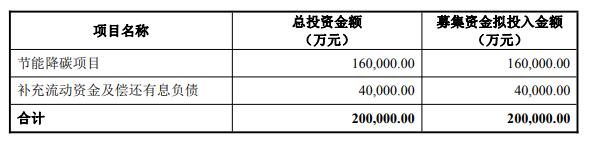
Core Viewpoint - The company, Nanfang Energy, plans to raise up to 200 million yuan through a private placement of A-shares to fund energy-saving and carbon reduction projects, supplement working capital, and repay interest-bearing debts [1][2]. Fundraising Details - The total investment for the energy-saving and carbon reduction project is 160 million yuan, while 40 million yuan is allocated for working capital and debt repayment, totaling 200 million yuan [2]. - The shares will be issued at a price determined through a bidding process, with the price not lower than 80% of the average trading price over the previous 20 trading days [2][4]. Issuance Structure - The issuance will target up to 35 specific investors, including the controlling shareholder, Nanfang Electric Power, and other qualified institutional and individual investors [3][4]. - Nanfang Electric Power will participate in the issuance without engaging in the market bidding process, committing to accept the market results [4]. Shareholder Impact - The issuance will not change the control of the company, as the controlling shareholder and actual controller remain the same after the issuance [4]. Previous Fundraising - In a previous fundraising round in January 2021, the company raised approximately 1.06 billion yuan by issuing 757,575,757 shares at a price of 1.4 yuan per share, with a net amount of approximately 1.04 billion yuan after deducting fees [5].

专家:“十五五”电网面临多方挑战 加快推进“双八百”特高压柔直技术攻关
Zhong Guo Jing Ying Bao· 2025-11-01 05:48
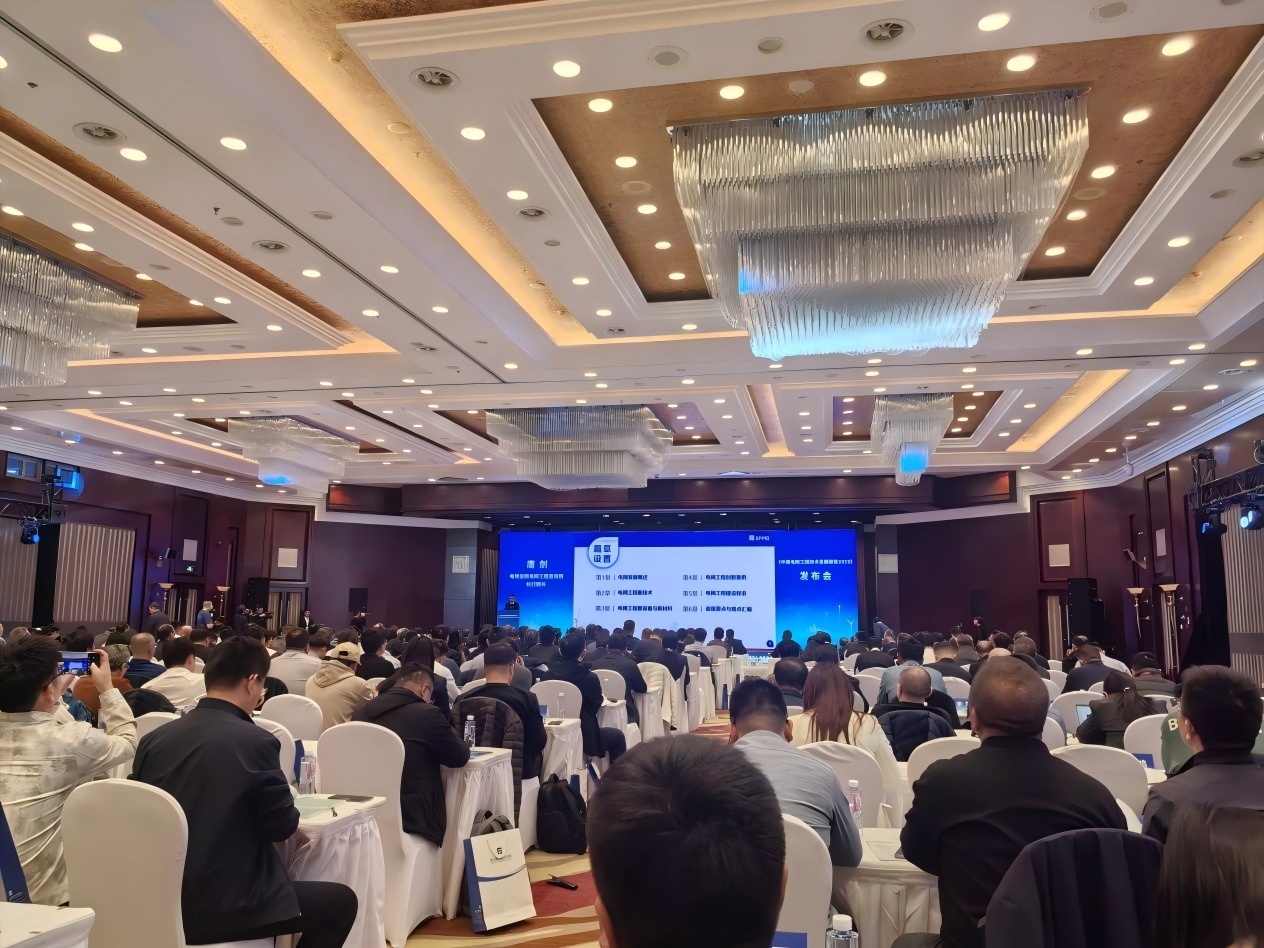
Core Insights - The 2025 National Power Grid Technology Exchange Conference highlighted significant advancements in China's power grid engineering during the "14th Five-Year Plan" period, emphasizing the importance of energy production and consumption revolution for high-quality development [2][4] - Experts at the conference identified new challenges and proposed targeted recommendations for the upcoming "15th Five-Year Plan" period, focusing on the need for unified planning and resource allocation in power grid development [2][3] Group 1: Key Developments - The conference revealed that the power system will exhibit high penetration of renewable energy, increased electrification, and greater supply-demand variability during the "15th Five-Year Plan" period, necessitating new requirements for grid planning and construction [2][3] - The report released at the conference summarized achievements in new technologies, equipment, and materials in power grid engineering since 2024, providing insights into future technological directions [4] Group 2: Expert Opinions - The Director of the Electric Power Department of the National Energy Administration emphasized the need for enhanced unified planning and resource support to adapt to the requirements of a national unified electricity market [2][3] - The Deputy General Manager of China Energy Construction Group called for increased investment in technology and research to improve the resilience and safety of the supply chain in response to unprecedented demands from rapid renewable energy development [2][3] Group 3: Challenges and Recommendations - The Deputy Chief Engineer of the State Grid highlighted the urgent need for research and application of new technologies to address world-class technical challenges in power grid construction [3] - The Deputy General Manager of the Southern Power Grid pointed out the necessity for a new intelligent construction paradigm to manage the complexities of large-scale renewable energy projects and storage systems [3][4]
南网能源:拟定增募资不超过20亿元 用于节能降碳项目等
Zheng Quan Shi Bao Wang· 2025-10-31 15:12
Group 1 - The company, Nanfang Energy, plans to issue A-shares to raise a total of no more than 2 billion yuan for energy-saving and carbon reduction projects, as well as to supplement working capital and repay interest-bearing debts [1] - The controlling shareholder, Southern Power Grid, agrees to subscribe to the A-share issuance in cash, with a subscription ratio of no less than 41.26% of the total shares issued [1] - The maximum subscription amount by Southern Power Grid is capped at 1 billion yuan [1]
南网能源:拟募资20亿元,控股股东拟认购不超10亿元
Xin Lang Cai Jing· 2025-10-31 15:12
Core Viewpoint - The company plans to issue up to 1.136 billion A-shares to no more than 35 specific investors, raising a maximum of 2 billion yuan [1] Group 1: Share Issuance Details - The controlling shareholder, Southern Power Grid, intends to subscribe for no less than 41.26% of the issued shares, with a subscription amount not exceeding 1 billion yuan [1] - The pricing benchmark date for the issuance is set for the first day of the issuance period, with the price being no less than 80% of the average trading price of the company's shares over the previous 20 trading days [1] - This transaction constitutes a related party transaction and requires approval from the company's shareholders' meeting, Shenzhen Stock Exchange, and registration consent from the China Securities Regulatory Commission [1]
国家能源局:三季度绿证平均交易价格较一季度增长210%
Xin Hua Cai Jing· 2025-10-31 13:52
Core Insights - The green certificate market in China has shown significant growth in both volume and price, with a trading scale of 529 million certificates from January to September, representing a year-on-year increase of 110% [1] - The average trading price of green certificates reached 5.06 yuan per certificate in the third quarter, a 210% increase compared to the first quarter, highlighting the growing environmental value of renewable energy electricity [1] Group 1: Market Mechanism Improvement - The introduction of long-term green power purchase agreements (PPA) has led to a trading scale exceeding 30 billion kilowatt-hours [1] - Breakthroughs in cross-regional green power trading have been achieved by State Grid and Southern Power Grid, with distributed project aggregation reaching 2.8 billion kilowatt-hours [1] Group 2: Expanding Market Demand - The implementation of energy laws has prompted authorities to push for minimum renewable energy consumption targets, enhancing the responsibility for renewable energy electricity consumption [1] - New requirements for renewable energy electricity consumption ratios have been established for key industries such as steel, cement, polysilicon, and newly built data centers [1] Group 3: Increasing Market Recognition - The National Energy Administration has intensified promotional efforts for green certificates, conducting various campaigns across regions [2] - The international green power consumption initiative RE100 has fully recognized Chinese green certificates, marking a significant advancement in their international acceptance and influence [2] Group 4: Future Development Plans - The focus will be on cultivating demand for green certificates and promoting high-quality market development [2] - Plans include revising and expediting the implementation of renewable energy consumption minimum ratio targets and enhancing the trading mechanisms for green certificates [2]
崔东树:我国车桩比达相对宽裕水平 1-9月充电设施与纯电动的销量占比为0.77
智通财经网· 2025-10-31 12:54
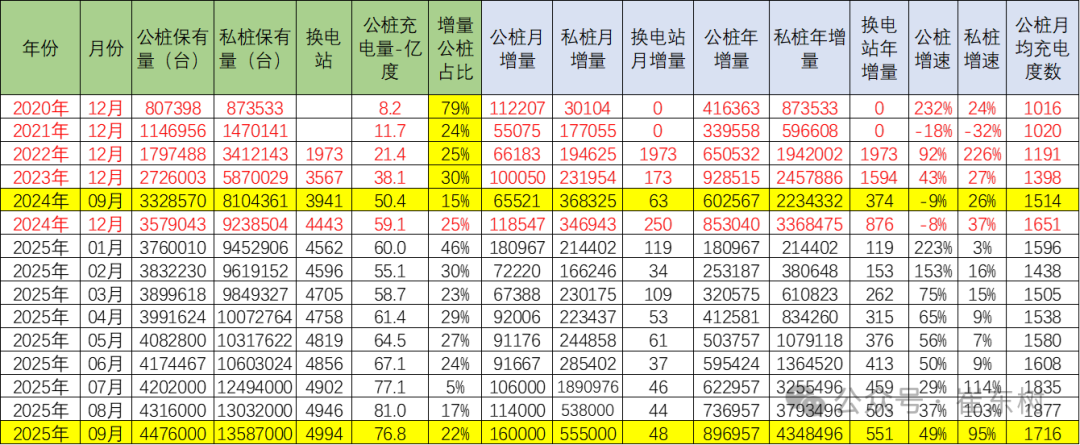
Core Insights - The rapid development of charging infrastructure in China has led to a significant increase in public charging stations, with a utilization rate of public charging stations being three times that of private ones, indicating a growing disparity in charging station operations [1][15] - By September 2025, the total number of public charging stations is expected to reach 4.476 million, with a monthly increase of 160,000 stations, while private charging stations are projected to reach 13.587 million, reflecting a robust growth trend in both sectors [2][3] - The average monthly charging per public station has improved to 1,716 kWh in September 2025, up from 1,514 kWh in the previous year, showcasing enhanced efficiency in charging operations [3][4] Charging Infrastructure Overview - As of September 2025, the total number of electric vehicle charging infrastructure in China has reached 18.063 million, a year-on-year increase of 54.5%, with public charging facilities accounting for 4.476 million and private facilities for 13.587 million [2][3] - The total rated power of public charging stations has reached 199 million kW, with an average power of approximately 44.36 kW per station [2][3] - The growth rate of public charging stations has shown fluctuations, with a notable increase of 30% in 2023 and a projected 15% increase in 2024 [2][4] Monthly Growth Trends - Public charging stations saw a monthly increase of 160,000 in September 2025, while private charging stations increased by 555,000 in the same month, indicating a strong upward trend in both categories [3][4] - The monthly growth rates for public and private charging stations have varied, with public stations experiencing a decrease in growth rate in 2024 compared to 2023, while private stations have shown consistent growth [4][5] Regional Characteristics - Major provinces such as Guangdong, Zhejiang, and Jiangsu are leading in the number of public charging stations, with Guangdong alone contributing 23,775 new stations in 2023 [7] - The distribution of charging stations is heavily concentrated in economically developed regions, with significant growth observed in populous provinces [7] Operator Characteristics - Charging operators in China can be categorized into four main types: integrated manufacturers and operators, state-owned grid companies, large automotive groups, and third-party operators, each employing different business models and strategies [8][10] - The market is experiencing a "Matthew Effect," where leading operators are gaining a larger market share, highlighting the competitive landscape of the charging infrastructure industry [10] Charging Station Utilization - The utilization rate of public charging stations is significantly higher than that of private stations, with public stations serving approximately three times the number of vehicles compared to private ones [15] - The demand for private slow charging stations is expected to grow, as they are projected to account for over 90% of the charging infrastructure in the future [15]
“风光储充”齐上阵 电力企业“碳”新路
Xin Hua Cai Jing· 2025-10-31 06:25
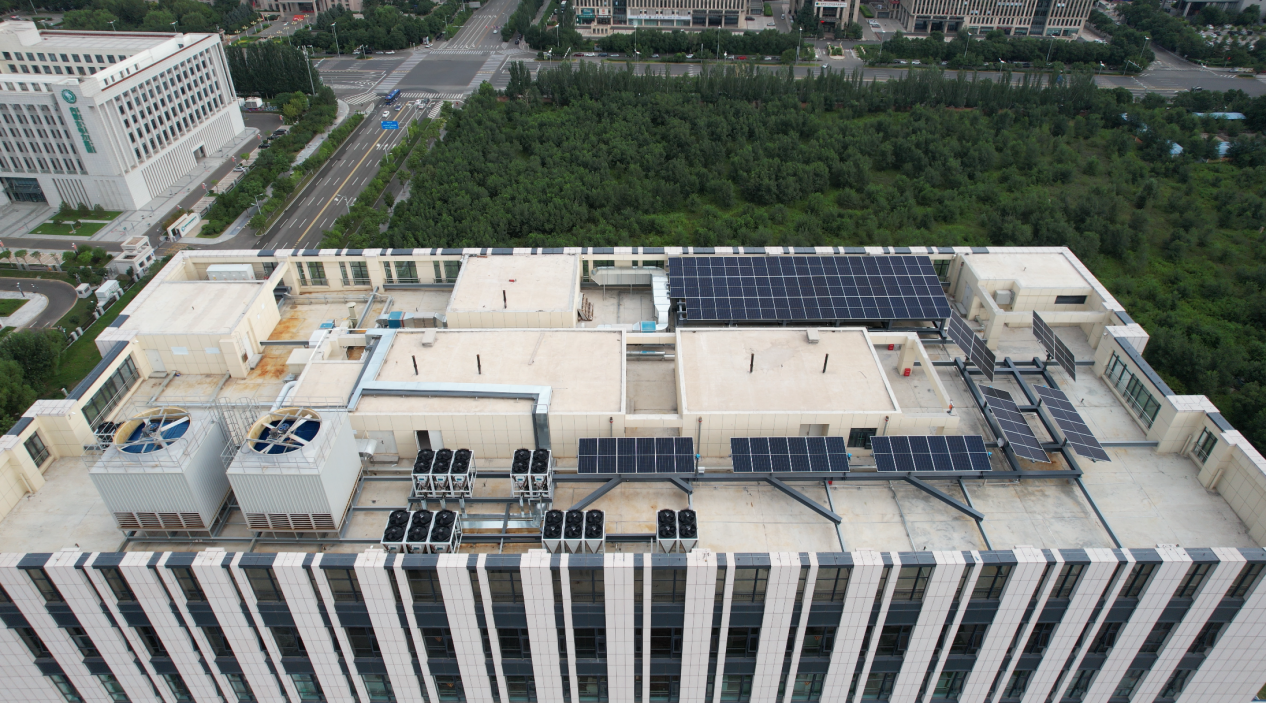
Core Viewpoint - Multiple power companies across China are actively implementing low-carbon and zero-carbon energy supply models, leveraging technological innovation and service upgrades to assist users in achieving clean energy consumption and promoting a green low-carbon development vision [1]. Group 1: Project Implementation - The State Grid's Inner Mongolia branch has launched a green smart office park project, enhancing energy efficiency and smart management through a dual construction system [1][3]. - The project includes energy-saving retrofits with smart switches, sockets, and lighting, significantly reducing operational energy consumption [1]. - A distributed rooftop photovoltaic system and energy storage solutions have been installed, with an additional green power capacity of 895.76 kW and an estimated annual generation of approximately 1.1 million kWh [3]. Group 2: Zero-Carbon Initiatives - Southern Power Grid is establishing zero-carbon demonstration models, such as the "wind-solar-storage-direct charging" power supply station in Yangshuo, Guangxi, focusing on carbon management and neutrality [5][6]. - The power station utilizes photovoltaic and wind energy, along with energy storage and V2G charging systems, to achieve self-consumption and regulation of clean energy [6]. - The Tangbu power supply station in Wuzhou has implemented a near-zero carbon model, generating approximately 37,700 kWh annually and saving around 25,000 yuan in electricity costs [6]. Group 3: Broader Low-Carbon Transformation - Power companies are also engaging in low-carbon transformation projects for various users, including parks, enterprises, and schools, to accelerate the overall green transition of the economy and society [7]. - In Shandong, a distributed photovoltaic project in the Gree Intelligent Manufacturing Industrial Park has been completed, generating 7.06 million kWh annually, with the State Grid providing consulting services during the project [7]. - The State Grid's Jining branch has implemented air-source heat pump projects in 18 schools, achieving over 60% energy savings compared to traditional heating and cooling methods [7].
奥 特 迅:公司产品以直销为主,工业电源下游客户群体集中于国家电网、南方电网、中核集团等
Mei Ri Jing Ji Xin Wen· 2025-10-30 03:37
Core Viewpoint - The overall revenue of the power grid equipment industry is expected to increase by 2025, yet the revenue of Aote Xun has declined, raising questions among investors [1] Company Summary - Aote Xun primarily operates on a direct sales model, with its industrial power supply customer base concentrated among large state-owned enterprises and local energy investment platforms, such as State Grid, Southern Power Grid, and major nuclear power groups [1] - The company enjoys high brand recognition and loyalty among its customers in the power automation supply segment, leading to a significantly higher repurchase rate compared to competitors [1] - Despite a stable customer base, the company faces challenges due to longer accounts receivable periods and limited incremental order space, as the industry has experienced years of rapid growth resulting in a finite number of existing orders [1]

奋进“十五五”续写新篇章︱ “十五五”氢能有望实现规模化应用 “绿氢”激活万亿市场
国家能源局· 2025-10-30 00:51
Core Viewpoint - The article emphasizes the significant potential of hydrogen energy as a new economic growth point, driven by advancements in technology, cost reduction, and diverse application scenarios, particularly in waste management and transportation sectors [2][4][40]. Group 1: Hydrogen Energy Development - The "14th Five-Year Plan" suggests promoting hydrogen energy as a key economic growth area, with a focus on its large-scale application [2]. - The cost of green hydrogen is expected to decrease, with projections indicating a price of around 10 yuan per kilogram by 2030 [50]. - The hydrogen industry is anticipated to activate a trillion-yuan market as it transitions from demonstration projects to large-scale applications [4][40]. Group 2: Waste-to-Hydrogen Projects - A demonstration project in Foshan converts municipal waste into hydrogen through a process that includes carbon powder production and coal-to-hydrogen technology, achieving an annual capacity of approximately 6,500 tons at a cost of 10 yuan per kilogram [4][8]. - The project utilizes a low-oxygen environment to process waste, ensuring harmful metals are safely contained [6]. Group 3: Urban Applications - The first distributed energy project using fuel cells in a residential area in Foshan provides power to over 1,700 households through hydrogen produced from natural gas [10]. - A mobile zero-carbon hydrogen generation vehicle has been introduced, capable of producing 80 cubic meters of hydrogen per hour, offering a sustainable alternative to diesel generators [14][16]. Group 4: Transportation and Logistics - Hydrogen fuel cell systems are being integrated into heavy-duty trucks, with significant cost reductions in core components, making them more economically viable compared to diesel [28][34]. - A network of hydrogen refueling stations is being established in Chongqing, facilitating cross-regional hydrogen supply for heavy-duty trucks [22]. Group 5: Industrial Applications - A major green hydrogen ammonia project in Jilin is set to launch, with a total investment of 29.6 billion yuan, creating a complete industrial chain from renewable energy to hydrogen production [38]. - The cost of hydrogen production from electrolysis has decreased by nearly 50% since 2020, enhancing the economic feasibility of green hydrogen in various industries [48]. Group 6: Future Outlook - By 2035, China's total installed capacity for wind and solar power is expected to reach 3.6 billion kilowatts, with significant potential for green hydrogen production [46]. - The transition from small-scale demonstrations to commercial applications of green hydrogen and ammonia is seen as a critical phase during the "14th Five-Year Plan" [46].

2025广东企业500强名单公布!腾讯、比亚迪等上榜前10名
Nan Fang Du Shi Bao· 2025-10-29 08:16
Core Insights - The Guangdong Enterprise 500 Strong list for 2025 has been released, showcasing significant changes in rankings and performance metrics of leading companies in the region [1][2]. Group 1: Rankings and Performance - The total revenue of the Guangdong Enterprise 500 Strong reached 19.36 trillion yuan, with a growth rate of 3.36% compared to the previous year [2]. - The top 10 companies in the 2025 Guangdong Enterprise 500 Strong are: Ping An Insurance, China Resources Group, Huawei, Southern Power Grid, BYD, Tencent, Foxconn, China Merchants Bank, Midea Group, and GAC Group [2]. - Huawei moved up one position to rank third, while Southern Power Grid dropped to fourth. BYD and Tencent swapped places, with BYD at fifth and Tencent at sixth. Vanke fell out of the top 10, now ranked eleventh, while Midea Group entered the top 10 at ninth [1][2]. Group 2: Regional Distribution - Shenzhen leads with 216 companies on the list, achieving a cumulative revenue exceeding 1 trillion yuan and a net profit of 863.7 billion yuan [4]. - Guangzhou follows with 120 companies, including major firms like Southern Power Grid and GAC Group, reflecting a balanced presence of service and manufacturing sectors [4]. - Other cities like Foshan, Dongguan, and Huizhou also show stable performances with notable companies in manufacturing [5]. Group 3: Profit Trends - The total net profit of the Guangdong Enterprise 500 Strong shows a trend of recovery and stabilization, reversing a two-year decline, with a growth rate of 2.06% for 2025 [6]. Group 4: Industry Insights - The service and manufacturing sectors remain the dual engines of Guangdong's economy, with strong performances in finance, insurance, supply chain, and real estate [9]. - The manufacturing sector is concentrated in electronics, automotive, home appliances, and new energy, with companies like Huawei, BYD, and Foxconn demonstrating Guangdong's strength in high-end and smart manufacturing [9]. - There is a notable increase in companies within the new energy and electronic information sectors, indicating ongoing investment in green transformation and technological innovation [9]. Group 5: R&D Investment - The scientific research and technical services industry leads in R&D investment, accounting for 18.99% of its revenue, followed by the manufacturing sector with a 4.08% R&D investment ratio [10].