中信保诚基金

Search documents
年内32只定开基金延长开放期 债基占比超九成
Zheng Quan Ri Bao· 2025-06-24 16:41
近期,部分定期开放型基金(以下简称"定开基金")出现延长开放期的罕见操作。 定开基金是指在特定时间段内开放申购和赎回,其余时间处于封闭期的基金,其核心特征是通过设定固 定的开放期和封闭期进行投资运作。 晨星(中国)基金研究中心总监孙珩在接受《证券日报》记者采访时表示,定开基金的设计初衷是通过 对申赎时间的限制,减少资金频繁进出对基金运作的影响,让基金经理能更专注于中长期投资策略的执 行,从而在一定程度上提升基金在长期投资中的收益稳定性和策略持续性。 "这一现象主要源于债券市场波动加剧及投资者赎回压力上升。为缓解集中赎回带来的流动性冲击或配 合投资策略优化,已有多只定开债券型基金将开放期延长3天至14天不等。"深圳市前海排排网基金销售 有限责任公司公募产品经理朱润康对此分析称,基金管理人通过动态调整产品开放期,在保障投资者申 赎需求与维护基金稳健运作之间寻求平衡,体现出当前市场环境下对风险管理和投资体验的重视。 在债券型基金占主导的开放期调整中,权益类定开基金延长开放期的操作引发市场关注。Wind资讯数 据显示,截至6月24日,平安兴鑫回报一年定期开放混合型证券投资基金年内净值增长率达32.10%,信 澳博见成 ...
近460亿!创新高
Zhong Guo Ji Jin Bao· 2025-06-23 08:03
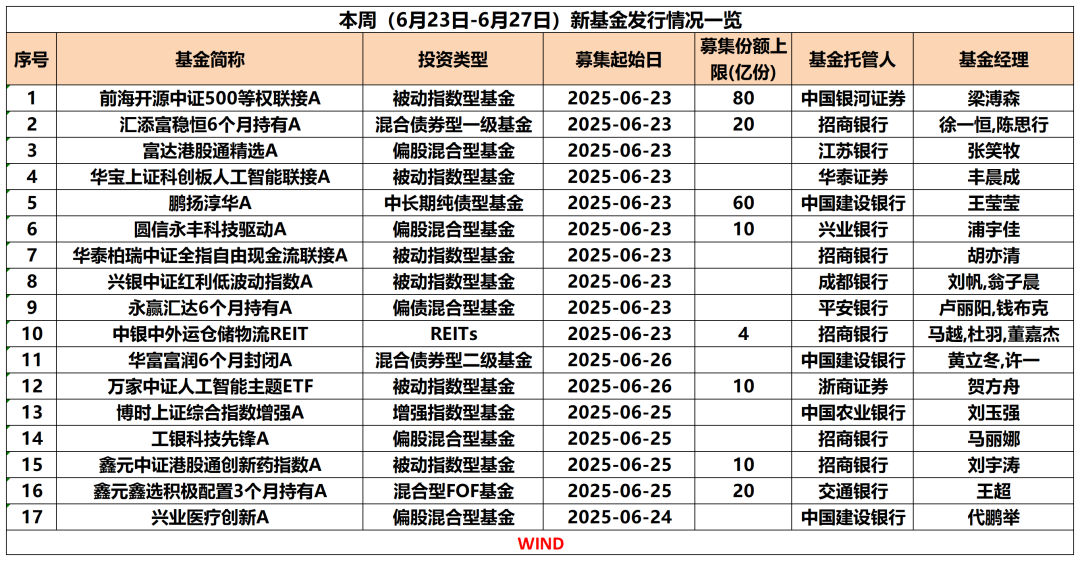
Group 1 - This week, 17 new funds were launched in the market, with index funds being the main focus of issuance [1][3] - Last week, a total of 48 new funds were established, with a total fundraising scale of 45.923 billion yuan, setting a new high for the year [6][7] - Among the new funds launched this week, 7 were index funds, 5 were mixed funds, and 3 were bond funds, with one each for FOF and REITs [3][4] Group 2 - The largest fundraising fund last week was the mixed FOF product "Oriental Red Yingfeng Stable Allocation 6-Month Holding A," which raised 6.573 billion yuan [9] - The top three funds by fundraising scale last week included "Jingguan Taifu Zhongdai Jingjinji Comprehensive A" and "Xingyin Zhongdai Youxuan Investment Grade Credit Bond Index A," raising 6.001 billion yuan and 5.993 billion yuan respectively [9] - The "Oriental Red Yingfeng" fund was notable for its rapid fundraising, completing its subscription in just 7 days [9] Group 3 - The "Qianhai Kaiyuan Zhongzheng 500 Equal Weight Link A" has a maximum fundraising limit of 8 billion units, while "Pengyang Chunhua A" has a limit of 6 billion units [5] - The fund manager for "工银科技先锋 A" has a background in technology and economics, focusing on the artificial intelligence industry [5] - The "富达港股通精选 A" fund aims to leverage growth stocks in the Hong Kong market, indicating a strategic focus on long-term investment prospects [5]

微盘股新高后已回撤两日!公募提示:“抱团”或出现松动
天天基金网· 2025-06-20 03:27
Core Viewpoint - The micro-cap stock index has recently reached a new high, but has shown significant pullback after a two-day market adjustment, indicating increased volatility in the market [1]. Group 1: Market Dynamics - Several public funds believe that the rapid recovery of micro-cap stocks over the past two months is driven by multiple factors, with liquidity being a primary driver [2][4]. - The micro-cap stock index has shown strong performance, with the CSI 2000 and Guozheng 2000 indices rising by 16.11% and 13.27% respectively since April 8, significantly outperforming larger indices [4]. - The central bank's emphasis on maintaining a moderately loose monetary policy suggests that liquidity support for micro-cap stocks may continue, enhancing their market elasticity [4]. Group 2: Fund Performance and Limitations - Despite some public funds achieving good performance with micro-cap stocks, the limited capacity for these stocks to absorb large amounts of capital has led to restrictions on fund subscriptions [6][8]. - As of the first quarter of 2025, public funds held approximately 4.55 billion yuan in micro-cap stocks, representing only 0.08% of their total market value, indicating low holding concentration [7]. Group 3: Diverging Opinions on Future Trends - There are differing opinions among institutions regarding the future of micro-cap stocks, with some reports indicating that the factors supporting their collective rise are beginning to show signs of strain [3][9]. - Concerns have been raised about the potential for a "snowball" effect if the current trend of collective investment in micro-cap stocks exceeds their capacity, which could lead to significant market fluctuations [10]. Group 4: Optimistic Perspectives - Some analysts remain optimistic, suggesting that micro-cap stocks are primarily driven by liquidity rather than fundamental factors, and that they may continue to outperform in the absence of a clear market trend [11].


量化基金最新收益排名揭晓!诺安基金以超90%收益夺得第1
Sou Hu Cai Jing· 2025-06-13 09:33
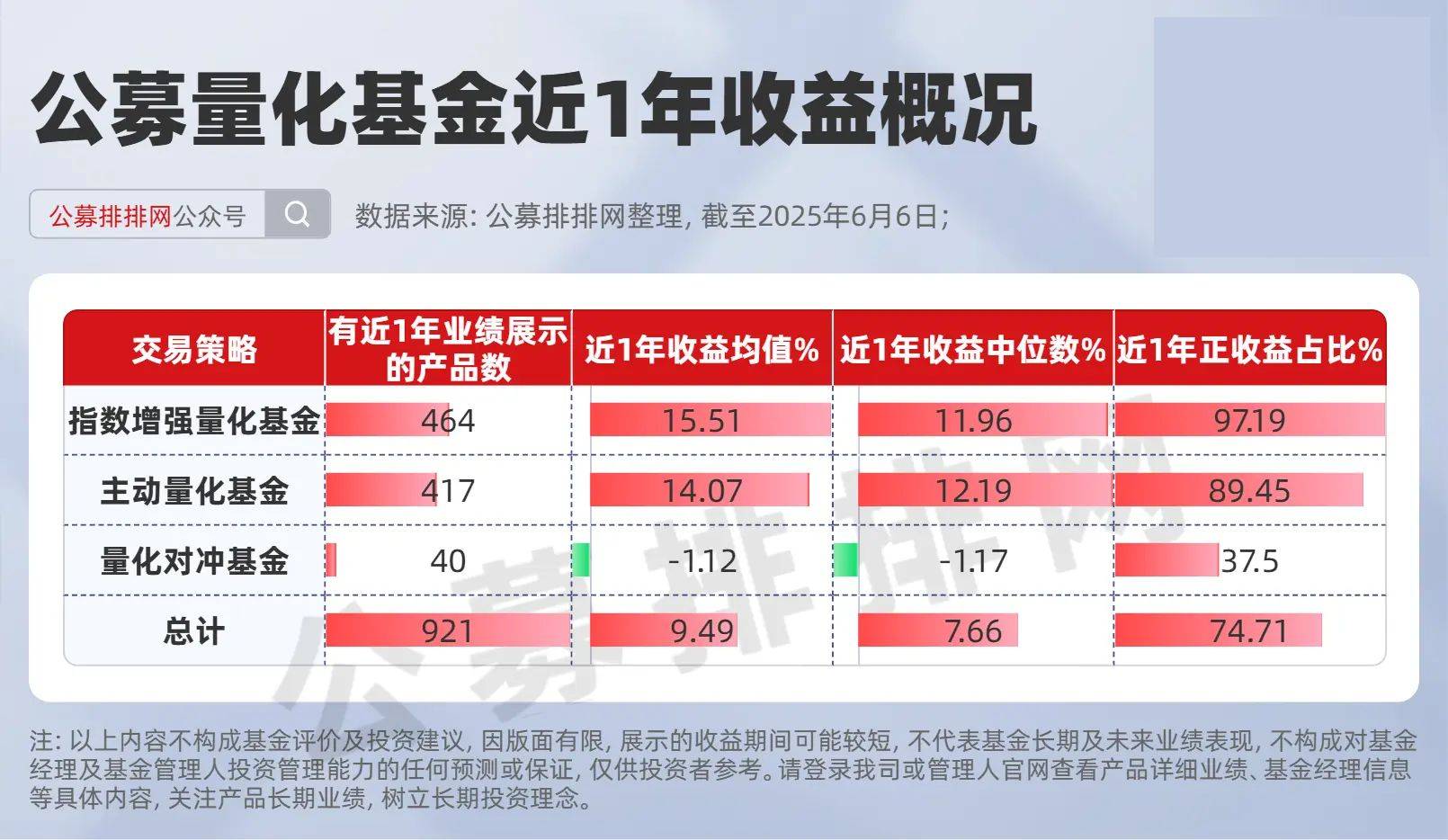
Core Insights - The advantages of quantitative investment have become increasingly prominent in the market, particularly with the rise of public quantitative funds attracting a broader range of retail investors due to their lower entry barriers [1] - Major public fund companies, such as Fuguo Fund and Penghua Fund, are exploring deep applications of AI to enhance their quantitative fund products following the launch of the DeepSeek-R1 model by the private fund giant Huanfang [1] Group 1: Performance of Quantitative Funds - As of June 6, 2025, there are 921 public quantitative fund products with a mean return of 9.49% over the past year [1] - Among these, index-enhanced quantitative funds, active quantitative funds, and quantitative hedge funds have 464, 417, and 40 products respectively, with average returns of 15.51%, 14.07%, and -1.12% [1] - The proportion of positive returns for these funds is 97.19% for index-enhanced, 89.45% for active, and 37.5% for quantitative hedge funds, indicating that index-enhanced funds performed the best [1] Group 2: Top Performing Funds - The top 10 index-enhanced quantitative funds have a minimum return threshold of 37.61%, with the top three being managed by Chuangjin Hexin Fund, Huatai-PB Fund, and Dacheng Fund [3] - The "Chuangjin Hexin North 50 Component Index Enhanced A" fund has a one-year net value growth rate of 90.46%, outperforming its benchmark by 8.44% [5] - The "Huatai-PB CSI 2000 Index Enhanced A" fund achieved a one-year net value growth rate of 56.8%, also exceeding its benchmark by 23.27% [6] Group 3: Active Quantitative Funds - The top 10 active quantitative funds have a minimum return threshold of 42.43%, with the leading fund being "Noan Multi-Strategy A" which recorded a one-year net value growth rate of 90.2% [9][11] - This fund's performance significantly surpassed its benchmark, which only grew by 7.68% [11] - The top three active quantitative funds are managed by Noan Fund, CITIC Prudential Fund, and GF Fund [9] Group 4: Quantitative Hedge Funds - Among the 40 quantitative hedge funds, 8 achieved positive returns, with the top three managed by Fuguo Fund, ICBC Credit Suisse Fund, and Haifutong Fund [13] - The focus of quantitative hedge funds is to construct stock portfolios while using tools like index futures for risk hedging, aiming for absolute returns [13]
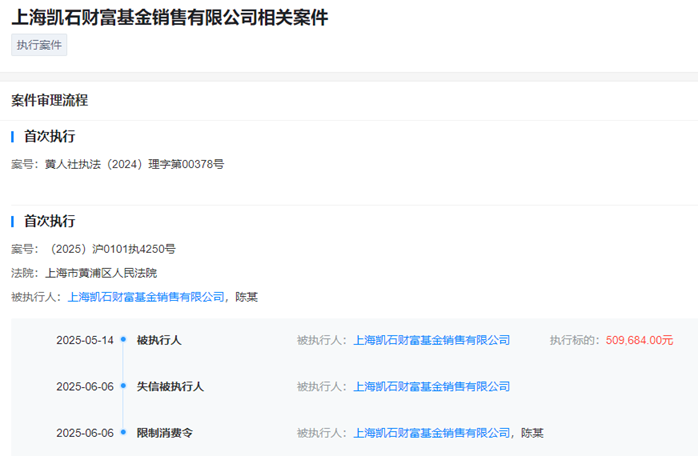
凯石基金董事长陈继武遭限消!公司旗下2/3产品长期跑输业绩基准,管理规模较峰值缩水逾九成
Sou Hu Cai Jing· 2025-06-13 03:36
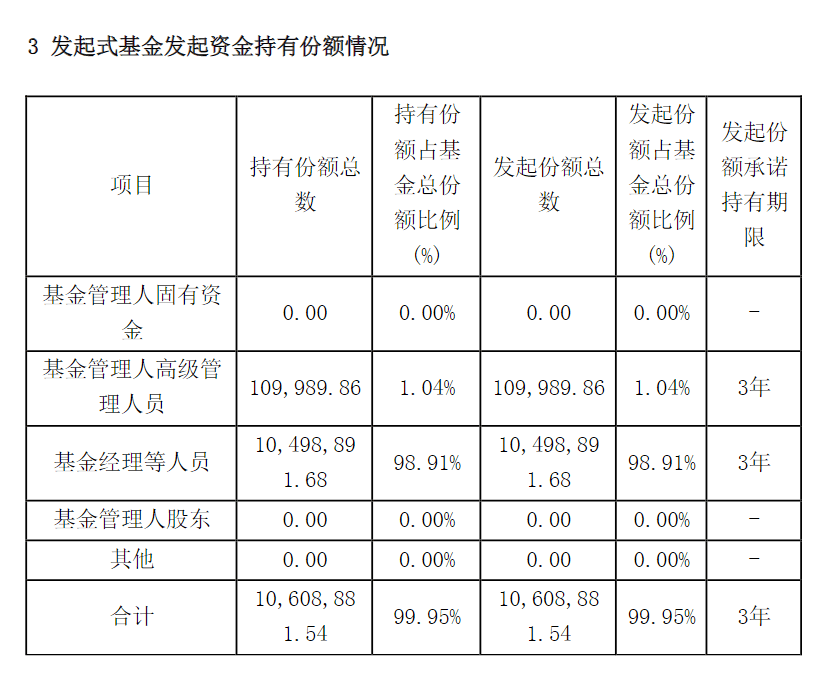
Core Viewpoint - The recent legal and operational challenges faced by Kaishi Fund and its chairman Chen Jiwu highlight the difficulties small and medium-sized public funds encounter in a competitive and heavily regulated market [6][7][8]. Group 1: Legal and Operational Challenges - Chen Jiwu, chairman of Kaishi Fund, has been subjected to consumption restrictions by the Shanghai Huangpu District People's Court, affecting his ability to engage in high-cost activities [1]. - Kaishi Wealth, a professional fund sales institution, has faced termination of business relationships with multiple public funds, including China CITIC Prudential Fund and Xinjiang Qianhai United Fund [2]. - Kaishi Fund Management Co., Ltd. has multiple equity freezes totaling over 300 million yuan, with the latest freeze lasting until 2027 [2]. Group 2: Financial Performance and Product Line - As of March 31, 2025, Kaishi Fund's total assets under management have plummeted to 117 million yuan, a decline of over 90% from its peak of 1.429 billion yuan in Q3 2019 [3]. - The company has seen a significant reduction in its product line, with several funds being liquidated since its establishment in 2017 [3]. - The recent launch of the Kaishi Yuanxin Mixed Fund raised only 10.61 million yuan, with no external subscriptions, indicating a lack of investor confidence [3]. Group 3: Industry Context and Future Outlook - The situation of Chen Jiwu and Kaishi Fund reflects the broader challenges faced by small public funds amid increasing market concentration, where top firms hold over 80% of market share [6][7]. - As of the end of 2024, Kaishi Fund's scale was merely 19 million yuan, ranking last among similar "private-to-public" companies, while competitors like Pengyang Fund exceeded 124.8 billion yuan [7]. - Industry experts suggest that building differentiated competitive advantages and addressing historical issues like equity freezes are crucial for the survival of small public funds [7].
热门基现发行小高峰!这些创新指数也来了
券商中国· 2025-06-12 22:50
Core Viewpoint - The issuance of the CSI A500 index funds has seen a resurgence, primarily driven by small and medium-sized public funds, marking a shift from the previous dominance of large public funds [2][4]. Group 1: Fund Issuance Trends - As of June 12, there are 8 CSI A500 index-related funds currently being issued, with a notable increase in participation from small and medium-sized public funds [3][4]. - The number of fund companies involved in the CSI A500 index fund market has exceeded 75 since the fourth quarter of 2024 [5]. - The total scale of the 113 CSI A500 index funds established is approximately 2165.56 billion, with a current scale of 2964.76 billion, indicating significant growth despite some recent declines in issuance scale [5][6]. Group 2: Fund Performance and Characteristics - Among the 113 established funds, 10 have a scale exceeding 100 billion, all of which are ETFs, while 58 funds have a scale below 10 billion [6]. - The average unit net value of the 113 CSI A500 index funds is 0.997 yuan, with an average return rate of -0.23% since inception [7]. - Over 50% of the funds have a unit net value below 1 yuan, indicating challenges in performance for many newly established products [7]. Group 3: New Index Development - New strategy indices related to the CSI A500 have been developed, including the CSI A500 "Dividend" and "Quality" indices, which are expected to diversify the product offerings in the market [2][8]. - The CSI A500 Dividend Index selects 50 high-dividend stocks from the CSI A500 sample, reflecting the overall performance of high-dividend securities [9]. - The low interest rate environment is making dividends more attractive, potentially boosting stock valuations and market performance [9].

小微盘产品额度紧俏 基金公司掩门“惜售”
Zhong Guo Zheng Quan Bao· 2025-06-11 21:14
Core Viewpoint - The small and micro-cap style has shown strong performance recently, leading to heightened investor enthusiasm for related funds. To prevent rapid fund size expansion and dilution of returns for existing holders, fund companies have implemented purchase restrictions [1][2]. Fund Purchase Restrictions - On June 11, Changsheng Fund announced a limit on purchases for the Changsheng North Certificate 50 Enhanced Index Fund, capping single account purchases at 100 yuan per day. Other funds, such as Huashan North Certificate 50 Index Fund, have also set limits, with some funds restricting daily purchases to amounts ranging from 1,000 yuan to 50,000 yuan [2][3]. Performance of Small and Micro-Cap Indices - The Wind Micro-Cap Index has risen over 30% year-to-date, reaching a new high on June 10. The North Certificate 50 Index has increased nearly 40% this year, also hitting a new peak in late May. These indices have significantly outperformed larger market indices [4][5]. Market Dynamics and Investor Behavior - The recent strong performance of small and micro-cap stocks is attributed to favorable policies and a loose funding environment. The release of the "Major Asset Restructuring Management Measures" has spurred interest in mergers and acquisitions, benefiting small and micro-cap stocks [6][8]. Valuation Metrics - The valuation of the small and micro-cap style is high, with the price-to-earnings ratio of the CSI 2000 Index at 138 times, and the North Certificate 50 Index at 74.52 times, both at historically elevated levels [4][8]. Market Sentiment and Risks - Despite the high trading crowding in small and micro-cap stocks, some institutional investors believe that any potential pullback will depend on the occurrence of substantial negative events. Current policies favoring technology innovation and asset integration support the continued performance of small and micro-cap stocks [7][8].
从“金牛奖得主”到“限消被执行人”,这位公募老总怎么了?
Mei Ri Jing Ji Xin Wen· 2025-06-11 08:04
Core Viewpoint - The recent consumption restriction order against Chen Jiwu, chairman of Kaishi Fund, highlights the operational difficulties faced by Kaishi Wealth and its parent company, Kaishi Fund, raising concerns within the industry [1][2]. Group 1: Legal and Financial Issues - Kaishi Wealth was subjected to a consumption restriction order due to failing to fulfill an administrative decision from the Shanghai Huangpu District Human Resources and Social Security Bureau, with an involved amount of 509,684 yuan [3][4]. - Chen Jiwu, as the legal representative, is also restricted from high consumption and non-essential spending [5]. - A similar consumption restriction was issued for Shanghai Kaishi Yizheng Asset Management Co., which is fully owned by Chen Jiwu, due to unpaid debts totaling approximately 125,415 yuan, with an unpaid ratio of 98.6% [6][7]. Group 2: Company Performance and Market Position - Kaishi Fund, established in 2016, has seen a decline in its asset management scale from a peak of 1.429 billion yuan in 2019 to only 117 million yuan as of March 31, 2025, with only three products remaining [8][9]. - Recent fundraising efforts have been unsuccessful, with the Kaishi Yuanxin Mixed Fund raising only 10.61 million yuan, and previous funds failing to attract external investments [9]. - The situation of Chen Jiwu and the "Kaishi system" reflects the survival challenges faced by small and medium-sized fund companies amid intense market competition and stringent regulatory environments [9].
中小盘股“风头无两” 主题基金“闭门谢客”
Zheng Quan Shi Bao· 2025-06-08 22:01
Group 1 - The core viewpoint of the articles highlights the strong performance of small and mid-cap stocks, driven by favorable fundamentals and liquidity easing, leading to significant net value increases in various thematic funds [1][2][3] - The CSI 2000 and National CSI 2000 indices have risen by 18.55% and 15.28% respectively since April 7, significantly outperforming major indices [2] - The recent regulatory changes by the China Securities Regulatory Commission (CSRC) encourage companies to optimize and integrate, providing additional funding sources for micro-cap stocks and stimulating market interest in quality small enterprises [2][3] Group 2 - The strong performance of small-cap stocks is attributed to their faster earnings growth during the early stages of economic recovery, with sectors like renewable energy and innovative pharmaceuticals showing significant revenue growth [2] - The liquidity environment remains supportive, with the central bank emphasizing the use of moderately loose monetary policy, which is expected to continue throughout the year [3] - Several thematic funds have experienced substantial inflows, leading to some funds limiting new subscriptions due to capacity constraints, such as the Noan Multi-Strategy Fund and CITIC Prudential Multi-Strategy Fund [4][5] Group 3 - The CSRC's recent action plan strengthens the constraints of performance benchmarks on public funds, which may lead to a shift in investment strategies towards larger indices like CSI 800 or CSI 1000, potentially impacting small-cap stock allocations [6] - Fund managers are increasingly cautious about maintaining optimal strategies in the face of rapid inflows, which could affect existing investors and fund performance [5][6] - There is a possibility of a liquidity shock for certain small-cap stocks if active equity funds adjust their portfolios in response to performance benchmarks, which may favor value and dividend stocks [6]
这一指数创新高!主题基金却“闭门谢客”,什么情况?
券商中国· 2025-06-08 12:45
Core Viewpoint - The recent performance of small and micro-cap stocks has been strong, driven by favorable fundamentals and liquidity easing, leading to significant gains in related indices [1][3]. Group 1: Market Performance - Small and micro-cap stocks have outperformed larger indices, with the CSI 2000 and Guozheng 2000 indices rising by 18.55% and 15.28% respectively since April 7, significantly exceeding the gains of the Shanghai and Shenzhen indices [3]. - The North Star 50 index, which focuses on "specialized, refined, unique, and innovative" companies, has surged over 36% during the same period, while the Wind micro-cap index has reached a historical high [3]. Group 2: Fund Dynamics - Several thematic funds have seen rapid increases in net asset value, leading to limited capacity for new investments, prompting some funds to restrict new subscriptions [2][5]. - The China Securities Regulatory Commission (CSRC) has issued a plan to enhance the performance benchmarks for public funds, which may influence fund managers to favor indices like CSI 800 or CSI 1000 over the CSI 2000, impacting small-cap stock allocations [2][7]. Group 3: Investment Strategies - Fund managers are increasingly focusing on small-cap stocks, identifying opportunities in sectors such as new energy and innovative pharmaceuticals, which are expected to outperform larger companies during economic recovery [4]. - The current market environment, characterized by liquidity easing and a rebound in risk appetite, is seen as favorable for small-cap stocks, with expectations of continued support from monetary policy [4][6]. Group 4: Fund Management Challenges - The rapid inflow of funds into small-cap focused strategies has led to some funds reducing their positions due to capacity constraints, as seen with the reduction of subscription limits for certain funds [5][6]. - Fund managers are cautious about maintaining optimal strategies amidst rising stock prices, which may lead to a decrease in portfolio allocations even with new inflows [6][8].