
KKR

Search documents
KKR干黄一个项目
投中网· 2025-06-27 06:31
Core Viewpoint - KKR's investment in Marelli Group, amounting to $11.6 billion (approximately 833 billion RMB), has resulted in a complete loss as the company filed for bankruptcy protection after failing to recover from operational challenges and high debt levels [1][12]. Group 1: Background of the Investment - KKR acquired the automotive parts supplier Marelli through two significant transactions, starting with the purchase of the non-core assets of Nissan's parts division, Calsonic Kansei, for about $4.5 billion in March 2017, marking the largest private equity acquisition in Japan at that time [2]. - Following this, KKR facilitated the acquisition of the Italian parts supplier Magneti Marelli from Fiat Chrysler for €6.2 billion, completed in May 2019, merging the two companies into Marelli [2]. Group 2: Investment Logic - The acquisitions were based on four main logics: 1. Both acquisitions were perceived as undervalued, with valuations around 7-8 times EBITDA, making them attractive opportunities [3]. 2. KKR anticipated a shift in the automotive industry towards electrification, intelligence, and lightweighting, believing that component manufacturers would gain more importance as OEMs outsourced R&D and manufacturing [4]. 3. The merger was expected to create synergies, combining Calsonic Kansei's strengths in Japan with Magneti Marelli's European presence, aiming to establish a global Tier-1 supplier with a comprehensive product range [5]. 4. KKR planned to enhance operational efficiency through a significant restructuring initiative, aiming to release $1-1.5 billion in synergies [6]. Group 3: Challenges and Downfall - Marelli faced severe operational challenges, including a significant debt burden of approximately $6 billion, which became unsustainable following the COVID-19 pandemic and subsequent supply chain disruptions [9][10]. - Despite KKR's attempts to restructure and inject additional capital, Marelli continued to struggle with losses, leading to a bankruptcy filing in June 2023, where KKR's equity was completely wiped out [10][12]. - Internal integration issues between the Japanese and Italian operations exacerbated Marelli's challenges, leading to operational inefficiencies and a failure to adapt to market changes [14][15]. Group 4: Lessons Learned - The case illustrates the risks associated with high leverage and the importance of effective post-merger integration, particularly in complex and capital-intensive industries like automotive manufacturing [16]. - Marelli's failure highlights how external shocks, such as the pandemic and trade tariffs, can amplify existing internal weaknesses, leading to a cascading failure [14][16].


NBPE - May Monthly Net Asset Value Estimate
Globenewswire· 2025-06-27 06:00
Core Viewpoint - NB Private Equity Partners (NBPE) announced its monthly NAV estimate for May 2025, reporting a NAV per share of $27.24 (£20.20) with a total return of (0.2%) for the month [1][5]. NAV Highlights - As of 31 May 2025, the NAV total return (TR) was 0.7% year-to-date and 2.0% over one year, while the three-year and five-year annualized returns were 13.2% and 9.9%, respectively [3]. - The MSCI World TR showed a stronger performance with a year-to-date return of 5.2% and a one-year return of 47.1% [3]. - The share price TR in GBP was reported at (7.9%) year-to-date, with a one-year return of 7.9% [3]. Portfolio Update - The NAV performance was influenced by $66 million in realizations year-to-date [4]. - The fair value of private company valuations decreased by (0.4%) during Q1 2025, while quoted holdings increased in value by $8 million [5][6]. - As of 31 May 2025, NBPE had $285 million in available liquidity, including $75 million in cash and liquid investments [8]. Share Buybacks - Approximately 51,000 shares were repurchased in May 2025 at a weighted average discount of 30%, contributing approximately $0.01 per share to NAV [10]. - Year-to-date, a total of 738,000 shares have been repurchased at a weighted average discount of 29%, which added approximately $0.11 per share to NAV [10]. Portfolio Valuation - The fair value of NBPE's portfolio as of 31 May 2025 was $972.5 million, representing 77.5% of total investments [11]. - The portfolio is primarily concentrated in North America (77%) and Europe (22%) [12]. - The industry distribution shows significant investments in Tech, Media & Telecom (22%) and Consumer/E-commerce (22%) [12].
又一纯外资GP落地上海
Sou Hu Cai Jing· 2025-06-27 04:08
文:韦亚军 2025年6月16日,淡明私募完成私募股权、创业投资基金管理人登记,业务类型涵盖私募股权投资基金、创业投资基金,法定代表人、总经理是许晔。 许晔在中国建设银行体系内有着长达24年的工作经历,出任过建设银行人力资源部总行本部管理处业务经理、投资银行部高级经理、建信信托副总裁、建 设银行资产托管业务部资深副经理等职务,2021年8月离开建行后加入淡马锡投资咨询(北京)有限公司,2025年4月成为淡明私募法定代表人、总经理。 "棍棒打不断经济原理",外资GP积极入华。 近日,淡马锡在华投资布局又有新动态。其旗下 "淡明资本" 在国内全资设立的私募基金管理人"淡明(上海)私募基金管理有限公司"(以下简称 "淡明私 募"),已完成中基协管理人登记。 不过,据中基协公示信息,淡明私募当前的基金管理规模仅处于0-5亿元区间,暂无公开在管基金信息。 与淡马锡相比,淡明资本的投资策略相对更为灵活,能够跨资产类别、行业及投资阶段进行布局。 此外,与淡马锡以自有资金投资的模式不同,淡明资本是独立运营且独立对外募集资金,主要聚焦大中华区。 第一支基金,募资了240亿元 据公开报道,淡马锡旗下淡明资本于2023年宣布第一支 ...
国民汽水大窑,也要被卖了?
凤凰网财经· 2025-06-25 13:06
Core Viewpoint - KKR is reportedly close to acquiring an 85% stake in the Chinese beverage company Daya, which has gained recognition in recent years, particularly in the restaurant channel, and is looking to expand its market presence [1][3][8]. Group 1: Company Overview - Daya was founded in the 1980s and has recently gained traction outside of Inner Mongolia, with its products now exported to Russia and Southeast Asia [1][3]. - The company has been exploring an IPO to raise up to $500 million but has publicly stated that it is currently focused on operational development rather than listing [3][8]. - Daya's sales strategy focuses on the restaurant channel, which accounts for over 85% of its sales since 2014, with a network of over 1,000 distributors and a retail presence in all 31 provinces of China [7][8]. Group 2: KKR's Investment Strategy - KKR, founded in 1976, has over $664 billion in assets under management and has been actively investing in various sectors, including consumer goods in China [3][4]. - The firm has a history of investing in Chinese consumer brands, including Haier and ByteDance, and is known for its post-investment management capabilities [4][9]. - KKR's potential acquisition of Daya represents a strategic move to capitalize on the growing Chinese beverage market, which is dominated by international giants like Coca-Cola and Pepsi [8][10]. Group 3: Market Context and Challenges - The Chinese beverage market is heavily influenced by major players, with Coca-Cola and Pepsi controlling approximately 95% of the market share [8][10]. - Daya faces challenges in expanding its brand recognition and distribution beyond the restaurant channel to larger retail outlets [8][10]. - The recent positive market signals and KKR's investment reflect a growing confidence in the Chinese consumer market, potentially leading to increased foreign investment in local brands [10].
Ovid Therapeutics Enters Agreement with Immedica Pharma AB for Sale of Future Ganaxolone Royalties
Globenewswire· 2025-06-25 12:00
Core Viewpoint - Ovid Therapeutics has entered into a definitive agreement with Immedica Pharma for the sale of future royalties related to ganaxolone sales outside of China, providing Ovid with a non-dilutive capital infusion of $7 million to support its ongoing operations [1][2]. Group 1: Transaction Details - Immedica will pay $7 million in cash to acquire 100% of the royalty rights held by Ovid, enhancing Immedica's focus on ganaxolone by gaining control of additional intellectual property rights [1]. - The transaction includes royalties associated with a previous agreement Ovid had with Marinus Pharmaceuticals regarding ganaxolone for CDKL5 deficiency disorder [4]. - Ovid recorded approximately $566,000 in ganaxolone royalty revenues in 2024, indicating the current revenue scale from this asset [2]. Group 2: Company Backgrounds - Ovid Therapeutics is a biopharmaceutical company focused on developing small molecule medicines for brain conditions with significant unmet needs, advancing a pipeline of novel candidates targeting neurological disorders [7]. - Immedica is a pharmaceutical company dedicated to the commercialization of medicines for rare diseases, with a global distribution network serving patients in over 50 countries [6].


国民汽水大窑,也要被卖了?
投中网· 2025-06-25 07:23
Core Viewpoint - KKR is reportedly close to acquiring an 85% stake in the Chinese beverage company Dayao, which would mark a significant move in KKR's investment strategy in the consumer sector in China [1][3]. Group 1: KKR's Investment Strategy - KKR, founded in 1976, is a pioneer in leveraged buyouts and manages over $664 billion in assets as of Q1 2025, reflecting a 15% year-over-year growth [3]. - The firm has been actively investing in Asia, with notable acquisitions in Japan and a history of investments in various sectors in China, including companies like Haier and ByteDance [3][8]. - KKR's expertise in post-investment management could help Dayao overcome challenges in expanding its market presence beyond regional boundaries [8][10]. Group 2: Dayao's Business Overview - Dayao, founded in the 1980s, has recently gained recognition after expanding beyond Inner Mongolia and establishing a significant presence in the restaurant channel, which accounts for over 85% of its sales [4][6]. - The company has diversified its product offerings into six categories, including carbonated drinks and fruit juices, and has adopted a unique packaging strategy to enhance brand visibility [6][7]. - Dayao's pricing strategy allows for high profit margins for distributors, making it an attractive partner for channel collaboration [7]. Group 3: Market Context and Challenges - The Chinese beverage market is dominated by international giants like Coca-Cola and Pepsi, which control approximately 95% of the market share, posing significant challenges for local brands like Dayao [8]. - The potential acquisition by KKR could be one of the largest foreign mergers in the Chinese beverage industry in recent years, highlighting the growing interest of international capital in the Chinese consumer market [8][10]. - Recent policy support from the Chinese government aims to boost consumer spending and facilitate financing for quality enterprises, which may further attract foreign investment [10].

将向高瓴资本等出售业务?星巴克中国回应:没有考虑完全出售
Nan Fang Du Shi Bao· 2025-06-24 08:19
Core Viewpoint - Starbucks China is exploring options for its business, including a potential sale, with an estimated valuation of $5 billion to $6 billion, while emphasizing its commitment to growth in the Chinese market [2][3]. Group 1: Business Sale Exploration - Starbucks China held a meeting with nearly 20 investment institutions, including Hillhouse Capital and Carlyle Group, to discuss the potential sale of its business [2]. - The company is currently evaluating the best ways to capture future growth opportunities and has confirmed that it is not considering a complete sale of its Chinese operations [2]. - Previous reports indicated that Starbucks has been exploring various options for its Chinese business since last year, including the possibility of selling a stake and seeking local partners [3]. Group 2: Financial Performance - For the fiscal year 2024, Starbucks China reported revenues of $2.968 billion, approximately 21.544 billion RMB, a decrease of 6.13% compared to the previous year [4]. - In the first quarter of fiscal year 2025, revenues increased by 1.22% to $744 million, while same-store sales declined by 6% [4]. - The second quarter of fiscal year 2025 saw a revenue increase of 4.80% to $740 million, with same-store sales remaining flat despite a 4% increase in transaction volume [4]. Group 3: Pricing Strategy and Market Position - In June, Starbucks China announced a focus on non-coffee beverages and initiated a price reduction across several drink categories, marking the first official price cut in 25 years [5]. - The average price reduction for drinks is approximately 5 RMB, with the lowest price for a single drink set at 23 RMB [5]. - Since 2023, Starbucks China has experienced continuous price reductions for 10 consecutive fiscal quarters, with average customer spending decreasing by 9%, 8%, 7%, and 8% in the first to fourth quarters of fiscal year 2024 [5].

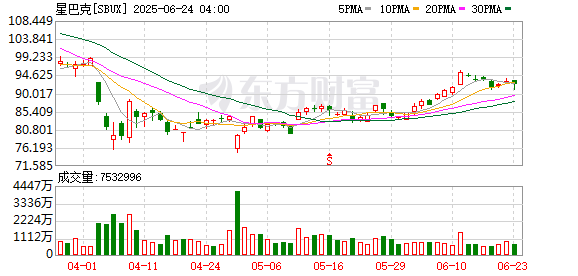
高瓴收购星巴克的表层逻辑
投中网· 2025-06-24 05:16
Core Viewpoint - Hillhouse Capital has joined the bidding war for Starbucks' China operations, indicating strong interest from multiple investment firms in acquiring the business [1][2][3]. Group 1: Bidding Process and Participants - Hillhouse Capital participated in a reverse management roadshow for Starbucks China, signaling its interest in acquiring the business [2][4]. - Other interested parties include Carlyle Group, Xincheng Capital, China Resources Holdings, KKR, Fangyuan Capital, PAG, and Meituan, indicating a competitive bidding environment [2][10]. - The estimated valuation for Starbucks China is between $5 billion to $6 billion (approximately 36 billion to 43 billion RMB) [3]. Group 2: Starbucks' Current Strategy and Market Position - Starbucks' CEO expressed that the company has received significant interest in selling its China operations, reflecting a strategic shift [3][5]. - The company is currently evaluating the best way to capture future growth opportunities while focusing on revitalizing its business in China [5][20]. - Starbucks has recently implemented price reductions on several products, marking a significant shift in its pricing strategy to remain competitive in the market [19]. Group 3: Hillhouse Capital's Competitive Advantage - Hillhouse Capital manages over 600 billion RMB, providing it with strong bargaining power in the bidding process [12]. - The firm has a history of successful investments in the food and beverage sector, including notable companies like Mijia and Heytea, which enhances its credibility in the industry [13]. - Hillhouse has prior experience in the coffee sector, having supported the growth of Peet's Coffee in China, which positions it well for a potential acquisition of Starbucks [14]. Group 4: Market Implications and Future Outlook - The ongoing bidding for Starbucks China reflects broader trends in the consumer market, where foreign brands are increasingly being considered for acquisition by domestic capital [20]. - The competitive landscape suggests that the era of foreign brands dominating the market may be shifting, as local players gain more influence [20].
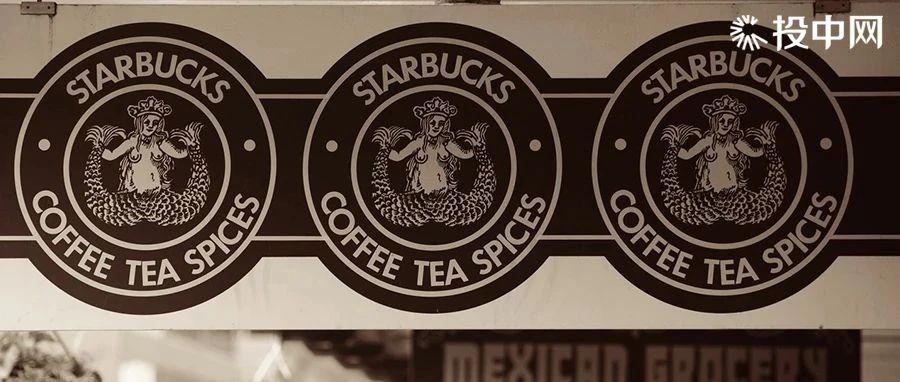
星巴克中国要卖了,估值超350亿
投资界· 2025-06-24 03:12
Core Viewpoint - The article discusses the intense interest from private equity firms in acquiring Starbucks' China operations, highlighting the competitive landscape and the challenges faced by Starbucks in the Chinese market [1][2][5]. Group 1: Acquisition Interest - Hillhouse Capital has shown interest in acquiring Starbucks' China business, participating in a management roadshow [1][5]. - Other notable investment firms, including Carlyle Group and Xincheng Capital, are also involved in the bidding process for Starbucks China, with the business valued at approximately $5 to $6 billion (around 350 to 430 billion RMB) [2][5]. - The competitive bidding landscape includes major players like KKR, PAG, and potential domestic buyers such as China Resources Group and Meituan [5]. Group 2: Market Challenges - Starbucks has been operating in China for 26 years, with over 7,700 stores, but faces fierce competition from local brands like Luckin Coffee and Mixue Ice Cream [3][7]. - The emergence of Luckin Coffee has significantly impacted Starbucks' market position, with Luckin achieving a store count of 24,097 by Q1 2025, nearly three times that of Starbucks China [8][9]. - Starbucks reported a 6% decline in same-store sales in Q1 2025 and announced its first price reduction in 25 years, indicating the pressure from competitors [9]. Group 3: Strategic Shifts - Starbucks is exploring various strategies to enhance its growth in China, including seeking external strategic investors [9]. - The article draws parallels with McDonald's China, which successfully navigated a similar acquisition and localization process, suggesting that Starbucks could benefit from a similar approach [11]. - The current environment in the consumer market is characterized by significant mergers and acquisitions, with many brands being targeted for acquisition due to favorable pricing and cash reserves among buyers [12][14].
消息人士:KKR拟收购中国饮料公司大窑饮品85%股权,大窑饮品回应:不予置评
news flash· 2025-06-23 13:16
Group 1 - KKR, a US private equity firm, is reportedly planning to acquire an 85% stake in a Chinese beverage company, speculated to be Daya Beverage [1] - The transaction has been in discussion for about a year according to sources close to the deal [1] - Daya Beverage is projected to generate revenue in the range of several billion yuan in 2024 [1] Group 2 - Daya Beverage is preparing for a potential IPO in Hong Kong, expected to take place as early as the second half of 2025 [1] - KKR is recognized as a leading private equity firm with a reputation for being cautious and not overly promotional in its investment approach [1] - KKR is one of the oldest and most experienced private equity investment firms globally [1]