荣盛石化

Search documents
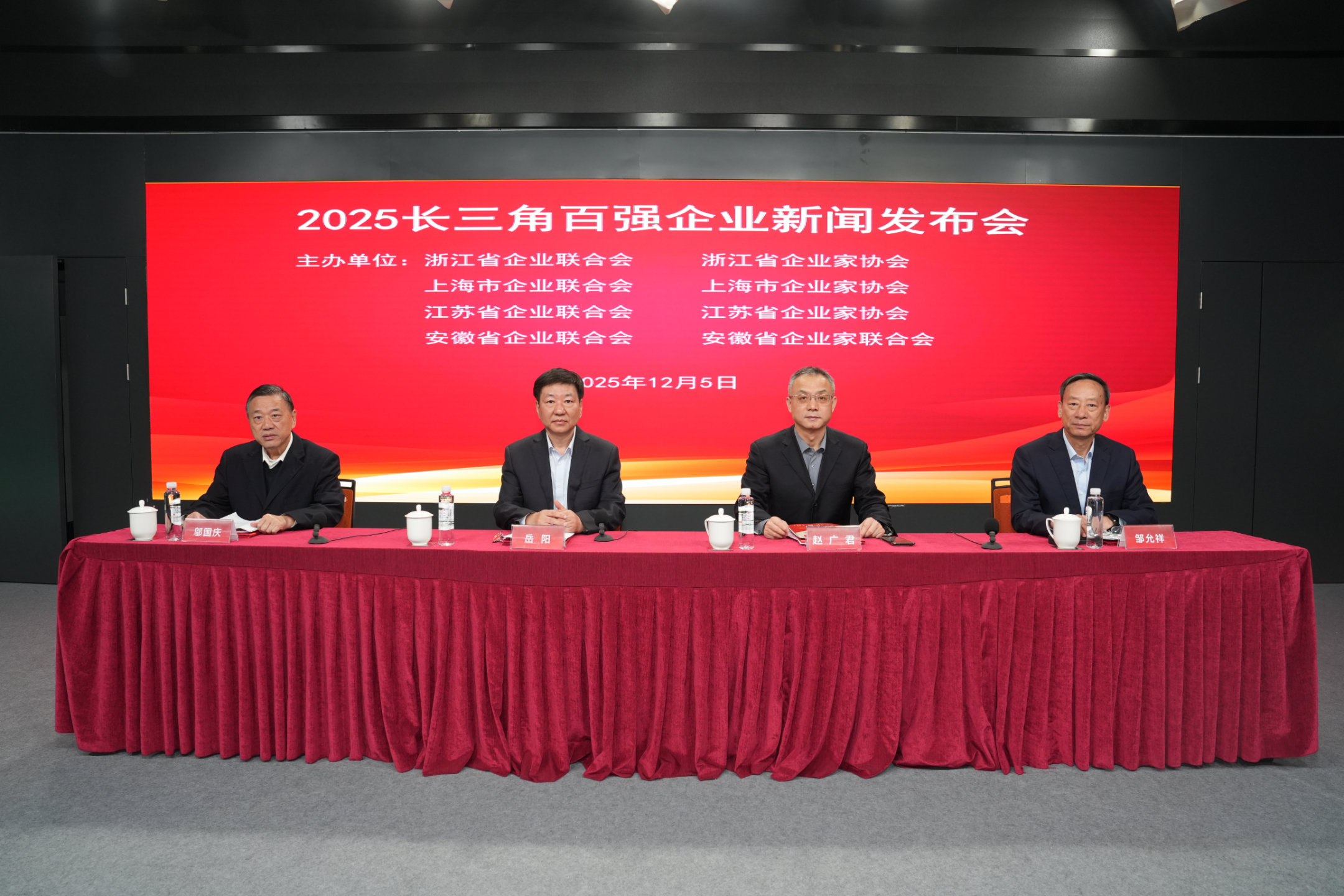
营收破21万亿元!2025长三角百强榜单发布,民企占比首超半数
Guo Ji Jin Rong Bao· 2025-12-05 11:28
Group 1 - In 2024, the revenue of the top 100 enterprises in the Yangtze River Delta reached a record high of 21.4 trillion yuan, an increase of 676.47 billion yuan, with a growth rate of 3.27% [1] - The average revenue per enterprise in the top 100 reached 213.73 billion yuan, with the entry threshold for the list set at 76.73 billion yuan [1] - There are 82 enterprises with revenues exceeding 100 billion yuan, an increase of 6 from the previous year [1] Group 2 - Among the top 100 enterprises, private enterprises accounted for more than half for the first time, with 54 companies, and their revenue accounted for 56.61% of the total [3] - The revenue growth rate of private enterprises was 1.9 times higher than the average of the top 100, and their net profit growth exceeded the average by 8.58 percentage points [3] Group 3 - The total net profit of the top 100 enterprises exceeded 1 trillion yuan, reaching 1.02435 trillion yuan, an increase of 134.15 billion yuan, with a growth rate of 15.07% [4] - The total tax amount reached 795.87 billion yuan, an increase of 8.6 billion yuan, with a growth rate of 1.09% [4] - Total assets reached 60.5 trillion yuan, an increase of 3.9 trillion yuan, with a growth rate of 6.87% [4] Group 4 - The service sector's top 100 enterprises achieved a revenue of 9.9 trillion yuan, an increase of 422.95 billion yuan, with a growth rate of 4.45% [5] - The net profit of the service sector reached 888.49 billion yuan, an increase of 207.29 billion yuan, with a growth rate of 30.43% [5] - Leading companies in the internet services, shipping, and insurance sectors significantly contributed to the revenue and profit growth [5] Group 5 - The integrated circuit and computer industries showed remarkable growth, with revenue from SMIC reaching 57.79 billion yuan, a growth rate of 27.72% [6] - The combined revenue of three computer companies reached 274.96 billion yuan, with a growth rate of 22.40% [6] Group 6 - The petrochemical and fiber industry achieved a revenue of 3.3 trillion yuan, with leading companies like Hengli Group and Zhejiang Rongsheng contributing to stable revenue [7] - The automotive industry showed mixed performance, with some companies like Geely and Chery achieving both revenue and profit growth [7] Group 7 - The private enterprises in the Yangtze River Delta demonstrated significant growth in revenue, net profit, and tax contributions, with growth rates for total assets, equity, and R&D expenses at 5.74%, 5.64%, and 6.05% respectively [7] Group 8 - The internet services sector has become a pillar industry for the top 100 enterprises in the Yangtze River Delta, contributing significantly to revenue and profit growth [8][9] - The revenue from internet service enterprises accounted for 9.79% of the total, with their profit share reaching 32.95% [8]

炼化及贸易板块12月5日跌0.64%,和顺石油领跌,主力资金净流出1.97亿元
Zheng Xing Xing Ye Ri Bao· 2025-12-05 09:13
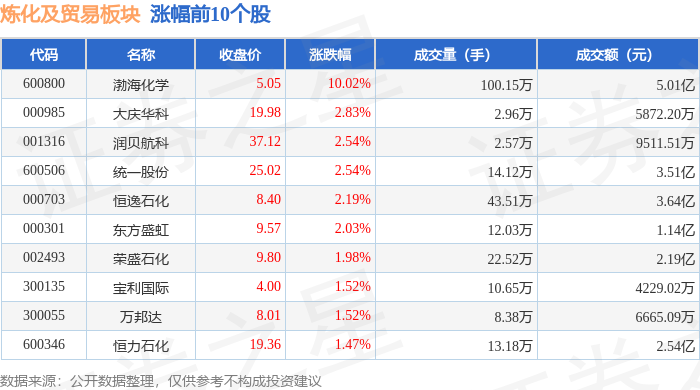
证券之星消息,12月5日炼化及贸易板块较上一交易日下跌0.64%,和顺石油领跌。当日上证指数报收于 3902.81,上涨0.7%。深证成指报收于13147.68,上涨1.08%。炼化及贸易板块个股涨跌见下表: | 代码 | 名称 | 收盘价 | 涨跌幅 | 成交量(手) | 成交额(元) | | | --- | --- | --- | --- | --- | --- | --- | | 600800 | 渤海化学 | 5.05 | 10.02% | 100.15万 | | 5.01亿 | | 000985 | 大庆华科 | 19.98 | 2.83% | 2.96万 | 5872.20万 | | | 001316 | 润贝航科 | 37.12 | 2.54% | 2.57万 | 9511.51万 | | | 600506 | 统一股份 | 25.02 | 2.54% | 14.12万 | | 3.51亿 | | 000703 | 恒逸石化 | 8.40 | 2.19% | 43.51万 | | 3.64亿 | | 000301 | 东方盛虹 | 9.57 | 2.03% | 12.03万 | | 1.14亿 ...


2025年化学工业气候信息披露-基于A股上市公司报告的实证分析-绿色江南
Sou Hu Cai Jing· 2025-12-05 03:03
Core Insights - The report by the Green Jiangnan Public Environmental Concern Center focuses on the climate information disclosure status of 353 A-share listed chemical companies and 618 related enterprises, assessing their current practices to provide references for the industry's green transition and policy improvement [1][12] - The chemical industry is a high-energy consumption and high-emission sector, with a total energy consumption of 66,327 million tons of standard coal in 2022, accounting for 12.26% of the total energy consumption in the statistical industry [12] - Current international and domestic policies are strengthening disclosure requirements, transitioning the industry from voluntary exploration to standardized and normalized practices [11][12] Disclosure Status - The overall disclosure status is characterized by "overall inadequacy and structural imbalance." Only 39 companies fully disclosed core content related to greenhouse gas emissions, energy consumption, carbon reduction measures, and climate goals, while 60 companies disclosed none [2][18] - Over 70% of key emitting companies disclosed their emissions data, but only 24 companies specified Scope 1 and 2 emissions, and only 2 disclosed Scope 3 emissions [2][22] - The disclosure rate for carbon reduction measures reached 77.34%, but only 105 companies reported quantitative effects of their reduction efforts [2][28] - The energy consumption disclosure rate was 55.24%, with many lacking details on energy structure and efficiency [2][32] - Less than 15% of companies disclosed climate goals, with only 44 setting relevant targets [2][36] - Related enterprises performed worse, with less than one-third disclosing carbon emissions data, and some companies exhibited data inconsistencies [2][40] Recommendations - Establish a tiered mandatory disclosure system requiring key emitting companies to fully disclose core content by 2030, while general companies should at least disclose emissions and energy consumption [3] - Standardize disclosure requirements and develop detailed industry guidelines, enhancing third-party verification and blockchain traceability to improve data quality [3] - Create a policy and market linkage mechanism that ties disclosure quality to green finance and tax incentives, leveraging "chain master" companies to promote collaborative disclosure across supply chains [3] - Improve multi-stakeholder governance mechanisms by establishing dedicated supervision platforms and facilitating public participation to create a collaborative governance framework among government, enterprises, and society [3]

2025年1-10月全国石油、煤炭及其他燃料加工业出口货值为1258.2亿元,累计下滑15%
Chan Ye Xin Xi Wang· 2025-12-05 03:00
Group 1 - The core viewpoint of the article highlights the export value trends in China's petroleum, coal, and other fuel processing industries, indicating a significant increase in October 2025 compared to the previous year, while showing a cumulative decline for the year-to-date [1] - In October 2025, the export value of the petroleum, coal, and other fuel processing industries reached 12.66 billion, representing a year-on-year growth of 20.4% [1] - From January to October 2025, the cumulative export value for the same industries was 125.82 billion, reflecting a year-on-year decrease of 15% [1] Group 2 - The report referenced is from Zhiyan Consulting, which provides in-depth industry research reports and consulting services focused on the petroleum and petrochemical sectors in China [1] - The data presented is sourced from the National Bureau of Statistics, indicating a structured approach to analyzing industry performance [1] - Zhiyan Consulting has been active in the industry research field for over a decade, emphasizing its expertise and market insight [1]

炼化反内卷,行业加速头部化
21世纪经济报道· 2025-12-02 13:18
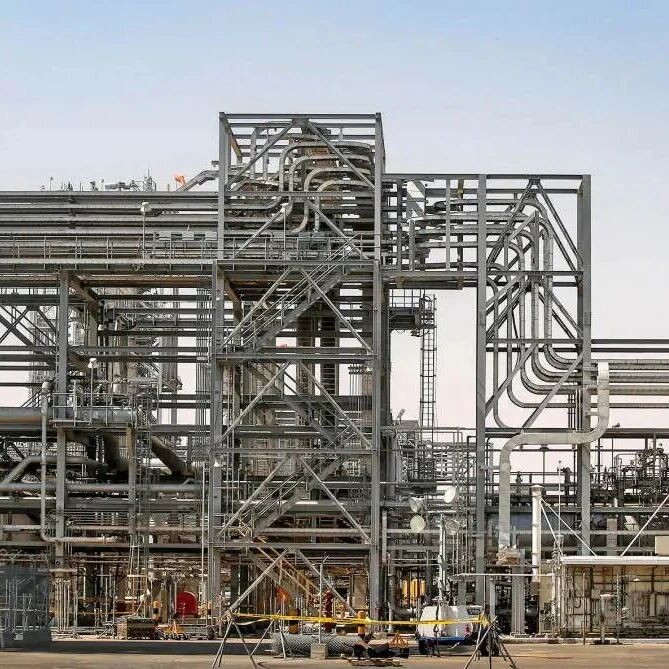
Core Viewpoint - The refining and chemical industry in China is expected to experience a significant turnaround by the second half of 2025, driven by policy changes and the consolidation of advanced capacities [1]. Group 1: Industry Policy and Capacity Allocation - In late November, China issued early crude oil import quotas for 2026, with major private refining companies like Hengli Petrochemical receiving substantial allocations, indicating a shift towards advanced capacities [1]. - The early allocation of quotas in 2026 was concentrated among a few leading companies, contrasting with the previous year's distribution among numerous smaller enterprises, highlighting a trend towards industry consolidation [5]. - The Ministry of Industry and Information Technology (MIIT) has initiated measures to prevent excessive competition in the PTA and bottle-grade polyester slice industries, signaling a favorable environment for leading firms while challenging smaller players [2]. Group 2: Industry Overcapacity and Structural Changes - The PTA industry has shifted from meeting domestic demand to facing overcapacity, prompting regulatory bodies to implement measures to address this issue, including energy consumption limits for refining and chemical processes [3]. - The implementation of energy consumption limits is expected to accelerate the exit of outdated and smaller production capacities from the market, thereby improving the overall industry structure [3]. - The recent policies aim to guide the planning and layout of major petrochemical projects, controlling new refining capacities and preventing overcapacity risks in related sectors [5]. Group 3: Market Dynamics and Economic Context - The global economic downturn since 2022 has impacted demand in the polyester industry, which is closely tied to macroeconomic conditions, leading to a phase of inventory competition [2]. - The refining industry is witnessing a clear pyramid structure, where the elimination of outdated capacities can be targeted effectively, contrasting with slower clearing processes in other sectors like solar and lithium [5]. - The geopolitical landscape has also influenced energy storage demands, reducing cost pressures on the refining industry and enhancing expectations for a market turnaround [6]. Group 4: Investment Trends and Future Outlook - As of mid-2025, the construction projects in the basic chemical sector have seen a decline in investment, indicating a potential end to the capital expenditure cycle and a gradual recovery in supply dynamics [7]. - The overall profit levels in the chemical industry remain low, prompting companies to seek improvements in competitive dynamics to achieve normal profitability levels amid the ongoing "anti-involution" trend [7].


炼化反内卷 行业加速头部化
2 1 Shi Ji Jing Ji Bao Dao· 2025-12-02 13:05
Core Insights - The refining industry is expected to experience a turnaround by the second half of 2025, driven by policy changes and industry consolidation [1] - The early allocation of crude oil import quotas for 2026 has favored leading private refining companies, indicating a shift towards advanced capacity and industry consolidation [1][6] - Recent policies and self-regulatory measures from government and industry associations are accelerating the trend of "anti-involution" in the refining sector [1][2] Group 1: Policy Changes and Industry Dynamics - The Ministry of Industry and Information Technology held a meeting to address the over-competition in the PTA and bottle-grade polyester slice industries, signaling a focus on stabilizing the sector [2] - Major private enterprises were required to submit data on production capacity, output, and measures to prevent industry over-competition, indicating a push for accountability among leading firms [2] - The implementation of energy consumption limits for refining products aims to accelerate the exit of outdated and small-scale production capacities [3][4] Group 2: Market Conditions and Economic Factors - The global economic environment has been sluggish since 2022, impacting overall demand and leading to a phase of inventory competition in the industry [3] - China's push for domestic production of PX has resulted in an oversupply of PTA, necessitating measures to address the imbalance [3] - The geopolitical landscape has reduced cost pressures on the refining industry, contributing to a more optimistic outlook for recovery [8] Group 3: Industry Structure and Future Outlook - The distribution of crude oil import quotas has shifted from a fragmented model to a more concentrated one, favoring larger, integrated refining companies [6][7] - The government's commitment to eliminating outdated capacities and enhancing entry barriers for leading refining firms is evident in recent policy announcements [7] - The overall capital expenditure in the chemical sector is declining, indicating a potential end to the cycle of capacity expansion and a gradual recovery in supply dynamics [8]
炼化反内卷,行业加速头部化
2 1 Shi Ji Jing Ji Bao Dao· 2025-12-02 12:05
Core Viewpoint - The refining industry in China is expected to experience a significant turnaround by the second half of 2025, driven by policy changes and the concentration of production capacity among leading enterprises [1]. Group 1: Industry Developments - In late November, China issued early crude oil import quotas for 2026, with major private refining companies like Hengli Petrochemical, Rongsheng Petrochemical, and Dongfang Shenghong receiving substantial allocations [1]. - The early batch of quotas for 2026 was notably concentrated among a few leading companies, contrasting with the more fragmented distribution seen in 2025, indicating a shift towards advanced capacity and industry consolidation [1][6]. - The Ministry of Industry and Information Technology (MIIT) and industry associations have implemented policies to promote a trend of "anti-involution" in the refining sector, aiming to streamline operations and enhance efficiency [1][3]. Group 2: Policy Measures - A meeting organized by MIIT on October 29 focused on preventing excessive competition in the PTA and bottle-grade polyester slice industries, with major private enterprises required to submit data on production capacity and measures to avoid industry involution [3]. - Legal measures, including energy consumption limits for refining processes, have been introduced to address overcapacity and losses in the industry, with expectations that these will accelerate the exit of outdated and smaller-scale production facilities [4][5]. Group 3: Market Dynamics - The global economic downturn since 2022 has impacted demand in the polyester sector, which is closely tied to macroeconomic conditions, leading to a phase of inventory competition [3]. - The geopolitical landscape has influenced energy storage demands, reducing cost pressures on the refining industry and enhancing expectations for a market reversal [8]. - The overall investment in the chemical raw materials and products manufacturing sector has declined, indicating a nearing end to the capital expenditure cycle and a gradual recovery in supply dynamics [8].
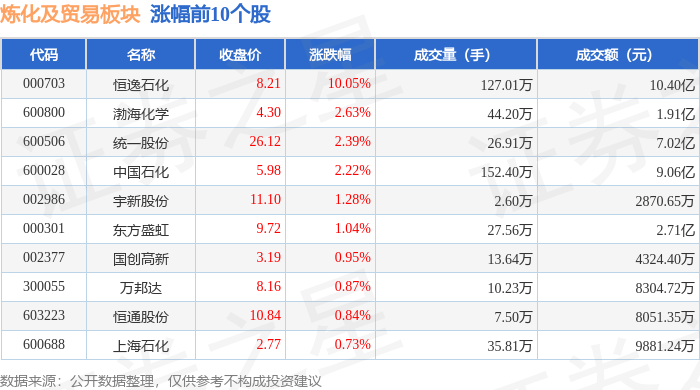
炼化及贸易板块12月2日涨0.82%,恒逸石化领涨,主力资金净流入639.17万元
Zheng Xing Xing Ye Ri Bao· 2025-12-02 09:09
Group 1 - The refining and trading sector increased by 0.82% on December 2, with Hengyi Petrochemical leading the gains [1] - The Shanghai Composite Index closed at 3897.71, down 0.42%, while the Shenzhen Component Index closed at 13056.7, down 0.68% [1] - Hengyi Petrochemical's stock price rose by 10.05% to 8.21, with a trading volume of 1.27 million shares and a transaction value of 1.04 billion [1] Group 2 - The refining and trading sector saw a net inflow of 6.39 million from main funds, while retail investors experienced a net outflow of 87.25 million [2] - The top stocks in the sector included Hengyi Petrochemical, which had a main fund net outflow of 37.97 million, and China Petroleum, which had a net inflow of 34.74 million [3] - The overall trading activity showed a mixed sentiment, with significant retail outflows across several stocks, indicating cautious investor behavior [3]



2025年1-9月中国初级形态的塑料产量为10970.3万吨 累计增长11.6%
Chan Ye Xin Xi Wang· 2025-12-02 03:11
Core Viewpoint - The report highlights the growth of China's primary plastic production, indicating a significant increase in both monthly and cumulative production figures for 2025, suggesting a positive outlook for the industry [1] Industry Summary - In September 2025, China's primary plastic production reached 12.67 million tons, marking a year-on-year growth of 10.4% [1] - From January to September 2025, the cumulative production of primary plastics in China totaled 109.703 million tons, reflecting a cumulative growth of 11.6% [1] - The data indicates a robust growth trend in the primary plastic sector, which is expected to continue in the coming years [1] Company Summary - Listed companies in the plastic industry include Hengyi Petrochemical, Rongsheng Petrochemical, Shanghai Petrochemical, Sinopec, China National Petroleum, Huajin Co., Tongkun Co., Hengli Petrochemical, Satellite Chemical, and ST Hongda [1] - These companies are positioned to benefit from the anticipated growth in the plastic production market as indicated by the statistical data [1]



石化ETF(159731)近7天获得连续资金净流入,合计“吸金”2132.16万元
Sou Hu Cai Jing· 2025-12-02 02:25
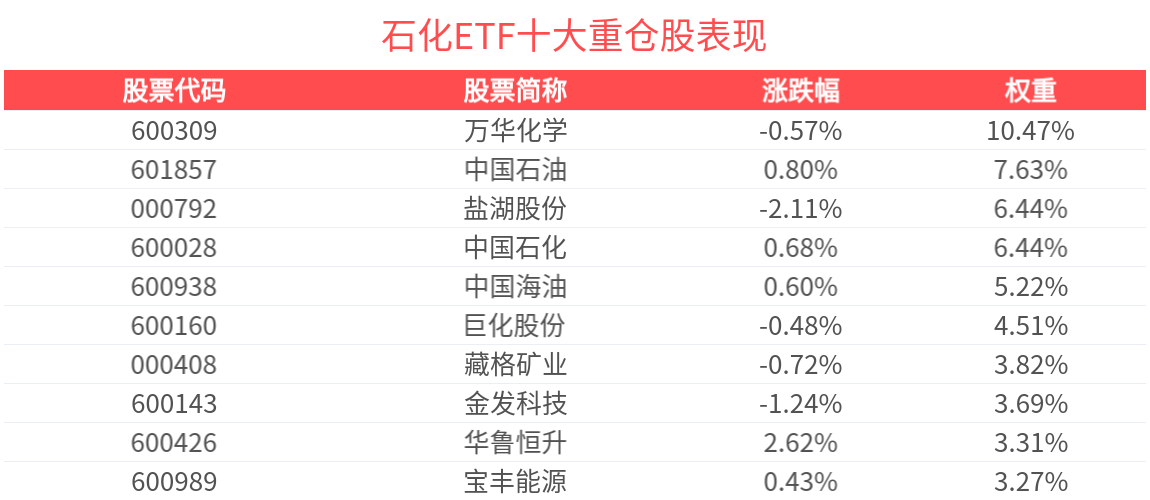
Core Insights - The China Petroleum Industry Index rose by 0.16% as of December 2, 2025, with significant gains from stocks like Hengyi Petrochemical and Tongcheng New Materials [1] - The Petrochemical ETF (159731) experienced a slight decline of 0.12%, priced at 0.83 yuan [1] - Over the past week, the Petrochemical ETF attracted a net inflow of 21.32 million yuan, reaching a new one-year high in both share count and scale [1] Fund Performance - The Petrochemical ETF's net value increased by 28.05% over the past two years, with a maximum monthly return of 15.86% since inception [1] - The longest consecutive monthly gain for the ETF was 7 months, with a total increase of 27.01%, and an average monthly return of 4.96% during rising months [1] - As of December 1, 2025, the ETF outperformed its benchmark with an annualized excess return of 4.62% over the last six months [1] Index Composition - The top ten weighted stocks in the China Petroleum Industry Index account for 56.67% of the index, including Wanhua Chemical, China Petroleum, and Yilong Lake [1] - The individual weightings of these stocks vary, with Wanhua Chemical at 10.47% and China Petroleum at 7.63% [3]