赛诺菲

Search documents
基石药业-B(02616):普吉华(普拉替尼胶囊)获纳入2025年国家医保目录
智通财经网· 2025-12-08 04:28
Core Viewpoint - The inclusion of the drug Praluent® (Pralsetinib capsules, 100 mg) in China's National Medical Insurance Catalog is a significant development for the company, as it will officially take effect on January 1, 2026, enhancing the drug's market access and potential sales in the region [1]. Group 1: Drug Approval and Indications - Praluent® is an oral targeted therapy approved by the National Medical Products Administration (NMPA) for treating adult patients with locally advanced or metastatic non-small cell lung cancer (NSCLC) who are RET gene fusion positive, as well as for adult and pediatric patients aged 12 and above with advanced or metastatic RET mutation medullary thyroid carcinoma (MTC) requiring systemic treatment [1][2]. - The drug has also been approved in Hong Kong for treating adult patients with metastatic RET fusion-positive NSCLC and in Taiwan for similar indications, including advanced or metastatic RET fusion-positive thyroid cancer [1]. Group 2: Commercialization and Partnerships - The drug Praluent® was developed by Blueprint Medicines, which was acquired by Sanofi in July 2025, indicating a strategic partnership that may enhance the drug's development and commercialization efforts [2]. - The company has granted exclusive commercialization rights for Praluent® in mainland China to Shanghai Elios Pharmaceutical Technology Co., Ltd. as of November 2023, which may streamline marketing and distribution efforts in the region [2].
三千多一针的网红疫苗排队打,却被国内企业忽略了?
3 6 Ke· 2025-12-08 00:02
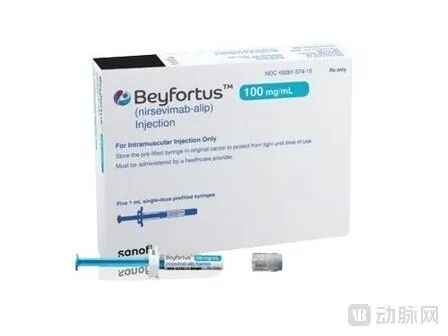
Core Insights - The RSV (Respiratory Syncytial Virus) season this year has been unusually prolonged, with parents now having the option to vaccinate their children with a high-cost monoclonal antibody, Nirsevimab, developed by Sanofi, to reduce the risk of severe RSV infections [1][2] - Nirsevimab has gained significant traction in the market, generating substantial revenue in the U.S. and Europe, and is expected to continue its growth trajectory as it expands into other markets [7][8] Group 1: RSV Infection and Treatment Landscape - RSV is the leading cause of severe lower respiratory infections in infants, with hospitalization rates for infants under three months reaching 10%-20% [2] - Prior to Nirsevimab, the RSV prevention market was dominated by Palivizumab, which had a narrow application range and was not effective for the majority of infants [2][3] - Nirsevimab is advantageous as it can be administered to healthy infants, unlike Palivizumab, which is limited to high-risk groups [3][6] Group 2: Market Demand and Supply Challenges - The demand for Nirsevimab has surged, with approximately 2.4 million infants in the U.S. eligible for treatment during the 2024 RSV season, leading to significant supply shortages [6][8] - Sanofi reported that Nirsevimab generated approximately $598 million in sales in 2023, with projections of $1.829 billion in 2024, marking it as a blockbuster drug [7][8] Group 3: Competitive Landscape - The introduction of Clesrovimab, another monoclonal antibody for RSV prevention, is anticipated to further intensify competition in the market, with its approval expected in June 2025 [9][10] - Both Nirsevimab and Clesrovimab have similar indications, but Nirsevimab has a broader age range for application, which may give it a competitive edge [9][10] Group 4: Domestic Development and Future Prospects - In China, the development of RSV monoclonal antibodies is still in its early stages, with only a few candidates in clinical trials, such as TNM-001 and RB0026, which are expected to enter the market by 2027 [14][15][16] - The complexity and high failure rates associated with developing RSV monoclonal antibodies pose challenges for domestic companies, leading to a slower response in the market compared to vaccines [16][17]


2025国谈落地:从用得上走向用得起
2 1 Shi Ji Jing Ji Bao Dao· 2025-12-07 23:50
Core Insights - The Chinese medical insurance directory will undergo its largest expansion of innovative drugs in history starting January 1, 2026, adding 114 new drugs, including 50 class 1 innovative drugs, while removing 29 drugs that are either unavailable or can be replaced by better alternatives [1][9] - The new directory will increase the total number of drugs to 3,253, significantly enhancing coverage for key areas such as oncology, chronic diseases, mental health, rare diseases, and pediatric medications [1][9] - The inclusion of innovative drugs in the medical insurance directory reflects a strong commitment to support genuine innovation and differentiated innovation in the healthcare sector [1][9] Medical Insurance Directory Expansion - The new medical insurance directory will include 114 new drugs, with nearly 44% being class 1 innovative drugs, indicating a growing emphasis on innovative treatments [1][2] - The directory aims to balance the clinical value of innovative drugs, corporate profits, and the sustainability of the insurance fund, with a new commercial insurance directory established for high-cost innovative drugs [2][15] - The entry of innovative drugs into the medical insurance directory is seen as a critical step in making these treatments accessible to patients, thereby reducing their economic burden [13][23] Market Dynamics and Trends - The inclusion of innovative drugs in the medical insurance directory is expected to accelerate sales growth for these products, reshaping the business models of Chinese innovative drug companies [4][20] - Companies like Hengrui Medicine and Innovent Biologics have successfully included multiple innovative products in the new directory, indicating a trend of increasing market access for innovative therapies [4][5] - The commercial insurance directory, which includes 19 innovative drugs, aims to provide additional support for high-cost treatments, potentially lowering patient treatment costs significantly [15][18] Focus on Key Therapeutic Areas - The new directory emphasizes significant clinical value and urgent patient needs, particularly in oncology, with new drugs targeting various types of cancers being added [10][11] - The inclusion of drugs for rare diseases and conditions like severe asthma highlights a commitment to addressing critical healthcare challenges faced by patients [16][17] - The directory also includes innovative treatments for chronic conditions such as diabetes, further expanding access to essential therapies for a large patient population [8][12] Policy and Regulatory Environment - Recent reforms in drug approval and medical insurance payment systems have created a conducive environment for the development of innovative drugs in China [19][20] - The acceleration of drug review processes and the establishment of a more rigorous value assessment framework are expected to enhance the accessibility of innovative treatments [19][22] - The collaboration between policy and capital markets is crucial for fostering innovation and ensuring the sustainability of the healthcare system [21][22] Future Outlook - The successful implementation of the new medical insurance directory is anticipated to restore investor confidence in the innovative drug market, which has seen a slowdown in investment interest recently [18][21] - The ongoing development of commercial insurance options for innovative drugs is expected to play a significant role in expanding patient access and improving treatment outcomes [18][19] - The transition from merely making innovative drugs available to ensuring they are affordable and effective represents a significant shift in the Chinese healthcare landscape [23][24]
重大突破!自费一针上百万元,5款抗癌药纳入商业保险
Mei Ri Jing Ji Xin Wen· 2025-12-07 22:20
Core Insights - The 2025 National Medical Insurance Directory and the first Commercial Health Insurance Innovative Drug Directory were announced, marking a significant development in the pharmaceutical industry [1][3][10] - A total of 114 new drugs were added to the National Medical Insurance Directory, including 50 innovative drugs, which is expected to enhance patient access and support sustainable investment in drug development [1][2][3] National Medical Insurance Directory - The 2025 National Medical Insurance Directory includes 114 new drugs, with 50 classified as innovative drugs, such as Tislelizumab and domestic ADC drugs [1][3] - Companies like Kelun-Biotech and Kangnuo have successfully included their innovative drugs in the directory, reflecting strong government support for domestic innovation [3][4] - The total number of drugs in the National Medical Insurance Directory has increased to 3,253, with significant improvements in coverage for critical areas like oncology and chronic diseases [5][6] Commercial Health Insurance Innovative Drug Directory - The newly introduced Commercial Health Insurance Innovative Drug Directory includes five CAR-T cell therapies and several high-cost drugs for rare diseases, enhancing accessibility for patients [1][6][8] - The directory allows innovative drug companies to explore new payment channels outside of traditional medical insurance, potentially increasing patient access to high-value therapies [11][12] - The pricing for drugs in the Commercial Health Insurance Directory is expected to be more flexible, allowing for negotiations between companies and insurers, which could lead to better affordability for patients [8][12] Industry Impact - The introduction of the Commercial Health Insurance Innovative Drug Directory is seen as a milestone for improving drug accessibility and affordability, particularly for high-cost therapies [7][9][12] - The past decade has witnessed significant growth in China's innovative drug sector, with the new directory marking a pivotal moment in the industry's evolution [10][11] - The dual-track payment framework established by the National Medical Insurance and Commercial Health Insurance is expected to foster a more robust ecosystem for drug research and application in China [12]
50款一类创新药在列 医保商保“双目录”发布
Bei Jing Shang Bao· 2025-12-07 15:28
Core Insights - The 2025 National Basic Medical Insurance, Maternity Insurance, and Work Injury Insurance Drug Catalog and the first Commercial Health Insurance Innovative Drug Catalog were officially released on December 7, highlighting significant advancements in drug accessibility and innovation support [1][6]. Summary by Sections Basic Medical Insurance Drug Catalog - A total of 114 new drugs were added, with 50 being first-class innovative drugs, achieving an overall success rate of 88%, an increase from 76% in 2024 [3][5]. - The total number of drugs in the National Medical Insurance Drug Catalog has increased to 3,253, including 1,857 Western medicines and 1,396 traditional Chinese medicines, with enhanced coverage for critical areas such as cancer, chronic diseases, mental illnesses, rare diseases, and pediatric medications [3][5]. - The new drug catalog will be implemented starting January 1, 2026, with a six-month transition period for drugs that were not successfully renewed [3][4]. Commercial Health Insurance Innovative Drug Catalog - The Commercial Health Insurance Innovative Drug Catalog includes 19 drugs from 18 innovative pharmaceutical companies, focusing on high clinical value and innovation, particularly in cancer, rare diseases, and chronic conditions [7][9]. - The catalog emphasizes three main characteristics: support for innovation, focus on key therapeutic areas, and a clear distinction between basic medical insurance and commercial insurance coverage [7][9]. - Notable inclusions are five CAR-T products and new treatments for Alzheimer's disease and Gaucher disease, reflecting a trend towards covering high-cost, innovative therapies through commercial insurance [8][9]. Innovation and Market Impact - The inclusion of a significant number of first-class innovative drugs in the basic medical insurance catalog demonstrates the government's commitment to enhancing drug accessibility and encouraging pharmaceutical innovation [6][9]. - The successful negotiation rates and the focus on innovative drugs in both catalogs are expected to stimulate further investment in drug research and development by pharmaceutical companies [6][9].

Antibody Discovery Market to Reach USD 17.68 Billion by 2032, Driven by Rising Demand for Targeted Therapies and Advancements in AI Powered Antibody Engineering – SNS Insider
Globenewswire· 2025-12-07 14:26
Core Insights - The global antibody discovery market is projected to grow from USD 8.42 billion in 2024 to USD 17.68 billion by 2032, with a CAGR of 9.74% from 2025 to 2032, driven by the increasing demand for targeted therapeutics for chronic diseases [1][4][17] - The U.S. antibody discovery market is expected to grow from USD 2.75 billion in 2024 to USD 5.12 billion by 2032, with a CAGR of 8.13% during the same period, supported by substantial R&D investments [2][17] Market Drivers - The primary growth driver for the antibody discovery market is the rising need for precision medicine and targeted therapies, particularly in the treatment of complex diseases such as cancer and autoimmune disorders [4] - The biopharmaceutical industry is making significant investments in monoclonal antibodies and biologics due to the increasing prevalence of complicated diseases [4] Market Challenges - High costs and technical complexities in the development of antibodies pose significant challenges, with the average time to bring a novel biologic to market estimated at 10 to 15 years and costs exceeding USD 2.6 billion [5] - The technical intricacies involved in antibody selection and optimization require substantial investment and expertise [5] Market Segmentation - By Antibody Type: Monoclonal antibodies held a market share of approximately 68% in 2024, while polyclonal antibodies are the fastest-growing segment due to their versatility in binding to multiple epitopes [7] - By Service: Phage display accounted for 47% of the market in 2024, with hybridoma technology being the fastest-growing segment [8] - By End-User: The pharmaceutical and biotech sectors dominated the market with a 64% share, while research laboratories are the fastest-growing end-user segment [9] Regional Insights - North America was the largest market for antibody discovery in 2024, attributed to significant investments in biopharmaceutical R&D and a robust clinical trial infrastructure [10] - The Asia Pacific region is identified as the fastest-growing market, driven by a developing biotech industry and increasing healthcare spending [11] Recent Developments - In April 2025, Sanofi licensed global rights to bispecific antibody candidates from Earendil Labs for USD 125 million upfront, with potential milestones of USD 1.72 billion [14] - Evotec announced progress in its collaboration with Bristol Myers Squibb, resulting in USD 75 million in milestone payments [14]

重大利好,5款百万级抗癌针被纳入商保
21世纪经济报道· 2025-12-07 13:50
Core Viewpoint - The upcoming adjustment to China's medical insurance catalog, effective January 1, 2026, will be the largest expansion of innovative drugs in history, adding 114 new drugs, including 50 class 1 innovative drugs, reflecting a significant commitment to support innovation in the pharmaceutical sector [2][11]. Summary by Sections Medical Insurance Directory Adjustment - The total number of drugs in the medical insurance directory will increase to 3,253, with a notable enhancement in coverage for key areas such as oncology, chronic diseases, mental health, rare diseases, and pediatric medications [2]. - The proportion of innovative drugs in the directory is rising, with 50 out of 114 new additions being class 1 innovative drugs, accounting for nearly 44% [2][11]. Innovative Drug Market Dynamics - The inclusion of innovative drugs in the medical insurance directory is a critical factor for market expansion, as these drugs typically experience rapid sales growth within a year of being added [5]. - Companies like Heng Rui Medicine and Innovent Biologics have successfully included multiple innovative products in the new directory, indicating a trend towards greater access to innovative treatments [6][7]. Clinical Demand and Treatment Options - The new directory focuses on drugs with significant clinical value and urgent patient needs, particularly in oncology, where new treatments for blood cancers and breast cancer have been added [12][14]. - The inclusion of targeted therapies for severe asthma and diabetes reflects a commitment to addressing pressing health issues in the population [10][8]. Pricing and Insurance Collaboration - A new commercial insurance directory for innovative drugs has been established, which includes 19 innovative drugs from 18 companies, aiming to create a balanced payment mechanism between basic medical insurance and commercial insurance [19][23]. - The commercial insurance directory is expected to alleviate the financial burden on patients, particularly for high-cost treatments like CAR-T therapy [21][22]. Policy Coordination and Future Outlook - The development of innovative drugs requires coordinated policies across drug approval, medical insurance, and clinical application, which have seen significant reforms in recent years [25][26]. - The future of innovative drug development in China hinges on the collaboration between industry policies and capital markets, with expectations for more original innovations and a focus on global competitiveness [27][28]. Conclusion - The adjustment of the medical insurance directory marks a transformative step for innovative drugs in China, shifting from being luxury items to accessible treatment options for a broader population, ultimately enhancing patient outcomes and supporting the goal of universal health coverage [29].

国家医保目录新增114种药品
Mei Ri Jing Ji Xin Wen· 2025-12-07 13:33
Core Points - The 2025 National Medical Insurance Directory has added 114 new drugs, including 50 innovative drugs, which will significantly enhance patient access to essential medications [1][3][6] - The introduction of the Commercial Health Insurance Innovative Drug Directory marks a pivotal moment for innovative drug accessibility, allowing companies to explore new payment channels beyond traditional insurance [12][13] - The overall number of drugs in the National Medical Insurance Directory has increased to 3,253, with a notable focus on critical areas such as oncology, chronic diseases, and rare diseases [6][11] Group 1: National Medical Insurance Directory - The 2025 National Medical Insurance Directory includes 114 new drugs, with 50 classified as innovative drugs, such as Tislelizumab and domestic ADCs [1][3] - The directory aims to bridge gaps in basic medical insurance coverage for major diseases like triple-negative breast cancer and lung cancer [3][4] - The total number of drugs in the National Medical Insurance Directory has risen to 3,253, enhancing coverage for key disease areas [6] Group 2: Commercial Health Insurance Innovative Drug Directory - The Commercial Health Insurance Innovative Drug Directory includes five CAR-T cell therapies and two Alzheimer's disease drugs, addressing previously limited access due to high costs [1][7] - The directory allows innovative drug companies to seek new payment avenues, enhancing the affordability and accessibility of high-value drugs [12][13] - The introduction of this directory is seen as a significant milestone in improving patient access to innovative therapies [8][9] Group 3: Industry Impact and Future Outlook - The past decade has seen a surge in China's innovative drug development, with the 2025 directory marking a new phase in business development for the industry [11] - The dual-track payment framework of basic insurance and commercial insurance is expected to stimulate the market for innovative drugs [13] - Companies are encouraged to collaborate with insurance providers to enhance patient coverage and awareness of health insurance options [12][13]
国家医保目录新增114种药品:5款百万元CAR-T疗法纳入商保,企业代表直呼这是“重要里程碑”
Mei Ri Jing Ji Xin Wen· 2025-12-07 13:15
Core Insights - The 2025 National Medical Insurance Directory has added 114 new drugs, including 50 innovative drugs, which will significantly enhance patient access to essential medications [1][3][6] - The introduction of the Commercial Health Insurance Innovative Drug Directory marks a pivotal moment for the pharmaceutical industry, allowing for new payment channels beyond traditional insurance [11][12] Summary by Sections National Medical Insurance Directory - The 2025 National Medical Insurance Directory includes 114 new drugs, with 50 classified as innovative drugs, such as Tislelizumab and domestic ADCs [1][3] - The total number of drugs in the National Medical Insurance Directory has increased to 3,253, with significant improvements in coverage for critical areas like oncology and rare diseases [6] Commercial Health Insurance Innovative Drug Directory - The Commercial Health Insurance Innovative Drug Directory features five CAR-T cell therapies and two imported Alzheimer's drugs, addressing previously limited access due to high costs [1][7] - The directory aims to enhance the accessibility of high-value innovative drugs, with a focus on improving patient affordability [9][10] Industry Impact - The inclusion of innovative drugs in the National Medical Insurance Directory is expected to accelerate the transition from laboratory to patient access, providing crucial support for sustainable investment in pharmaceutical R&D [2][4] - The launch of the Commercial Health Insurance Innovative Drug Directory allows pharmaceutical companies to explore new payment avenues, fostering a dual-track pricing system that recognizes the value of innovative therapies [12] Company Responses - Companies like WuXi AppTec and CanSino Biologics have expressed optimism about the new directories, highlighting the government's support for domestic innovation and the potential for improved patient outcomes [4][5][11] - The introduction of the directories has prompted companies to collaborate closely with insurance providers to ensure effective implementation and patient access [12]
2025国谈落地:双管齐下,从“用得上”走向“用得起”
2 1 Shi Ji Jing Ji Bao Dao· 2025-12-07 11:15
Core Insights - The Chinese medical insurance directory will undergo its largest expansion of innovative drugs in history starting January 1, 2026, adding 114 new drugs, including 50 class 1 innovative drugs, while removing 29 drugs that are either unavailable or can be replaced by better alternatives [1][2] - The total number of drugs in the directory will increase to 3,253, significantly enhancing coverage for key areas such as oncology, chronic diseases, mental health, rare diseases, and pediatric medications [1][2] - The inclusion of innovative drugs in the medical insurance directory reflects a strong commitment to support genuine innovation and differentiated innovation in the healthcare sector [1][2] Medical Insurance Directory Expansion - The new directory will include 114 drugs, with nearly 44% being class 1 innovative drugs, indicating a growing emphasis on innovative treatments [1][2] - The directory will enhance the insurance coverage for critical areas, improving access to necessary medications for patients [1][2] Innovative Drug Market Dynamics - The entry of innovative drugs into the medical insurance directory is a key driver for market growth, with those included typically experiencing rapid sales growth within a year [4] - Companies like Heng Rui Medicine and Innovent Biologics have successfully included multiple innovative products in the new directory, indicating a trend towards increased market access for innovative therapies [4][5] Clinical Needs and Treatment Options - The new directory addresses significant clinical needs, particularly in oncology, with new drugs targeting various types of cancers, thereby expanding treatment options for patients [9][10] - The inclusion of targeted therapies for conditions like severe asthma and breast cancer provides patients with more accessible and effective treatment options [6][10] Commercial Insurance Directory - The introduction of a commercial insurance directory for innovative drugs aims to balance clinical value, corporate profits, and the sustainability of insurance funds [2][12] - The commercial insurance directory includes 19 innovative drugs, highlighting a focus on high-value treatments that exceed basic insurance coverage [12][15] Policy and Regulatory Environment - Recent reforms in drug approval and medical insurance payment systems have created a conducive environment for the development of innovative drugs in China [17][18] - The acceleration of drug approvals and the establishment of a more rigorous evaluation system for innovative drugs are reshaping the landscape for pharmaceutical companies [17][18] Future Outlook - The ongoing expansion of the medical insurance directory signifies a shift towards making innovative drugs more accessible and affordable for the general population, enhancing overall healthcare outcomes [20][21] - The collaboration between policy, industry, and capital markets is essential for fostering high-quality development in the innovative drug sector [19][20]