TotalEnergies SE

Search documents
美国马里兰州打造垃圾填埋场太阳能项目
Huan Qiu Wang· 2025-10-11 08:14
Core Insights - The article discusses the inauguration of Maryland's first large-scale ground-mounted solar power plant in Baltimore County, which transforms a previously unused landfill site into a green energy asset, contributing to regional energy transition and ecological governance [1][2] Group 1: Project Overview - The solar power plant occupies 213 acres and has a total installed capacity of approximately 7 megawatts, consisting of four large ground-mounted photovoltaic arrays with around 15,000 solar panels [1] - The plant is expected to generate about 8.2 million kilowatt-hours of electricity annually, sufficient to meet the annual electricity needs of 1,150 households in Baltimore County [1] Group 2: Operational Model - The solar power plant is financed and operated by TotalEnergies, a French energy company, while the Baltimore County government secures electricity supply through a long-term Power Purchase Agreement (PPA) [2] - The PPA has a duration of 25 years, with the possibility of extending it to 33 years, ensuring stable access to clean energy at relatively low prices and providing dual protection for the project's long-term operational stability against future electricity market price fluctuations [2]


美国马里兰州打造垃圾填埋场太阳能项目,年发电量满足 1150 户家庭全年需求
Huan Qiu Wang· 2025-10-11 04:12
巴尔的摩县地处巴尔的摩市以北,是马里兰州人口密度较高的行政区之一。此次新建的太阳能发电场占 地 213 英亩,总装机容量约 7 兆瓦,由四组大型地面光伏阵列构成,共铺设约 1.5 万块光伏面板。据官 方测算,该电站预计每年可稳定发电约 820 万千瓦时,这些电量能够满足巴尔的摩县 1150 户家庭一整 年的用电需求,在保障居民用电稳定的同时,大幅减少传统能源发电带来的碳排放,为当地生态环境改 善注入动力。 从项目运营模式来看,该太阳能发电场由法国能源企业道达尔能源(TotalEnergies)投资建设并负责日 常运营,巴尔的摩县政府则通过签订长期购电协议(PPA)保障电力供应。这份协议期限为 25 年,且 预留延长至 33 年的空间,既能确保当地长期以相对稳定的低电价获取清洁能源,有效抵御未来电力市 场价格波动带来的风险,也为项目长期稳定运营提供了政策与市场双重保障。(纯钧) 来源:环球网 【环球网科技综合报道】10月11日消息,据WBOC报道,美国马里兰州巴尔的摩县近日正式启用当地首 个大型地面式太阳能发电场。该项目巧妙利用闲置的 Parkton 垃圾填埋场用地,将曾经的 "环境负担" 转 化为清洁发电的 ...

X @The Economist
The Economist· 2025-10-10 10:20
In Uganda the French supermajor is building the world’s longest heated pipeline. In Namibia it hopes to drill in waters 3km deep. And in Mozambique it is invested in a $20bn gas project.What will these developments mean for Africa? https://t.co/NgplsoAEXf ...
3.5GW/11.4GWh太阳能+储能项目中标
中关村储能产业技术联盟· 2025-10-10 09:46
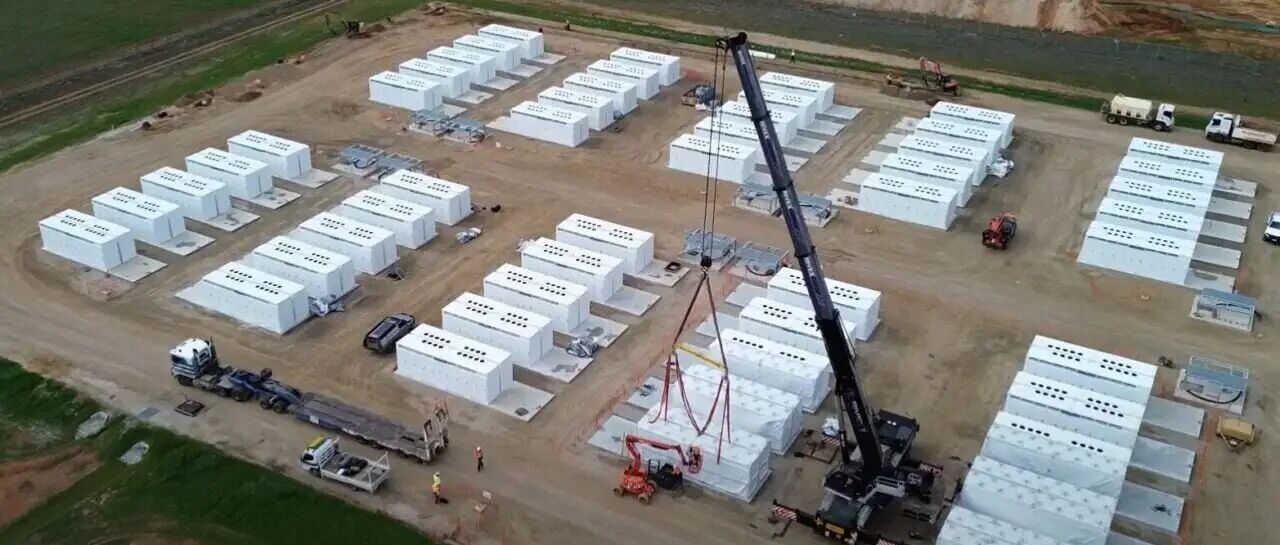
Core Viewpoint - The Australian government has awarded contracts for 11.4GWh of solar and energy storage projects in the fourth round of the Capacity Investment Scheme (CIS), reflecting a significant expansion of renewable energy infrastructure in the country [2][3]. Group 1: CIS Auction Results - A total of 20 projects successfully won contracts, securing 6.6GW of long-term renewable energy generation capacity [3][4]. - The auction received 84 bids with a total capacity of 25.6GW, exceeding the target capacity of 6GW by more than four times [5][6]. - The results indicate increasing developer confidence in the income guarantee model of the CIS and competitive pricing achieved during the bidding process [6]. Group 2: Project Details and Economic Impact - The awarded projects are expected to create over 12,000 construction jobs and more than 1,000 long-term maintenance jobs, generating approximately AUD 17 billion (USD 11.2 billion) in local investment, including AUD 1 billion for steel procurement [7]. - The projects also committed to providing around AUD 291 million in community shared benefits and AUD 348 million for Indigenous rights funding [8]. Group 3: Renewable Energy Transition - The successful projects will contribute to grid services, including capacity support, frequency regulation, and voltage support, as Australia transitions to a renewable energy-dominated power system [9]. - Among the 20 projects, 12 are equipped with various forms of battery storage systems, providing a total of 3.5GW/11.4GWh of storage capacity [10]. Group 4: Project Distribution and Developer Landscape - The projects are geographically distributed across five states, with New South Wales and Queensland each securing six projects, totaling 2.4GW and 1.8GW respectively [12]. - Established companies like Lightsource bp, Total Energy, and AGL have successfully secured projects, indicating a collaborative investment approach from both international and local capital in Australia's energy transition [13]. Group 5: Capacity Investment Scheme Overview - The CIS aims to reduce investment risks for renewable energy and storage projects by providing long-term revenue contracts, enabling developers to secure financing for large projects [14]. - The Australian government has increased the CIS target to 40GW of renewable energy and storage capacity, recognizing the need for substantial investment to achieve renewable energy goals and replace retiring fossil fuel generation capacity [14]. Group 6: Future Auction Plans - Two new auctions for Western Australia are set to open in 2025, targeting 1.6GW of renewable energy generation capacity and 24GWh of dispatchable capacity, including battery storage systems with a minimum duration of 2 hours [15].
广发早知道:汇总版-20251010
Guang Fa Qi Huo· 2025-10-10 02:01
Report Industry Investment Ratings No relevant content provided. Core Views of the Report - After the holiday, the A-share market showed a positive start, but there were also signs of a pullback after the rally. The technology sector remained active, and it is recommended to lightly sell put options on MO2511 at the strike price of around 6800 when the price pulls back [2][4]. - The bond market started well after the holiday, but the sentiment may be suppressed by the risk appetite. The short-term bond market is expected to continue to fluctuate within a range, and it is recommended to wait for over - adjustment opportunities [6]. - Precious metals prices first rose and then fell. Silver hit a new high due to supply shortages, and it is recommended to maintain a cautious and low - buying strategy for precious metals in the fourth quarter [9][10]. - The shipping index of European routes showed a weak and volatile trend. It is recommended to go long on the 12 - contract [12]. - Copper prices are expected to be strong due to supply shortages, while aluminum oxide prices are expected to be weak due to supply surpluses [14][20]. - Zinc prices are expected to fluctuate, tin prices are expected to be strongly volatile, nickel prices are expected to be strongly volatile, and stainless steel prices are expected to fluctuate within a range [31][36][40]. - The lithium carbonate market is in a tight balance, and the short - term price is expected to fluctuate [43]. - Steel prices are expected to be stable, and it is recommended to pay attention to the support levels of rebar and hot - rolled coils [45]. - Iron ore prices are expected to be strongly volatile, and it is recommended to go long on the 2601 contract at low prices [47]. - Coking coal and coke prices are expected to rebound, and it is recommended to go long on the 2601 contracts of both at low prices [51][54]. - The price of domestic meal is suppressed by supply pressure, and the M2601 contract is expected to fluctuate within a range [57]. - The price of live pigs is under pressure, and it is recommended to go short on the futures at high prices and conduct reverse arbitrage on relevant contracts [59]. Summary by Directory Financial Derivatives - Financial Futures Stock Index Futures - Market situation: After the holiday, A - share major indexes rose, with the Shanghai Composite Index up 1.32%, and the cyclical sectors performed strongly, while the consumer sectors declined [2]. - Futures situation: The four major stock index futures contracts rose, and the basis spreads of the main contracts fluctuated narrowly [3]. - News: Domestic consumption increased during the holiday, and overseas, the Fed showed a willingness to cut interest rates [3]. - Capital: The trading volume of the A - share market increased, and the central bank conducted reverse repurchase operations with a net withdrawal of funds [4]. - Operation suggestion: It is recommended to lightly sell put options on MO2511 at the strike price of around 6800 when the price pulls back [4]. Treasury Futures - Market performance: Treasury futures closed up across the board, and the yields of major interest - rate bonds mostly declined [5]. - Capital: The central bank conducted reverse repurchase operations, and the inter - bank market funds were relatively loose [6]. - Operation suggestion: The short - term bond market is expected to fluctuate within a range, and it is recommended to wait for over - adjustment opportunities [6]. Financial Derivatives - Precious Metals - Market review: Geopolitical risks eased, and precious metals prices first rose and then fell. Silver hit a new high due to supply shortages [7][9]. - Future outlook: In the fourth quarter, precious metals prices are expected to be bullish, and it is recommended to maintain a cautious and low - buying strategy [10]. Financial Derivatives - Shipping Index of European Routes - Spot quotation: The freight rates of different shipping companies are provided [11]. - Index situation: The shipping index of European routes declined, and the freight rates of different routes also decreased [11]. - Fundamentals: The global container capacity increased, and the demand in different regions varied [11]. - Logic: The futures market was weakly volatile, and the price increase of shipping companies will affect the main contract price [12]. - Operation suggestion: It is recommended to go long on the 12 - contract [12]. Commodity Futures - Non - Ferrous Metals Copper - Spot: The price of electrolytic copper rose, but the downstream procurement willingness was weak [12]. - Macro: The US government was shut down, and the market expected the Fed to implement monetary easing [13]. - Supply: The supply of copper mines was tight, and the production of refined copper was expected to decline [14]. - Demand: The demand for copper was expected to slow down marginally, but it still had strong resilience [15]. - Inventory: The inventories of LME, COMEX, and domestic social copper increased [16]. - Logic: Weak US dollars and supply shortages drove the copper price up [17]. - Operation suggestion: Hold long positions, and pay attention to the support at 84000 - 85000 [17]. Aluminum Oxide - Spot: The price of aluminum oxide declined, and the overall trading sentiment was weak [17]. - Supply: The domestic and overseas supply of aluminum oxide increased, and the demand was weak [20]. - Inventory: The inventory of aluminum oxide was high, and the registered warehouse receipts increased [19]. - Logic: The futures price fluctuated widely, and the short - term price was under pressure [20]. - Operation suggestion: The main contract is expected to fluctuate between 2850 - 3050 [20]. Aluminum - Spot: The price of aluminum rose, but the high price suppressed the procurement willingness [21]. - Supply: The production of electrolytic aluminum was expected to increase slightly [21]. - Demand: The demand for aluminum showed structural characteristics, and the high price suppressed the orders of small and medium - sized enterprises [23]. - Inventory: The social inventory of aluminum ingots increased after the holiday [22]. - Logic: Macro factors supported the aluminum price, and it is expected to fluctuate at a high level [23]. - Operation suggestion: The main contract is expected to fluctuate between 20700 - 21300 [23]. Aluminum Alloy - Spot: The price of aluminum alloy rose [25]. - Supply: The supply of recycled aluminum was tight, and the开工 rate was affected [25]. - Demand: The demand for aluminum alloy recovered moderately, but the terminal demand was weak [25]. - Inventory: The inventory of aluminum alloy continued to increase [26]. - Logic: The futures price rose with the aluminum price, and the cost supported the price [27]. - Operation suggestion: The main contract is expected to fluctuate between 20200 - 20800. Consider arbitrage if the price difference is over 500 [27][28]. Zinc - Spot: The price of zinc rose, and the trading was light [28]. - Supply: The supply of zinc was loose, and the production of zinc ingots increased [29]. - Demand: The demand for zinc was weak, and the开工 rate of primary processing industries declined [30]. - Inventory: The domestic social inventory of zinc decreased, and the LME inventory increased [31]. - Logic: Low inventory and weak US dollars supported the zinc price, and it is expected to fluctuate [31]. - Operation suggestion: The main contract is expected to fluctuate between 21800 - 22800 [31]. Tin - Spot: The price of tin rose significantly, but the trading was light [31]. - Supply: The supply of tin was affected by Indonesia, and the import volume decreased [32]. - Demand: The demand for tin was weak, and the traditional consumption areas were sluggish [33]. - Inventory: The LME inventory decreased, and the social inventory decreased [33]. - Logic: Supply disruptions and the strength of the semiconductor sector drove the tin price up, and it is expected to be strongly volatile [34]. - Operation suggestion: Wait and see [34]. Nickel - Spot: The price of nickel rose [35]. - Supply: The production of refined nickel was at a high level and was expected to increase slightly [35]. - Demand: The demand for nickel in different sectors varied, and the demand for stainless steel was weak [35]. - Inventory: The overseas inventory of nickel was high, and the domestic social inventory was stable [35]. - Logic: Macro factors and policy expectations supported the nickel price, and it is expected to be strongly volatile [36]. - Operation suggestion: The main contract is expected to fluctuate between 120000 - 126000 [36]. Stainless Steel - Spot: The price of stainless steel rose slightly [37]. - Raw materials: The price of raw materials was firm, and the cost supported the price [37]. - Supply: The production of stainless steel was expected to increase, and the supply pressure existed [38]. - Inventory: The social inventory of stainless steel decreased slowly [38]. - Logic: The futures price rose slightly, and the downstream demand did not meet expectations [39]. - Operation suggestion: The main contract is expected to fluctuate between 12600 - 13200 [40]. Lithium Carbonate - Spot: The price of lithium carbonate was stable, and the trading was light [40]. - Supply: The production of lithium carbonate increased, and the supply was affected by new projects [41]. - Demand: The demand for lithium carbonate was stable and optimistic, but the marginal increase needed to be tracked [41]. - Inventory: The inventory of lithium carbonate decreased in all links [42]. - Logic: The futures price fluctuated, and the supply and demand were in a tight balance [43]. - Operation suggestion: The main contract is expected to fluctuate around 70,000 - 75,000 [43]. Commodity Futures - Black Metals Steel - Spot: Steel prices were stable during the holiday and rebounded slightly after the holiday [43]. - Cost and profit: The cost of steel had support, and the profit declined [44]. - Supply: The production of steel decreased slightly during the holiday, and the overall production was high [45]. - Demand: The demand for steel showed seasonal improvement, and the export volume was high [45]. - Inventory: The inventory of steel increased during the holiday and is expected to decrease seasonally [45]. - View: Steel prices are expected to be stable, and it is recommended to pay attention to the support levels of rebar and hot - rolled coils [45]. Iron Ore - Spot: The price of iron ore rose [46]. - Futures: The price of iron ore futures rose, and the 1 - 5 spread weakened [46]. - Basis: The basis of different iron ore varieties was provided [46]. - Demand: The demand for iron ore decreased slightly [46]. - Supply: The global shipment of iron ore decreased, and the arrival volume increased [46]. - Inventory: The port inventory of iron ore increased, and the daily dredging volume decreased [47]. - View: Iron ore prices are expected to be strongly volatile, and it is recommended to go long on the 2601 contract at low prices [47][48]. Coking Coal - Futures and spot: The coking coal futures rebounded, and the spot price declined slightly [49]. - Supply: The production of coking coal decreased, and the inventory decreased [50]. - Demand: The demand for coking coal decreased slightly [50]. - Inventory: The total inventory of coking coal decreased [50]. - View: Coking coal prices are expected to rebound, and it is recommended to go long on the 2601 contract at low prices [51]. Coke - Futures and spot: The coke futures rebounded, and the spot price of the factory was stable while the port price declined [54]. - Profit: The average profit per ton of coke for independent coking plants was negative [53]. - Supply: The production of coke decreased slightly [53]. - Demand: The demand for coke decreased slightly [53]. - Inventory: The total inventory of coke decreased [53]. - View: Coke prices are expected to rebound, and it is recommended to go long on the 2601 contract at low prices [54]. Commodity Futures - Agricultural Products Meal - Spot market: The price of domestic meal increased, and the trading volume of soybean meal increased [55]. - Fundamental news: The export sales report of US soybeans was postponed, and the export of Brazilian soybeans was expected to increase [55][56]. - Market outlook: The price of domestic meal is suppressed by supply pressure, and the M2601 contract is expected to fluctuate within a range [57]. Live Pigs - Spot situation: The price of live pigs declined [58]. - Market data: The profit of live pig breeding decreased, and the utilization rate of secondary fattening pens declined [58]. - Market outlook: The price of live pigs is under pressure, and it is recommended to go short on the futures at high prices and conduct reverse arbitrage on relevant contracts [59].
X @The Economist
The Economist· 2025-10-09 17:40
Project Focus - TotalEnergies is undertaking three projects to explore Africa's new oil and gas [1]
Iraq signs agreement with ExxonMobil for Majnoon oilfield development
Yahoo Finance· 2025-10-09 11:07
Core Insights - ExxonMobil has reached a non-binding agreement with the Iraqi Government to assist in the development of the Majnoon oilfield and enhance oil exports [1][4] - Iraq aims to increase its oil output significantly, targeting more than six million barrels per day by 2029, up from the current production of around 4 million barrels per day [2] - The Majnoon oilfield is one of the largest globally, with an estimated 38 billion barrels of oil in place [3] Group 1: Agreement Details - The agreement with Exxon includes a profit-sharing arrangement for crude oil and refined products [3] - Plans are in place to enhance Iraq's oil export infrastructure in the southern region [3] - The agreement aims to secure storage capacity in the Asian market, potentially leveraging Exxon's facilities in Singapore [4] Group 2: Political and Market Context - The agreement reflects Iraqi officials' push to modernize the energy sector and improve relations with Washington [4] - Recent deals with other oil companies like Chevron, bp, and TotalEnergies indicate Iraq's strategy to offer more attractive terms to foreign investors [2] - The deals carry political weight, signaling Baghdad's intent to rebalance regional ties and deepen integration with Western markets [4] Group 3: Historical Context - Exxon previously entered Iraq after the 2003 US invasion but abandoned the West Qurna project due to unsatisfactory returns [4] - The company also attempted to develop fields in the Kurdistan region but withdrew due to poor exploration results [5] - Following its departure from the West Qurna 1 oilfield, Exxon transferred its stake and operatorship to PetroChina [5]

2025年展望:驾驭全球能源格局研究报告
Sou Hu Cai Jing· 2025-10-09 09:08
Core Insights - The report "2025 Outlook: Navigating the Global Energy Landscape" by Nextcontinent analyzes key trends, structural changes, and challenges in the global energy sector as it transitions towards sustainability by 2025 [1] Group 1: Global Energy Demand and Supply - Global energy demand is projected to grow by 2.2% in 2024, with electricity demand increasing by 4.3%, driven by high temperatures, electrification, and digitalization [2][15] - Renewable energy sources are expected to account for 38% of the growth in global energy supply in 2024, with solar PV contributing approximately 480 TWh, doubling every three years since 2016 [2][16][17] - Fossil fuels will still dominate global energy supply, accounting for 65% of electricity generation in 2024, but their growth rate is slowing, with oil's share in total energy demand dropping below 30% for the first time in fifty years [2][16] Group 2: Geopolitical Influences - Geopolitical tensions, particularly in regions like the Middle East and Ukraine, are disrupting fossil fuel supply chains, highlighting the importance of key transit routes [3][43] - The concentration of critical mineral supply chains in China poses new vulnerabilities, with 85-95% of battery components and 80% of solar panels produced there [3][45] - Western nations are responding to these risks by localizing clean energy manufacturing through policies like the U.S. Inflation Reduction Act and the EU's Net Zero Industry Act [3][46] Group 3: Investment Trends - Global energy investment is expected to exceed $3 trillion in 2024, with around $2 trillion directed towards clean energy technologies [3] - Investment in solar energy is projected to surpass $50 billion, while other areas like grid infrastructure and battery storage are also seeing growth [3] - There are significant regional disparities in clean energy investment, with the U.S. reducing its clean energy funding while China and the EU continue to increase their investments [3] Group 4: Technological Innovations - Digitalization and technological advancements are reshaping the energy sector, with AI optimizing energy grid efficiency and predictive maintenance reducing unplanned outages by 35% [4] - The demand for electricity from data centers is surging, consuming between 240-340 TWh in 2022, which is expected to grow rapidly [4] - The energy sector is facing a skills gap, necessitating the development of talent in renewable energy, nuclear energy, and digital grid management [4] Group 5: Regional Insights - In North America, energy demand is declining due to efficiency gains, while renewable energy capacity is expected to triple by 2035 [27][28] - The European Union is rapidly reducing emissions, with a target of sourcing 80% of electricity from renewables by 2030 [29][30] - Asia, particularly China, is the fastest-growing energy market, accounting for over two-thirds of global oil demand growth and leading in renewable energy production [31]

Iraq signs deal with Exxon to help develop large oilfield
Yahoo Finance· 2025-10-08 14:09
Core Insights - Exxon Mobil has signed a non-binding agreement with Iraq to develop the Majnoon oilfield and expand oil exports, marking its return to the country after a two-year absence [1][4] - Iraq aims to increase its oil production from approximately 4 million barrels per day (bpd) to over 6 million bpd by 2029, despite facing challenges such as bureaucracy and corruption [2] - The Majnoon oilfield is one of the largest globally, with an estimated 38 billion barrels of oil in place, reflecting Iraq's efforts to modernize its energy sector and improve relations with the U.S. [3] Agreement Details - The agreement includes a profit-sharing arrangement for crude oil and refined products, as well as plans to upgrade Iraq's oil export infrastructure [5] - Iraq's state oil company, SOMO, will also collaborate with Exxon to secure storage capacity in the Asian market, potentially utilizing Exxon's facilities in Singapore [6] Political and Economic Context - The deals with Exxon and other oil companies signal Iraq's intention to rebalance regional ties and enhance integration with Western markets [4] - The Iraqi government is actively seeking to attract foreign investment in its oil sector to boost production and exports [2][3]
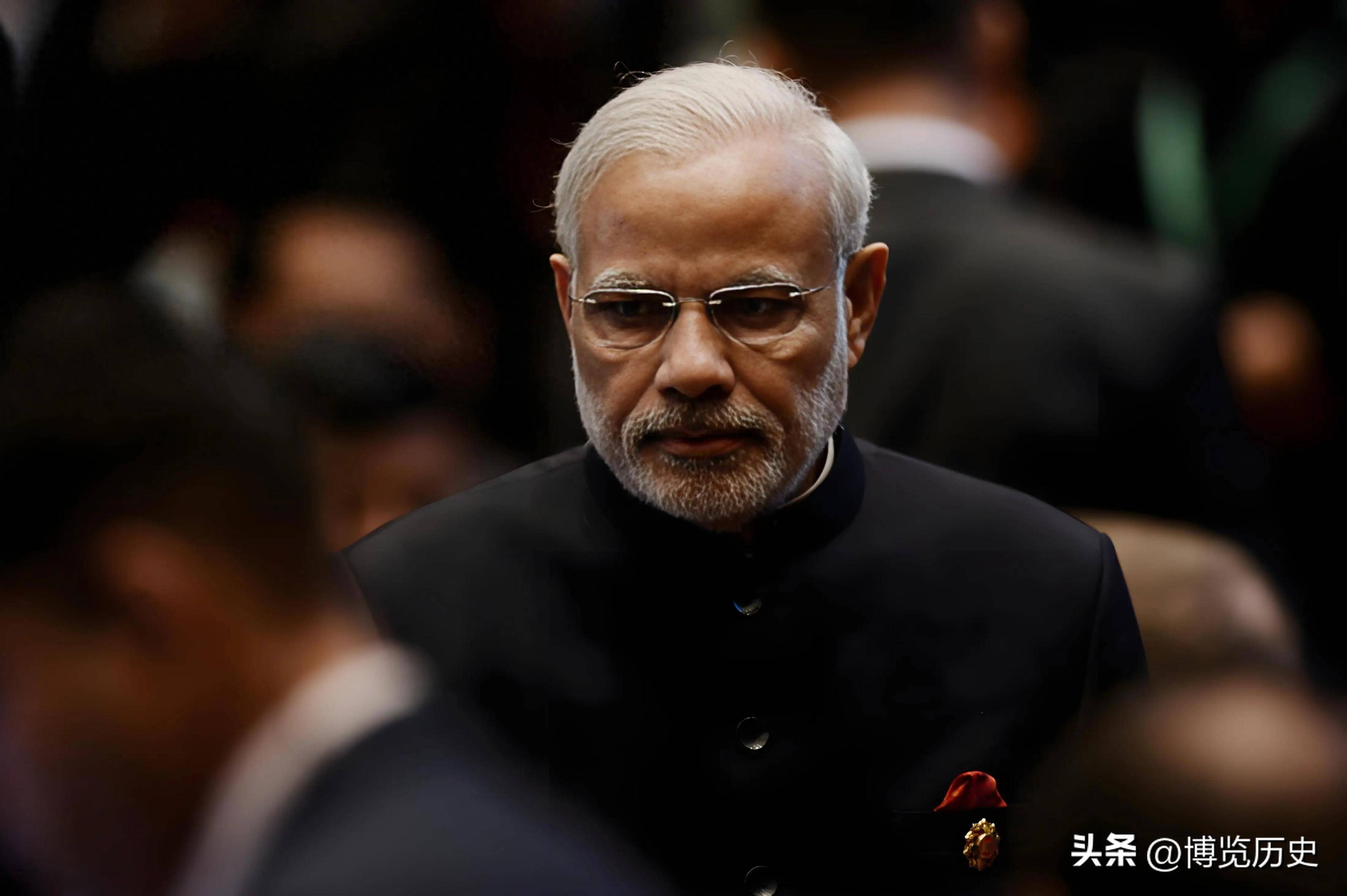
莫迪最担心的一幕已出现,俄要求用人民币结算石油,连美元都不收
Sou Hu Cai Jing· 2025-10-08 12:11
Core Viewpoint - The shift in currency for oil transactions from USD and INR to RMB by Russia represents a significant change in the global energy settlement landscape, forcing India to adapt to this new reality rather than making a strategic choice [1][4][19]. Group 1: Currency Shift and Implications - Russia has mandated that India must use RMB for oil purchases, rejecting both USD and INR, which highlights a shift in the global energy settlement system [1][4]. - The transition from a potential multi-currency approach to a singular reliance on RMB indicates that India is being compelled to align with Russia's demands due to geopolitical pressures [4][8]. - The accumulation of over $40 billion in INR by Russian enterprises, which cannot be effectively utilized, further emphasizes the necessity for India to adopt RMB for transactions [6]. Group 2: Economic Considerations - The price advantage of Russian oil, which is expected to be $2 to $3 cheaper per barrel than market rates in 2025, incentivizes India to comply with the RMB requirement, potentially saving nearly $170 million annually [11]. - India's dependency on oil imports, with 90% sourced externally, necessitates a focus on securing stable and affordable energy supplies, regardless of political affiliations [11][19]. - The potential for India to re-export processed Russian oil to Europe for profit underscores the economic rationale behind the shift to RMB [11]. Group 3: Geopolitical Dynamics - The evolving relationship between India and Russia, marked by the acceptance of RMB, reflects a broader trend of countries seeking alternatives to the USD in international trade, driven by geopolitical tensions [15][17]. - The situation illustrates India's struggle to balance its relationships with both Russia and the United States, as it attempts to maintain energy security while navigating complex international dynamics [19][21]. - The acceptance of RMB for oil transactions is not a definitive political alignment with China but rather a pragmatic response to energy needs and market realities [19][21].