Neuralink

Search documents
马斯克重大宣布!脑机接口赛道突传大消息!
Zheng Quan Shi Bao· 2026-01-01 04:44
Core Insights - Neuralink, founded by Elon Musk in 2016, plans to launch large-scale brain-machine interface (BMI) operations by 2026, transitioning to nearly fully automated surgeries [2][3] - The company aims to develop a "full brain interface" that allows seamless connection between the biological brain and external machines, potentially addressing neurological diseases and enhancing human cognitive abilities [4] Company Developments - Neuralink has completed the world's first human BMI implantation trial by the end of 2023 and has outlined detailed plans for the coming years, including advancements in chip technology and electrode counts [2][3] - The company currently has three products: "Mind Reading" for motor impairment patients, "Blind Vision" for visually impaired individuals, and "Deep" for neurological disorders and pain management [3] Future Plans - By Q4 2025, Neuralink aims to implant chips in the speech cortex to decode silent "intent speech" [3] - The number of implanted electrodes is expected to increase from 64 to 3,000 by 2026, and further to 10,000 by 2027, with plans to exceed 25,000 electrodes by 2028 for deeper brain areas [3][4] Domestic Developments - In China, significant advancements in BMI technology have been reported, with 24 financing rounds completed in the BMI sector from January to November 2025, marking a 30% year-on-year increase [5][7] - Various Chinese institutions and companies, such as Shanghai Brain Tiger Technology and Beijing Brain Science Institute, are actively developing and testing BMI technologies [5][6] Investment Trends - The investment enthusiasm in the BMI sector is rising, with over 100 capital firms, including Sequoia and Hillhouse, investing in the field, and a total financing amount exceeding 10 billion yuan in the past five years [7][8] - Neuralink raised $650 million in its E round of financing in June 2025, achieving a post-money valuation of $9 billion, setting a record in the BMI sector [7] Government Support - Government funding is becoming a crucial financing channel for BMI companies, with initiatives like the "BMI Special Incubation Fund" established in Beijing, offering up to 50 million yuan per project [8]

马斯克,重大宣布!
证券时报· 2026-01-01 04:26
Core Insights - Neuralink, founded by Elon Musk in 2016, plans to launch large-scale brain-machine interface (BMI) operations by 2026, transitioning towards nearly fully automated surgeries [1][2] - The company aims to develop a "full brain interface" that allows seamless connection between the biological brain and external machines, potentially addressing neurological diseases and enhancing human cognitive abilities [4] Group 1: Neuralink's Developments - Neuralink has completed the world's first human BMI implantation trial by the end of 2023 and has outlined detailed plans for the coming years [1] - The company currently has three products: "Mind Reading" for motor impairment patients, "Blind Vision" for visually impaired individuals, and "Deep" for neurological disorders and pain management [3] - Future milestones include implanting speech cortex chips by Q4 2025, increasing electrode counts to 3,000 by 2026, and further expanding to over 25,000 electrodes by 2028 for deeper brain areas [3][4] Group 2: Domestic Progress in BMI Technology - Significant advancements in BMI technology have also been made in China, with multiple companies achieving notable milestones in clinical trials and product development [6][7] - For instance, Shanghai Brain Tiger Technology successfully enabled a patient to play a game using a flexible BMI, and Beijing's Brain Science Institute has implanted their system in multiple spinal injury patients [7] - Despite these advancements, experts caution that invasive BMI clinical trials are still in their early stages, with true brain-machine integration potentially taking 5-10 years to achieve [8] Group 3: Investment Trends in the BMI Sector - Investment enthusiasm in the BMI sector is on the rise, with a reported 30% year-on-year increase in financing activities in 2025, totaling 24 financing events [9][11] - Notable investments include Neuralink's $650 million Series E funding round in June 2025, raising its valuation to $9 billion, and various Chinese companies securing significant funding from venture capital [11][12] - Government funding is also a crucial source of financing for BMI companies, with new special incubation funds being established in multiple cities to support the sector [12]

脑机接口产业更新及观点汇报
2025-12-31 16:02
Summary of Brain-Computer Interface Industry Update and Insights Industry Overview - The brain-computer interface (BCI) industry is in its early stages, with significant product approvals expected post-2028 and commercialization anticipated by 2030. Both China and the U.S. have implemented supportive policies for the sector, providing a crucial foundation for development [1][2][3]. Key Insights and Arguments - **Technological Advancements**: Continuous upgrades in technology, such as increased electrode channel counts, improved AI decoding algorithms, and the application of 5G and edge computing, are accelerating industry maturation. However, commercialization is primarily focused on non-invasive methods, resulting in low revenue for related companies [1][4]. - **Clinical Trials and Company Progress**: Companies like Neuralink, Syncro, Ladder Medical, and Borui Kang are under observation for their clinical trial advancements. Neuralink has accelerated its clinical trials, aiming to complete 20 trials by 2025, with 19 already enrolled. Borui Kang's Neo system has entered a special review process, achieving 1,312 implants with 100% improvement in hand function for all patients [1][6][7][10][11]. - **Market Risks and Investment Strategies**: While the long-term outlook for the BCI industry is positive, short-term bubble risks exist. Investors are advised to adopt a trading strategy and closely monitor national policy developments and key clinical trial progress from major companies [1][6]. Important but Overlooked Content - **Policy Support**: Both China and the U.S. have shown strong commitment to the BCI field, with China announcing a two-step strategy for the next five years and the U.S. providing policy and funding support. This guidance is crucial for the development of both invasive and non-invasive BCIs [3]. - **Company Comparisons**: Internationally, Neuralink and Syncro are benchmarks, with Neuralink focusing on invasive methods and Syncro offering a hybrid approach. Domestically, Ladder Medical and Borui Kang are making significant strides, with Ladder Medical's flexible electrode technology showing promise in clinical trials for high-level paraplegia and ALS [13][24]. Company-Specific Developments - **Neuralink**: Aims to enable paralyzed patients to perform physical actions independently by 2025, with ongoing clinical trials showing progress [8]. - **Singular**: Released a new model in 2025 that effectively decodes brain signals, enhancing the prediction of cognitive intentions [9]. - **Borui Kang**: The Neo system is on a fast track for commercialization, with significant clinical trial achievements [10][11]. - **Ladder Medical**: Demonstrated stability in signal transmission during clinical trials, with advancements in electrode technology [12]. - **New Wei Medical**: Expected to achieve over 40% revenue growth in 2025, targeting 1 billion RMB in revenue by 2028 [21]. Future Considerations - Investors should focus on policy directions and significant clinical trial outcomes, including the scale of trials and data disclosures from overseas companies, as well as the potential for multi-center trials from domestic firms like Ladder Medical [14]. Conclusion The BCI industry is poised for growth, driven by technological advancements and supportive policies. However, investors should remain cautious of short-term risks while keeping an eye on key developments within leading companies and the overall market landscape [6][24].
脑机接口2025:政策定调、技术破局、资本涌入,医疗刚需率先落地
Tai Mei Ti A P P· 2025-12-31 00:14
Group 1 - The brain-computer interface (BCI) industry in China is entering a historic turning point in 2025, driven by a combination of policy, capital, and technological advancements [2][3][5] - The Chinese government has significantly strengthened its top-level design for the BCI industry, with the first implementation opinions issued by multiple ministries and its inclusion in the national "14th Five-Year Plan" [5][6] - The successful clinical trial of China's first invasive BCI marks a critical milestone, indicating significant progress in the field [6][7] Group 2 - Investment in the BCI sector is surging, with financing amounts increasing nearly fourfold year-on-year in 2025, reflecting a fundamental recovery in capital confidence [2][7][10] - The number of financing events in the BCI field has risen sharply, with 16 events totaling 983 million yuan in 2025, compared to only 6 events totaling 201 million yuan in 2024 [7][10] - The financing structure shows a trend towards earlier rounds of investment, with over 75% of events occurring in the angel to A rounds, indicating a growing willingness to support early-stage projects [10][12] Group 3 - The BCI industry is characterized by a unique "asymmetric advantage" in China, driven by large clinical needs, efficient transformation systems, and comprehensive policy support [2][21][22] - The medical application of BCI is recognized as a priority, with the healthcare sector accounting for 56% of the BCI market, while consumer applications are still developing [25][28] - The market for serious medical applications is projected to reach between 15 billion to 85 billion USD globally, while the consumer medical market could reach between 25 billion to 60 billion USD [25] Group 4 - The BCI industry faces challenges in proving medical value, establishing payment models, and addressing ethical issues, necessitating a pragmatic evolution from "spectacle" to "utility" [3][30][33] - The industry must overcome three interconnected challenges: clinical validation, building trust among medical professionals and patients, and demonstrating economic value to healthcare systems [33][36] - The commercial path for consumer-grade BCI products requires addressing issues of device invisibility, establishing essential demand, and achieving affordable pricing [34][35]
马斯克的2025:不再是特朗普“第一兄弟”,身价却暴涨3300亿
3 6 Ke· 2025-12-29 03:43
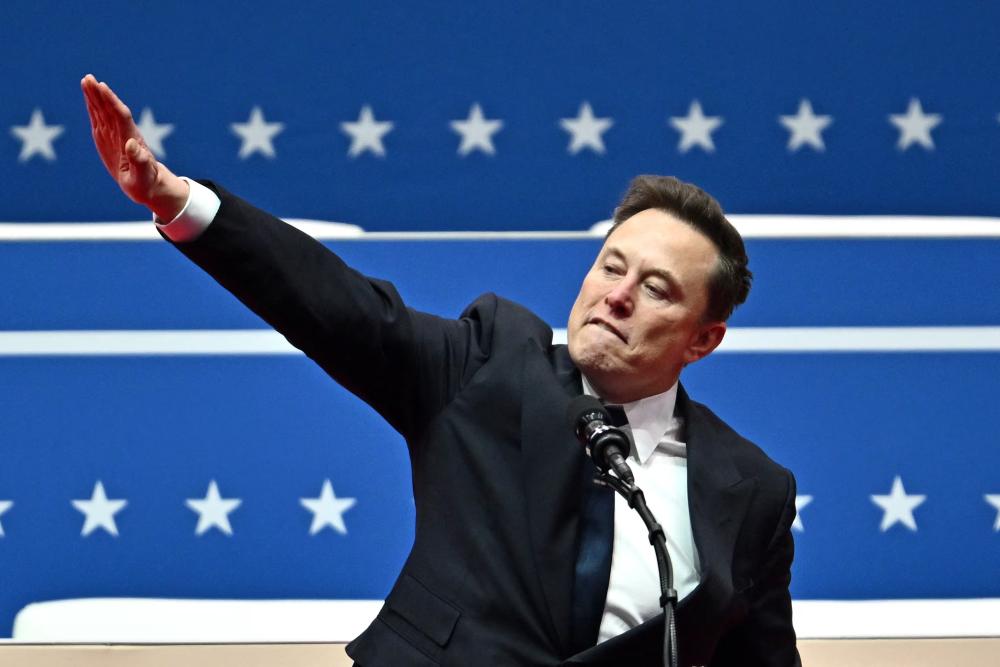
Core Insights - In 2025, the total wealth of the world's top ten billionaires increased by over $700 billion, with Elon Musk's net worth alone rising by over $330 billion, surpassing Larry Page's total wealth by $70 billion [1] - Despite facing challenges such as slowing growth at Tesla, diminishing political capital, and increasing public controversy, Musk's wealth continued to grow, raising questions about the underlying factors supporting this trend [1] - Musk's business ventures have become deeply integrated into national infrastructure and strategic systems, which may explain his ability to maintain wealth despite external pressures [1] Group 1: Political and Public Perception - At the beginning of 2025, Musk entered a politically sensitive environment, which sparked public controversy following a gesture interpreted as a "victory salute" [2] - Throughout the spring, protests against Musk intensified, with critics accusing him of excessive political involvement and close ties to Donald Trump, particularly regarding the "Government Efficiency Department" he established [4] - Tensions escalated between Musk and Trump in July, culminating in Musk's public criticism of Trump, leading to a complete breakdown in their relationship [4][6] Group 2: Tesla's Performance and Challenges - Tesla faced significant challenges in 2025, including a decline in U.S. electric vehicle market support due to policy changes under the Trump administration, which affected tax incentives and support for manufacturing [11] - The cancellation of penalties for non-compliance with fuel economy standards and the potential abolition of California's zero-emission vehicle program posed long-term revenue risks for Tesla, which had previously relied on compliance credits for profit [12][14] - Tesla's global delivery numbers were under pressure, particularly in Europe, where political stances and competition from Chinese electric vehicles contributed to an approximate 8% year-on-year decline in sales [14] Group 3: Musk's Wealth Structure - Musk's wealth, estimated at approximately $642 billion, is increasingly supported by a diversified asset structure, including private companies like SpaceX, xAI, and Neuralink, which act as a buffer against market volatility [7][10] - Despite Tesla's stock price fluctuations, Musk's wealth has grown by $210 billion over the year, indicating that Tesla is no longer his sole or primary source of wealth [7][10] Group 4: SpaceX's Growth and Strategic Position - SpaceX has maintained a stable operational focus in 2025, emphasizing satellite internet services through Starlink, which has begun to generate positive net revenue [17][21] - The company secured significant government contracts, including a $5.9 billion order to support the U.S. Space Force, enhancing its strategic position and cash flow [21] - SpaceX's ambitious plans, including the development of the Starship rocket, require substantial funding and face regulatory challenges, but the company is actively pursuing partnerships to bolster its growth [21][22] Group 5: Future Considerations for Musk - The long-term implications of Musk's political involvement and public controversies on Tesla's brand remain uncertain, as does the impact of his polarizing actions on future business endeavors [22][24] - A recent shareholder vote approved a potential $1 trillion compensation package for Musk, contingent on achieving high targets, including a market valuation of $8.5 trillion for Tesla [24] - Musk's continued presence at high-profile events indicates that he remains at the intersection of power, capital, and national interests, suggesting that his relevance in the current era is not diminished despite challenges [24]

对话马斯克旗下脑机接口公司“一号受试者”:大脑植入芯片23个月 正重新夺回人生的独立
Mei Ri Jing Ji Xin Wen· 2025-12-28 17:41
"就在那一刻,这项技术在我眼中彻底变成了科幻般的存在。"当诺兰·阿博(Noland Arbaugh)第一次仅 凭意念移动电脑光标时,发出了这番感慨。 2016年,诺兰·阿博因跳水事故导致肩部以下失去活动能力。2024年1月28日,诺兰·阿博接受了埃隆·马 斯克旗下脑机接口公司Neuralink的Link芯片植入手术,成为实验的"一号受试者"。 23个月后,这枚被他命名为"Eve"的硬币大小的设备,不仅让他重新连接了数字世界,更重要的是,正 让他从"家人的累赘"一步步走向生活的独立,并有望成为首位"双植入"患者。 日前,Neuralink技术迭代加速,植入单根电极线的时间从17秒缩短至1.5秒。排队等待植入的申请者已 超过一万名,而预计2025年年底前,仅有20名患者完成脑机接口植入手术。 近日,诺兰·阿博接受了《每日经济新闻》记者(以下简称NBD)独家专访。从最初仅凭意念移动光标 的"科幻时刻",到脑机接口技术带给自己的变化,再到该技术的伦理问题,这位"脑机人"分享了他的独 特经历、心路历程与深层思考。 谈生活改变:从"累赘"到生活逐步自理 NBD:当您第一次仅凭意念操控电脑光标时,有什么感受? 诺兰·阿博: ...
对话马斯克旗下脑机接口公司“一号受试者”:大脑植入芯片23个月,正重新夺回人生的独立
Sou Hu Cai Jing· 2025-12-28 17:40
"就在那一刻,这项技术在我眼中彻底变成了科幻般的存在。"当诺兰·阿博(Noland Arbaugh)第一次仅凭意念移动电脑光标时,发出 了这番感慨。 2016年,诺兰·阿博因跳水事故导致肩部以下失去活动能力。2024年1月28日,诺兰·阿博接受了埃隆·马斯克旗下脑机接口公司Neuralink 的Link芯片植入手术,成为实验的"一号受试者"。 视觉中国图 23个月后,这枚被他命名为"Eve"的硬币大小的设备,不仅让他重新连接了数字世界,更重要的是,正让他从"家人的累赘"一步步走向 生活的独立,并有望成为首位"双植入"患者。 日前,Neuralink技术迭代加速,植入单根电极线的时间已从17秒缩短至1.5秒。排队等待植入的申请者已超过一万名,而预计2025年年 底前,仅有20名患者完成脑机接口植入手术。 近日,诺兰·阿博接受了《每日经济新闻》记者(以下简称NBD)独家专访。从最初仅凭意念移动光标的"科幻时刻",到脑机接口技术 带给自己的变化,再到该技术的伦理问题,这位"脑机人"分享了他的独特经历、心路历程与深层思考。 谈生活改变:从"累赘"到生活逐步自理 NBD:当您第一次仅凭意念操控电脑光标时,有什么感受? ...
马斯克脑机接口重大突破!万人排队「开颅插针」
Sou Hu Cai Jing· 2025-12-28 13:45
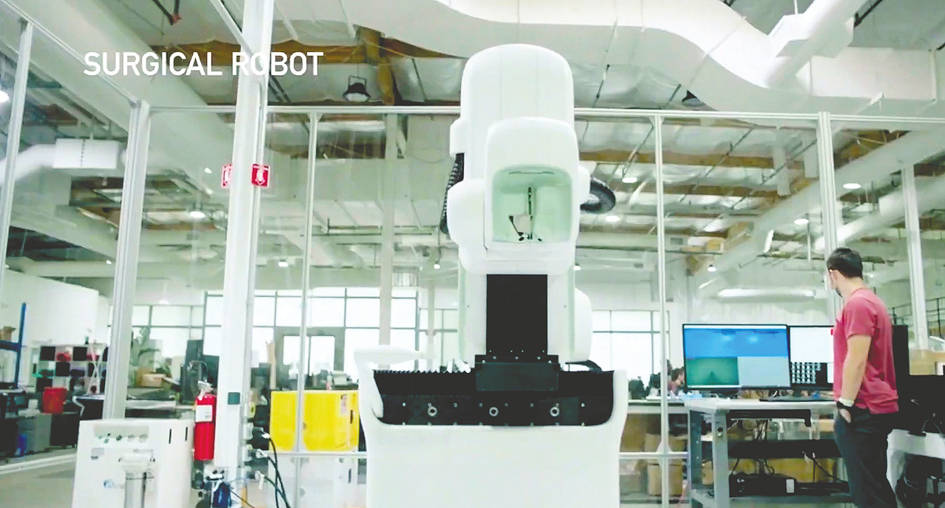
最近,马斯克的Neuralink再次投下重磅炸弹。在一场20分钟的技术演示中,一系列颠覆性的数据被首次 揭秘: ——单根电极植入时间:从17秒,飙到1.5秒! ——植入深度:突破50毫米,直达大脑更深层神经元! ——制造成本:核心部件锐减95%,为规模化量产铺平道路! 目前,全球已有超过一万人排队「开颅插针」,等待成为"赛博格"。 当然,Neuralink当前的目标是明确的:帮助瘫痪患者重获新生。但结合马斯克一贯的宏大叙事——尤其 是他创办SpaceX探索火星的计划,外界普遍认为,医疗救助仅仅是第一步。 有分析人士认为,其终极构想或许是为人类意识寻找一种超越肉体和物理空间的新形态。例如,通过脑 机接口实现意识的数字化,进而远程操控火星上的机器人"分身",甚至将意识直接传输到另一个星球, 以此规避星际旅行的风险,实现文明的跨星球存续。 现在,让我们回到现实,看看这项技术已经走到了哪一步。 ▍「开颅插针」飙至1.5秒,手术机器人是核心壁垒 当公众的注意力大多集中在那枚植入头骨的25mm小圆片时,Neuralink用一段视频清晰地指出:那台沉 默的手术机器人,才是其真正的核心技术与难以逾越的工程壁垒。 整个手术流程 ...
马斯克脑机接口重大突破!万人排队「开颅插针」
机器人大讲堂· 2025-12-28 06:58
Core Insights - Neuralink aims to help paralyzed patients regain mobility, but its ultimate vision may extend to transcending physical limitations through brain-machine interfaces [3][27] - Over 10,000 individuals are currently on the waiting list for Neuralink's procedures, highlighting the demand for this technology [28] Group 1: Technology and Innovation - The core technology of Neuralink is a surgical robot that performs the implantation of electrodes with precision, significantly reducing the time taken for each electrode from 17 seconds to 1.5 seconds [9][5] - The robot can implant electrodes at depths exceeding 50mm, which is crucial for advanced functionalities like restoring vision [18] - Neuralink has developed a complex visual system that integrates multiple microscopes and OCT technology to enhance the robot's precision during surgery [12][14] Group 2: Clinical Applications - The first human subject, Noland Arbaugh, successfully controlled a computer mouse using only his thoughts one month after implantation, demonstrating the practical application of the technology [19][21] - Approximately 13 patients with conditions such as spinal cord injuries and ALS have already received Neuralink's brain-machine interface, allowing them to regain interaction capabilities [21][22] - Patients using the brain-machine interface report an average daily usage of 8 hours, indicating its integration into their daily lives [24] Group 3: Future Goals and Challenges - Neuralink's long-term goals include developing systems for sensory restoration and enhancing cognitive abilities, aiming to read and write signals from any brain region [25][27] - The company faces significant engineering challenges in scaling its operations from a few patients to thousands, requiring automation in manufacturing, surgery, and maintenance processes [29][30] - Neuralink is working to increase the number of channels in its implants from 1,000 to tens of thousands, which is essential for more advanced functionalities [33]
36氪精选:马斯克脑机接口手术全流程公布:头顶开洞,大脑扎针
日经中文网· 2025-12-27 00:32
编者荐语: 日经中文网与36氪开展内容交换合作。将精选36氪的精彩独家财经、科技、企业资讯,与读者分享。 以下文章来源于36氪Pro ,作者剡沛 36氪Pro . 像缝纫机一样,以每1.5秒一次的速度,把 它们"缝"进你的脑组织。 文 | 剡沛 封面来源 | 日经中文网 给你的脑壳开个洞,每1.5秒,往里面扎一针,就这样连扎128次。这就是马斯克脑机接口公司,最新公布的手术。 请观看36氪原创视频 也欢迎关注36氪视频号 没错,这次视频足足有20分钟,把脑机接口手术的全过程,还有最新的手术机器人,全部公开了。手术过程出奇的简单,就是医生先在你脑壳上,开个硬币大小的洞,脑组织露出来,把这个脑机接口设备放进去 。 但总得把什么东西插进脑子里吧?你看,这个设备上连着的100多根电极线,这每一根线比红细胞还细 。 每根线上又有8个电极,总通道数量高达1000个,探测大脑皮层信号简直易如反掌 。 怎么插这些线呢? 重磅主角登场:Neuralink的手术机器人 。 这玩意儿正好有一根比红细胞还细的针头,一根一根抓起这100多根电线 。 像缝纫机一样,以每1.5秒一次的速度 , 把它们"缝"进你的脑组织。 这画面看着都疼。 ...