华为

Search documents
电车速成赌局:越卷越快,越快越险
36氪· 2026-02-13 13:34
以下文章来源于36氪汽车 ,作者徐蔡钰 樊舒琪 36氪汽车 . 看懂汽车产业新百年。36氪旗下智能电动车产业报道公号。 趋势不可逆,底线不能退。 文 | 徐蔡钰 樊舒琪 编辑 | 李勤 杨轩 来源| 36氪汽车(ID:EV36kr) 封面来源 | 视觉中国 "速成车"踩刹车 2026年一开年,监管部门再一次收紧了对汽车开发的要求。这让不少"老汽车人"松了一口气。 一名头部车企的软件总工告诉36氪,在他十余年的从业生涯里,从未经历过去几年的激进时刻: 原本需要适配两年才能上车的新架构,现在10个月就得上车;之前机械验证要做的两次冬测试、两次夏测,被压缩成了一次冬测、一次夏测。 原本要验证4个月的整车控制软件,现在2个星期就可以上车。 他这种内行人才知道的隐忧还有:看似测试环节都在,但压缩时长伴随着高强度加班,实际操作中,需要测200次的项目最后可能只测了30次;测完10 次,员工便可能说已经测过100次了。 "有些问题就会测不出来,其中可能包含高安全相关问题。比如经常车卖出去,门把手出不来等等B类问题还有一堆。" 因为智能电动车普遍的特点是可以空中升级,不少车交车时,一些软件还未开发完成,公司就寄希望于后续推出 ...


当手机服务开始「轻量化」,这个春节,到鸿蒙负一屏走新路径
36氪· 2026-02-13 13:34
Core Viewpoint - The article discusses the transformation of the "negative one screen" in HarmonyOS from a passive information display to an active smart service hub, enhancing user experience through personalized service recommendations and easy access to essential functions [4][5][6]. Group 1: Transformation of the Negative One Screen - The negative one screen serves as an information aggregation board, but HarmonyOS aims to evolve it into a proactive service center with the introduction of "Exploration Meta Services" [4][5]. - Users can access relevant service cards based on time, location, and events, making useful information readily available during casual browsing [6][8]. - The integration of various travel services into lightweight cards allows users to receive timely updates and reminders, enhancing the overall travel experience [8][10]. Group 2: User Engagement and Card Functionality - The ability to add and rearrange service cards on the negative one screen empowers users to create a personalized "life assistant," making frequently used services easily accessible [10][11]. - Each added card represents a time-saving tool for future use, such as travel itineraries, package tracking, and local service notifications, contributing to a more efficient daily routine [11][12]. - The "Exploration Meta Services" module offers a variety of cards that can be discovered and added, enhancing user convenience and engagement [12][25]. Group 3: Seasonal Promotions and User Experience - The "Hongyun Coming" card-collecting activity during the Spring Festival encourages user interaction with the "Exploration Meta Services," making participation easy and intuitive [14][20]. - Users can earn rewards by adding cards, which enhances the overall experience and encourages exploration of the new service features [20][23]. - The article emphasizes that the integration of these services is designed to provide users with timely assistance and enhance their holiday experience, showcasing the practical benefits of the HarmonyOS ecosystem [23][29].

大厂AI竞速,争抢超级入口|TMT年度盘点
Jing Ji Guan Cha Wang· 2026-02-13 13:17
在红包大战之外,大厂还在争夺终端入口。上海财经大学特聘教授胡延平认为,未来Agent(智能体)可能会接管手机、电脑等终端,实质是生成式AI技术 重构智能硬件与软件行业。2025年AI的范式、价值与能力已经得到充分确认,2026年将出现技术大投入、竞争大分化、市场大分流。 经济观察报 记者 钱玉娟 编者按:2025 年,科技互联网的齿轮转动得比以往任何时候都要快。在技术洗牌的前夜,没有人敢停下。 我们看到,大厂在算力和大模型应用里厮杀,电商在监管与合规的夹缝中重塑底线。做无人机的去卷扫地机器人,一批公司蜂拥去做智能眼镜,整个硬件圈 陷入了一种 " 无所不能 " 的集体幻觉与入口焦虑。 我们也看到,人形机器人刚踉踉跄跄地走出实验室,在车间干些零活,就迎来残酷的价格战;短剧告别了一夜暴富的粗放模式,漫剧直接降维打击,头部内 容公司既兴奋又不安。 这不再是写份 PPT 就能拿到千万融资的时代,技术、商业化场景和生态优势,丢了哪头都不行。活下去,并且要硬核地活下去,成了 2025 年 TMT 行业的共 识。 马年将至,腾讯、阿里巴巴和字节跳动等头部科技公司将AI竞争拉回了他们最熟悉的战场——流量战争。 腾讯元宝发放10 ...



华为Mate 80系列成为总台马年春晚竖屏直播手机合作伙伴
Bei Jing Shang Bao· 2026-02-13 13:16
据悉,总台马年春晚首次将手机拍摄的舞台画面接入广播级系统,参与竖屏直播信号制作,华为Mate 80系列是央视目前唯一全程直播舞台画面的手机。该系列影像实力全面进化,直播实力获权威背书,将 在除夕之夜为观众呈现沉浸式视听体验。 北京商报讯(记者 陶凤 王天逸)2月13日,北京商报记者获悉,华为Mate 80系列成为2026年总台马年 春晚竖屏直播手机合作伙伴。 ...
从商事主体总量、创业密度“双第一”看深圳一流营商环境
Sou Hu Cai Jing· 2026-02-13 13:14
"十四五"期间,深圳商事主体五年净增106万户、总量突破465万户,总量及创业密度稳居全国城市首位。其中,全市民营企业达283万家,占登记在册企业 总数的96.7%,稳坐"民营经济第一城"。 这组亮眼数据的背后,是深圳不断优化市场环境、开辟更加广阔的空间,助力企业从无到有、从小到大、从弱到强,实现创新发展。而这正是深圳营商环境 独特的优势和魅力。 深圳始终像爱护眼睛一样爱护营商环境,按照市场化、法治化、国际化和对照世界银行营商环境评估标准的思路,"十四五"以来坚持迭代推出营商环境改革 政策,培育打造深圳的"营商森林",连续5年成为全国营商环境最佳口碑城市,不同种类的"企业之树"汇聚成生机盎然的"产业之林",为深圳加快打造更具 全球影响力的经济中心城市和现代化国际大都市提供了有力支撑。 政务服务有"速度"更有"温度" 从登录到提交,全程像微信聊天一样简单,填报事项由原来的26个数据项简化至最少2次对话、填报2项数据即可完成申报……2025年4月,深圳在全国首创 登记注册AI智能申报应用"深小注"上线,以"边聊边办"模式支持全程手机自主申报,申报数据项大幅精简,办理时间从原来的30分钟缩短至最快3分钟,为 个体工 ...


三峡巴西电池储能系统测试实验室启用
Sou Hu Cai Jing· 2026-02-13 13:11
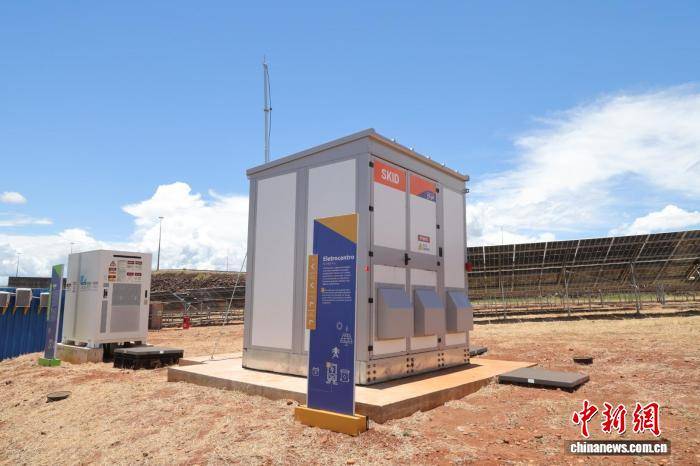
Group 1 - China Three Gorges (Brazil) Co., Ltd. has officially launched a battery energy storage system testing laboratory at the Ilia Hydropower Station in São Paulo, Brazil [1][3] - The project, named Flex BESS, is a collaboration between China Three Gorges Brazil, SENAI Pernambuco, Thymos Energia, and Wisebyte, focusing on the technical pathways of battery storage and photovoltaic power generation [3] - The total investment for the project is approximately 15 million Brazilian Reais, which includes the construction of a photovoltaic power station with 1,248 installed modules and a peak capacity of 692 kilowatts, sufficient to meet the electricity needs of over 380 households [3] Group 2 - The project also includes a 215 kilowatt-hour Huawei battery storage system to evaluate the operational characteristics of electrochemical storage under grid-connected conditions [3] - The initiative aims to enhance the stability of the power system and improve the capacity for renewable energy integration, contributing to the development of Brazil's "smart energy system" [3] - China Three Gorges Brazil operates 15 hydropower stations, 12 wind farms, and one solar park, with a total installed capacity of approximately 9 gigawatts [4]
「OV米耀」推出新春手机/配件:生肖logo几乎绝迹,厂商为何不搞马年专属了?
3 6 Ke· 2026-02-13 13:05
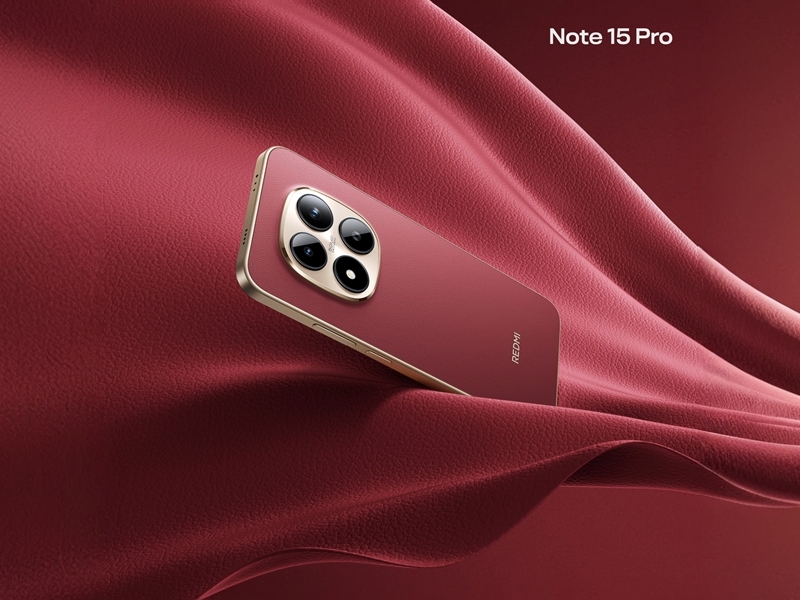
Core Viewpoint - The article discusses the strategies of various Chinese smartphone manufacturers as they launch new products ahead of the Lunar New Year, emphasizing the shift from traditional red-themed designs to more sophisticated and nuanced color choices that cater to evolving consumer preferences [1][39]. Group 1: Product Strategies - Several manufacturers have adopted distinct strategies for their Lunar New Year offerings, including traditional approaches, ecosystem-focused designs, and innovative marketing tactics [3]. - Redmi's Note 15 Pro features a "cherry red" color, appealing to consumers looking for a durable and practical gift option for family members, particularly older generations [4][8]. - Vivo's X300, marketed as a flagship device in "good luck red," targets younger consumers who desire a high-quality smartphone as a personal reward during the festive season [9][11]. - OPPO has opted for a clever marketing strategy by focusing on accessories rather than new phone models, offering a range of themed accessories that allow consumers to refresh their existing devices [20][24]. Group 2: Color Trends and Consumer Preferences - This year, orange has emerged as a notable color trend alongside traditional red, with brands like Honor introducing "light orange" and "sunrise orange" models, reflecting a shift in consumer aesthetics [25][27]. - The disappearance of zodiac-themed designs indicates a broader trend where manufacturers are moving away from overly customized products that may not retain value over time, focusing instead on timeless color choices [28][31]. - The evolving consumer mindset shows that younger buyers are now seeking premium, sophisticated designs rather than the traditional festive colors, leading to the introduction of more subdued shades like "cherry red" and "light-catching red" [38][39]. Group 3: Emotional and Cultural Significance - The article highlights that the competition among smartphone manufacturers has evolved from purely technical specifications to a focus on cultural and emotional value, aligning products with the sentiments associated with the Lunar New Year [39]. - Companies are leveraging the emotional significance of the holiday by incorporating elements like auspicious colors and health-related features into their products, aiming to enhance the festive experience for consumers [42].

智能硬件公司觉得自己无所不能
Jing Ji Guan Cha Wang· 2026-02-13 12:41
Core Insights - The technology and internet sectors are experiencing rapid changes in 2025, with companies facing intense competition in computing power and large model applications, while e-commerce is reshaping its foundations amid regulatory pressures [1] - The hardware industry is characterized by a collective illusion of being "omnipotent," with companies diversifying into various product categories, including smart glasses and drones, driven by the demand for AI to find physical world applications [2][3] Industry Trends - Major hardware manufacturers are expanding beyond their core businesses, with companies like DJI venturing into vacuum robots and other sectors, reflecting a trend of "disruptive diversification" [3] - The rise of smart hardware has led to a belief that all categories are worth re-exploring in the AI era, resulting in a surge of innovative products, including smart rings and AI toys [2] Investment Landscape - The venture capital scene is increasingly favoring hardware startups, particularly those emerging from established companies like DJI, with high valuations being achieved based on the founders' previous experiences [4][5] - After the disillusionment with purely software-based AI models, investors are now focusing on hardware as essential for AI applications, leading to a significant influx of capital into the hardware sector [5] Competitive Dynamics - The competition in the imaging sector has intensified, with companies employing unconventional strategies, including negative marketing tactics and patent disputes, to gain market share [6] - The smart ring market has seen over 200 brands enter within six months, leading to fierce price wars and diminishing profit margins, while the AI glasses market has also faced similar challenges due to technological homogeneity [7]
智能硬件公司觉得自己无所不能|TMT年度盘点
Jing Ji Guan Cha Wang· 2026-02-13 12:40
Core Insights - The technology and internet sectors are experiencing rapid changes in 2025, with companies aggressively competing in computing power and large model applications, while e-commerce is reshaping its foundations amidst regulatory pressures [2][3] - The era of easy financing through simple presentations is over; companies must demonstrate technological, commercial, and ecological advantages to survive in the TMT industry [3] Industry Dynamics - The smart hardware industry is characterized by a collective confidence among manufacturers, leading to innovations such as multifunctional cleaning robots and cross-industry expansions by companies like DJI and others [4][6] - The underlying logic for the explosive growth in the smart hardware sector is the urgent need for AI to find physical world applications, prompting a re-evaluation of all product categories in the AI era [5][6] Strategic Shifts - Major hardware companies are increasingly diversifying their product lines, with firms like DJI and others venturing into new markets, including automotive and robotics, reflecting a trend of "not sticking to one's main business" [6][7] - The competitive landscape is marked by a rush to establish ecosystems, with companies striving to integrate their core technologies into various electronic devices [6][7] Investment Trends - The influx of capital into the smart hardware sector is driven by a belief that hardware is essential for AI applications, leading to a surge in investments from various funding sources [8][9] - Startups emerging from established companies are attracting significant investment, with former employees of leading firms being particularly sought after for their experience and potential [8][9] Competitive Environment - The competition in the smart hardware industry has intensified, with companies employing unconventional strategies, including aggressive marketing tactics and patent disputes [10][11] - The market for smart rings and AI glasses has become saturated, leading to fierce price wars and diminishing profit margins, with some products seeing prices drop significantly [11]



易点天下 CEO 武莹:以 AI 驱动营销科技,助力中国品牌全球化
Sou Hu Cai Jing· 2026-02-13 12:31
Core Insights - The company, Yidian Tianxia, is a leader in marketing for Chinese brands going global, leveraging AI technology to enhance its service offerings and performance [2] - The strategic focus is on "overseas services and advertising technology," providing intelligent marketing and international digital services to major clients like Huawei, Alibaba, and ByteDance, achieving over 1.4 billion commercial effect conversions across 230+ countries [2] Career Transition and Management Accumulation - Wu Ying transitioned from Huawei to Yidian Tianxia in 2015, aligning her vision of leveraging technology for industrial value with the company's mission of aiding Chinese brands in global marketing [3] - Her decade-long experience at Huawei provided her with a global perspective and a customer-centric value system, which became foundational for her management approach at Yidian Tianxia [4] Organizational Innovation and Management Strategy - The company faced challenges in transitioning from business-driven to management-driven growth, leading to a significant restructuring of its organizational framework to enhance customer-centricity [5] - Key actions included aligning business and operational goals, establishing a customer segmentation system, and strengthening middle-platform capabilities to support sustainable customer service [5] Technological Strategy and Ecosystem Development - Yidian Tianxia has adopted a "dual-driven" strategy powered by AI, focusing on enhancing efficiency and optimizing outcomes through a fully integrated AI-driven marketing loop [6] - The company has been proactive in integrating generative AI technologies into marketing processes since the GPT-3 era, upgrading its technical capabilities and product architecture [6] Service Models and Client Engagement - The company offers personalized service models tailored to different client stages, utilizing automated systems for small clients and a hybrid AI-human approach for larger clients [8] - Yidian Tianxia has strategically positioned itself in innovative areas like Generative Engine Optimization (GEO) to help brands capture traffic in the new search landscape [8] Global Expansion and Future Outlook - The company has developed differentiated strategies for mature and emerging markets, focusing on brand building and operational efficiency in mature markets while emphasizing rapid user coverage in emerging markets [10] - Future growth in the overseas marketing sector is expected to be driven by the proliferation of global mobile internet, the advantages of Chinese supply chains, and innovations brought by AI technology [12] Vision and Strategic Focus - Yidian Tianxia aims to become a global leader in AI marketing technology, focusing on programmatic advertising, enhancing its AI product matrix, and establishing a robust compliance and risk management framework [13] - The company is committed to supporting the globalization of Chinese brands by leveraging AI technology for precise brand positioning and audience engagement [14]