Oatly Group AB

Search documents
GIS Q4 Earnings Beat Estimates, Sales Decline on Volume Pressure
ZACKS· 2025-06-26 15:26
Core Insights - General Mills, Inc. (GIS) reported fourth-quarter fiscal 2025 results with adjusted earnings of 74 cents per share, surpassing the Zacks Consensus Estimate of 71 cents, but net sales of $4,556.2 million fell short of the expected $4,604 million, reflecting a 3% year-over-year decline in net sales and a 27% decline in earnings on a constant-currency basis [1][3][9] Financial Performance - Adjusted gross margin decreased by 220 basis points to 32.7% of net sales, primarily due to input cost inflation and unfavorable net price realization [4] - Adjusted operating profit dropped 22% in constant currency, with the operating profit margin down 330 basis points to 13.7%, impacted by increased SG&A expenses and unfavorable trade expense timing [5] - The company ended the quarter with cash and cash equivalents of $363.9 million and long-term debt of $12,673.2 million [11] Segment Performance - North America Retail segment revenues fell 10% year over year to $2,559.8 million, with a 29% decline in operating profit to $473.8 million [6] - International segment revenues increased by 11% to $738.9 million, with a 50% rise in operating profit to $33.7 million [7] - North America Pet segment revenues rose 12% to $675.2 million, while operating profit declined 3% to $140.1 million [8] - North America Foodservice revenues decreased by 2% to $579.4 million, but operating profit grew by 5% to $83.1 million [10] Future Outlook - For fiscal 2026, General Mills aims to revive volume-driven organic sales growth, with projected organic net sales ranging from a 1% decline to a 1% increase, and adjusted operating profit and EPS expected to decline by 10% to 15% in constant currency [14][15] - The company plans to focus on innovation and marketing, including the launch of Blue Buffalo in the fresh pet food segment [2][14]



Hershey's Cocoa Challenge: Will Demand Shaping Offset Costs?
ZACKS· 2025-06-20 15:45
Core Insights - The Hershey Company is facing significant cost pressures due to rising cocoa prices and tariff impacts, potentially incurring up to $100 million in unmitigated costs per quarter in the latter half of 2025, with two-thirds of this risk linked to cocoa and Canadian tariffs [1][7] - Hershey is adopting a consumer-centric approach called demand shaping, focusing on lower-cocoa segments and utilizing pricing strategies to maintain consumer demand without overt price increases [2][4] - The company is also innovating to reduce reliance on cocoa-heavy inputs, with new product developments expected to support growth while managing cost pressures [3][4] Cost Management Strategies - Hershey is shifting its focus towards lower-cocoa products, such as sweets and salty snacks, which have shown strong growth [2] - The company is implementing price pack architecture to enhance value perception among consumers, particularly in value-sensitive retail channels [2][4] - Management is exploring sourcing strategies and tariff engagement as additional measures to mitigate costs [4] Financial Performance and Market Sentiment - Hershey's shares have increased by 12.2% over the past month, outperforming the industry growth of 9.7% and the broader Consumer Staples sector, which declined by 0.9% [5] - The stock is currently trading at a forward P/E ratio of 27.68, higher than the industry average of 22.55, indicating market expectations of stability and resilience in navigating cost challenges [12] - Recent downward revisions in EPS estimates reflect cautious sentiment, with the consensus estimates for the current and next fiscal year declining slightly [15]


Gross Profit Under Pressure: Can Mondelez Withstand Cocoa Surge?
ZACKS· 2025-06-19 15:56
Core Insights - Mondelez International (MDLZ) is facing significant challenges due to record cocoa inflation, impacting gross profit despite a 3.1% increase in organic revenues in Q1 2025 driven by strong pricing in its chocolate portfolio [1][8] - The company has implemented a multipronged mitigation strategy focusing on pricing, revenue growth management, and strategic pack architecture, which has shown minimal disruption and maintained consumer loyalty to core brands [2][5] - There are concerns regarding Mondelez's ability to sustain profitability amid prolonged commodity inflation, with a 3.5% decline in volume mix attributed to pricing elasticity and planned pack downsizing [3][4] Financial Performance - In Q1 2025, Mondelez reported a 3.1% organic revenue growth, primarily from pricing gains in its chocolate segment, but experienced a decline in gross profit and adjusted earnings per share due to soaring cocoa prices [1][8] - Operating income in developed markets, particularly North America, was negatively affected by cocoa cost pressures and soft consumer demand, while Europe saw pricing success but still faced operating income erosion [3][4] Future Outlook - Mondelez is positioned to manage cocoa volatility effectively, with strong pricing strategies, cost controls, and resilient brands supporting its margin strategy [5] - The company anticipates benefiting from improved leverage as cocoa markets stabilize, allowing for reinvestment in long-term growth [5] Stock Performance - Mondelez shares have increased by 13.4% over the past six months, outperforming the industry and broader Consumer Staples sector [6] - The stock is currently trading at a forward P/E ratio of 20.95, above the industry average of 15.72, indicating market expectations of business stability [13] Earnings Estimates - The Zacks Consensus Estimate for Mondelez's earnings has been revised upward, with current fiscal year estimates at $3.02 per share and next fiscal year at $3.33 per share, reflecting positive sentiment [16]


AB InBev Strengthens U.S. Manufacturing Investment in Houston Brewery
ZACKS· 2025-06-18 15:41
Core Insights - Anheuser-Busch InBev (AB InBev) announced a $17 million investment in its Houston brewery as part of its Brewing Futures program, which includes a total commitment of $300 million for facility investments across the U.S. by 2025 [1][9] - The investment aims to enhance brewing excellence and improve transportation capabilities, ensuring efficient product delivery throughout Texas, building on over $50 million already invested in the Houston site in the past three years [2][4] - AB InBev's Brewing Futures initiative focuses on creating a sustainable workforce, supporting job creation, and advancing opportunities for veterans in the manufacturing sector [3] Investment and Economic Impact - The Houston brewery has been a key operational hub for nearly 60 years, with AB InBev and its distributor partners investing over $2.3 billion in capital projects in Texas to date [4] - The company employs nearly 1,000 individuals across four facilities in Texas, significantly contributing to the local economy and the American brewing industry [4] - Nationally, AB InBev operates over 100 facilities and employs 65,000 Americans, having invested nearly $2 billion in facility upgrades over the past five years [5] Growth Strategy - AB InBev is experiencing strong revenue momentum driven by consumer demand for its diverse brand portfolio and strategic pricing initiatives [7] - The company is focusing on expanding its premium and super-premium beer offerings, with brands like Corona and Stella Artois performing well internationally [8] - AB InBev is also diversifying into new categories such as ready-to-drink beverages and hard seltzers, while enhancing its digital platforms for better customer engagement [10]

Monster Beverage Stock Up 16% in 3 Months: What's Next for Investors?
ZACKS· 2025-06-13 15:41
Core Insights - Monster Beverage Corporation (MNST) shares have increased by 15.6% over the past three months, outperforming the Zacks Beverages - Soft drinks industry and the S&P 500 index, which grew by 1.5% and 7% respectively, indicating strong business strategies and market positioning [1][7]. Stock Performance - MNST stock is currently trading at $63.69, close to its 52-week high of $64.45 reached on May 28, 2025, suggesting a potential investment opportunity for those looking for long-term growth in the beverage sector [3]. - The stock shows solid momentum, remaining above its 200-day moving average, which reflects underlying strength and bullish sentiment among investors [4]. Financial Performance - In Q1 2025, Monster Beverage exceeded earnings expectations, with earnings per share surpassing forecasts, driven by improved gross margins from effective pricing strategies and supply-chain optimization [5][12]. - Consumer demand for energy drinks remains strong, with notable retail sales growth in the U.S. and international markets, including China, Australia, South Korea, and several European countries [6][9]. Challenges - The Alcohol Brands segment faced significant challenges, with net sales declining by 38.1% year-over-year due to reduced sales volumes and adverse currency impacts [10][11]. - The company is navigating a complex tariff landscape, with minimal impact on operating results in Q1, and is exploring mitigation strategies [8]. Future Outlook - The Zacks Consensus Estimate projects a 14.8% year-over-year increase in EPS for fiscal 2025, followed by an 11.8% increase in 2026, reflecting positive sentiment around the company's growth potential [12]. - Monster Beverage continues to innovate with new product launches, including the successful Monster Energy Ultra Blue Hawaiian, and aims to expand its affordable energy brands globally [9].

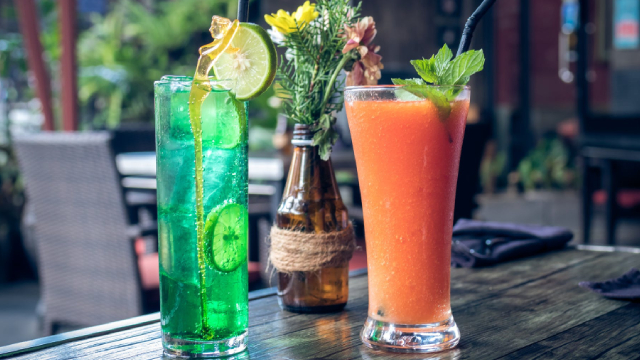
Campbell Stock Hits 52-Week Low: Temporary Dip or Deeper Concern?
ZACKS· 2025-06-13 15:26
Core Insights - Campbell's Company (CPB) has faced significant challenges in 2025, with its stock down 20.4% year to date, underperforming the S&P 500's 1.8% growth and the Zacks Consumer Staples sector's 6.6% return [1][8] - The company's stock closed at $33.32, just above its 52-week low of $32.83, and is trading below both its 50-day and 200-day moving averages, indicating ongoing weakness in momentum and investor sentiment [4][5] Company Performance - CPB's Snacks segment has been particularly weak, with net sales in the division totaling $1,012 million, down 8% year over year, and organic net sales down 5% when excluding the Pop Secret divestiture [9][10] - The decline in the Snacks segment is attributed to a 5% drop in volume/mix, with net price realization remaining flat, and management expects a slower recovery than initially anticipated [10][11] - The company is also facing persistent cost inflation, leading to a decline in adjusted gross profit margin by 110 basis points to 30.1% in the third quarter of fiscal 2025 [11][12] Financial Outlook - Campbell's has reaffirmed its full-year guidance, projecting organic net sales to range from a 2% decline to flat year over year, with adjusted EBIT estimated to grow 3-5% [13] - Adjusted EPS is expected to decline by 4-1%, in the range of $2.95-$3.05, compared to $3.08 reported in fiscal 2024 [13][14] - The overall operating landscape remains tough, with inflation-driven margin erosion and a subdued earnings outlook contributing to the stock's underperformance [14]


The J.M. Smucker Q4 Earnings Top Estimates, Sales Down 3% Y/Y
ZACKS· 2025-06-10 18:01
Core Insights - The J. M. Smucker Company (SJM) reported fourth-quarter fiscal 2025 results, with net sales missing estimates while adjusted earnings exceeded expectations, both metrics showing a year-over-year decline [1][3][10] Financial Performance - Adjusted earnings per share (EPS) were $2.31, down 13% year over year, but above the Zacks Consensus Estimate of $2.25 [3][10] - Net sales totaled $2,143.8 million, a 3% decline year over year, missing the Zacks Consensus Estimate of $2,191 million [3][10] - Excluding noncomparable sales from divestitures and currency impacts, net sales decreased by 1%, attributed to a 3% drop in volume/mix, partially offset by a 3% increase in net price realization [3][10] Segment Performance - U.S. Retail Pet Foods: Sales fell 13% to $395.5 million, with an 11-percentage-point negative impact from volume/mix [5] - U.S. Retail Coffee: Sales increased 11% to $738.6 million, driven by a 10% rise in net price realization [6] - U.S. Retail Frozen Handheld and Spreads: Sales decreased slightly to $449.8 million, with a profit drop of 5% to $91 million [7] - Sweet Baked Snacks: Sales were $251 million, down 26% year over year, with a profit decline of 72% to $20 million [8] - International and Away From Home: Sales increased 3% to $308.9 million, with a profit increase of 13% to $69.2 million [9] Financial Health - Cash and cash equivalents stood at $69.9 million, with long-term debt of $7,036.8 million and total shareholders' equity of $6,082.6 million [11] - Operating cash flow was $393.9 million, and free cash flow was $298.9 million for the quarter [11] Future Outlook - For fiscal 2026, SJM anticipates net sales growth of 2-4%, factoring in the impact of recent divestitures [13] - Comparable net sales are expected to rise approximately 3.5-5.5%, driven by higher net price realization, despite volume/mix declines [14] - Adjusted EPS guidance for fiscal 2026 is set between $8.50 and $9.50, down from $10.12 in fiscal 2025 [15]

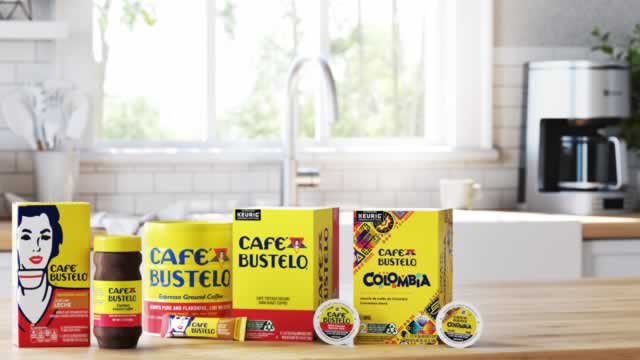
雀巢增持、卡夫亨氏入局、达能并购⋯⋯食品巨头都在布局,植物基市场迎来新一波热潮?
Mei Ri Jing Ji Xin Wen· 2025-06-06 10:15
Core Insights - The plant-based food market has gained momentum since 2025, with major food corporations like Nestlé, Danone, and Kraft Heinz announcing significant developments in this sector [1][2]. Group 1: Market Trends - Plant-based foods include plant-based meat, milk, and eggs, driven by health and environmental concerns, as well as the global need for alternative protein sources [2][9]. - The global plant-based food market is rapidly growing, although consumer acceptance in China is relatively low compared to international markets, leading to a decrease in market buzz compared to previous years [2][19]. Group 2: Corporate Developments - In April 2025, Nestlé increased its stake in Orgain, a leader in plant-based nutrition, highlighting its growth in the first quarter [3]. - Kraft Heinz launched its first plant-based dessert under the JELL-O brand, indicating a strategic move towards plant-based offerings [3]. - Danone announced the acquisition of a majority stake in Kate Farms, a U.S. plant-based brand focused on nutritional products [8]. Group 3: Consumer Preferences - Health is a primary motivator for consumers purchasing plant-based products, with a reported 11% increase in sales of plant-based protein powders and liquid products in the U.S. retail market [9]. - Environmental benefits are also a significant selling point, as plant-based foods have a much lower carbon footprint compared to animal products [10]. Group 4: Regional Insights - The North American market is the largest for plant-based foods, while Europe has the highest maturity level, and the Asia-Pacific region is experiencing the fastest growth [17]. - In China, consumer acceptance of plant-based foods is still developing, with plant-based drinks like oat milk gaining more traction than plant-based meats [19][20]. Group 5: Future Outlook - The shift towards plant-based foods is seen as a long-term strategy to reduce reliance on animal protein, with significant investments and policy support expected to drive growth in this sector [16][18]. - The market for plant-based foods is projected to grow rapidly in various regions, driven by health awareness and government initiatives promoting sustainable food systems [18].


ESG战略在快消行业的落地实践白皮书
通言国际· 2025-06-06 09:25
Investment Rating - The report does not explicitly provide an investment rating for the fast-moving consumer goods (FMCG) industry. Core Insights - The FMCG industry is increasingly integrating ESG (Environmental, Social, and Governance) factors into its operations, driven by global sustainability trends and regulatory pressures [11][18][23]. - ESG practices are becoming essential for competitive advantage, as companies with strong ESG performance are likely to achieve higher valuations and attract more investment [24][99]. - The report highlights several case studies of FMCG companies successfully implementing ESG strategies, such as Coca-Cola's transition to transparent bottles and Dongpeng Beverage's sustainable practices [34][40][92]. Summary by Sections ESG Overview - ESG stands for Environmental, Social, and Governance, representing a framework for integrating sustainability into business practices [6][9]. - The concept has evolved from traditional corporate social responsibility (CSR) to a more quantifiable and investment-driven approach [14]. Current Status of ESG in the FMCG Industry - The FMCG sector is responding to national "dual carbon" goals by adopting energy-saving measures and sustainable packaging [18][20]. - There is a growing trend of ESG investment, with investors increasingly focusing on companies' ESG performance [23][24]. - As of April 30, 2023, the ESG report disclosure rate among A-share listed companies in the beverage and refined tea manufacturing sector was 57.14%, surpassing the overall industry level [26][27]. ESG Challenges Faced by the FMCG Industry - Many FMCG companies lack a unified ESG data management system, leading to difficulties in data accuracy and analysis [56][58]. - Companies face regulatory compliance challenges due to multiple ESG standards, which can increase operational costs [62][64]. - The initial investment in ESG practices can be substantial, with long payback periods, creating financial pressure [67][68]. ESG Response Strategies for the FMCG Industry - Companies should establish unified ESG data platforms to enhance data management and decision-making capabilities [77][80]. - It is recommended to adopt third-party certifications to improve the credibility of ESG practices [81][82]. - FMCG companies should balance short-term financial performance with long-term ESG investments to ensure sustainable growth [87]. Impact of ESG on the FMCG Industry - Positive ESG practices can enhance brand image and consumer perception, as seen with Coca-Cola's packaging changes [92]. - Companies that actively engage in ESG initiatives can improve their market competitiveness and operational efficiency [99]. - ESG practices can also drive new market opportunities, particularly in the growing segment of sustainable products [100]. Future Trends and Recommendations for ESG - ESG will become a necessity for business survival as regulatory frameworks tighten and consumer awareness increases [107]. - The integration of digital technologies will enhance ESG capabilities, allowing for better data management and analysis [108]. - FMCG companies should tailor their ESG strategies to local market conditions and consumer preferences to maximize impact [119][120].

Ollie's Bargain Q1 Earnings Top Estimates, Comps Up 2.6% Y/Y
ZACKS· 2025-06-04 16:01
Core Insights - Ollie's Bargain Outlet Holdings, Inc. (OLLI) reported strong first-quarter fiscal 2025 results, with both revenue and earnings exceeding expectations and showing year-over-year growth [1][2][9] Financial Performance - Adjusted earnings per share (EPS) reached $0.75, surpassing the Zacks Consensus Estimate of $0.70 and improving from $0.73 in the same quarter last year [3][9] - Net sales totaled $576.8 million, reflecting a 13.4% year-over-year increase and exceeding the Zacks Consensus Estimate of $565 million [4][9] - Comparable store sales increased by 2.6%, supported by a rise in transaction count, compared to a 3% increase in the prior-year period [4][9] Margin Analysis - Gross profit grew by 13.2% year over year to $237 million, with a gross margin remaining flat at 41.1% [5] - Selling, General and Administrative (SG&A) expenses increased by 60 basis points to 28.6%, primarily due to higher medical and casualty claims and new store growth [5] - Operating income declined by 0.6% to $56.2 million, with the operating margin contracting by 140 basis points to 9.7% [6] Store Expansion - Ollie's opened 25 new stores during the quarter, bringing the total to 584 stores across 32 states, marking a 13.2% year-over-year increase in store count [7][9] - The company plans to open a net of 75 stores in fiscal 2025 to continue its expansion strategy [7][9] Financial Position - At the end of the quarter, Ollie's had $369.5 million in cash and short-term investments, along with $45.4 million in long-term investments, totaling $414.9 million, a 21.5% increase year over year [8] Future Outlook - The company reaffirmed its fiscal 2025 earnings outlook, projecting net sales between $2,579 million and $2,599 million, and comparable store sales growth between 1.4% and 2.2% [11] - Gross margin is expected to be around 40% for fiscal 2025, with operating income projected between $283 million and $292 million [12] - Adjusted earnings are anticipated to be in the range of $3.65 to $3.75 per share, up from $3.28 reported last fiscal year [13]