
赛诺菲

Search documents
2025年中国过敏性疾病药物行业系列报告(三):精准医疗时代慢性自发性荨麻疹药物靶向治疗新突破
Tou Bao Yan Jiu Yuan· 2025-11-17 13:09
Investment Rating - The report does not explicitly state an investment rating for the chronic spontaneous urticaria (CSU) drug industry in China. Core Insights - The chronic spontaneous urticaria drug market in China is projected to grow from CNY 12.4 billion in 2019 to CNY 16.9 billion in 2024, with a compound annual growth rate (CAGR) of 6.4%. It is expected to further increase at a CAGR of 16.2%, reaching CNY 41.7 billion by 2030 [5][12][14]. - The existing treatment landscape for CSU primarily includes second-generation antihistamines, with varying sales performance among different drugs. Innovative monoclonal antibody therapies are emerging, with several companies focusing on IL-4R and IgE targets [5][24][30]. Summary by Sections Market Overview - The report focuses on the chronic spontaneous urticaria drug industry in China, exploring disease mechanisms, drug patterns, and research and development progress to understand the current market size and future growth [3][4]. Treatment Patterns - The first-line treatment for CSU is standard-dose second-generation antihistamines. If symptoms are uncontrolled, combination therapy or increased dosage may be considered. If still ineffective, omalizumab can be added [5]. Market Size and Growth - The CSU drug market in China is expected to grow significantly, with a market size of CNY 12.4 billion in 2019, increasing to CNY 16.9 billion by 2024, and projected to reach CNY 41.7 billion by 2030 [12][14]. Drug Sales Performance - Sales of second-generation antihistamines show varied trends: - Loratadine has faced sales fluctuations due to generic competition. - Cetirizine maintains stable sales due to formulation innovations. - Ebastine has seen a significant decline due to national procurement policies. - Desloratadine has experienced continuous growth due to new formulations and market expansion [5][17][20]. Innovation in Drug Development - The report highlights a rich pipeline of innovative monoclonal antibody therapies for CSU treatment, with companies like Sanofi and others focusing on IL-4R and IgE targets, some of which are in clinical phases [5][24][30]. Epidemiology - The number of CSU patients globally and in China is on the rise, with projections indicating 73.5 million cases worldwide and 29.7 million in China by 2030 [8][11]. Competitive Landscape - The competitive landscape for second-generation antihistamines in China is characterized by significant disparities in sales among leading companies, with a clear market hierarchy [20][21]. Monoclonal Antibody Market - In the global CSU monoclonal antibody market, Sanofi's Dupixent shows strong performance, while Novartis's Omalizumab faces challenges and needs optimization to maintain its leading position [24][25][27]. Candidate Drugs in China - The Chinese market for CSU monoclonal antibodies features multiple candidates with diverse targets and clinical stages, indicating a dynamic and competitive environment [30].





医药生物行业双周报:创新为源,临床为鉴,效率为盾聚焦三大投资方向-20251117
Great Wall Glory Securities· 2025-11-17 11:03
Investment Rating - The investment rating for the pharmaceutical and biotechnology industry is "Positive" and the rating has been maintained [1] Core Views - The report emphasizes three core investment directions: 1) Breakthroughs in cutting-edge technologies (e.g., First-in-class drugs in oncology, weight loss, autoimmune fields, and innovative devices like brain-machine interfaces); 2) Clinical validation and commercialization potential (focus on the progress of domestic innovative drugs going abroad and the clinical development progress post-BD transactions); 3) Efficiency advantages in the industry chain (CXO leaders and high-value consumables' global layout) [8] Industry Review - The pharmaceutical and biotechnology industry index increased by 0.81%, ranking 21st among 31 primary industries, outperforming the CSI 300 index which decreased by 0.27% [5][16] - The sub-industries of pharmaceutical circulation and in vitro diagnostics saw significant gains of 7.61% and 5.32% respectively, while medical research outsourcing and medical devices experienced declines of 3.49% and 1.76% [5][16] - As of November 14, 2025, the industry PE (TTM overall method, excluding negative values) was 30.89x, up from 30.67x in the previous period, indicating an upward valuation trend that remains below the average [21] - The top three PE ratios among the sub-industries were for vaccines (50.42x), hospitals (43.67x), and medical devices (37.84x), while pharmaceutical circulation had the lowest valuation at 15.46x [21] Important Industry News - The National Health Commission and others issued implementation opinions to promote and regulate the application of "AI + healthcare" [7] - The NMPA released a new version of the "Medical Device Production Quality Management Specifications" [7] - Novartis received NMPA approval for its first radioligand therapy drug "Pluvicto®" for dual indications [7] - Sanofi's innovative targeted nano-antibody "Cablivi®" was approved by NMPA for treating immune-mediated thrombotic thrombocytopenic purpura [7] - The U.S. government reached a drug price control agreement with Eli Lilly and Novo Nordisk, leading to significant price reductions for GLP-1 drugs [7]


Nature系列综述:in vivo CAR-T细胞疗法
生物世界· 2025-11-17 08:27
Core Insights - The article discusses the transformative potential of in vivo CAR-T cell therapy, which aims to overcome the limitations of traditional CAR-T therapies by generating CAR-T cells directly within the patient, thus eliminating complex manufacturing and logistics challenges [2][3][6]. Group 1: In Vivo CAR-T Technology - In vivo CAR-T technology leverages advancements in virology, RNA therapeutics, and nanomedicine to deliver genetic material encoding CAR into endogenous T cells, enhancing clinical efficacy and simplifying the treatment process [2][3][9]. - The technology aims to expand the applicability of CAR-T therapies beyond hematological malignancies to include autoimmune diseases like systemic lupus erythematosus [3][7]. Group 2: Clinical Development and Platforms - The article highlights two main in vivo CAR platforms: engineered viral vectors (such as lentiviruses) that integrate payloads into the host genome, and lipid nanoparticles (LNPs) that enable transient expression of the payload within host cells [9][11]. - Several companies are developing in vivo CAR-T therapies, with various targeting mechanisms and therapeutic payloads aimed at treating conditions like B cell malignancies and solid tumors [10][11]. Group 3: Future Directions and Challenges - The review emphasizes the need for innovation in delivery and engineering technologies to fully realize the potential of CAR-T therapies, addressing current limitations in accessibility and clinical performance [7][15]. - The transition from ex vivo to in vivo CAR-T therapies is expected to redefine the scalability and accessibility of immunotherapies, significantly reducing production costs and enhancing the socio-economic impact of these life-saving treatments [23].


Dr. Vignesh Rajah Appointed as SERB Pharmaceuticals’ Chief Medical Officer
Globenewswire· 2025-11-17 08:15
Core Insights - SERB Pharmaceuticals has appointed Dr. Vignesh Rajah as Chief Medical Officer, bringing over 20 years of global experience in the pharmaceutical and biotech sectors [1][2][3] Company Overview - SERB is a global specialty pharmaceutical company focused on rare emergency medicine and rare diseases, with a portfolio that includes medical countermeasures and antidotes [4] - The company has been operational for over 30 years and distributes essential medicines in over 100 countries, emphasizing its ability to meet critical medical needs [4] Strategic Importance of Appointment - Dr. Rajah's role as CMO is seen as pivotal for advancing SERB's scientific and medical capabilities, supporting new product launches, and enhancing engagement with the medical community [2][3] - The appointment is expected to align with SERB's commitment to improving patient care and health outcomes, particularly in the areas of rare diseases and emergency medicines [3] Leadership and Experience - Dr. Rajah previously served as CMO at Y-mAbs Therapeutics Inc. and held senior medical roles at major pharmaceutical companies such as Sanofi, Wyeth, and GSK, with expertise in various therapy areas including oncology and immunology [3]

打疫苗可以治青春痘?国内外药企为何看中这一赛道
Di Yi Cai Jing· 2025-11-16 07:28
Core Insights - The development of acne vaccines represents a shift from symptomatic treatment to immune-targeted therapy, with the first therapeutic acne vaccine in China receiving clinical trial approval [1][3] - Acne affects over 9.4% of the global population, with a prevalence rate of 8.1% in China, indicating a significant market potential for innovative treatments [1][2] Treatment Landscape - Current acne treatments include topical antibiotics, retinoids, and physical or chemical therapies, each with limitations such as antibiotic resistance and side effects [2] - Recent advancements in understanding the immune and inflammatory factors behind acne have opened up possibilities for etiological treatment and disease prevention [2] Vaccine Development - Various companies are exploring acne vaccines, including Sanofi's mRNA vaccine and a candidate from the University of California, San Diego, targeting hyaluronidase to prevent acne [2][3] - The consensus in the industry is that the main triggers for acne are follicular hyperkeratinization and increased sebum secretion driven by androgens [3] Market Potential - The global acne treatment market is projected to grow from $9.9 billion in 2022 to $17.5 billion by 2032, with a compound annual growth rate (CAGR) of 5.86% [4] - Price considerations will be crucial for the initial promotion of acne vaccines, but their cost-effectiveness may improve as technology matures and clinical data supports efficacy [4]
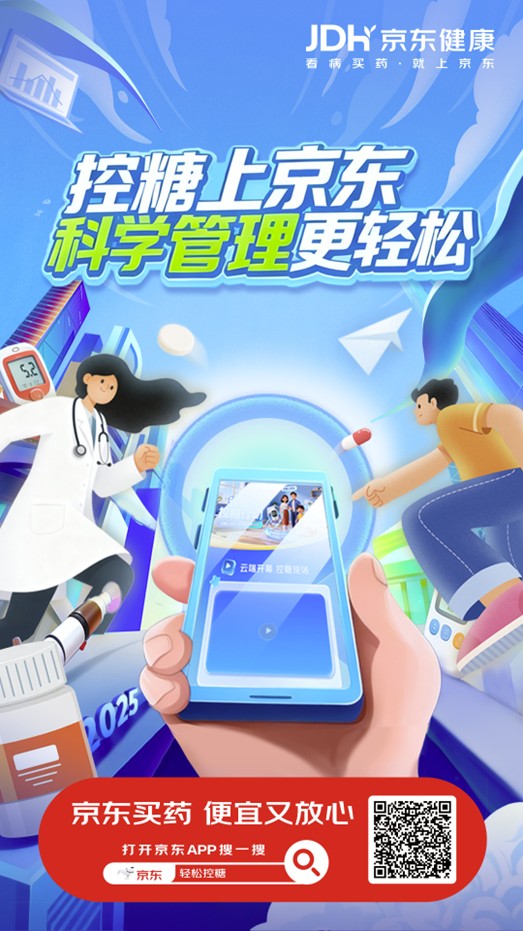
助力糖尿病科学管理 京东健康携手全球药企与权威专家发起“轻松控糖行动”
Zhong Jin Zai Xian· 2025-11-15 02:53
Core Viewpoint - The collaboration between JD Health and Himalaya aims to enhance diabetes management through digital and intelligent health services, improving the quality of life for diabetes patients [1][4]. Group 1: Diabetes Prevalence and Management Needs - As of 2024, the number of diabetes patients in China has reached 148 million, with projections suggesting it will approach 170 million by 2030 [3]. - Many diabetes patients are unaware of their condition, highlighting the need for increased awareness and early screening [3]. - Key preventive measures for workplace populations include weight control, maintaining a positive mindset, and regular exercise [3]. Group 2: Healthcare Services and Collaborations - JD Health has partnered with over 800 pharmaceutical companies focused on diabetes medication, providing comprehensive health services from medication to management [4]. - The JD Internet Hospital has seen a 40% year-on-year increase in consultations related to diabetes as of November 1 [4]. - JD Health and Sanofi have established the "Feifan Guardian - Diabetes Care Center" to offer online consultations, medication guidance, and nutritional advice [4]. Group 3: Future Directions - JD Health plans to continue enhancing chronic disease management services towards intelligent, personalized, and full-cycle approaches, contributing to the "Healthy China 2030" initiative [5].
Press Release: Sanofi’s Teizeild recommended for EU approval by the CHMP for patients with stage 2 type 1 diabetes
Globenewswire· 2025-11-14 11:30
Core Viewpoint - Sanofi's Teizeild (teplizumab) has received a positive opinion from the European Medicines Agency's Committee for Medicinal Products for Human Use (CHMP) for the approval to delay the onset of stage 3 type 1 diabetes (T1D) in patients aged eight years and older with stage 2 T1D [1][2][5] Group 1: Clinical Data and Study Results - The positive opinion is based on the TN-10 phase 2 study, which showed that Teizeild delayed the onset of stage 3 T1D by a median of approximately two years compared to placebo [2] - At the end of the TN-10 study, 57% of patients in the Teizeild group remained in stage 2 T1D, compared to 28% in the placebo group [2] - The safety profile of Teizeild was consistent with previous studies, with common adverse events including transient lymphopenia and rash [2] Group 2: Product Information and Market Potential - Teizeild is a CD3 directed monoclonal antibody and is already approved in several countries, including the US, UK, China, and Canada, for delaying the onset of stage 3 T1D [3] - If approved in the EU, Teizeild would be the first disease-modifying therapy for T1D in the region [5] Group 3: Understanding Type 1 Diabetes - T1D is a progressive autoimmune condition characterized by the destruction of insulin-producing beta cells, leading to impaired blood sugar regulation [4] - The progression of T1D is categorized into four stages, with stage 2 being presymptomatic but marked by abnormal blood sugar levels [6] Group 4: Study Design and Methodology - The TN-10 study was a pivotal phase 2, randomized, placebo-controlled, double-blind trial involving 76 participants aged eight to 45, assessing the prevention or delay of stage 3 T1D [4][7]


京东健康的“超级医药供应链”,含金量还在上升
Tai Mei Ti A P P· 2025-11-14 11:02
Core Insights - JD Health reported Q3 2025 revenue of 17.12 billion RMB, a year-on-year increase of 28.7%, and a net profit of 1.90 billion RMB, up 42.4% year-on-year, reflecting sustained growth and the long-term value of its "super pharmaceutical supply chain" [2][3][4] Financial Performance - Q3 revenue reached 17.12 billion RMB, marking a 28.7% increase year-on-year [2] - Net profit for the quarter was 1.90 billion RMB, representing a 42.4% year-on-year growth [2] Business Model and Strategy - JD Health has evolved beyond a mere "pharmaceutical e-commerce" platform, integrating a robust supply chain with comprehensive health management services [3][4] - The company focuses on addressing unmet needs in the healthcare sector, such as improving access to innovative drugs and providing ongoing patient support [2][4] Collaborations and Partnerships - In Q3, JD Health collaborated with major pharmaceutical companies like Eli Lilly and Eisai, enhancing its supply chain capabilities [4][5] - The company launched over 30 innovative drugs online in Q3 alone, surpassing the total for the first half of the year [5] Market Expansion and Global Reach - At the China International Import Expo, JD Health partnered with 21 top health brands from 11 countries, facilitating their entry into the Chinese market [6] - The company aims to integrate global health resources into everyday life, ensuring accessibility for consumers [6] Supply Chain and Logistics - JD Health's supply chain is designed to meet diverse health needs, ensuring stable supply for both common and rare medications [7][8] - The company has implemented advanced logistics solutions, including temperature-controlled storage, to ensure the safe delivery of pharmaceuticals [10] Technological Innovation - AI technology plays a crucial role in optimizing health services, enhancing patient management, and improving operational efficiency [12][13] - JD Health has developed an AI hospital model that streamlines the patient journey, reducing wait times and improving service delivery [12][13] Consumer Engagement and Health Management - The company has introduced AI-driven health management tools, providing personalized health advice and support to users [14][15] - JD Health's services have expanded to include at-home healthcare options, catering to the needs of elderly and chronically ill patients [15] Conclusion - JD Health's commitment to long-term value creation and its focus on integrating technology into healthcare services position it as a leader in the evolving health market [16]

国产胰岛素类似物获欧盟积极意见 甘李药业国际化迈出关键一步
Zhong Zheng Wang· 2025-11-14 09:00
Core Viewpoint - Ganli Pharmaceutical's insulin product has received a positive opinion from the European Medicines Agency (EMA), marking a significant step for Chinese biopharmaceuticals in the international market [1] Group 1: Company Developments - Ganli Pharmaceutical's insulin injection, Lantus® SoloStar® biosimilar, is recommended for approval by the EMA for treating diabetes in adults, adolescents, and children aged 2 and above [1] - This is the first time a Chinese-developed insulin has received positive recognition from a European regulatory body, indicating a major milestone for the company's internationalization strategy [1] - The positive opinion from the EMA is seen as a "golden passport" for entering international markets, enhancing the company's credibility and paving the way for future product launches in Europe [1][2] Group 2: Market Context - The European diabetes patient population aged 20 to 79 has surpassed 65.6 million, with related medical expenditures nearing $200 billion, highlighting a strong demand for effective and cost-efficient treatment options [2] - Currently, the European insulin market is dominated by Sanofi, with projected sales of €819 million in 2024, indicating a significant opportunity for Ganli Pharmaceutical to alter the market landscape [2] Group 3: Financial Performance - In the first three quarters of 2025, Ganli Pharmaceutical reported domestic formulation revenue of 2.624 billion yuan, a year-on-year increase of 45.6%, reflecting a robust recovery in the domestic market [2] - The company's international business also showed strong performance, with overseas sales revenue reaching 353 million yuan, up 45.5% year-on-year, indicating a growing order scale [2] - The company has achieved a 32.6% growth rate in agreement volume for six insulin products in the upcoming national procurement in 2024, laying a solid foundation for performance recovery [2]

三生国健专利狙击麦济生物,估值26亿的IPO之路暗藏三重风险
Xin Lang Zheng Quan· 2025-11-14 05:35
Core Viewpoint - The patent dispute between Sanofi and Maij Biotechnology over the IL-4R antibody has intensified, with Sanofi applying to declare Maij's core patent invalid, which poses significant challenges for Maij as it approaches its IPO [1][2]. Group 1: Patent Dispute - The conflict began with personnel changes, as former Sanofi employees founded Maij Biotechnology and filed for IL-4R antibody patents shortly after [1]. - A court ruling in 2020 determined that the patent rights belonged to Sanofi, based on evidence of similar research proposals and experimental data from 2015 [1]. - If Sanofi's recent application to invalidate Maij's patent is successful, Maij could lose its intellectual property protection for its core product, MG-K10 [1][2]. Group 2: Financial Difficulties - Maij Biotechnology has not yet launched any products, with revenue plummeting from 8.72 million yuan in 2023 to zero in the first quarter of 2025, resulting in cumulative losses of 460 million yuan [1]. - The company's debt structure is alarming, with a debt ratio nearing 700% by the end of 2023 and still at 166.83% in March 2025, leading to negative net assets [1][2]. Group 3: Market Competition - Even if MG-K10 is successfully launched, Maij will face fierce competition in the IL-4Rα target market, which is already crowded with major players [2]. - Competitors like Sanofi and Regeneron have significant sales figures, with Dupilumab exceeding 10 billion euros, and other companies have already secured multiple indications for their products [2]. - The IL-4Rα market is expected to undergo a reshuffle between 2026 and 2027, presenting challenges such as price wars and insufficient indication coverage for Maij's MG-K10 [2][3]. Conclusion - The combination of patent disputes, financial pressures, and market competition presents significant obstacles for Maij Biotechnology's IPO journey, while Sanofi continues to strengthen its position through stable revenue and partnerships [3].
