
韵达股份

Search documents
“反内卷”进行时 多地快递网点跟进涨价
Sou Hu Cai Jing· 2025-09-24 04:27
Core Viewpoint - The express delivery industry in China is experiencing a price increase trend, driven by government policies and seasonal demand, with major companies in Shanghai announcing price hikes in late September 2025 [1][2]. Price Adjustment - Major express companies in Shanghai, including Jitu Express, Zhongtong Express, and Yunda Express, have announced price increases ranging from 0.2 to 0.4 yuan per package, primarily affecting business clients [2]. - The price increase in Shanghai follows similar actions in regions like Yiwu, Guangdong, and Heilongjiang, indicating a nationwide trend [2]. - The average price per express service in the first half of 2025 was 7.52 yuan, a decrease of 7.7% from 8.15 yuan in the same period of 2024, despite a 19.3% increase in business volume [2]. Industry Context - The express delivery sector has been facing a "volume without revenue" dilemma, prompting regulatory bodies to emphasize the need for a fair pricing system [2][3]. - The National Postal Administration has been actively addressing issues of "involutionary" competition and has called for a shift towards a more sustainable pricing model [3]. Seasonal Factors - The upcoming peak seasons, such as "Double 11," are expected to provide opportunities for further price adjustments, as it is common practice to raise prices before major promotional events [4]. Internal Optimization - Despite the anticipated price increases, the industry remains competitive, and companies are focusing on internal improvements, such as management optimization and technological innovation, to enhance their core competencies [6]. - Companies like Shentong Express are prioritizing high-quality development over price competition, aiming for long-term value creation for customers and partners [6]. Technological Advancements - Companies are investing in technology to improve operational efficiency, with Shentong Express implementing AI and automation solutions to enhance service quality and reduce costs [7]. - SF Express is utilizing intelligent and unmanned technologies to optimize logistics operations, significantly improving efficiency in various processes [7].


快递涨价“连续剧”更新 上海收件价格上调,商家默默取消运费险
2 1 Shi Ji Jing Ji Bao Dao· 2025-09-23 23:16
Core Viewpoint - The recent price increase in the express delivery sector, initiated by major companies like Jitu, Zhongtong, and Yuantong, reflects a broader trend driven by policy and cost pressures, aiming to curb long-standing low-price competition in the industry [1][3]. Price Increase Details - Five leading express companies have raised the collection prices in Shanghai by 0.2 to 0.4 yuan per order [1]. - Similar price adjustments have occurred in key e-commerce regions such as Zhejiang and Guangdong, indicating a widespread trend [1][3]. - The price hikes primarily target low-priced orders below cost, while personal parcel rates remain unaffected [1]. Cost Pressures and Industry Response - The express delivery industry has been facing rising costs, including increased wages for delivery personnel and higher transportation and packaging expenses [5]. - The average price for express services has decreased by nearly 8% year-on-year, with major companies experiencing a decline in per-order revenue [5]. - Companies are shifting from a volume-driven strategy to a quality-focused approach to maintain profitability [5][6]. Financial Impact on Companies - The price increase is expected to enhance station revenues and improve the income of delivery personnel [4]. - For instance, a single station estimates that a 0.1 yuan increase in per-order revenue could lead to an additional 1.5 million yuan in monthly income [4]. Market Dynamics and Regional Variations - The price increase has not been uniformly adopted across all regions, with core areas like Guangdong and Zhejiang implementing changes while non-core areas maintain previous pricing strategies [6]. - The disparity in e-commerce density affects the pace of price adjustments, with some regions still engaging in price competition to attract customers [6]. Effects on Related Industries - The rise in express delivery costs has led to the cancellation of shipping insurance by some merchants, particularly in the high-return apparel sector, which may impact sales conversion rates [7]. - The cancellation of shipping insurance could also affect reverse logistics, which has been a significant revenue source for express stations [7]. Future Outlook - While the price increases may improve profit margins, the long-term effectiveness in curbing low-price competition remains uncertain, as consumer acceptance of higher prices is crucial [7].


快递涨价“连续剧”更新 上海收件价格上调 商家默默取消运费险
2 1 Shi Ji Jing Ji Bao Dao· 2025-09-23 23:13
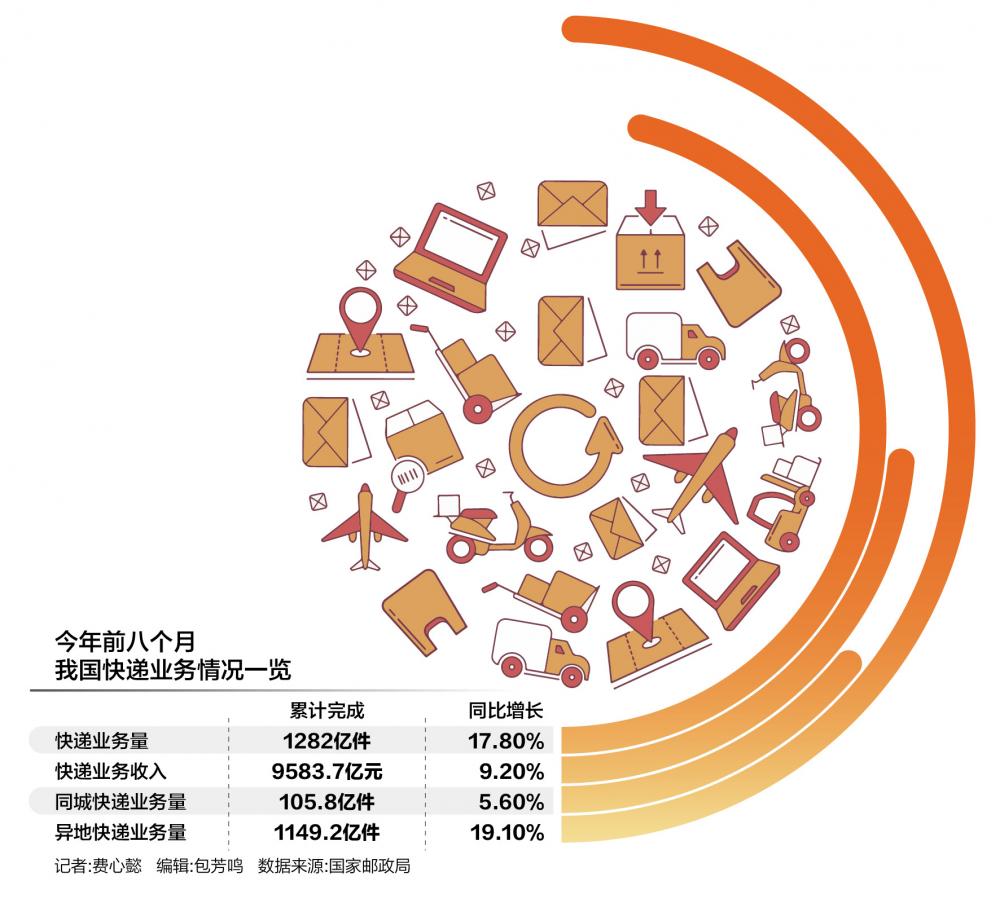
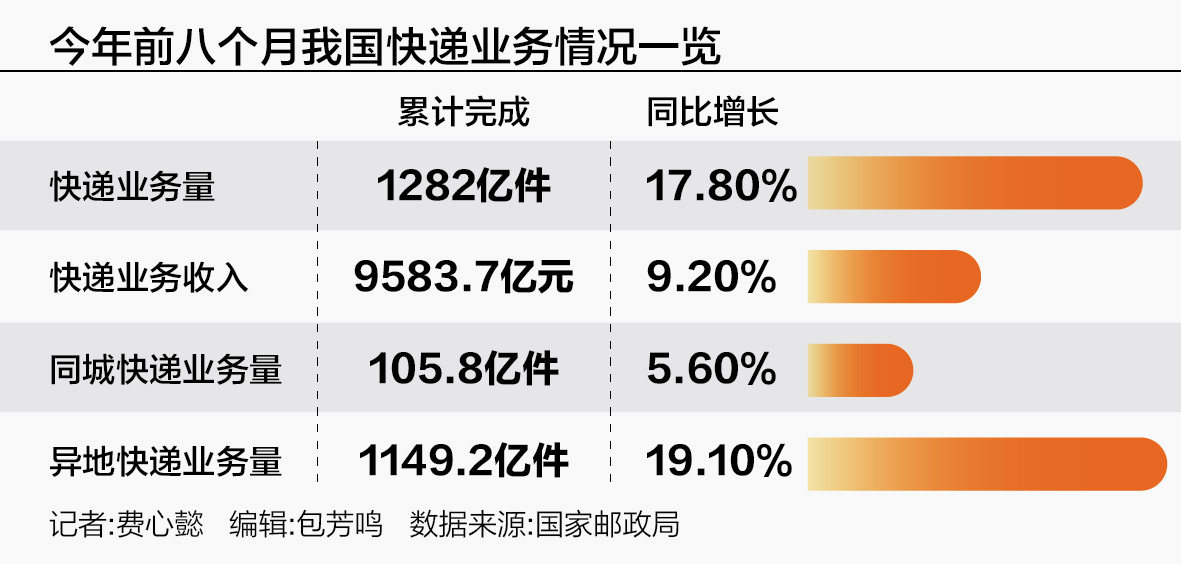
Core Viewpoint - The recent price increase in the express delivery sector, driven by policy and cost pressures, is spreading from core e-commerce areas to broader regions, aiming to curb long-standing low-price competition and improve service quality satisfaction among consumers [1][3][5]. Price Increase Details - On September 22, major express companies including Jitu, Zhongtong, and Yuantong raised the collection prices in Shanghai by 0.2 to 0.4 yuan per order [1]. - Previous price hikes occurred in Yiwu, Zhejiang, and Guangdong, with minimum prices set at 1.2 yuan and 1.4 yuan respectively, indicating a trend towards establishing a price floor to combat low-price competition [3][4]. Financial Impact - The price adjustments are expected to enhance station profitability and courier income, with one franchisee estimating an additional 1.5 million yuan in monthly revenue from a 0.1 yuan increase per order [4]. - The express delivery industry has seen record volumes, with 1,282 billion packages delivered in the first eight months of the year, a 17.8% year-on-year increase, and total revenue reaching 9,583.7 billion yuan, up 9.2% [4]. Competitive Landscape - The express delivery sector is transitioning from a volume-driven strategy to a quality-focused approach due to shrinking profit margins amid fierce competition [5][6]. - Major companies like Zhongtong have adjusted their growth forecasts downward, indicating a shift in focus towards balancing service quality and profitability [6]. Regional Price Variations - Price increases have been more pronounced in e-commerce hubs like Guangdong and Zhejiang, while non-core regions maintain previous pricing strategies, leading to potential market imbalances [6][7]. - Some franchisees in less competitive areas are still offering lower prices to attract customers, which may undermine the overall price increase efforts [6]. Broader Implications - The rise in express delivery costs has led to the cancellation of shipping insurance by some merchants, particularly in the high-return apparel sector, which could impact sales conversion rates [7]. - Experts suggest that while price increases may improve profit margins, the long-term effectiveness in curbing low-price competition will depend on consumer acceptance of higher prices [7].
上海快递涨价,多个站点已收到通知,不影响个人寄件价格
21世纪经济报道· 2025-09-23 12:16
Core Viewpoint - The recent price increase in the express delivery industry, driven by policy and cost pressures, is spreading from core e-commerce areas to broader regions, aiming to curb long-standing low-price competition and improve service quality to retain consumer satisfaction [1][4][10]. Group 1: Price Increase Trends - Major express companies, including Jitu, Zhongtong, and Yuantong, have raised prices in Shanghai by 0.2 to 0.4 yuan per order, reflecting a broader trend initiated in regions like Zhejiang and Guangdong [1]. - The price adjustments primarily target low-priced e-commerce orders below cost, while personal parcel rates remain unaffected [1][4]. - The price increase is expected to enhance station profitability and courier income, with estimates suggesting a potential monthly revenue increase of approximately 1.5 million yuan for some stations [4]. Group 2: Industry Performance Metrics - In the first eight months of the year, the express delivery industry achieved a record volume of 1,282 billion packages, a year-on-year increase of 17.8%, while total revenue reached 958.37 billion yuan, reflecting a decline of 9.2% [2]. - The average price per delivery has decreased significantly, with major companies like Yunda and Yuantong reporting declines in per-package revenue due to intense competition [5]. Group 3: Cost Pressures and Market Dynamics - The express delivery sector faces rising costs, including increased wages for couriers and higher transportation and packaging expenses, leading to financial strain on many franchise operators [5][6]. - The shift from a volume-driven strategy to a quality-focused approach is evident, as companies like Zhongtong adjust their growth forecasts downward to prioritize service quality and profitability [6]. Group 4: Regional Price Variation and Market Response - Price adjustments have been uneven across regions, with core areas like Guangdong and Zhejiang implementing changes while non-core regions maintain existing pricing strategies [9]. - The autonomy of franchise operators in setting prices can lead to variations that undermine the intended effects of price increases, highlighting the need for a balance between headquarters policies and franchisee interests [9]. Group 5: Implications of Price Increases - The rise in delivery fees has led to the cancellation of shipping insurance by some merchants, particularly in high-return sectors like apparel, which may impact sales conversion rates [10]. - The potential reduction in reverse logistics volume due to the cancellation of shipping insurance could affect overall revenue for express stations, as reverse shipments are a significant source of additional income [10].
快递涨价“连续剧”更新!上海收件价格上调 商家默默取消运费险
2 1 Shi Ji Jing Ji Bao Dao· 2025-09-23 11:27
Core Viewpoint - The express delivery industry in China is experiencing a price increase driven by rising costs and policy changes, aiming to curb long-standing low-price competition and improve profitability [1][2][4]. Industry Overview - In the first eight months of the year, China's express delivery volume reached 128.2 billion pieces, a year-on-year increase of 17.8%, while revenue totaled 958.37 billion yuan, up 9.2% [3]. - Major express companies are shifting from a volume-driven strategy to prioritizing service quality and profitability due to increased operational costs [4][5]. Price Adjustment Trends - Major express companies, including Jitu, Zhongtong, and Yuantong, have raised prices in Shanghai by 0.2 to 0.4 yuan per order, following similar actions in Zhejiang and Guangdong [1][2]. - Price adjustments are primarily targeting low-cost orders below the cost price, while personal parcel rates remain unaffected [1][2]. Cost Pressures - The industry faces rising costs, including increased wages for delivery personnel and higher transportation and packaging expenses, leading to a squeeze on profit margins [4][6]. - The average price of express services has declined nearly 8% year-on-year, with companies like Yunda and Zhongtong reporting significant drops in per-order revenue [4][6]. Regional Price Variations - Price increases are more pronounced in e-commerce hubs like Guangdong and Zhejiang, while non-core regions maintain previous pricing strategies, potentially leading to market imbalances [5][6]. - The ability of franchise operators to set prices independently may undermine the effectiveness of price hikes initiated by headquarters [6]. Impact on Business Practices - The rise in express delivery fees has led to the cancellation of shipping insurance by some merchants, particularly in the apparel sector, which could affect return rates and overall sales [6][7]. - Analysts suggest that while price increases may improve profit margins, consumer sensitivity to price changes could impact overall delivery volumes [7].
快递涨价“连续剧”更新!上海收件价格上调,商家默默取消运费险
2 1 Shi Ji Jing Ji Bao Dao· 2025-09-23 11:16
Core Viewpoint - The recent price increases in the express delivery industry, driven by policy and cost pressures, are spreading from core e-commerce areas to a broader range, aiming to curb long-standing low-price competition while the sustainability of these price hikes depends on service quality satisfaction among consumers [1][2][3]. Group 1: Price Increases and Market Dynamics - Major express companies in Shanghai have raised collection prices by 0.2 to 0.4 yuan per order, with similar actions observed in Zhejiang and Guangdong [1]. - The price adjustments primarily target low-priced orders below cost, while personal parcel prices remain unaffected [1][2]. - The price floor management in various regions has effectively curbed vicious low-price competition, leading to a stabilization in single-order revenue [2]. Group 2: Financial Impact on Companies - The price increase is expected to enhance station profitability and courier income, with estimates suggesting an additional 1.5 million yuan in monthly revenue for some stations if single-order income rises by 0.1 yuan [3]. - The express delivery industry has seen a record volume of 1,282 billion packages in the first eight months of the year, with a revenue of 9,583.7 billion yuan, marking a 17.8% and 9.2% year-on-year growth respectively [3]. Group 3: Cost Pressures and Competitive Landscape - The industry faces rising costs, including increased wages for couriers and higher transportation and packaging expenses, leading to some franchisees operating at a loss [4]. - The average price for express services has decreased by nearly 8% year-on-year, with major companies experiencing declines in single-order revenue [4]. Group 4: Regional Variations and Strategic Shifts - Price increases have been more pronounced in e-commerce core regions like Guangdong and Zhejiang, while non-core areas maintain previous pricing strategies [5]. - The ability of franchisees to set prices independently has led to some circumventing the price hikes, indicating a need for balance between headquarters policies and franchisee interests [6]. Group 5: Broader Implications of Price Changes - The rise in express fees has led to the cancellation of freight insurance, particularly affecting high-return sectors like clothing, which may impact sales conversion rates [6]. - The cancellation of freight insurance could also reduce the volume of reverse logistics, which has been a significant revenue source for express stations [6]. Group 6: Future Outlook and Challenges - Experts suggest that while price increases may improve profit margins, the effectiveness in curbing low-price competition remains uncertain, as consumer price sensitivity could affect order volumes [7].
东兴证券晨报-20250923
Dongxing Securities· 2025-09-23 10:42
Core Insights - The report highlights the significant growth potential in the pet medical market, driven by increasing pet ownership and the aging of pets, with a projected market size of 549 billion yuan by 2024 and a potential growth to 1,011 billion yuan by 2030 [10][12] - The report emphasizes the advantages of nationwide chain pet medical institutions in terms of medical technology and platform management, which are crucial for providing comprehensive diagnostic services and maintaining competitive advantages [13][14] - The report identifies the current competitive landscape in the pet medical industry, noting the presence of major players such as New Ruipeng, Ruipai, and Ruichen, and suggests that the industry is transitioning from aggressive expansion to improving operational quality [11][14] Industry Overview - The pet medical industry is positioned at the downstream of the pet industry chain, directly serving pets and their owners through various medical services [9] - The report indicates that the pet medical consumption market is expected to grow at a compound annual growth rate of 10.68% due to increasing consumer willingness to spend on pet healthcare [10] - The current chain rate of pet medical institutions in China is approximately 21.1%, indicating room for growth compared to the 30% chain rate in the U.S. market [11] Company Insights - New Ruipeng is identified as the largest nationwide pet chain medical institution in China, with over 1,500 hospitals across more than 100 cities [14] - Ruipai Pet Hospital has nearly 600 locations and has seen significant growth in patient volume, supported by capital expansion [14] - Ruichen Pet Hospital, a newer entrant, has established over 200 hospitals in major cities, indicating a competitive and expanding market [14]




东兴证券:快递反内卷遏制以价换量 通达系单票收入明显回升
智通财经网· 2025-09-23 07:44
Core Viewpoint - The express delivery industry in China is experiencing a slowdown in business volume growth, with a year-on-year increase of 12.3% in August, indicating a shift away from price-driven growth strategies due to anti-involution policies [1][3][4] Group 1: Business Volume and Growth Trends - In August, the total business volume of express delivery companies reached 16.15 billion pieces, with a year-on-year growth of 12.3% [1] - The growth rate of business volume has been gradually declining since March, influenced by a high base from the previous year and diminishing returns from price-driven strategies [1][3] - The growth in same-city delivery volume decreased by 0.8%, while inter-city delivery volume increased by 14.0% [1] Group 2: Company Performance and Pricing - SF Express continues to lead the industry with a growth rate exceeding 30% since April, while the growth rates of other major companies in the Tongda system have declined and are below the industry average [2] - In August, the average revenue per piece for Shentong, YTO, and Yunda increased by 4.6%, 3.4%, and 0.5% respectively [2] - Shentong showed the best performance in August, with a slight decline in volume growth but an increase in revenue per piece by 0.09 yuan [2] Group 3: Impact of Anti-Involution Policies - Recent anti-involution policies have effectively curbed price-driven behaviors in the industry, leading to a more sustainable growth model focused on service quality rather than price competition [3][4] - The upward trend in average revenue per piece is expected to continue, although the rebound may not be as strong as in 2021 due to a less intense price war this year [4] Group 4: Investment Recommendations - The current anti-involution measures are expected to exceed market expectations, positively impacting company profitability and stock prices [5] - Companies to focus on include industry leaders with superior service quality such as Zhongtong Express and YTO Express, as well as Shentong Express, which has shown significant improvement in operational data [5]

全国多地快递费涨价 “反内卷”初见成效
Jing Ji Guan Cha Wang· 2025-09-23 03:47
Core Viewpoint - Major express delivery companies in China have collectively raised prices in various regions, indicating a shift away from low-price competition and a move towards stabilizing the industry after years of price wars [1][2][5] Price Adjustments - Five major express companies, including Jitu, Zhongtong, Yuantong, Shentong, and Yunda, announced price increases in Shanghai, with a rise of 0.2 to 0.4 yuan per package [1] - Since August, multiple regions such as Guangdong, Zhejiang, and Jiangsu have also implemented price hikes, with Guangdong raising the minimum price by 0.4 yuan and Zhejiang adjusting prices by 0.2 to 0.5 yuan [2][3] Industry Context - The express delivery industry has been struggling with low-price competition, leading to a consensus among major players to stop price wars since 2021 [1][5] - A report from招商证券 indicates that from January to May 2025, the national express business volume is expected to grow by 20.1% to 788 billion packages, but the average price per package is projected to drop by 8.2% to 7.5 yuan, highlighting the "volume increase, price drop" trend [1] Regulatory Influence - The State Post Bureau has been actively opposing "involution" in the industry, emphasizing the need for fair competition and the elimination of low-price chaos [5][6] - Following a meeting on July 29, express companies were encouraged to adopt unified pricing strategies to mitigate low-price competition [2][3] Early Signs of Recovery - The "anti-involution" measures have shown initial success, with several A-share express companies reporting an increase in average revenue per package in August [5][6] - For instance, Shentong's average revenue per package rose to 2.06 yuan, a year-on-year increase of 3% and a month-on-month increase of 4.6% [5] Future Outlook - Experts predict that there is potential for further price increases in the Zhejiang region before the "Double Eleven" shopping festival, with expected hikes of 0.15 to 0.2 yuan per package [4] - The overall trend suggests that the price recovery in the express delivery sector may continue, supported by seasonal demand and operational optimizations [6]
韵达股份跌2.10%,成交额1.06亿元,主力资金净流出2106.18万元
Xin Lang Cai Jing· 2025-09-23 02:35
截至6月30日,韵达股份股东户数8.59万,较上期增加0.19%;人均流通股32788股,较上期减少0.19%。 2025年1月-6月,韵达股份实现营业收入248.33亿元,同比增长6.80%;归母净利润5.29亿元,同比减少 49.19%。 分红方面,韵达股份A股上市后累计派现33.85亿元。近三年,累计派现12.21亿元。 9月23日,韵达股份盘中下跌2.10%,截至10:09,报7.47元/股,成交1.06亿元,换手率0.50%,总市值 216.57亿元。 资金流向方面,主力资金净流出2106.18万元,特大单买入150.63万元,占比1.42%,卖出910.40万元, 占比8.57%;大单买入1770.60万元,占比16.67%,卖出3117.02万元,占比29.34%。 韵达股份今年以来股价涨2.04%,近5个交易日跌6.16%,近20日跌13.54%,近60日涨11.66%。 资料显示,韵达控股集团股份有限公司位于上海市青浦区盈港东路6679号,成立日期1996年4月5日,上 市日期2007年3月6日,公司主营业务涉及综合快递物流业务。主营业务收入构成为:派费收入 65.81%,中转费收入29.8 ...