Nestle

Search documents
雀巢全球CEO发布视频致歉:详解奶粉预防性召回始末,承诺透明迅速处理
3 6 Ke· 2026-01-14 08:34
Core Viewpoint - Nestlé's CEO Philipp Navratil publicly apologized for a precautionary recall of infant formula due to a quality issue, emphasizing the company's commitment to food safety and consumer trust [1][2][4]. Group 1: Recall Details - The recall was initiated after identifying a quality concern at a factory in the Netherlands, affecting multiple brands including Beba, SMA, and others, with a total of 71 batches globally [2][8]. - The recall includes 30 batches from regular channels and 41 batches from cross-border e-commerce channels in China [8]. - The affected products represent less than 0.5% of the company's annual sales, indicating that the financial impact on the overall company is expected to be minimal [8]. Group 2: Response Measures - The company has taken immediate action by halting the distribution of all products containing the affected raw material and has coordinated with authorities for a voluntary recall across impacted European countries [6][7]. - Nestlé has enhanced customer service operations to address consumer inquiries and is working on supply chain adjustments to restore full product availability [2][8]. - A thorough investigation is being conducted in collaboration with the supplier to identify the root cause of the quality issue and prevent future occurrences [2][6].


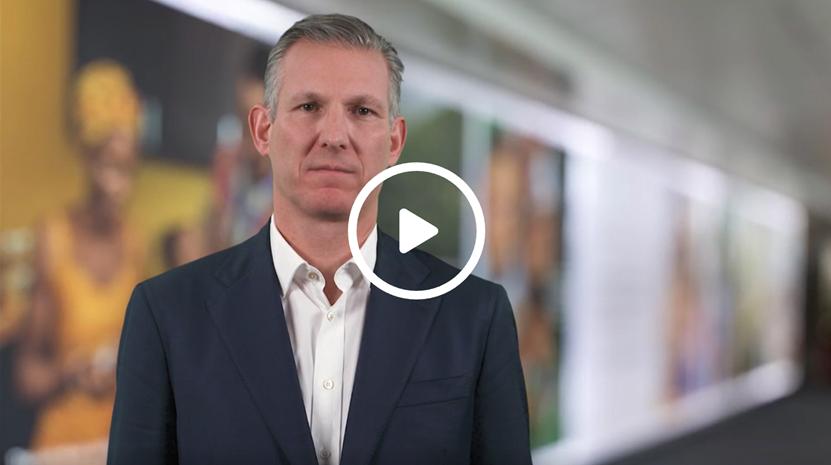
Nestle CEO apologises over instant formula recall
Reuters· 2026-01-14 07:24
Core Insights - Nestle's CEO Philipp Navratil has issued an apology to customers regarding the recall of certain batches of infant nutrition products across multiple countries [1] Company Summary - The recall affects dozens of countries, indicating a widespread issue with the affected products [1]

雀巢“预防性召回”奶粉事件是怎么回事?
Zhong Guo Jing Ji Wang· 2026-01-13 01:39
Core Viewpoint - The article discusses the recall of infant formula by Nestlé in 31 countries due to potential contamination with Bacillus cereus, prompting regulatory scrutiny on Jia Bi You Biotechnology (Wuhan) Co., Ltd. for its involvement in the supply chain [1][3][6]. Group 1: Regulatory Actions - The Shanghai Stock Exchange issued a regulatory letter to Jia Bi You, urging the company to respond promptly and fulfill its information disclosure obligations [1][2]. - The National Market Supervision Administration emphasized the importance of Nestlé (China) Ltd. adhering to corporate responsibility in recalling affected products [6]. Group 2: Product Recall Details - Nestlé announced a voluntary recall of specific batches of infant formula, including products like "力多精" and "惠氏膳儿加," due to quality issues with a supplier's raw materials [3][5]. - The recall affects 30 batches of products sold in mainland China and 41 batches sold through cross-border e-commerce channels [3][5]. Group 3: Supplier and Quality Control - The specific supplier of the problematic arachidonic acid (ARA) used in the affected products has not been disclosed, although major producers include Jia Bi You, DSM, and Runke [6][11]. - Both DSM and Runke have publicly stated that they are not responsible for the contaminated ARA, asserting their products meet strict quality control standards [8][10]. Group 4: Industry Standards and Safety - There is a debate regarding the absence of specific limits for Bacillus cereus in China's infant formula standards, with experts arguing that total bacterial counts are regulated instead [11][12]. - The management of Bacillus cereus is crucial, as it can produce toxins when proliferating, highlighting the need for stringent quality control measures throughout the supply chain [12].

雀巢暴雷,信任已死
3 6 Ke· 2026-01-13 00:56
Core Viewpoint - The dispute between Chongqing Yichong Technology Co., Ltd. and Nestlé (China) Co., Ltd. highlights the challenges in the traditional high-price and post-rebate business model, revealing underlying issues in trust and cooperation within the industry [1][2][3]. Group 1: Dispute Details - Chongqing Yichong Technology accuses Nestlé of improper conduct, including high rebate promises that led to significant unpaid rebates totaling nearly 19 million yuan [1]. - The cooperation model between the two companies involved high initial purchase prices with subsequent rebates, which were initially paid but began to be delayed from Q3 2023 [1]. - Nestlé proposed a "three-fold package" solution to settle the debt, which was rejected by Yichong, leading to arbitration proceedings [1]. Group 2: Market Context - Nestlé faces multiple challenges in both global and Chinese markets, with a reported 6.1% decline in organic growth in the Greater China region for the first three quarters of 2025 [1]. - The company is undergoing a global restructuring, planning to lay off approximately 16,000 employees over the next two years to cut costs and focus on core businesses like coffee and pet care [1]. Group 3: Business Model Analysis - The rebate model used by Nestlé is described as a double-edged sword, where high pricing and post-sale rebates create a risky dynamic for distributors [3][4]. - This model relies heavily on trust, with Nestlé holding significant power over pricing and terms, leading to potential delays in rebate payments as a means of maintaining control over distributors [5][6]. Group 4: Internal Management Issues - The lack of clarity in the formal distribution agreement regarding rebate calculations and payment guarantees has left Nestlé with legal leeway [6]. - Promises made by Nestlé employees through informal channels have created a dual system of formal contracts and informal commitments, which can lead to disputes when market conditions change [7][10]. Group 5: Implications for Future Relationships - The arbitration case reflects a shift from cooperative business relationships to zero-sum games, indicating a lack of flexibility and foresight in Nestlé's local management under financial pressure [9][31]. - The incident has damaged Nestlé's reputation in the Chinese market, potentially affecting future partnerships and increasing the psychological costs for new collaborators [15][31]. Group 6: Broader Industry Challenges - Nestlé's traditional business model is under scrutiny as it struggles to adapt to the rapidly changing market dynamics in China, where local competitors are more agile [17][20]. - The company's reliance on outdated channel strategies and a complex management structure has hindered its ability to respond effectively to market demands [24][26]. Group 7: Future Considerations - The need for Nestlé to redefine its business philosophy in China is emphasized, moving from a focus on financial negotiations to a model based on data sharing and collaborative value creation [31][29]. - Companies must recognize the importance of building trust and transparent relationships with partners to avoid similar disputes in the future [31][29].
雀巢大中华区销售额增长率跌6.1% 召回中国市场71个批次婴儿配方奶粉
Chang Jiang Shang Bao· 2026-01-12 03:07
Core Viewpoint - Nestlé is conducting a global recall of certain infant formula products due to potential contamination with Bacillus cereus, a bacteria that can cause foodborne illness, affecting multiple countries and brands [3][4]. Group 1: Recall Details - On January 6, Nestlé China announced a voluntary recall of 71 batches of infant formula, including 41 batches imported from Europe and 30 batches sold in mainland China [1][5]. - The recalled products include various brands such as "Nestlé BEBA Supreme" and "Wyeth启赋未来" [5]. - The recall is a precautionary measure due to quality issues with a specific oil ingredient used in the production of the affected formulas [3][4]. Group 2: Market Impact - As of now, Nestlé China has not received any reports of illness related to the recalled products [2][5]. - The organic sales growth rate for Nestlé's Greater China region was -6.1% for the first three quarters of 2025, with a significant drop of -10.4% in the third quarter [2][7]. - The company is shifting its strategy from a "channel-driven" approach to a "demand-driven" model to address declining sales [2][8]. Group 3: Management Changes and Strategy - Mark Schneider took over as Chairman and CEO of Nestlé Greater China in July 2025, emphasizing the need for a strategic shift in operations [8]. - The previous growth model relied heavily on expanding distribution channels and inventory pressure, which has proven unsustainable [8]. - Schneider has initiated changes in key management positions and integrated e-commerce teams to enhance operational efficiency [8].
雀巢大中华区销售额有机增长率跌6.1% 召回中国市场71个批次婴儿配方奶粉
Chang Jiang Shang Bao· 2026-01-11 23:33
Core Viewpoint - Nestlé is conducting a global recall of certain infant formula products due to potential contamination with Bacillus cereus, a bacteria that can cause foodborne illness, affecting multiple countries including China [4][5]. Group 1: Recall Details - On January 6, Nestlé China announced a voluntary recall of 71 batches of infant formula, including 41 batches imported from Europe and 30 batches sold in mainland China [1][6]. - The recalled products include various brands such as "Nestlé BEBA Supreme" and "Wyeth启赋未来" [1][6]. - The recall is a precautionary measure, and as of now, no adverse health reports related to the products have been received [2][5]. Group 2: Market Impact and Performance - Nestlé's sales in the Greater China region have seen a decline, with an organic growth rate of -6.1% for the first three quarters of 2025, and -10.4% in the third quarter [3][8]. - The company is shifting its strategy from a "channel-driven" model to a "demand-driven" approach, as stated by the new CEO, Mark Schneider [3][8]. - From 2019 to 2024, sales in the Greater China region dropped from 6.913 billion Swiss francs to 5.558 billion Swiss francs, with only one year of positive growth [8]. Group 3: Strategic Changes - The new CEO has emphasized the need to address previous sales strategies that relied heavily on channel expansion and inventory pressure, which led to unsustainable practices [8]. - Recent management changes have been made to improve operations, including the appointment of a new head for the dairy business to oversee e-commerce and retail channels [8]. - The company remains committed to long-term development in China, focusing on local innovation and quality products for consumers [9].
业绩下滑困境未解,“召回危机”又来:雀巢大中华区遭遇双重挤压
Hua Xia Shi Bao· 2026-01-09 23:01
Core Viewpoint - Nestlé China faces a significant challenge as it initiates a global recall of infant formula due to contamination issues, which may impact its ongoing restructuring efforts in the nutrition segment amid declining performance in the Greater China region [2][3][8]. Group 1: Recall Incident - On January 6, 2026, Nestlé announced a preventive recall of infant formula products in multiple countries, including 71 batches in China, due to contamination of ARA (arachidonic acid) oil, which may contain harmful toxins [3][4]. - The recall was prompted by internal testing that revealed quality issues with the ARA oil supplied by vendors, posing health risks to infants [3][4]. - The recall's scope expanded rapidly, initially covering 31 countries and later reaching at least 50 countries within two days [3]. Group 2: Market Performance - Nestlé's performance in the Greater China region has been declining, with organic growth rates dropping to -10.4% in Q3 2025, indicating severe challenges in reversing the trend [2][9]. - The company's market share in the infant formula sector has significantly decreased, with Nestlé and Wyeth holding only 4.9% and 4.4% market shares respectively by 2024, down from 13.5% in 2019 [6][9]. - The decline is attributed to increased competition from domestic brands and foreign competitors who have effectively utilized emerging sales channels [6][9]. Group 3: Strategic Adjustments - In response to the declining performance, Nestlé merged its infant nutrition and Wyeth nutrition businesses in China, creating a new unit to enhance operational efficiency [5][10]. - The company is undergoing a strategic shift from a distribution-driven approach to one focused on consumer demand and market pull, with expectations that this transition will take about a year [9][10]. - The new management team faces the dual challenge of restoring brand trust while navigating the complexities of the merger and addressing the fallout from the recall incident [7][10]. Group 4: Future Outlook - The year 2026 is critical for Nestlé in Greater China, as it represents the first full fiscal year under the new management structure and will test the effectiveness of its strategic adjustments [10][11]. - Analysts suggest that the key to overcoming current challenges lies in supply chain transparency and quickly addressing consumer concerns to maintain market share in specialized segments [11].
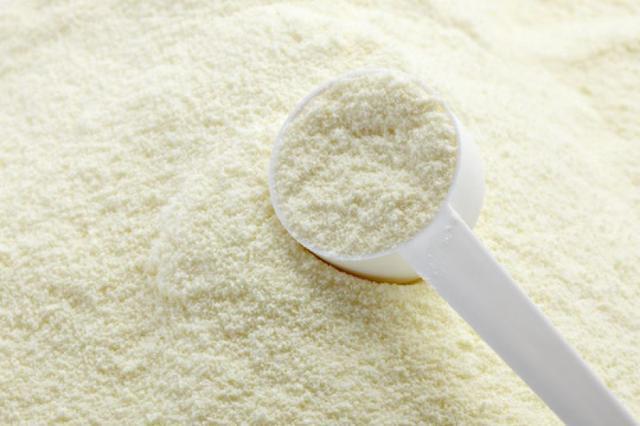
国务院食安办、市场监管总局督促雀巢做好相关批次婴幼儿配方乳粉召回工作
Cai Jing Wang· 2026-01-09 08:22
Core Viewpoint - Nestlé (China) Co., Ltd. is taking proactive measures to recall specific batches of infant formula products following a preventive recall initiated in some European countries, emphasizing the importance of consumer safety and corporate responsibility [1] Group 1: Company Actions - The State Administration for Market Regulation (SAMR) and the State Food Safety Office have urged Nestlé (China) to implement a recall of the affected infant formula batches sold in China [1] - Nestlé (China) has complied with the recall requirements as mandated by the authorities [1] Group 2: Regulatory Oversight - The SAMR and the State Food Safety Office are committed to strengthening regulatory oversight to ensure the quality and safety of infant formula products [1] - Continuous monitoring and enforcement actions will be taken to protect consumer rights and maintain product safety standards [1]
雀巢中国回应召回奶粉,在中国启动预防性自愿回收
Xi Niu Cai Jing· 2026-01-09 05:50
Core Viewpoint - Nestlé China announced a voluntary recall of specific batches of infant formula as a precautionary measure due to quality issues with a supplier's ingredient [2][3] Group 1: Product Recall Details - The recall involves 30 batches of infant formula from four brands: Lait D'or, Platinum Enfamil, Shuyi Enfamil, and Wyeth S-26 [2] - All other Nestlé special medical purpose infant formula products, including Super Enfamil, Qifu, and S26 Platinum, are not affected by the recall [2] - Additionally, 41 batches of imported infant formula sold through cross-border e-commerce channels in China are being recalled, including brands like Nestlé BEBA Supreme and Wyeth Qifu [2] Group 2: Quality Issue and Testing - The recall was initiated due to a "quality issue" with a specific ingredient provided by a supplier, affecting products in several European countries including France, Germany, and Italy [2] - As of the date of the announcement, there have been no reports of illness or discomfort related to the consumption of the recalled infant formula [3] - Nestlé has conducted testing on the affected products, specifically focusing on arachidonic acid (ARA) and related oil mixtures [3]
两部门:督促雀巢(中国)召回中国境内相关批次婴幼儿配方乳粉
Ren Min Ri Bao· 2026-01-09 01:49
Core Viewpoint - Nestlé (China) Co., Ltd. is taking proactive measures to recall specific batches of infant formula products following a preventive recall initiated in some European countries, emphasizing the importance of consumer safety and corporate responsibility [1] Group 1: Company Actions - The State Council's Food Safety Office and the Market Supervision Administration are closely monitoring Nestlé (China) Co., Ltd. to ensure the company fulfills its responsibility in recalling the affected products sold in China [1] - Nestlé (China) Co., Ltd. has complied with the recall requirements as mandated by the regulatory authorities [1] Group 2: Regulatory Oversight - The State Council's Food Safety Office and the Market Supervision Administration will continue to strengthen regulatory oversight to ensure the quality and safety of infant formula products [1]