
品牌信任危机

Search documents
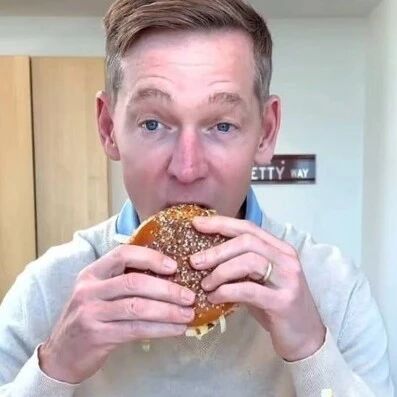
麦当劳CEO吃自家汉堡只咬一小口!网友炸了:连装都懒得装?汉堡王CEO"神补刀"来了
新浪财经· 2026-03-08 10:09
Core Viewpoint - The recent promotional video featuring McDonald's CEO Chris Kempczinski trying the new "Big Arch" burger has sparked significant online controversy, leading to a crisis of brand trust due to his awkward presentation and perceived detachment from the product [3][4][6]. Group 1: Product Launch and Reception - The "Big Arch" burger, weighing approximately 14 ounces and containing two beef patties with special sauce, has a high calorie count of 1,020 calories. It was expected to perform well in the U.S. market after gaining some reputation overseas [6]. - Kempczinski's attempt to promote the burger was undermined by his unnatural demeanor and failure to genuinely engage with the product, leading to public ridicule and skepticism about his authenticity [3][4][6]. Group 2: Public Reaction and Criticism - Social media users criticized Kempczinski for his apparent reluctance to eat the burger, with comments highlighting a disconnect between corporate executives and everyday consumers. Many felt offended by his lack of enthusiasm and genuine appreciation for the product [6][12]. - The incident has led to a broader discussion about the perceived elitism of corporate executives, with some users suggesting that Kempczinski's lifestyle and appearance do not align with the fast-food brand's image [14]. Group 3: Competitive Response - The public relations crisis has prompted competitors like Burger King's CEO Tom Curtis to capitalize on the situation by showcasing their own products in a more relatable manner, further intensifying competition within the fast-food industry [12][14]. - Other fast-food brands have also joined in, with their CEOs posting videos that emphasize enjoyment and authenticity, contrasting sharply with Kempczinski's approach [12][14]. Group 4: Broader Implications - This incident reflects a deeper issue regarding the disconnect between elite executives and the consumer base, highlighting the importance of genuine engagement in building brand loyalty and trust [14]. - The rise of social media has amplified the scrutiny of corporate leaders, making their authenticity and connection to the product more critical than ever in influencing consumer perceptions [14].


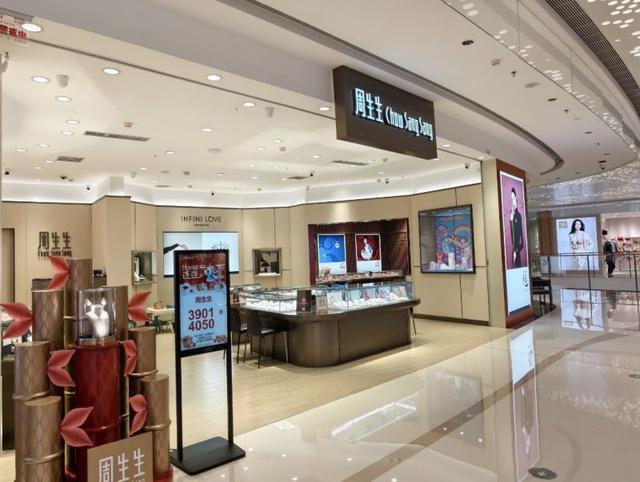
一场“足金不纯”风波,线下销售“遇冷”,周生生承受变数
Hua Xia Shi Bao· 2026-02-06 03:55
Core Viewpoint - The company Chow Sang Sang is facing a crisis regarding the purity of its gold jewelry, which has raised consumer concerns and could impact sales during the peak season leading up to the Spring Festival [2][3]. Group 1: Incident Overview - On February 2, reports emerged that a gold pendant sold by Chow Sang Sang in Qingyuan, Guangdong, was found to contain iron, silver, and palladium, with purity discrepancies exceeding 35% [3][4]. - Chow Sang Sang's response included a statement on February 3, asserting that the affected batch met national quality standards, but this did not alleviate public skepticism [4]. - A follow-up statement on February 5 confirmed that third-party testing indicated the product was indeed pure gold, aligning with regulatory standards [4][5]. Group 2: Sales Impact - The incident has coincided with a period of high gold prices, which previously pressured the jewelry industry but had recently shown signs of recovery [2][5]. - Observations from store visits indicated a lack of customer traffic at Chow Sang Sang locations compared to competitors like Chow Tai Fook and Luk Fook Jewelry, suggesting a potential decline in consumer confidence [3][5]. - The company's financial performance has shown mixed results, with a projected revenue decline in 2024 and a slight decrease in same-store sales by 5% in the first half of 2025 [5][6]. Group 3: Market Position and Strategy - Chow Sang Sang operates a direct sales model with 883 stores as of June 30, 2025, a net decrease of 75 stores from the previous year [6]. - The company is adjusting its pricing strategy, with 62% of revenue from gold jewelry based on weight and market price, while 34% comes from fixed-price items, reflecting a shift in consumer purchasing behavior [6]. - The ongoing crisis may damage the brand's premium perception, as consumer trust is crucial in the high-end jewelry market, potentially placing Chow Sang Sang at a competitive disadvantage [5][6].

激进促销无效?西贝计划关闭全国102家门店自救
Xi Niu Cai Jing· 2026-01-15 10:00
Core Insights - Xibei Catering is set to close 102 stores, approximately 30% of its total, due to a significant decline in business performance following the "pre-made dish controversy" that began in September 2025, described by founder Jia Guolong as the company's largest external crisis since its establishment [2] - The company has reported a total loss exceeding 500 million yuan since the controversy, with no stores being profitable during this period [2] - In January 2026, Xibei's store sales plummeted by 50% year-on-year, driven by a persistent decline in customer traffic [2] Financial Performance - Following the controversy, Xibei launched extensive promotional activities, distributing over 300 million yuan in consumer vouchers, but the impact was short-lived [3] - The company's net profit margin was approximately 5%, and many stores saw daily customer traffic drop below 300, which is the breakeven point, leading to daily net losses [3] Brand and Market Position - Xibei previously established a "quality mid-to-high-end" image with an average customer spending of around 90 yuan, but the price cuts and substantial subsidies post-controversy have diluted this brand value [3] - The ability of Xibei to rebuild trust with consumers after closing underperforming stores and focusing on core markets will be crucial for its recovery [3]
张小泉出问题了,开始贱卖迈巴赫
盐财经· 2026-01-15 09:39
Core Viewpoint - The article discusses the financial struggles and capital dynamics of Zhang Xiaoqian, a historic Chinese knife and scissors brand, highlighting the impact of its controlling shareholder, Fuchun Holdings, and the recent auction of a luxury car as a symbol of its debt crisis [2][5][15]. Group 1: Debt Crisis and Capital Dynamics - Fuchun Holdings, the controlling shareholder of Zhang Xiaoqian, is facing significant debt issues, with total liabilities reaching 8.089 billion yuan by January 2026 [15]. - The auction of a Mercedes-Benz Maybach, initially listed at 600,000 yuan and eventually sold for 303,300 yuan, reflects the financial distress of Fuchun Holdings [3][5]. - Zhang Xiaoqian has been used as a key asset for financing, with high levels of share pledges contributing to a fragile debt structure [12][14]. Group 2: Operational Challenges and Brand Trust - The company has seen a decline in net profit from 41.51 million yuan in 2022 to 25.12 million yuan in 2023, indicating ongoing operational challenges [14]. - The "Garlic Crushing Incident" in 2022 highlighted a disconnect between product quality and consumer expectations, damaging the brand's reputation [19][20]. - Over 70% of Zhang Xiaoqian's products are produced through ODM, raising concerns about quality control and reliance on external manufacturers [25]. Group 3: New Shareholder and Market Strategy - White Rabbit Group, a leading MCN agency, acquired a 3.5 billion yuan stake in Zhang Xiaoqian, aiming to leverage its marketing capabilities to alleviate debt pressures [32][33]. - The company's sales during the 2025 Double Eleven shopping festival reached 140 million yuan, showing initial success in utilizing new marketing strategies [33]. - However, the reliance on short-term marketing tactics without addressing fundamental issues like R&D investment and product quality may jeopardize long-term brand integrity [36][39].

业绩下滑困境未解,“召回危机”又来:雀巢大中华区遭遇双重挤压
Hua Xia Shi Bao· 2026-01-09 23:01
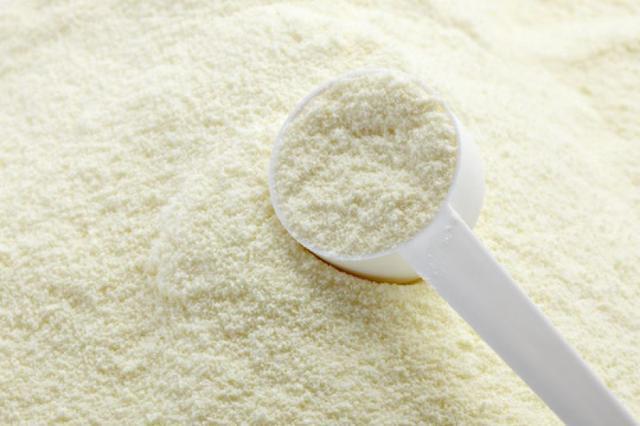
Core Viewpoint - Nestlé China faces a significant challenge as it initiates a global recall of infant formula due to contamination issues, which may impact its ongoing restructuring efforts in the nutrition segment amid declining performance in the Greater China region [2][3][8]. Group 1: Recall Incident - On January 6, 2026, Nestlé announced a preventive recall of infant formula products in multiple countries, including 71 batches in China, due to contamination of ARA (arachidonic acid) oil, which may contain harmful toxins [3][4]. - The recall was prompted by internal testing that revealed quality issues with the ARA oil supplied by vendors, posing health risks to infants [3][4]. - The recall's scope expanded rapidly, initially covering 31 countries and later reaching at least 50 countries within two days [3]. Group 2: Market Performance - Nestlé's performance in the Greater China region has been declining, with organic growth rates dropping to -10.4% in Q3 2025, indicating severe challenges in reversing the trend [2][9]. - The company's market share in the infant formula sector has significantly decreased, with Nestlé and Wyeth holding only 4.9% and 4.4% market shares respectively by 2024, down from 13.5% in 2019 [6][9]. - The decline is attributed to increased competition from domestic brands and foreign competitors who have effectively utilized emerging sales channels [6][9]. Group 3: Strategic Adjustments - In response to the declining performance, Nestlé merged its infant nutrition and Wyeth nutrition businesses in China, creating a new unit to enhance operational efficiency [5][10]. - The company is undergoing a strategic shift from a distribution-driven approach to one focused on consumer demand and market pull, with expectations that this transition will take about a year [9][10]. - The new management team faces the dual challenge of restoring brand trust while navigating the complexities of the merger and addressing the fallout from the recall incident [7][10]. Group 4: Future Outlook - The year 2026 is critical for Nestlé in Greater China, as it represents the first full fiscal year under the new management structure and will test the effectiveness of its strategic adjustments [10][11]. - Analysts suggest that the key to overcoming current challenges lies in supply chain transparency and quickly addressing consumer concerns to maintain market share in specialized segments [11].

小米“二号人物”给股东出了一个难题
3 6 Ke· 2025-12-29 09:36
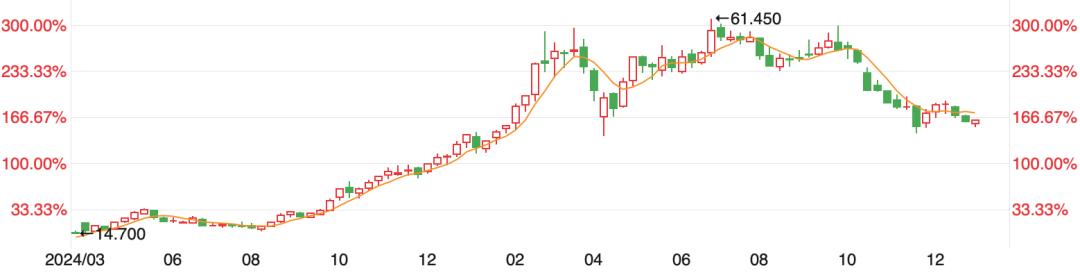
Group 1 - Xiaomi Group has been actively repurchasing shares and its founder Lei Jun has increased his stake in the company, signaling confidence in the business and aiming to stabilize investor sentiment [1][5] - Co-founder Lin Bin plans to sell up to $20 billion of B shares starting December 2026, with a maximum of $5 billion per year, which has raised market concerns despite his confidence in the company's future [2][3][4] - Xiaomi's stock price has dropped significantly from a peak of HKD 61.45 in June 2025 to HKD 38.58 by December 29, 2025, resulting in a market value loss of over HKD 500 billion [4][5] Group 2 - The automotive segment is a significant variable for Xiaomi's overall market value, with plans to launch three new models, including the family-oriented Xiaomi YU9 and the performance-oriented YU7 GT [17][18][20] - Xiaomi's production capacity is increasing, with two factories in Beijing already operational and plans for a third factory, potentially raising total capacity to over 400,000 vehicles [20] - The smartphone business is facing challenges, including a 3.15% year-on-year revenue decline and a drop in average selling price (ASP) from CNY 1102.2 to CNY 1062.8, impacting profit margins [13][14]
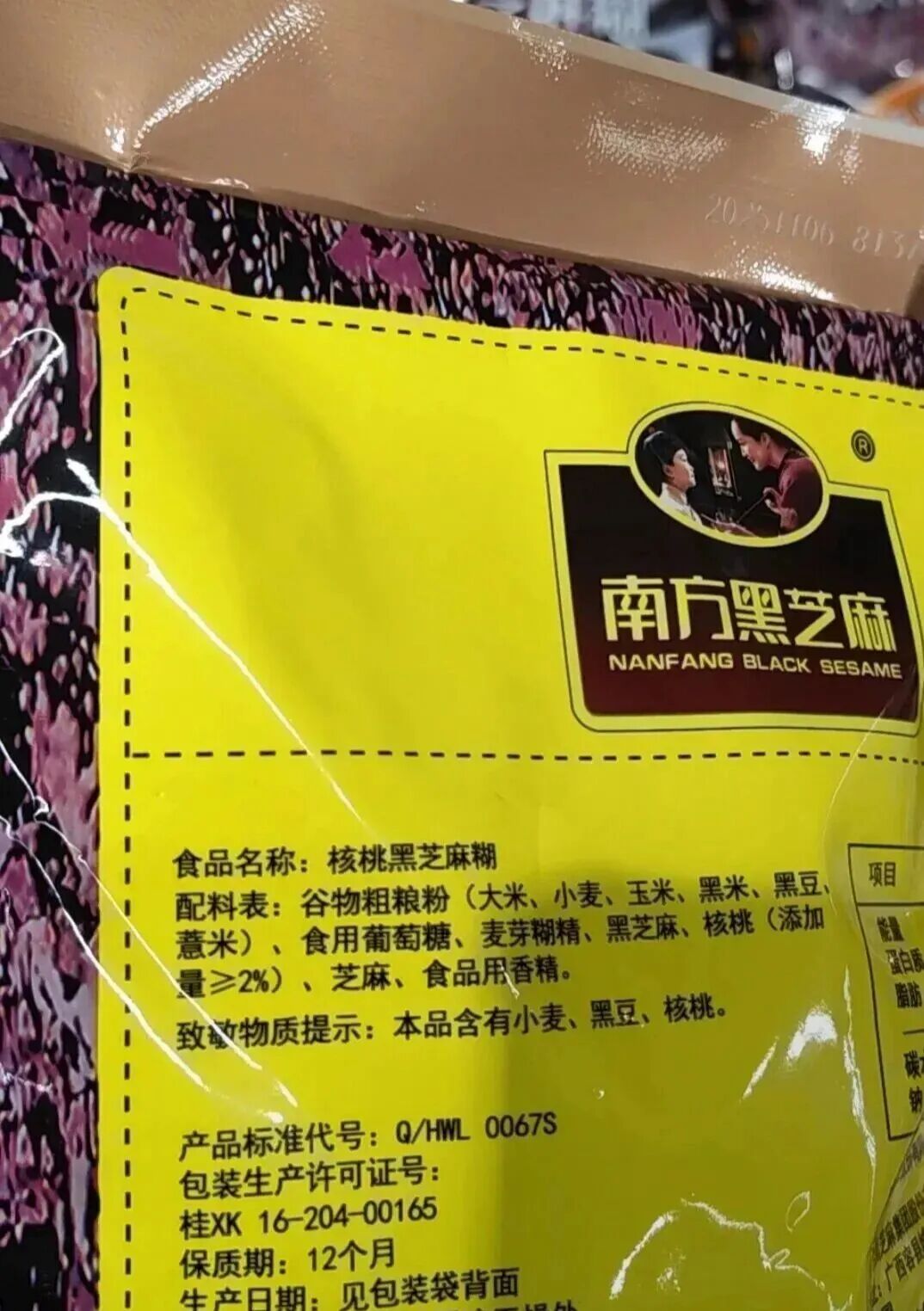
南方黑芝麻糊被建议“改名米糊”!黑芝麻仅排配料表第四位
Guo Ji Jin Rong Bao· 2025-12-22 13:41
Core Viewpoint - The controversy surrounding Southern Black Sesame's product labeling highlights a disconnect between consumer expectations and actual ingredient composition, raising questions about brand integrity and consumer trust [5][8]. Group 1: Ingredient Composition and Consumer Reaction - A recent consumer post revealed that black sesame was not the primary ingredient in a walnut black sesame paste, with the ingredient list showing it in fourth place behind grain powders and glucose [2][4]. - This discrepancy led to public outcry, with consumers feeling misled, prompting suggestions to rename the product to reflect its actual composition [4][5]. - The company responded by stating that the product's new packaging has black sesame moved to the second position, but grain powders remain the primary ingredient, indicating a "grain-based, black sesame as a supplement" formulation [4][5]. Group 2: Financial Performance and Challenges - Southern Black Sesame has faced declining revenues, with figures dropping from 40.25 billion yuan in 2021 to an estimated 24.65 billion yuan in 2024, representing a nearly 40% decrease over four years [6]. - The company's net profit has also fluctuated, with a cumulative loss of 1.28 billion yuan over the same period, and a significant drop in net profit of 83.67% in the first three quarters of 2025 [6][7]. - To address financial difficulties, the company is undergoing a change in control, with a state-owned enterprise set to acquire a 20% stake, and performance commitments have been postponed to 2026-2028 due to current underperformance [7][8].

每经热评丨同仁堂就南极磷虾油事件致歉 守住信用才能守住百年老字号
Mei Ri Jing Ji Xin Wen· 2025-12-21 12:14
Core Viewpoint - The incident involving Antarctic krill oil has highlighted significant management failures within Beijing Tongrentang, leading to a brand trust crisis despite the company's long-standing reputation and extensive business operations [1][2][3] Group 1: Incident Overview - Beijing Tongrentang issued a formal apology on December 20 and announced a zero-tolerance brand management initiative following the Antarctic krill oil incident [1] - The product in question claimed to contain "99% high-purity Antarctic krill oil" with a "phospholipid content of 43%" but was found to have zero phospholipid content, raising serious concerns about quality control [2] - This incident is not isolated; a previous scandal in 2018 involved the company using expired honey as raw material, indicating ongoing quality control issues [2] Group 2: Management and Operational Challenges - The company's extensive operations include seven subsidiaries, over 2,400 retail outlets, and 36 production bases, complicating management and oversight [1][2] - The scale of operations, which should provide a competitive advantage, has instead become a liability, leading to a loss of brand trust [2] - Effective management of quality control and brand authorization processes is now a critical challenge for the company [2][3] Group 3: Consumer Trust and Brand Integrity - Consumer trust in the brand has significantly declined, with perceptions shifting from "very trustworthy" to "completely untrustworthy" due to management failures [3] - The brand's reputation is built on a legacy of quality and integrity, which is at risk if the company cannot implement comprehensive oversight across its subsidiaries [3] - A genuine commitment to "zero tolerance" in management practices is essential to restore consumer confidence and protect the brand's long-standing reputation [3]

同仁堂就南极磷虾油事件致歉 守住信用才能守住百年老字号
Mei Ri Jing Ji Xin Wen· 2025-12-21 12:13
Core Viewpoint - The incident involving Antarctic krill oil has highlighted significant management failures within Beijing Tongrentang (Group), leading to a brand trust crisis despite the company's long-standing reputation and extensive business operations [2][3][4]. Group 1: Incident Overview - On December 20, Tongrentang issued a formal apology and announced a zero-tolerance brand management initiative following the Antarctic krill oil incident, which revealed that the product claimed to contain "99% high-purity Antarctic krill oil" but had a phospholipid content of zero [2][3]. - The company has a vast commercial structure, including seven subsidiaries, over 2,400 retail terminals, and 36 production bases, producing more than 2,600 types of pharmaceuticals and health products [2][3]. Group 2: Management Issues - The krill oil incident is not isolated; a previous "honey incident" in 2018 also raised concerns about product quality and management oversight, indicating systemic issues within the company's management framework [3][4]. - The complexity of Tongrentang's operations, with numerous products and widespread distribution, has made it challenging to maintain effective quality control and brand management processes [3][4]. Group 3: Brand Trust and Consumer Perception - Consumer trust in Tongrentang has significantly declined, with feedback indicating a shift from "very trusting" to "completely distrustful," reflecting disappointment in the company's management capabilities [4]. - The company's commitment to "zero tolerance" must be integrated into every management aspect and business process to prevent further erosion of brand trust and protect its century-old reputation [5].
“南极磷虾油”事件发酵,同仁堂道歉!拿什么拯救356年老字号的信任危机?
Mei Ri Jing Ji Xin Wen· 2025-12-20 14:13
Core Viewpoint - The incident involving Antarctic krill oil has highlighted management issues within Beijing Tongrentang (Group), leading to a brand trust crisis despite the company's long history of 356 years [2][3]. Group 1: Incident Overview - On December 20, Beijing Tongrentang officially apologized to consumers and announced a zero-tolerance brand management initiative, along with a comprehensive review of brand usage across its subsidiaries [1]. - The Antarctic krill oil product claimed to contain "99% high-purity Antarctic krill oil" with "43% phospholipid content" and was said to be made from imported Chilean raw materials, but testing revealed zero phospholipid content [2]. Group 2: Management and Trust Issues - The company operates a vast network with seven subsidiaries, over 2,400 retail terminals, and 36 production bases, producing more than 2,600 types of pharmaceuticals and health products, which complicates management and quality control [2][3]. - Previous incidents, such as the "honey scandal" in 2018, indicate recurring quality control issues and management failures, suggesting a systemic problem within the company's operational framework [3]. Group 3: Recommendations for Improvement - To restore brand trust, the company must implement detailed quality control standards for its extensive product range and establish unified brand authorization protocols across its production bases [4]. - A commitment to zero tolerance for management failures must be integrated into every management process, rather than merely stated in public declarations, to prevent further erosion of consumer trust [5].
