
罗氏

Search documents
司美格鲁肽中国专利即将到期,诺和诺德加速推进口服减重药上市
Di Yi Cai Jing· 2025-09-24 08:05
Core Insights - The article discusses the competitive landscape of the weight loss drug market, particularly focusing on Novo Nordisk's oral semaglutide and its implications for both local and international players in the industry [1][2][3] Group 1: Novo Nordisk's Oral Semaglutide - Novo Nordisk is advancing the commercialization of its oral semaglutide, with a new drug application submitted to the FDA for a 25mg tablet [1] - Clinical trial results show that patients taking the oral semaglutide achieved an average weight loss of 16.6% over 64 weeks, with over 34.4% of patients losing 20% or more of their body weight [1] - The FDA is expected to complete its review by the end of the year, potentially making it the first approved oral GLP-1 weight loss medication globally [1] Group 2: Competitive Landscape - Novo Nordisk faces competition not only from Eli Lilly but also from new entrants like Roche, which plans to launch multiple weight loss products by 2030, with three expected to exceed $1 billion in annual sales [2] - In China, local biopharmaceutical company Innovent Biologics is pushing its GLP-1 weight loss drug, Ma Shidu, with projected sales of over 600 million RMB (approximately $84.4 million) this year, potentially reaching 3.5 billion RMB by 2029 [2][3] - Analysts suggest that local companies like Innovent may better understand Chinese consumer needs and the online pharmaceutical sales model [3] Group 3: Market Dynamics and Pricing - The weight loss drug market in China is expected to reach several billion dollars in value in the coming years, with current treatments being high-cost self-pay prescriptions not covered by national insurance [2][3] - Initial treatment costs for Novo Nordisk's semaglutide are around $400 per month, while Eli Lilly's drug costs approximately $900, compared to Innovent's Ma Shidu at about 2,920 RMB (approximately $411) [3] - As more similar drugs enter the market, prices are anticipated to decrease, according to industry experts [3]

辉瑞豪掷73亿美元押注减重药
21世纪经济报道· 2025-09-24 08:00
Core Viewpoint - Pfizer's acquisition of Metsera for up to $7.3 billion represents a strategic move to strengthen its position in the weight loss drug market after setbacks in its own GLP-1 drug development [1][3][7]. Group 1: Acquisition Details - Pfizer announced the acquisition of Metsera at a price of $47.50 per share in cash, with additional milestone payments of $22.50 per share [1]. - Metsera was founded in 2022 and has successfully raised $290 million in its first round of financing and $215 million in its Series B round, with plans for an IPO in January 2025 [2]. Group 2: Strategic Importance - The acquisition is seen as a strategic "fill-in" rather than a simple pipeline addition, allowing Pfizer to transition from a position of weakness to a comprehensive presence in the weight loss drug market [3][7]. - Metsera's product pipeline includes various GLP-1 receptor agonists and other innovative therapies, which are crucial for Pfizer to regain competitiveness in the market [2][3]. Group 3: Technological Platforms - Analysts highlight the significance of Metsera's HALO™ and MOMENTUM™ technology platforms, which enhance drug delivery and bioavailability, providing Pfizer with ongoing innovation capabilities [5][8]. - The HALO platform allows for monthly dosing, while the MOMENTUM platform focuses on improving oral delivery of peptide drugs, which could benefit Pfizer's existing product lines [5][8]. Group 4: Market Dynamics - The global weight loss drug market is evolving from a duopoly dominated by Novo Nordisk and Eli Lilly to a more competitive landscape, with Pfizer's entry expected to intensify competition [11][12]. - Analysts predict that the market for oral GLP-1 drugs could capture 24% of the weight loss drug market by 2030, indicating significant growth potential [14]. Group 5: Future Growth Opportunities - The weight loss drug market is still in its early stages, with over 270 million potential patients in China alone, suggesting substantial unmet clinical needs [16]. - The market is projected to exceed $14.9 billion by 2030, driven by increasing recognition of obesity as a chronic condition requiring long-term intervention [16][17]. Group 6: Competitive Landscape - The competition is shifting towards a more comprehensive approach, focusing on efficacy, safety, and convenience of administration, rather than just weight loss [13][18]. - Pfizer's acquisition is seen as a critical step in addressing the challenges posed by patent expirations and the need for new growth avenues in the post-pandemic era [18].



东吴证券:MNC纷纷下注小核酸领域 中国企业有望抢占全球蓝海市场
Zhi Tong Cai Jing· 2025-09-24 07:24
Core Insights - The RNAi therapy market is projected to reach a global market size of $25 billion by 2030, with a significant share in common diseases and tumors, accounting for 54% of the total market size [3] - The Chinese RNAi therapy market is expected to grow from approximately $4 million in 2022 to over $300 million by 2025, with a CAGR exceeding 300%, and is projected to reach around $3 billion by 2030 [3][1] Group 1: Market Trends - The global RNAi therapy market has seen a substantial increase from $12 million in 2018 to $362 million in 2020, with a CAGR of 449.2% [3] - The recent surge in small nucleic acid drugs has led to a wave of business development (BD) activities, with major pharmaceutical companies like Novartis, AZ, and others investing heavily in this field [4] Group 2: Technological Advancements - Recent breakthroughs in small nucleic acid drug design have addressed challenges such as vascular degradation, immune activation, and delivery mechanisms, enhancing the potential for effective treatments [2] - Successful approvals of multiple small nucleic acid drugs, such as Nusinersen with $1.6 billion in sales, Vutrisiran with $970 million (yoy +73%), and Inclisiran with $750 million (yoy +112%), demonstrate their efficacy and safety [2] Group 3: Investment Opportunities - The current landscape shows a limited number of approved small nucleic acid drugs, with 22 drugs expected to be approved by mid-2025, indicating a potential for market expansion [5] - Companies with innovative pipelines and technology platforms, such as Yuyuan Pharmaceutical and Chengdu XianDao, are highlighted as potential investment targets [6]

罗氏,甩出“王炸”
Ge Long Hui· 2025-09-23 19:41
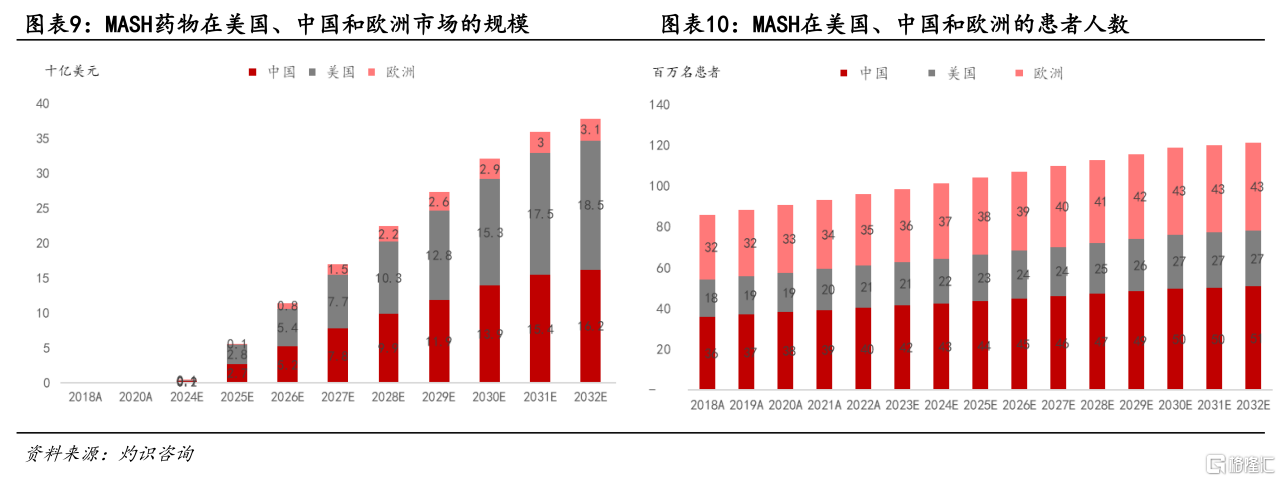
Core Viewpoint - Roche is strengthening its position in the cardiovascular, renal, and metabolic diseases (CVRM) sector through the acquisition of 89bio for $3.5 billion, securing the innovative MASH drug Pegozafermin, which is currently in Phase III clinical trials [1][10]. Group 1: Acquisition Details - Roche's acquisition of 89bio focuses on Pegozafermin, which has the potential to generate peak sales exceeding $5 billion, as the global MASH drug market is projected to reach $35 billion by 2030 [1][2]. - The acquisition agreement includes a base price of $14.50 per share plus up to $6 per share in contingent value rights (CVR), potentially bringing the total deal value to $3.5 billion [4][8]. - The CVR stipulates additional payments based on Pegozafermin achieving specific sales milestones, potentially adding up to $1 billion for 89bio's shareholders [5][6][7]. Group 2: Market Potential and Demand - MASH affects an estimated 5%-7% of the adult population globally, with significant unmet clinical needs, particularly in China and the U.S., where the number of patients is expected to rise substantially by 2032 [2][4]. - The MASH treatment landscape has seen numerous failures, making Pegozafermin's potential as a first-in-class therapy particularly promising [4][19]. Group 3: Roche's CVRM Strategy - Roche's CEO emphasized that the acquisition enhances the company's CVRM product portfolio and opens opportunities for combination therapies with existing projects [11]. - Roche has a diverse pipeline in the CVRM space, including several promising candidates such as GLP-1 drugs and RNAi therapies, indicating a strategic focus on this area for future growth [14][16][17]. - The company has invested in multiple potential blockbuster drugs, including Petrelintide and Zilebesiran, to solidify its position in the metabolic and cardiovascular markets [17][19]. Group 4: Competitive Landscape - The MASH treatment field is highly competitive, with over 60 active clinical trials and multiple candidates from major pharmaceutical companies, highlighting the intense research activity in this area [19][22]. - Roche's strategic investments and acquisitions are aimed at building a comprehensive network in the CVRM sector, positioning the company for significant growth in this rapidly evolving market [22][23].

72 亿美元!辉瑞花近半个 “身家” 收购,能否跻身减肥赛道 “优等生”?|跨国药企洞察
Xin Lang Cai Jing· 2025-09-23 10:44
Core Insights - The article discusses the strategic importance of multinational pharmaceutical companies (MNCs) in the global healthcare landscape, particularly focusing on their operations in China, which has evolved from an optional market to a critical battleground for innovation and growth [1] - Pfizer's acquisition of Metsera for up to $7.2 billion highlights its aggressive strategy to penetrate the obesity treatment market, which is projected to become one of the largest pharmaceutical markets by 2030 [2][4] Group 1: Pfizer's Acquisition Strategy - Pfizer announced the acquisition of Metsera at a maximum price of $7.2 billion, marking a significant investment in the obesity treatment sector [2] - The deal involves an initial payment of $47.50 per share, with potential milestone payments of up to $22.50 per share based on specific clinical trial achievements [8] - This acquisition reflects Pfizer's shift from relying solely on internal R&D to pursuing external opportunities to enhance its product pipeline in the competitive obesity market [6][12] Group 2: Market Dynamics and Competition - The global obesity drug market is expected to exceed $150 billion by 2030, with GLP-1 agonists projected to account for nearly 9% of all prescription drug sales [4] - Major competitors in the obesity treatment space include Novo Nordisk and Eli Lilly, which have established strong market positions with their respective products [13][14] - Pfizer's entry into this market comes amid intense competition, as it seeks to recover from declining revenues due to patent expirations on key products [12][15] Group 3: Metsera's Product Pipeline - Metsera's pipeline includes promising candidates MET-097i and MET-233i, both of which are in various stages of clinical development and show potential for effective obesity treatment [10][11] - MET-097i has demonstrated a weight reduction of 11.3% in early trials, while MET-233i is designed for monthly administration, targeting appetite suppression [10][16] - The acquisition of Metsera not only adds valuable assets to Pfizer's portfolio but also leverages innovative platforms like HALO and MOMENTUM, which aim to enhance drug delivery and bioavailability [10][11] Group 4: Challenges Ahead - Despite the promising pipeline, Pfizer faces significant challenges, including the need for robust clinical data to support the efficacy and safety of Metsera's products [15] - Commercialization hurdles include establishing effective pricing strategies, building sales channels, and navigating insurance reimbursement landscapes [17] - Market education is crucial, as consumer awareness and acceptance of obesity medications remain low, necessitating efforts to address ethical concerns and promote understanding of these treatments [17]

辉瑞拟73亿美元收购Metsera 制药巨头重返减肥药赛道
Jing Ji Guan Cha Bao· 2025-09-23 08:53
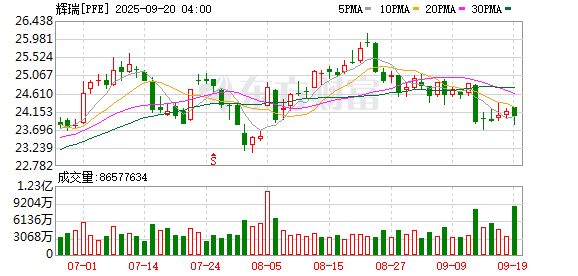
Core Viewpoint - Pfizer's acquisition of Metsera for $73 billion at a 42.5% premium reflects its commitment to the weight loss drug sector, aiming to regain competitiveness after previous setbacks in this area [1][3][11] Company Summary - Pfizer announced the acquisition of Metsera at a cash price of $47.50 per share, totaling $73 billion, with the deal expected to close in Q4 2025 [1] - Following the announcement, Metsera's stock surged over 60%, reaching a market capitalization of approximately $56 billion [2] - Pfizer has faced challenges in the weight loss drug market, having previously developed GLP-1 drugs Lotiglipron and Danuglipron, both of which encountered liver damage issues leading to halted development [3][5] - Pfizer's CEO, Albert Bourla, emphasized the strategic importance of this acquisition in addressing obesity, which affects millions globally and is linked to over 200 health issues [3] Industry Summary - The global weight loss drug market is projected to reach $150 billion by the early 2030s, indicating significant growth potential [3] - Metsera, founded in 2022, is developing GLP-1-based obesity treatments, including long-acting injectables and oral peptides [4][5] - The acquisition highlights the increasing interest from major pharmaceutical companies in obesity and metabolic disease platforms, with competitors like Roche and Merck also making significant investments in this area [6][7][8] - The competitive landscape is expected to intensify as Pfizer re-enters the weight loss market, potentially shifting the dominance from Eli Lilly and Novo Nordisk to include Pfizer [11]
Roche Targets Top Spot In Weight Loss Drug Market
Benzinga· 2025-09-22 18:04
Core Insights - Roche Holdings AG aims to become a leading player in the growing weight-loss drug market, advancing its obesity pipeline into late-stage development to compete with Eli Lilly and Novo Nordisk [1] - The company has initiated a Phase 3 trial for its experimental obesity treatment CT-388, which was acquired through the 2023 purchase of Carmot Therapeutics [1][2] - Roche plans to have six obesity and related-condition therapies on the market by 2030, with three expected to generate over $1 billion in annual sales [3] Obesity Drug Pipeline - CT-388 has shown significant weight loss results in a Phase 1b trial, demonstrating its potential effectiveness as a once-weekly subcutaneous injection over 24 weeks [2] - Teresa Graham, head of Roche's pharmaceutical division, emphasized the company's commitment to becoming a top three player in the obesity drug market [3] Strategic Acquisitions - Roche has made significant acquisitions to bolster its obesity portfolio, including Zealand Pharma's experimental therapy petrelintide for up to $5.3 billion and U.S. biotech 89bio for up to $3.5 billion, targeting liver disease treatments [4] Other Developments - Roche released positive results from the Phase 3 evERA study for giredestrant in combination with everolimus for specific breast cancer types, meeting both co-primary endpoints and showing improvement in progression-free survival [5][6] - The giredestrant combination was well tolerated, with no new safety signals observed, marking a significant achievement in head-to-head trials [7]

Pfizer to buy obesity startup Metsera for $4.9 billion; shares jump on Wall Street — Details here
MINT· 2025-09-22 15:05
Core Insights - Pfizer Inc. is acquiring obesity startup Metsera Inc. for $4.9 billion to enhance its position in the competitive obesity market after struggling with its own weight-loss medications [1][2][7] - The acquisition includes an initial payment of $47.50 per share, with potential additional payments bringing the total deal value to $7.3 billion, representing a 43% premium over Metsera's recent closing price [1][6] Company Strategy - Pfizer is focusing on rebuilding its portfolio post-pandemic, as demand for its COVID-related products declines and key drugs approach patent expiration [2][7] - The company aims to leverage Metsera's pipeline of experimental weight-loss drugs to compete with established players like Eli Lilly and Novo Nordisk [6][10] Market Context - The obesity market is projected to reach $100 billion by 2030, attracting interest from various pharmaceutical companies [6] - Metsera is developing long-acting amylin analogues, which may offer a gentler alternative to existing GLP-1 drugs, potentially positioning Pfizer favorably in the obesity treatment landscape [8][10] Financial Implications - Pfizer's acquisition strategy includes a commitment to spend up to $15 billion on acquisitions by 2025, indicating a proactive approach to pipeline replenishment [11] - The company has faced significant stock price declines, approximately 60% from its pandemic peak, highlighting the urgency for new growth avenues [7]


辉瑞73亿美元押注减重药 能否挑战“双雄”时代格局?
2 1 Shi Ji Jing Ji Bao Dao· 2025-09-22 13:07
Core Insights - Pfizer has announced a strategic acquisition of Metsera for up to $7.3 billion, aiming to strengthen its position in the weight loss drug market after halting the development of its oral GLP-1 drug, Danuglipron [2][4][5] - The acquisition allows Pfizer to gain a comprehensive pipeline that includes long-acting injectable GLP-1, amylin analogs, and oral GLP-1 therapies, transitioning from a position of deficiency to a full-spectrum presence in the market [3][4] - Metsera's value lies in its differentiated product pipeline and technology platforms, particularly the HALO and MOMENTUM platforms, which enhance drug delivery and efficacy [4][5] Company Strategy - The acquisition is seen as a necessary strategic move for Pfizer, especially after setbacks in its own drug development, to quickly re-enter the competitive weight loss market [4][5] - Pfizer had previously indicated plans to complete two to three transactions by 2025 with a budget of $15 billion, highlighting the urgency to bolster its portfolio [4][5] - The HALO platform allows for extended half-life of drugs, enabling monthly dosing, while the MOMENTUM platform focuses on optimizing oral delivery of peptides [5][11] Market Dynamics - The global weight loss drug market is shifting from a duopoly dominated by Novo Nordisk and Eli Lilly to a more competitive landscape with multiple players entering the field [7][10] - Analysts predict that the market for oral GLP-1 drugs could capture 24% of the weight loss drug market by 2030, indicating significant growth potential [11] - The Chinese weight loss drug market is expected to reach $14.9 billion by 2030, driven by rising obesity rates and increasing clinical demand [12][13] Competitive Landscape - Pfizer's entry into the market is expected to challenge the existing dominance of Novo Nordisk and Eli Lilly, particularly if Metsera's combination therapies prove effective [11][15] - The competition is evolving beyond mere efficacy to include factors such as dosing convenience, combination therapies, and patient tolerability [11][14] - The emergence of new technologies, such as long-acting formulations and multi-target drugs, is reshaping the competitive dynamics in the weight loss drug sector [10][14]
IL-6加速开辟新战场
3 6 Ke· 2025-09-22 12:37
Core Insights - IL-6 has emerged as a significant target in autoimmune diseases, with four drugs targeting IL-6/IL-6R approved globally, including tocilizumab, which reached sales of $3.96 billion in 2021 due to its first-mover advantage and multiple indications [1][3] - The expiration of tocilizumab's patent and the entry of biosimilars have intensified competition, prompting pharmaceutical companies to explore new indications beyond rheumatic diseases [3][6] - Recent acquisitions, such as Novartis's $1.4 billion purchase of Tourmaline Bio, indicate a strategic focus on differentiating therapies targeting IL-6 in cardiovascular diseases [4][6] Group 1: IL-6's Role and Market Dynamics - IL-6 is a multifunctional cytokine involved in various physiological and pathological processes, playing a crucial role in inflammation and immune response [2] - The complexity of IL-6's functions makes it challenging to develop drugs that inhibit its harmful effects while preserving its beneficial roles [2][8] - The cardiovascular field is becoming a rapidly advancing area for IL-6 monoclonal antibodies, with Novartis and Novo Nordisk actively pursuing this market [5][7] Group 2: Clinical Developments and Challenges - Novartis's acquisition of Tourmaline Bio was driven by promising Phase II clinical results of pacibekitug, which significantly reduced hs-CRP levels, indicating anti-inflammatory effects [6][8] - The ongoing clinical trials, such as ZEUS, will be critical in validating the efficacy of IL-6 inhibitors in improving hard endpoints like myocardial infarction and stroke [8] - Potential risks associated with long-term IL-6 suppression, including infection and liver toxicity, necessitate careful monitoring in clinical settings [8][9] Group 3: Future Directions and Research - The exploration of IL-6's role in chronic kidney disease and ocular diseases is gaining momentum, with ongoing studies indicating its potential in these areas [9][10] - Innovative approaches, such as dual-targeting antibodies and personalized medicine, are being developed to enhance treatment efficacy for conditions like rheumatoid arthritis [10] - The quest to understand the underlying mechanisms of elevated IL-6 levels and its varied effects across diseases remains a critical area for future research [10]
