沪农商行

Search documents
服贸会秀“绿”绩
2 1 Shi Ji Jing Ji Bao Dao· 2025-09-12 23:06
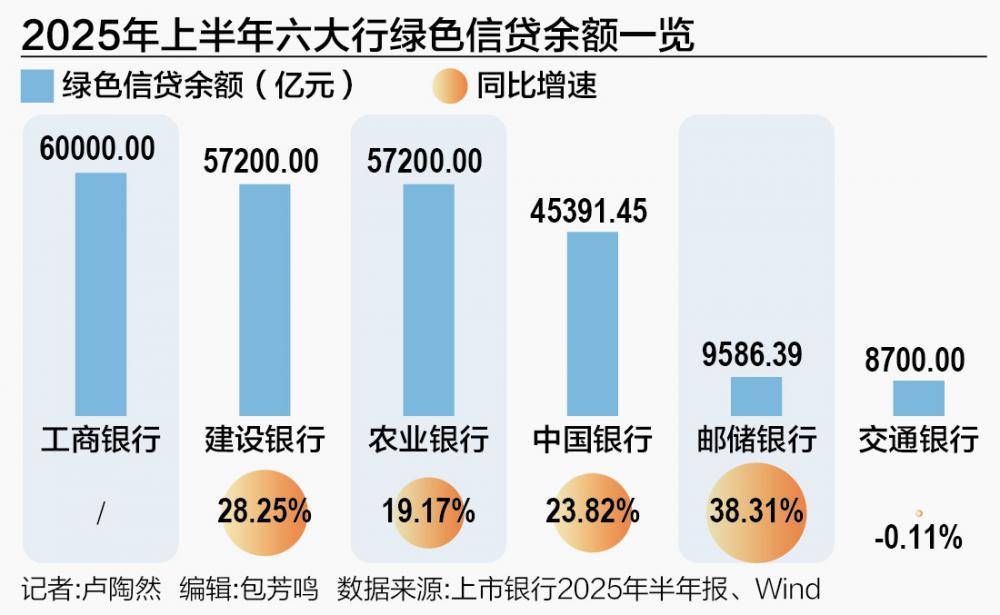
Core Insights - As of the end of Q2 2025, China's green loan balance reached approximately 42.4 trillion yuan, and the green bond balance exceeded 2.2 trillion yuan, positioning China among the top globally [1] - The carbon reduction support tool has guided financial institutions to issue carbon reduction loans exceeding 1.38 trillion yuan [1] - A total of 37 listed banks reported a combined green loan balance of 29.22 trillion yuan, with an average balance exceeding 800 billion yuan, reflecting a year-on-year growth of 41.79% [1][5] Green Loan Growth - The green loan balance of the banking system in China is leading globally, with state-owned banks playing a significant role [4] - Among the six major state-owned banks, the Industrial and Commercial Bank of China (ICBC) leads with a green loan balance of 6 trillion yuan, followed by China Construction Bank and Agricultural Bank of China, each with 5.72 trillion yuan [5] - Postal Savings Bank of China showed a remarkable year-on-year growth rate of 38.31%, nearing the 1 trillion yuan mark [5] Innovation in Green Financial Products - Banks are actively expanding and innovating specialized green financial products and service models, covering areas such as clean energy and environmental remediation [2] - The green financial product system is becoming increasingly diverse, showcasing various practical paths and innovative outcomes [2] Carbon Reduction Support Tool - The carbon reduction support tool is becoming a key indicator of banks' green financial capabilities, effectively directing financial resources towards green and low-carbon sectors [9] - In Q2 2025, 16 banks reported carbon reduction loans that facilitated a carbon reduction equivalent of over 7 million tons, with a total loan amount of nearly 24 billion yuan [9] - Major banks like ICBC and China Construction Bank have over 100 projects funded through carbon reduction loans, leading in both project numbers and loan amounts [9] Performance of Smaller Banks - Smaller banks, including city commercial banks and rural commercial banks, are showing significant growth in green loan balances, with some achieving substantial year-on-year increases [8] - Zhangjiagang Rural Commercial Bank led the rural commercial banks with a growth rate of 30.25% in green loan balances [7] - Smaller banks are encouraged to leverage local advantages and develop differentiated paths to support local green projects [8]







服贸会秀“绿”绩:42.4万亿信贷筑基,碳减排工具成效初显
2 1 Shi Ji Jing Ji Bao Dao· 2025-09-12 13:09
Core Insights - The balance of green loans in China is approximately 42.4 trillion yuan, and the balance of green bonds exceeds 2.2 trillion yuan, placing these figures among the highest globally [1] - As of September 12, 2025, 37 listed banks reported a total green loan balance of 29.22 trillion yuan, with an average balance exceeding 800 billion yuan, reflecting a year-on-year growth of 41.79% [3] - The carbon reduction support tool has led to over 1.38 trillion yuan in carbon reduction loans issued by financial institutions, indicating significant progress in green finance [1][6] Green Loan Growth - The green loan balance of 37 listed banks reached 29.22 trillion yuan, with state-owned banks holding over 20 trillion yuan, accounting for nearly half of the total [3] - Industrial and Commercial Bank of China leads with a green loan balance of 6 trillion yuan, followed by China Construction Bank and Agricultural Bank of China, each with approximately 5.72 trillion yuan [3] - Postal Savings Bank of China showed a remarkable year-on-year growth of 38%, nearing the 1 trillion yuan mark [3] Innovation in Green Financial Products - Banks are actively expanding and innovating specialized green financial products and service models, covering areas such as clean energy and environmental remediation [2] - The green financial product system is becoming increasingly diverse, showcasing various practical paths and innovative outcomes [2] Carbon Reduction Support Tool - The carbon reduction support tool is becoming a key indicator of banks' green finance capabilities, effectively guiding financial resources towards green and low-carbon sectors [6] - In the second quarter of 2025, 16 banks reported carbon reduction loans leading to over 7 million tons of carbon reduction, with a total loan amount of nearly 24 billion yuan [6] - Major banks like ICBC and CCB have over 100 projects funded through carbon reduction loans, demonstrating their significant role in this area [6] Performance of Smaller Banks - Smaller banks are showing strong growth in green loan scales, with some achieving substantial increases in 2024 [5] - Banks like Xi'an Bank and Shaoxing Ruifeng Rural Commercial Bank reported green loan growth rates of 202.75% and 144.63%, respectively [5] - There is a need for smaller banks to leverage local advantages and develop differentiated paths in green finance [5]
央行:调整后的一级交易商考评办法将从2025年启用,考评期内行为不当的一级交易商将被暂停参与公开市场操作
Sou Hu Cai Jing· 2025-09-12 10:45
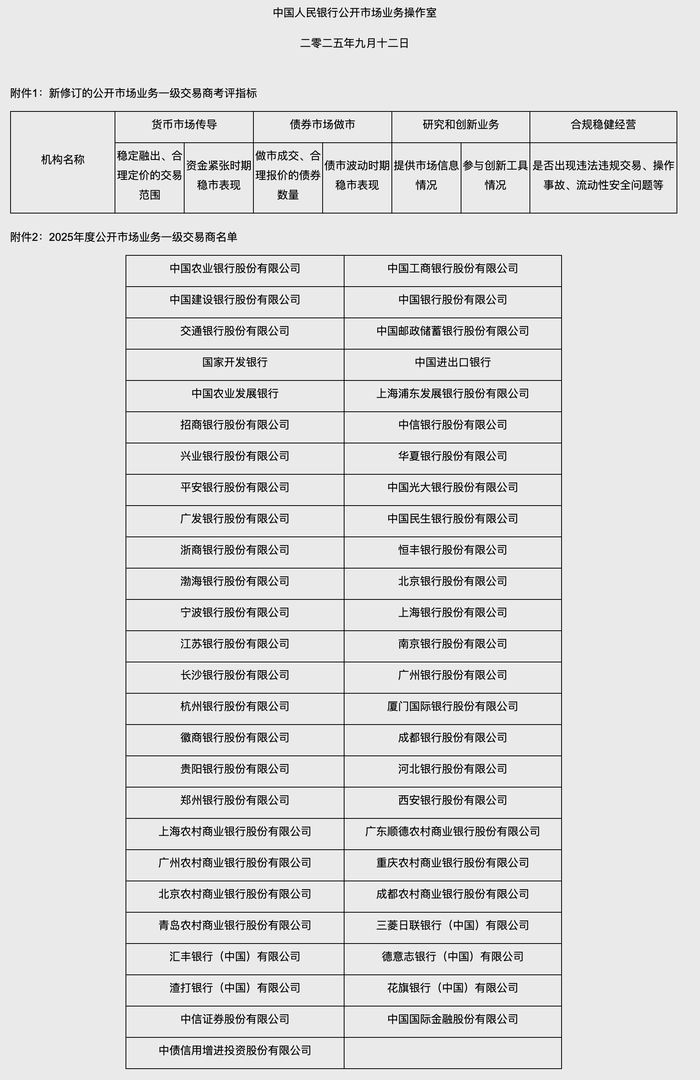
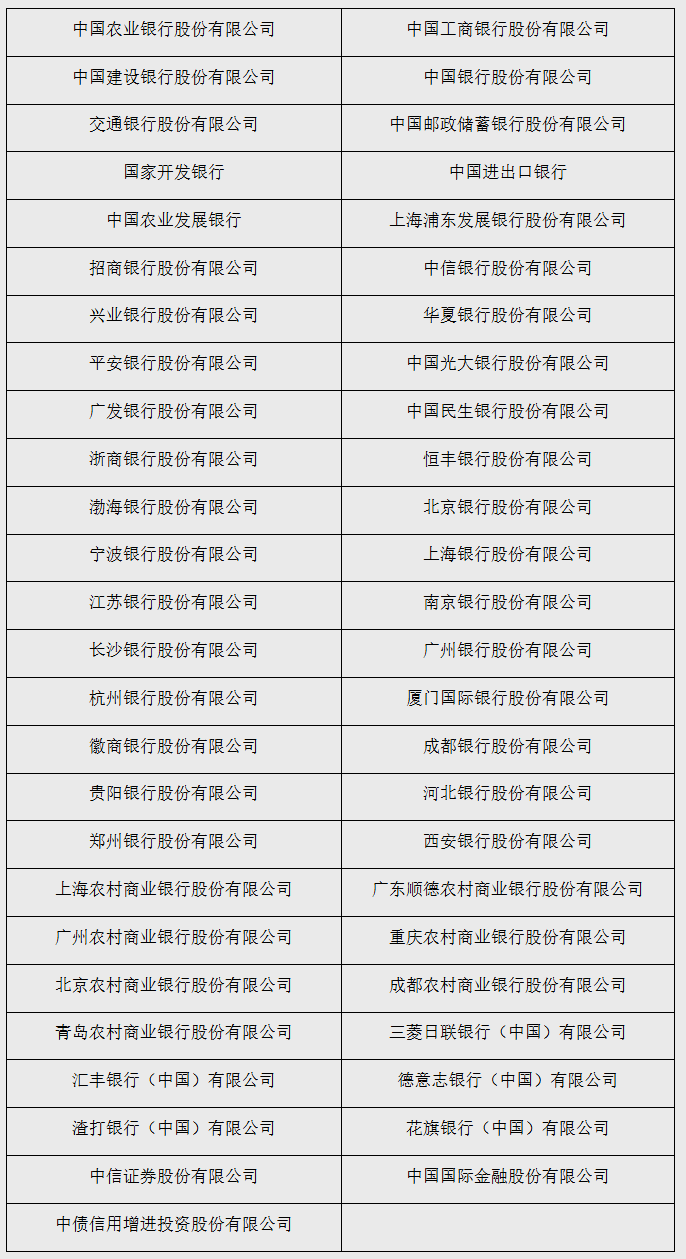
Core Viewpoint - The People's Bank of China (PBOC) has established a new evaluation mechanism for primary dealers in the open market, which will be implemented in 2025, aiming to enhance the transmission of monetary policy and adapt to the evolving financial market [1]. Group 1: Evaluation Mechanism - The PBOC's evaluation mechanism for primary dealers was first established in 2004 and adjusted in 2018 to support smooth open market operations [1]. - The new evaluation method will focus on optimizing and simplifying assessment indicators, categorizing institutions for evaluation, and strengthening the linkage with bond market makers [1]. - The list of primary dealers for the year 2025 will remain unchanged, and any dealer exhibiting inappropriate behavior during the evaluation period may be suspended from participating in open market operations [1]. Group 2: Institutions Involved - A comprehensive list of institutions that will be evaluated includes major banks such as Agricultural Bank of China, Industrial and Commercial Bank of China, China Construction Bank, and Bank of China, among others [3][4]. - The evaluation will consider factors such as stable lending, reasonable pricing, market performance during tight funding periods, and compliance with operational standards [3].






央行公布2025年度公开市场业务一级交易商名单
Sou Hu Cai Jing· 2025-09-12 10:45
Core Viewpoint - The People's Bank of China (PBOC) announced adjustments to the evaluation criteria for primary dealers in the open market to enhance monetary policy transmission and align with financial market developments, effective from 2025 [1]. Group 1: Evaluation Criteria Adjustments - The revised evaluation criteria for primary dealers will focus on aspects such as monetary market transmission, bond market making, research and innovation, and compliance with stable operations [1]. - The list of primary dealers for the year 2025 will remain unchanged despite the new evaluation criteria [1]. Group 2: Consequences of Non-compliance - Primary dealers that engage in improper conduct during the evaluation period will be suspended from participating in open market operations, with severe cases leading to disqualification in the following year [3].
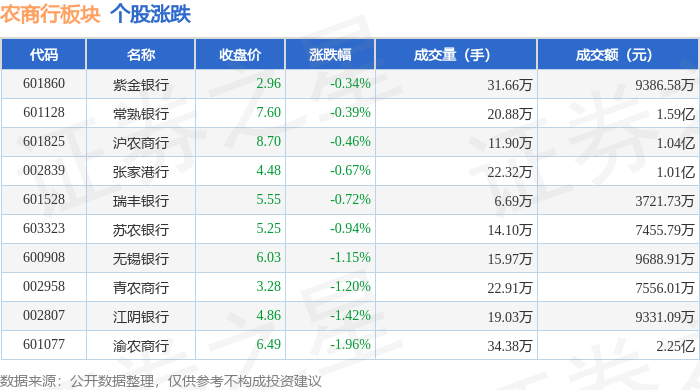
农商行板块9月12日跌1.2%,渝农商行领跌,主力资金净流出1.18亿元
Zheng Xing Xing Ye Ri Bao· 2025-09-12 08:38
Core Points - The rural commercial bank sector experienced a decline of 1.2% on September 12, with Yunnan Rural Commercial Bank leading the drop [1] - The Shanghai Composite Index closed at 3883.69, up 0.22%, while the Shenzhen Component Index closed at 12996.38, up 0.13% [1] Stock Performance - The closing prices and changes for key rural commercial banks are as follows: - Zijin Bank: 2.96, -0.34% - Changshu Bank: 7.60, -0.39% - Shanghai Rural Commercial Bank: 8.70, -0.46% - Zhangjiagang Bank: 4.48, -0.67% - Ruifeng Bank: 5.55, -0.72% - Sunong Bank: 5.25, -0.94% - Wuxi Bank: 6.03, -1.15% - Qingnong Bank: 3.28, -1.20% - Jiangyin Bank: 4.86, -1.42% - Yunnan Rural Commercial Bank: 6.49, -1.96% [1] Capital Flow - The rural commercial bank sector saw a net outflow of 118 million yuan from main funds, while retail investors contributed a net inflow of 108 million yuan [1] - Detailed capital flow for individual banks shows: - Ruifeng Bank: Main funds -189.46 thousand, Retail funds +66.01 thousand - Shanghai Rural Commercial Bank: Main funds -543.89 thousand, Retail funds +117.60 thousand - Zijin Bank: Main funds -740.49 thousand, Retail funds +762.08 thousand - Wuxi Bank: Main funds -831.59 thousand, Retail funds +881.56 thousand - Zhangjiagang Bank: Main funds -1087.07 thousand, Retail funds +1526.36 thousand - Qingnong Bank: Main funds -1198.02 thousand, Retail funds +899.30 thousand - Sunong Bank: Main funds -1200.33 thousand, Retail funds +764.96 thousand - Jiangyin Bank: Main funds -1627.70 thousand, Retail funds +850.10 thousand - Changshu Bank: Main funds -1722.64 thousand, Retail funds +2455.71 thousand - Yunnan Rural Commercial Bank: Main funds -2678.88 thousand, Retail funds +2524.52 thousand [2]
再现“村并村”!年内已有百余起村镇银行整合
券商中国· 2025-09-12 06:11
Core Viewpoint - The article discusses the increasing trend of "village merging village" cases in the restructuring of rural banks in China, highlighting the recent merger proposal by Tai'an Hunan Commercial Village Bank to absorb two other village banks under the same parent bank, Shanghai Rural Commercial Bank [2][4]. Group 1: Recent Developments in Rural Bank Mergers - Tai'an Hunan Commercial Village Bank plans to hold a temporary shareholders' meeting on September 29 to review a merger proposal with Dongping Hunan Commercial Village Bank and Ningyang Hunan Commercial Village Bank [2]. - Over a hundred rural bank integration cases have occurred this year, with a notable increase in "village merging village" cases, particularly within the same parent bank [2][5]. - Shanghai Rural Commercial Bank, as a pioneer in establishing rural banks, has initiated this merger as part of a broader trend in the restructuring of rural banks [3][4]. Group 2: Background of Shanghai Rural Commercial Bank - Shanghai Rural Commercial Bank is the first provincial-level joint-stock commercial bank established on the basis of rural credit and has set up numerous rural banks since 2009 [3]. - The bank has established a total of 35 rural banks with a registered capital of 2.904 billion yuan and total assets of 34.132 billion yuan, with a significant portion of loans directed towards farmers and small enterprises [4]. Group 3: Implications of Mergers - The recent mergers reflect a shift in the role of parent banks, which are now acting as backup forces rather than just participants in the restructuring process [5][6]. - The merger of Jiangsu Shuyang Dongwu Village Bank with three other Dongwu banks illustrates this trend, as it will assume all assets, liabilities, and operations of the absorbed banks [6][7]. - In Guizhou, a similar merger involving Guiyang Yunyan Fumin Village Bank absorbing four other Fumin banks has been approved, expanding its operational area [8][9].

沪农商行2025年上半年高分红延续,三大维度筑牢服务型银行根基
Zhong Guo Ji Jin Bao· 2025-09-12 02:51
Core Viewpoint - Shanghai Rural Commercial Bank demonstrates resilience in its operations by focusing on "stabilizing scale, improving efficiency, and controlling risks" in its 2025 interim report, showcasing its commitment to high-quality development while serving the real economy [1][2]. Group 1: Financial Performance - As of June 30, 2025, the bank's total assets reached 15,494.19 billion, a 4.14% increase from the end of the previous year, with loans and advances totaling 7,741.64 billion, up 2.51% [2][3]. - The bank's net profit attributable to shareholders was 70.13 billion, reflecting a 6.69% year-on-year growth after excluding non-recurring items, while operating income was 134.44 billion, up 0.38% [2][3]. - The average deposit interest rate decreased to 1.57%, down 26 basis points year-on-year, surpassing the reduction level of the previous year [3]. Group 2: Asset Quality - The non-performing loan ratio stood at 0.97%, consistently maintained below 1% since its listing, positioning the bank among the top in the industry [3][4]. - The provision coverage ratio reached 336.55%, significantly exceeding the regulatory benchmark of 250% [3]. Group 3: Strategic Initiatives - The bank aims to create value through a three-dimensional service system focusing on functional, exclusive, and emotional values, enhancing its service offerings [4][5]. - In the inclusive finance sector, the bank reported a balance of 913.47 billion in inclusive small and micro loans, a 5.47% increase, and 650.68 billion in agricultural loans, maintaining industry leadership [5][6]. - The bank has developed a "1+N" platform service model for technology enterprises, providing comprehensive support throughout their lifecycle, with technology enterprise loans exceeding 1,200 billion [5][6]. Group 4: Shareholder Returns - The bank announced a mid-year cash dividend of 2.41 yuan per 10 shares, totaling 23.24 billion, with a dividend payout ratio of 33.14%, reflecting a 7 basis point increase from the previous year [7]. - Since its listing in 2021, the bank has maintained a cash dividend ratio of over 30% of its net profit, indicating strong profitability and commitment to shareholder returns [7]. Group 5: Future Outlook - The bank plans to continue its strategy of becoming a service-oriented bank that creates value for customers, aiming to enhance its contributions to the real economy and deepen its specialized operations [8].
沪农商行2025年上半年高分红延续,三大维度筑牢服务型银行根基
中国基金报· 2025-09-12 02:48
Core Viewpoint - Shanghai Rural Commercial Bank demonstrates resilience in its operations by focusing on "stabilizing scale, improving efficiency, and controlling risks" in its 2025 semi-annual report, showcasing its commitment to high-quality development while serving the real economy [2][4]. Group 1: Financial Performance - As of June 30, 2025, the bank's total assets reached 15,494.19 billion, a 4.14% increase from the end of the previous year, with loans and advances totaling 7,741.64 billion, up 2.51% [4]. - The bank's net profit attributable to shareholders was 70.13 billion, reflecting a 6.69% year-on-year growth, while non-interest income reached 38.19 billion, a 2.19% increase, accounting for 28.41% of total revenue [4][5]. - The average deposit interest rate decreased to 1.57%, down 26 basis points year-on-year, exceeding the previous year's reduction [5]. Group 2: Asset Quality - The non-performing loan ratio stood at 0.97%, consistently maintained below 1% since its listing, with a provision coverage ratio of 336.55%, significantly above the regulatory benchmark of 250% [5][6]. Group 3: Strategic Focus - The bank aims to create value through a three-dimensional service system, focusing on functional, exclusive, and emotional values to enhance customer service and expand its service boundaries [7][8]. - In the area of inclusive finance, the bank reported a balance of 91.347 billion in small and micro loans, a 5.47% increase, and 65.068 billion in agricultural loans, maintaining industry leadership [8]. Group 4: Shareholder Returns - The bank announced a mid-year cash dividend of 2.41 yuan per 10 shares, totaling 23.24 billion, with a dividend payout ratio of 33.14%, reflecting a 7 basis point increase from the previous year [11]. - Since its listing in 2021, the bank has consistently maintained a cash dividend ratio above 30% of its net profit, indicating strong profitability and commitment to shareholder returns [11]. Group 5: Future Outlook - The bank plans to continue its strategy of being a service-oriented bank that creates value for customers, aiming to enhance its contributions to the real economy and deepen its specialized operations [12].

普惠金融“期中考“交卷:农行四项指标居首 中小行份额继续下降
2 1 Shi Ji Jing Ji Bao Dao· 2025-09-11 13:01
Core Insights - The share of inclusive finance business by large commercial banks continues to increase, while the market share of rural financial institutions is declining [1][2] - The transition of inclusive finance development in China is moving from "incremental expansion" to "high-quality development" [2][3] Summary by Sections Inclusive Finance Market Share - As of the end of Q2 2024, large commercial banks' inclusive micro-enterprise loans accounted for 45.11% of the total, while rural financial institutions' share dropped to 25.86% from 27.38% in Q1 2023 [1] - The average growth rate of inclusive micro-enterprise loans has been slowing down, with growth rates of 30.9%, 24.9%, 23.6%, 23.3%, and 14.7% from 2020 to 2024 respectively [1] Regulatory Changes - Recent regulatory documents emphasize the shift towards high-quality development, moving away from rigid quantity targets [2][3] - The 2023 and 2024 notifications from the financial regulatory authority focus on maintaining volume, stabilizing prices, and improving structure, with an added emphasis on quality in 2025 [2] Performance of Major Banks - Agricultural Bank of China leads in inclusive micro-enterprise loans with a balance of 3.82 trillion yuan, followed closely by China Construction Bank at 3.74 trillion yuan [4] - Agricultural Bank's loan balance growth rate is the highest among major banks at 18.50%, with other banks like Industrial and Commercial Bank of China and China Bank also showing strong growth [4][5] Client Base and Service Innovations - Agricultural Bank has the largest number of clients for inclusive micro-enterprise loans at 5.2084 million, reflecting a significant increase [5] - The bank is innovating its service offerings by leveraging AI technology and enhancing its online service platforms [6] Focus on Asset Quality - Many banks are prioritizing the improvement of asset quality for inclusive micro-loans, with specific strategies tailored to their client bases [8][9] - Agricultural Bank reported that its non-performing loan rates for inclusive loans are among the best in the industry, indicating effective risk management practices [11]

中小行半年报:有银行房地产不良率超21%
Di Yi Cai Jing· 2025-09-11 12:52
Core Insights - The operating conditions of small and medium-sized banks in China have shown significant differentiation and competition, with new changes emerging in their performance during the first half of the year [2][5]. Group 1: Performance of Listed Banks - As of mid-2023, the total asset scale of 42 A-share listed banks reached approximately 321 trillion yuan, with 27 city commercial banks and rural commercial banks accounting for about 36 trillion yuan, an increase of over 3 trillion yuan compared to the end of last year [3]. - City and rural commercial banks have seen their share of total assets among listed banks rise from less than 11% at the end of last year to approximately 11.21% [4]. - Jiangsu Bank has overtaken Beijing Bank to become the new leader among city commercial banks, with an asset scale of 4.79 trillion yuan, growing at a rate of 21.16%, the highest among all listed banks [5][6]. Group 2: Financial Metrics - Jiangsu Bank reported revenue of 448.64 billion yuan and a net profit of 202.38 billion yuan for the first half of the year, with growth rates of 7.08% and 8.05% respectively, while Beijing Bank's revenue and net profit growth were only 1.02% and 1.12% [5][6]. - The net interest margin (NIM) among listed banks shows significant variation, with the highest being 2.58% for Changshu Bank and the lowest at 1.08% for Xiamen Bank [9][10]. - The overall NIM for commercial banks was reported at 1.42%, with city commercial banks at 1.37% and rural commercial banks at 1.58% [9]. Group 3: Asset Quality and Risks - The non-performing loan (NPL) ratio for city and rural commercial banks remains a critical risk factor, with the highest NPL ratio reported at 1.81% for Lanzhou Bank, and several banks exceeding 1.7% [10][12]. - Qingnong Bank's NPL ratio for real estate loans surged from 7.17% to 21.32%, indicating significant risk exposure in this sector [12][13]. - The report highlights that personal loans and loans to the real estate sector are primary areas of risk exposure for banks [12]. Group 4: Non-Listed Banks - Non-listed small and medium-sized banks have also experienced changes, with some rural commercial banks seeing significant declines in asset scale, such as Ningbo Yinzhou Rural Commercial Bank, which dropped by 15.45% [14]. - The reliance on financial investments has increased among banks, particularly rural commercial banks, with some reporting financial investments constituting over 45% of their total assets [14][15].