绿色供应链金融

Search documents
2026年中国中小银行行业政策、产业链、资产规模、竞争格局及趋势研判:数字化转型与绿色金融深化,推动中小银行资产规模与竞争力同步提升[图]
Chan Ye Xin Xi Wang· 2026-01-19 01:16
Core Viewpoint - The small and medium-sized banks in China play a crucial role in supporting the long-term development of the economy by fostering private enterprises and small businesses, thus contributing to local economic prosperity and advancing financial market reforms [1][9]. Summary by Sections 1. Overview of the Small and Medium-Sized Banking Industry - Small and medium-sized banks are generally defined as all banks excluding the six major state-owned banks. They include national joint-stock banks, urban commercial banks, rural commercial banks, private banks, credit cooperatives, and village banks [3][10]. 2. Industry Policies - The Chinese government has shown significant attention to the development of small and medium-sized banks, continuously optimizing the policy environment to support industry growth. For instance, in January 2025, the government issued guidelines to enhance rural banking services and support small enterprises [5][6]. 3. Industry Chain - The upstream of the small and medium-sized banking industry includes IT service providers, payment platforms, financial market participants, and hardware/software suppliers. The midstream consists of the banks themselves, while the downstream includes consumers and businesses utilizing banking services [7][8]. 4. Current Development Status - Small and medium-sized banks have significantly expanded their total assets, reaching 192.25 trillion yuan in 2024, a year-on-year increase of 6.39%. By November 2025, total assets are projected to reach 201.6 trillion yuan, with a growth rate of 6.49% [1][9]. 5. Competitive Landscape and Key Enterprises - The competitive landscape of the small and medium-sized banking industry shows a clear tiered structure. The first tier includes major banks like China Merchants Bank and Shanghai Pudong Development Bank, while the second tier consists of regional banks like Beijing Bank and Shanghai Bank. The third tier includes numerous local rural financial institutions [14][15]. 6. Development Trends - Digital transformation is becoming a core competitive advantage for small and medium-sized banks, with a focus on data-driven operations and enhanced customer experiences through technology [18]. - Green finance is transitioning from concept to practice, with banks expected to integrate environmental risk assessments into their lending processes and develop specialized products to support sustainable initiatives [19]. - Regional and specialized operations are expected to deepen, with banks focusing on local economic characteristics and developing tailored financial solutions for small and micro enterprises [21].




锚定“双碳” 创新领跑 广东中行多维构建绿色金融服务生态
2 1 Shi Ji Jing Ji Bao Dao· 2025-12-26 23:23
Core Viewpoint - The article emphasizes the commitment of Guangdong Bank to green finance, aligning with national strategies to promote sustainable economic development through targeted financial support for green industries and projects [1][3][9]. Group 1: Financial Performance and Growth - As of November 2025, Guangdong Bank's green loan balance exceeded 430 billion yuan, with an increase of over 70 billion yuan since the beginning of the year, representing a growth rate of 20%, leading the industry [1]. - The bank's green bond underwriting amount surpassed 6 billion yuan, securing a leading position in the market [1]. Group 2: Strategic Focus on Green Development - Guangdong Bank positions itself as a key player in supporting national strategies, focusing on energy transition and industrial upgrading to facilitate green development [3]. - The bank has established itself as a pioneer in financing offshore wind power projects, being the first to support such projects through credit, with a leading market share in recent provincial approvals [3]. Group 3: Innovative Financing Models - In Maoming, Guangdong Bank introduced a new financing model combining "green finance + preliminary loans + equipment renewal loans" to support a 30 billion yuan refining upgrade project, successfully issuing 1.2 billion yuan in low-cost preliminary loans [4]. - The bank has developed tailored financial services, such as "green supply chain finance," to support the burgeoning electric vehicle industry in the Guangdong-Hong Kong-Macao Greater Bay Area, providing significant interest savings for dealers [5]. Group 4: Support for High-Carbon Industry Transition - Guangdong Bank has initiated several benchmark cases in financing the transition of high-carbon industries, including issuing loans to steel companies for green production and energy efficiency improvements [6]. - The bank has also provided differentiated services to small and medium-sized enterprises, such as the "surface treatment industry cluster loan," facilitating over 100 million yuan in credit to promote circular economy transitions [6]. Group 5: Ecosystem Development for Green Finance - The bank actively participates in establishing a collaborative ecosystem for green finance, engaging in standard-setting and pilot innovations across emerging sectors like marine economy and biodiversity protection [8]. - In Zhuhai, the bank launched a 30 million yuan "green joint loan" to support a marine ranch project, contributing to significant carbon emission reductions [8]. Group 6: Future Outlook - Guangdong Bank aims to continue aligning with national strategies, leveraging innovation and ecological support to provide ongoing financial resources for achieving high-quality development and carbon neutrality goals in Guangdong [9].

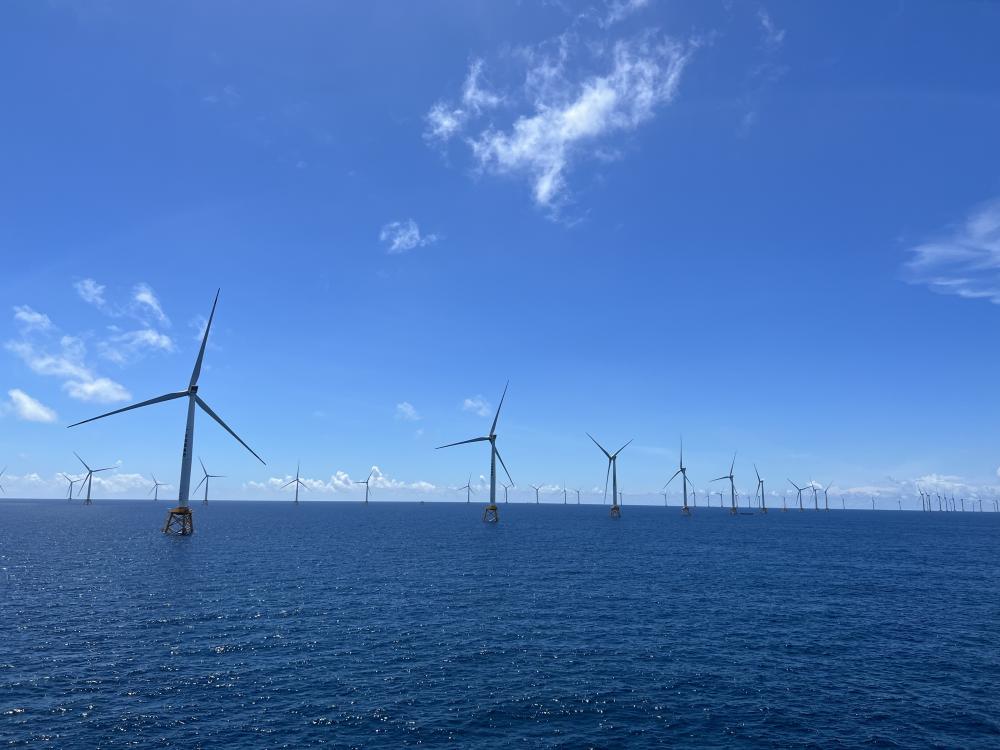
第四届中欧绿色金融论坛举办 共探科技与金融双轮驱动下的绿色转型路径
Zheng Quan Shi Bao Wang· 2025-12-14 08:12
Group 1 - The Fourth China-Europe Green Finance Forum was held at the China Europe International Business School in Shanghai, focusing on "Technology-Driven, Financial Empowerment: Exploring Innovative Paths for Green Transition" [1] - The forum gathered various stakeholders including government departments, financial institutions, leading enterprises, think tanks, and academia to discuss innovative practices in green finance, technology integration, and international collaboration [1] - The China Europe International Business School released its first carbon information disclosure report in 2023, committing to achieve carbon neutrality by 2050 [1] Group 2 - Zhang Junjie, Chief Economist of the Green Finance 60 Forum, discussed climate risk assessment and management in commercial banks, highlighting the increasing complexity of data in green finance [2] - The current policy in China has shifted from merely supporting "green" initiatives to also supporting those that are "becoming green" [2] - Financial tools such as transition bonds and loans, sustainable development-linked loans, green supply chain finance, and green guarantee funds can drive green upgrades by reducing capital costs, incentivizing compatibility, and diversifying risks [2]
金融机构以绿色金融践行“双碳”战略
Zheng Quan Ri Bao· 2025-09-22 16:13
Core Viewpoint - The article emphasizes the significant role of green finance in China's economic transformation towards sustainability, highlighting its contribution to global green governance and the achievement of carbon neutrality goals. Group 1: Green Finance as a Key Driver - Green finance is a crucial component of China's strategy to build a financial powerhouse and is essential for promoting a comprehensive green transformation of the economy and society [1] - Financial institutions are pivotal in this process, acting as key players in facilitating the transition to a green economy [1] Group 2: Support for Green New Momentum - Financial institutions are increasingly adopting systematic approaches to support green new momentum, providing initial funding through green industry funds, private equity financing, and green credit for emerging green technology companies [2] - During the growth phase, they assist companies in accessing direct financing through IPO underwriting and sponsorship, directing funds towards R&D, capacity expansion, and market development [2] - For mature companies, they offer tools like green corporate bonds and asset-backed securities to ensure ongoing development and market position [2] Group 3: Innovation in Green Finance - Financial institutions are innovating to create a modern green finance ecosystem, focusing on product diversification to meet the varied needs of different market participants [3] - New financial products include green notes, green supply chain finance, ESG-themed investment products, carbon-neutral bonds, and sustainability-linked loans [3] - The use of digital technology is enhancing the efficiency and precision of green finance services, with AI and big data improving green identification and blockchain ensuring transparency in fund allocation [3] Group 4: Risk Management and International Cooperation - Financial institutions are integrating climate risk into their risk management frameworks, enhancing their ability to identify and respond to climate-related risks [4] - They are also engaging in international cooperation to share best practices and tackle global climate challenges collectively [4] - By strengthening risk management and fostering international collaboration, financial institutions are positioning themselves as responsible players in global climate governance [4]
中国民生银行亮相2025服贸会 数智金融成果广受关注
Zhong Guo Jing Ji Wang· 2025-09-16 09:16
Core Viewpoint - China Minsheng Bank showcased its digital financial services and innovative solutions at the 2025 China International Fair for Trade in Services, emphasizing its commitment to high-quality economic development and service to the public [1][3]. Group 1: Exhibition Highlights - The bank's theme "Smart Minsheng for a Shared Future" was central to its presentation, featuring an immersive interactive exhibition that demonstrated its achievements in digital finance, small and micro finance solutions, and technology-driven industrial park development [1]. - The exhibition included four main components: exhibition, discussion, negotiation, and experience, allowing visitors to engage with various financial service applications such as green finance, inclusive finance, and digital finance [1][3]. - Interactive experiences, such as customized "Minsheng Headlines" newspapers and "Minsheng Pension Calculators," were particularly popular, indicating high visitor engagement and satisfaction [3]. Group 2: Strategic Goals - China Minsheng Bank aims to leverage its participation in the fair to deepen the innovative application of financial technology across all business processes, enhancing customer experience and service efficiency [5]. - The bank is committed to contributing greater digital financial strength to support the real economy and social development [5].


服贸会秀“绿”绩
2 1 Shi Ji Jing Ji Bao Dao· 2025-09-12 23:06
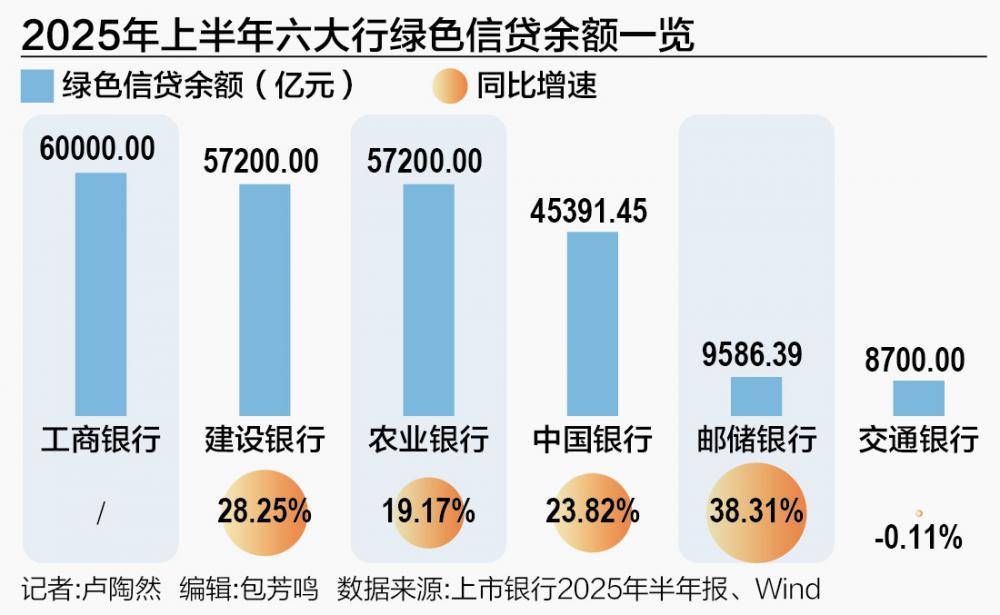
Core Insights - As of the end of Q2 2025, China's green loan balance reached approximately 42.4 trillion yuan, and the green bond balance exceeded 2.2 trillion yuan, positioning China among the top globally [1] - The carbon reduction support tool has guided financial institutions to issue carbon reduction loans exceeding 1.38 trillion yuan [1] - A total of 37 listed banks reported a combined green loan balance of 29.22 trillion yuan, with an average balance exceeding 800 billion yuan, reflecting a year-on-year growth of 41.79% [1][5] Green Loan Growth - The green loan balance of the banking system in China is leading globally, with state-owned banks playing a significant role [4] - Among the six major state-owned banks, the Industrial and Commercial Bank of China (ICBC) leads with a green loan balance of 6 trillion yuan, followed by China Construction Bank and Agricultural Bank of China, each with 5.72 trillion yuan [5] - Postal Savings Bank of China showed a remarkable year-on-year growth rate of 38.31%, nearing the 1 trillion yuan mark [5] Innovation in Green Financial Products - Banks are actively expanding and innovating specialized green financial products and service models, covering areas such as clean energy and environmental remediation [2] - The green financial product system is becoming increasingly diverse, showcasing various practical paths and innovative outcomes [2] Carbon Reduction Support Tool - The carbon reduction support tool is becoming a key indicator of banks' green financial capabilities, effectively directing financial resources towards green and low-carbon sectors [9] - In Q2 2025, 16 banks reported carbon reduction loans that facilitated a carbon reduction equivalent of over 7 million tons, with a total loan amount of nearly 24 billion yuan [9] - Major banks like ICBC and China Construction Bank have over 100 projects funded through carbon reduction loans, leading in both project numbers and loan amounts [9] Performance of Smaller Banks - Smaller banks, including city commercial banks and rural commercial banks, are showing significant growth in green loan balances, with some achieving substantial year-on-year increases [8] - Zhangjiagang Rural Commercial Bank led the rural commercial banks with a growth rate of 30.25% in green loan balances [7] - Smaller banks are encouraged to leverage local advantages and develop differentiated paths to support local green projects [8]





南通农商银行以金融“活水”浇灌长三角高质量发展沃土
Jiang Nan Shi Bao· 2025-08-11 23:13
Core Viewpoint - Nantong Rural Commercial Bank is actively implementing the national Yangtze River Delta integration development strategy, focusing on four main lines: industrial collaboration, inclusive finance, green transformation, and digital empowerment, to drive high-quality economic development in the region [1] Group 1: Financial Performance - As of mid-year, the bank's total loan balance reached 65.921 billion yuan, with a net increase of 3.626 billion yuan, representing a growth rate of 5.82% [1] - The balance of green loans amounted to 84.1908 million yuan, indicating a positive development trend [1] Group 2: Organizational Structure and Talent Development - A green finance working group was established, led by the bank's president, to enhance organizational structure, system construction, and service models, ensuring robust support for the Yangtze River Delta integration development [1] - The bank has created a three-dimensional training system focusing on layered training, practical transformation, and incentive guidance to enhance staff capabilities in green finance [1] Group 3: Green Finance Initiatives - The bank has implemented a "dual-track assessment" mechanism to allocate credit resources effectively, increasing support for green industries such as low-carbon and circular economies [2] - A product matrix including "Green Energy Loan," "Pollution Rights Loan," and "Environmental Loan" has been developed to support projects related to energy conservation, pollution prevention, and ecological restoration [2] - The maximum interest rate for green loans is capped at LPR plus 80 basis points, demonstrating the bank's commitment to benefiting the real economy [2] Group 4: Future Development Strategy - The bank plans to continue its four-dimensional integration strategy of industry, finance, technology, and talent, focusing on product innovation, government-enterprise cooperation, and talent cultivation [3] - Future product development will include carbon emission rights pledge financing and green supply chain finance to support the green transformation of traditional industries [3] - The bank aims to enhance collaboration with government departments and research institutions to create a green industry fund, establishing a virtuous cycle of policy guidance, resource aggregation, and value closure [3]
建设银行淮安分行构建绿色金融发展新格局 为区域经济社会绿色转型注入强劲动能
Jiang Nan Shi Bao· 2025-07-09 02:34
Group 1 - The core focus of the Bank of China Huai'an Branch is on achieving "dual carbon" goals by prioritizing ecological and green low-carbon initiatives, optimizing green finance layout to support regional economic and social green transformation [1] - As of the first half of the year, the bank's green loan balance reached 23.5 billion, with an increase of 6 billion since the beginning of the year [1] - The bank has established a green finance leadership team led by senior management to integrate green development concepts into its operational management [1] Group 2 - The bank has successfully integrated green development concepts into inclusive finance, achieving a public green loan growth rate of 29.24%, which is 20.55 percentage points higher than the average loan growth rate [2] - Green loans accounted for 76.98% of the total new public loan additions, highlighting the prominence of green financing in the bank's asset business [2] - The bank focuses on key industries in Huai'an, capturing green financing needs through various channels and actively cultivating emerging markets [2] Group 3 - In addition to green credit, the bank is also developing green bonds and other non-loan businesses, leveraging its comprehensive service advantages to participate in green bond issuance and investment [3] - The bank aims to meet the transformation needs of infrastructure loans through effective green credit solutions [3] - The bank is innovating products and services such as green supply chain finance and green payment solutions to address customer needs throughout their lifecycle [3]
红色引擎强动力 实干担当展作为
Bei Jing Ri Bao Ke Hu Duan· 2025-06-26 01:14
Core Viewpoint - Hangzhou Bank Beijing Branch integrates its red gene into its financial operations, emphasizing "finance for the people" while supporting high-quality development in the capital [1] Group 1: Political and Organizational Foundations - The bank prioritizes political construction and has established a "first agenda" system to guide its development direction [1] - A comprehensive learning system has been developed, including over 100 special learning activities related to the 20th National Congress of the Communist Party of China [3] - The bank enhances grassroots party organization capabilities, focusing on standardized party branch setups and refined member management [4] Group 2: Integration of Party Building and Business - The bank aims to merge party building with business development, creating a "Party Building + Business" implementation plan to drive growth [5] - It actively collaborates with strategic partners to leverage political advantages for business development [5] Group 3: Financial Services and Innovation - The bank focuses on serving the real economy through various financial services, including technology finance, green finance, and inclusive finance [8][9] - It has implemented strategies to support technology enterprises with comprehensive financial services from startup to maturity [9] - The bank promotes green finance by supporting projects like the Beijing sub-center and Winter Olympics venues, contributing to low-carbon transitions [9] Group 4: Digital Transformation and Risk Management - The bank is advancing digital finance by integrating services into various sectors, enhancing efficiency and customer experience [10] - It has established risk monitoring models and upgraded anti-money laundering systems to maintain asset quality and prevent systemic financial risks [14] Group 5: Commitment to High-Quality Development - The bank is committed to high-quality development, aligning with national strategies and focusing on key sectors like manufacturing and green industries [12] - It aims to enhance customer satisfaction through personalized financial solutions and a comprehensive customer management system [12][13]