Costco

Search documents
X @The Wall Street Journal
The Wall Street Journal· 2026-01-24 10:06
Why wait in line at the Louvre when there’s a Costco nearby? For some Americans traveling abroad, the warehouse retailer is the ultimate tourist attraction.🔗: https://t.co/UvEiad10FF https://t.co/mBGrscD9Gs ...
10 Best Stocks to Buy and Hold for 20 Years
Insider Monkey· 2026-01-23 17:11
Core Viewpoint - The article discusses the best stocks to buy and hold for 20 years, emphasizing the importance of durable fundamentals and long-term investment strategies in a complex market environment marked by geopolitical risks and economic uncertainties [2][5]. Market Environment - The investment landscape in 2026 is characterized by geopolitical risks, U.S. midterm elections, a leadership transition at the Federal Reserve, and diverging global monetary policies [2]. - Analysts project modest gains for equities in the U.S., Europe, and Japan, with over half of market participants predicting a potential correction due to concerns over AI-driven valuations [2]. Long-term Outlook - Despite short-term cautious sentiment, the long-term outlook remains positive, with historical trends suggesting that market pullbacks are temporary pauses in a bull cycle [3]. - AI is viewed as a solution to structural labor shortages, with the potential to support durable growth even if some stocks underperform [3]. Earnings Momentum - Earnings momentum for U.S. small caps is expected to improve as rate pressures ease, with optimism building around anticipated Federal Reserve rate cuts in 2026 [4]. - Goldman Sachs has a positive outlook based on strong economic momentum, easing inflation, healthy corporate balance sheets, and sustained AI-driven investment [4]. Stock Selection Methodology - The list of the "10 best stocks to buy and hold for 20 years" was curated using AI chatbots to identify stocks with strong fundamentals and positive analyst and hedge fund sentiment [5][7]. - Hedge fund sentiment was measured using Insider Monkey's database, which tracks 978 stocks as of Q3 2025, and stocks were ranked by upside potential [8]. Stock Highlights - **Costco Wholesale Corporation (NASDAQ:COST)**: Expected to benefit from increased consumer spending due to tax refunds, with a projected incremental $75 billion in refunds for households earning under $200,000 [11]. The company declared a quarterly cash dividend of $1.30 per share [12]. - **Berkshire Hathaway Inc. (NYSE:BRK-B)**: Possibly exiting its 27.5% stake in Kraft Heinz, with the potential resale of 325.4 million shares valued at approximately $7.7 billion [14][15]. The company also finalized a $9.7 billion acquisition of OxyChem, reflecting a strategy to focus on stable, cash-generative assets [17]. - **Eli Lilly and Company (NYSE:LLY)**: Received FDA Breakthrough Therapy designation for a new cancer treatment, enhancing its oncology pipeline visibility [20]. The company is advancing into a global Phase 3 trial for this asset, which addresses a high unmet need in ovarian cancer [21].



A Closer Look at Costco Wholesale's Options Market Dynamics - Costco Wholesale (NASDAQ:COST)
Benzinga· 2026-01-23 15:00
Core Viewpoint - Investors with significant capital have adopted a bearish stance on Costco Wholesale, indicating potential market movements or insider knowledge regarding upcoming events [1][2]. Options Trading Activity - The sentiment among large-money traders is predominantly bearish, with 63% of positions being bearish and only 36% bullish. Notably, there were 11 options trades identified, including 1 put option worth $37,000 and 10 call options totaling $643,669 [3][2]. - The major market movers are focusing on a price range between $740.0 and $1060.0 for Costco Wholesale over the past three months, suggesting a strategic interest in this price band [4]. Volume and Open Interest - The mean open interest for Costco Wholesale options trades is 346.2, with a total trading volume of 156.00, indicating a moderate level of activity in the options market [5]. Largest Options Trades - Significant options trades include a bearish call sweep with a total trade price of $162.6K and various bullish trades with total prices ranging from $61.2K to $112.0K, reflecting mixed sentiments among traders [9]. Company Overview - Costco Wholesale operates approximately 910 warehouses globally, serving over 80 million members. The company generates about 73% of its revenue from the US, with grocery offerings accounting for 55% of fiscal 2025 revenue [10]. - Analysts have issued ratings for Costco Wholesale, with a consensus target price of $1066.67, reflecting a generally positive outlook despite current bearish options activity [11]. Current Stock Performance - The stock price of COST is currently at $977.35, showing a slight increase of 0.12%. Analysts maintain optimistic ratings, with target prices of $1000 and $1100 from different firms [13].

Costco Introduced a Controversial Perk Last Year -- and It Plans to Follow This Up With 4 New Benefits in 2026
The Motley Fool· 2026-01-23 09:06
Core Insights - Costco is continuously evolving its membership model, introducing new perks for its over 81 million paying members, which is crucial for maintaining customer satisfaction and loyalty [1][5][9] Industry Overview - The global retail industry is projected to grow from approximately $29.8 trillion in 2026 to about $41.5 trillion by 2031, with a compound annual growth rate of nearly 6.9% [2] - The retail space is highly competitive, making it challenging for companies to differentiate themselves while maintaining profitability [3] Company Developments - Costco plans to introduce four new benefits for its members in 2026, aimed at enhancing the value of membership [11] - The company raised its annual membership fee in September 2024, with Executive members receiving enhanced perks, including a 2% cash back reward of up to $1,250 and a $10 monthly credit with Instacart [6][8] New Member Benefits - **Digital Membership Scanning at Food Courts**: Starting in 2026, members will need to scan their membership cards to access food court items, reinforcing the value of membership [12][13] - **Standalone Gas Station**: Costco is opening its first standalone gas station in Mission Viejo, California, which will only be accessible to paying members [14][15] - **Expansion of Pre-scan Technology**: The company will enhance its pre-scanning technology at checkout, potentially reducing checkout times by up to 20% [17][18] - **Prescription Drug Price Transparency**: A partnership with Navitus will allow members to see the cost of prescription drugs, promoting transparency in pricing [19][20][21] Financial Insights - Membership fees, while a small fraction of Costco's net revenue, are high-margin and contribute significantly to operating income [9]
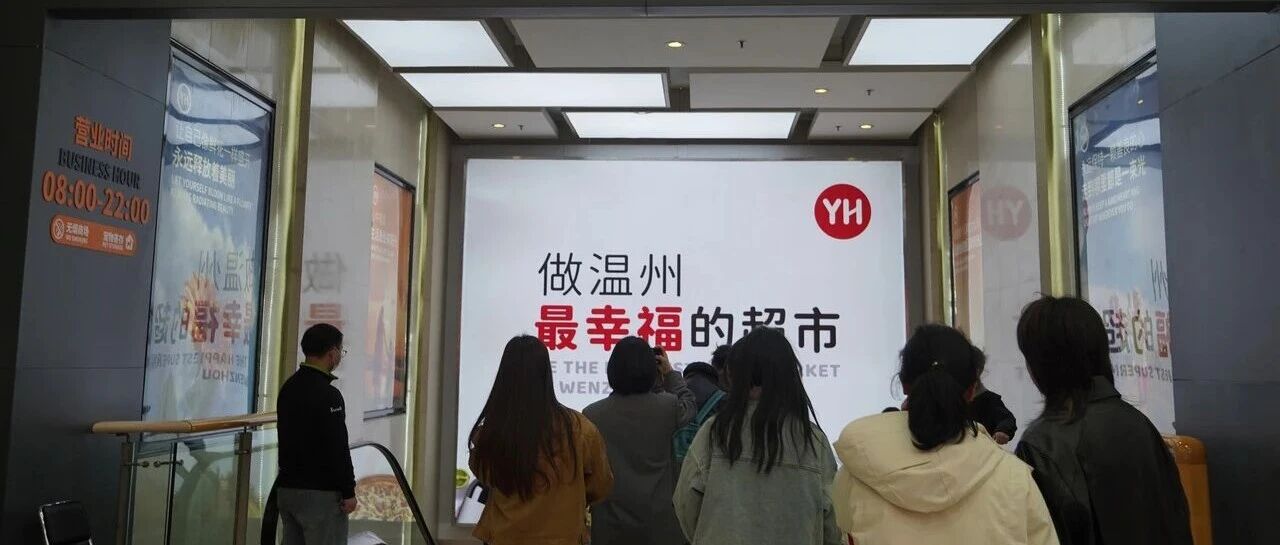
胖东来第一批学徒已挂科
投资界· 2026-01-23 01:01
Core Viewpoint - The article discusses the challenges and complexities faced by traditional supermarkets in China, particularly in the context of learning from the successful model of "胖东来" (Pang Donglai), highlighting the difficulties in replicating its success and the inherent issues within the retail industry [1][3]. Group 1: Industry Challenges - The retail industry is undergoing significant changes, with major players like 永辉超市 (Yonghui Supermarket) facing substantial losses and operational difficulties, including a projected annual loss and a significant drop in revenue [5][6]. - The traditional supermarket model relies heavily on channel fees from suppliers, which has created a complex and often corrupt procurement system that hampers operational efficiency [10][11]. - The shift towards a new model, as exemplified by 胖东来, involves reducing reliance on key account (KA) fees and focusing on direct consumer sales, which requires a fundamental change in operational strategy [10][12]. Group 2: Learning from 胖东来 - Many supermarkets are attempting to emulate 胖东来’s success, but the process has proven difficult, with many struggling to understand and implement the necessary changes [5][6]. - 胖东来 has achieved remarkable sales growth, completing its 200 billion sales target ahead of schedule, which has drawn attention from competitors [5][6]. - The key to 胖东来’s success lies in its ability to redefine the relationship between supermarkets and suppliers, emphasizing product customization and direct consumer engagement [10][12]. Group 3: Management and Organizational Issues - The restructuring efforts at 永辉超市 have led to significant changes in management, including the departure of key executives, indicating the challenges of implementing a new operational model [11][12]. - The complexity of managing a large supermarket chain is exacerbated by the need to maintain effective procurement practices while also ensuring compliance with new operational standards [19][20]. - 胖东来’s approach to employee compensation and management practices, including high salaries and strict performance standards, is a critical aspect of its operational success, but poses challenges for scalability [13][19]. Group 4: Market Dynamics - The retail market in China is characterized by a large number of small companies operating within a vast market, making it difficult for traditional supermarkets to adapt to changing consumer preferences and competitive pressures [22][24]. - The historical context of retail in China shows that many once-dominant players have struggled to maintain their positions, highlighting the transient nature of success in the industry [23][24]. - The article emphasizes that successful business models are often context-specific and may not be easily replicated, as evidenced by the challenges faced by companies attempting to adopt 胖东来’s strategies [26][27].


5 Best Pattern Trades for This Quarter
Benzinga· 2026-01-22 17:51
Group 1: Seasonal Patterns Overview - The article discusses five seasonal trading patterns that have consistently delivered high returns over time [2][27] - These patterns are based on historical data and are designed to provide actionable trading opportunities [27] Group 2: Tapestry Inc. - Tapestry Inc. (NYSE:TPR) has a seasonal pattern that starts now, with a return on investment (ROI) of 192% over a duration of 35 days [3][5] - The company is known for luxury brands like Coach, Kate Spade, and Stuart Weitzman, and performs well when consumer spending confidence is high [5][6] Group 3: Costco Wholesale Corp. - Costco (NASDAQ:COST) has a seasonal pattern starting in February, with an ROI of 50% over 13 days [7][10] - The company operates on a bulk-buy model and maintains a loyal membership base, making it resilient in volatile markets [9][10] Group 4: SPDR Gold Shares - SPDR Gold Shares (NYSE:GLD) has a seasonal pattern starting in March, with an ROI of 153% over 23 days [10][15] - This pattern aligns with current market momentum and is particularly relevant given the rising gold prices amid economic uncertainty [15][16] Group 5: The Progressive Corp. - The Progressive Corp. (NYSE:PGR) has a seasonal pattern starting on May 16, with an ROI of 128% over 50 days [18][20] - The company is recognized for its strong underwriting and steady revenue, making it a reliable performer during market stress [20][21] Group 6: JPMorgan Chase & Co. - JPMorgan Chase (NYSE:JPM) has a seasonal pattern starting on October 20, with an ROI of 112% over 77 days [22][23] - As the largest bank in the U.S., it is sensitive to interest rate changes and provides insights into market sentiment [25][26]



Costco: Strong Start To 2026 Likely Short-Lived
Seeking Alpha· 2026-01-22 16:48
Group 1 - The company aims to invest in firms with strong qualitative attributes, purchasing them at attractive prices based on fundamentals, and holding them indefinitely [1] - The investment strategy focuses on managing a concentrated portfolio to avoid underperformers while maximizing exposure to high-potential winners [1] - The company plans to publish articles on selected companies approximately three times a week, including extensive quarterly follow-ups and constant updates [1] Group 2 - The company may rate high-quality firms as 'Hold' if their growth opportunities do not meet the required threshold or if the downside risk is deemed too high [1]
Costco: Sell The New Year Rally (NASDAQ:COST)
Seeking Alpha· 2026-01-22 14:19
Core Viewpoint - The analysis remains bearish on Costco Wholesale Corporation (COST) due to concerns over frothy valuation and emerging signs of weakness in the company's performance [1] Financial Performance - Adjusted financial metrics indicate that cracks are starting to appear in Costco's performance, suggesting potential challenges ahead [1]
胖东来的第一批学徒,已经挂科了
商业洞察· 2026-01-22 09:38
Core Viewpoint - The article discusses the challenges and complexities of learning from the "胖东来" (Pang Donglai) retail model, highlighting the struggles of various supermarket chains in adapting to this model and the inherent difficulties in transforming traditional retail practices into a more efficient and profitable system [2][4][14]. Group 1: Industry Challenges - The retail industry is facing significant challenges, with major players like 永辉超市 (Yonghui Supermarket) reporting substantial losses, including a projected annual loss and a nearly 20% revenue decline for 中百 (Zhongbai) [5][10]. - The article notes that while some companies like 步步高 (Bubugao) have shown revenue growth, they still face operational challenges, including a significant drop in net profit [5]. - The difficulties in replicating the success of 胖东来 are emphasized, as many companies struggle to understand and implement the key aspects of its operational model [7][14]. Group 2: Learning from 胖东来 - The essence of learning from 胖东来 lies in fundamentally changing the survival strategies of traditional supermarkets, moving away from a reliance on key account (KA) sales to a model that prioritizes direct consumer engagement and product selection [14][20]. - 胖东来’s model emphasizes the importance of self-owned brands and a direct relationship with suppliers, which contrasts sharply with traditional practices that often involve significant fees for shelf space and product placement [16][19]. - The article highlights the difficulty of changing entrenched procurement practices within traditional supermarkets, which often leads to resistance against adopting new operational models [22][24]. Group 3: Management and Employee Relations - 胖东来 is noted for its generous employee compensation and benefits, which are designed to foster loyalty and reduce corruption within the procurement process [33][39]. - The management practices at 胖东来 are characterized by strict rules and high expectations, which can lead to challenges in maintaining quality as the company scales [44][45]. - The article discusses the complexities of managing a large organization while trying to implement a detailed and rigorous management system, indicating that as companies grow, the effectiveness of such systems may diminish [48][50]. Group 4: Market Dynamics and Future Outlook - The retail landscape is evolving, with traditional supermarkets facing competition from e-commerce and new retail formats, making it essential for them to adapt quickly to changing consumer preferences [56][60]. - The article suggests that the success of 胖东来 may not be easily replicable due to its unique context and the personal leadership style of its founder, indicating a potential "survivor bias" in attempts to emulate its model [62][63]. - The future of retail may require a reevaluation of existing business models, as companies navigate the complexities of modern consumer behavior and market conditions [58][61].
胖东来的第一批学徒,已经挂科了
远川研究所· 2026-01-21 13:03
Core Viewpoint - The article discusses the challenges and complexities faced by companies in the retail sector, particularly in learning from the successful model of "胖东来" (Pang Donglai), highlighting the difficulties in replicating its success due to deep-rooted operational and management issues within traditional supermarket structures [9][14][73]. Group 1: Industry Challenges - The retail industry is undergoing significant adjustments, with companies like 美特好 (Meitehao) announcing plans to learn from Pang Donglai while struggling with operational issues, including store closures and financial instability [3][6]. - Major players in the supermarket sector, such as 永辉超市 (Yonghui Supermarket), are facing severe financial challenges, including projected annual losses and significant revenue declines [6][11]. - The traditional supermarket model relies heavily on fees from brands and suppliers, which can create conflicts and inefficiencies in operations [16][20]. Group 2: Learning from Pang Donglai - Companies attempting to adopt the "Pang Donglai model" often fail to grasp its core principles, which emphasize a fundamental shift in how supermarkets operate, moving away from reliance on key accounts (KA) to focusing on direct consumer sales [15][21]. - The success of Pang Donglai is attributed to its ability to redefine product offerings and supplier relationships, allowing for greater control over inventory and pricing [22][23]. - The challenges of implementing such a model include overcoming entrenched procurement practices and the complexities of managing supplier relationships [24][27]. Group 3: Management and Employee Dynamics - Pang Donglai's approach includes high employee compensation and generous benefits, which are seen as strategies to reduce corruption and improve operational integrity [35][43]. - The management practices at Pang Donglai are characterized by strict performance standards and a focus on efficiency, which may be difficult to maintain as the company scales [49][50]. - The article highlights the importance of aligning employee incentives with company goals to foster a culture of accountability and performance [46][47]. Group 4: Historical Context and Market Dynamics - The evolution of the retail market has seen many once-dominant players fade, illustrating the challenges of sustaining success in a rapidly changing environment [60][62]. - The article emphasizes that successful business models are often context-specific and may not be easily replicated across different markets or conditions [73]. - The historical perspective on retail evolution suggests that many companies may fall into the trap of believing that they can easily replicate the success of others without understanding the underlying factors that contributed to that success [64][66].