自由·爱白酒

Search documents
胖东来的第一批学徒,已经挂科了
首席商业评论· 2026-01-25 04:48
Core Viewpoint - The article discusses the challenges and complexities of replicating the "胖东来" (Pang Donglai) retail model, highlighting the difficulties faced by other supermarkets in adopting this approach and the unique characteristics that define Pang Donglai's success [5][8][29]. Group 1: Industry Challenges - The retail industry is experiencing significant turmoil, with major players like 永辉超市 (Yonghui Supermarket) and 中百 (Zhongbai) reporting substantial losses, while 胖东来 continues to thrive, achieving a sales target of 20 billion yuan ahead of schedule [8][9]. - The traditional supermarket model relies heavily on key account (KA) relationships, which often leads to high fees for suppliers and a lack of control over product selection [10][12]. - The shift towards a new model, as exemplified by 胖东来, involves reducing reliance on KA and focusing on direct consumer sales, which requires a fundamental change in operational strategy [12][13]. Group 2: Management and Organizational Structure - The difficulties in adopting the 胖东来 model stem from the need to overhaul existing procurement systems and the entrenched interests within traditional supermarket structures [13][14]. - The management challenges include maintaining high standards of employee compensation and performance while ensuring that the complexities of large-scale operations do not dilute the effectiveness of management practices [16][22]. - 胖东来’s approach to employee compensation is notably generous, with base salaries for various positions significantly higher than industry standards, which is intended to reduce corruption and improve performance [16][21]. Group 3: Learning from 胖东来 - Other supermarkets attempting to learn from 胖东来 often struggle to implement the necessary changes, as the model requires a deep understanding of operational efficiency and customer engagement [9][30]. - The article emphasizes that simply copying products or practices from 胖东来 is insufficient; a comprehensive transformation of the business model and culture is essential for success [12][31]. - The unique characteristics of 胖东来, including its focus on self-branded products and customer-centric strategies, make it difficult for competitors to replicate its success without significant organizational changes [12][29].



胖东来第一批学徒已挂科
投资界· 2026-01-23 01:01
Core Viewpoint - The article discusses the challenges and complexities faced by traditional supermarkets in China, particularly in the context of learning from the successful model of "胖东来" (Pang Donglai), highlighting the difficulties in replicating its success and the inherent issues within the retail industry [1][3]. Group 1: Industry Challenges - The retail industry is undergoing significant changes, with major players like 永辉超市 (Yonghui Supermarket) facing substantial losses and operational difficulties, including a projected annual loss and a significant drop in revenue [5][6]. - The traditional supermarket model relies heavily on channel fees from suppliers, which has created a complex and often corrupt procurement system that hampers operational efficiency [10][11]. - The shift towards a new model, as exemplified by 胖东来, involves reducing reliance on key account (KA) fees and focusing on direct consumer sales, which requires a fundamental change in operational strategy [10][12]. Group 2: Learning from 胖东来 - Many supermarkets are attempting to emulate 胖东来’s success, but the process has proven difficult, with many struggling to understand and implement the necessary changes [5][6]. - 胖东来 has achieved remarkable sales growth, completing its 200 billion sales target ahead of schedule, which has drawn attention from competitors [5][6]. - The key to 胖东来’s success lies in its ability to redefine the relationship between supermarkets and suppliers, emphasizing product customization and direct consumer engagement [10][12]. Group 3: Management and Organizational Issues - The restructuring efforts at 永辉超市 have led to significant changes in management, including the departure of key executives, indicating the challenges of implementing a new operational model [11][12]. - The complexity of managing a large supermarket chain is exacerbated by the need to maintain effective procurement practices while also ensuring compliance with new operational standards [19][20]. - 胖东来’s approach to employee compensation and management practices, including high salaries and strict performance standards, is a critical aspect of its operational success, but poses challenges for scalability [13][19]. Group 4: Market Dynamics - The retail market in China is characterized by a large number of small companies operating within a vast market, making it difficult for traditional supermarkets to adapt to changing consumer preferences and competitive pressures [22][24]. - The historical context of retail in China shows that many once-dominant players have struggled to maintain their positions, highlighting the transient nature of success in the industry [23][24]. - The article emphasizes that successful business models are often context-specific and may not be easily replicated, as evidenced by the challenges faced by companies attempting to adopt 胖东来’s strategies [26][27].

胖东来的第一批学徒,已经挂科了
商业洞察· 2026-01-22 09:38
Core Viewpoint - The article discusses the challenges and complexities of learning from the "胖东来" (Pang Donglai) retail model, highlighting the struggles of various supermarket chains in adapting to this model and the inherent difficulties in transforming traditional retail practices into a more efficient and profitable system [2][4][14]. Group 1: Industry Challenges - The retail industry is facing significant challenges, with major players like 永辉超市 (Yonghui Supermarket) reporting substantial losses, including a projected annual loss and a nearly 20% revenue decline for 中百 (Zhongbai) [5][10]. - The article notes that while some companies like 步步高 (Bubugao) have shown revenue growth, they still face operational challenges, including a significant drop in net profit [5]. - The difficulties in replicating the success of 胖东来 are emphasized, as many companies struggle to understand and implement the key aspects of its operational model [7][14]. Group 2: Learning from 胖东来 - The essence of learning from 胖东来 lies in fundamentally changing the survival strategies of traditional supermarkets, moving away from a reliance on key account (KA) sales to a model that prioritizes direct consumer engagement and product selection [14][20]. - 胖东来’s model emphasizes the importance of self-owned brands and a direct relationship with suppliers, which contrasts sharply with traditional practices that often involve significant fees for shelf space and product placement [16][19]. - The article highlights the difficulty of changing entrenched procurement practices within traditional supermarkets, which often leads to resistance against adopting new operational models [22][24]. Group 3: Management and Employee Relations - 胖东来 is noted for its generous employee compensation and benefits, which are designed to foster loyalty and reduce corruption within the procurement process [33][39]. - The management practices at 胖东来 are characterized by strict rules and high expectations, which can lead to challenges in maintaining quality as the company scales [44][45]. - The article discusses the complexities of managing a large organization while trying to implement a detailed and rigorous management system, indicating that as companies grow, the effectiveness of such systems may diminish [48][50]. Group 4: Market Dynamics and Future Outlook - The retail landscape is evolving, with traditional supermarkets facing competition from e-commerce and new retail formats, making it essential for them to adapt quickly to changing consumer preferences [56][60]. - The article suggests that the success of 胖东来 may not be easily replicable due to its unique context and the personal leadership style of its founder, indicating a potential "survivor bias" in attempts to emulate its model [62][63]. - The future of retail may require a reevaluation of existing business models, as companies navigate the complexities of modern consumer behavior and market conditions [58][61].
胖东来的第一批学徒,已经挂科了
远川研究所· 2026-01-21 13:03
Core Viewpoint - The article discusses the challenges and complexities faced by companies in the retail sector, particularly in learning from the successful model of "胖东来" (Pang Donglai), highlighting the difficulties in replicating its success due to deep-rooted operational and management issues within traditional supermarket structures [9][14][73]. Group 1: Industry Challenges - The retail industry is undergoing significant adjustments, with companies like 美特好 (Meitehao) announcing plans to learn from Pang Donglai while struggling with operational issues, including store closures and financial instability [3][6]. - Major players in the supermarket sector, such as 永辉超市 (Yonghui Supermarket), are facing severe financial challenges, including projected annual losses and significant revenue declines [6][11]. - The traditional supermarket model relies heavily on fees from brands and suppliers, which can create conflicts and inefficiencies in operations [16][20]. Group 2: Learning from Pang Donglai - Companies attempting to adopt the "Pang Donglai model" often fail to grasp its core principles, which emphasize a fundamental shift in how supermarkets operate, moving away from reliance on key accounts (KA) to focusing on direct consumer sales [15][21]. - The success of Pang Donglai is attributed to its ability to redefine product offerings and supplier relationships, allowing for greater control over inventory and pricing [22][23]. - The challenges of implementing such a model include overcoming entrenched procurement practices and the complexities of managing supplier relationships [24][27]. Group 3: Management and Employee Dynamics - Pang Donglai's approach includes high employee compensation and generous benefits, which are seen as strategies to reduce corruption and improve operational integrity [35][43]. - The management practices at Pang Donglai are characterized by strict performance standards and a focus on efficiency, which may be difficult to maintain as the company scales [49][50]. - The article highlights the importance of aligning employee incentives with company goals to foster a culture of accountability and performance [46][47]. Group 4: Historical Context and Market Dynamics - The evolution of the retail market has seen many once-dominant players fade, illustrating the challenges of sustaining success in a rapidly changing environment [60][62]. - The article emphasizes that successful business models are often context-specific and may not be easily replicated across different markets or conditions [73]. - The historical perspective on retail evolution suggests that many companies may fall into the trap of believing that they can easily replicate the success of others without understanding the underlying factors that contributed to that success [64][66].

新城控股集团新建吾悦广场迎来首家 “胖永辉” 焕新开业
Sou Hu Cai Jing· 2025-12-26 07:14
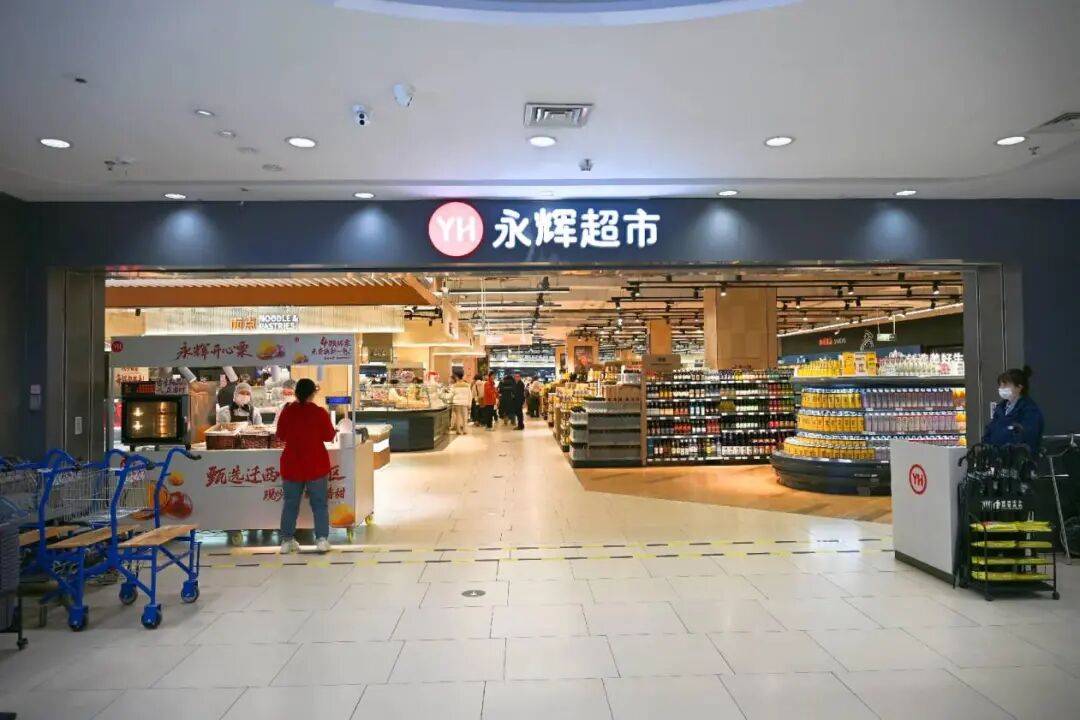
Core Viewpoint - Yonghui Supermarket is accelerating its retail network upgrade in Nanchang, responding to market demand and enhancing quality retail transformation with the opening of the new "Fat Yonghui" store, marking a new phase in its strategic layout in the region [1][19]. Product Structure Optimization - The store has undergone significant product restructuring, adding over 3,400 new items, achieving 80% of the product structure of the "Fat Donglai" model, with imported goods accounting for 12% [3][10]. - Fresh produce remains a traditional strength, with the introduction of differentiated selections and seasonal popular items like Chilean cherries and Dandong strawberries, while maintaining a commitment to quality and affordability [7][10]. In-Store Experience Enhancements - The store has increased the proportion of fresh food and bakery items from 5% to approximately 20%, introducing new ready-to-eat products and seasonal themed items [9][12]. - Customer experience improvements include a more flexible shopping layout, additional checkout counters, and lower shelf heights for better visibility and accessibility [12][13]. Service and Employee Welfare - The store has expanded its service offerings, including customer rest areas and various conveniences like medical supplies and pet storage [13][15]. - Employee numbers have increased from 85 to 150, with improved average salaries and benefits, including paid leave and enhanced working conditions [15][17]. Commitment to Quality and Local Needs - Yonghui aims to meet consumer demand for high-quality, cost-effective products by introducing a dedicated area for its private label and local specialties [10][19]. - The company emphasizes local characteristics and quality upgrades in its product offerings, aiming to create a community shopping space that is welcoming and trustworthy for Nanchang residents [19].

胖东来上半年销售额超百亿元 郑州首店正在施工
Mei Ri Jing Ji Xin Wen· 2025-07-01 13:31
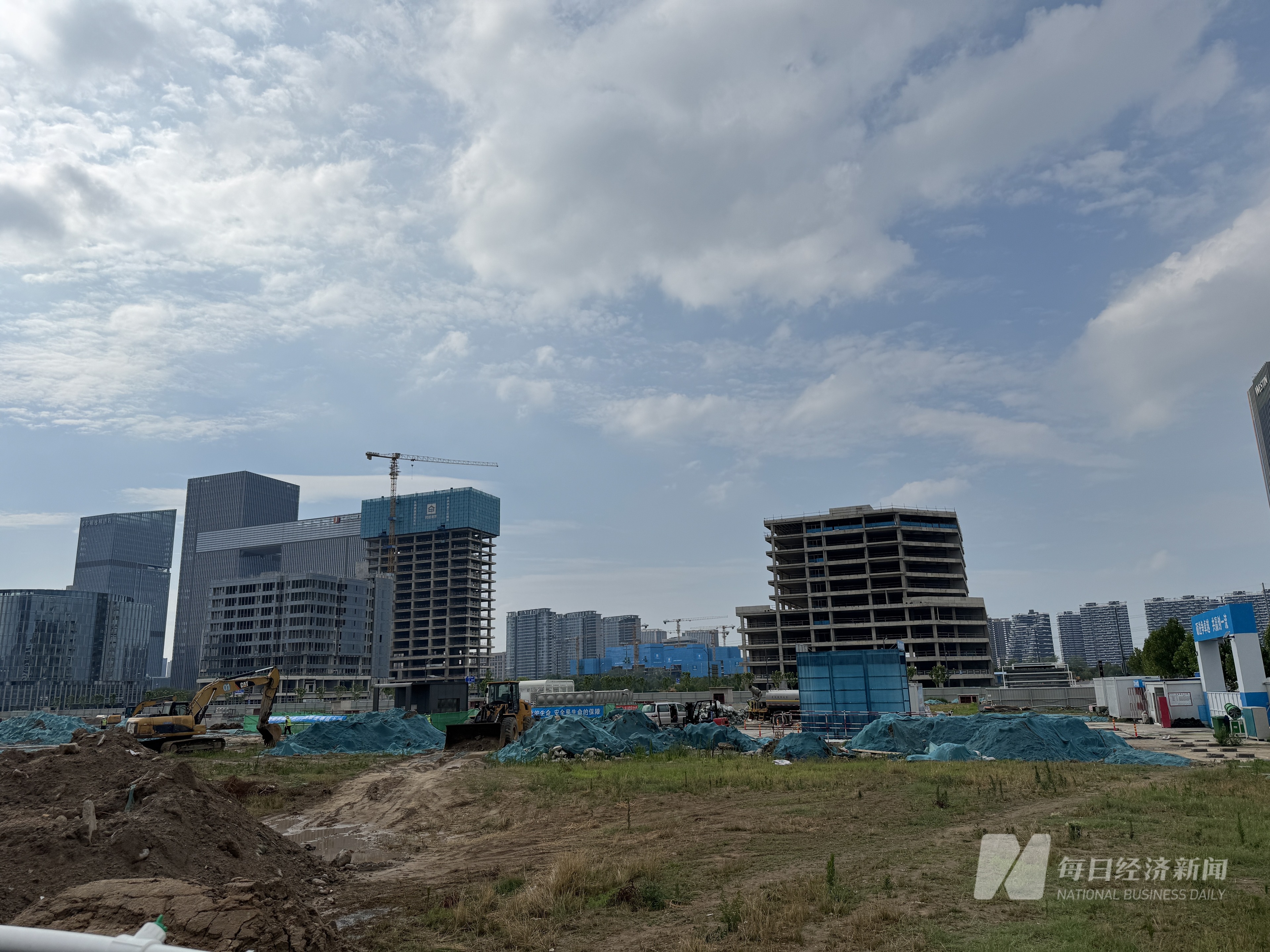
Core Viewpoint - The company, Pang Donglai, reported significant sales growth in the first half of 2025, with total sales exceeding 11.7 billion yuan and June sales reaching 1.68 billion yuan [1][3]. Sales Performance - Supermarket operations are the main sales driver, with total sales of 6.35 billion yuan in the first half of the year [3]. - Other business segments, including jewelry, electronics, and general merchandise, each surpassed 1 billion yuan in sales, with figures of 1.182 billion yuan, 1.180 billion yuan, and 1.170 billion yuan respectively [3]. - The top-performing store, located in Times Square, generated sales of 2.759 billion yuan, followed by Da Pang Store with 1.603 billion yuan, and Angel City and Xiao Pang Store with sales of 1.531 billion yuan and 1.297 billion yuan respectively [5]. Online Sales - The online store achieved sales of 439 million yuan in the first half of the year, which is smaller compared to physical store sales [5]. Future Projections - The company aims to control its total sales for the year at around 20 billion yuan, targeting a profit of 1 billion yuan [5]. - Pang Donglai's private label products are increasingly popular, with over 100 SKUs generating sales of 1.1 billion yuan, accounting for 30% of total sales [6]. Store Expansion and Adjustments - The company is planning to close older stores as leases expire, focusing on opening higher-quality locations [7]. - A new comprehensive commercial project in Xinxiang, in collaboration with Yitong Real Estate, is set to open by the National Day of 2025 [7]. - The first store in Zhengzhou is expected to open before New Year's Day 2026 [11]. Construction Updates - Recent visits to the Zhengzhou project site indicate increased construction activity, with more materials and workers present compared to a month prior [10].