海尔智家

Search documents
2025中国企业ESG“金责奖”评选结果揭晓 共筑可持续发展新生态
新浪财经· 2026-01-16 10:15
Core Viewpoint - By 2025, China's ESG development has transitioned from "setting standards" to "strengthening regulations," with ESG performance becoming a compliance requirement and a crucial link between commercial and social value [2] Group 1: ESG Awards Overview - The 2025 China Enterprise ESG "Golden Responsibility Award" was launched by Sina Finance to recognize companies and institutions that have made outstanding contributions to ESG [2] - The awards include ten categories: Best Environmental Responsibility Award, Best Social Responsibility Award, Best Corporate Governance Responsibility Award, Best Responsibility Initiative Award, Annual Sustainable Development Award, Best Responsible Investment Bank Award, Best Responsible Investment Securities Company Award, Best Responsible Investment Insurance Company Award, Best Responsible Investment Fund Company Award, and Best Responsible Investment Asset Management Institution Award [2] Group 2: Award Winners - Best Environmental Responsibility Award winners include: Sungrow Power Supply, Industrial Fulian, Kweichow Moutai, Geely Automobile, Haier Smart Home, Hisense Visual, Linyang Electronics, Tongwei Co., Weichai Power, and Luxshare Precision [11] - Best Social Responsibility Award winners include: China Shenhua, China General Nuclear Power, China Resources Sanjiu, Sinopec, Shougang Group, Wuliangye, Yangtze Power, China Telecom, China Oilfield Services, and LONGi Green Energy [12] - Best Corporate Governance Responsibility Award winners include: Zijin Mining, SF Holding, ZTE Corporation, Industrial Fulian, JA Solar, SANY Heavy Industry, Nanjing Steel, Bright Dairy, TCL Zhonghuan, and Fuyao Glass [14] - Best Responsibility Initiative Award winners include: FiberHome Technologies, Wens Foodstuff, Haitian Flavoring, Aier Eye Hospital, Yunnan Baiyao, Anke Innovation, and Kingfa Sci. & Tech. [15] - Annual Sustainable Development Award winners include: China General Nuclear Power, Sungrow Power Supply, Kweichow Moutai, Contemporary Amperex Technology, Zijin Mining, Hikvision, Yili Group, Baosteel, Zhejiang Chint Electrics, and China Mobile [15] - Best Responsible Investment Bank Award winners include: Agricultural Bank of China, Industrial and Commercial Bank of China, China Construction Bank, China Merchants Bank, Industrial Bank, and Bank of China [16] - Best Responsible Investment Securities Company Award winners include: Huatai Securities, CICC, Dongfang Securities, CITIC Securities, Guotai Junan, and Haitong Securities [17] - Best Responsible Investment Insurance Company Award winners include: China Life Insurance, Ping An Insurance, China Pacific Insurance, China Re, Sunshine Insurance, and China Life [18] - Best Responsible Investment Fund Company Award winners include: Bosera Funds, Southern Funds, Huaxia Funds, Penghua Funds, Huitianfu Funds, and E Fund [19] - Best Responsible Investment Asset Management Institution Award winners include: China Life Asset Management, Huaxia Wealth, Xingyin Wealth, Taikang Asset, Taiping Asset, and Galaxy Investment [20] Group 3: Outstanding Awards - Outstanding Environmental Responsibility Award winners include: Great Wall Motors, Hikvision, Goldwind, Trina Solar, Midea Group, Tianqi Lithium, Luzhou Laojiao, CIMC, Sinopec, and China Resources Sanjiu [32] - Outstanding Social Responsibility Award winners include: FiberHome Technologies, ZTE Corporation, Contemporary Amperex Technology, Yili Group, Lijun Group, CNOOC Development, State Grid Nanjing, China Railway, Weichai Power, and China National Petroleum [33] - Outstanding Corporate Governance Responsibility Award winners include: Sinopec, China Resources Sanjiu, Hikvision, WuXi AppTec, China Railway Construction, BOE Technology, West Mining, Tongwei Co., Huaxi Bio, and Goldwind [34] - Outstanding Responsibility Initiative Award winners include: ZTE Corporation, Sungrow Power Supply, Hisense Visual, China Merchants Port, Industrial and Commercial Bank of China, Zijin Mining, Shanghai Petrochemical, Lead Intelligent, Inspur Information, and Wuliangye [35] - Outstanding Sustainable Development Award winners include: Wanhu Chemical, Bank of China, Sinopec, ZTE Corporation, Muyuan Foods, Industrial and Commercial Bank of China, Agricultural Bank of China, Weichai Power, Golden Dragon Fish, and JD Logistics [36] - Outstanding Responsible Investment Bank Award winners include: CITIC Bank, Minsheng Bank, Bank of Communications, Pudong Development Bank, Ping An Bank, and Postal Savings Bank [37] - Outstanding Responsible Investment Securities Company Award winners include: Shenwan Hongyuan, Cinda Securities, Galaxy Securities, China Merchants Securities, GF Securities, and Tianfeng Securities [38] - Outstanding Responsible Investment Insurance Company Award winners include: New China Life, AIA, Taikang Insurance, China Pacific Insurance, Industrial and Commercial Bank of China, and China Life Insurance [39] - Outstanding Responsible Investment Fund Company Award winners include: Xingquan Fund, Invesco Great Wall Fund, Chuangjin Hexin Fund, China Merchants Fund, Yinhua Fund, and Industrial Fund [40] - Outstanding Responsible Investment Asset Management Institution Award winners include: Ping An Asset Management, Sunshine Asset, Great Wall Wealth Insurance Asset Management, Agricultural Bank of China Wealth Management, China Life Asset Management, and Jianxin Wealth [41] Group 4: Future Outlook - The committee encourages more Chinese enterprises to integrate ESG concepts into every aspect of production, operation, supply chain collaboration, and strategic planning, emphasizing the importance of sustainable development models that balance commercial and social value [42]







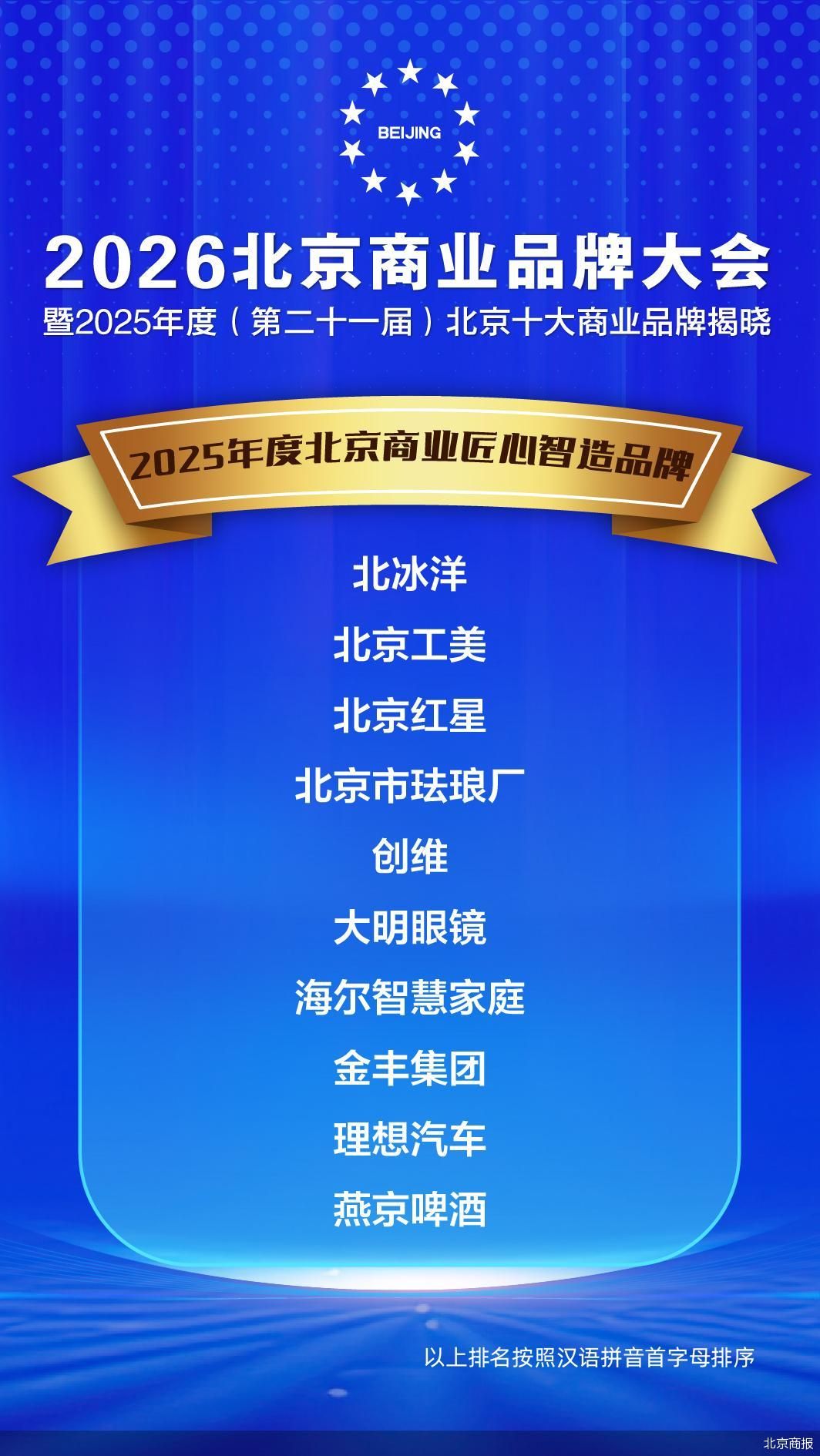
10家品牌荣膺“2025年度北京商业匠心智造品牌”
Bei Jing Shang Bao· 2026-01-16 08:57
Core Insights - The 2026 Beijing Commercial Brand Conference and the announcement of the 2025 Top Ten Commercial Brands took place on January 16, guided by the Beijing Municipal Bureau of Commerce and organized by the Beijing Daily Media Group and the Beijing Commercial Association [1][4] - The theme of the event was "New Demand, New Supply," with government leaders, commercial experts, and corporate representatives gathering to witness the recognition of outstanding brands in Beijing [1] Group 1: Main Awards - The "2025 Top Ten Commercial Brands" represents brands with significant market influence and leadership in industry development [4] - The ten brands awarded as "2025 Beijing Commercial Craftsmanship Brands" include Beibingyang, Beijing Gongmei, Beijing Hongxing, Beijing Enamel Factory, Skyworth, Daming Glasses, Haier Smart Home, Jinfeng Group, Li Auto, and Yanjing Beer [1] Group 2: Subcategories and Special Awards - Four permanent subcategories were introduced: "Beijing Commercial Quality Service Brand," "Beijing Commercial Model Innovation Brand," "Beijing Commercial Craftsmanship Brand," and "Beijing Commercial New Star Brand" [4] - Three new special award categories were introduced for the first time: "2025 Financial Product Innovation Empowering Consumption Excellent Cases," "Beijing Cultural, Commercial, Tourism, and Sports Integration Excellent Cases," and "Beijing Fashion Consumption Power Leading Brand" [4]


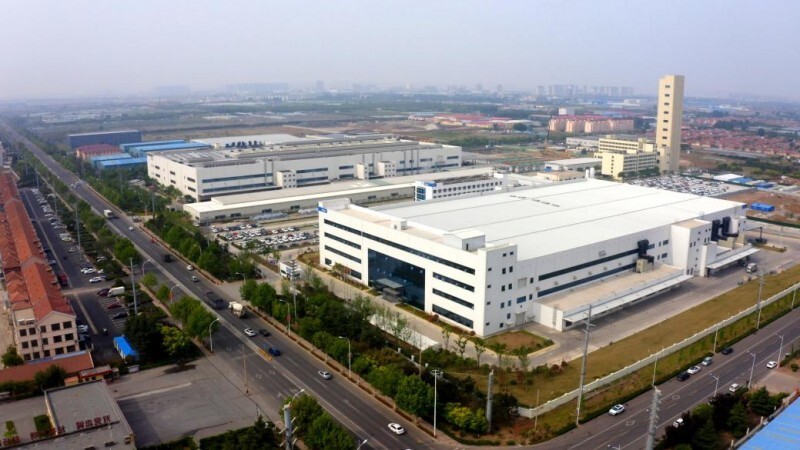
第15批全球灯塔工厂:16家中企上榜,家电行业占3席
Sou Hu Wang· 2026-01-16 07:40
此次入选的3家家电企业,正是中国制造创新路径的鲜活实践样本。以海尔青岛净水互联工厂为例,该 工厂以用户体验为核心,将AI技术深度融入净水全工艺环节,不仅实现了"每滴水纯净""零漏水隐患", 还推动AI应用从"效率引擎"向"生活守护者"进阶,重塑净水行业智能制造标准。 灯塔工厂的持续涌现,不仅彰显出中国家电企业向智能化、数字化转型的坚定决心,更见证了中国制造 从规模驱动向技术引领的关键跃迁。当AI等前沿科技深度渗透生产全流程,当智能制造从单纯的效率 工具升维为价值创造引擎,中国制造正以更智能、更具韧性的姿态,为全球产业升级照亮前行之路。 据了解,全球灯塔网络由世界经济论坛与麦肯锡公司共同发起,旨在表彰在生产效率、供应链韧性、客 户至上、可持续发展和人才等方面表现卓越的世界一流工厂和价值链。最新一批灯塔工厂在三大领域取 得了显著进展:在动荡格局下增强韧性、将AI融入核心运营、在整个网络(而不是单一工厂)扩大数字化 转型规模。 在全球制造业向智能化、数字化深度转型的浪潮中,中国制造正从规模引领迈向质量领跑。作为全球智 能制造领域的最高认证之一,世界经济论坛(WEF)评选的灯塔工厂,已成为衡量企业转型深度与高度的 重 ...
山东青岛:主攻“10+1”产业 构建创新型产业体系
Zhong Guo Xin Wen Wang· 2026-01-16 07:20
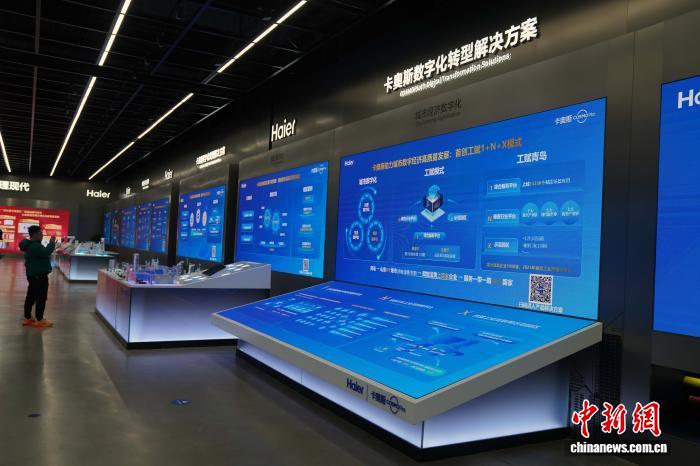
Core Viewpoint - Shandong Qingdao is focusing on the "10+1" industry strategy to build an innovative industrial system [1] Group 1 - The "10+1" industry strategy includes ten key industries plus one emerging industry, aiming to enhance the city's economic structure and innovation capabilities [1] - The initiative is part of a broader effort to foster technological innovation and collaboration among various sectors [1] - Qingdao is investing in industrial internet ecosystems, exemplified by the Haier Kaos Industrial Internet Ecological Park [2] Group 2 - The establishment of the Lu-Gang Technology Cooperation Innovation Center is a significant step towards enhancing regional collaboration in technology [3] - The introduction of transparent factories, such as those by Fengshi Technology, reflects a commitment to modern manufacturing practices [4] - The Qingdao Shangshi Center is noted for its human-centered management services and high-end accommodation, indicating a focus on quality of life and business environment [6]
海尔空调亮相巴基斯坦峰会展示全球化与绿色化成果
Jin Tou Wang· 2026-01-16 07:12
Core Viewpoint - Haier's air conditioning division successfully showcased its innovative products tailored to local needs at the Pakistan dealer summit, emphasizing its commitment to globalization and sustainability [1] Group 1: Globalization Strategy - Haier Air Conditioning has fully implemented its global operational capabilities in Pakistan, launching the T3 air conditioning product matrix designed to maintain strong cooling performance even at extreme temperatures of 70°C, addressing local market demands [2] - The company introduced a five-year "true free" warranty policy in Pakistan, which includes zero labor costs, no hidden fees, and unlimited parts replacement, reflecting its commitment to customer service [2] Group 2: Green Strategy - In response to the high electricity costs in Pakistan, Haier Air Conditioning has developed green energy solutions, including solar-powered air conditioning systems that utilize abundant sunlight to reduce electricity expenses [3] - The company showcased innovations in environmentally friendly refrigerants, such as R32, which enhance energy efficiency while minimizing environmental impact, aligning with its goal of achieving global carbon neutrality by 2050 [3] - Haier Air Conditioning has maintained the number one market share in Pakistan for 18 consecutive years, with a projected revenue growth of 40.3% year-on-year for 2025, achieving 127% of its revenue target [3]
海尔智家取得换热器及空调系统控制方法专利
Sou Hu Cai Jing· 2026-01-16 07:01
Group 1 - Haier Smart Home Co., Ltd. has obtained a patent for "Heat Exchanger, Air Conditioning System, and Control Method for Air Conditioning System," with authorization announcement number CN116658988B, applied on March 2023 [1] - Qingdao Haier Air Conditioning Electronics Co., Ltd., established in 1999, has a registered capital of 9,670.9088914 million RMB and has invested in 14 companies, participated in 4,737 bidding projects, and holds 5000 patents [1] - Qingdao Haier Air Conditioner Co., Ltd., established in 1996, has a registered capital of 93,638.162532 million RMB, invested in 20 companies, participated in 4,894 bidding projects, and holds 5000 patents [1] Group 2 - Qingdao Haier Intelligent Technology Research and Development Co., Ltd., established in 2014, has a registered capital of 13,000 million RMB, invested in 9 companies, participated in 7 bidding projects, and holds 5000 patents [2] - Haier Smart Home Co., Ltd., established in 1994, has a registered capital of 943,811.4893 million RMB, invested in 59 companies, participated in 1,898 bidding projects, and holds 5000 patents [2]
海尔取得空调外机换热系统和空调器专利
Sou Hu Cai Jing· 2026-01-16 06:54
Group 1 - The State Intellectual Property Office of China has granted a patent titled "Air Conditioning Outdoor Unit Heat Exchange System and Air Conditioner" to multiple subsidiaries of Haier, with the application date being June 2023 [1] - Qingdao Haier Air Conditioning Electronics Co., Ltd. was established in 1999, has a registered capital of 9,670.9 million RMB, and has participated in 4,737 bidding projects [1] - Qingdao Haier Air Conditioning Co., Ltd. was founded in 1996, has a registered capital of 9,363.8 million RMB, and has engaged in 4,894 bidding projects [1] Group 2 - Qingdao Haier Intelligent Technology Research and Development Co., Ltd. was established in 2014, with a registered capital of 130 million RMB, and has participated in 7 bidding projects [2] - Haier Smart Home Co., Ltd. was founded in 1994, has a registered capital of 943,811.5 million RMB, and has engaged in 1,898 bidding projects [2] - All mentioned companies have significant patent portfolios, with each having around 5,000 patent records [1][2]
藏于室 融于家!红顶奖见证嵌入式与集成化,定义品质生活新范式
Sou Hu Wang· 2026-01-16 02:48
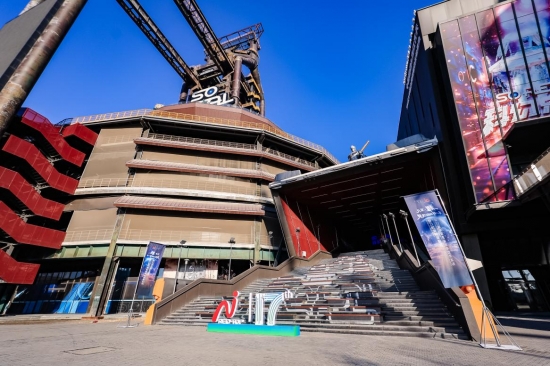
Core Insights - The 17th Red Top Award emphasizes "leading quality consumption and promoting industrial upgrades," marking a significant shift in the high-end home appliance sector towards integrated and embedded products [1][5] - The award-winning products reflect a transformation from niche exploration to mainstream acceptance, highlighting the diminishing boundaries between home appliances and home decor [1][5] Group 1: Design and Aesthetics - The theme "Beauty in Harmony" drives the high-end appliance industry from a focus on individual product aesthetics to a deeper integration of spatial aesthetics [3] - Embedded and integrated designs serve as the core link in achieving a balance between functionality and aesthetics, responding to consumer demands for cohesive home experiences [3][6] Group 2: Award-Winning Products - The 21 award-winning products align with the evaluation criteria of "spatial integration" and "value enhancement," establishing embedded and integrated designs as the core competitiveness in high-end appliances [5] - Notable products include: - Haier's Comfort Wind Series Air Conditioner, which offers a comprehensive air solution with embedded design and integrated technology [8][9] - Bosch's M7s Refrigerator, featuring ultra-thin aesthetics and advanced technology for seamless integration with cabinetry [11] - Vatti's E6095ZS Ultra-thin Range Hood, designed for a unified kitchen aesthetic while maintaining high performance [13] - COLMO's Heat Pump Dishwasher, which integrates cleaning, disinfection, and storage into a cohesive kitchen ecosystem [15] Group 3: Consumer Trends - The shift towards embedded and integrated designs is a precise response to changing consumer expectations, where the desire for aesthetic and practical value in home appliances is paramount [3][6] - Consumers increasingly seek appliances that blend into their living spaces, enhancing both orderliness and sophistication [3][6]
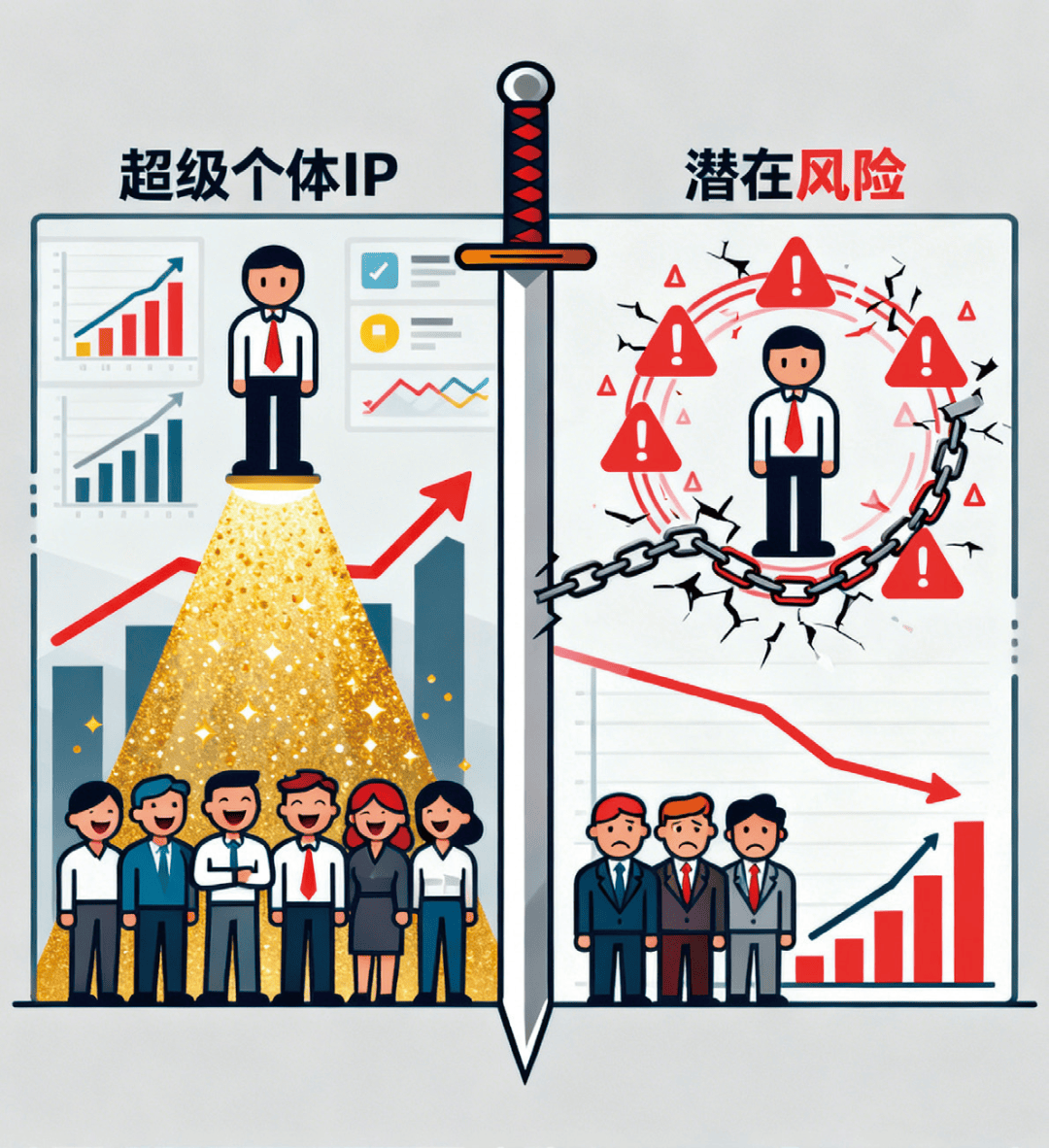
企业家超级个体IP的双刃剑效应
Sou Hu Cai Jing· 2026-01-16 02:47
Core Insights - The article discusses the dual impact of entrepreneur super individual IP on business development, highlighting both the benefits and potential risks associated with it. It introduces the STRATEGY model, which provides a systematic solution for businesses to leverage IP value while mitigating risks. Group 1: Benefits of Super Individual IP - Super individual IP can significantly shorten the brand premium process through trust endorsement effects, as seen with Tesla, where consumers are willing to pay a premium of about 30% for Elon Musk's vision [1]. - It accelerates resource absorption and integration, exemplified by Luo Yonghao attracting investments from 26 institutions, increasing financing efficiency by five times [3]. - The presence of an entrepreneur's personal IP can enhance market response speed, with Xiaomi's product launch events showing that 65% of traffic focused on Lei Jun's speeches, leading to a 90% increase in product conversion rates [4]. Group 2: Costs of Super Individual IP - Over-reliance on an entrepreneur's personal IP can dilute brand assets and create succession challenges, as evidenced by the low confidence index of "post-90s" investors in Gree at 57, compared to Midea's 82 [5]. - Companies may fall into innovation path dependency, with Gree's R&D investment ratio dropping to 2.8%, while Haier's is at 4.1%, indicating a decline in innovation capability [6]. - Misstatements by entrepreneurs can lead to public backlash, as shown by Yu Minhong's controversial internal letter, which sparked negative reactions from employees [7]. - Over-dependence on a founder's personal IP can suppress mid-level decision-making capabilities, potentially weakening the company's market responsiveness [8]. Group 3: STRATEGY Model for Management - The STRATEGY model includes eight dimensions: Strategic Positioning, Talent Cultivation, Risk Control, Alignment Mechanism, Technology Empowerment, Ethical Governance, Global Vision, and Youth Engagement, providing a comprehensive framework for businesses [10]. - In Strategic Positioning, companies should balance IP exposure with corporate investment at a 5:5 ratio to avoid resource misallocation [10]. - Talent Cultivation can be enhanced through a shadow CEO program to develop a succession plan, ensuring long-term business sustainability [11]. - Risk Control involves establishing a public opinion firewall and a brand dilution warning model to mitigate risks associated with high founder visibility [12]. - The Alignment Mechanism suggests leveraging social media to convert entrepreneur IP traffic into product pre-sale traffic [13]. - Technology Empowerment recommends using advanced technologies to improve communication efficiency and consistency in brand messaging [15]. - Ethical Governance emphasizes the need for an ESG evaluation system to align entrepreneur IP with corporate social responsibility [15]. - Global Vision focuses on adapting entrepreneur IP to local markets for better integration [15]. - Youth Engagement strategies should cater to Gen Z communication preferences to connect with younger consumers effectively [16]. Group 4: Case Studies and Implementation Pathways - The positive case of Lei Jun and Xiaomi illustrates effective IP management, with a binding degree of 50% and a personal content share below 30% during events [17]. - The negative case of Li Ning highlights the risks of brand dilution and failure to resonate with younger consumers, leading to market share loss [18]. - The implementation of the STRATEGY model is divided into four stages: Emergence, Growth, Maturity, and Iteration, each with specific focus areas for developing entrepreneur IP [20]. - In the Emergence stage, establishing an IP health radar chart is crucial for assessing brand status [21]. - During the Growth stage, setting a personal influence contribution threshold below 40% helps maintain a balance between personal and corporate branding [22]. - The Maturity stage emphasizes the need for IP asset corporatization to enhance market value and risk resilience [23]. - In the Iteration stage, initiating a digital immortality plan using technologies like AI and VR can preserve the essence of the personal brand [24]. Group 5: Correction Mechanisms - Establishing a market sentiment beta coefficient model can help monitor user feedback and adjust IP strategies accordingly [25]. - A circuit breaker mechanism should be in place to halt all related communication activities if negative sentiment exceeds a threshold for five consecutive days, allowing time to manage the situation [26].

哈萨克斯坦最大城市,满街中国品牌
21世纪经济报道· 2026-01-16 02:25
Core Viewpoint - Chinese brands have established a strong presence in Kazakhstan, becoming integral to the local economy and daily life, with significant growth in trade and investment between China and Central Asia [1][2]. Group 1: Market Growth and Chinese Brand Presence - China has become Central Asia's largest trading partner, with trade volume reaching $60.7 billion from 2017 to 2024, a 1.5 times increase [1]. - By 2024, China's direct investment and loans to Central Asia are expected to exceed $24 billion, with over 9,000 Chinese companies operating in the region [1]. - Kazakhstan is emerging as a key hub for Chinese enterprises' overseas growth, with a young population and high smartphone penetration (95%) [1]. Group 2: Integration of Chinese Brands - Chinese brands, including Haier, BYD, and Xiaomi, are increasingly integrated into the daily lives of Central Asian consumers, with visible presence in various sectors [2][7]. - The automotive sector has seen rapid growth, with Chinese manufacturers' market share in Kazakhstan rising from 2% in 2020 to 38% by 2024 [8]. - In the first nine months of this year, Chinese automotive brands captured 34.5% of the market share, with local production initiated by brands like Changan and Chery [8]. Group 3: Marketing and Consumer Behavior - The shift in perception of Chinese automobiles from low-cost to reliable technology reflects a broader acceptance among Central Asian consumers [9]. - The rapid technological advancements in China provide a competitive edge, as local consumers are open to new experiences and innovations [9]. - The e-commerce market in Central Asia is projected to reach $14.7 billion in 2024, with Kazakhstan's market alone estimated at $6 billion [12]. Group 4: Challenges and Localization - Companies entering the Central Asian market must navigate complex local languages and cultural differences, as each country has unique consumer habits [13]. - The regulatory environment varies significantly across Central Asian countries, necessitating thorough market research and local partnerships to mitigate risks [14][15]. - A dual approach of utilizing mainstream e-commerce platforms and developing direct-to-consumer channels is recommended for effective market penetration [12].