
三博脑科

Search documents
马斯克脑科学公司再或突破进展,未来三年或“实现将人脑与AI全面集成”
Xuan Gu Bao· 2025-06-29 23:12
中邮证券称,目前世界各国纷纷加大战略布局,我国也高度重视脑机接口产业的发展,十四五规划明确 将脑机接口列为未来产业重点攻关方向,中央到地方陆续出台各项政策加快脑机接口产业发展,推动商 业化规模落地,应用场景持续拓展。 据证券时报报道,6月28日,马斯克的Neuralink在一场发布会上发布了全脑脑机接口计划,要在2028年 实现将人类大脑与AI全面集成,实现意识层面的互联。 目前Neuralink的受试者已经达到7人,且患者独立使用脑机接口BCI设备的时长显著增加,前5位志愿者 平均每周超50小时,峰值超过100小时。技术方面,Neuralink光标校准时间缩短至15分钟,新一代手术 机器人植入单根电极线程时间从17秒缩至1.5秒,速度提升11倍,且能植入大脑皮层下50毫米以上的区 域,实现与99%人类的兼容。 发布会上,Neuralink还披露了其未来几年的发展计划:在今年第四季度,Neuralink计划在言语皮层进行 植入,目标是直接解码无声的"意图言语"。到2026年,植入芯片的电极数量将提升至3000个,首位"盲 视"(Blindsight)项目参与者也将加入。 2027年,电极数将进一步提升至1万个 ...
无需开颅,中国医生用脑机接口治偏瘫
经济观察报· 2025-06-27 09:18
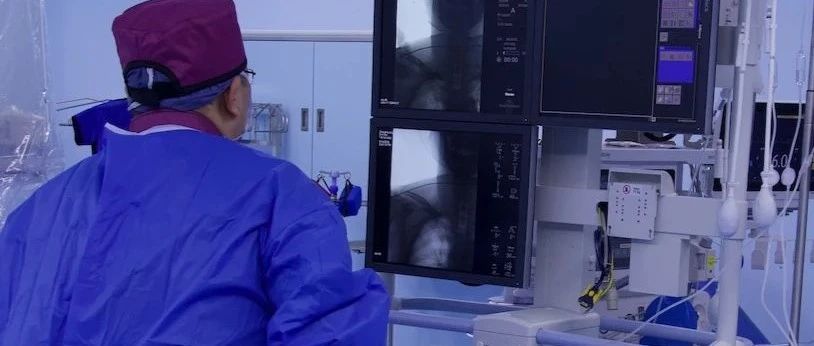
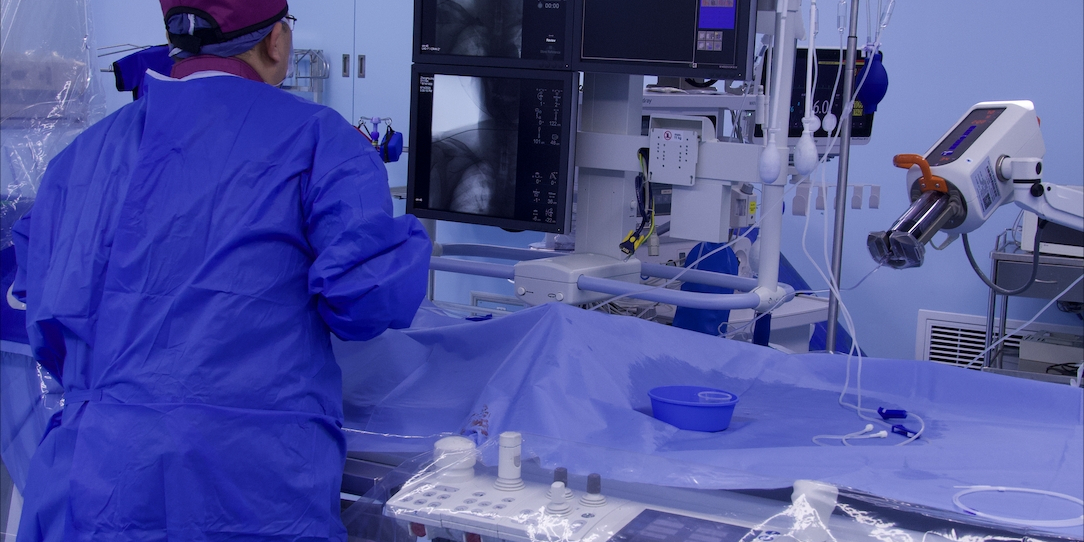
作为医生,吴成翰也和无数同行一样,想象过一个被脑机接口 改变的未来:数以千万计的因渐冻症、小儿麻痹症、外伤、脑 肿瘤、脑血管病引起的瘫痪病人,在技术的帮助下实现生活自 理,无数失能者、照护者的生活得到解放。 作者: 张铃 封图:受访者供图 十几天过去,神经医学专家林志雄、吴成翰依然清晰地记得那台特别的手术。 6月14日的下午,他们和脑机接口科学家、南开大学教授段峰合作,将介入脑电传感器芯片通过血 管放进了一名偏瘫病人的颅内静脉窦。他们希望通过这台手术,帮助修复病人的运动功能。 一周后,他们向外界宣布了手术结果:手术顺利,病人的抓握功能得到了改善。 手术前,医生们已经连续几天和病人谈话,内部会议也开了好几场,反复讨论手术方案。手术当天 上午,除了讨论手术方案,医生们还重点讨论了安全性问题,对电极置入时可能出现的意外逐一分 析和研究。 与其他有创操作一样,将电极置入受试者颅内血管壁的手术有潜在风险。比如,芯片能不能安全地 放入脑内?静脉的沿线有没有问题?术中会不会出现血管损害、痉挛、出血?支架放不进去或卡住 怎么办?病人血压过高或过低怎么办?发生异物感染怎么办?一旦出现问题要怎么补救?医生们推 演着每一种可能的意 ...

无需开颅,中国医生用脑机接口治偏瘫
Jing Ji Guan Cha Wang· 2025-06-27 08:35
Core Insights - The article discusses a groundbreaking brain-machine interface surgery conducted by a team of experts, aiming to restore motor functions in a paralyzed patient [2][3][4] - The surgery involved the insertion of an electrode chip through blood vessels into the patient's brain, marking a significant advancement in the field of neurotechnology [2][6] - The patient showed improvement in grip strength post-surgery, highlighting the potential of brain-machine interfaces in rehabilitation [2][11] Group 1: Surgical Procedure - The surgery was led by Lin Zhixiong, with collaboration from other experts, focusing on patient selection, safety, and electrode placement [3][4] - The procedure was performed on a 67-year-old male patient suffering from paralysis due to a cerebral infarction, who had previously undergone ineffective conventional treatments [4][9] - The surgery was completed successfully, with the only complication being a temporary spike in the patient's blood pressure post-operation [4][5] Group 2: Technological Context - The article outlines three main types of brain-machine interface technologies: invasive, non-invasive, and interventional, with the latter being the focus of this study [6][7] - The interventional approach allows for the device to be delivered through blood vessels, which is less invasive than traditional methods [6][7] - The technology is still in its early stages, and further clinical trials are necessary to evaluate its effectiveness and safety [7][8] Group 3: Patient Selection and Challenges - Strict criteria were established for patient selection, requiring that conventional rehabilitation methods had failed and that the patient had a specific type of paralysis [8][9] - The recruitment process was challenging, with many potential candidates either not meeting the criteria or declining participation due to the lack of precedent for such surgeries in China [8][9] - The successful recruitment of a suitable patient was a significant milestone for the research team [8][9] Group 4: Rehabilitation and Future Goals - Post-surgery, the patient began rehabilitation training, with the goal of achieving basic self-sufficiency in daily activities [9][11] - The research team aims to enhance neural plasticity and improve motor functions through a combination of brain-machine interface technology and functional electrical stimulation [11] - The long-term objective is to enable patients to regain independence and improve their quality of life through advanced neurotechnological interventions [11]

万和财富早班车-20250624
Vanho Securities· 2025-06-24 01:46
Core Insights - The report highlights the successful trial of brain-machine interfaces for restoring paralysis, indicating advancements in domestic core technology and potential investment opportunities in related stocks such as Innovation Medical and Sanbo Brain Science [7] - The Democratic Republic of the Congo has extended its ban on raw material exports for three months, which is expected to elevate cobalt prices, presenting investment prospects in companies like Huayou Cobalt and Tengyuan Mining [7] - Huawei's patent for "four-chip packaging" has drawn attention to advanced packaging materials, with potential implications for stocks like Feikai Materials and Debang Technology [7] Industry Dynamics - The report notes the successful trial of brain-machine interfaces, which could lead to significant advancements in medical technology and related investments [7] - The extension of the cobalt export ban in the Democratic Republic of the Congo is likely to impact global cobalt prices, creating opportunities for investment in mining companies [7] - The exposure of Huawei's advanced packaging technology may influence the semiconductor and materials sectors, highlighting potential growth areas for investors [7] Company Focus - Cangge Mining plans to sign a financial services agreement with Zijin Finance, aiming to become a member unit for three years [9] - Yipin Hong's wholly-owned subsidiary has received a registration certificate for injectable Zolpidem, indicating progress in pharmaceutical development [9] - Naipu Mining's application for issuing convertible bonds has been accepted by the Shenzhen Stock Exchange, suggesting potential capital raising for expansion [9] - Tianrongxin is involved in key infrastructure security projects for digital currencies in the financial sector, reflecting its strategic positioning in emerging technologies [9] Market Review and Outlook - On June 23, the market experienced a rebound, with the Shanghai Composite Index leading the gains, and a total trading volume of 1.12 trillion yuan, an increase of 549 billion yuan from the previous trading day [11] - The report notes that over 4,400 stocks rose, with significant gains in sectors such as stablecoin concepts, shipping, and solid-state batteries, indicating a positive market sentiment [11] - The outlook suggests that while the market is rebounding, the lack of substantial incremental capital may hinder a sustained upward trend, with the Shanghai Composite Index expected to fluctuate between 3,410 and 3,330 [11] - Key themes to watch include shipping, oil and gas, stablecoins, and solid-state batteries, as these sectors show the best continuity in performance [11]
投资人“掘金”脑机接口新赛道,芯片、算法等仍需突破
2 1 Shi Ji Jing Ji Bao Dao· 2025-06-23 11:59
A股市场热点不断,近期,"脑机接口"概念火了。 21世纪经济报道记者注意到,在上周大涨之后,6月23日,脑机接口板块继续上扬,塞力医疗 (603716)(603716.SH)"10CM"涨停,三博脑科(301293)(301293.SZ)涨幅超5%,佳禾智能 (300793)(300793.SZ)、麒盛科技(603610)(603610.SH)涨幅3%以上、诚益通(300430) (300430.SZ)、狄耐克(300884)(300884.SZ)、乐普医疗(300003)(300003.SZ)、熵基科技 (301330)(301330.SZ)涨幅2%以上。 与此同时,投资者涌向上市公司互动平台,密集询问公司脑机接口相关布局。从机构调研的角度看,近 两个月已有不少机构提前嗅到了相关机遇,了解脑机接口相关业务。 就脑机接口的产业链机遇而言,浙商证券(601878)指出,产业应用上,该市场仍以医疗为主。未来在 教育、游戏、智能家居等领域的应用占比将逐步提升。软件层面,人工智能技术的高速发展将为脑机接 口带来更多的创新机会;硬件层面,更高精度的传感器正在被开发,设备越来越轻便、便携,侵入性与 人体的兼容性正在持续改 ...

跨境支付通正式上线,全国首笔业务落地深圳;我国介入式脑机接口成功实现人体患肢运动功能修复——《投资早参》
Mei Ri Jing Ji Xin Wen· 2025-06-23 00:07
Important Market News - The People's Bank of China and the Hong Kong Monetary Authority launched the Cross-Border Payment System, enhancing cooperation between mainland China and Hong Kong for efficient cross-border payment services, set to go live on June 22, 2025 [1][2] Industry Insights - The Cross-Border Payment System will allow real-time cross-border remittances for residents of both regions, utilizing existing payment infrastructures to provide cheaper and more efficient services [2] - The system enables users to select their preferred currency for transactions, either Renminbi or Hong Kong Dollar, through a mobile banking feature [2] - The application of cross-border payments is expanding, becoming a preferred choice for international transactions and playing a significant role in decentralized finance [2] Technology Developments - A successful trial of an invasive brain-computer interface for restoring motor function in a stroke patient was completed, marking a significant advancement in medical rehabilitation technology [3] - The brain-computer interface technology is expected to evolve into various sectors, including education and entertainment, beyond its initial medical applications [3] AI and Innovation - Huawei's Developer Conference 2025 introduced the HarmonyOS and AI technologies, focusing on user experience improvements through AI personal assistants [4] - The AI market is projected to see significant growth, with expectations that AI smartphones and PCs will capture over 50% and 80% market share in China by 2027, respectively [4] Stock Movements - Youyou Foods announced plans for a share reduction by its actual controller, potentially affecting 3% of the total share capital [5] - Tianrong Tianyu and other companies also reported share reduction plans by major shareholders, indicating potential shifts in stock ownership [6][7]
脑机接口板块直线拉升 创新医疗涨停
news flash· 2025-06-19 01:41
Group 1 - The brain-computer interface sector has experienced a significant surge, with companies like Innovation Medical (002173) hitting the daily limit up [1] - Other companies such as Beikang, Aipeng Medical (300753), Nanjing Panda (600775), Entropy Technology (301330), and Sanbo Brain Science (301293) have also seen notable increases in their stock prices [1] - There is a notable influx of dark pool capital into these stocks, indicating potential investor interest and activity [1]



脑机接口板块短线拉升 ,爱朋医疗涨超10%
news flash· 2025-06-18 01:33
这几只票暗盘资金正在偷偷流入,立即查看>> 脑机接口板块短线拉升,爱朋医疗(300753)涨超10%,倍益康、三博脑科(301293)、翔宇医疗、创 新医疗(002173)、伟思医疗等跟涨。 ...
脑机接口“杀疯了” 概念股集体狂飙
Mei Ri Shang Bao· 2025-06-17 22:20
Group 1 - The brain-computer interface (BCI) concept has seen a significant surge, with related stocks experiencing substantial gains, including Beiyikang reaching a "30CM" limit up and Aipeng Medical hitting a "20CM" limit up [1][2] - The first humanoid robot full industry chain exhibition in China is set to take place on June 20 in Hangzhou, featuring Tesla and Yushu, showcasing advanced technologies including bionic drive and BCI [1][4] - The BCI market in China is projected to reach 5.58 billion yuan by 2027, indicating rapid growth and commercialization potential [1][6] Group 2 - Chinese concept stocks related to BCI have seen a significant rise, with companies like Aipeng Medical and Nanjing Panda Electronics experiencing limit up and substantial gains [2][3] - Nanjing Panda Electronics is developing a multimodal human-computer interaction system based on BCI technology, targeting applications in medical rehabilitation and smart wearables [3] - The market for BCI applications is expected to reach hundreds of billions of dollars, driven by various favorable developments and advancements in technology [4][6] Group 3 - The global BCI market is estimated to reach between 4 billion to 145 billion dollars in the medical field by 2030-2040, with non-invasive products currently leading commercialization [5][6] - The global BCI market size reached 1.98 billion dollars in 2023, with expectations to exceed 6 billion dollars by 2028, reflecting a compound annual growth rate of 25.22% [6]

政策、技术、资本协同共振 脑机接口产业蓄势腾飞
Zheng Quan Ri Bao· 2025-06-17 16:09
Core Insights - The brain-computer interface (BCI) industry is experiencing explosive growth driven by policy incentives, technological innovations, and increased capital investment [1][2][3] Policy Framework Development - 2025 is identified as a critical year for the establishment of a comprehensive policy framework for the BCI industry, including national standards and regional industrial planning [2] - Beijing and Shanghai are leading the way with specific action plans aimed at fostering BCI innovation and development [2][3] - The establishment of a standardization technical committee by the Ministry of Industry and Information Technology will promote the standardized development of BCI technology [3] Technological Innovations - Recent advancements in multi-disciplinary technology integration have significantly propelled BCI development, transitioning from "signal acquisition" to "bidirectional interaction" [4][5] - Breakthroughs in deep learning algorithms and hardware technologies are enhancing the efficiency of brain signal decoding and reducing risks associated with invasive procedures [4][5] Industry Progression - The dual benefits of favorable policies and technological advancements are attracting significant capital investment, with companies like Sanbo Brain Hospital Management Group and Beijing Chengyitong Control Technology Group actively engaging in BCI development [6][7] - Companies are focusing on both invasive and non-invasive BCI technologies, with notable advancements in clinical applications for conditions like epilepsy and Parkinson's disease [6][7] Market Potential - The BCI market in China is projected to reach 3.2 billion yuan in 2024, with expectations to exceed 5.5 billion yuan by 2027 [8] - The global BCI medical application market is forecasted to reach between 40 billion to 145 billion USD from 2030 to 2040, indicating substantial market potential [8][9] Challenges Ahead - Despite the promising outlook, the BCI industry faces challenges such as medical ethics review, clinical validation, and the need for unified industry standards [9]