速卖通

Search documents
跨境电商税务监管进入穿透时代 数据直连堵漏洞 行业规范走向纵深
Zheng Quan Shi Bao· 2025-10-30 22:15
Core Insights - The recent initiative by Amazon and other e-commerce platforms to report tax information of Chinese sellers has sparked significant reactions in the cross-border e-commerce industry in China [1] - Starting from October 2025, Amazon will quarterly report seller information to Chinese tax authorities, including seller identity, transaction volume, income, and fees [1][3] - This move indicates a shift towards compliance and the closing of long-standing tax loopholes in the industry [1][3] Group 1: Regulatory Changes - The new tax reporting regulations were established following the State Council's issuance of the "Internet Platform Enterprises Tax Reporting Regulations" in June [3] - These regulations extend the obligation to report tax information to all foreign internet platforms providing services to Chinese operators, regardless of their registration location [3] - The tax authorities previously relied on self-reporting by sellers, leading to significant information asymmetry and many sellers maintaining a "zero declaration" status [3] Group 2: Industry Impact - The implementation of these regulations marks a new phase in tax information management for the cross-border e-commerce sector, with compliance becoming a priority [4] - The cross-border e-commerce sector saw approximately 2.06 trillion yuan in imports and exports in the first three quarters, reflecting a 6.4% growth [4] - Different tiers of sellers are responding differently, with top-tier companies already compliant, while mid-tier sellers are hesitant to invest in compliance due to concerns over costs [4][5] Group 3: Compliance Strategies - The new tax reporting requirements are expected to reshape the industry ecosystem, moving it towards a focus on quality rather than just scale [6] - Industry insiders suggest that regulatory measures may not be uniform, as the tax authorities are currently in a phase of research and consultation with businesses [6] - Many sellers are attempting to evade or reduce tax burdens through complex structures involving Hong Kong, but these strategies are deemed non-compliant and risky [7] Group 4: Future Directions - The transition for mid and lower-tier sellers will involve product refinement and compliance, focusing on high-value products and adapting to regulatory requirements [8] - Leading companies are encouraged to set examples by focusing on quality and compliance, thereby allowing lower-tier sellers to transition effectively [8]

跨境电商迎最强合规监管时刻!卖家频收税务自查通知、咨询机构连夜做方案
Zheng Quan Shi Bao· 2025-10-30 15:20
Core Insights - The recent initiative by Amazon and other e-commerce platforms to report tax information of Chinese sellers has significantly impacted the cross-border e-commerce industry in China [1][4] - Starting from October 2025, Amazon will quarterly report relevant seller information to Chinese tax authorities, marking a shift towards increased compliance in the industry [1][4] Group 1: Tax Reporting and Compliance - Amazon will begin its first quarterly report by October 31, 2025, covering data from the third quarter of 2025, including seller identity, transaction volume, income, and fees [1] - Many cross-border sellers have already received tax self-inspection messages from tax authorities, indicating a new level of data integration between tax systems and e-commerce platforms [2][3] - The implementation of the new tax reporting regulations follows the June announcement by the State Council, which extends reporting obligations to all foreign platforms serving Chinese operators [4] Group 2: Industry Impact and Seller Response - The new regulations are expected to challenge smaller and mid-sized sellers, particularly those with a history of zero tax reporting, as they face increased scrutiny and compliance costs [5][6] - Many sellers are currently in a state of anxiety and uncertainty regarding compliance, with some opting to wait for clearer policies before making adjustments [5][6] - The cross-border e-commerce sector has seen significant growth, with imports and exports reaching approximately 2.06 trillion yuan, a 6.4% increase year-on-year [5] Group 3: Future Regulatory Landscape - The tax authorities are expected to adopt a tiered regulatory approach based on revenue size, rather than a one-size-fits-all method, to avoid negatively impacting employment in the sector [8] - Current practices of attempting to evade taxes through offshore entities, such as using Hong Kong companies, are deemed non-compliant and risky [9][10] - The industry is anticipated to transition towards a focus on quality over quantity, with larger companies expected to lead by example in compliance and high-quality development [10]


跨境电商迎最强合规监管时刻!卖家频收税务自查通知、咨询机构连夜做方案
证券时报· 2025-10-30 15:05
Core Viewpoint - The recent initiative by Amazon and other e-commerce platforms to report tax information of Chinese sellers has sparked significant reactions in the cross-border e-commerce industry, indicating a shift towards compliance and regulation [1][2]. Group 1: Tax Reporting Regulations - Starting from October 2025, Amazon will report relevant information of Chinese sellers to tax authorities quarterly, including seller identity, transaction volume, income, and fees [2]. - This marks the first time Chinese cross-border sellers have received such tax information reminders, following the issuance of regulations by the State Council and the National Taxation Administration earlier this year [6]. - As of October 15, 2023, over 6,654 domestic and foreign platforms have reported their basic information, with more than 4,100 platforms reporting tax-related information, exceeding 60% of the total platforms required to report [6]. Group 2: Industry Impact and Seller Response - The new tax compliance measures are expected to challenge mid-tier and small sellers, many of whom have historically maintained a "0 declaration" status and lack compliance awareness [8][9]. - Larger sellers, particularly listed companies, are generally well-prepared for compliance, while mid-tier sellers are hesitant to invest in compliance due to concerns about costs becoming sunk [8][9]. - Small and micro enterprises, which often operate with low profit margins and limited resources, are particularly vulnerable to the new regulations, as they have previously lacked a robust compliance framework [9][10]. Group 3: Compliance Challenges and Strategies - Some sellers are attempting to evade tax obligations by using Hong Kong companies as intermediaries, but this approach is deemed non-compliant and risky [12][14]. - Industry experts suggest that sellers should focus on refining their product offerings and adapting their operations to meet compliance requirements, rather than seeking loopholes [12][14]. - The long-term vision for the industry involves a transition from a focus on scale to one centered on quality, with larger companies setting a compliance and quality benchmark for the industry [11][13].


蚂蚁旗下OceanBase 启动“全球计划”;Airbnb CEO力挺阿里通义千问丨Going Global
创业邦· 2025-10-26 11:04
Core Insights - The article highlights significant developments in the global expansion of various companies, focusing on initiatives by TikTok, AliExpress, Didi, and others to enhance their market presence and adapt to local conditions [2][3]. Group 1: TikTok Shop Initiatives - TikTok Shop in the UK launched a "Local Store" support plan aimed at helping small and medium-sized enterprises meet local consumer demands [5][6]. - The platform has over 200,000 small businesses and conducts more than 6,000 live broadcasts daily, with a commitment of £750,000 to support five local businesses with empowerment solutions worth over £150,000 each [6][8]. - TikTok Shop is projected to be the fastest-growing online retail platform in 2024, with a user base growing by 131% and revenue increasing by 180% year-on-year [8]. Group 2: AliExpress Tax Reform Measures - AliExpress announced measures to assist merchants in Chile in response to upcoming tax reforms, including special subsidies and automatic tax collection services [9][11]. - Starting October 25, all cross-border orders valued between $0 and $500 will incur a 19% VAT, with the platform handling tax collection to maintain price competitiveness for merchants [11]. Group 3: Didi's Electric Vehicle Launch - Didi launched 500 electric vehicles in Mexico, marking its first standardized ride-hailing service in Latin America [13][15]. - The initiative is part of Didi's broader strategy to promote green transportation, with plans to introduce 100,000 electric vehicles in Mexico by 2030 [15]. Group 4: Baidu's AI Achievements - Baidu's FM Agent achieved state-of-the-art results on OpenAI's MLE-Bench, surpassing competitors like Microsoft's R&D Agent [16][18]. - The FM Agent demonstrated strong performance in medium and high-difficulty tasks, showcasing its self-optimization capabilities [18]. Group 5: Alibaba's Cross-Border Furniture Service - Taobao launched a cross-border furniture direct mail service, covering markets in Hong Kong, Taiwan, Singapore, and Malaysia, with over one million items available for direct shipping [22][23]. - This service aims to simplify logistics and reduce costs for overseas consumers purchasing Chinese furniture, with a marketing investment of 1 billion yuan for the upcoming Double Eleven shopping festival [23]. Group 6: Toyota's Sales Channel Reform - Toyota China clarified that its recent sales channel reform to a "single city, single store" model is only a pilot in select low-tier cities, aimed at improving consumer service [24][26]. - The company has faced declining sales in China, with new car sales dropping for three consecutive years from 2022 to 2024 [26]. Group 7: OceanBase's Global Expansion - Ant Group's OceanBase announced a global expansion plan, aiming to deepen its market presence and engage with over 70 overseas clients [28][30]. - The initiative includes selecting internal talent to form teams focused on product, service, sales, and market expansion [30]. Group 8: Airbnb's AI Utilization - Airbnb's CEO publicly endorsed Alibaba's Tongyi Qianwen model, claiming it to be better and cheaper than OpenAI's offerings [31]. - The upgraded AI customer service tool has significantly reduced the need for human intervention, cutting average problem resolution time from nearly three hours to six seconds [33]. Group 9: Tesla's Battery Management Issues - Reports indicate that over 4,500 Tesla Model 3 and Model Y vehicles in South Korea are experiencing battery management system failures, limiting charging capacity to 50% [35][38]. - The issue has led to significant consumer dissatisfaction due to its impact on vehicle usability [38][40]. Group 10: Shopee's Promotional Campaigns - Shopee is preparing for its largest shopping season in Brazil, with significant investments in discounts and coupons for the Double Eleven and Black Friday events [41][43]. - An internal survey revealed that 60% of Brazilian users plan to shop during Double Eleven, indicating its growing importance alongside Black Friday [43].

郑州航空口岸国际货运量突破50万吨 “空中丝绸之路”激活河南开放强引擎
He Nan Ri Bao· 2025-10-25 23:17
Core Insights - Zhengzhou Airport's international cargo volume has surpassed 503,000 tons, marking a year-on-year increase of over 40% and exceeding the total for the previous year [1] - The airport has become the first in Central China to join the "10,000 flights club," with over 10,000 international cargo flights regulated [1] - The "air silk road" connecting Henan to Europe signifies the region's commitment to high-level openness and trade innovation [1] Group 1 - The export structure has shifted from primarily clothing and small goods to high-value products such as precision instruments and fresh cold chain goods, which require faster customs clearance [2] - Zhengzhou Airport Customs has implemented 24 special plans and 274 specific measures to optimize the business environment at the port, supporting the sustained high cargo volume [2] - Major e-commerce platforms like AliExpress, Shein, and Pinduoduo have established operations in Zhengzhou, attracted by its efficient customs environment and unique geographical advantages [2] Group 2 - The "double hub" model, exemplified by the Zhengzhou-Luxembourg route, is being replicated in more countries and regions, enhancing air logistics channels between China and Central and Eastern Europe, as well as ASEAN [3] - In the first three quarters of this year, Zhengzhou Customs regulated 135,000 tons of cargo from Zhengzhou to Luxembourg, Budapest, and Kuala Lumpur, accounting for 30% of the total international cargo volume [3] - Henan's total import and export value reached 643.18 billion yuan in the first three quarters, with a year-on-year growth of 18.7%, outpacing the national growth rate of 14.7% [3]
多家主流跨境平台发布涉税信息报送通知
21世纪经济报道· 2025-10-24 03:56
Core Viewpoint - The cross-border e-commerce industry in China is undergoing a significant compliance transformation, driven by new tax reporting regulations from major platforms like Amazon, AliExpress, and SHEIN, which will impact sellers' operations and the overall market landscape [1][3][4]. Group 1: Regulatory Changes - In October, Amazon announced it would report Chinese sellers' tax information quarterly to the Chinese tax authorities, with the first report due by October 31, covering transactions from July to September 2025 [1][4]. - The regulatory framework for tax information reporting was established by the State Council and the National Tax Administration, mandating all foreign platforms providing services to Chinese operators to fulfill reporting obligations [3][4]. - Major platforms, including Walmart, Shopee, and TikTok Shop, have begun reporting seller data, indicating a widespread compliance trend across the industry [4][5]. Group 2: Impact on Sellers - The compliance requirements will significantly affect cross-border e-commerce sellers, particularly small and medium-sized enterprises (SMEs), which often lack robust financial systems and have operated in tax gray areas [5][6]. - Increased compliance costs, including direct tax payments and indirect costs related to systems, personnel, and operational adjustments, will pressure sellers, especially those with low profit margins [5][6]. - Sellers are exploring various strategies to adapt, with some seeking advice from tax consulting firms while others remain uncertain about future regulatory developments [5][6]. Group 3: Industry Evolution - The shift towards tax transparency is expected to reshape the competitive landscape, potentially leading to a market consolidation where non-compliant sellers are eliminated, creating opportunities for compliant businesses [6][7]. - Platforms will face new responsibilities to manage and report seller data accurately, necessitating the development of robust internal data management systems [6][7]. - The industry is transitioning from a phase of rapid growth to one focused on quality and compliance, emphasizing the need for innovation, brand development, and customer service as key competitive factors [7][8].

平台启动涉税信息报送 跨境电商从“野蛮生长”迈向“全面合规”
2 1 Shi Ji Jing Ji Bao Dao· 2025-10-23 06:15
Core Insights - The cross-border e-commerce industry is undergoing a significant compliance transformation, moving away from its previous "wild growth" phase towards a more regulated environment [2][3][7]. Group 1: Regulatory Changes - Amazon has announced it will report Chinese sellers' identity and income information to tax authorities quarterly, with the first report due by October 31, covering transactions from July to September 2025 [1][5]. - Other major platforms like AliExpress and SHEIN have also initiated similar tax information reporting processes [1][6]. - The regulatory framework was established by the State Council's 2025 regulations, which extend reporting obligations to all foreign internet platforms serving Chinese operators [4][5]. Group 2: Industry Impact - The compliance requirements are expected to significantly impact cross-border e-commerce sellers, particularly smaller businesses that have historically operated in a gray area regarding tax compliance [3][7]. - The new regulations will likely lead to increased operational costs for sellers, including direct tax payments and indirect costs related to system upgrades and compliance measures [7][8]. - The industry is anticipated to experience a reshuffling, as non-compliant sellers may be pushed out, creating more market space for compliant businesses [8][9]. Group 3: Future Outlook - The cross-border e-commerce sector is expected to evolve into a resource-intensive, capital-intensive, and talent-intensive industry, indicating a shift towards high-quality development [9]. - Compliance will become a core competitive advantage, with businesses needing to focus on product innovation, brand building, supply chain management, and customer service to thrive in the new regulatory landscape [8][9].
CCEE雨果跨境电商展,让您找到属于自己的发展机遇!
Sou Hu Cai Jing· 2025-10-20 15:31
Core Insights - The 2026 CCEE Hugo Cross-Border E-Commerce Expo will take place from May 14 to 16 in Shenzhen, serving as a significant event for the cross-border e-commerce industry, attracting over 100,000 professional attendees [1][10] - The theme "Smart Chain Global, Win-Win Future" will focus on the entire cross-border e-commerce industry chain, including key areas such as platform recruitment, brand expansion, supply chain management, digital marketing, cross-border payment, and logistics [1] Event Highlights - Over 30 major global platforms, including Amazon, eBay, AliExpress, and Shopee, will present their latest recruitment policies, while more than 500 quality factories will showcase their newest product lines [3] - The "Brand Going Global Accelerator" area will provide one-stop solutions for growing brands [3] Global Platform Resource Conference - The conference will release the "2026 Cross-Border E-Commerce Industry White Paper," analyzing new global market opportunities and featuring specialized sessions for North America, Europe, Southeast Asia, and Latin America [5] - The "Golden Ding Award" ceremony will recognize outstanding cross-border e-commerce companies and individuals [5] Networking and Training Opportunities - The event will feature a "Thousand Sellers Matching Conference" for precise supply-demand matching and a "Product Selection Competition" to showcase potential best-selling products [7] - A "Cross-Border E-Commerce 101" training course will be available for novice sellers, providing systematic education from entry-level to advanced [7] Venue and Registration - Shenzhen, known as China's cross-border e-commerce hub, offers a complete industrial ecosystem, with convenient transportation and surrounding facilities [10] - Pre-registration is open, allowing attendees to enjoy VIP exclusive benefits, and the event will adopt a hybrid model for online and offline participation [10]

墨西哥“淘金热”:中国跨境大军涌入,中场战事升级
3 6 Ke· 2025-10-20 12:27
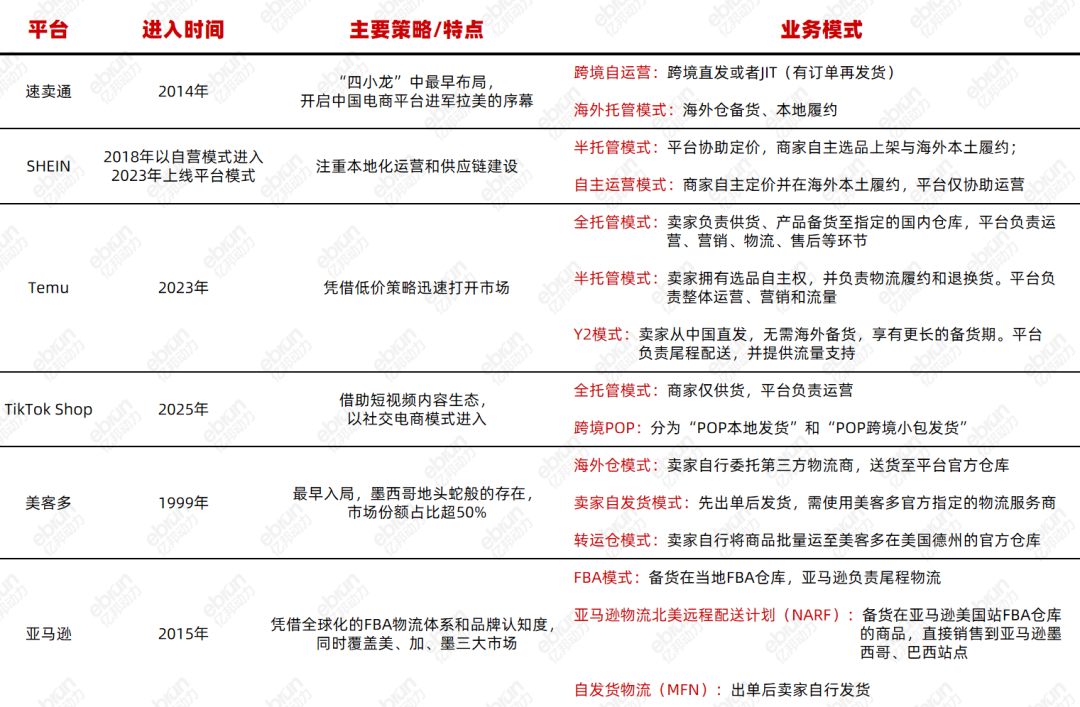
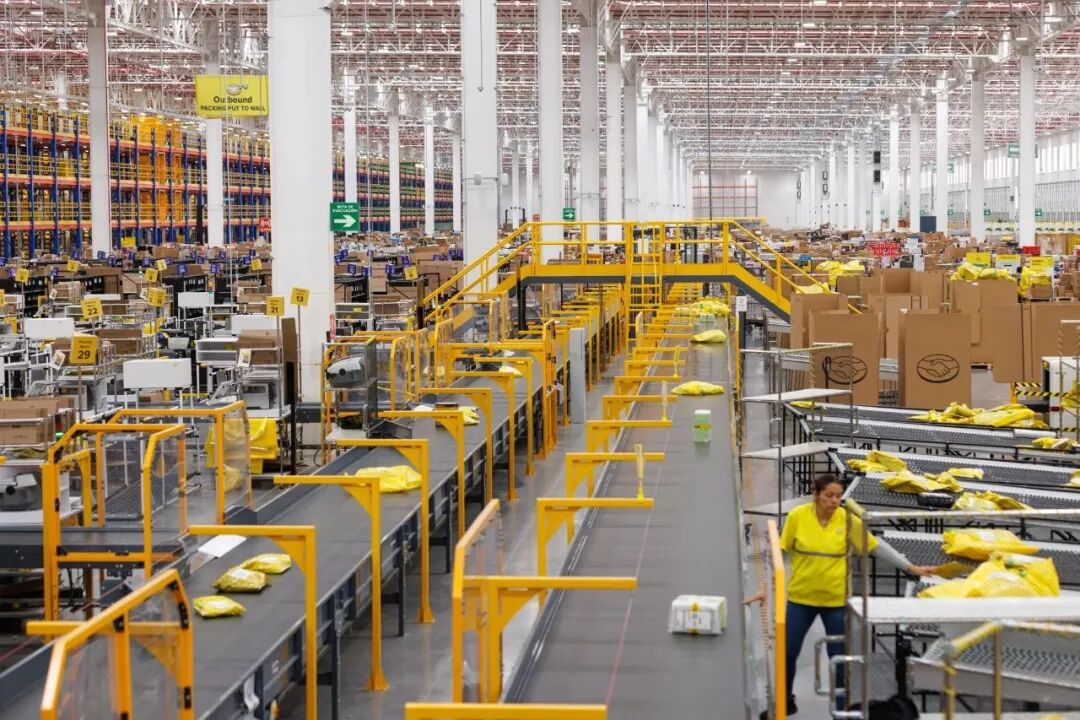
Core Insights - The article discusses the rapid growth and challenges of the cross-border e-commerce market in Mexico, highlighting the influx of Chinese sellers and various platforms entering the market [1][2][3] Group 1: Market Entry and Growth - Yang Chao's company shifted focus to cross-border e-commerce in Mexico after facing challenges in the domestic market, moving from Shanghai to Shenzhen and establishing Shenzhen Wanyou Overseas Technology Co., Ltd [1] - Mexico's e-commerce penetration rate is only 18%, compared to China's 47%, indicating significant growth potential [1] - Major platforms like Mercado Libre, Amazon, TikTok, Temu, SHEIN, and AliExpress are actively expanding in Mexico, lowering entry barriers and increasing support for sellers [1][2][3] Group 2: Competitive Landscape - Mercado Libre and Amazon dominate the Mexican e-commerce market, holding 85% of the market share, with Mercado Libre's GMV exceeding $20 billion in 2023 [2][4] - New entrants like Temu and SHEIN are gaining traction by offering competitive pricing and innovative business models, with Temu recently surpassing Mercado Libre and Amazon in traffic share [5][6] Group 3: Market Characteristics - Mexico's population of 130 million and a young demographic (average age 29) make it an attractive market for e-commerce [9] - The country's GDP per capita reached $13,000 in 2023, indicating a growing consumer base, although a significant portion of the population lives below the poverty line [9][10] - Geopolitical stability and favorable trade relations with China further enhance Mexico's appeal as a cross-border e-commerce hub [10][12] Group 4: Logistics and Infrastructure - The shift towards overseas warehouse models is becoming prevalent, driven by improvements in logistics infrastructure and reduced shipping times [13] - The geographical proximity to the U.S. allows for efficient logistics solutions, benefiting sellers who can leverage U.S. warehouses for distribution [14][16] Group 5: Challenges and Risks - The Mexican market faces challenges such as increasing tariffs on cross-border shipments and logistical disruptions due to port strikes and corruption issues [23][24] - The competitive landscape is intensifying, leading to declining profit margins for sellers, with some reporting a drop from 25% to as low as 10% [18][20] Group 6: Future Outlook - Despite challenges, companies are optimistic about the opportunities in Mexico and are considering expansion into other Latin American markets like Brazil [25] - The e-commerce sector in Mexico is projected to grow significantly, with a forecasted 20% increase in sales in 2024, reaching $43.1 billion [8]
暴富神话终结?墨西哥电商进入“拼刺刀”时代
Hu Xiu· 2025-10-20 10:06
Core Insights - The article discusses the increasing interest of Chinese sellers in the Mexican e-commerce market, highlighting its potential due to favorable demographics and economic conditions [14][15][16][21]. Group 1: Market Dynamics - The Mexican e-commerce market is experiencing a "gold rush," with numerous Chinese sellers entering, driven by the support of major platforms like Amazon, TikTok, and Mercado Libre [3][4][5]. - Mercado Libre dominates the market with over 50% market share and a GMV exceeding $20 billion in 2023, while Amazon has invested approximately $5.5 billion since its entry in 2015 [5][6]. - The e-commerce penetration in Mexico is only 18%, compared to 47% in China, indicating significant growth potential [2]. Group 2: Strategic Approaches - Companies are adopting a phased approach to market entry, starting with Mercado Libre to establish brand recognition before expanding to other platforms like Amazon and TikTok [4][5]. - The logistics landscape is evolving, with many sellers opting for overseas warehouse models to enhance delivery efficiency, reducing shipping times from 8 days to 5-6 days [22]. Group 3: Economic and Demographic Factors - Mexico's population of 130 million, with a young demographic and a GDP per capita of $13,000, makes it an attractive market for e-commerce [15][16]. - The significant income disparity in Mexico creates opportunities for low-cost platforms like Temu and SHEIN, which cater to price-sensitive consumers [17][18]. Group 4: Competitive Landscape - New entrants like Temu and SHEIN are gaining traction by leveraging competitive pricing strategies, with Temu recently surpassing Mercado Libre and Amazon in traffic share [8]. - The competitive environment is intensifying, leading to declining profit margins for sellers, with gross margins dropping from 25% to as low as 10% [30]. Group 5: Challenges and Risks - The Mexican market faces challenges such as customs delays and increased tariffs, which could impact profitability for new entrants [38][39]. - Recent strikes at major ports have exacerbated logistical issues, leading to significant delays in clearing goods [39][40].