大成基金

Search documents
昔日明星股,又被“猛砍”估值!
Zhong Guo Ji Jin Bao· 2025-08-01 04:05
Core Viewpoint - The valuation of NuoHui Health has been drastically reduced by multiple public funds, with Da Cheng Fund setting the latest valuation at HKD 0.55 per share, marking the lowest valuation to date [2][3][4]. Group 1: Valuation Adjustments - Da Cheng Fund announced a new valuation of HKD 0.55 per share for NuoHui Health, effective from July 31, 2025, following a series of previous adjustments [3][4]. - The valuation of NuoHui Health has been cut from HKD 14.14 per share before its suspension to HKD 0.55, representing a decline of over 96% [4]. - Other public funds, including Baoying, Penghua, and Bosera, have also significantly reduced their valuations of NuoHui Health, with Bosera valuing it at HKD 3.33 per share [4][6]. Group 2: Background and Context - NuoHui Health was once a leading stock in the Hong Kong market, known for cancer screening, with a market capitalization exceeding HKD 40 billion [6]. - The company has been suspended since March 2024 due to allegations of financial fraud and audit concerns raised by Deloitte [6][7]. - The inability to timely disclose financial reports has led to ongoing valuation adjustments by various fund companies since mid-2023 [6]. Group 3: Industry Insights - The continuous downward adjustment of NuoHui Health's valuation reflects a generally pessimistic outlook on its prospects for resuming trading and heightened market vigilance regarding potential risks [7]. - Fund managers adjust valuations to ensure the fair value of fund net assets and protect investor interests, especially when market prices do not accurately reflect intrinsic value [5][7]. - The actions taken by fund companies indicate a trend towards improved risk monitoring and control within the industry [8][9].


昔日明星股,又被“猛砍”估值!
中国基金报· 2025-08-01 03:52
Core Viewpoint - The valuation of Nohow Health has been significantly reduced by multiple public funds, with Dachen Fund recently announcing a valuation of HKD 0.55 per share, marking the lowest valuation to date [1][3]. Valuation Adjustments - Dachen Fund's valuation of Nohow Health has been adjusted multiple times since its suspension in March 2024, dropping from HKD 14.14 per share to HKD 0.55 per share, representing a decline of over 96% [3][5]. - Other public funds, including Baoying, Penghua, and Bosera, have also reduced their valuations of Nohow Health, with Bosera maintaining a valuation of HKD 3.33 per share, which is still above HKD 2 per share [3][6]. Market Context - Nohow Health was once a leading stock in the Hong Kong market for cancer screening, with a market capitalization exceeding HKD 40 billion [5]. - The company has faced scrutiny over financial fraud allegations, leading to its suspension and inability to disclose timely financial reports [5][6]. Fund Management Perspective - The adjustments in valuation by fund managers aim to ensure the fairness and accuracy of fund net values, protecting investor interests [4][5]. - Continuous downward adjustments reflect a pessimistic outlook on Nohow Health's prospects for resumption of trading and heightened market vigilance regarding potential risks [6].

Wind-HKCAMA 2025年二季度香港离岸中资公募基金业绩榜
Wind万得· 2025-07-31 22:34
Core Viewpoint - The article highlights the collaboration between Wind and the Hong Kong China Asset Management Association (HKCAMA) to provide transparent and accurate information on Hong Kong offshore Chinese public funds, which has garnered significant attention from mainland investors and media [1]. Fund Performance Rankings Equity Funds - **Five-Year Ordinary Equity Fund Performance**: The top-performing fund is the Bank of China Hong Kong Global Equity Fund A-USD with a return of 80.23%, followed by the Fuguo China Small Cap Growth Fund 1-USD with 62.26% [3]. - **Three-Year Ordinary Equity Fund Performance**: The Bank of China Hong Kong Global Equity Fund A-USD leads with a return of 55.47%, while the Bank of China Hong Kong Japan Equity Fund A-USD follows with 47.82% [5]. - **One-Year Ordinary Equity Fund Performance**: Specific data for this category is not provided in the document [6]. Passive Index Funds - **Five-Year Passive Index Fund Performance**: The Bank of China Prudential North America Index Fund A-HKD has the highest return at 111.97%, closely followed by the Bank of China Prudential S&P 500 US Index Fund A-HKD with 111.75% [10]. - **Three-Year Passive Index Fund Performance**: The Bank of China Prudential North America Index Fund A-HKD again leads with a return of 69.61% [11]. - **One-Year Passive Index Fund Performance**: The Bank of China Prudential European Index Fund A-HKD has a return of 19.66% [12]. Bond Funds - **Five-Year Bond Fund Performance**: The top performer is the Taikang Kaitai Overseas Short-Term Bond Fund I-USD with a return of 28.32% [14]. - **Three-Year Bond Fund Performance**: The Haitong Asia Total Return Bond Fund H-USD leads with a return of 81.42% [16]. - **One-Year Bond Fund Performance**: The Haitong Asia Total Return Bond Fund H-USD also leads with a return of 68.57% [18]. Mixed Funds - **Five-Year Mixed Fund Performance**: The Bank of China Hong Kong All-Weather Global Investment Fund A1-USD has a return of 59.39% [20]. - **Three-Year Mixed Fund Performance**: The Bank of China Hong Kong All-Weather Global Investment Fund A1-USD leads with a return of 82.84% [21]. - **One-Year Mixed Fund Performance**: The Bank of China Hong Kong Hong Kong Income Fund A-HKD has a return of 25.79% [22]. Money Market Funds (USD) - **Five-Year Money Market Fund Performance**: The top performer is the Dachen Money Market Fund M-USD with a return of 17.02% [24]. - **Three-Year Money Market Fund Performance**: The Taikang Kaitai USD Money Fund M-USD has a return of 16.42% [25]. - **One-Year Money Market Fund Performance**: The Taikang Kaitai USD Money Fund M-USD leads with a return of 5.14% [27]. Money Market Funds (HKD) - **Five-Year Money Market Fund Performance**: The Huaxia Selected Money Fund I-HKD has a return of 13.01% [29]. - **Three-Year Money Market Fund Performance**: The Taikang Kaitai HKD Money Fund M-HKD leads with a return of 13.24% [31]. - **One-Year Money Market Fund Performance**: The Ping An HKD Money Fund I-HKD has a return of 4.03% [33]. Greater China Funds - **Five-Year Greater China Equity Fund Performance**: The Fuguo China Small Cap Growth Fund 1-USD has a return of 62.26% [35]. - **Three-Year Greater China Equity Fund Performance**: The Bank of China Prudential China Value Fund A-HKD has a return of 36.94% [36]. - **One-Year Greater China Equity Fund Performance**: Specific data for this category is not provided in the document [37]. ETF Performance - **Five-Year ETF Average Daily Trading Volume**: The top ETF is the Huaxia CSI 300 Index ETF with an average daily trading volume of 240.44 million HKD [67]. - **Three-Year ETF Average Daily Trading Volume**: The Southbound East Asia Hang Seng Technology Index ETF leads with an average daily trading volume of 2810.51 million HKD [68]. - **One-Year ETF Average Daily Trading Volume**: The Southbound East Asia Hang Seng Technology Index ETF also leads with an average daily trading volume of 4723.74 million HKD [70]. Leveraged and Inverse Products - **Five-Year Leveraged and Inverse Products Average Daily Trading Volume**: The Southbound East Asia Hang Seng Index Daily Inverse (-2x) Product leads with an average daily trading volume of 436.13 million HKD [79]. - **Three-Year Leveraged and Inverse Products Average Daily Trading Volume**: The Southbound East Asia Hang Seng Technology Index Daily Leveraged (2x) Product leads with an average daily trading volume of 1095.63 million HKD [80]. - **One-Year Leveraged and Inverse Products Average Daily Trading Volume**: The Southbound East Asia Hang Seng Technology Index Daily Leveraged (2x) Product leads with an average daily trading volume of 1583.07 million HKD [81].

深证100指数ETF今日合计成交额2.84亿元,环比增加59.20%
Zheng Quan Shi Bao Wang· 2025-07-31 08:48
Core Viewpoint - The trading volume of the Shenzhen 100 Index ETFs increased significantly today, with a total trading volume of 284 million yuan, marking a 59.20% increase compared to the previous trading day [1] Trading Volume Summary - The E Fund Shenzhen 100 ETF (159901) had a trading volume of 207 million yuan, up by 81.42 million yuan, a 64.99% increase from the previous day [1] - The Southern Shenzhen 100 ETF (159212) recorded a trading volume of 44.14 million yuan, an increase of 16.64 million yuan, representing a 60.51% rise [1] - The Fortune Shenzhen 100 ETF (159211) saw a trading volume of 5.47 million yuan, up by 4.40 million yuan, with a remarkable increase of 410.44% [1] - The Fortune Fubon Shenzhen 100 ETF (159961) also experienced a significant increase in trading volume by 90.36% [1] Market Performance Summary - As of market close, the Shenzhen 100 Index (399330) fell by 2.19%, while the average decline for related ETFs was 2.10% [1] - The ETFs with the largest declines included the Huaan Shenzhen 100 ETF (159706) and the GF Shenzhen 100 ETF (159576), which dropped by 2.27% and 2.25% respectively [1]
二季度主动权益基金仅两成获净申购 汇添富创新医药居榜首
2 1 Shi Ji Jing Ji Bao Dao· 2025-07-31 07:45
Core Viewpoint - In the second quarter of 2025, active equity funds showed a contradictory performance, with a continued increase in fund net value but accelerated redemptions from investors [1][2]. Redemption Acceleration - In Q2 2025, active equity funds experienced accelerated redemptions, with ordinary stock funds seeing a net redemption of 4.75%, and other fund types like mixed equity and flexible allocation experiencing net redemptions of 3.22%, 6.31%, and 3.27% respectively [2][3]. - Compared to Q1 2025, where redemption rates were significantly lower, Q2 saw a marked increase in redemption speed, although it was slower than the rates observed in Q4 2024 [2][3]. Fund Size and Performance - Among 4,535 active equity funds, 1,714 funds (approximately 37.79%) saw an increase in size, while 2,821 funds (62.21%) experienced a decrease [3][4]. - Only 868 funds (19.14%) were net purchased, while 3,568 funds (78.68%) faced net redemptions [3][4]. Top Fund Performers - The top ten active equity funds with the highest net inflows in Q2 2025 included Huatai-PineBridge Innovation Medicine (+4.357 billion), China Asset Management Military Industry (+3.526 billion), and others, with significant increases in fund shares [5][6]. - Huatai-PineBridge Innovation Medicine led in share growth, increasing by 1.982 billion shares, followed by China Asset Management Military Industry and Yongying Advanced Manufacturing [5][6]. Fund Redemption Trends - Nearly 80% of active equity funds faced net redemptions in Q2, with notable declines in shares for several star funds, including Changxin Jinli Trend (-2.731 billion shares) and E Fund Medical Biology (-1.689 billion shares) [7][8]. - Many funds that experienced significant redemptions had previously shown strong performance, indicating a "capital preservation" mentality among investors [8][9]. Notable Fund Managers - The funds with the largest declines in size were predominantly managed by well-known fund managers, suggesting a shift in investor sentiment despite their previous strong performance [9].
近60只基金年内收益率超60% 权益类基金发行迎来小高潮
Sou Hu Cai Jing· 2025-07-31 02:47
Group 1 - The average return of actively managed equity funds has reached 13.74% year-to-date as of July 28, with over 90% of more than 4,000 funds achieving positive returns [1] - Nearly 400 funds have returns exceeding 30%, and around 60 funds have returns above 60% [1] - A significant number of funds have doubled their returns this year, with specific funds like Changcheng Medical Industry Select Mixed Fund at 120.89%, Bank of China Hong Kong Stock Connect Medical Mixed Fund at 112.25%, and Yongying Medical Innovation Smart Selection Mixed Fund at 109.01% [1] Group 2 - The market recovery has sparked enthusiasm among fund companies, with 48 equity funds currently in issuance and 39 more set to be issued [1] - Notable fund managers from various firms, including Yongying Fund and Guojin Fund, are launching new funds [1] - Since June 23, high-risk preference funds such as private equity funds and financing funds have played a crucial role in driving market upward momentum [2] - The redemption situation for actively managed equity funds has improved compared to last year, and there is potential for a slight net subscription in the second half of the year [2]
大成创业板人工智能ETF(159242.SZ)上涨2.60%,盘中价格创上市以来新高!多重力量共振AI产业链加速向好
Xin Lang Cai Jing· 2025-07-31 02:12
Group 1 - The Dachen ChiNext AI ETF (159242.SZ) reached a new high with a maximum increase of 2.60% and a peak trading price of 1.065 as of July 31 [1] - The underlying index, ChiNext AI (970070.CNI), saw a maximum increase of 3.10%, consistently breaking historical highs [1] - Key component stocks such as Yizhongtian, New Yisheng (300502), Zhongji Xuchuang (300308), and Tianfu Communication (300904) also reached new annual highs [1] Group 2 - The ChiNext AI index focuses on AI engineering and industrialization, covering foundational technology areas like optical modules, computing chips, edge computing, and operating systems, distinguishing itself from algorithm-focused tech innovation indices [1] - The top ten holdings of the index include Zhongji Xuchuang, New Yisheng, Tianfu Communication, Softcom Power, Runze Technology, Allwinner Technology, Jingjia Micro, Deepin Technology, Beijing Junzheng, and Wangsu Technology, emphasizing domestic AI innovation and application [1] Group 3 - CITIC Securities highlights the rapid development of next-generation system-level computing, boosting confidence in the domestic AI industry chain [2] - AI applications represented by WPS AI 3 are leading innovations in Agent technology, combined with advancements in next-generation model technologies [2] - The AI industry chain is expected to accelerate under multiple driving forces, with continued optimism for investment opportunities in AI-related sectors [2]


二季度主动权益基金仅两成获净申购,汇添富创新医药居榜首
2 1 Shi Ji Jing Ji Bao Dao· 2025-07-30 12:30
Core Insights - In Q2 2025, active equity funds showed a contradictory performance with net asset values increasing while investors accelerated redemptions [1][3] - Approximately 80% of active equity funds experienced net redemptions, indicating a "capital preservation" sentiment among investors [1][7] - Certain funds, particularly those with clear themes or industry focuses, attracted significant inflows, highlighting a divergence in fund performance [1][9] Redemption Trends - In Q2 2025, active equity funds saw accelerated redemptions compared to Q1 2025, with ordinary stock funds experiencing a net redemption of 4.75% and mixed equity funds 3.22% [3][4] - Compared to Q4 2024, the redemption rates were lower, indicating a slight improvement in investor sentiment [4][7] - Of the 4,535 active equity funds, 37.79% saw growth in scale, while 62.21% experienced a decline [7] Fund Performance - The top 10 active equity funds with the highest scale growth in Q2 2025 included funds focused on specific sectors like healthcare and military, with notable increases in assets [9] - The fund with the largest increase in shares was Huatai-PB Innovation Medicine, which added 19.82 billion shares [9] - Conversely, nearly 80% of active equity funds faced net redemptions, with significant losses in share counts for several well-known funds [11][12] Notable Fund Managers - Many of the funds that faced the largest redemptions were managed by prominent fund managers, indicating a potential shift in investor confidence despite strong performance metrics [12][13] - Funds like E Fund Blue Chip Select and Invesco Great Wall Value Margin saw substantial declines in scale, managed by well-known figures in the industry [13]

又见红利基金清盘;多只QDII基金限购
Sou Hu Cai Jing· 2025-07-30 07:28
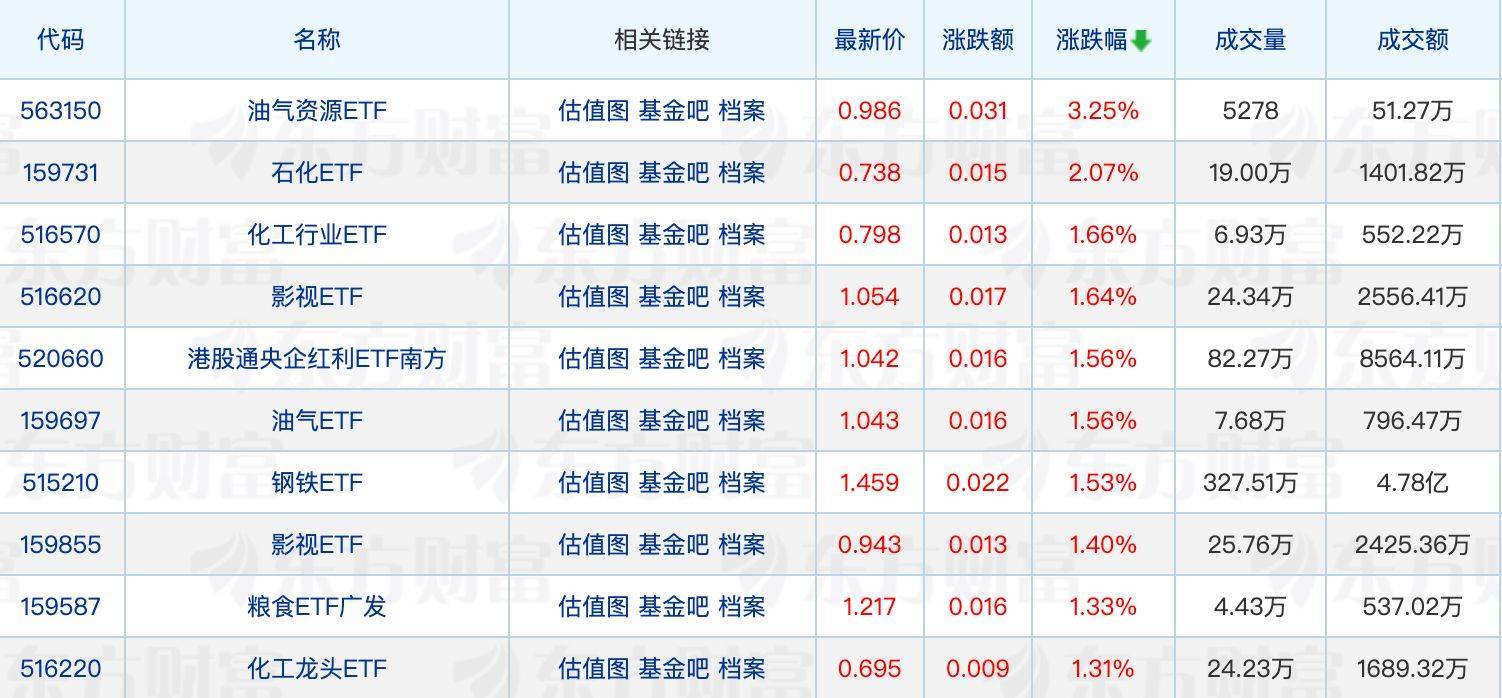
Group 1: Fund News - The recent liquidation of the Guolian Smart Dividend Stock Fund was announced, with a total fund share of only 6.8446 million [1] - Several QDII funds have imposed purchase limits, including Dachen Global Dollar Bond Fund and Wanjia Nasdaq 100 Index Fund, with a cap of 500,000 yuan for single accounts [2] - The performance gap among pharmaceutical funds has exceeded 120% year-to-date, with funds focused on Hong Kong innovative drugs leading the pack [3] Group 2: Fund Manager Insights - Fund manager Zou Hui from Industrial Bank maintains a long-term bullish outlook, citing macro policy support and structural highlights from new and old economic drivers [3] - Key investment areas for the second half of the year include technology innovation, dividend expansion, and potential bottom reversals in sectors like military, agriculture, and certain new energy areas [3] Group 3: ETF Market Review - The Shanghai Composite Index rose by 0.17%, while the Shenzhen Component Index and ChiNext Index fell by 0.77% and 1.62%, respectively, with total trading volume reaching 1.84 trillion yuan [4] - Oil and gas stocks showed strong performance, with the Oil and Gas Resource ETF leading with a gain of 3.35% [4][5] Group 4: ETF Opportunities - The government continues to emphasize anti-involution and stable growth, with the chemical industry undergoing capacity elimination assessments, which may enhance competitiveness [7]
多家基金关停APP
Jin Rong Shi Bao· 2025-07-30 04:58
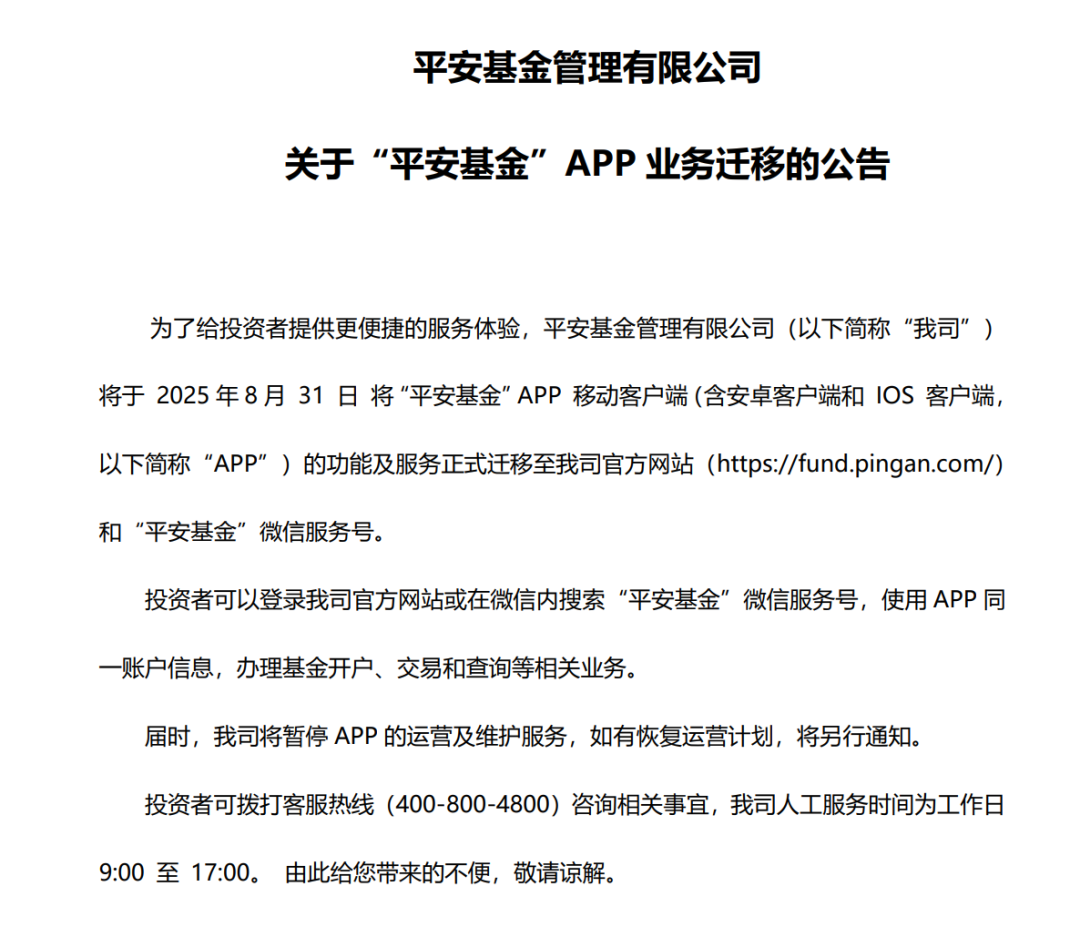
Group 1 - The trend of shutting down mobile apps among small and medium-sized public fund companies is increasing, with companies like Guoshou Anbao Fund and Qianhai Kaiyuan Fund announcing the termination of their app operations this year [2] - Many small and medium fund companies find that the low user activity on their apps does not justify the high operational costs, which can reach millions of yuan [2] - The China Securities Regulatory Commission has issued a plan to promote high-quality development in the public fund industry, aiming to reduce costs related to information technology systems [2] Group 2 - As of the end of Q4 2024, the top 100 public fund sales institutions hold significant assets, with banks at 4.22 trillion yuan, third-party platforms at 3.24 trillion yuan, and brokerages at 1.91 trillion yuan [3] - Many public fund companies are shifting towards online platforms like podcasts, which are seen as a cost-effective way to enhance investor engagement [3] - Over 20 public fund companies have launched podcast channels, with many starting in the second half of last year, including major firms like Yifangda Fund and Southern Fund [3]