吉利汽车

Search documents
雷军:第一代SU7停产,小米汽车交付破60万辆
21世纪经济报道· 2026-02-13 08:54
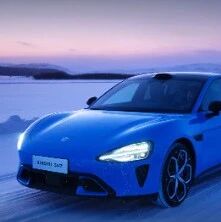
Group 1 - Xiaomi's founder Lei Jun announced the discontinuation of the first-generation SU7, but the company will continue to provide maintenance and repair services for it, ensuring at least 10 years of parts availability [1] - As of April 3, 2024, Xiaomi has delivered over 600,000 vehicles, with the new generation SU7 display models now available in stores [4] - In January, Xiaomi's YU7 model sold 37,869 units, ranking first in the national retail sales of passenger vehicles, despite a month-on-month decline compared to December [4] Group 2 - In January, the overall retail sales of passenger vehicles in China reached 1.544 million units, a year-on-year decrease of 13.9%, with domestic brands experiencing an 18% decline [7] - The wholesale sales data for January indicated that 17 models exceeded 20,000 units, with BYD Song leading at 42,227 units, followed closely by other brands including Xiaomi's YU7 [7] - The market is expected to face challenges in February, with predictions indicating it may reach an absolute low point for the year due to limited effective production and sales time [7]


吉利汽车(00175) - 翌日披露报表
2026-02-13 08:46
FF305 | 第一章節 | | | | | | | | | | --- | --- | --- | --- | --- | --- | --- | --- | --- | | 1. 股份分類 | 普通股 | 股份類別 | 不適用 | | 於香港聯交所上市 | 是 | | | | 證券代號 (如上市) | 00175 | 說明 | | | | | | | | 多櫃檯證券代號 | 80175 | RMB 說明 | | | | | | | | A. 已發行股份或庫存股份變動 | | | | | | | | | | | | | 已發行股份(不包括庫存股份)變動 | | 庫存股份變動 | | | | | 事件 | | 已發行股份(不包括庫存股份)數 目 | | 佔有關事件前的現有已發 行股份(不包括庫存股 份)數目百分比 (註3) | 庫存股份數目 | 每股發行/出售價 (註4) | 已發行股份總數 | | | 於下列日期開始時的結存(註1) | 2026年2月12日 | | 10,822,010,297 | | 9,452,000 | | 10,831,462,297 | | | 1). 購回股份 (股份被持作庫存 ...
北云科技 :Alice 芯片出货超 150 万套,智能汽车应用破百万套
Zhong Guo Qi Che Bao Wang· 2026-02-13 08:36
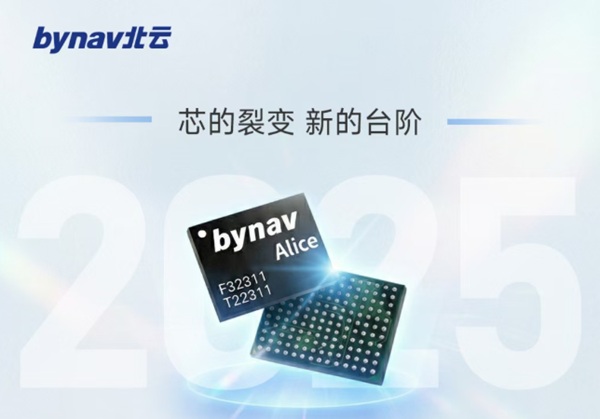
Core Insights - High-precision positioning has become a core infrastructure in the rapidly evolving fields of intelligent driving and robotics, with Beiyun Technology emerging as an industry leader through its self-developed chips and integrated navigation technology [1][3]. Group 1: Product Performance - Beiyun Technology's core product, the Alice GNSS SOC chip, has achieved cumulative shipments exceeding 1.5 million units, with over 1 million units specifically for smart automotive applications, demonstrating the industry's trust in its "automotive-grade quality" [1][4]. - The combination navigation P-Module product has also reached a shipment level of 1 million units, significantly empowering major automotive companies such as Great Wall, Xpeng, Geely, BYD, NIO, Chery, Changan, and Dongfeng Nissan [4][6]. Group 2: Technological Innovation - The Alice chip is the first automotive high-precision positioning chip in China to receive functional safety certification, serving as the "spatial perception hub" for millions of smart mobile carriers, ensuring high reliability and stability across various vehicle types [3][6]. - Beiyun Technology has pioneered the combination navigation P-Module, integrating GNSS and IMU in a single module, achieving system-level functional safety (ASIL-B) and effectively addressing complex electromagnetic environments [6][7]. Group 3: Market Expansion - Beiyun Technology's high-precision positioning technology extends beyond the automotive sector, showcasing innovation in emerging applications such as robotic lawn mowers, with cumulative orders surpassing 300,000 units [7]. - The new generation X5 series high-precision combination navigation system enhances positioning certainty in complex environments, setting performance benchmarks in fields like smart ports, unmanned mining vehicles, RoboTaxi, and autonomous small vehicles [7]. Group 4: Industry Recognition - In 2025, Beiyun Technology received multiple accolades, including the "2025 Quality Progress Award" from Great Wall Motors and the "Best Technical Practice Application Award" from Gaishi Automotive, reflecting its technological strength and delivery capabilities [8]. - The company's smart factory project was recognized as a landmark project in Hunan Province's digital infrastructure for 2025, further validating its commitment to high-quality standards and mass production capabilities [8].
吉利周大永:用技术创新支撑中国汽车全球化发展
Zhong Guo Qi Che Bao Wang· 2026-02-13 07:00
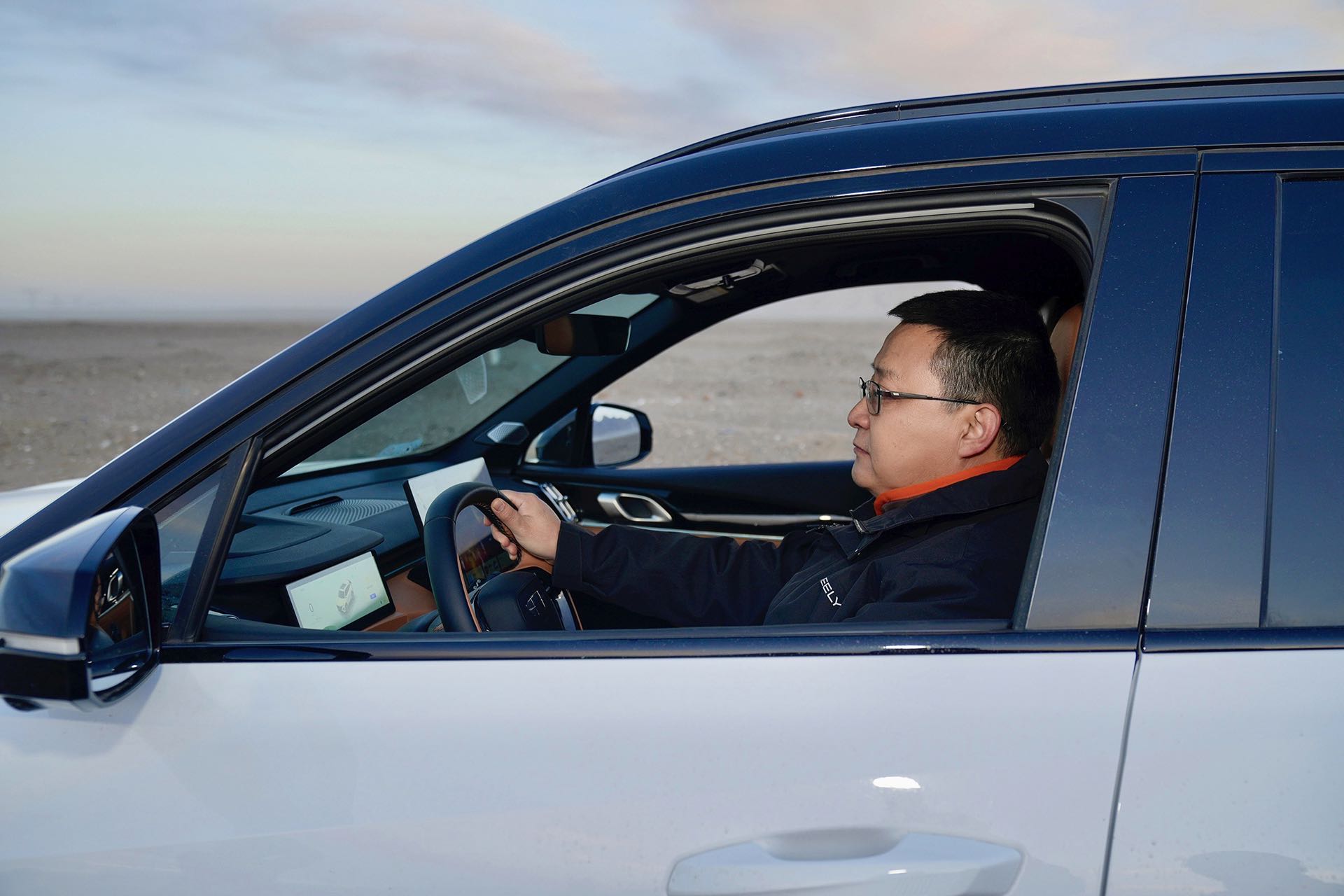
Core Insights - The development of zero-gravity seats is a significant aspect of the high-end transformation of Chinese automobiles, focusing on quality and comfort for consumers [1] - The automotive industry in China is experiencing a shift towards innovation and leadership, particularly in the dimensions of intelligence ("智") and quality ("质") [3] Group 1: Intelligence ("智") - Intelligent tools such as AI have been integrated into every stage of automotive development, significantly reducing the time and cost associated with physical testing [4] - The transition from experience-driven to data-driven development has led to substantial improvements in efficiency and quality [4] Group 2: Quality ("质") - The introduction of the All-Domain Safety 2.0 technology system by Geely represents a significant upgrade in automotive safety, incorporating a comprehensive view of safety that includes "public domain safety" [5] - Geely has established a global safety center to enhance its verification capabilities, ensuring compliance with global regulations and addressing real-world complexities [5] Group 3: Collaborative Innovation - The enhancement of automotive safety performance requires collaborative efforts across the industry, moving from a follower to a leader role [6] - The integration of various disciplines within automotive development is essential for rapid iteration and systemic responses to technological innovations [6] Group 4: Case Study - Zero-Gravity Seat - The development of the zero-gravity seat involved creating a unique testing dummy to simulate collision impacts for non-standard seating positions, showcasing Geely's commitment to innovation in safety verification [8] - This initiative reflects a broader goal of establishing Chinese standards in global safety testing frameworks [8] Group 5: Globalization and Future Strategy - Geely is preparing for globalization by fostering cross-disciplinary talent and establishing deeper collaborations within the industry [9] - The aim is to ensure that Chinese automotive products and technologies are competitive globally, adapting to various market needs and regulations [9]
2026车企新车规划盘点 这些新车值得关注
Zhong Guo Zhi Liang Xin Wen Wang· 2026-02-13 06:54
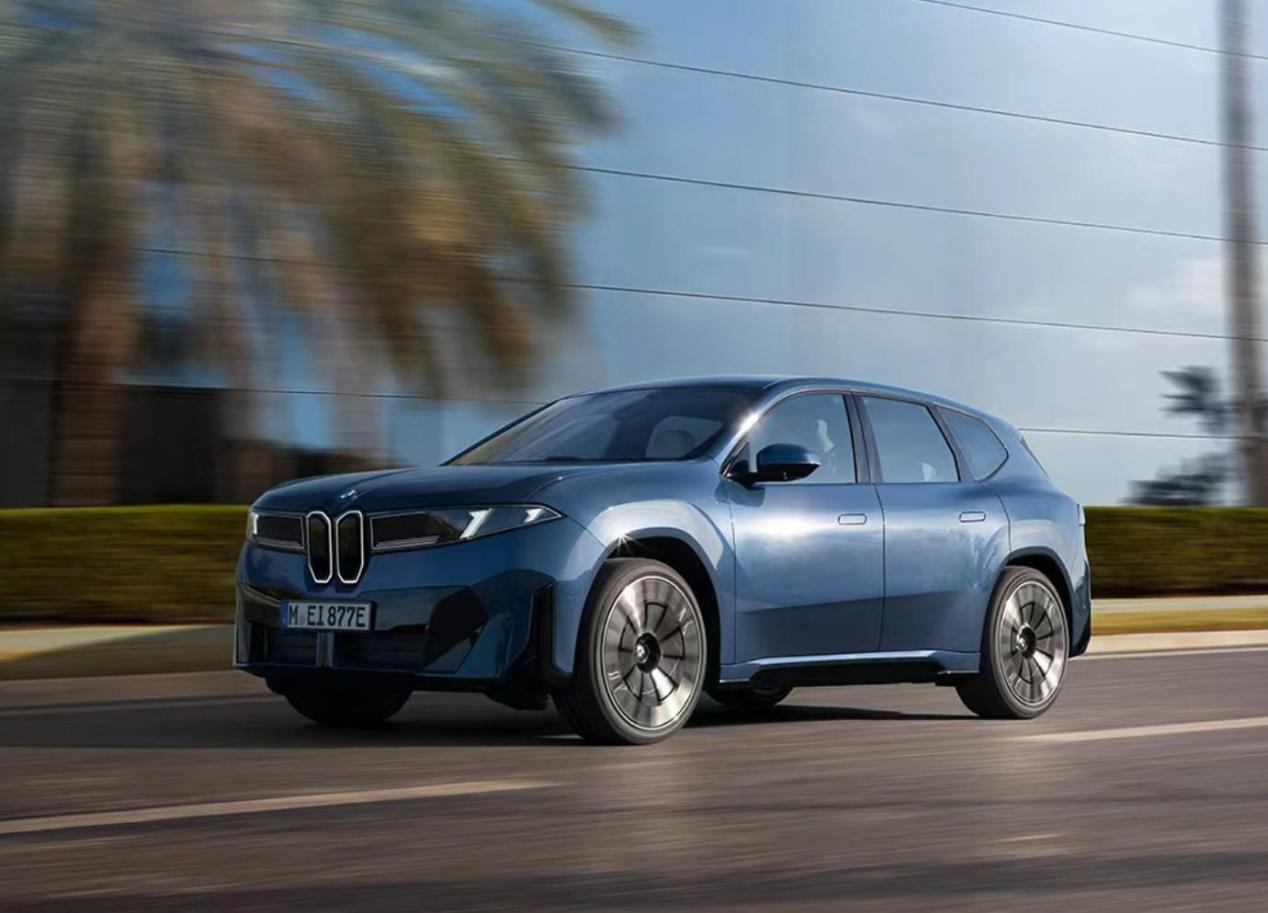
Industry Overview - The domestic automotive industry is entering a new phase focused on quality and efficiency, moving away from price competition to technology innovation and product upgrades to attract consumers [1] - In 2025, domestic passenger car production and sales are expected to reach new highs, with various automakers announcing new vehicle plans across different segments [1] BMW Group - BMW Group plans to launch approximately 20 new models across its three brands by 2026, including the locally produced BMW iX3 long-wheelbase version [2] - The new models will incorporate advanced technologies such as BMW's new generation electric drive technology and AI integration [2][4] Mercedes-Benz - Mercedes-Benz will introduce over 15 new and updated products in 2026, adhering to a strategy of "oil-electric homogeneity" and "oil-electric intelligence" [5] - The lineup will include new models like the long-wheelbase pure electric GLC SUV and the next-generation S-Class sedan [5][7] FAW-Volkswagen - FAW-Volkswagen plans to launch up to 13 new models in 2026, covering fuel, hybrid, and pure electric vehicles [9] - New models will include the all-new Sagitar S, Tayron S, and several Audi models, with a focus on advanced intelligent cockpit and driving assistance systems [9] SAIC Volkswagen - SAIC Volkswagen aims to release at least 7 new energy vehicles in 2026, emphasizing a strategy of "oil-electric co-progression" [11] - The ID.ERA 9X will be the first model in the new ID.ERA series, marking a significant step in the brand's transition to new energy [11] BYD - BYD plans to launch multiple new models across its various brands in 2026, including flagship models in the Dynasty and Ocean series [13] - The company will hold 12 product launch events throughout the year, covering high-end SUVs, performance supercars, and sedans [13] Geely - Geely is expected to introduce over 10 new energy models in 2026, covering various segments such as sedans, SUVs, and MPVs [15] - The Galaxy series will see the addition of new mid-to-large sedans and SUVs, while the Zeekr brand will focus on high-end models [15] Leap Motor - Leap Motor plans to launch 4 new models targeting the mainstream and high-end markets, including a small pure electric SUV and a flagship MPV [17] NIO - NIO will introduce several new models across its three brands, including the flagship ES9 SUV and the L80, a "super five-seat SUV" [18] XPeng Motors - XPeng Motors will launch 7 new "dual-energy" models in 2026, including the new AI luxury SUV [20] - The company emphasizes the integration of self-developed technologies in its new models [20] Hongmeng Zhixing - Hongmeng Zhixing plans to launch 12 new models in 2026, covering a wide price range from family cars to ultra-luxury vehicles [22] - The lineup will include new SUVs and MPVs, with a focus on differentiating market segments [22]


吉利欣旺达就动力电池诉讼达成和解 中国车企交出质量责任共担答卷
Xin Hua Cai Jing· 2026-02-13 06:45
Core Viewpoint - The recent settlement between Geely's Weir Electric Vehicle Technology Co., Ltd. and Aoxin Wanda's subsidiary Aoxin Wanda Power regarding a battery quality dispute, involving a total amount of 2.314 billion yuan, highlights the importance of collaborative problem-solving in the rapidly evolving electric vehicle industry [1][3]. Financial Arrangement - Aoxin Wanda Power will pay Weir Electric a total of 608 million yuan over five years, with specific payment milestones set for each year from 2026 to 2030 [1]. - The agreement specifies that costs incurred until December 31, 2025, will be shared after deducting amounts already borne by both parties, while costs after this date will be shared according to an agreed ratio [1][2]. Industry Implications - The resolution of this dispute within 43 days not only avoids prolonged litigation but also minimizes negative impacts on the industry ecosystem, emphasizing the need for effective collaboration between automakers and suppliers [3]. - The automotive industry is currently facing challenges such as accelerated technological iteration, intensified market competition, and heightened quality demands, necessitating a cooperative approach to quality management [3][4]. Quality Control Responsibilities - Automakers are urged to maintain strict quality standards and take core responsibility for quality control across the entire supply chain, including supplier selection and product acceptance [4]. - Suppliers are encouraged to uphold high product quality and collaborate with automakers to address quality disputes rationally and effectively [4]. Future Recommendations - Industry experts suggest that companies should enhance collaborative mechanisms, standardize dispute resolution processes, and foster an ecosystem characterized by risk-sharing, benefit-sharing, and collaborative development [4].

华为通报:原终端BG多媒体技术部部长被逮捕
Xin Lang Cai Jing· 2026-02-13 06:09
犯罪嫌疑人邓某,于2007年7月入职华为,2007年7月至2020年12月先后任职终端总体技术硬件平台部工 程师、终端器件与归一化部高级工程师、终端多媒体技术部高级工程师、架构师、Camera部经理、多 媒体技术部部长等职务。 经司法查明,邓某在职期间,涉嫌利用职务便利为供应商谋取不当利益,收取供应商好处费,数额巨 大。2025年12月9日,邓某因涉嫌非国家工作人员受贻罪被刑事拘留;2026年1月15日,邓某被龙岗区人 民检察院依法批准逮捕。 炒股就看金麒麟分析师研报,权威,专业,及时,全面,助您挖掘潜力主题机会! 智通财经独家获悉,据华为内部反腐快报2026(001)文件显示,原终端BG多媒体技术部部长邓某因涉 嫌非国家工作人员受贿罪被龙岗区人民检察院依法批准逮捕。 知情人士透露,邓某在被荣耀公司除名后,曾以化名身份加入吉利控股公司星际魅族。 责任编辑:杨赐 炒股就看金麒麟分析师研报,权威,专业,及时,全面,助您挖掘潜力主题机会! 犯罪嫌疑人邓某,于2007年7月入职华为,2007年7月至2020年12月先后任职终端总体技术硬件平台部工 程师、终端器件与归一化部高级工程师、终端多媒体技术部高级工程师、架构师 ...
李迅雷:中国出口份额提升空间还有多大?| 立方大家谈
Sou Hu Cai Jing· 2026-02-13 04:14
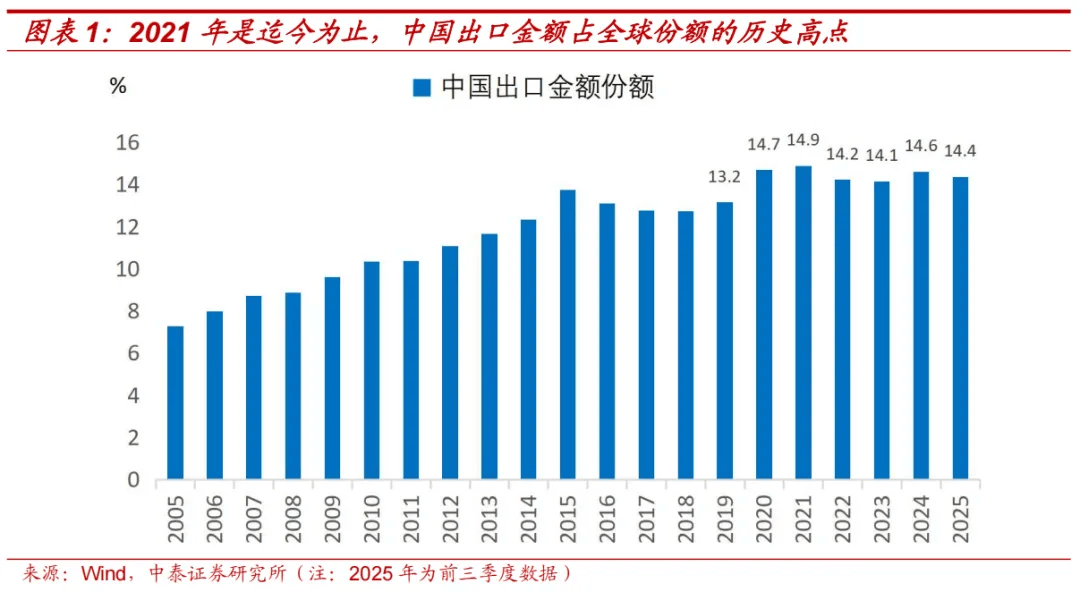
Core Viewpoint - The depreciation of the RMB and low export prices have hindered the increase of China's export value share in the global market, despite exports being a crucial driver of China's economic growth. After reaching a historical high of 14.9% in 2021, China's export share is expected to remain below this level from 2022 to 2025. However, when excluding the impacts of price and exchange rate, the quantity of China's exports continues to increase, indicating its importance as a driver of GDP growth [1][4][7]. Group 1: Export Quantity Share - China's export quantity share is projected to rise from 13.2% in 2019 to 17.0% by the third quarter of 2025, driven by the accelerated upgrade of industries and an increase in high-value-added product exports [13][16]. - The analysis of Japan and Germany's export share decline suggests that China will maintain strong competitiveness in exports, leading to an increase in export order share [38][25]. Group 2: Price Factors - The potential for trade friction risks will limit the price reduction of certain Chinese export products, while optimizing export tax policies may increase export prices. The expected decline in China's export price will narrow, with a possibility of a temporary increase due to a low base [2][44][51]. - The export price index for Chinese goods has been in negative territory for three consecutive years, with a cumulative decline of 10.1% from 2023 to 2025, indicating a strategy of "price for volume" to enhance competitiveness [16][21]. Group 3: RMB Exchange Rate - Since 2022, there has been a divergence between China's trade surplus and the actual effective exchange rate of the RMB, with expectations of a gradual appreciation of the RMB due to strong export resilience and the goal of achieving a per capita GDP comparable to that of developed countries by 2035 [2][63][67]. - The RMB is expected to appreciate against the USD, with a projected increase of 4.4% by 2025, supported by a stable economic environment and increased use of RMB in international trade [70][77]. Group 4: Future Projections - Quantitative assessments indicate that China's export value share in the global market is expected to begin a sustained recovery starting in 2026, stabilizing around 17% by 2030, suggesting that there is still room for growth in China's export share [3][89][91]. - The analysis predicts that the factors supporting China's export growth will not reverse in the short term, indicating continued resilience in exports [20][21].
中国出口份额提升空间还有多大?
李迅雷金融与投资· 2026-02-13 03:53
Core Viewpoint - The article emphasizes that despite the perception of strong export performance, China's export growth has lagged behind the global average in recent years, with only 2024 expected to exceed global growth rates in dollar terms [3][4][6]. Export Performance Analysis - Over the past four years, only in 2024 did China's dollar-denominated exports grow faster than the global average, while in 2022 and 2023, China's export growth was lower than the global average [3][4]. - China's share of global exports remained stable at around 13% from 2015 to 2019, with a slight increase to 14%-15% from 2020 to the first three quarters of 2025, but still below the historical high of 14.9% reached in 2021 [3][4][6]. - The decline in China's export share is attributed to weak export prices and currency depreciation, which have hindered the growth of export value [3][6][11]. Factors Influencing Export Growth - Analyzing the components of China's export share reveals that the decline is primarily due to export prices and exchange rates, while the quantity of exports has been increasing [6][7][8]. - China's export quantity share is projected to rise from 13.2% in 2019 to 17.0% by the first three quarters of 2025, driven by a shift towards higher value-added products [12][14]. - The article identifies three main reasons for the increase in export quantity: accelerated industrial upgrading, persistent price declines due to supply-demand imbalances, and the diversification of markets through the Belt and Road Initiative [12][14][17]. Future Projections - The article forecasts that China's export share will begin to recover in 2026 and stabilize around 17% by 2030, indicating that there is still room for growth in China's global export share [3][82]. - The expected recovery is supported by a projected appreciation of the renminbi, a narrowing of export price declines, and the competitive advantages of Chinese exporters [76][82]. Price and Currency Factors - The article suggests that the downward pressure on export prices is expected to weaken, with potential for price increases due to trade friction risks and government policy adjustments [40][41][47]. - The renminbi is anticipated to appreciate against the dollar, supported by China's resilient export performance and the government's long-term economic goals [58][61][76].

多家车企明确2027年计划开展全固态电池装车示范工作;MinerU完成10余家国产AI芯片算力适配丨智能制造日报
创业邦· 2026-02-13 03:37
Group 1 - Multiple automotive companies, including Geely and Chery, have announced plans to conduct all-solid-state battery vehicle demonstration work by 2027, with Geely aiming for small-scale industrialization by 2027 and full commercialization by 2030 [2] - Chery plans to achieve a 0.5GWh pilot production line by 2026 and start all-solid-state battery vehicle demonstrations in 2027, moving towards large-scale application [2] Group 2 - MinerU, an AI document parsing tool developed by the Shanghai Artificial Intelligence Laboratory, has completed compatibility adaptations with over 10 domestic AI chip manufacturers, achieving a 99% accuracy rate in capturing elements from PDFs and complex web pages [2] - This initiative aims to enhance the ecological compatibility and adaptability of the MinerU project through a full-stack optimization strategy [2] Group 3 - The first national AI application scenario center, LuckyMate.AI, has opened in Shenzhen's Huaqiangbei, providing a platform for AI technology demonstration, industry connection, and urban application [2] Group 4 - EssilorLuxottica, the parent company of Ray-Ban, expects a more than threefold increase in sales of AI smart glasses in collaboration with Meta by 2025, having sold over 7 million pairs of AI glasses last year [2]