Klarna

Search documents
X @Investopedia
Investopedia· 2025-08-13 18:45
Industry Trend - Buy Now, Pay Later (BNPL) services have significantly increased in recent years [1] Key Players - Companies like Klarna and Affirm are offering consumers the option to split purchases into smaller installments [1]
X @Investopedia
Investopedia· 2025-08-13 13:00
Buy Now, Pay Later services have ballooned in recent years, with companies like Klarna, Affirm, and others offering consumers to chance to break up their purchases into bite-size chunks. https://t.co/TyleQOkHb0 ...
OpenAI 产品负责人谈AI PMF:别再用老地图,寻找 AI 这片新大陆
3 6 Ke· 2025-08-12 23:10
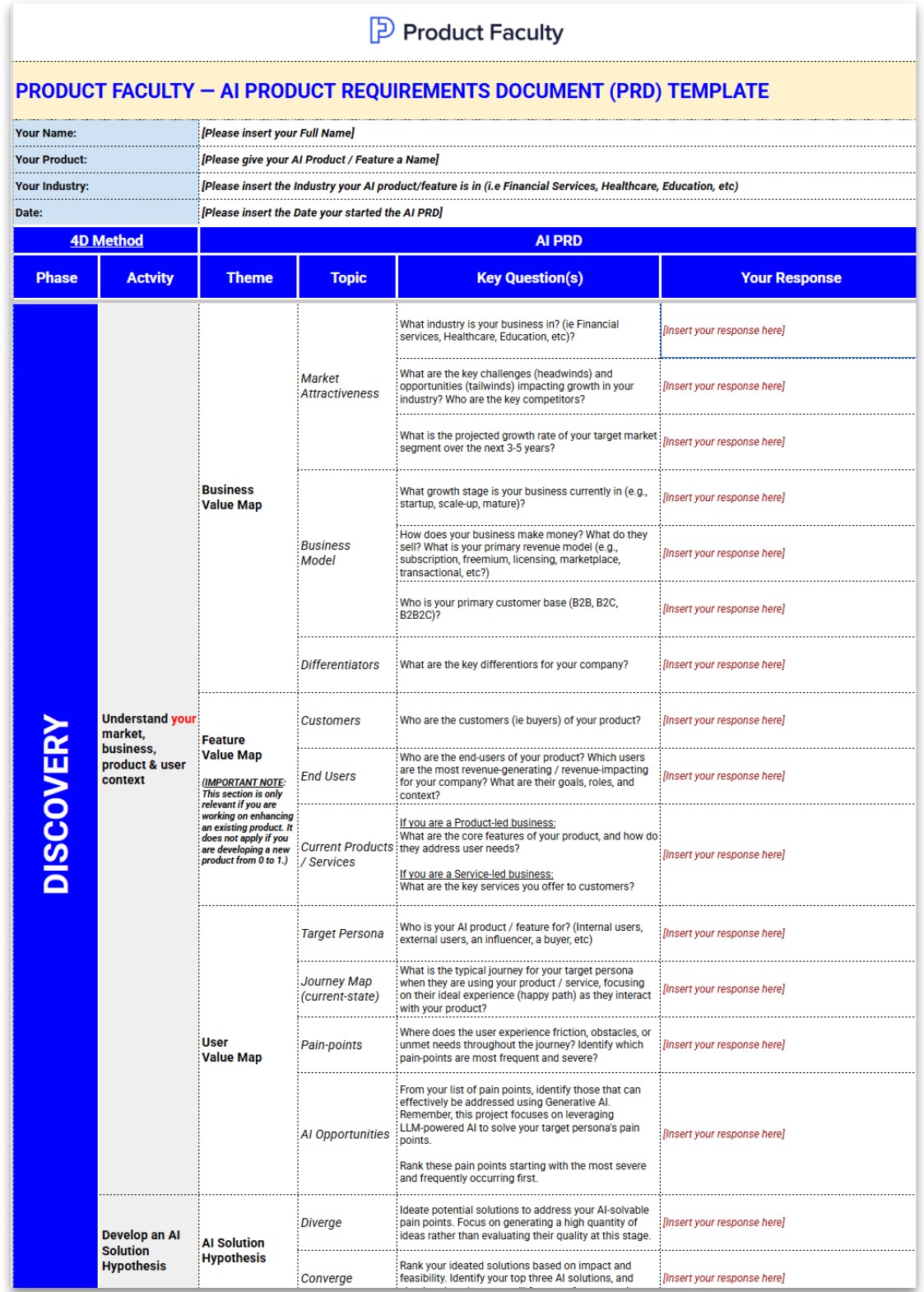
Core Insights - The traditional Product-Market Fit (PMF) framework is outdated in the AI era, necessitating a new approach to align with rapidly evolving user expectations and technological advancements [1][2][3] Group 1: AI PMF Paradox - Achieving PMF is simultaneously easier and harder in the AI era; AI enables faster iterations and deeper user insights, but user expectations have skyrocketed, making "good enough" no longer sufficient [2][3] - The concept of PMF has become a moving target, as users continuously interact with superior AI systems, altering their definitions of what constitutes an intelligent product [2][3] Group 2: Limitations of Traditional PMF Framework - Traditional PMF frameworks assume a stable problem-solution relationship, which is disrupted by AI products that often address unknown user problems or create new workflows [3][4] - AI solutions are not limited by traditional software constraints, leading to unpredictable user experiences due to varying capabilities in different areas [4] - User expectations grow exponentially once they experience effective AI, raising the bar for all AI products [5] Group 3: New AI PMF Framework - A new framework for AI PMF consists of four iterative, data-driven stages that require constant recalibration to meet evolving user needs [6][11] - The first stage involves identifying unique pain points that can only be addressed through AI capabilities, focusing on "invisible pain points" that users may not recognize as problems [7][10] Group 4: AI Product Development - The second stage emphasizes the need for an AI Product Requirements Document (PRD) that differs from traditional methods, focusing on probabilistic outcomes rather than deterministic behaviors [11][12] - The third stage involves strategic frameworks for scaling AI products, ensuring performance consistency and data quality across diverse user scenarios [16][19] Group 5: Sustainable Growth and Optimization - The final stage focuses on creating sustainable growth loops, where AI products improve over time through user interactions, enhancing both model performance and user trust [22][23] - Companies that master the new AI PMF framework will likely dominate their markets and expand rapidly into adjacent sectors due to their AI's increasing intelligence [24][25]


‘Buy Now, Pay Later’ Is Starting to Look a Lot Like Credit Cards | WSJ The Economics Of
The Wall Street Journal· 2025-08-11 14:00
Industry Overview & Growth - The Buy Now, Pay Later (BNPL) industry has experienced rapid growth as an alternative to credit cards [1][9] - BNPL transaction volume has multiplied 20 times since 2019 [9] - Physical cards for brick-and-mortar stores are a significant growth opportunity for BNPL lenders [8] Business Models & Revenue - Top BNPL providers offer pay-in-four, zero-interest installment loans [3] - BNPL providers charge merchants a fee, sometimes as high as 5% of the transaction value [4][5] - Some lenders, like Affirm, offer longer-term loans with interest [5] - Afterpay has a pay-monthly option for larger transactions with simple interest [6][7] Consumer Behavior & Risk - A LendingTree survey found that 25% of BNPL customers have used it for groceries, up from 14% in 2024 [12] - A CFPB study indicated that over two-thirds of BNPL loans went to borrowers with lower credit scores [14] - LendingTree found that 41% of BNPL users paid late in the past year, up from 34% the year before [16] Competition & Partnerships - Growing competition exists for both customers and merchants in the BNPL space [10] - Klarna announced an exclusive deal with Walmart to provide loans through OnePay [10] - Direct relationships with merchants are crucial for BNPL providers [11] Regulation & Credit Reporting - The CFPB issued an interpretive rule subjecting BNPL providers to credit card regulations, but enforcement is uncertain [19] - FICO announced it would add BNPL loans to credit reports [20] - Klarna and Afterpay are withholding customer data until they are assured customers won't be unfairly penalized [21]
人工智能正在削减劳动力规模,连高管都难以幸免
财富FORTUNE· 2025-08-11 13:06
谷歌(Google)前首席商务官莫·乔达特(Mo Gawdat)表示,"人工智能将创造就业岗位"的说法纯属"彻头彻尾的废 话"。他警告称,人工智能将摧毁就业岗位,甚至"能力欠佳的首席执行官"和"心怀不轨"的政府领导人也难以幸免。图 片来源:Kate Green / Stringer / Getty Images 科技巨头们一直坚称,人工智能将引领人类进入"黄金时代",届时所有疾病都能被治愈,人们尽享富足 生活,劳动者将拥有"超级人类"能力。然而,前谷歌高管却对"人工智能不会成为就业杀手,反而会为 人类创造新工作"的观点展开了猛烈抨击。 尽管"公司完全由机器人运营、没有人类参与"的场景极具反乌托邦色彩,但这位前谷歌高管并不畏惧未 来。这位58岁的高管认为,人工智能并非导致失业的罪魁祸首——实际上,是那些贪婪的首席执行官们 为追求经济利益而任由技术接管工作,这才是问题的根源所在。 "在我看来,这种说法简直就是彻头彻尾的废话,"谷歌X前首席商务官莫·乔达特最近在《首席执行官日 记》播客中表示,"无论身处何种岗位,顶尖人才将会留下来。真正了解架构、掌握技术的顶尖软件开 发者会留下来——至少在一段时期内是这样。" 乔达 ...


X @Bloomberg
Bloomberg· 2025-08-11 04:06
Chances are, you know Klarna as a shopping app. As the company plans its IPO, it wants to become your bank as well https://t.co/9sNwwh36bs ...
Airbnb也翻车了,房东用AI伪造图片让用户赔钱
3 6 Ke· 2025-08-08 11:47
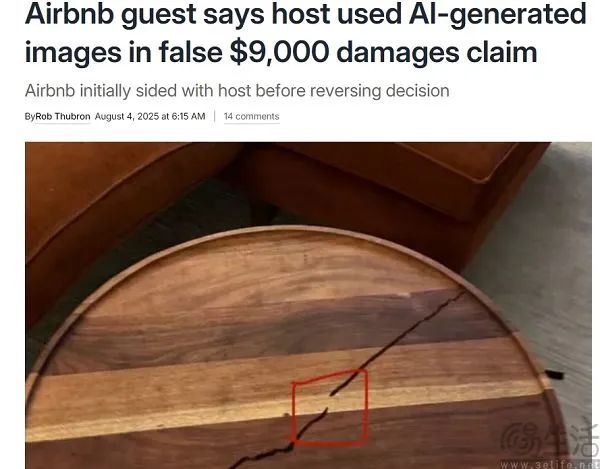
Core Insights - The article discusses the impact of AI on various industries, highlighting both its efficiency benefits and potential risks, particularly in the context of Airbnb's recent incident involving AI-generated evidence [1][6][19] Company Analysis - Airbnb faced a significant issue when a user was wrongfully penalized for damages based on AI-generated images submitted by a host, leading to a compensation demand of $7,053 [4][11] - The company had previously acquired an AI startup for approximately $200 million to enhance its smart accommodation services, indicating a strong commitment to AI integration [6] - Airbnb's CEO, Brian Chesky, expressed enthusiasm about AI's potential to transform travel and customer service, yet the incident reveals vulnerabilities in their AI systems [6][8] Industry Implications - The incident underscores the challenges of AI in accurately identifying AI-generated content, which remains a significant limitation in the industry [16][19] - The lack of reliable AI content detection tools has led to a reliance on digital watermarking technologies, with major companies forming alliances to address these issues [19] - The event may signal a broader challenge for C2C platforms as they navigate the complexities introduced by generative AI, potentially reshaping relationships between platforms, consumers, and sellers [19]

Marqeta(MQ) - 2025 Q2 - Earnings Call Transcript
2025-08-06 21:32
Financial Data and Key Metrics Changes - Total processing volume (TPV) reached $91 billion in Q2 2025, a 29% increase compared to Q2 2024 [5][19] - Net revenue for Q2 was $150 million, growing 20% year over year [6][22] - Gross profit was $104 million, reflecting a 31% increase year over year, resulting in a gross margin of 69% [6][23] - Adjusted EBITDA was $29 million, achieving a margin of 19%, marking an all-time high for the company [7][27] - GAAP net loss was $600,000, including $8 million of interest income [28] Business Line Data and Key Metrics Changes - Non-block TPV grew nearly three times faster than block TPV, driven by diverse use cases [19][20] - Lending, including buy now pay later (BNPL), saw significant acceleration in growth compared to Q1, with all top 10 customers experiencing growth [21][29] - Value-added services gross profit more than doubled year over year, indicating strong traction [11] Market Data and Key Metrics Changes - European TPV continues to grow over 100% year over year, driven by various use cases including neo banking and expense management [13][18] - The acquisition of TransactPay is expected to enhance program management capabilities in Europe, further driving growth [15][16] Company Strategy and Development Direction - The company is focused on expanding customer relationships and innovating in lending and BNPL solutions [8][17] - Plans to launch new capabilities that allow consumers to receive multiple BNPL options at purchase are underway, with a broader launch expected in 2026 [10][97] - The acquisition of TransactPay aims to standardize offerings across geographies and enhance customer engagement [16][18] Management's Comments on Operating Environment and Future Outlook - Management expressed confidence in the business trajectory despite some macroeconomic uncertainties [38][39] - Full-year 2025 revenue growth expectations have been raised, with anticipated growth in gross profit and adjusted EBITDA margins [29][34] - The revised accounting policy for network incentives will shift from a tailwind in Q2 to a headwind in Q3 and Q4 [31][33] Other Important Information - The company repurchased 35.2 million shares at an average price of $4.62 in Q2, reducing outstanding shares by over 12% [28] - Adjusted operating expenses were $76 million, shrinking 7% year over year, driven by better execution and investment timing delays [26][27] Q&A Session Summary Question: Visibility on sales cycles and trends in TPV - Management feels good about visibility, noting strong performance in lending and BNPL, with growth accelerating unexpectedly [37][38] Question: Growth factor of value-added services - Value-added services are a high priority and are expected to become a larger growth driver as the business matures [39][42] Question: Drivers of increased adjusted EBITDA margin guidance - Strong gross profit growth driven by TPV and favorable mix, combined with lower expenses, are core sources of upside [46][48] Question: Regulatory environment impact - The regulatory environment is more business as usual, with some improvements in communication and coordination with bank partners [54][55] Question: International success and investment needs - The European market is growing over 100%, and the acquisition of TransactPay will enhance program management capabilities [71][75] Question: Crypto market performance and traditional bank engagement - The crypto use case has been volatile but is performing better, while engagement with traditional banks is ongoing but still several years away from broader support [83][87]

Marqeta(MQ) - 2025 Q2 - Earnings Call Transcript
2025-08-06 21:30
Financial Data and Key Metrics Changes - Total Processing Volume (TPV) reached $91 billion in Q2 2025, a 29% increase compared to Q2 2024 [5][18] - Net revenue for Q2 was $150 million, growing 20% year over year, driven by diverse use cases [6][20] - Gross profit was $104 million, a 31% increase year over year, resulting in a gross margin of 69% [6][22] - Adjusted EBITDA was $29 million, translating into a 19% margin, marking an all-time high for the company [6][26] - The company reported a GAAP net loss of $600,000 for the quarter [26] Business Line Data and Key Metrics Changes - Non-block TPV grew nearly three times faster than block TPV, with financial services, lending (including BNPL), and expense management driving the majority of TPV growth [19] - Lending, including BNPL, saw significant acceleration in growth compared to Q1, with all top 10 customers experiencing growth [20] - Value-added services gross profit more than doubled year over year, indicating strong traction [11] Market Data and Key Metrics Changes - European TPV continues to grow over 100% year over year, driven by diverse use cases [13][17] - The acquisition of TransactPay is expected to enhance program management services and support larger customers in Europe [15][17] Company Strategy and Development Direction - The company is focused on expanding customer relationships and enabling growth through innovative programs and geographic expansions [7][16] - The strategy includes enhancing value-added services and leveraging partnerships to deliver comprehensive solutions [10][41] - The acquisition of TransactPay is aimed at standardizing offerings across geographies and enhancing customer engagement [15][17] Management's Comments on Operating Environment and Future Outlook - Management expressed confidence in the business trajectory despite some macroeconomic uncertainties [35][36] - The company raised expectations for Q3, Q4, and full-year 2025 revenue growth, gross profit growth, and adjusted EBITDA margin [28][32] - Management noted that the revised accounting policy for network incentives will shift from a tailwind in Q2 to a headwind in Q3 and Q4 [29][30] Other Important Information - The company repurchased 35.2 million shares at an average price of $4.62 in Q2, reducing outstanding shares by over 12% [27] - The company ended the quarter with over $820 million in cash and short-term investments [27] Q&A Session Summary Question: Visibility on sales cycles and trends - Management feels good about visibility, noting strong performance in TPV growth and positive customer conversations [35][36] Question: Growth of value-added services - Value-added services are a high priority and are expected to become a larger growth driver as the business matures [37][41] Question: Drivers of adjusted EBITDA margin guidance increase - Strong gross profit growth driven by TPV and favorable mix, along with lower expenses, are key drivers of the adjusted EBITDA margin increase [45][46] Question: Regulatory environment impact - The regulatory environment is more business as usual, with some improvements in communication and coordination with bank partners [53][55] Question: International success and investment needs - The company sees significant growth potential in Europe, particularly with the capabilities gained from the TransactPay acquisition [70][73] Question: Crypto market performance - The crypto use case has been volatile but is performing better, with a focus on stablecoins and partnerships [82][84] Question: Traditional banks engagement - Conversations with traditional banks are ongoing, but broader support is still several years away [86][88] Question: TPV breakdown and spending patterns - No noticeable shifts in TPV breakdown, with strong performance across various use cases [92][94] Question: New BNPL capabilities - The company is developing a product that allows consumers to choose from multiple BNPL providers at the point of sale, enhancing value for issuing partners [95][96]
AI裁员后,企业反增新职位:AI失误补救专家需求激增
Sou Hu Cai Jing· 2025-08-04 21:03
Group 1 - The core viewpoint is that while AI is seen as a tool for efficiency and cost-saving by companies, it often leads to increased expenses in managing AI-related issues and correcting its mistakes [1][2][4][7] - Many companies are experiencing a rise in costs associated with maintaining AI systems, including content review and compliance, which can exceed initial budget expectations [1][4][8] - AI's integration into various business functions has not resulted in significant cost reductions or revenue increases, with average cost savings reported at less than 10% and revenue growth under 5% [7] Group 2 - The emergence of new job roles focused on correcting AI errors indicates a shift in workforce dynamics, as companies must now invest in human resources to manage AI shortcomings [1][8] - AI's application in customer service has revealed numerous challenges, including miscommunication and increased pressure on human staff to rectify AI errors [4][8] - The narrative of AI replacing human jobs is becoming a double-edged sword, as consumer backlash against AI-driven services is growing, leading companies to reconsider their reliance on AI [8][9]