
平安银行

Search documents
平安信用卡逆势升级五大保障,在存量市场中重塑“当然选平安”价值标杆
Mei Ri Jing Ji Xin Wen· 2025-11-19 10:15
Core Viewpoint - Ping An Bank's credit card service has undergone a comprehensive upgrade, focusing on enhancing user experience through five major areas of protection: card usage, travel, health, repayment, and service, aiming to create a safer and more secure credit card product for users [1][4]. Group 1: Key Features of the Upgrade - The "72-hour fraud liability waiver" offers coverage for up to 300,000 yuan, making it the only service in the industry that covers the period before formal reporting of loss [2]. - Holders can enjoy a free transportation accident insurance with coverage up to 1 million yuan, applicable to various modes of transport, enhancing travel security [2]. - The introduction of a free AI doctor consultation service provides users with 12 consultations per year, available 24/7, ensuring quick access to health advice [2]. Group 2: User-Centric Services - Multiple repayment options, including automatic repayment and flexible payment reminders, are designed to enhance user convenience and protect credit records [3]. - A dedicated one-on-one customer service system, supported by AI, ensures personalized assistance and proactive engagement with users [3]. Group 3: Market Context and Strategic Positioning - The credit card industry is facing challenges such as regulatory changes and a decline in card issuance, with a reported drop of approximately 92 million cards over 11 consecutive quarters [4]. - In contrast to the industry trend of reducing benefits, Ping An Credit Card has chosen to upgrade its services, reflecting a strategic shift towards enhancing customer lifetime value rather than merely expanding customer acquisition [4][5]. Group 4: Long-term Value and Growth Potential - The upgrade aligns with Ping An Group's broader "Three Savings" initiative, emphasizing innovation and customer-centric services, which is expected to drive sustainable growth [6][7]. - By leveraging its extensive ecosystem, including healthcare and insurance services, Ping An Credit Card aims to redefine its role from a payment tool to a comprehensive life risk protection platform [5][7].




AI重塑银行数字竞争力 机制与人才变革正在进行时
2 1 Shi Ji Jing Ji Bao Dao· 2025-11-19 09:30
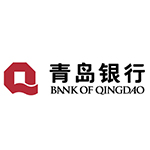
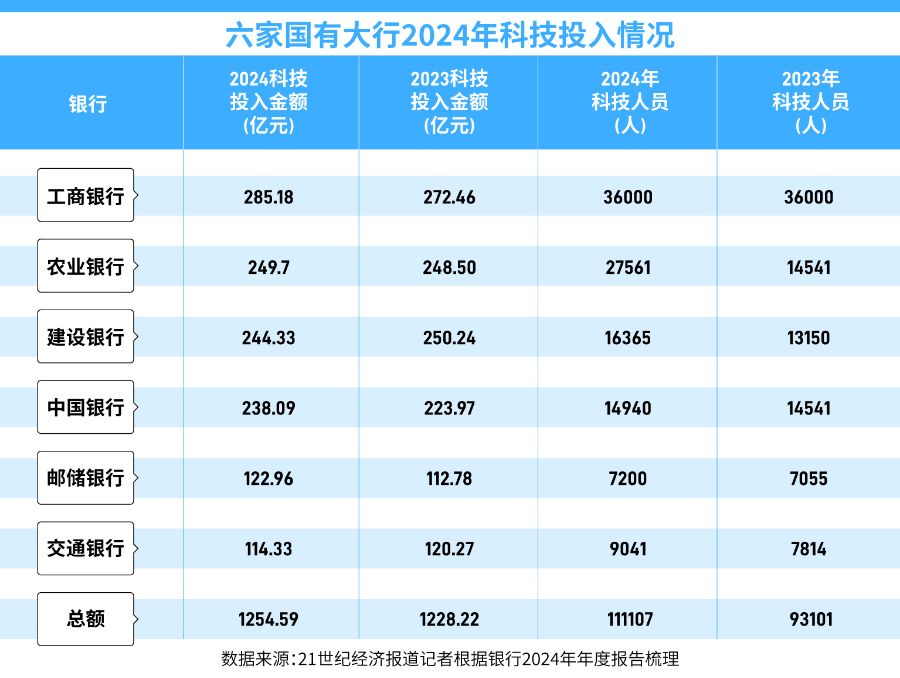
Core Insights - The banking industry is entering a new phase of digital finance development driven by AI applications, which are reshaping competitive dynamics and enabling smaller banks to gain advantages through innovation [1][2]. Group 1: Technology Investment and Governance - In 2024, the total technology investment by six major state-owned banks exceeded 120 billion yuan, marking a year-on-year increase of 2.15%, with a total of over 110,000 technology personnel, up 19.34% from the previous year [2][3]. - The technology investment of these six banks accounts for over 50% of the total technology investment across 59 banks that disclosed relevant data, which exceeded 200 billion yuan in 2024 [3]. - Some banks, such as China Construction Bank and Ping An Bank, reported a decrease in technology investment, with declines of 2.36% and 20.07% respectively, indicating a potential slowdown in technology spending [4]. Group 2: AI Integration and Talent Development - Banks are increasingly focusing on optimizing technology governance structures and enhancing resource management, with a particular emphasis on integrating AI into various business lines [5][6]. - The rise of AI has led to a significant increase in the proportion of technology personnel within banks, with all 11 major banks reporting growth in this area compared to 2023 [8][9]. - Banks are adopting dual pathways for cultivating composite talents, including targeted recruitment and internal mechanisms to foster collaboration between technology and business functions [10][11]. Group 3: Strategic Initiatives and Innovations - Several banks, including Industrial and Commercial Bank of China and Minsheng Bank, are launching strategic initiatives to deepen their digital transformation and AI capabilities [6][7]. - The focus is shifting from merely integrating technology to co-creating business and technology solutions, as highlighted by the emphasis on business involvement in AI model development [12].
银行行业资金流入榜:中国银行等5股净流入资金超亿元
Zheng Quan Shi Bao Wang· 2025-11-19 09:28
Core Viewpoint - The banking sector experienced a rise of 0.92% on November 19, with a net inflow of 1.265 billion yuan in main funds, indicating positive investor sentiment towards the sector [1][2]. Market Performance - The Shanghai Composite Index increased by 0.18% on the same day, with 10 out of 28 sectors showing gains. The top-performing sectors included non-ferrous metals and petroleum & petrochemicals, which rose by 2.39% and 1.67%, respectively [1]. - The banking sector's performance was bolstered by a net inflow of 1.265 billion yuan, with 33 out of 42 banking stocks rising [2]. Fund Flow Analysis - The defense and military industry led the net inflow of main funds, attracting 3.610 billion yuan, while the banking sector followed with a net inflow of 1.265 billion yuan [1]. - The electronic industry faced the largest net outflow, with 7.580 billion yuan leaving the sector, followed by the computer industry with a net outflow of 6.941 billion yuan [1]. Individual Stock Performance - Among banking stocks, China Bank saw the highest net inflow of 375 million yuan, followed by Ping An Bank and China Merchants Bank with inflows of 234 million yuan and 185 million yuan, respectively [2]. - The stocks with the largest net outflows included Agricultural Bank, Shanghai Bank, and Construction Bank, with outflows of 85.029 million yuan, 74.060 million yuan, and 32.577 million yuan, respectively [2][3].



AI重塑银行数字竞争力,机制与人才变革正在进行时
2 1 Shi Ji Jing Ji Bao Dao· 2025-11-19 09:26
Core Insights - The banking industry is entering a new phase of digital finance development driven by AI applications, enhancing the integration of technology and business operations [2] - There is a significant increase in technology investment among major banks, with a focus on optimizing governance structures and resource management [3][4] - AI is reshaping competitive dynamics in the banking sector, enabling smaller banks to leverage technology for innovation and growth [2] Technology Investment and Governance - In 2024, the total technology investment by six major state-owned banks exceeded 120 billion yuan, marking a 2.15% year-on-year increase, with a total of over 111,000 technology personnel, up 19.34% from the previous year [3][4] - The technology investment of these six banks accounts for over 50% of the total technology spending in the banking industry, which exceeds 200 billion yuan [4] - Some banks, such as China Construction Bank and Ping An Bank, have reported a decrease in technology investment, indicating a shift towards optimizing technology resource management [5][6] AI Application and Innovation - AI applications are accelerating the integration of business and technology, with various banks launching innovative projects across different scenarios [2][6] - Smaller banks like Qingdao Bank and Hunan Bank have demonstrated significant innovation capabilities through AI, winning multiple awards in recent fintech competitions [2] Talent Development and Resource Allocation - The proportion of technology personnel in major banks has increased, reflecting a growing emphasis on talent as a core resource for digital finance development [9][10] - Banks are adopting dual pathways for cultivating composite talents, focusing on both external recruitment and internal mechanisms to enhance the integration of technology and business [11][12] - The shift towards "business-technology co-creation" is emphasized, with banks encouraging deeper involvement of business units in technology development processes [13]



涨停潮!一则消息,彻底引爆!
Zheng Quan Shi Bao· 2025-11-19 09:07
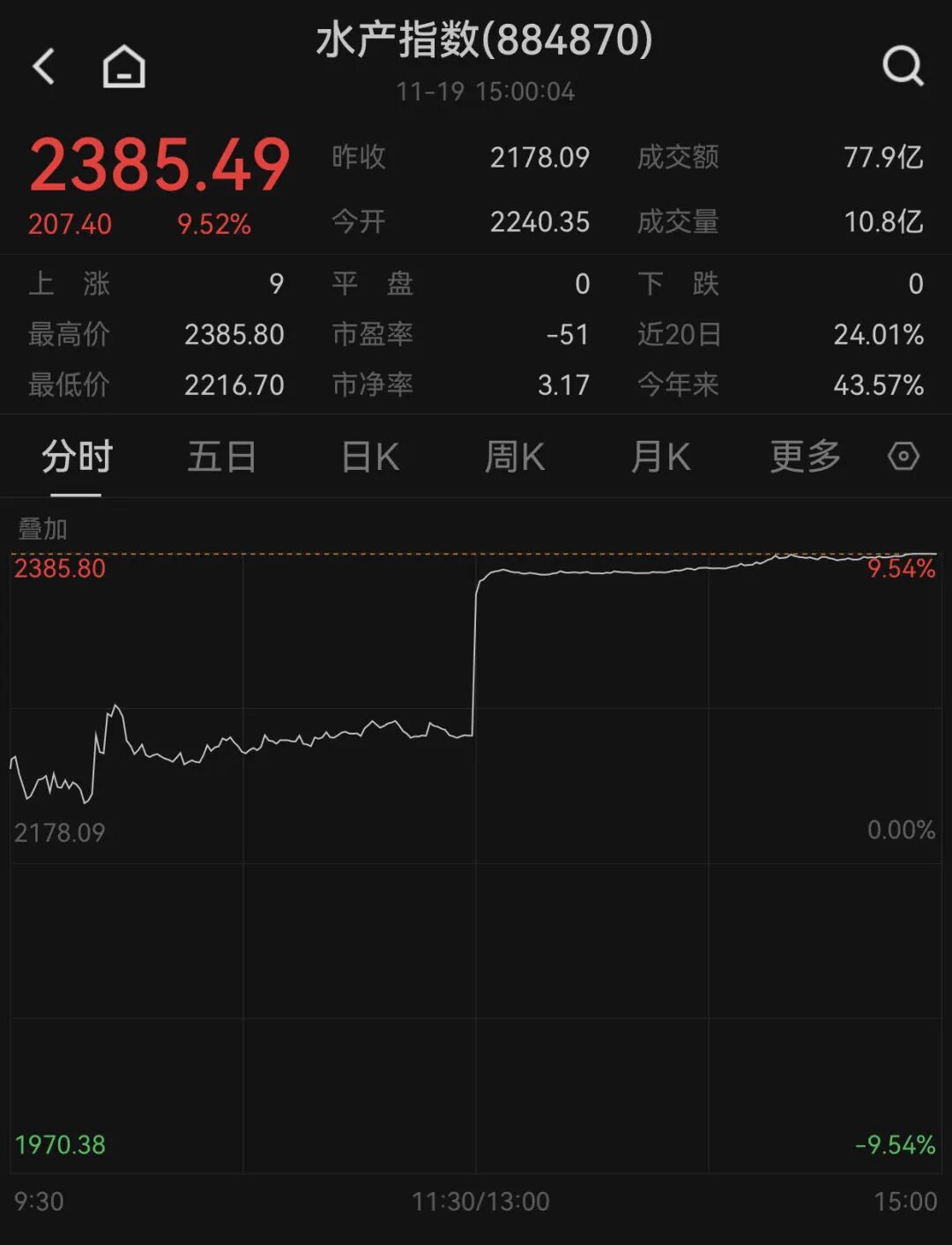
Group 1: Market Overview - The A-share market experienced fluctuations with the Shanghai Composite Index closing up 0.18% at 3946.74 points, while the Shenzhen Component fell slightly to 13080.09 points, and the ChiNext Index rose 0.25% to 3076.85 points [2] - The total trading volume in the Shanghai and Shenzhen markets was approximately 17,428 billion yuan, consistent with the previous day's trading volume [2] Group 2: Sector Performance - The water sector saw a significant surge, with the water index rising by 9.52% by the end of the trading day [3] - Notable stocks in the water sector included Guolian Aquatic (涨停 20.09%), Zhanzi Island (涨停 10.10%), and Zhongshui Fishery (涨停 9.96%) [5][6] - The banking and insurance sectors also performed well, with China Bank rising nearly 4% and several insurance companies seeing gains of around 3% [7] Group 3: Lithium Battery Sector - The lithium battery sector experienced strong performance, with stocks like Jinyuan Co. and Rongjie Co. hitting the daily limit [8] - The price of lithium carbonate futures reached over 100,000 yuan per ton, driven by surging demand in the energy storage and electric vehicle markets [10] Group 4: Gold Sector - The gold sector saw a notable rise, with stocks like Shenhua A and Zhongjin Gold hitting the daily limit, and others like Chifeng Gold and Shandong Gold rising over 5% [11] - Analysts suggest that gold prices are supported by factors such as policy easing, de-dollarization, and ongoing demand for safe-haven assets [13]



@各位银行股东,你的“中期红包”正陆续到账!
Jin Rong Shi Bao· 2025-11-19 08:56
Core Viewpoint - The banking sector in China is experiencing a mid-term dividend distribution wave, with numerous listed banks announcing substantial cash dividends to reward investors, reflecting a broader trend of increasing shareholder returns across the industry [1][2][5]. Group 1: Dividend Announcements - Hangzhou Bank announced a cash dividend of 0.38 yuan per share, totaling 27.55 billion yuan, marking a year-on-year increase of 24.10% [1]. - As of mid-November, ten listed banks, including Ping An Bank, Minsheng Bank, and Shanghai Bank, have already distributed mid-term dividends [2]. - China’s six major state-owned banks are set to distribute over 204.65 billion yuan in mid-term dividends, with individual banks like China Bank and Construction Bank planning to hold shareholder meetings to approve their dividend proposals [3]. Group 2: Industry Trends - A total of 24 A-share listed banks have disclosed their mid-term dividend plans, with the total cash dividend amount reaching 263.79 billion yuan [3]. - Several banks, including Industrial Bank and Changsha Bank, are implementing mid-term dividends for the first time since their listings [3]. - The trend of increasing mid-term dividends is seen as a response to regulatory encouragement for companies to enhance shareholder returns [5]. Group 3: Market Impact - The mid-term dividend distribution has led to a surge in bank stock prices, with the Shenwan Bank Index rising by 7.7% from October 14 to November 14 [7]. - Major banks have seen significant stock price increases, with Industrial Bank and Agricultural Bank experiencing gains of 13.5% and 23.0%, respectively [7]. - The early timing of dividend distributions this year compared to last year is expected to sustain the upward momentum in bank stocks until the end of November [6][7].
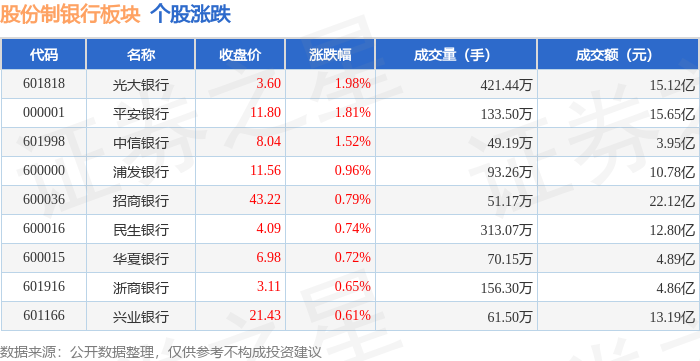
股份制银行板块11月19日涨1.02%,光大银行领涨,主力资金净流入5.77亿元
Zheng Xing Xing Ye Ri Bao· 2025-11-19 08:52
Core Insights - The banking sector saw a rise of 1.02% on November 19, with Everbright Bank leading the gains [1] - The Shanghai Composite Index closed at 3946.74, up 0.18%, while the Shenzhen Component Index closed at 13080.09, unchanged [1] Banking Sector Performance - Everbright Bank's stock price increased by 1.98% to 3.60, with a trading volume of 4.21 million shares and a transaction value of 15.12 million [1] - Ping An Bank rose by 1.81% to 11.80, with a trading volume of 1.34 million shares and a transaction value of 1.56 billion [1] - CITIC Bank's stock price increased by 1.52% to 8.04, with a trading volume of 491,900 shares and a transaction value of 39.5 million [1] - Other banks like Shanghai Pudong Development Bank, China Merchants Bank, and Minsheng Bank also showed positive performance, with varying increases in stock prices and trading volumes [1] Capital Flow Analysis - The banking sector experienced a net inflow of 577 million from main funds, while retail funds saw a net outflow of 174 million [1] - Major banks like China Merchants Bank and Ping An Bank had significant net inflows from main funds, while they faced outflows from retail and speculative funds [2] - Everbright Bank had a net inflow of 24.92 million from main funds but saw a net outflow of 98.58 million from retail investors [2]


超4100只个股下跌
第一财经· 2025-11-19 07:37
Market Overview - The A-share market experienced a fluctuating trend, with the Shanghai Composite Index rising by 0.18% to close at 3946.74, while the Shenzhen Component Index remained flat and the ChiNext Index increased by 0.25% to 3076.85 [3][4]. Sector Performance - The gold sector showed strength, and the aquaculture sector surged in the afternoon, with stocks like Guolian Aquatic and Zangzi Island hitting the daily limit [4][5]. - The banking sector also performed well, with China Bank rising over 3% to reach a historical high, alongside significant gains in other banks like Everbright Bank and Ping An Bank [6]. Trading Volume and Market Sentiment - The total trading volume in the Shanghai and Shenzhen markets was 1.73 trillion, a decrease of 200.2 billion from the previous trading day, with over 4100 stocks declining [7]. - Main funds saw a net inflow into sectors such as telecommunications, banking, and precious metals, while there was a net outflow from computer, media, and pharmaceutical sectors [9]. Institutional Insights - Shenwan Hongyuan predicts a comprehensive market rally may start in the second half of 2026, marking the beginning of "Bull Market 2.0" [10]. - Zhongyuan Securities notes that the current A-share market is in a phase of consolidation around the 4000-point mark, with a likely continuation of style rebalancing between cyclical and technology sectors [11]. - CITIC Securities observes that the Shanghai Composite Index is fluctuating around 4000 points, with total market turnover decreasing to around 2 trillion, indicating active investment in thematic and growth sectors [12].




不用抵押物,专利也能“变”贷款?山西金融解锁科创企业融资新玩法
Sou Hu Cai Jing· 2025-11-19 07:34
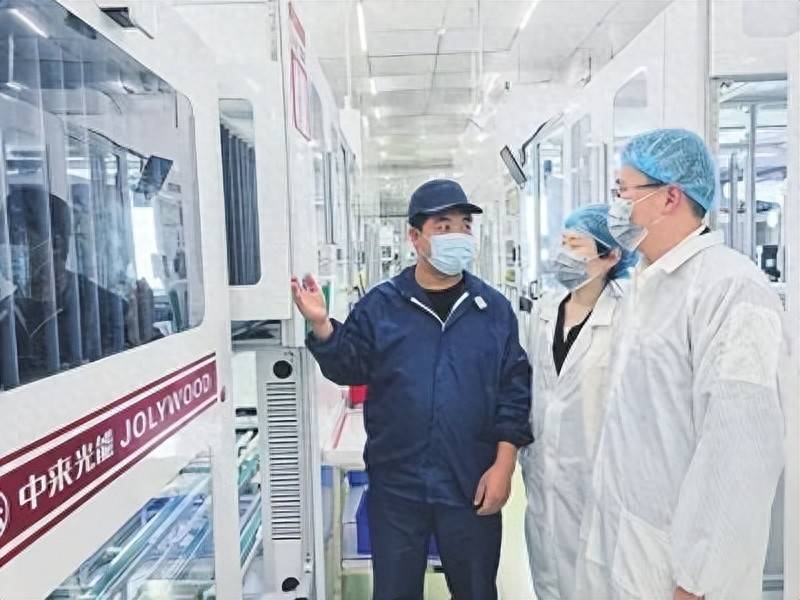
Core Insights - The financial sector in Shanxi is actively supporting economic transformation through innovative financial products and services, focusing on technology, green finance, inclusive finance, and digital finance [2][3][4][10] Group 1: Technology Finance - Shanxi Zhonglai Solar Technology Co., Ltd. received a loan of 200 million yuan from Huaxia Bank without any collateral, enabling the company to procure raw materials for production [3] - The Jinzhong Financial Regulatory Bureau has launched a plan to create a technology finance hub, resulting in 66 customized financial products and over 20 billion yuan in signed agreements with 192 technology companies [4] Group 2: Green Finance - The green loan financing scale of Industrial Bank's Taiyuan branch reached 16.532 billion yuan by the end of September [5] - New insurance products like meteorological index insurance and forestry carbon sink insurance are being developed to support ecological protection in the Yellow River basin [4][5] Group 3: Inclusive Finance - Zhejiang Merchants Bank's domestic letter of credit service has significantly improved cash flow for coal enterprises, with nearly 2 billion yuan disbursed to downstream companies [6] - The balance of inclusive agricultural loans in Jinzhong reached 145.156 billion yuan, with a growth rate of 13.50%, surpassing the average loan growth rate [7] Group 4: Digital Finance - Digital financial services in Shanxi have improved convenience for citizens, with over 10 million transactions processed for traffic fines through online platforms [8] - The digital economy industry loan balance in Jinzhong reached 2.332 billion yuan, supporting the intelligent upgrade of traditional industries [8] Group 5: Pension Finance - Shanxi Bank has expanded its pension financial products, with a total scale of 92.069 billion yuan by the end of August, benefiting over 500,000 customers [9] - China Life Insurance's "Silver Age Health" insurance covered 640,000 people, with claims exceeding 5.7 million yuan, providing security for the aging population [9]


平安银行(000001) - 投资者关系管理信息
2025-11-19 07:28
Group 1: Deposit and Interest Rate Performance - The average interest rate for deposits from January to September 2025 was 1.70%, a decrease of 43 basis points compared to the same period last year, and a decrease of 37 basis points compared to the entire previous year [1] - As of September 2025, retail deposit balance was CNY 1,279.63 billion, a decrease of 0.6% from the end of last year; the average daily balance of personal deposits increased by 4.2% year-on-year [1] - The average interest rate for personal deposits was 1.87%, down 37 basis points year-on-year [1] Group 2: Asset Quality and Risk Management - As of September 2025, the non-performing loan ratio was 1.05%, a decrease of 0.01 percentage points from the end of last year; the overdue loan ratios for 60 days and 90 days were 0.77 and 0.66, respectively [1] - The provision coverage ratio was 229.60%, indicating strong risk mitigation capabilities [1] Group 3: Loan Performance - As of September 2025, personal loan balance was CNY 1,729.19 billion, a decrease of 2.1% from the end of last year; mortgage loans accounted for 63.6% of personal loans [1] - Credit card receivables amounted to CNY 400.66 billion, a decrease of 7.9% from the end of last year [1] Group 4: Wealth Management and Capital Adequacy - As of September 2025, the number of wealth management clients was 1.4911 million, an increase of 2.4% from the end of last year; private banking clients increased by 6.7% to 103,300 [3] - The core Tier 1 capital adequacy ratio was 9.52%, an increase of 0.40 percentage points from the end of last year [3] Group 5: Automotive Finance and Real Estate Exposure - As of September 2025, automotive finance loan balance was CNY 300.3 billion, an increase of 2.2% from the end of last year; new personal loans for new energy vehicles increased by 23.1% year-on-year [3] - The balance of corporate real estate loans was CNY 226.99 billion, a decrease of CNY 18.23 billion from the end of last year; the non-performing rate for real estate loans was 2.20%, an increase of 0.41 percentage points from the end of last year [3]