
中医药高质量发展

Search documents
华润医药:东阿阿胶拟投资及建设健康消费品产业园
Zhi Tong Cai Jing· 2026-02-10 10:19
Core Viewpoint - China Resources Pharmaceutical (华润医药) announced that its non-wholly owned subsidiary, Dong'e Ejiao (东阿阿胶), has decided to invest in and construct a health consumer goods industrial park, which will enhance its production capabilities and support the growth of its health consumer goods business [1][2]. Group 1: Investment and Construction Details - The health consumer goods industrial park is expected to include manufacturing facilities for health consumer products (such as pharmaceuticals, health foods, and functional foods), along with supporting warehousing, logistics facilities, quality inspection centers, new product incubation centers, and e-commerce sorting and finished product warehouses [1]. - The total area of the health consumer goods industrial park is approximately 406,800 square meters, with a proposed construction area of 151,100 square meters, which will include production facilities for Ejiao cakes, Ejiao dates, and Ejiao powder, as well as comprehensive warehouses and other storage facilities [1]. - The total investment for the project is estimated to be around RMB 1.485 billion, with fixed asset investment amounting to approximately RMB 1.421 billion and working capital of about RMB 64 million [1]. Group 2: Strategic Importance - The investment and construction of the health consumer goods industrial park is a necessary requirement for Dong'e Ejiao to implement its "1238" strategy, aiming to create a model for high-quality development in traditional Chinese medicine [2]. - The project is designed to establish a dual-driven business growth model combining pharmaceuticals and health consumer goods, fostering a second growth curve while addressing the urgent needs for the development of health consumer goods [2]. - The existing industrial park faces limitations in expansion and capacity bottlenecks, which hinder the ability to meet the rapid upgrades and iterations in health consumer goods, making the new construction essential for maintaining competitive advantages [2].


广东省中医药工作会议公布今年九大重点工作 将制定推广中医湾区标准
Xin Lang Cai Jing· 2026-02-05 23:24
Core Insights - The Guangdong Province is set to enhance its traditional Chinese medicine (TCM) sector as part of the 14th Five-Year Plan, focusing on nine key areas of development [1][2] Group 1: Key Initiatives - Guangdong will strengthen digital empowerment and promote TCM standardization, including the implementation of TCM standards in the Greater Bay Area [1][2] - The province aims to deepen comprehensive reforms in TCM and advance the construction of national TCM reform demonstration zones, while promoting successful practices from the Sanming medical reform [1][2] - There will be an emphasis on integrating traditional Chinese and Western medicine, establishing a long-term collaborative mechanism, and supporting clinical cooperation projects for major diseases [1][2] Group 2: Talent Development and Industry Growth - Guangdong plans to build a robust TCM research and innovation matrix, accelerate the transformation of research results, and enhance the training of high-level TCM talent [2] - The province will promote the high-quality development of the entire TCM industry chain, strengthen source control and resource protection, and develop a traceability system for key local medicinal materials [2] - Efforts will be made to expand the cultural influence of TCM and enhance its global outreach, alongside a focus on medical ethics and safety production stability [2]
让中成药安全的 “标尺”更清晰
Mei Ri Shang Bao· 2026-01-31 22:27
Core Viewpoint - The recent regulatory requirements for traditional Chinese medicine (TCM) are aimed at enhancing drug safety and promoting high-quality development in the industry, with a deadline set for July 1, 2026, for clearer labeling of contraindications and adverse reactions [1][2] Group 1: Regulatory Changes - Starting from July 1, 2026, TCM products with unclear contraindications and adverse reactions will not be approved for re-registration, raising the standardization requirements for TCM [1] - The new regulations will eliminate the "only entry" approval system for TCM, allowing for the removal of products with unclear safety risks [2] Group 2: Impact on Industry - The regulatory changes are seen as a positive force for the industry, pushing it from quantity expansion to quality prioritization, thereby fostering healthy competition [2] - The systematic restructuring of the entire TCM industry chain includes revising drug labels, regulating prices, and improving processing standards, which collectively aim to enhance the scientific validation of TCM [2] Group 3: Responsibilities of Companies - Companies are now required to take greater responsibility for drug safety and efficacy, which will compel them to address data gaps and improve post-market research [1] - To remain competitive, TCM companies must actively review their product lines, update labels promptly, and ensure compliance with safety standards [1]
壹快评|大批中成药将退出市场,关乎百姓健康不妨少些“爱国叙事”
Di Yi Cai Jing· 2026-01-29 02:49
Core Viewpoint - The value of traditional Chinese medicine (TCM) lies in clinical efficacy and scientific evidence, rather than national pride or patriotic narratives [1] Regulatory Changes - A new regulation from the National Medical Products Administration mandates that any existing TCM products with unclear contraindications, adverse reactions, or precautions will not be re-registered after July 1, 2026 [1] - This regulation aims to eliminate "zombie" licenses, which refer to products that have marketing approval but are not produced or sold, lacking post-marketing surveillance and adverse reaction data [1][2] Industry Response - Many industry insiders support the new regulation, indicating it encourages pharmaceutical companies to prioritize drug safety and responsibility [3] - The 2022 National TCM Regulatory Blue Book reports approximately 2,400 TCM production companies in China, with over 9,000 TCM varieties, many of which suffer from low clinical value and redundancy [3] Future Directions for TCM Companies - TCM companies have three options: enhance safety research for core products to retain licenses, apply for modified new drug status for promising products, or abandon low-value products [4] - The outcome of these choices will accelerate the elimination of inferior products, leaving only those that withstand scientific scrutiny and market testing [4] Conclusion on TCM Development - The new registration requirements are seen as a necessary step towards high-quality development in the TCM industry, promoting a shift from quantity to quality [3][4] - The emphasis on scientific validation over emotional or nationalistic narratives is crucial for the future of TCM [4]
大批中成药将退出市场
2 1 Shi Ji Jing Ji Bao Dao· 2026-01-27 10:01
Core Viewpoint - The new regulations from the National Medical Products Administration (NMPA) will lead to the elimination of a significant number of traditional Chinese medicine (TCM) products from the market, with over 70% of existing approvals facing potential cancellation due to safety information issues [2][11]. Regulatory Changes - The "death clause" for TCM, effective from July 1, 2023, mandates that any product with unclear safety information in its instructions will not be re-registered after three years [2]. - The NMPA has already begun revising product instructions, requiring core safety information to be added to many commonly used TCM products [4]. - A new regulation on TCM production supervision will take effect on March 1, 2026, raising industry entry barriers and imposing stricter requirements on the entire supply chain [4]. Industry Impact - The TCM industry is experiencing a stark divide, with leading companies like Baiyunshan generating revenues of 61.606 billion yuan, while smaller firms struggle with revenues around 6 million yuan [6]. - The cost of compliance for smaller firms is substantial, with estimates suggesting that a traditional TCM product may require an investment of 20 million yuan over three years to meet safety data requirements [6]. - Major companies are proactively streamlining their product lines and focusing on core products, while many smaller firms are left with difficult choices regarding their market presence [6][12]. Market Dynamics - The regulatory changes are expected to lead to a significant consolidation in the TCM market, with predictions that 30% to 40% of TCM approvals may exit the market within the next 3 to 5 years [11][12]. - The dual approach of price regulation and re-registration requirements is tightening the market for low-quality TCM products, further reducing their viability [9][10]. - The future TCM market will likely see increased entry barriers, with only products demonstrating clinical value being supported by insurance [12]. Strategic Responses - Companies are advised to focus on three main strategies: conducting real-world studies to support safety data, applying for new drug status for promising products, and voluntarily canceling low-value approvals [12]. - The industry is expected to prioritize quality over quantity, with a shift towards products that can withstand scientific scrutiny and meet patient needs [12].

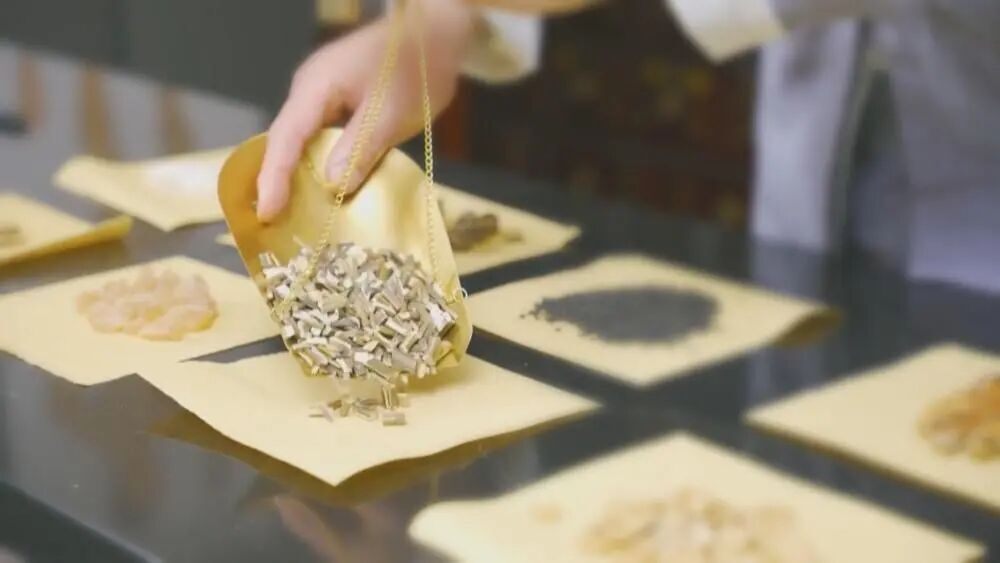
瞄准中药材种业赛道!远大生物农业布局中药材种业,搭乘中医药高质量发展东风
Zheng Quan Shi Bao Wang· 2026-01-14 01:35
Group 1 - The board of directors of Yuanda Holdings approved the establishment of a traditional Chinese medicine (TCM) seed industry company, with a unanimous vote of 14 in favor [1] - The company will invest 81.25 million yuan through its wholly-owned subsidiary, Yuanda Biological Agriculture Co., Ltd., in collaboration with Gansu Hebo Long Medicine Technology Co., Ltd. and Professor Shao Baoping's team [1] - The new company will focus on three core areas: the creation of quality resources and biobreeding technology for TCM materials like Codonopsis pilosula and Astragalus membranaceus, the development of soilless seedling breeding technology, and the deep development and commercialization of TCM health products [1] Group 2 - Codonopsis pilosula is a key TCM material known for its ability to enhance energy and nourish the lungs, with a market sales forecast of approximately 8.5 billion yuan in 2024, and a total market size of 14.86 billion yuan when including the entire industry chain [2] - The market for Codonopsis pilosula is expected to grow at an annual rate of 9% to 12%, potentially exceeding 13.5 billion to 28 billion yuan by 2030 [2] - Astragalus membranaceus is recognized for its multiple health benefits, with a projected market sales of around 18.5 billion yuan in 2024, and a total market size of 30 billion yuan by 2030, growing at an annual rate of 8% to 10% [3] Group 3 - Yuanda Biological Agriculture Co., Ltd. has established a comprehensive strategic development plan since 2021, focusing on core agricultural inputs such as biopesticides and biofertilizers [3] - The company aims to provide integrated support for the production of high-end functional health foods, covering the entire process from quality resource creation to standard control in processing [3] - The collaboration represents the first industrial chain layout in the TCM field for Yuanda Holdings, leveraging biotechnological innovation to upgrade the traditional TCM industry [4]

广东:2024年规模以上中药工业营收超655亿元
Xin Lang Cai Jing· 2025-12-25 04:05
Core Viewpoint - Guangdong Province is advancing the construction of a national traditional Chinese medicine (TCM) comprehensive reform demonstration zone, aiming for high-quality development in the TCM sector through the establishment of five key areas. Group 1: Medical High Ground - 14 hospitals have entered the top 100 in the national performance assessment of public TCM hospitals, with 80 specialties recognized as national advantageous specialties [1] - The total number of TCM outpatient services is projected to reach 252 million visits in 2024, accounting for 26.2% of the total outpatient visits in the province [1] Group 2: Innovation High Ground - A three-in-one innovation system comprising "key laboratories + innovation platforms + clinical transformation" has been established, with 16 TCM-related scientific achievements awarded provincial science and technology progress awards in the past three years, including 6 first prizes [1] Group 3: Talent High Ground - The province boasts 2 academicians, 4 national TCM masters, 8 renowned TCM practitioners, 188 national-level TCM talents, and over 300 provincial-level TCM practitioners, with a TCM general practitioner ratio of 0.93 per 10,000 people [1] Group 4: Industry High Ground - 22 varieties of southern medicine have been recognized as national special and superior new agricultural products, with 4 national-level and 18 provincial-level southern medicine industrial parks established. The revenue of the large-scale TCM industry is expected to reach 65.559 billion yuan in 2024 [1] Group 5: International Cooperation High Ground - The Guangdong-Hong Kong-Macao Greater Bay Area TCM inheritance and innovation development conference has been organized, facilitating high-quality exchange and cooperation, with over 50,000 bottles of 9 varieties of hospital preparations cross-border dispensed to Macau [2] - A total of 24 traditional Chinese medicine products have completed international registration and filing through the Guangdong-Macao cooperation TCM technology industrial park [2] Group 6: Management and Talent Reform - All cities and 95% of counties (districts) have established TCM management institutions, with 5 secondary and above public comprehensive hospitals transformed into TCM hospitals, optimizing the layout of TCM medical institutions [2] - A total of 4,865 senior professional titles have been approved since the implementation of the talent evaluation system, with 61 individuals obtaining provincial-level senior titles in the past three years [2] Group 7: Drug Approval and Insurance Mechanism - Guangdong has reformed the drug review and approval system, promoting the integration of TCM in the Greater Bay Area, with the establishment of an expert committee for TCM standards and the release of 7 TCM standards [3] - A total of 1,336 traditional Chinese medicine products, 1,655 TCM decoction pieces, and 136 traditional TCM diagnostic and treatment projects have been included in the medical insurance payment scope by 2025 [3]
津药达仁堂入选“2026呼吸健康共同体”首批成员单位
Zhong Guo Jin Rong Xin Xi Wang· 2025-12-07 11:54
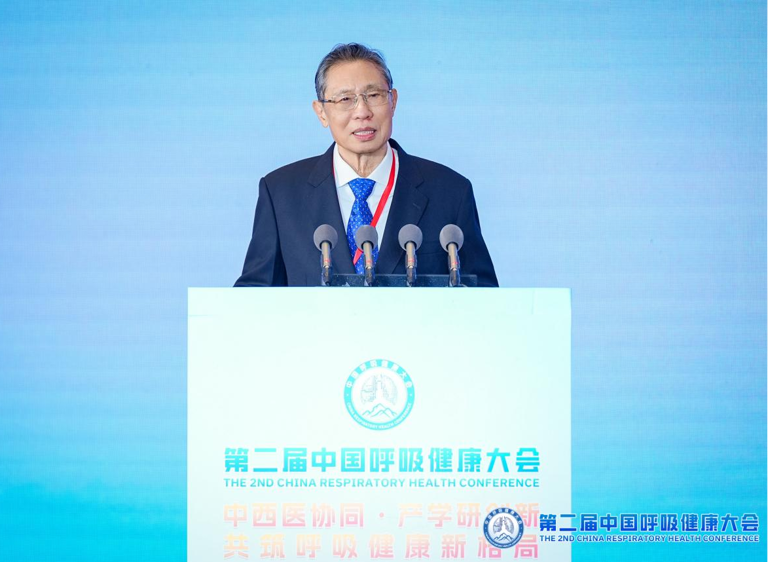
Group 1 - The second China Respiratory Health Conference opened in Guangzhou, focusing on "Collaborative Innovation of Traditional and Western Medicine: Building a New Pattern of Respiratory Health" with over 2,000 experts and scholars in attendance [1] - The "2026 Respiratory Health Community" was established during the opening ceremony, with Tianyao Darentang being one of the first member units [3] - Tianyao Darentang, a traditional Chinese medicine company with a 500-year history, has a product portfolio of 599 drug approvals, including 122 exclusive varieties, covering various health areas [4] Group 2 - In the respiratory product line, Tianyao Darentang has 102 varieties, showcasing key products such as Qingyan Diban and Qingfei Xiaoyan Wan at the conference [5] - The company aims to protect and develop traditional Chinese medicine while promoting respiratory health, focusing on collaboration within the community to enhance innovation [5]

深化改革、数字赋能,东营市中医药高质量发展成效显著
Qi Lu Wan Bao Wang· 2025-09-19 10:50
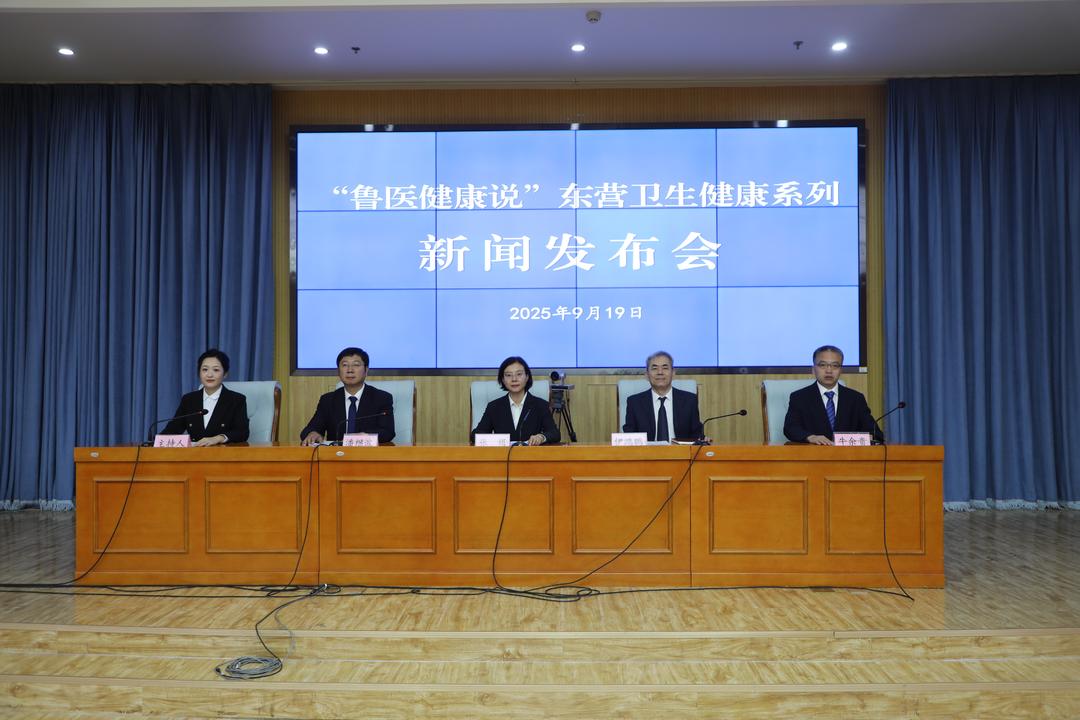
Core Insights - The article highlights the progress and achievements of Dongying City in the development of traditional Chinese medicine (TCM) in alignment with national and provincial policies [1][5]. Group 1: Reform and Development - Dongying has established a monthly monitoring mechanism for high-quality TCM development indicators, enhancing the management and performance of public TCM hospitals [3]. - Several projects from Dongying have been selected as provincial and national pilot projects, including the "Information Technology Leading and Supporting High-Quality Development of TCM" project, which has been recognized by the National Administration of Traditional Chinese Medicine [1][3]. Group 2: Service Capacity and Accessibility - A total of 117 visits by expert TCM practitioners have been conducted since April, resulting in 1,348 prescriptions for traditional Chinese medicine pieces and 643 prescriptions for granules, significantly improving service capacity [3]. - All village clinics and community health service stations in Dongying now provide TCM services, expanding accessibility through the promotion of specialized therapies and suitable techniques [3]. Group 3: Cultural Promotion and Community Engagement - Dongying has established a provincial-level TCM cultural promotion and education base and has conducted various community health initiatives, serving over 26,000 people throughout the year [4]. - The city has implemented an integrated TCM diagnosis and treatment regulatory system, allowing real-time data collection and analysis across four levels of medical institutions [4]. Group 4: Future Directions - Dongying plans to continue deepening TCM reform and innovation, accelerating digital transformation, and promoting high-quality TCM services to contribute to the health development of the city [5].
杭州多措并举推动中医药高质量发展
Hang Zhou Ri Bao· 2025-09-11 02:15
Group 1: Overview of Traditional Chinese Medicine (TCM) Development in Zhejiang - Zhejiang is a major province for traditional Chinese medicine, with 4,599 TCM medical institutions, including 49 tertiary public TCM hospitals, ranking second in the country [1] - By 2024, total outpatient visits in public TCM hospitals are expected to reach 61.83 million, with inpatient discharges projected at 1.76 million [1] - Hangzhou has implemented a "smart TCM" initiative, enhancing healthcare services through technology, including a "smart tongue diagnosis" platform that has served over one million people [1] Group 2: Healthcare Policy and Insurance Support - Hangzhou's Medical Security Bureau has added 17 new TCM service projects and adjusted prices for 99 existing projects to optimize insurance payments for the public [2] - A dynamic pricing mechanism for TCM herbal pieces and formulations has been established to ensure reasonable pricing and quality assurance [2] - The city has initiated traceability management for TCM herbal pieces, with two batches of 15 medicinal materials undergoing traceability work, four of which are nearing clinical application [2] Group 3: Integration of TCM with Lifestyle and Tourism - TCM tea drinks and markets are gaining popularity, with Hangzhou focusing on creating engaging cultural and tourism experiences around TCM [2] - Notable initiatives include the introduction of "Chinese medicine coffee" and seasonal health activities that attract significant tourist engagement [2] - The city has hosted over 300 TCM-themed cultural markets, integrating health services, heritage experiences, and creative product sales, with events attracting up to 30,000 visitors in a single night [3]