
中医AI

Search documents
固生堂(02273):固生堂发行8.57亿港元可转债,资本加持扩张、AI中医系统可期
Haitong Securities International· 2026-01-27 07:34
Investment Rating - The report does not explicitly provide an investment rating for Gushengtang (2273 HK) Core Insights - Gushengtang announced plans to issue US$110 million (approximately HK$857 million) in convertible bonds with a 2% coupon rate and a 5-year maturity, aimed at share repurchases, AI-powered TCM system development, and working capital replenishment [1][5] - The issuance is fully underwritten by funds managed by Boyu Capital, with a controllable equity dilution of 8.91% post-full conversion [1][5] - The expected settlement date for the bond issuance is February 12 [1][5] Summary by Sections Event - Gushengtang plans to issue convertible bonds to raise approximately HK$857 million, with a 2% interest rate and a 5-year term, to support share buybacks, AI system development, and working capital [1][5] Commentary - The low-interest convertible bond issuance is seen as beneficial for stabilizing market expectations, with four key advantages: 1. Strategic endorsement from Boyu Capital, which may accelerate business expansion and diversify customer acquisition channels [2][7] 2. Low-cost financing minimizes interest burden while keeping dilution impact manageable [2][7] 3. Enhanced cash reserves provide greater flexibility for future repurchases or expansion initiatives [2][7] 4. Allocation of funds towards TCM AI system development addresses the industry challenge of a shortage of renowned traditional Chinese medicine practitioners [2][7]
“通用大模型微调成为行业模型是伪命题”?医疗 AI 深度重构,传神语联创始人何恩培:孪生智能体能砍 70% 线下复诊工作
AI前线· 2026-01-13 03:42
Core Insights - The article discusses the evolving role of AI in the medical field, particularly in traditional Chinese medicine (TCM), highlighting the integration of AI technologies to enhance diagnostic and treatment processes [3][4][5] - It emphasizes the shift from traditional experience-based practices to data-driven approaches, with AI expected to play a crucial role in modernizing TCM and making it more accessible [29][30] AI in Healthcare - By the end of 2025, AI applications in healthcare are expected to achieve high penetration but remain superficially integrated, with a focus on practical performance rather than just model parameters [5][6] - AI's role in healthcare is expanding beyond single-task assistance to encompass multi-scenario and full-chain empowerment, particularly in drug development and patient management [7][8] TCM and AI Integration - The integration of AI in TCM is seen as a potential breakthrough area, with the development of digital twins of renowned TCM practitioners to enhance knowledge transfer and patient care [10][11] - The "Shuowen" model developed by the company is noted for its ability to replicate expert diagnostic reasoning, achieving a consistency rate of 95% in treatment recommendations [11][12] Challenges and Opportunities - The article identifies significant challenges in the adoption of AI in TCM, including skepticism from patients and practitioners regarding AI's reliability and the lack of regulatory frameworks for AI applications in healthcare [20][21] - Despite these challenges, the potential for AI to transform TCM practices is highlighted, particularly in enhancing the efficiency of healthcare delivery and improving patient outcomes [19][20] Future Directions - Looking ahead to 2026, the article predicts that AI will evolve into "scenario-based intelligent agents" that can assist in various aspects of TCM, including psychological health and wellness [24][25] - The focus will be on creating personalized health management solutions that integrate traditional practices with modern technology, aiming to provide continuous support to patients [28][29]


对话倪海厦传承人,为什么说多数赛博中医会走不下去?
虎嗅APP· 2025-12-29 09:50
Core Viewpoint - Traditional Chinese medicine (TCM) is gaining recognition in the U.S. healthcare system, with a notable increase in non-Chinese patients seeking treatment, highlighting the need for effective integration of TCM with modern technology and scientific validation [2][4]. Group 1: TCM's Integration with Modern Science - TCM is increasingly being practiced by professionals with engineering and scientific backgrounds, indicating a shift towards a more analytical approach to traditional practices [4]. - The rise of AI and new technologies presents opportunities for better understanding and validating TCM, although many current AI applications may not align with TCM principles [9][10]. - The importance of a holistic view in TCM distinguishes it from Western medicine, which often focuses on specific symptoms rather than the overall patient condition [11][12]. Group 2: Clinical Applications and Efficacy - TCM's approach to diseases, such as flu and other ailments, emphasizes symptom-based treatment rather than specific viral identification, showcasing its unique methodology [6][7]. - The complexity of certain diseases, like lung nodules, is addressed through TCM's understanding of organ relationships and underlying causes, which can lead to effective treatment plans [8]. - TCM is not merely a wellness practice but is capable of treating acute and severe conditions, as emphasized by practitioners who have successfully treated complex cases [8][22]. Group 3: Challenges and Misconceptions - There are significant misconceptions about TCM, often stemming from attempts to evaluate it using Western scientific methods, which may not accurately reflect its principles [11][24]. - The market for TCM is expanding globally, with projections indicating a potential market size of $185.7 billion by 2028, but challenges remain regarding the integrity and understanding of TCM practices [23]. - Misinterpretations of TCM principles, such as the separation of medicine and pharmacology, can lead to ineffective practices and undermine the holistic nature of TCM [21][22]. Group 4: Future Directions - The future of TCM may lie in its ability to adapt and integrate with modern medical practices and technologies, fostering a more comprehensive understanding of health and treatment [22][24]. - There is a call for more quality educational resources and scientific validation to demystify TCM and promote its clinical efficacy [24].
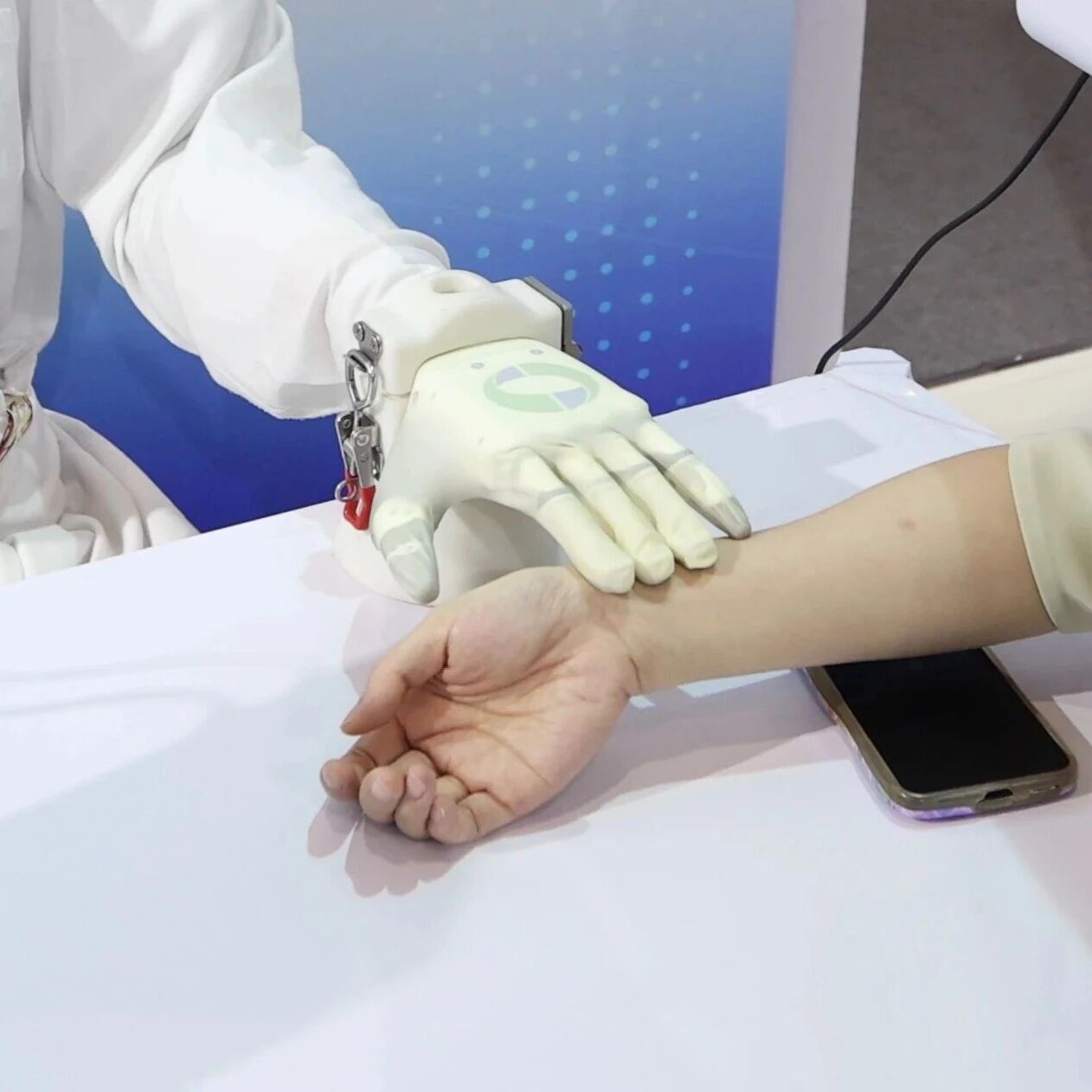
AI + 出海双轮驱动,固生堂引领中医药现代化新征程
Mei Ri Jing Ji Xin Wen· 2025-12-10 07:34
Core Insights - The integration of technology and traditional Chinese medicine (TCM) is gaining momentum, with significant developments in AI applications within the industry [1][2] - Guoshengtang is positioning itself as a leader in TCM modernization and internationalization, aiming to enhance the quality and accessibility of TCM resources [1][3] Group 1: AI and Technology Integration - Guoshengtang has established strategic partnerships with top research teams to develop TCM-specific AI models, marking a shift from exploration to large-scale application [2][3] - The AI platform, "Guoyi AI Avatar," has achieved an expert simulation consistency of over 86%, enhancing the efficiency of online consultations and addressing the uneven distribution of quality medical resources [3][4] - The company has been building a digital infrastructure since 2019, accumulating extensive clinical data to support its AI initiatives [2][3] Group 2: Clinical Research and Evidence-Based Medicine - The launch of the "Xunyan Zhizhi" clinical research integration platform aims to address the challenges of evidence-based evaluation in TCM, utilizing AI to create a comprehensive innovation system [6][7] - This platform will facilitate the collection of accurate clinical data, enabling objective assessments of TCM efficacy and promoting a shift from experience-based to evidence-based medicine [6][7] Group 3: Global Expansion and Market Strategy - Guoshengtang is expanding its global footprint through a "merger + cooperation + self-built" strategy, with plans to acquire 14 clinics in Singapore and establish a joint venture with a digital healthcare platform [9][10] - The company has formed strategic partnerships with various platforms to enhance its service accessibility and user engagement, significantly increasing its customer acquisition rates [8][9] - By 2026, Guoshengtang plans to enter markets in Hong Kong and Malaysia, followed by expansion into Europe and the United States [1][9]
固生堂:携手四大顶尖团队打造中医AI大模型,驱动高质量增长
Ge Long Hui· 2025-12-09 11:13
Core Viewpoint - The collaboration between Guoshengtang and four top research teams aims to develop a robust Traditional Chinese Medicine (TCM) AI model and intelligent systems, enhancing the supply of quality TCM services and accelerating the training of young physicians [1][3]. Group 1: Collaboration and Technological Foundation - Guoshengtang has partnered with four leading research teams, each a recognized authority in their fields, to create a comprehensive technical support system for TCM AI model development [4]. - The collaboration focuses on five key breakthroughs, including the creation of an industry-leading TCM AI model base that enhances clinical practicality and reliability [4]. - A comprehensive evaluation system for TCM AI models will be established in collaboration with authoritative institutions to ensure fair assessment and continuous optimization of model performance [4]. Group 2: AI Applications and Innovations - The "National Medicine AI Avatar" product, specifically the "TCM Brain," has been launched to provide real-time clinical decision support to young physicians, marking a significant advancement in empowering medical professionals [6][8]. - The TCM Brain integrates with Guoshengtang's HIS system to create a full-process assistance system, improving the efficiency of diagnosis and treatment documentation [8]. - The AI system is designed to provide evidence-based recommendations, allowing young physicians to learn from expert diagnostic reasoning, thereby shortening their training period and enhancing the standardization of treatment [8][9]. Group 3: Resource Optimization and Future Plans - Guoshengtang has established a dedicated AI team and is systematically developing AI capabilities, including hardware and data collection, to ensure a complete research and implementation chain [10]. - The company plans to launch an expert AI studio to further enhance the value of quality TCM resources and address core industry challenges such as resource scarcity and long training cycles for physicians [11].
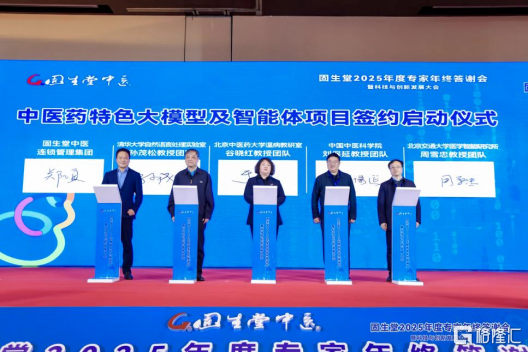
固生堂(02273.HK)12月9日耗资959.7万港元回购34万股
Ge Long Hui· 2025-12-09 10:34
Group 1 - The company, Guoshengtang (02273.HK), announced a share buyback on December 9, spending HKD 9.597 million to repurchase 340,000 shares [1] - The buyback reflects the company's strategy to enhance shareholder value amidst its ongoing initiatives in traditional Chinese medicine and AI technology [1] - Guoshengtang is focusing on both technological advancements and global expansion to drive new growth momentum [1]
中医AI与出海齐头并进!固生堂"科技+全球化"释放增长新动能
Ge Long Hui· 2025-12-09 08:32
Core Insights - The conference held by Gushengtang on December 5, 2025, showcased significant collaborations and achievements in the integration of traditional Chinese medicine (TCM) and artificial intelligence (AI), highlighting the company's commitment to modernizing TCM and expanding its international presence [1][3]. Group 1: AI Model Development - Gushengtang announced partnerships with four leading research teams to develop a TCM AI model, enhancing clinical applicability and reliability through interdisciplinary collaboration [7][8]. - The collaboration aims to create a robust AI evaluation system and develop AI applications like the "National Medicine AI Avatar" to assist in diagnosis and patient management [8][9]. Group 2: Clinical Research Integration - A clinical research integration platform was launched to accelerate the transformation of clinical research outcomes, focusing on real-world data evaluation in TCM [10]. - Gushengtang has completed 16 internal formulations, with one product successfully certified and launched in Singapore, demonstrating its strong R&D capabilities [10]. Group 3: Global Expansion and Ecosystem Development - Gushengtang is expanding its service boundaries through a strategic partnership with Amap, integrating TCM services with navigation and local life scenarios to enhance user accessibility [11]. - The company is adopting a "merger + cooperation + self-built" strategy for global expansion, with a full acquisition of Singapore Chinese Medicine to increase its presence in the region [12].
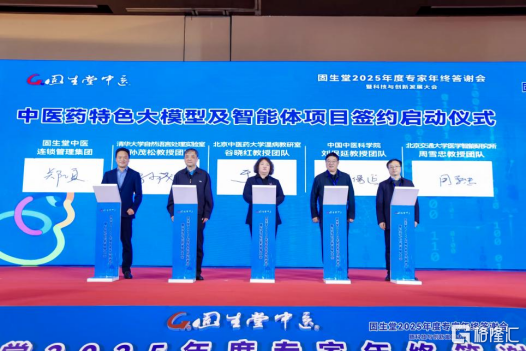
中医AI与出海齐头并进!固生堂(02273)“科技+全球化”释放增长新动能
智通财经网· 2025-12-09 08:24
Core Insights - The conference held by Guoshengtang on December 5, 2025, showcased significant collaborations and innovations in the integration of traditional Chinese medicine (TCM) and artificial intelligence (AI) [1][3] - Guoshengtang aims to modernize and internationalize TCM, responding to national policy initiatives and expanding its service capabilities through AI and overseas market development [3] Group 1: Collaborations and Innovations - Guoshengtang announced partnerships with four leading research teams to develop a TCM AI model, enhancing clinical applicability and reliability [6] - The company launched the "National Medicine AI Avatar" product, providing real-time clinical decision support for young doctors, currently in trial operation across several specialties [7] - A clinical research integration platform was initiated to address real-world data evaluation challenges in TCM, with 16 internal formulations already registered [8] Group 2: Global Expansion and Market Strategy - Guoshengtang signed a strategic cooperation agreement with Amap to integrate TCM services with navigation and local life scenarios, enhancing user accessibility [10] - The company is pursuing a "merger + cooperation + self-built" strategy for global expansion, with a full acquisition of Singapore Chinese Medicine to increase its presence in the region [10] - The overall strategy emphasizes AI-driven diagnosis, research-driven products, and a comprehensive flow ecosystem to support TCM's international outreach [10]
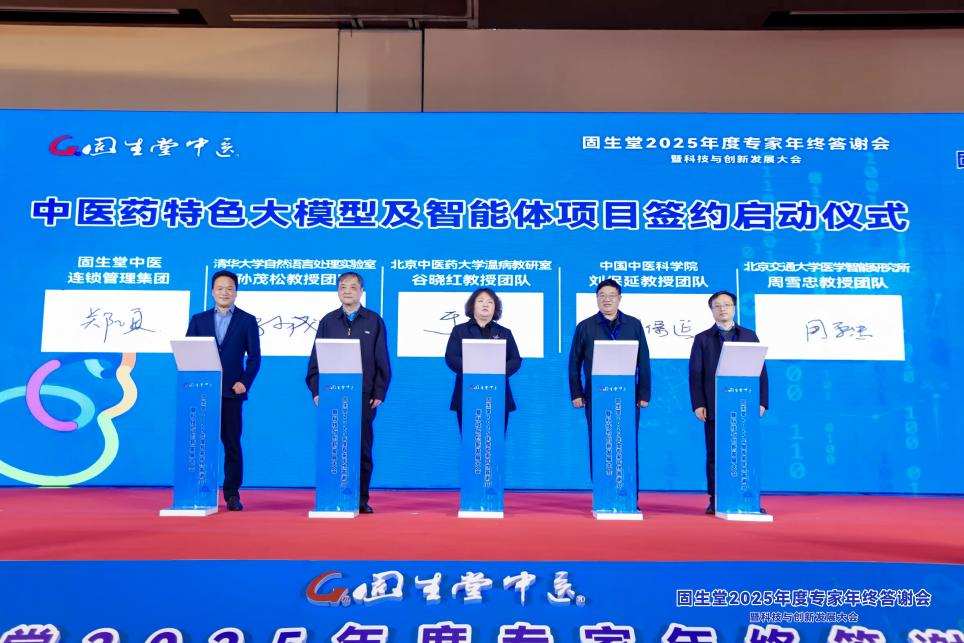
固生堂(02273.HK):业绩稳健增长 “国医AI分身+院内制剂”有望打造成长新动能
Ge Long Hui· 2025-09-04 03:57
Core Insights - Company achieved a revenue of 1.495 billion yuan in H1 2025, representing a year-on-year growth of 9.5% and a net profit of 152 million yuan, up 41.6% [1] - The company is expanding its network through self-built and acquired stores, enhancing its physician resources and medical network [2] - The company is accelerating the transformation of in-hospital preparations into innovative traditional Chinese medicine, promoting productization and standardization of healthcare solutions [3] - The launch of ten AI avatars in traditional Chinese medicine aims to enhance service quality and address the shortage of quality medical resources [4] - The company is positioned as a leading player in the traditional Chinese medicine healthcare service sector, with optimistic revenue and profit projections for 2025-2027 [5] Financial Performance - In H1 2025, the company reported a revenue of 1.495 billion yuan, a 9.5% increase year-on-year, with offline medical institution revenue at 1.367 billion yuan, up 11.1% [1] - The adjusted net profit reached 170 million yuan, reflecting a 15.2% increase, while the gross margin improved to 30.6%, up 1.2 percentage points [1] - Operating cash flow was 300 million yuan, a significant increase of 111%, and free cash flow reached 210 million yuan, up 466% [1] Business Expansion - The company added 7 new stores in H1 2025, including 4 self-built and 3 acquired, expanding into 2 new cities [2] - As of H1 2025, the total number of offline stores reached 83, with a growing network in Singapore [2] - The company has established partnerships with 37 medical alliance units, enhancing its collaborative healthcare network [2] Customer Engagement - New customer acquisition reached approximately 453,000, a growth of 7.77%, with total patient visits at 2.747 million, up 15.27% [2] - Membership visit numbers increased to 1.08 million, reflecting a 15.14% growth, while membership revenue reached 620 million yuan, up 6.3% [2] Innovation and Technology - The company reported a 209% increase in revenue from self-priced products, including in-hospital preparations [3] - The successful certification of a hair care product in Singapore marks a significant achievement in the company's product transformation capabilities [3] - The introduction of AI avatars aims to enhance the efficiency and quality of traditional Chinese medicine services, achieving over 86% consistency in expert simulations [4] Future Outlook - The company is expected to achieve revenues of 3.405 billion yuan, 4.014 billion yuan, and 4.826 billion yuan from 2025 to 2027, with net profits projected at 406 million yuan, 533 million yuan, and 677 million yuan respectively [5] - The current PE multiples for 2025 are projected at 17.8X, with a "buy" rating maintained based on growth prospects [5]
固生堂(02273):业绩稳健增长,“国医AI分身+院内制剂”有望打造成长新动能
Great Wall Securities· 2025-09-03 07:20
Investment Rating - The report maintains a "Buy" rating for the company, indicating an expected stock price increase of over 15% relative to the industry index in the next six months [5][19]. Core Insights - The company has demonstrated steady revenue growth, with a projected increase in operating income from 2,323 million in 2023 to 4,826 million by 2027, reflecting a compound annual growth rate (CAGR) of approximately 20.2% [1][11]. - The net profit attributable to shareholders is expected to rise from 252.2 million in 2023 to 677.4 million in 2027, with a notable growth rate of 32.5% in 2025 [1][11]. - The company is focusing on expanding its offline medical institutions and enhancing its AI capabilities in traditional Chinese medicine, which are anticipated to drive future growth [10][11]. Financial Performance Summary - For the first half of 2025, the company reported revenue of 1,495 million, a year-on-year increase of 9.5%, with offline medical institution revenue growing by 11.1% [2][3]. - The adjusted net profit for the same period was 170 million, reflecting a 15.2% increase year-on-year, while the gross margin improved to 30.6% [2][3]. - The company has achieved significant growth in cash flow, with operating cash flow reaching 300 million, up 111% year-on-year, and free cash flow increasing by 466% to 210 million [2]. Business Expansion and Strategy - The company has continued to expand its network, adding 7 new stores in the first half of 2025, including 4 self-built and 3 acquired, bringing the total to 83 stores across China and Singapore [3]. - The company has established partnerships with 37 medical alliance units, enhancing its resource base and service capabilities [3]. - The introduction of 10 AI models in traditional Chinese medicine aims to improve service delivery and patient experience, addressing the shortage of quality medical resources [10]. Future Projections - The company is expected to achieve operating revenues of 3,405 million, 4,014 million, and 4,826 million from 2025 to 2027, with corresponding net profits of 406 million, 533 million, and 677 million [1][11]. - The price-to-earnings (P/E) ratio is projected to decrease from 17.8 in 2025 to 10.7 by 2027, indicating potential undervaluation as earnings grow [1][11].