乙肝功能性治愈

Search documents
腾盛博药-B(02137.HK)披露截至2025年12月31日止年度业绩公告,3月20日股价下跌6.16%
Sou Hu Cai Jing· 2026-03-20 09:36
Core Viewpoint - Tengsheng Bo Pharmaceutical Co., Ltd. reported a significant decrease in cash reserves and revenue for the fiscal year ending December 31, 2025, while also showing a reduced net loss compared to the previous year [2]. Financial Performance - The company's cash and cash equivalents amounted to RMB 1.941 billion, a decrease of 19.6% year-on-year, primarily due to operational expenses, R&D activities, and acquisition costs related to BRII-179 [2]. - Revenue for the period was RMB 18.6 million, mainly from a licensing and technology transfer agreement with Health元 Group [2]. - Other income was RMB 68.8 million, reflecting a 51.3% year-on-year decline, attributed to reduced bank interest income and government subsidies [2]. - R&D expenses totaled RMB 213 million, down 14.8% year-on-year, while administrative expenses were RMB 110 million, a decrease of 28.5% [2]. - The net loss for the year was RMB 224 million, a reduction of 56.3% compared to the previous year, mainly due to decreased fair value losses on equity and impairment losses, as well as lower operational expenses [2]. Strategic Developments - The company continues to advance its hepatitis B functional cure project, with three Phase 2b clinical studies (ENSURE, ENRICH, ENHANCE) having completed subject recruitment, with key data expected to be released in 2026 [2]. - The company is enhancing its early-stage R&D capabilities and has partnered with OpenBench to incorporate AI drug discovery technology [2]. - The board of directors has decided not to recommend the distribution of a final dividend [2].
利润年均增长54%,乙肝终结者的生意经!
市值风云· 2026-03-04 10:12
Core Viewpoint - The article highlights a significant advancement in the treatment of chronic hepatitis B in China, with the approval of Pegbelfermin for the functional cure of hepatitis B, marking a shift from merely controlling the virus to achieving clinical cure [4][5]. Group 1 - There are approximately 75 million chronic hepatitis B patients in China [4]. - The long-standing treatment goal for hepatitis B has been to "control the virus" by suppressing the replication of hepatitis B virus DNA, without clearing the hepatitis B surface antigen (HBsAg) [4]. - In October 2025, Pegbelfermin, in combination with nucleos(t)ide analogs, received approval from the National Medical Products Administration for the new indication of sustained HBsAg clearance in adult chronic hepatitis B patients [4]. Group 2 - Sustained clearance of HBsAg, commonly referred to as "clinical cure" for hepatitis B, is now achievable [5]. - Pegbelfermin is the first drug approved for this indication, signifying a new phase in hepatitis B treatment in China, transitioning from "viral control" to "functional cure" [5].


主动撤回药物上市申请,这家公司成今日上午A股跌幅最大企业
Di Yi Cai Jing Zi Xun· 2026-01-21 04:44
Core Viewpoint - The company Kain Technology (688687.SH) has voluntarily withdrawn its drug registration application for a hepatitis B treatment, leading to a significant drop in its stock price by 11.78% on January 21, making it the largest decline in the A-share market that day [2][3]. Group 1: Drug Development and Regulatory Actions - Kain Technology received a termination notice from the National Medical Products Administration (NMPA) regarding its application for the drug Peginterferon α-2 Injection for a new hepatitis B indication [2]. - The drug Peginterferon α-2 Injection was initially approved in 2018 for treating chronic hepatitis C and was being studied for its efficacy in treating chronic hepatitis B, with clinical trials showing potential for functional cure [3]. - The company plans to supplement clinical case studies as per NMPA's requirements and intends to resubmit the registration application in the future, although no specific timeline has been provided [4]. Group 2: Financial Implications and Market Reaction - The withdrawal of the drug application has led the company to fully provision for asset impairment related to the development costs of the hepatitis B indication, which is expected to reduce the company's profit by 111 million yuan in 2025 [4]. - This decision has raised concerns among investors about the future of the drug's development in the hepatitis B space, although the company clarified that it has not abandoned the project and is acting out of caution [4].


主动撤回药物上市申请,这家公司成今日上午A股跌幅最大企业
第一财经· 2026-01-21 04:39
Core Viewpoint - The company, Kaiyin Technology, has voluntarily withdrawn its drug registration application for Pegylated Interferon α-2 Injection for the treatment of chronic hepatitis B, leading to a significant drop in its stock price by 11.78% on January 21, making it the largest decline in the A-share market that morning [3][6]. Group 1: Drug Development and Market Impact - Pegylated Interferon α-2 Injection is a novel long-acting interferon developed by the company, initially approved in 2018 for chronic hepatitis C treatment [3]. - The new application aimed to expand its use to chronic hepatitis B, with clinical research showing potential for functional cure, including over 20% of patients achieving HBsAg clearance [4][5]. - The withdrawal was based on the latest review suggestions from the National Medical Products Administration, and the company plans to supplement clinical case studies before resubmitting the application [5][6]. Group 2: Financial Implications - The company has fully recognized impairment losses related to the development expenses of the withdrawn application, reducing its profit by 111 million yuan for the fiscal year 2025 [6]. - This decision raised concerns among investors about the future of the drug's development in hepatitis B, although the company clarified that it has not abandoned the project and is acting cautiously [6].

今日上午A股跌幅最大企业,主动撤回乙肝药上市申请
Di Yi Cai Jing· 2026-01-21 04:05
Core Viewpoint - The company has withdrawn its drug registration application for the hepatitis B treatment, leading to a significant drop in its stock price, indicating investor concerns about the future of its drug development pipeline [1][2][3] Group 1: Drug Development and Regulatory Actions - The drug in question, Peginterferon α-2a injection, was the fastest progressing hepatitis B drug in the company's pipeline and had recently reached the application stage for market approval [1] - The company received a termination notice from the National Medical Products Administration, agreeing to the withdrawal of the drug registration application for the hepatitis B indication [1][2] - The company plans to supplement clinical case studies as per regulatory requirements and may resubmit the registration application in the future [2][3] Group 2: Financial Impact and Market Reaction - The withdrawal of the registration application resulted in an 11.78% drop in the company's stock price, making it the largest decline in the A-share market on that day [1] - The company has fully recognized impairment losses related to the development expenses of the Peginterferon α-2a injection project, which will reduce its profit by 111 million yuan in 2025 [3] - This decision has raised concerns among investors about the viability of the drug's development for hepatitis B, although the company maintains that it has not abandoned the project [3] Group 3: Industry Context - Hepatitis B virus infection is a significant global public health issue, with chronic hepatitis B potentially leading to severe complications like cirrhosis and liver cancer if not properly managed [2] - The company has previously achieved a high cure rate for hepatitis C with its all-oral drug series, but faces increasing competition in the hepatitis C market, prompting a shift towards innovative hepatitis B treatments [2]
两项三期临床研究取得积极结果,乙肝“功能性治愈”更近了?
Xin Lang Cai Jing· 2026-01-08 13:13
Group 1 - GSK and Ionis Pharmaceuticals have reported positive results from two key Phase III clinical trials for bepirovirsen, a drug aimed at achieving functional cure for chronic hepatitis B (HBV) [1][2] - The global chronic HBV infection population is approximately 254 million, with around 75 million in China, highlighting a significant unmet medical need for effective treatments [1] - Functional cure does not equate to complete virus eradication but significantly reduces the risks of liver cancer and cirrhosis, aligning with current drug development trends in chronic HBV [1] Group 2 - Bepirovirsen, an antisense oligonucleotide (ASO) therapy, aims to identify and destroy the genetic components of the HBV, potentially allowing patients' immune systems to regain control over the infection [2] - Domestic companies are also advancing innovative drug development for functional cure of HBV, with Guangsheng Tang's GST-HG141 and Dongyangguang Pharmaceutical's GLS4 both in Phase III trials [3] - Other companies like Zhimeng Pharmaceutical and Haobo Pharmaceutical are developing HBV core inhibitors and novel ASO drugs, respectively, indicating a growing pipeline for HBV treatment [4] Group 3 - Experts in the field have noted that while functional cure for HBV may not achieve the same results as the complete eradication seen with hepatitis C, the advancements in research are significant for future drug development [5]

告别终身服药?乙肝患者有望迎来“功能性治愈”时代
第一财经· 2026-01-08 10:11
Core Viewpoint - GSK's Bepirovirsen has achieved primary endpoints in two key Phase III clinical trials for chronic hepatitis B treatment, potentially leading to the first antiviral therapy that can achieve functional cure in just six months [3][4]. Group 1: Drug Development and Market Potential - Bepirovirsen is a novel antisense oligonucleotide (ASO) therapy that directly inhibits viral replication [3]. - If approved, Bepirovirsen could generate peak annual sales exceeding £2 billion (approximately $2.7 billion), bringing GSK closer to its goal of over £40 billion in annual revenue by 2031 [3]. - Analysts believe that even a 15% to 20% functional cure rate among hepatitis B patients would significantly alter global treatment outcomes [3]. Group 2: Current Treatment Landscape - Chronic hepatitis B (CHB) affects over 250 million people globally and is a leading cause of liver cancer, with over 1 million deaths attributed to it in 2022 according to WHO estimates [4]. - Current standard treatments, primarily nucleos(t)ide analogs (NAs), can effectively suppress viral replication but do not eliminate the virus, requiring lifelong medication for patients [4]. - Data indicates that standard treatments only allow 1% to 4% of patients to clear the virus over time, and these treatments may lead to complications [4]. Group 3: Implications for Future Treatment - If new therapies like Bepirovirsen are approved, there could be a fundamental shift in hepatitis B treatment outcomes in China and globally [5]. - Other pharmaceutical giants, including Roche and Johnson & Johnson, are also actively developing related therapies, indicating a competitive landscape in hepatitis B treatment innovation [5].
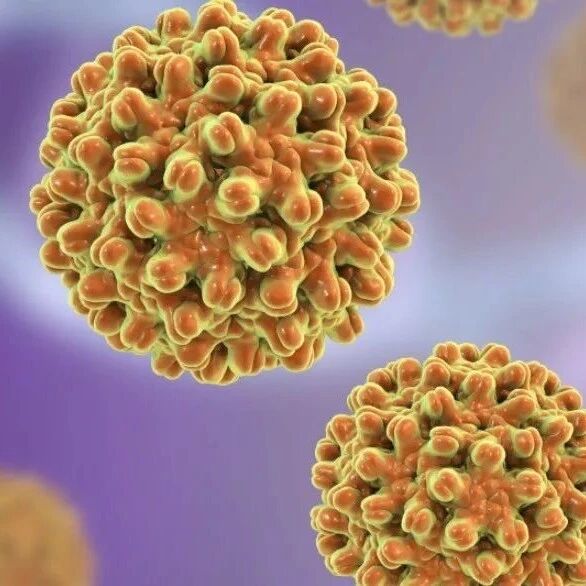
告别终身服药?乙肝患者有望迎来“功能性治愈”时代
Di Yi Cai Jing· 2026-01-08 08:44
Group 1 - GSK's Bepirovirsen has achieved primary endpoints in two key Phase III clinical trials, potentially leading to the first antiviral therapy for functional cure of chronic hepatitis B (CHB) with a limited 6-month treatment course [1] - The drug is a novel antisense oligonucleotide (ASO) that directly inhibits viral replication, with GSK planning to initiate global regulatory approval in Q1 of this year [1] - Analysts suggest that even a 15% to 20% functional cure rate among hepatitis B patients would significantly alter global treatment outcomes, as current therapies do not achieve notable functional cure rates [1][2] Group 2 - Chronic hepatitis B affects over 250 million people globally and is a leading cause of liver cancer, with over 1 million deaths attributed to it in 2022 according to WHO [2] - Current standard treatments, primarily nucleos(t)ide analogs (NAs), can suppress viral replication but do not eliminate the virus, requiring lifelong medication for patients [2] - The potential approval of new therapies like Bepirovirsen could fundamentally change treatment outcomes for hepatitis B in China, with other pharmaceutical giants like Roche and Johnson & Johnson also developing related therapies [3]
康泰生物60μg乙肝疫苗用于“防复阳”获批临床 有望为慢性乙肝功能性治愈提供全球创新策略
Zheng Quan Ri Bao Zhi Sheng· 2025-12-18 04:43
Core Viewpoint - Shenzhen Kangtai Biological Products Co., Ltd. has received approval from the National Medical Products Administration for its recombinant hepatitis B vaccine (60μg) to conduct clinical trials aimed at preventing HBsAg reversion in patients with functional cure of chronic hepatitis B [1][2]. Group 1: Clinical Development - The approved 60μg hepatitis B vaccine works by inducing high levels of hepatitis B surface antibodies, establishing long-lasting immune memory to help maintain a sustained functional cure state in patients who have cleared the hepatitis B surface antigen [1]. - The vaccine is positioned as a global innovative strategy to maintain sustained cure in chronic hepatitis B patients after discontinuation of treatment [1]. Group 2: Market Potential - The global market for hepatitis B treatment is projected to reach 124.6 billion yuan by 2030, with approximately 300 million chronic hepatitis B infected individuals worldwide [1]. - In China, there are about 75 million chronic hepatitis B infected individuals, and the domestic market for hepatitis B treatment is expected to exceed 70 billion yuan by 2030 [1]. - There is a significant unmet clinical need in hepatitis B treatment, with a lack of strategies to consolidate long-term efficacy and reduce the risk of reversion [1]. Group 3: Company Background - Kangtai Biological was established in 1992 to undertake the mission of introducing recombinant hepatitis B vaccine technology to China [2]. - The 60μg hepatitis B vaccine, launched in 2010, is a global innovative product, and the recent approval marks a significant step for the company to cover the entire cycle of hepatitis B "prevention + treatment + reversion prevention" needs [2]. - This development is expected to provide greater hope for hepatitis B patients and support the company's goal of becoming a global innovator in biopharmaceuticals [2].
Nature子刊:悦康药业siRNA新药,有望实现乙肝的功能性治愈
生物世界· 2025-12-03 04:04
Core Viewpoint - The article discusses a promising new treatment for chronic hepatitis B virus (HBV) infection, highlighting the potential of the siRNA drug KC13-M2G2 to achieve functional cure, outperforming existing therapies [3][4][7]. Group 1: Background on HBV - Approximately 325 million people globally are chronically infected with HBV, leading to nearly 1 million deaths annually despite the availability of effective vaccines [2]. - Chronic HBV infection poses significant risks, including progressive liver disease and is responsible for nearly half of liver cancer cases [2]. Group 2: Research Findings - The research published by the team from悦康药业 in Nature Communications presents KC13-M2G2, an siRNA drug targeting the HBV S region, which aims to significantly suppress HBsAg levels and restore host immunity [3][6]. - KC13-M2G2 demonstrated strong antiviral efficacy against all HBV genotypes in vitro and showed rapid and sustained reductions in HBsAg and HBV DNA levels in multiple mouse models, with serological conversion of HBsAb [7]. - In toxicology studies on rats and crabs monkeys, KC13-M2G2 exhibited satisfactory biosafety, indicating its potential for clinical application [7].